

Singapore and Oracle partner to train 10,000 in AI, cloud computing
About 10,000 students and professionals will be trained in AI and other…


Q&A: OVHcloud pushes for water-cooling in Southeast Asian data centres
Closed-loop water cooling has helped an OVHcloud data centre in Singapore keep…


Tech remains key factor to attract foreign investments to Singapore: EDB
Buoyed by rapid digitialisation and AI adoption, more foreign companies are expected…
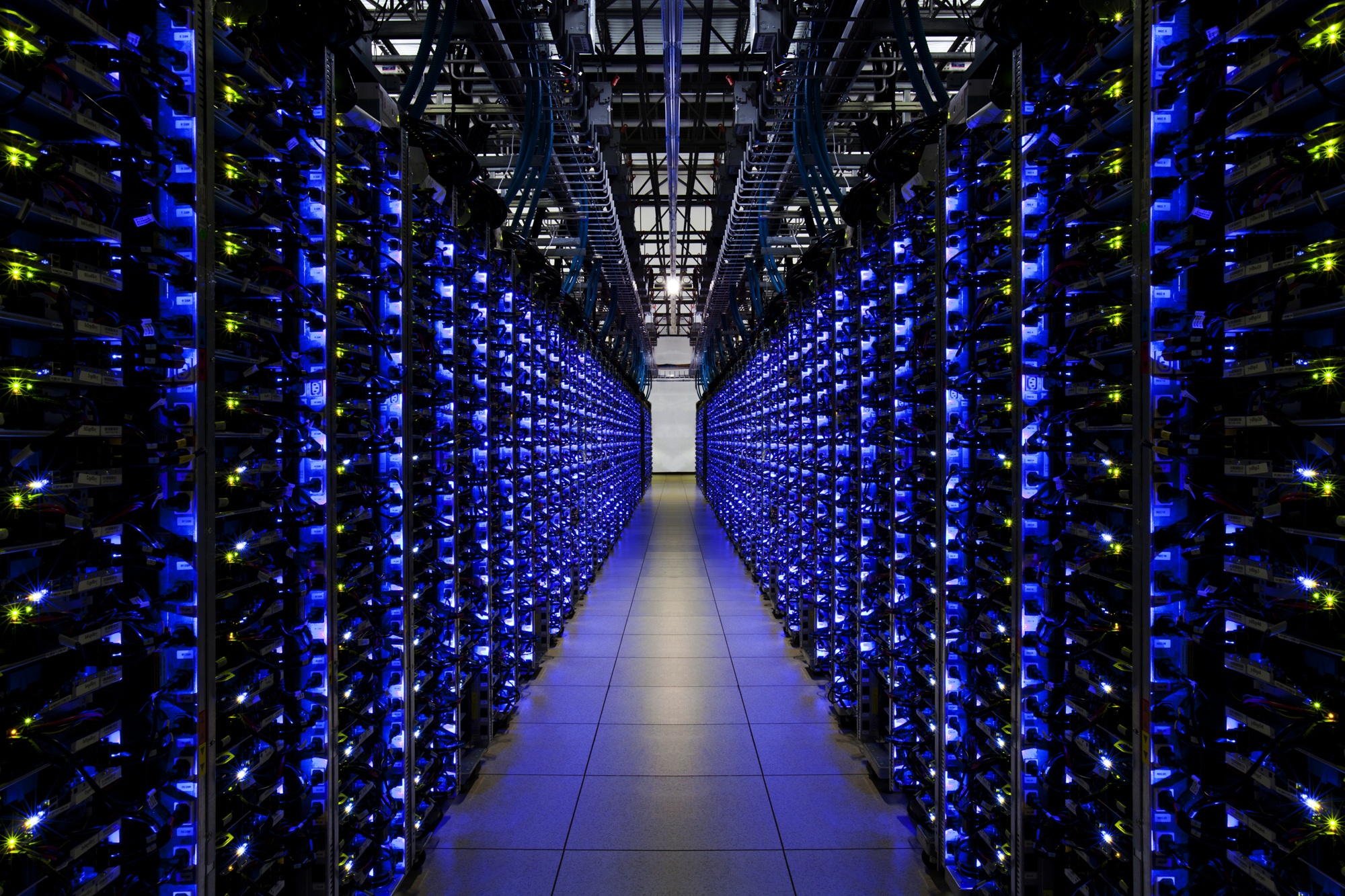
Green tropical data centre testbed gets boost with Schneider Electric collaboration
Schneider Electric invests S$1.2 million to collaborate with the Sustainable Tropical Data…

Green hydrogen: A potential for data centre backup power, says Singapore study
Hydrogen fuel systems are a promising backup power supply solution for data…
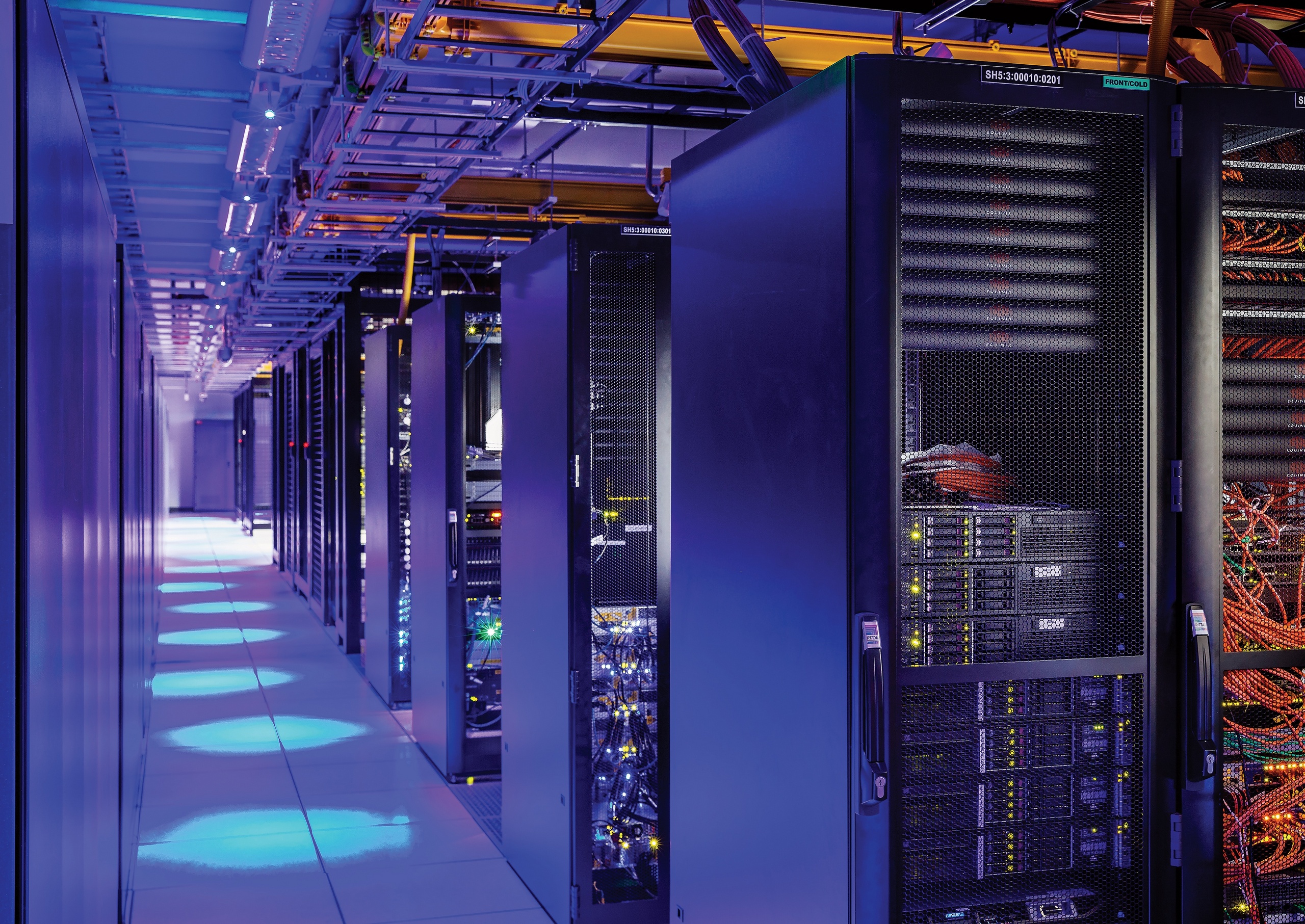
Equinix to raise data centre temperature ranges to boost energy efficiency
Equinix is raising the temperature ranges for its data halls to boost…
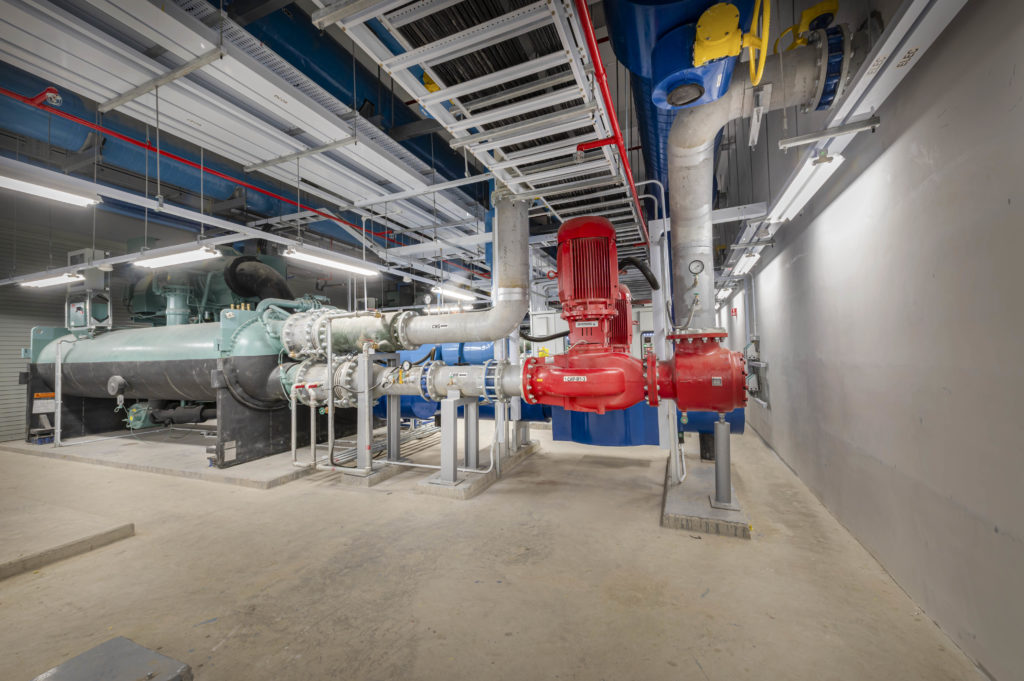
Equinix joins with NUS centre to explore hydrogen technologies for data centres
Equinix is working with the National University of Singapore to explore hydrogen…
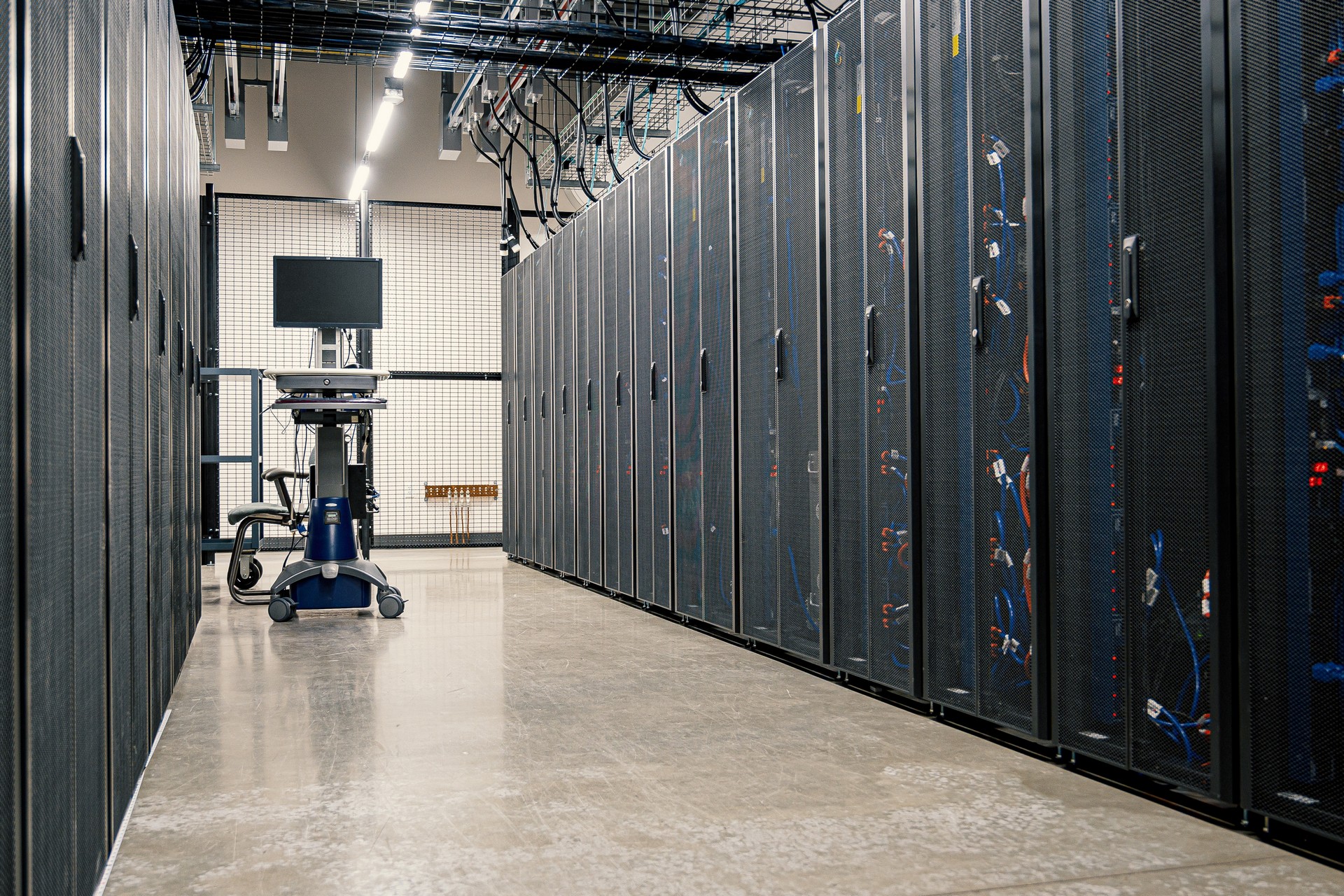
After three-year pause, Singapore warily calls for more sustainable data centres
Singapore is calling for new data centres in future to be more…
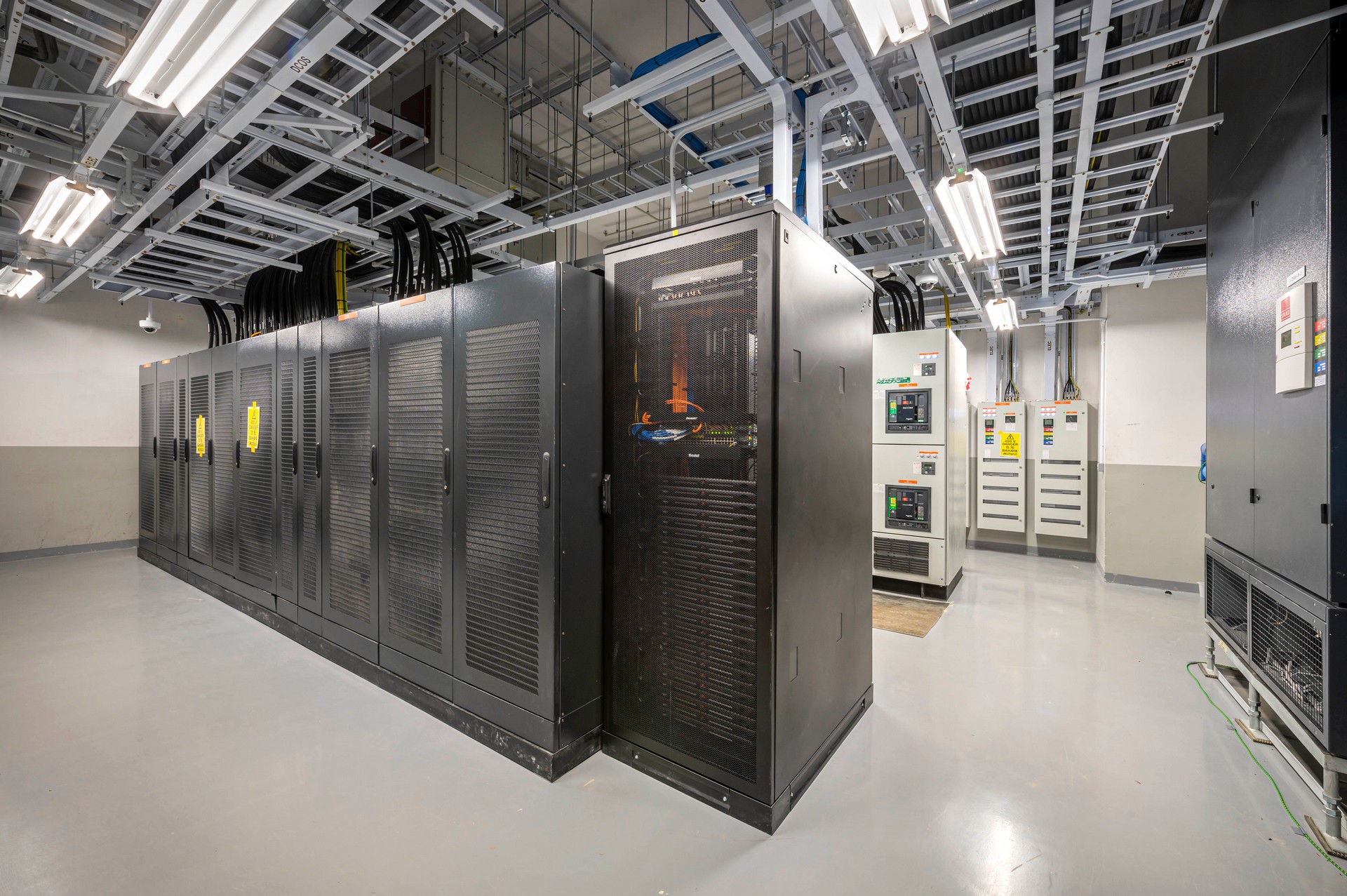
Equinix invests extra US$86 million in fifth Singapore data centre, more than doubles server space
To support demand for digital infrastructure services, Equinix has invested another US$86…

Q&A: Google Cloud says sustainability efforts have gained momentum, made a difference outside the data centre
Asia-Pacific organisations are looking at sustainability as a strategic imperative that has…
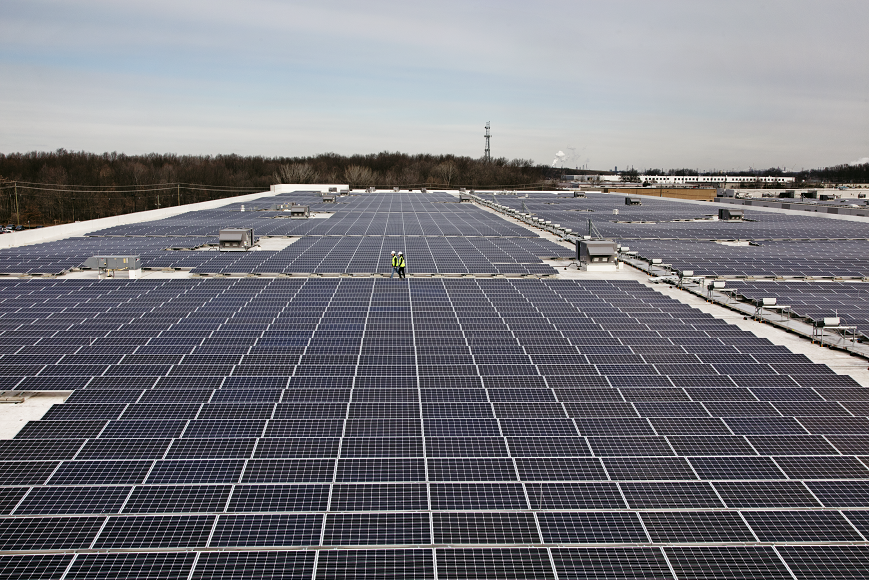
Customers and businesses need to play their part for sustainability at the data centre
Businesses and customers should track and optimise their infrastructure, processes and apps…
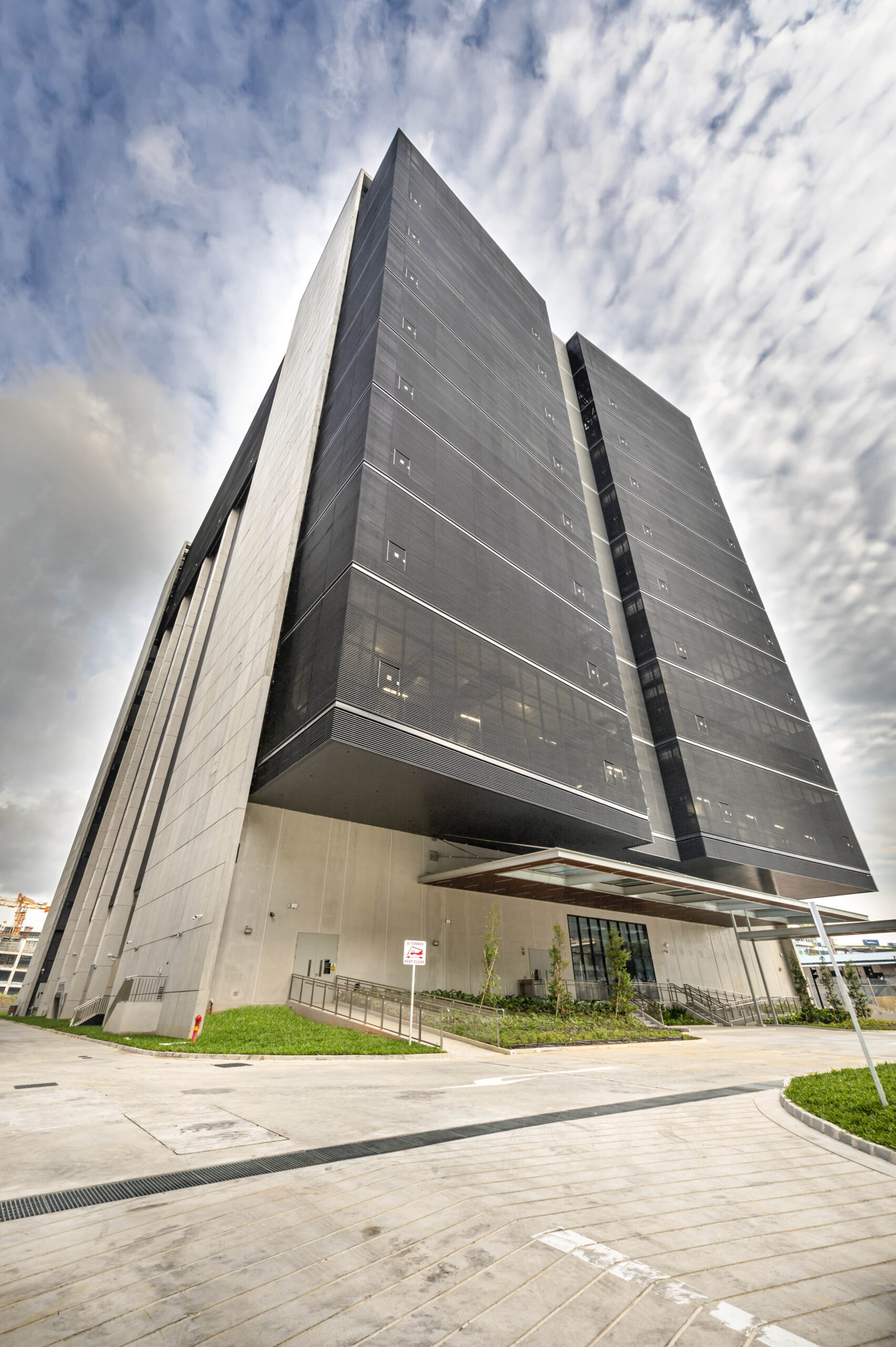
Equinix opens US$144 million data centre, 5th in Singapore
Equinix opened its fifth Singapore data centre at the Tanjong Kling data…
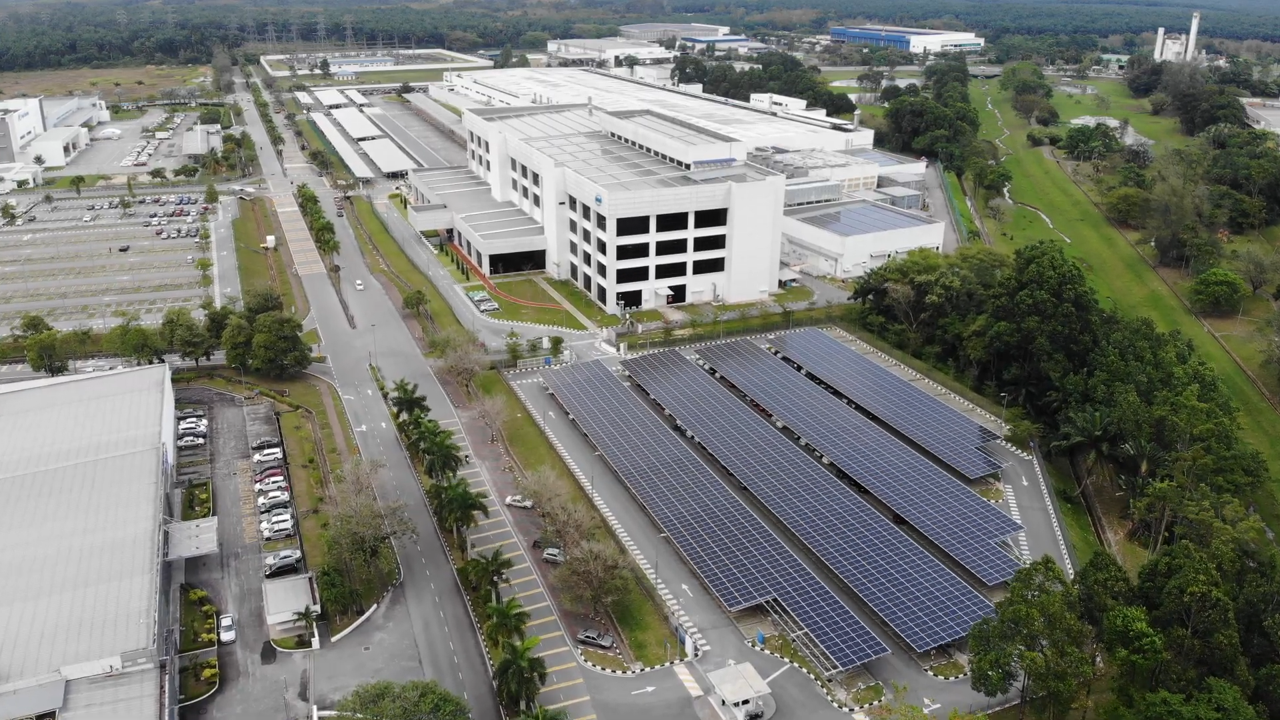
Can Singapore rely on renewable energy, as digital economy grows?
As the on-demand, digital economy grows the years ahead in Southeast Asia,…
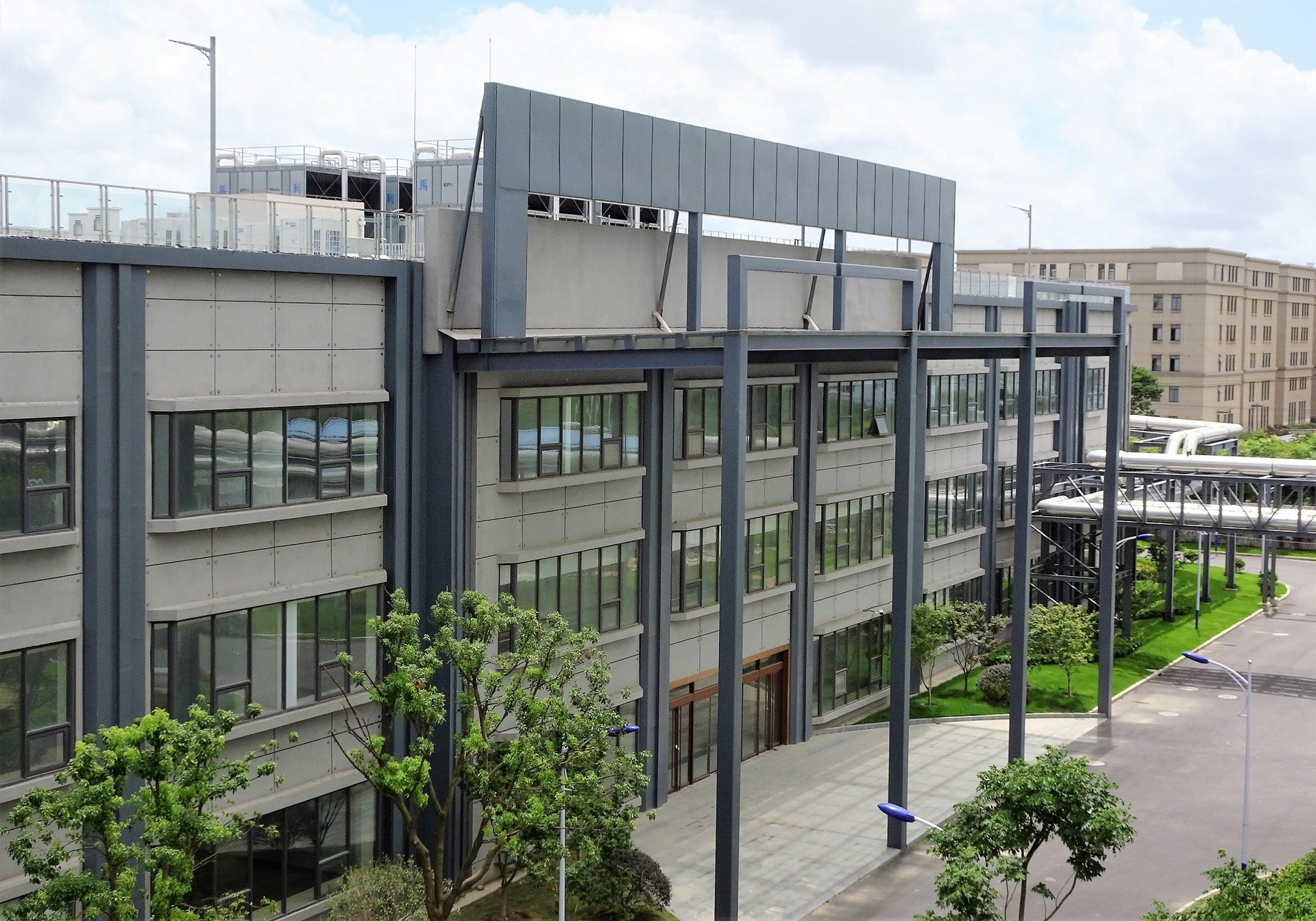
CapitaLand to acquire first hyperscale data centre campus in China
CapitaLand is investing RMB3.66 billion (S$757.7 million) to acquire its first hyperscale…
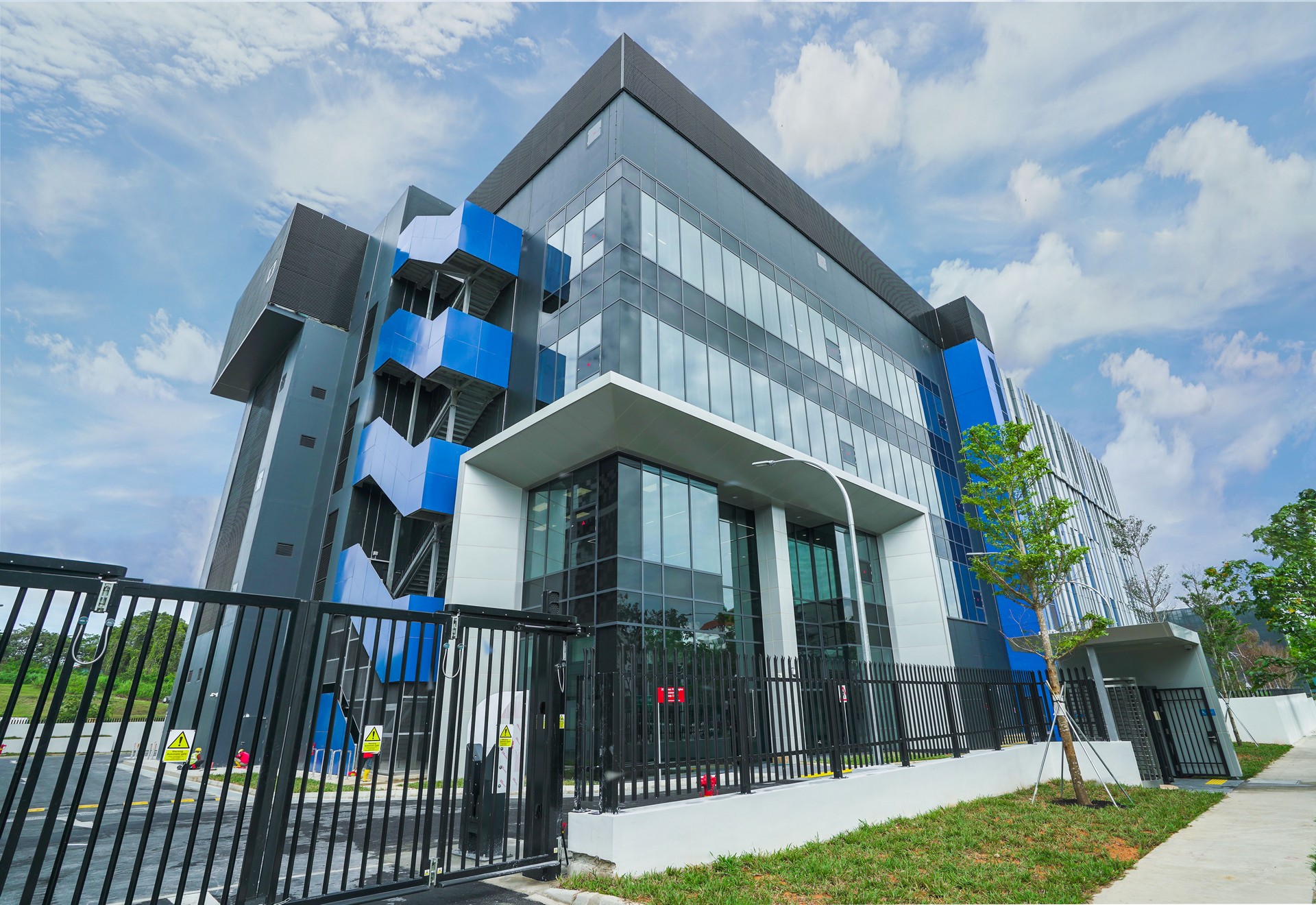
Digital Realty opens third data centre, serving cloud service providers and financial institutions
Digital Realty today opened its third and most sustainable data centre in…
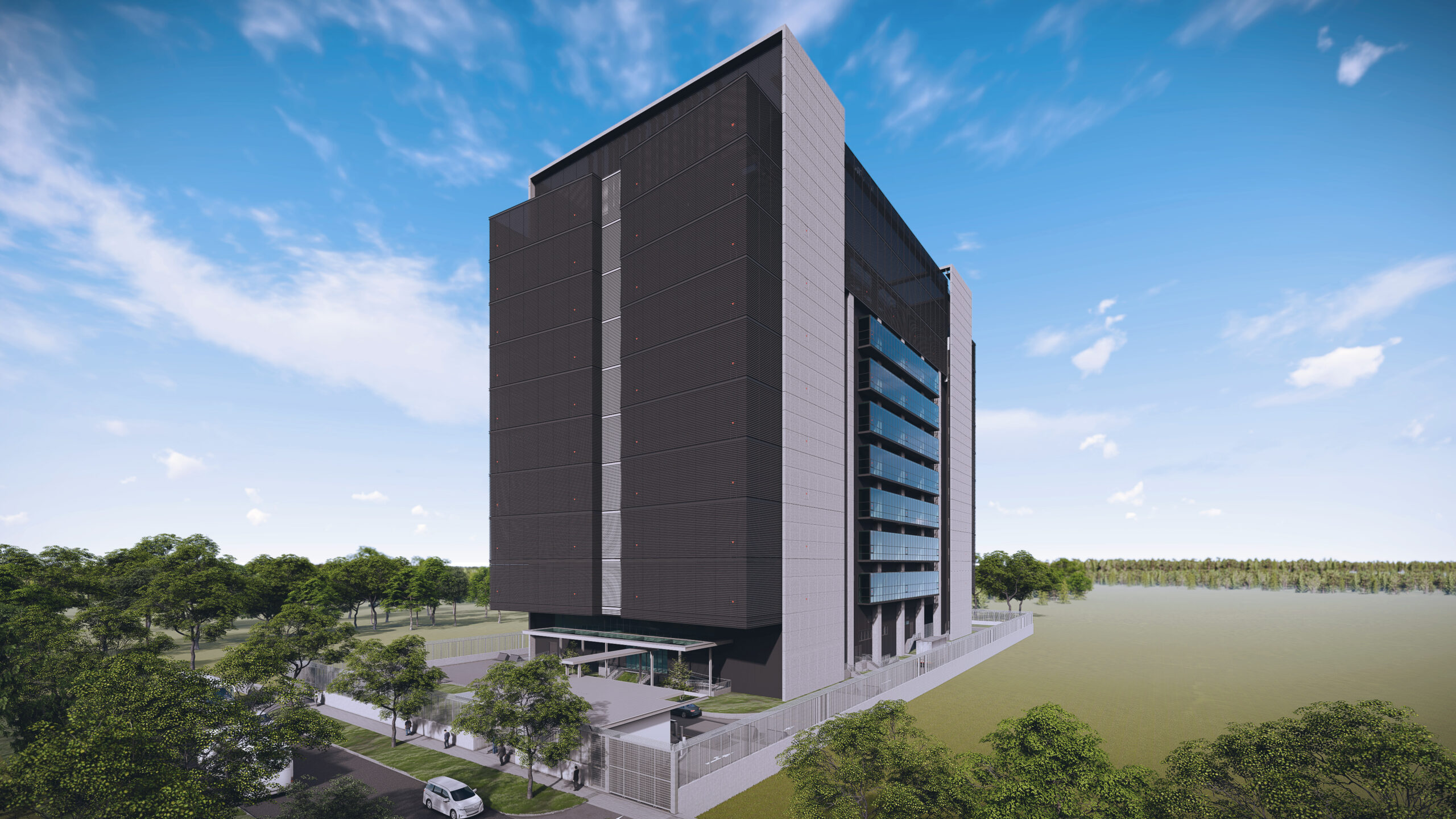
Equinix SG5 phase one opens, positioned to connect digital infrastructure
SG5 is the fifth Equinix data centre in Singapore, set up to…
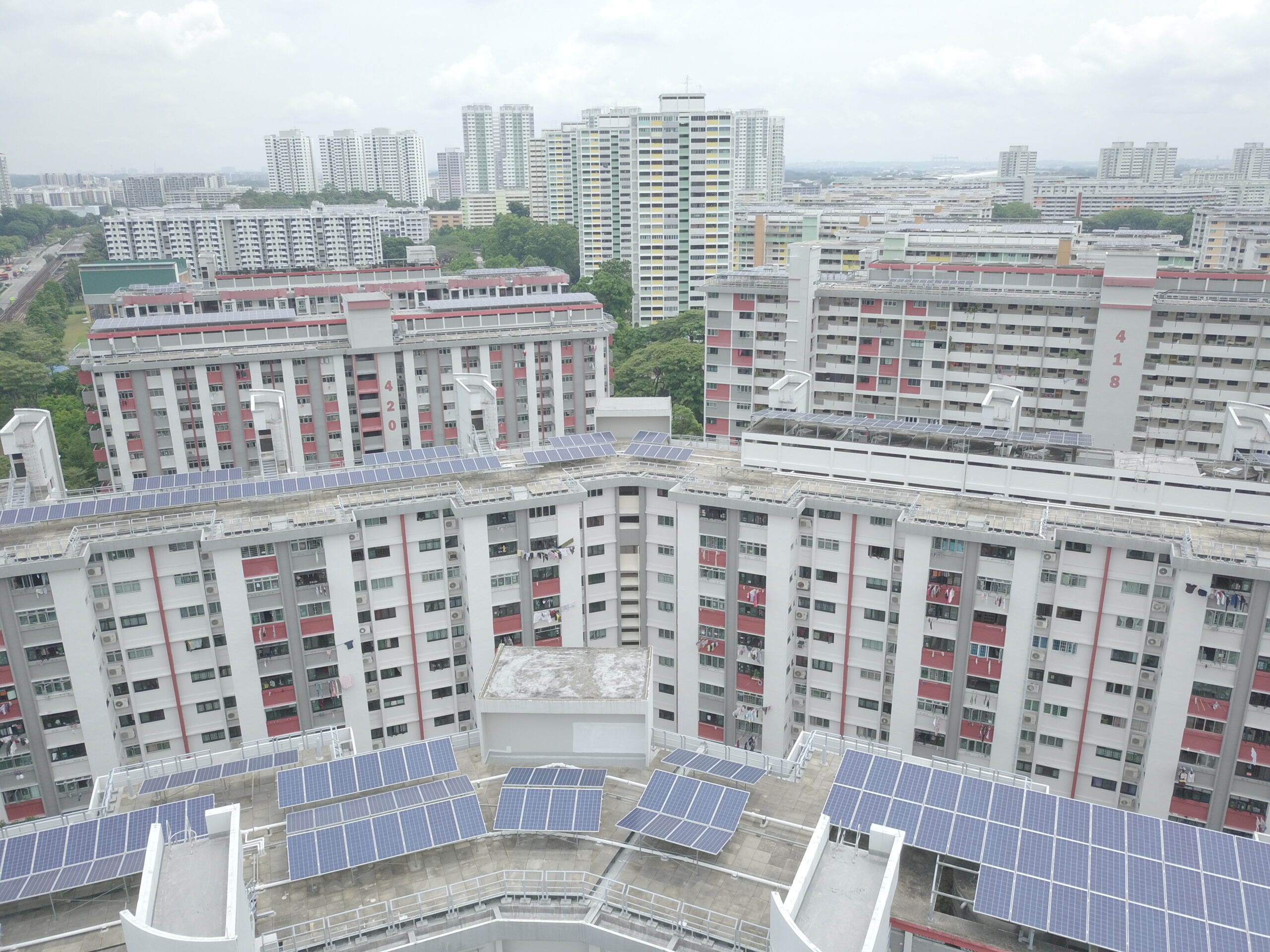
Google to use solar energy from 500 HDB flats to help power Singapore operations
Google will be using solar energy from 500 HDB flats in Singapore…

Digital trade highlights need for good connectivity during pandemic, say experts
The current pandemic has demonstrated the need for good connectivity - without…
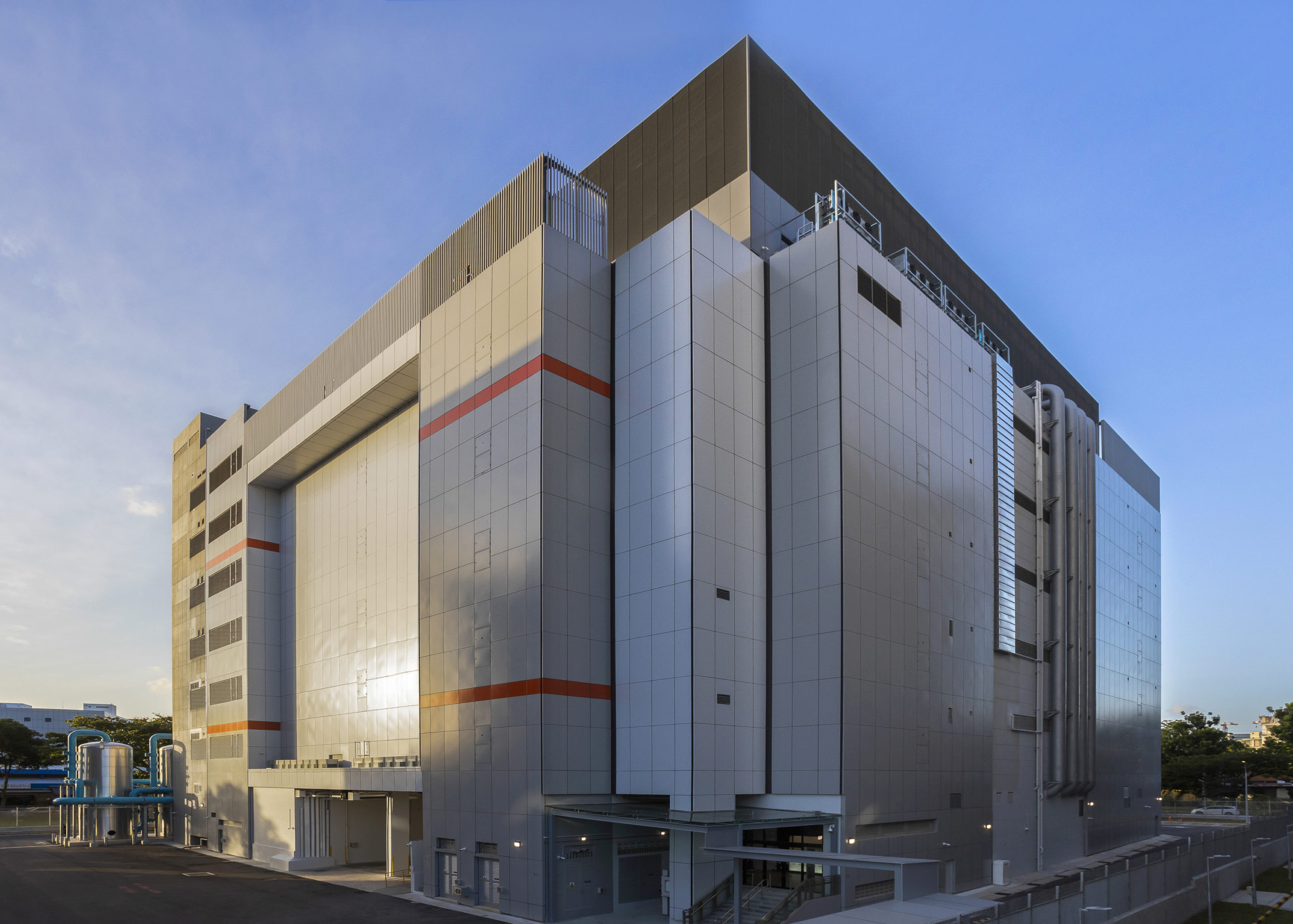
Equinix opens SG4, its latest data centre to support Singapore’s smart nation efforts
Equinix opened its fourth and latest data centre in Singapore, SG4, yesterday…
Hitachi Vantara rolls out new software, solutions to capture growing data operations management market
Hitachi Vantara rolled out last week an artificial intelligence-enabled data centre platform…