|
|
|
|
| |
|
| |
| 
More than 250,000 households, or every one in five, in Singapore are now surfing on the country’s speedy fibre broadband network, according to survey results released by Opennet on Wednesday.
The company rolling out the network here said the number has increased quickly over the 100,000 at the start of the year, as more people look to watch videos and download music with faster connections.
The growth is not unexpected, as more users are being hooked up to the islandwide network. At the same time, the newly-opened up market has produced cheaper services, starting at S$39 a month for a 100Mbps service, and more variety in the form of services optimised for gamers. …
|
|
| |
| |
|
|
| |
|
| |
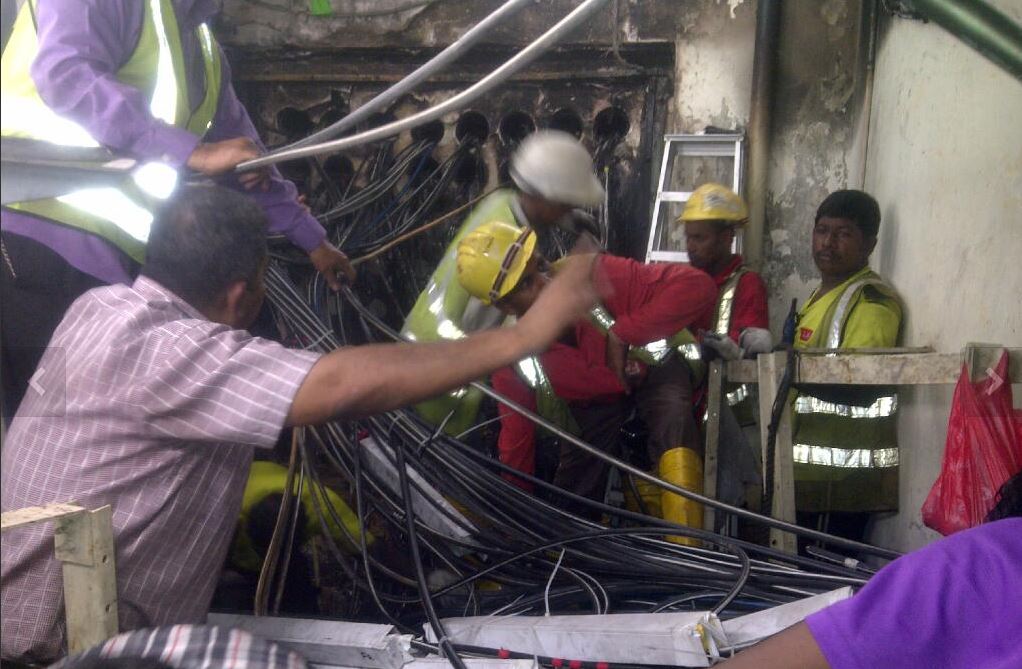
| When thin, fragile-looking cables are being laid in thousands of drains, risers and other ducts in Singapore for its fibre broadband network at such pace, you expect the occasional hiccup.
Who would blame Opennet, the contractor laying the cables to 95 per cent of the island, if once in a while a cable or two are not patched correctly?
Certainly, with fibre broadband prices at a low and a variety of options for savvy Net users, Singapore consumers never had it so good before. Intense competition has brought a 100Mbps fibre service to under S$50 and there are now services catering to gamers and video buffs.
Yet, a number of issues with Opennet now threaten to spoil the experience for users. And if not tackled, they could put the brakes on the competition that has benefited the newly-opened up market. …
|
|
| |
| Tagged in:
broadband, Featured, Internet, Singapore, fibre broadband, fibre rollout, M1, OpenNet, Singapore, SingTel, |
|
|
|
|
| |
|
| |
| 
The fibre optic cable may have reached your home, but when you try signing up for one of those speedy fibre broadband services that your friends have been talking about, you are told to wait several weeks or even months for the link to be “turned on”. The reason: the company rolling out the fibre can’t cope.
Though Opennet is meeting its deadline to connect up 95 per cent of Singapore by mid-2012 – it was at 86 per cent in January – it is finding it hard to keep up with the demand of customers signing up en masse during the quarterly IT bazaars, where prices for these services are often slashed.
Opennet may have the cable hooked up to homes and offices, but it still has to “turn on” or activate the switches at the base of a high-rise building, for example, to send the data through.
And that is the problem that the government regulator now wants to solve by making Opennet turn on more connections each month. Yesterday, it proposed a number of changes for Opennet, in a move that could accelerate the takeup of these faster and often cheaper broadband services. …
|
|
| |
| |
|
|
| |
|
| |
| 
So, you’re finally getting the fibre optic cable set up at home and seem all ready to hook up to Singapore’s fast lane that promises faster downloads. Then, all of a sudden, questions come up.
How should I run the fibre optic cable at home? How should I set up up my home network? Which service provider should I sign up with?
As a new fibre broadband user who just signed up two weeks ago, I can tell you I have asked all those questions, and there are solutions, sort of, if you know what you want with the new service. …
|
|
| |
| Tagged in:
broadband, Featured, Internet, networking, 2Wire, Akamai, broadband guide, fibre optic broadband, home networking, Huawei, Linksys, M1, next-gen broadband, OpenNet, SingTel, StarHub, SuperInternet, |
|
|
|
|
| |
|
| |
| 
Singapore users who reject a free offer to wire up their homes to the country’s next-gen broadband network could end up waiting four months to install the fibre-optic cables, should they change their minds and want to surf on the ultra-fast services later.
That is, unless they get an alternative arrangement with a telecom operator, by agreeing to sign up to fibre broadband plans immediately, which then lets them jump queue and have the cables installed within three weeks.
This strange set of rules for such “ad hoc” installations, based on information from public hotline operators at network builder Opennet as well as Internet service providers here, reveal the confusion that a consumer could face when attempting to hook up to these ultra-fast connections.
…
|
|
| |
| |
|
|
| |
|
| |
| 
As you may have heard, some 95 per cent of Singapore is being wired up with fibre optic cables for the country’s next-generation broadband network, which promises an almost unlimited speed boost over existing SingTel’s copper-line phone system and StarHub’s HFC (hybrid fibre coaxial) network.
But little has been said about what this cable laying project means to the average Joe.
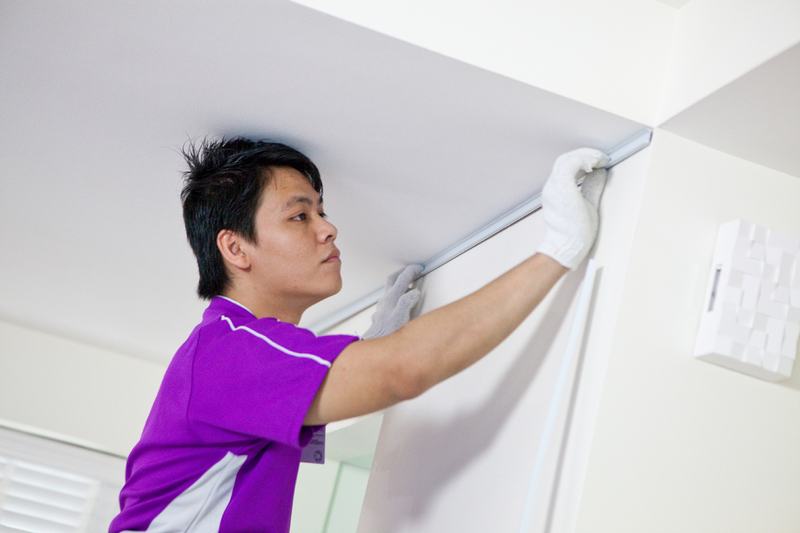
Earlier this week, OpenNet, the consortium tasked with wiring up Singapore, gave the media a glimpse of how things will pan out. The quick takeaway is that it is on-schedule, and will be sending letters to residents in selected areas to inform them that contractors would be coming to their homes to hook up the new cables. …
|
|
| |
| |
|
|
| |
|
| |
| One piece of good news from this morning’s CommunicAsia announcements is that ultra-fast broadband is coming to homes in Singapore via a fibre optic network as soon as September.
This means you have to have your house or apartment wired up with these new cables. You can check here by typing in your postal code at the website of Opennet, the company tasked with rolling it out.
Don’t go to the www.opennet.com.sg URL that the official press releases point you to, because the opening page has problems loading on many browsers. Go instead to rollout.opennet.com.sg.
Well, I checked my place in Upper Serangoon and I should have fibre installed as early as Oct 2009. Hooray!
UPDATE: The rollout date is only for laying the fibre optic cable to your home, the Opennet folks have clarified at a press conference here. Nucleus Connect, the OpCo, will “light up” the fibre optics” and enable a broadband service later. I sense some confusion coming along…
|
|
| |
| |
|
|
| |
|
| |
| 
StarHub has just won the OpCo contract in Singapore’s next-generation national broadband network (NGNBN), a deal which will see it operate and manage the “active” infrastructure in the new network that promises speeds of 1Gbps in future.
The active infrastructure refers to stuff like switches and anything that is “manageable”, that is, anything other than the physical cables which are being laid by the NetCo (awarded to the OpenNet consortium of Axia NetMedia, SingTel, Singapore Press Holdings and SP Telecommunications).
Essentially, StarHub will be the go-between for RSPs (retail service providers) looking to offer ultra high-speed broadband and services like perhaps pay-TV in future over the new network. It will also be the one likely to be hooking up your terminators/modems to the fibre optic cables being laid to homes, schools and offices by the NetCo. …
|
|
| |
| |
|
|
| |
|
| |
|
|
|
|
|
| |
| |
|
|
|