
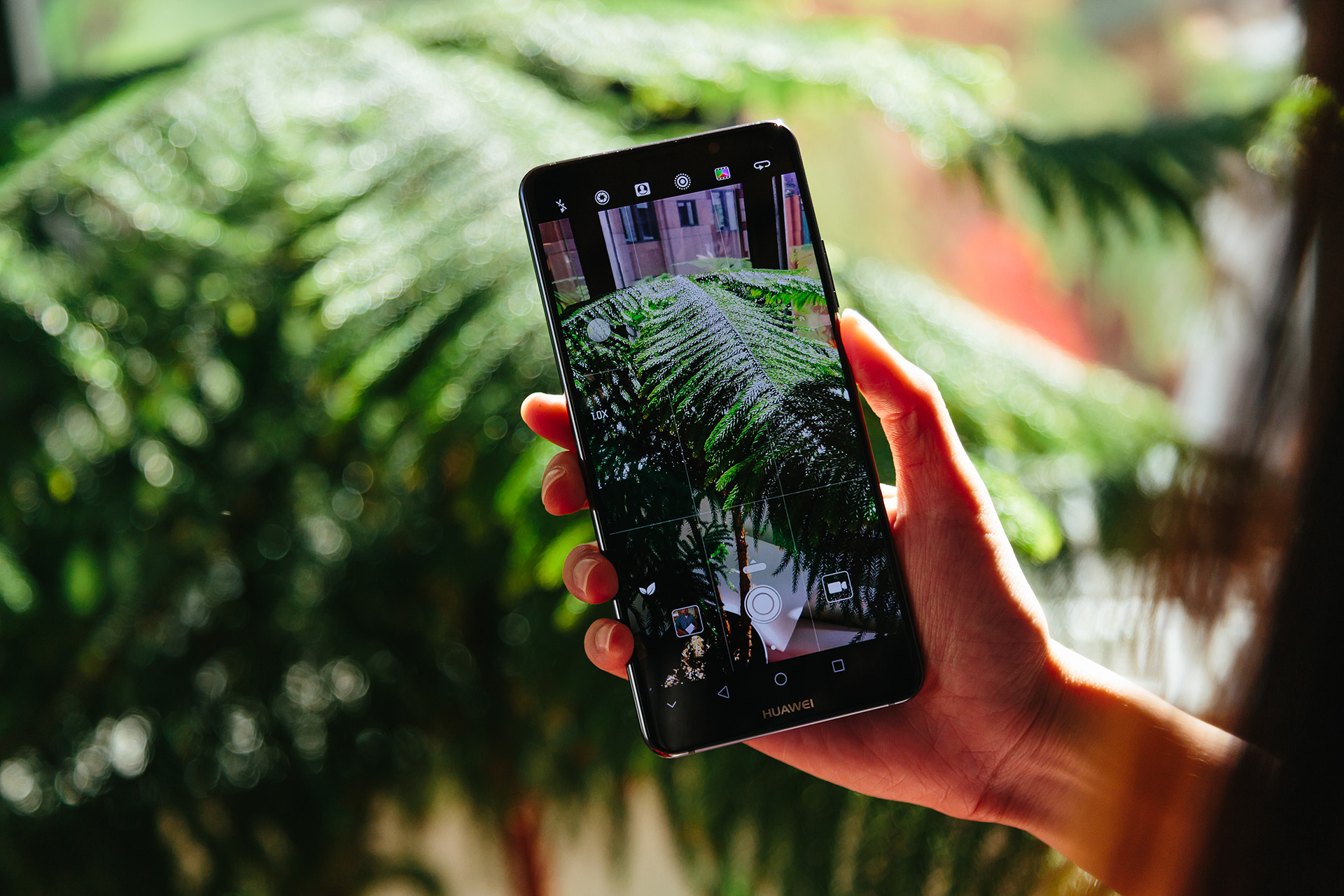
Huawei’s global ambitions suffer setback as US intelligence agencies tell citizens to avoid its phones
In an unusual move, United States intelligence agencies have just told Americans…

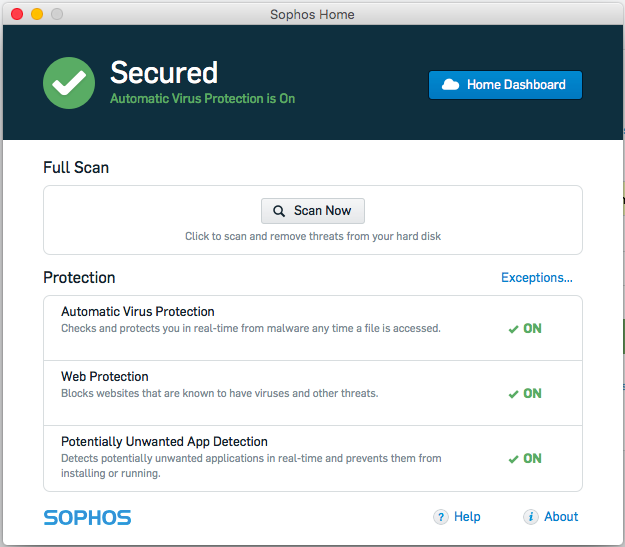
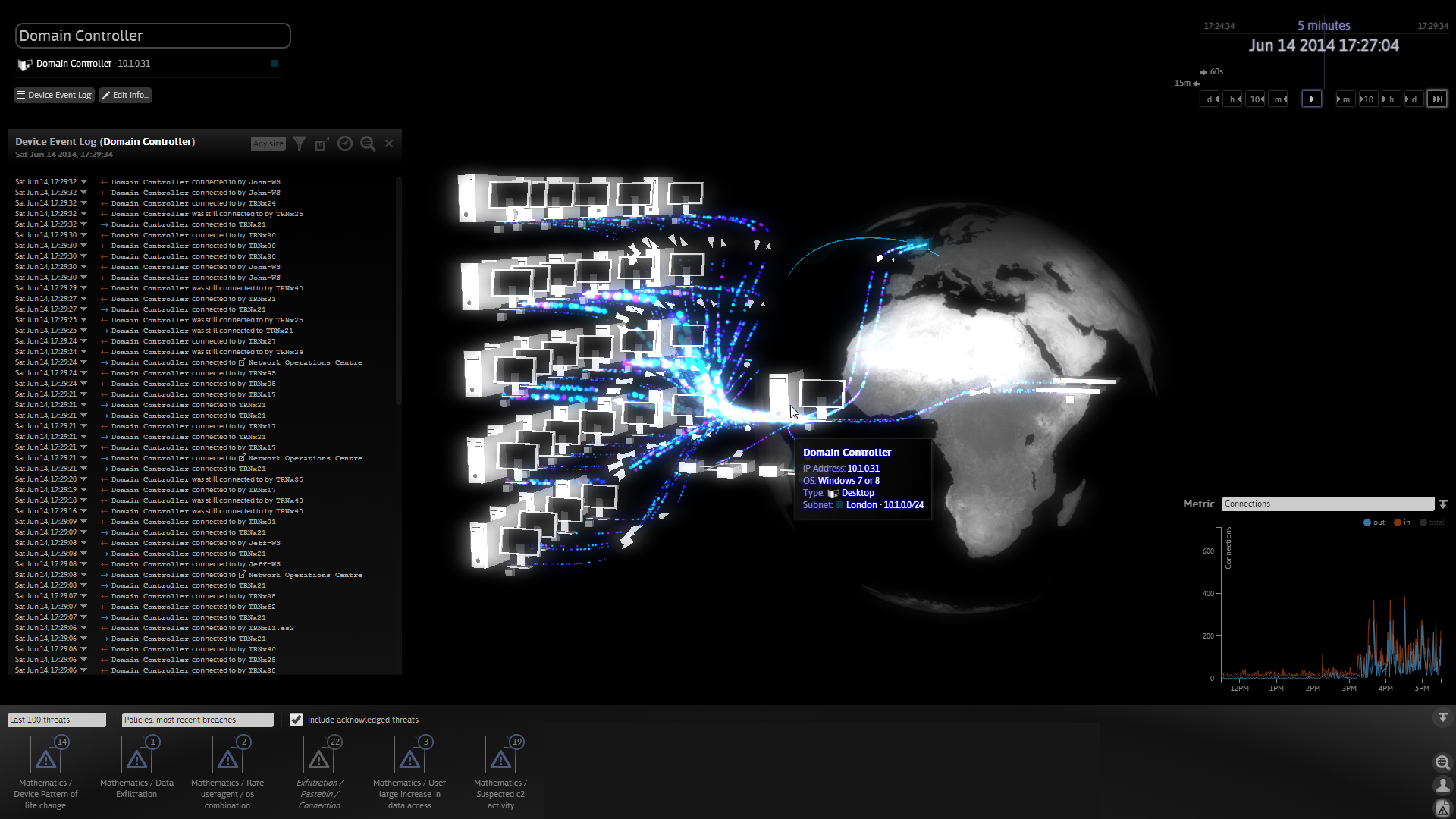
Securing virtualised IT
Darktrace's vSensor virtual appliance aims to provide greater visibility into virtualised environments.


Top Security Threats For 2015, And What To Expect Next
Faced with a range of threats, corporations have to stay vigilant, while…

Alarm raised as malware hits mobile banking users in Singapore
One particular ruse that the malware creators have used was to prompt…
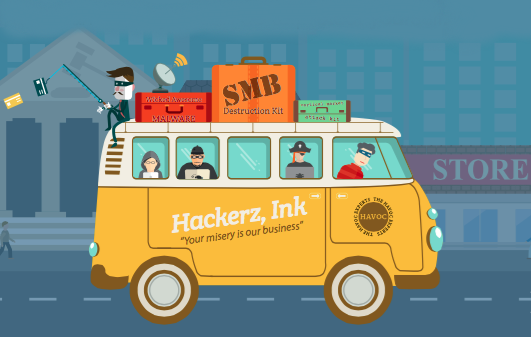
When data loss prevention is better than cure
Enterprises can guard against data being lost or stolen by implementing a…
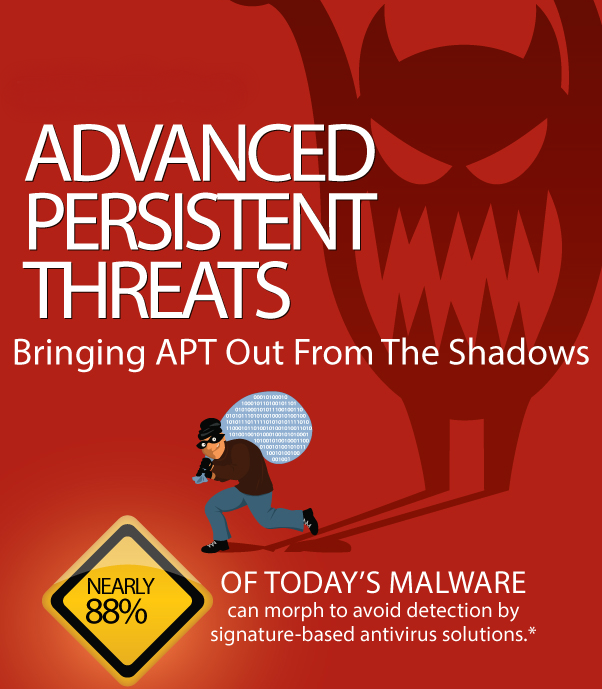
Defending your network against APTs
With cybersecurity on the agendas of corporate boardrooms today, the importance of…

Trend Micro: Singapore users more reliant on cloud despite security concerns
Surprisingly, respondents rely heavily on these cloud services, despite 20 per cent…


SingPass to be more secure for e-government services from July 5
The new SingPass system promises to let users log in like they…
Darktrace touts “immune system” for IT networks
With cybercriminals continuing to outsmart enterprises in several high profile security breaches…

Old bugs topped list of security exploits last year
High profile software bugs like Heartbleed and Shellshock have caused a stir…

Singapore companies to spend more on IT security
Singapore companies are expected to spend 23 per cent of their IT…

Top eight IT predictions for 2015
IT security, big data and cloud computing have dominated the headlines this…

Singapore businesses lose over US$1 billion from data loss and downtime
Singapore companies have lost over US$1 billion from data loss and downtime…

IDA reveals two-factor authentication plans for SingPass
Nearly six months after the high-profile breach of over 1,500 SingPass accounts, the…
Trend Micro: More targeted cyber attacks in Asia in 2015
Organisations in Asia-Pacific will face more targeted cyber attacks that steal financial,…
Leaked Dropbox accounts or no, consumers have to wise up on security
Clearly the threat has increased and a change of mindset is needed…
Will rapid push for Internet of Things push aside security concerns?
In making previously dumb devices smart, we are also exposing them to…
SingPass breach: time for government agencies to take security more seriously
Perhaps the worst thing that can happen after the recent SingPass security…