Developed by Japanese game studio Ryu Ga Gotoku, Yakuza Kiwami 3 & Dark Ties is a ground-up remake of the popular Yakuza 3 game previously released in 2009 for the PlayStation 3.
The remake runs on the modern Dragon Engine that has powered newer Yakuza games since Yakuza 6 in 2016, which was followed by an enhanced HD and FPS remaster released in 2019.
Its predecessors, Yakuza Kiwami 1 and 2, had remakes released in 2016 and 2017 respectively, and it is recommended to play through these two “kiwami”s (meaning “ultimate” in Japanese) to get the most from a rather convoluted saga in the Yakuza Kiwami tale.
True to the traditions of Ryu Ga Gotoku games, Yakuza Kiwami 3 & Dark Ties is an action adventure, open-world game that feature quirky Japanese-styled humour, authentic sights and sounds of Japanese cities. Yes, even trademark Japanese sleaze and violence, making it a treat for Japanophiles.
In Yakuza Kiwami 3, you play Kazuma Kiryu, the main protagonist in the Yakuza Kiwami series. He had planned to leave his underworld life behind and settle in sunny Okinawa to run an orphanage after relinquishing his role as Chairman of the Tojo clan.
However, with rivals threatening his successor as well as the threat of eviction of the orphanage, Kiryu finds himself being pulled back into the shady business of the yakuza world.
Dark Ties is a separate shorter game that features Yoshitaka Mine as the main protagonist, offering a different perspective to the story that syncs up in a climactic finale. Although you can choose to play Dark Ties first, the story has spoilers for Yakuza Kiwami 3, so it is recommended to complete the latter first.
Tough guys, tender hearts
Despite being centred on the world of yakuza and organised crime with plenty of violence, Yakuza Kiwami 3 & Dark Ties is actually a rather wholesome game full of positive messages as well as a story that can get pretty emotional.
Yes, there’s glorification of violence with people being beaten up, gang fights and street brawls, but some of the characters are depicted as victims of circumstance, or have misdirected loyalties, or seek redemption after a good bashing.
Yakuza Kiwami 3’s story is somewhat convoluted, with many twists and turns and drawn-out dialogues portrayed via lengthy cutscenes. Some of the cutscenes are so long that the game even offers breaks that you can opt to take if the lengthy exposition is too much to digest all at once.
With a slew character of characters whose conflicting motivations that seem to contradict their actions as well as historic baggage from the earlier games, I found the saga unnecessarily convoluted.
Thankfully, a detailed recap of the first two games at the start helps to bring one up to speed, although the recaps are long like a movie!
The two playable characters, Kazuma Kiryu in Yakuza Kiwami 3 and Yoshitaka Mine in Dark Ties, offer an interesting contrast in the two protagonists and their motivations and aspirations in being yakuza.
While Kiryu is driven by righteousness and has a soft spot for children and orphans, Mine’s avarice and disdain for the disadvantaged gives a very different perspective when you experience both characters’ points of view first-hand.
The game features many familiar characters in the Yakuza series, like the soft-hearted and over-the-top Goro Majima who was the protagonist in last year’s Like a Dragon: Pirate Yakuza in Hawaii.
Bash, explore, sing karaoke
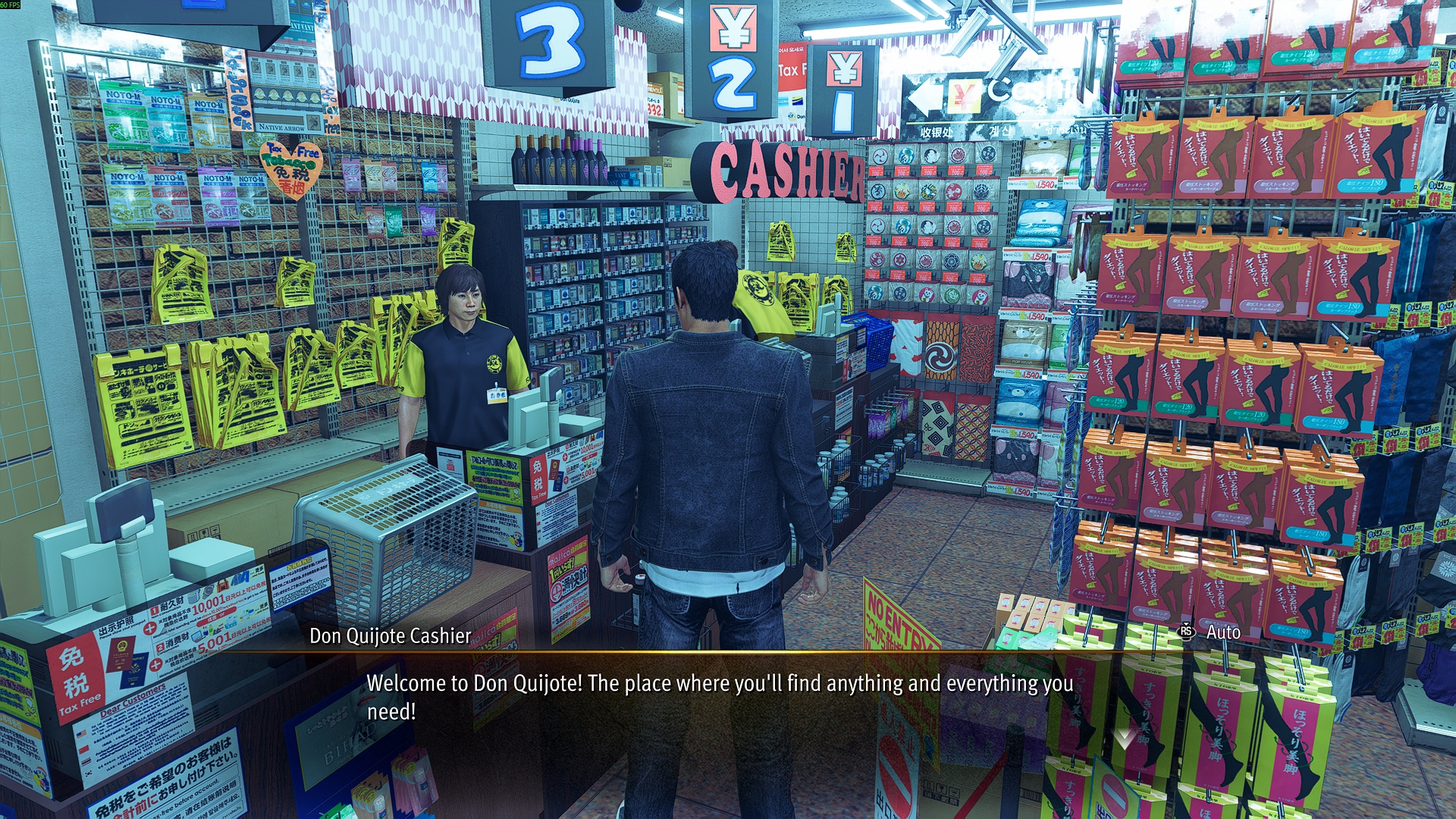
Yakuza Kiwami 3 spans Kamurocho, a fictitious yakuza-controlled district in Tokyo, a beach-side orphanage as well as downtown Ryukyu in Okinawa. Both Kamurocho and Ryukyu offer Kiryu a huge plethora of side quests, activities, mini games and collectables, which took up most of my game time.
What I found really enjoyable are Yakuza Kiwami’s many hilarious and well-varied side quests that range from simple fetch quests, timed-based food delivery, bashing up baddies and even episodic ones that lets you come back to check on new allies and continue their story.
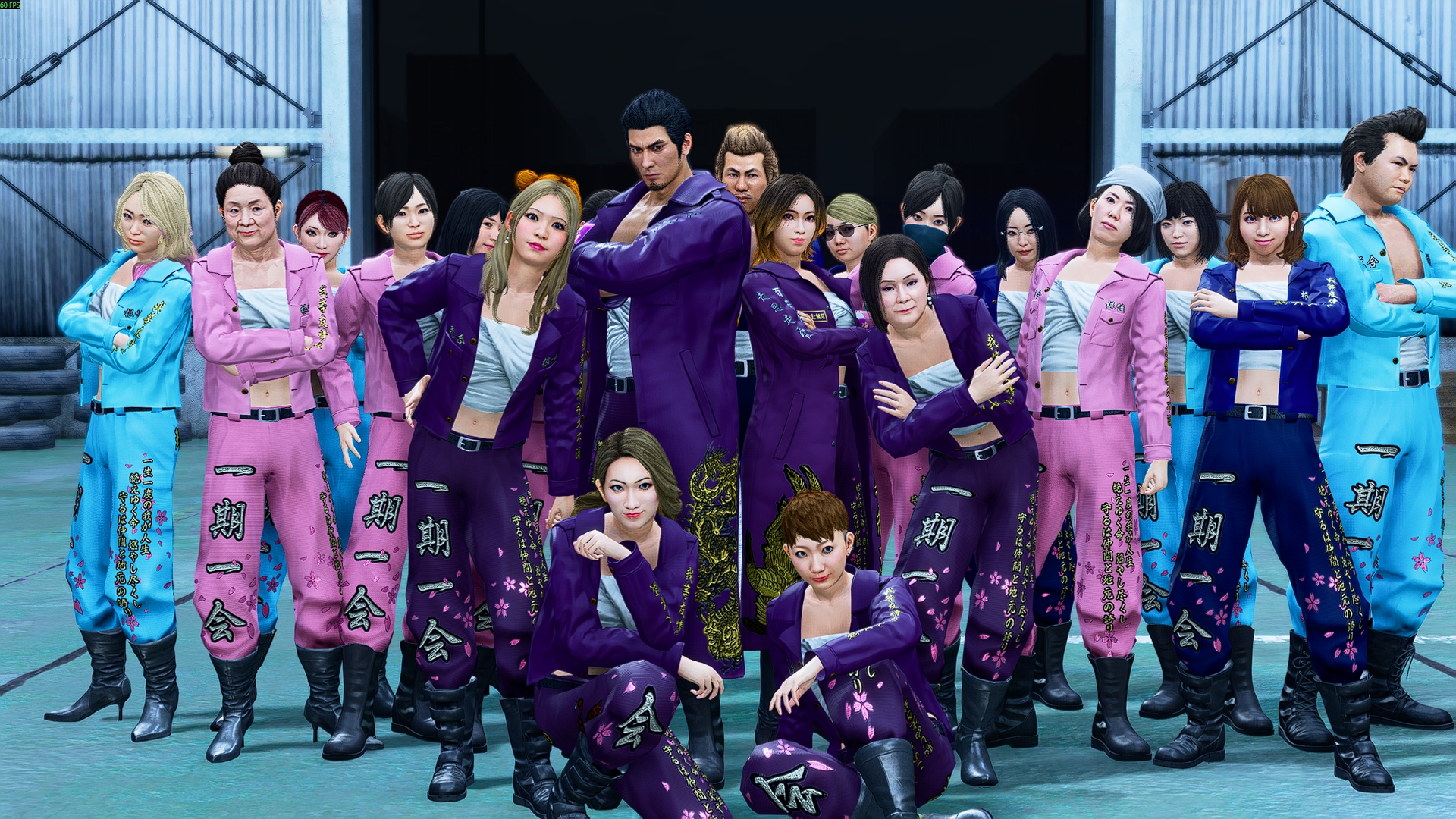
Along the way, Kiryu even becomes a leader of a girl biker gang that recruits new members and challenge rival gangs to grow street cred and level up in skills, experience and abilities.
The game also features exploration challenges like photo challenges where Kiryu can score prizes by taking photos on his mobile phone on specified locations, as well as mystery locker keys and raffle tickets that let Kiryu score some loot for cosmetics and consumables.
Using the Lalalamobile app on his phone, Kiryu can also make friends on social media to increase his popularity and unlock loot boxes, which adds to the fun of exploration. He even gets to test a Segway-like scooter which makes traversing the city much more efficient.
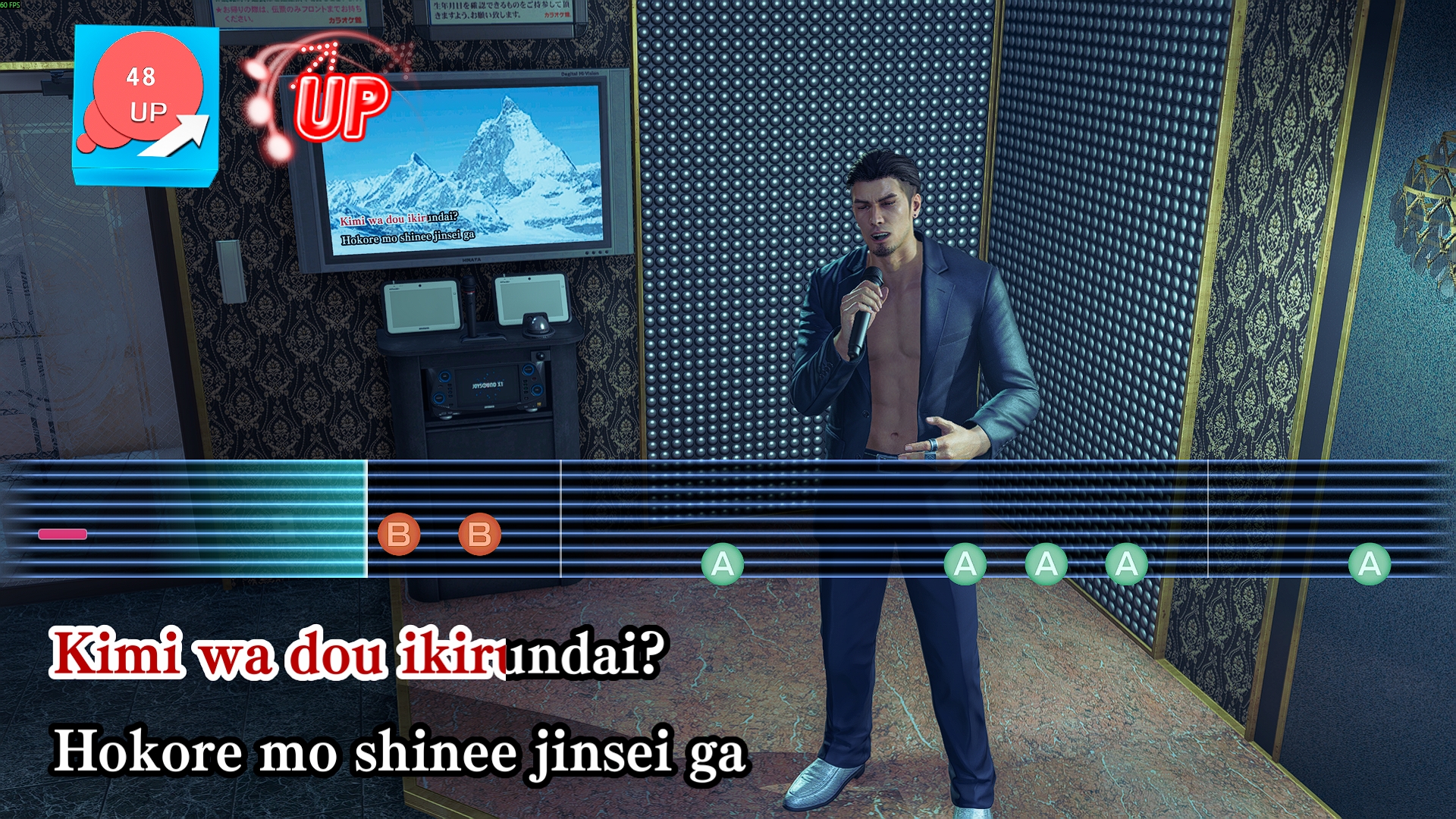
Nothing says a Yakuza game like the vast offerings of mini games that are surprisingly addictive. These include mahjong, darts, bowling, pool, rhythm-based karaoke, retro Sega arcade games, claw machines, and many more.
I made Kiryu spend way too much time playing in the mahjong parlours, making friends on Lalalamobile while snooping their social media profiles like a kaypoh (Singlish for nosy Parker) and singing karaoke while procrastinating on the main story missions.
There is a fair amount of sleaze hinted at in Kamurocho with sex shops, host clubs, prostitutes on the streets and soaplands although there isn’t anything obscene or revealing except perhaps some low-res posters of girls.
Also, with copious yakuza-style insults and taunts, I managed to pick up plenty of strong and impolite language in Japanese!
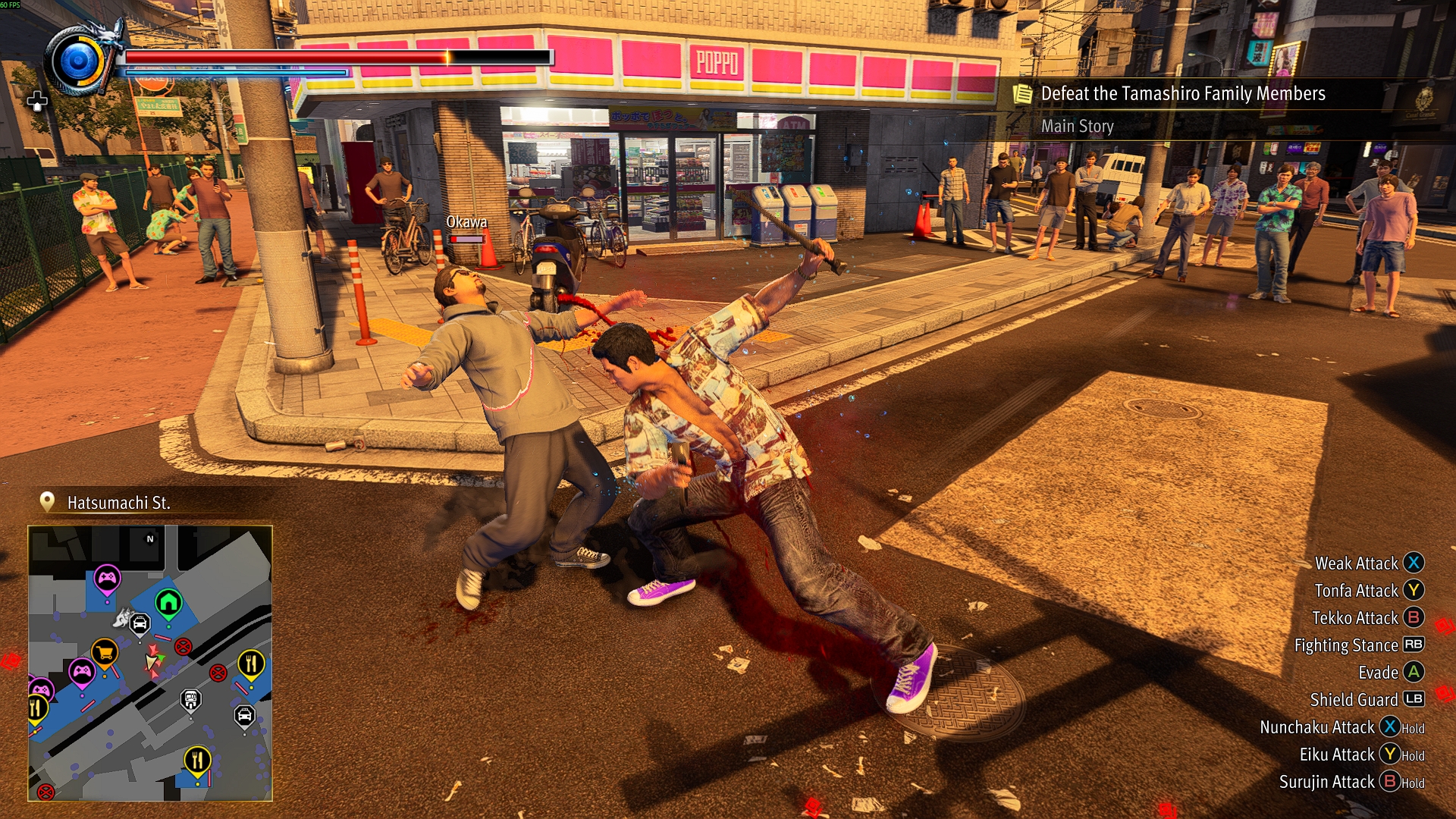
Combat in Yakuza Kiwami 3 is extremely fast-paced and satisfying, which is a marked improvement over the original Yakuza 3 where the combat is rather draggy and slow.
Kiryu can switch between two distinct fighting styles – the “Dragon of Dojima” street brawler style and the “Ryukyu” style which uses a variety of Japanese weapons including nunchuku (two batons linked by a chain), tonfas (paired batons) and tinbe (a small shield).
These can be swapped quickly, and can even be automated so chaining up devastating combos is easy and extremely satisfying. As he levels up and earn enough training points and money, Kiryu can unlock new attacks and improve his stats, which makes battles even more enjoyable.
Besides his yakuza quests in cities, Kiryu also plays a role being a caretaker for the kids at the orphanage. There, he has to develop bonds with each child by helping them with their homework, cooking their favourite meals and even sewing stuff for them.
To run the orphanage, he also has to farm, fish and catch bugs as well as trade with the neighbours to earn income. And when I miss the kids during free-roaming chapters of the game, I can get Kiryu to fast-travel via taxis back to Okinawa, albeit for an exorbitant price of 10,000 yen.
Dark ties that bind
Dark Ties, on the other hand, plays like a more watered down version of Yakuza Kiwami 3. The game has only three chapters, compared to the 10 in Yakuza Kiwami 3.
Without the historic baggage of a Yakuza Kiwami 3, Dark Ties offer a new story experience following the rise of Yoshitaka Mine under the tutelage of Tsuyoshi Kanda, the crass and lecherous patriarch of the Nishikiyama family.
Combat for Mine is also less varied compared to Kiryu’s dual combat style. Mine fights in a shoot-boxing style which combines showy high kicks and wrestling moves, which he can upgrade as he earns money.
Compared to the full-fledged fun of Yakuza Kiwami 3, the optional activities in Dark Ties come across as rather contrived, making Mine run low-value, yakuza grunt type of activities.
That said, some of the quests to perform good deeds in Kanda’s name were quite interesting, such as Mine helping prostitutes to break free from their exploitative lifestyle, catching an underwear thief and helping the homeless (albeit reluctantly).
However, poor Mine has far fewer activities, free loot and limited exploration, as Okinawa is not accessible to Mine.
Dark Ties also offers a Hell’s Arena tiered and timed challenge for Mine to beat up scores of enemies in an underground fight club for an audience.
He can gain upgrades such as allies and weapons but these can only be used in Hell’s Arena and not while exploring the city, which is a bit of a letdown.
Without the incentives for exploration, like the Lalalamobile app, photo challenges, mystery loot boxes, lockers and raffles, or scooters to move around on, Kamurocho gets dull pretty fast for Mine.
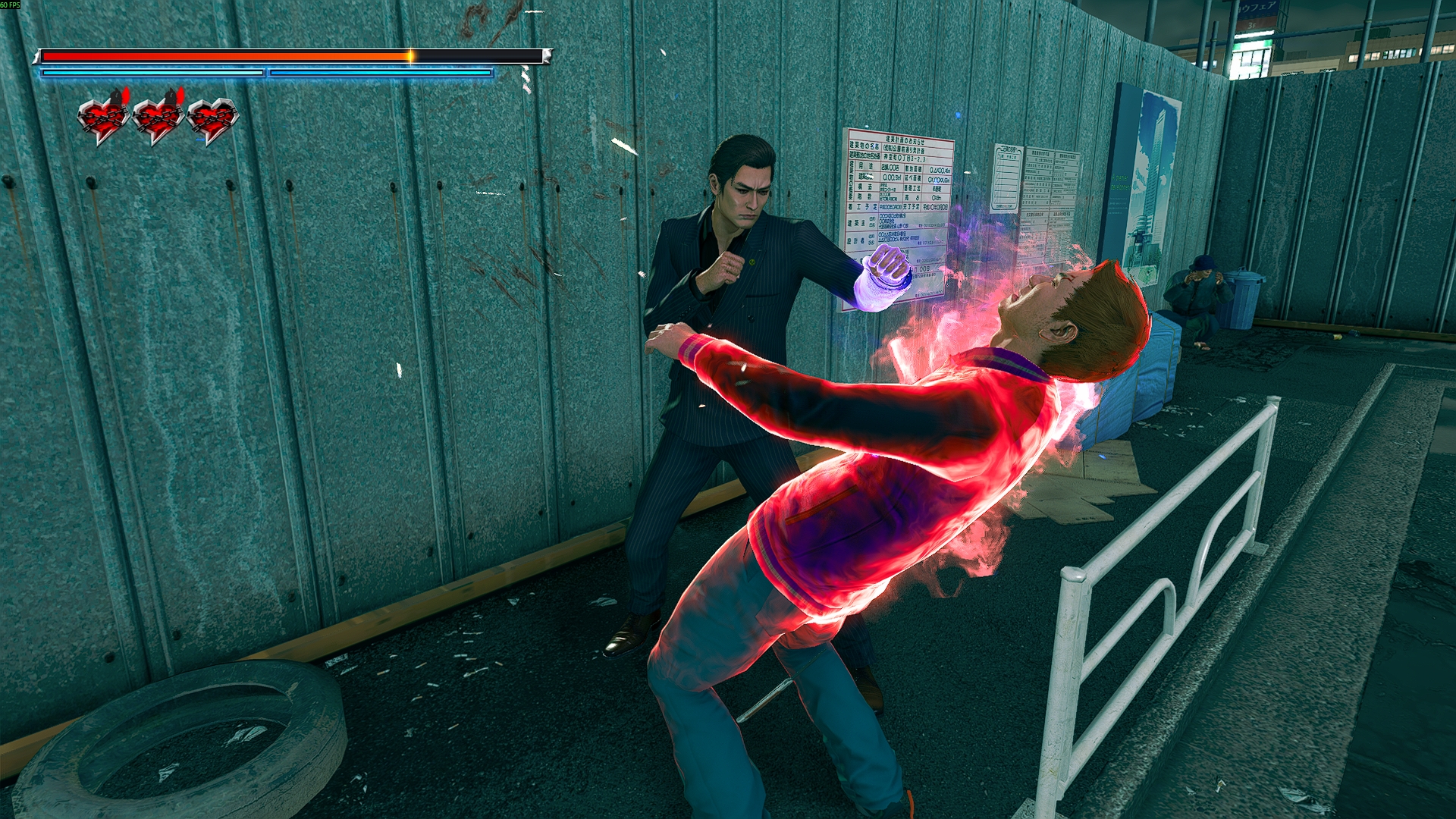
If it wasn’t for Mine’s story that offers an interesting contrast to Kiryu and Mine’s relationship with the current chairman of the Tojo clan, Dark Ties would have been an entirely missable experience after Yakuza Kiwami 3.
Prettier but limited
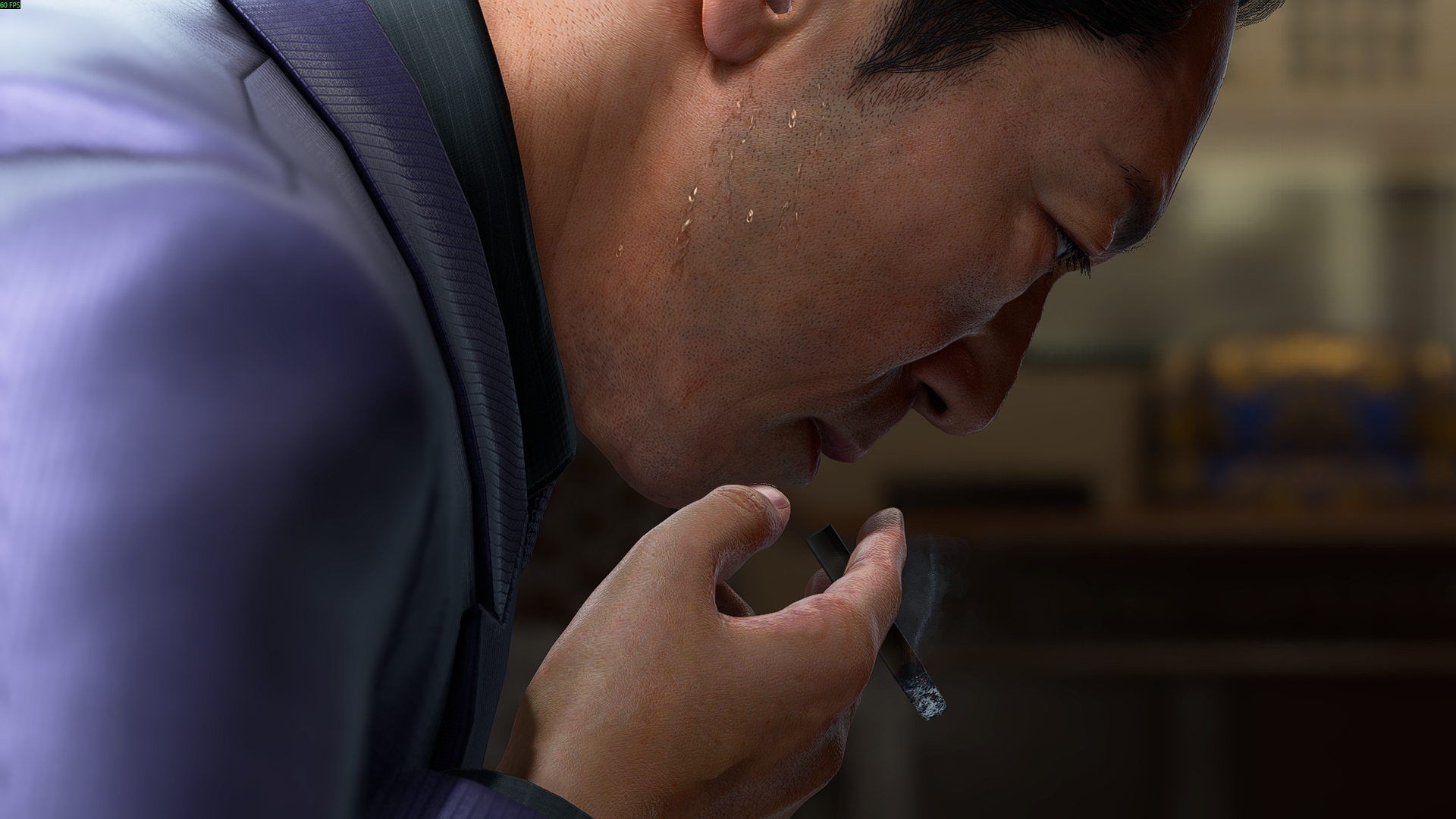
Compared to the original Yakuza 3, Yakuza Kiwami 3 offers more cinematic cutscenes and voice-overs, but there is still plenty of dialogue to be read. Visually, Yakuza Kiwami 3 & Dark Ties look amazing, with meticulous details like pores and sweat on characters’ faces.
I enjoyed the detailed renditions of the cities, where you feel like you are really exploring Japan, with the distinctive look of the shops, streets and even parking lots, as well as the unmistakably Japanese sounds on the city streets like sirens and chatter of passers-by.
Even though the remake looks much better visually, some of the game’s original flavour and charm is sacrificed for beauty’s sake, similar to what happened to the Grand Theft Auto trilogy remake.
In the remake, Kiryu’s facial expression seems stony and lacks range compared to the original Yakuza 3. Both Kiryu’s and Mine’s eyebrows are locked in a perpetual scowl with few other expressions.
The cities also seem less lively, with fewer moving vehicles. Unfortunately, some content from the original Yakuza 3 is removed from the remake as well as some puzzling changes in the characters’ stories.
One of the most distinct changes is for Rikiya, a young yakuza from Okinawa that looks up to Kiryu as his mentor, who looks completely different in Yakuza Kiwami 3.
TL;DR
Yakuza Kiwami 3 & Dark Ties works best for a modern audience who have yet to experience the original Yakuza 3.
For those who had played the original version back in the day, some aspects of the game and the finer details seem to be rather lacking although gameplay and combat mechanics are much improved.
Yakuza Kiwami 3 has lost some of its original charm and the characters also seem to lost some expressiveness.
In addition, the game’s convoluted tale and deviation from the original character stories make it rather befuddling for gamers who had played the originals before.
That said, for those who enjoy Like a Dragon and newer post-2016 Yakuza games, Yakuza Kiwami 3 offers a modernised and aesthetically improved take of the original Yakuza 3, although it is recommended to play through Yakuza Kiwami 1 and 2 first. Dark Ties, on the other hand, feels like a watered down afterthought with a lot less to offer.
With its gangster themes, glorification of violence, hints of sleaze and ubiquitous foul language, Yakuza Kiwami 3 & Dark Ties is for a mature audience only. Yakuza Kiwami 3 & Dark Ties is available for PC on Steam, PlayStation 5, Xbox Series X|S and Nintendo Switch 2 at S$79.90.