
Scanning a fingerprint or face to get access to an office or to sign in to an account may be more common today but privacy and ethical concerns have also grown with users across the globe, according to a study by identity security vendor HID.
It found that biometric technologies have gained traction in the past year, with 45 per cent of security and IT professionals, end users and industry partners saying they are strategic to a corporation’s core access control.
Among the biometrics technologies, most popular were fingerprint and facial recognition, revealed the study of 1,500 respondents released earlier this month.
Yet, despite the growing acceptance of biometrics in everyday corporate usage, concerns with ethics and privacy have doubled, with 67 per cent of respondents bringing up the issue, compared to 31 per cent before.
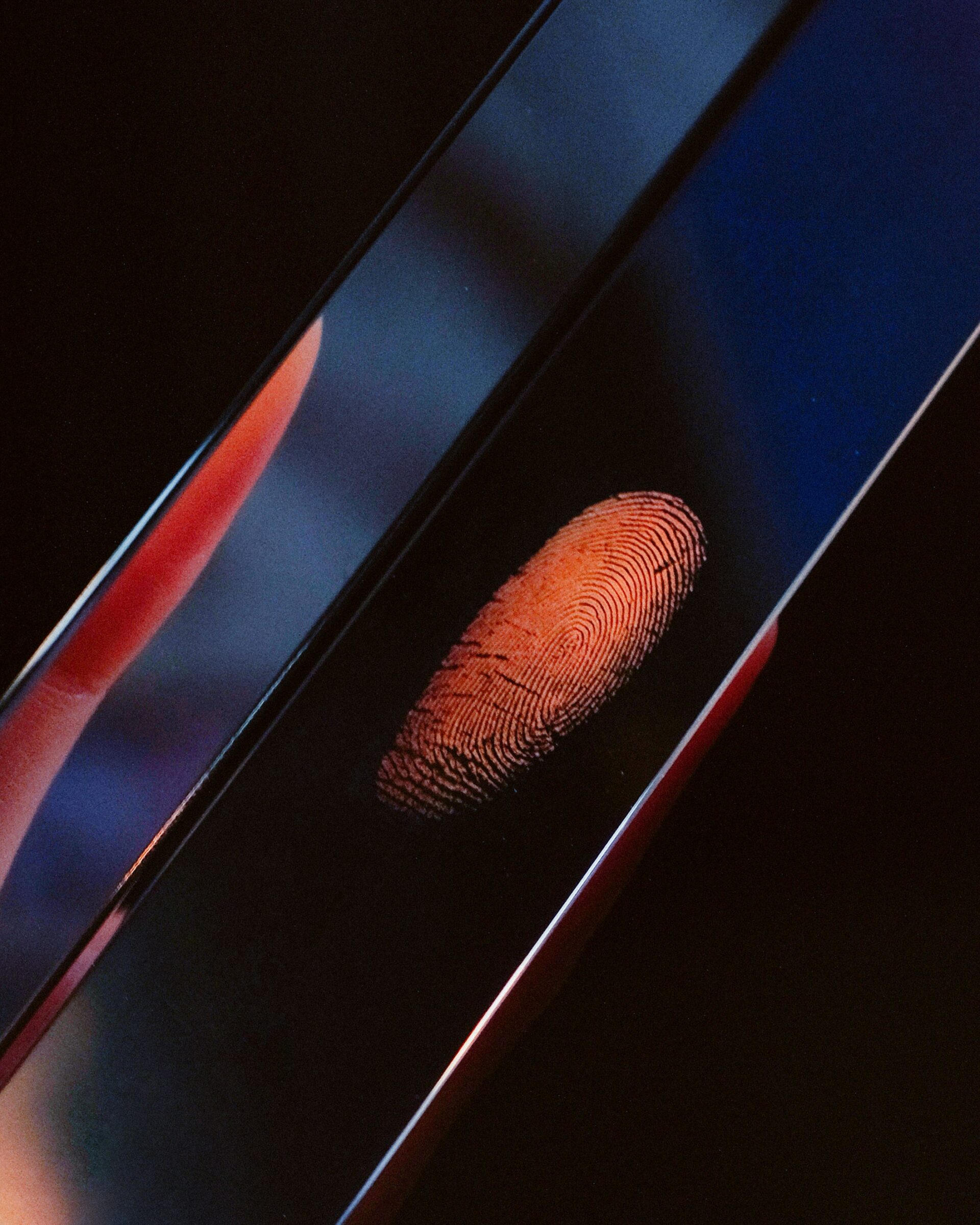
Indeed, this is an all-time high when it comes to concern for biometrics technologies’ potential downside, according to HID, which sells identity security solutions.
The company also found that the market is moving towards more unified identity management, say, by converging physical and digital technologies, instead of running them in standalone systems.
Running them in a converged system provides greater visibility, efficiency, and resilience across complex environments, according to HID’s latest yearly report.
Organisations, it pointed out, are trying to find a balance between stronger protection and individual rights.
Many respondents report actively developing policies, governance frameworks, and technical controls to address these concerns, signalling a broader maturity in how security decisions are made.
“Security leaders are clearly under pressure to modernise access and identity infrastructure, but our research shows they’re equally focused on the governance, protection and transparency that build lasting trust,” said Ramesh Songukrishnasamy, chief technology officer at HID.