It’s well known that Singaporeans are stressed from their busy lives. They are also gadget buffs sporting the latest smartwatches and phones. So, it’s no surprise that they regularly track their sleep with wearables at night, but still don’t do enough to get better rest.
That is one takeaway from a study last month from Resmed, a manufacturer of connected medical devices to treat sleep apnea.
The company found that 65 per cent of people in Singapore use wearable devices such as smartwatches to track their sleep, a steep climb up from just 21 per cent in 2025.
However, they don’t seem to do enough with the information. While 60 per cent of Singapore respondents say they would consult a healthcare provider for persistent sleep issues, only 16 per cent have done so.
The findings come from a Resmed survey of 1,000 people in Singapore, among 13,000 across 13 countries in a global study of sleep health.
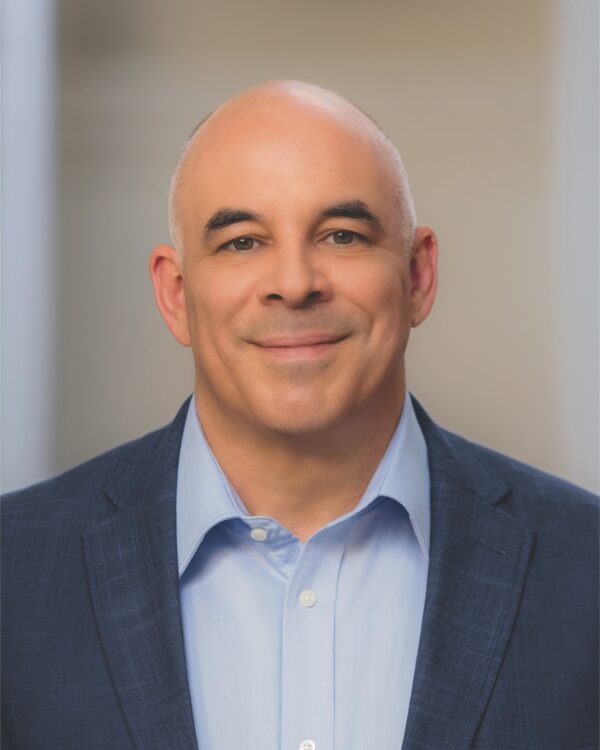
The good news, says Dr Carlos Nunez, chief medical officer of Resmed, is that people here are more awareness of the importance of sleep and using technology to better track their health.
However, they should find small ways to improve their sleep, like following a regular schedule or limiting stimulating activities before calling it a night, he advises. And they should see a doctor if their sleep doesn’t improve over time, he tells Techgoondu in this month’s Q&A.
NOTE: Responses have been edited for clarity and style.
Q: More people are using wearables to track their sleep, according to your study. What are the main reasons these devices are more popular now?
A: One possible reason for this growth is that sleep awareness is higher than before, and people are looking for simple ways to understand how well they are resting. Wearables offer the convenience of tracking one’s sleep at home, enabling the user to make behavioural changes that could benefit them.
Wearables have tremendous potential to help people improve their quality of sleep. By letting wearers see patterns such as how long they sleep or how often they wake during the night, people are alerted to sleep issues and can seek professional help if they want to take that next step in their sleep health.
Sleep is also widely recognised as the third pillar of health, alongside nutrition and exercise. The American Heart Association has included even sleep health as foundational to cardiovascular health.
Q: Since there are so many devices out there, what are the most important measurements that a user should take note of for their sleep quality?
A: For most people, the key is not to focus on too many numbers at once, but to look at overall patterns. Useful indicators include total sleep duration, how often you wake up during the night, and how regular your bedtime and wake times are. And one of the most important points of data comes from you – do you feel alert and refreshed the next day?
If a person regularly wakes up feeling tired, struggles to stay awake during the day, or notices irregular sleep patterns over time, these may be signs that sleep quality is not where it should be. In those cases, the information from a wearable can be helpful for starting a conversation with a healthcare provider.
Wearables are best used as an awareness tool, or even an indicator of risk. This is different from a clinical diagnosis, which comes from a trained healthcare provider.
Wearables can play a very important role in that care pathway for a user and patient – they can highlight potential issues early, but proper assessment and treatment should always involve a medical professional.
Q: Do you think more can be done with the findings from our wearable trackers, such as building a pattern over time that can be shared with trusted medical authorities?
A: Yes, wearables can play an important role in raising awareness about sleep health. As more devices include advanced sleep monitoring features – such as the software on Apple and Samsung watches cleared by the FDA (Food and Drug Administration, in the United States) – users are increasingly able to detect potential warning signs earlier.
For example, newer smartwatch capabilities can notify users if their sleep data suggests patterns associated with conditions such as obstructive sleep apnea.
Sleep apnea occurs when the muscles at the back of the throat relax to a point where they fail to keep the airway open – interrupting breathing. This means the body is awakened numerous times throughout the night.
This can cause many downstream negative consequences in addition to poor sleep, including cardiovascular, metabolic and mental health.
When people receive these alerts, it can prompt them to look more closely at their sleep habits and consider seeking professional advice. In this way, wearable technology can act as a helpful first step in encouraging individuals to have informed discussions with healthcare providers about their sleep health.
For example, Resmed currently has a partnership with Singapore online retailer Rack85. Users of Apple and Samsung smartwatches bought through them can have a complimentary consultation with a Resmed sleep coach, if their watches suspect them to have obstructive sleep apnea.
This is a prime example of how a consumer-driven product can lead a person to getting the clinical care they need, which can lead to real health outcomes for that person.
Q: Knowing the importance of sleep and getting enough sleep are two different things, as your study shows. Briefly, what can people in Singapore do to get a better night’s rest?
A: Our findings show that many people in Singapore understand that sleep is important, but daily pressures such as heavy workloads, stress, and irregular routines can make it difficult to maintain good sleep habits. Small, consistent changes can make a meaningful difference.
Maintaining a regular sleep schedule, creating a sleep-friendly environment, and limiting stimulating activities close to bedtime can help improve sleep quality. Tracking sleep over time can also help people understand how their routines affect their rest.
People who continue to feel tired despite making adjustments should consider speaking with a healthcare provider, or take a sleep assessment to better understand what may be affecting their sleep. Closing the gap between awareness and action is an important step towards better sleep health.