If you’re looking for a midrange phone without bursting the bank for a flagship model, the Nothing Phone (4a) Pro and its more wallet-friendly Phone (4a) are interesting options to look out for.
Both phones are broadly similar on the inside, with Nothing bringing the versions with 12GB memory and 256GB storage for both models. Notably, the two phones adopt pretty different design approaches.
This review will focus on the Nothing Phone (4a) Pro, which is the pricer of the two, retailing for S$749. For the Phone (4a) going for S$599, we will compare its camera against the (4a) Pro, which can help a potential buyer deciding between the two devices.
Design and screen
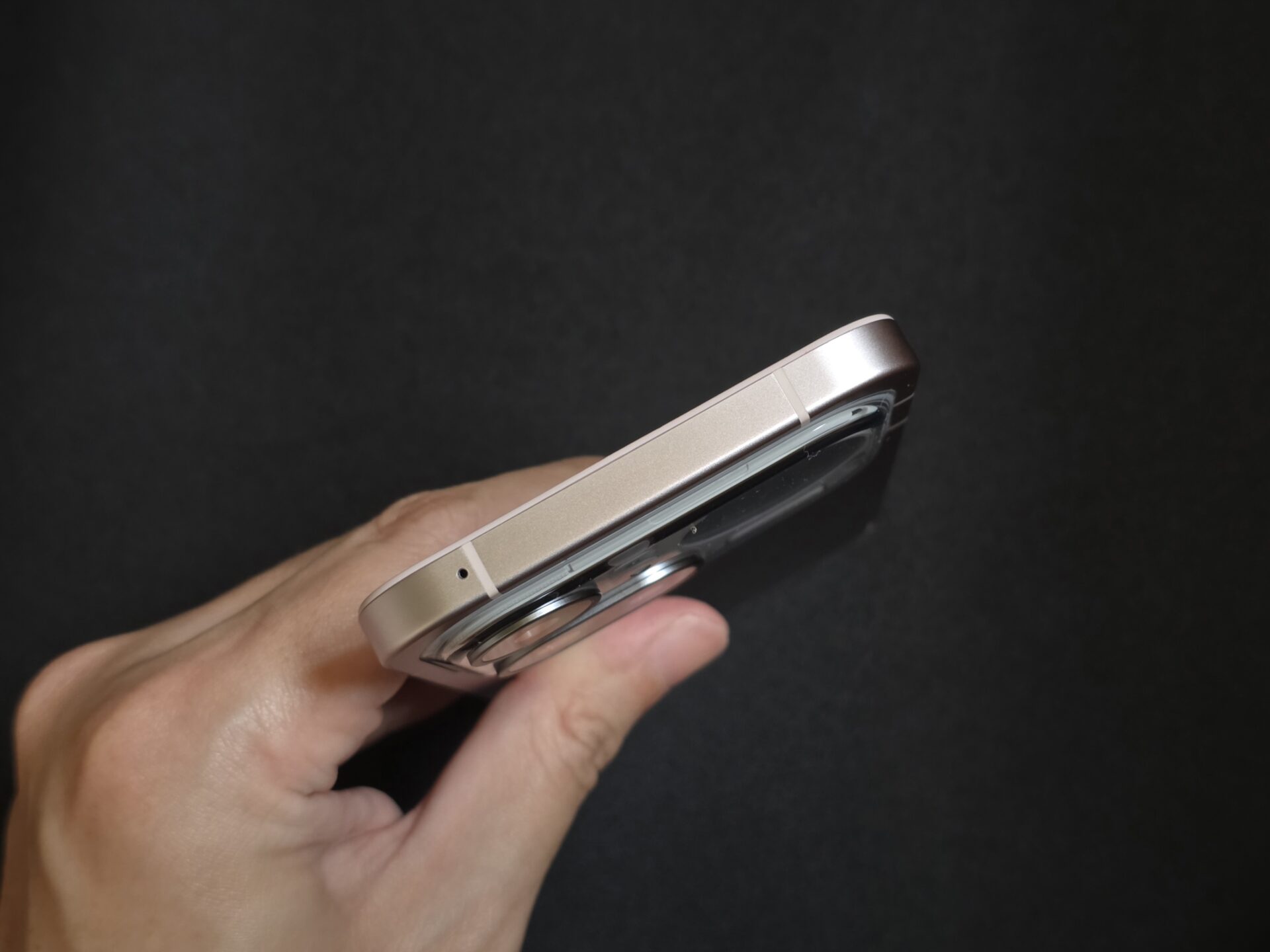
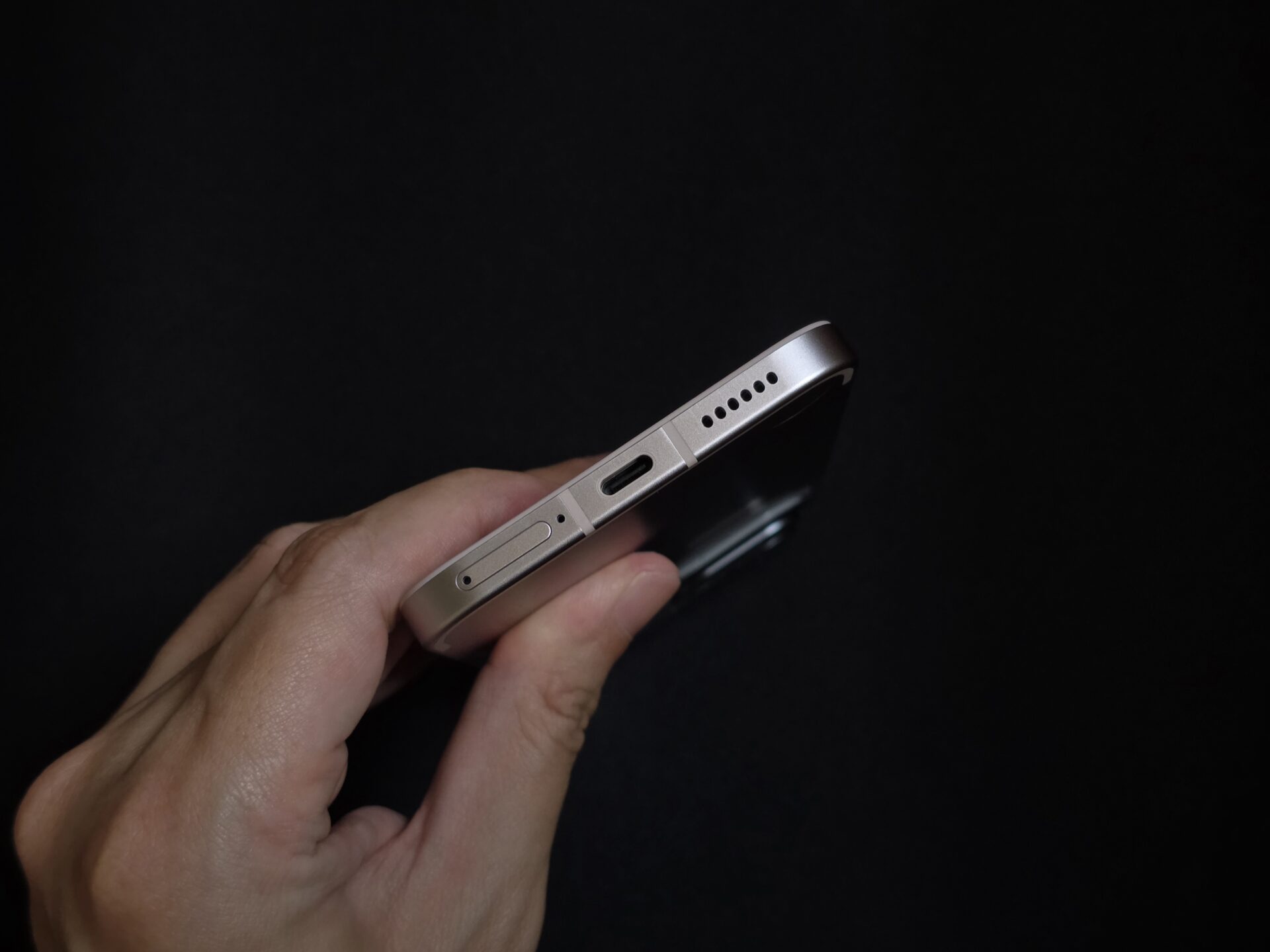
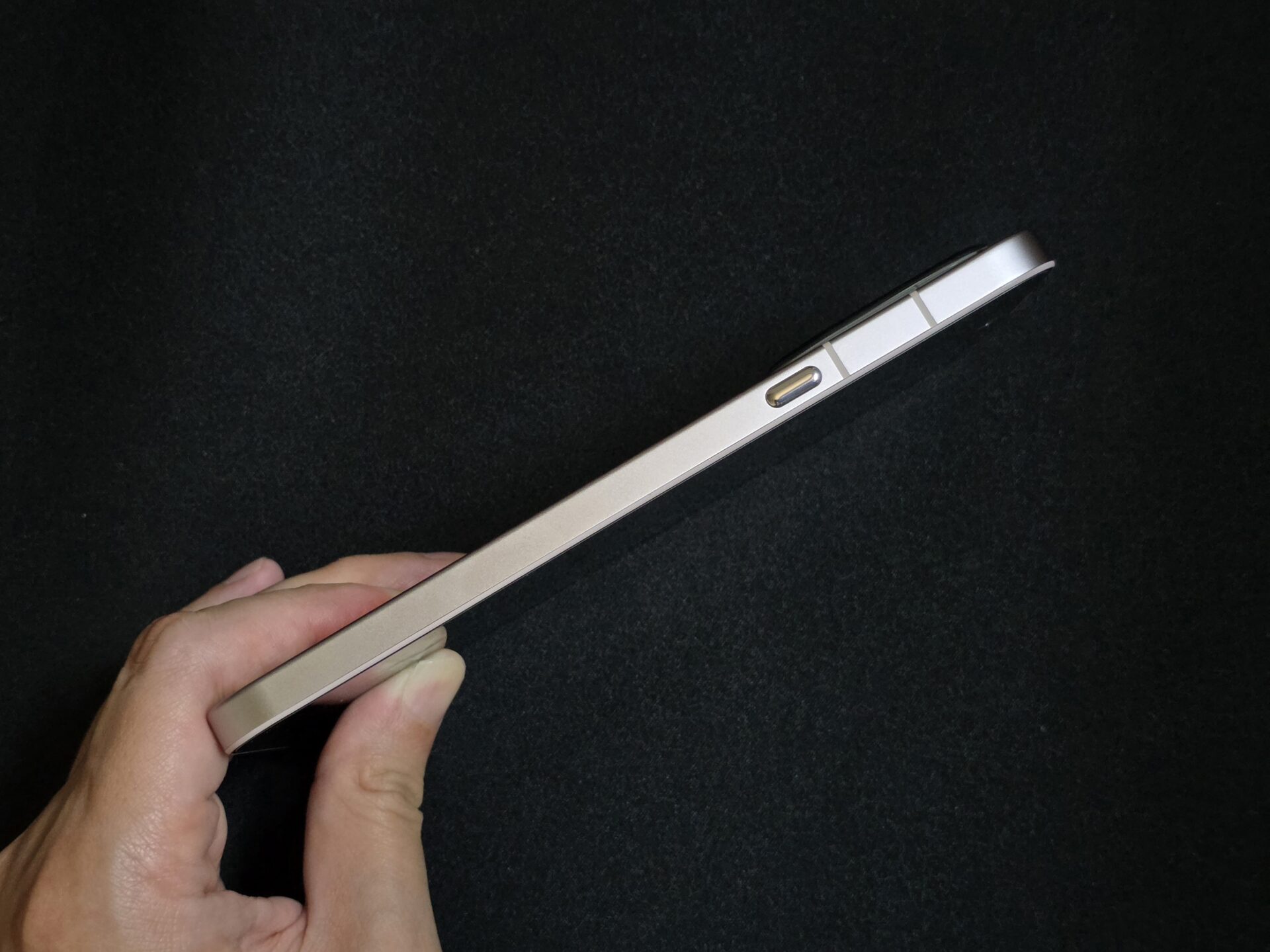
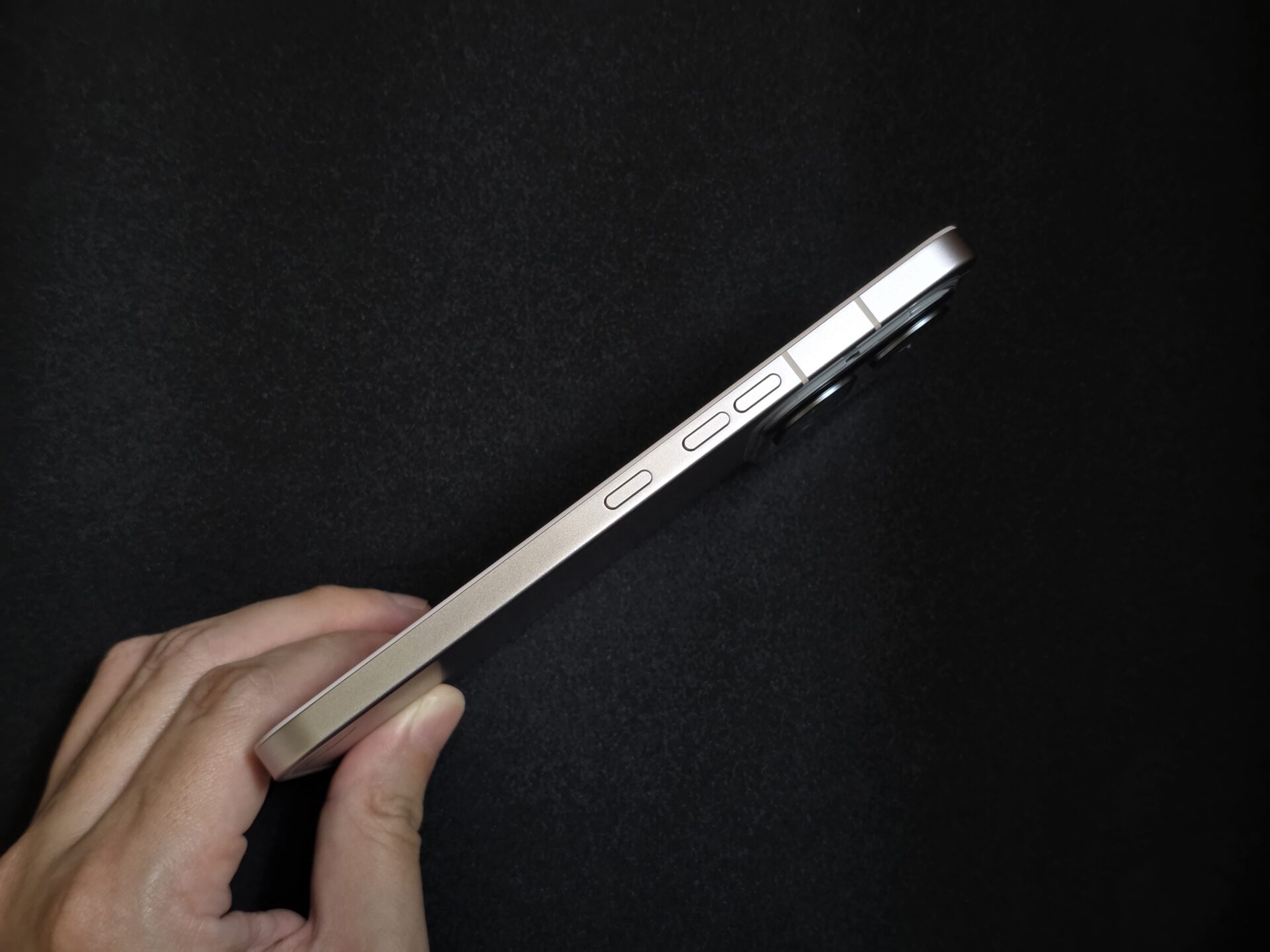
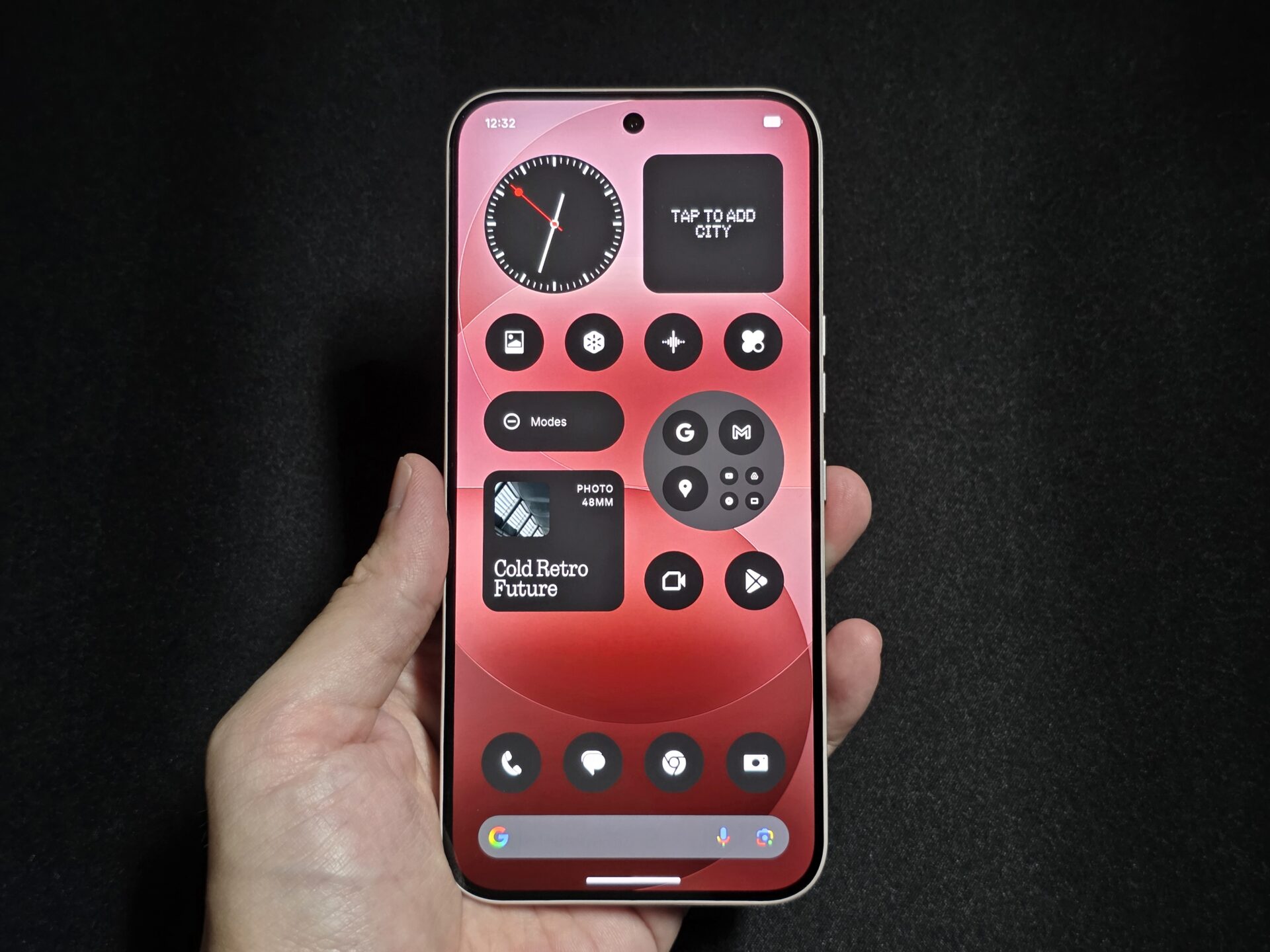
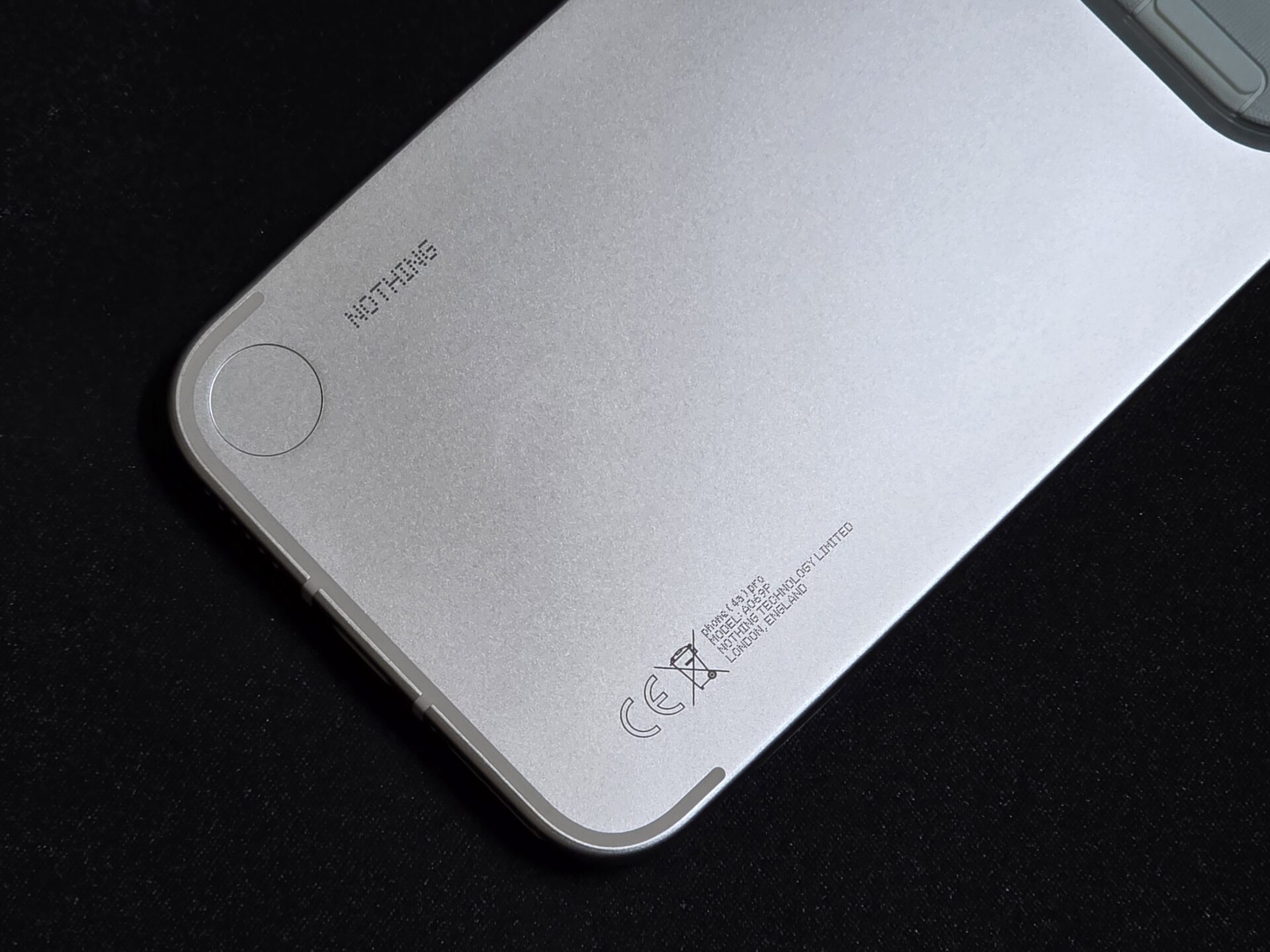
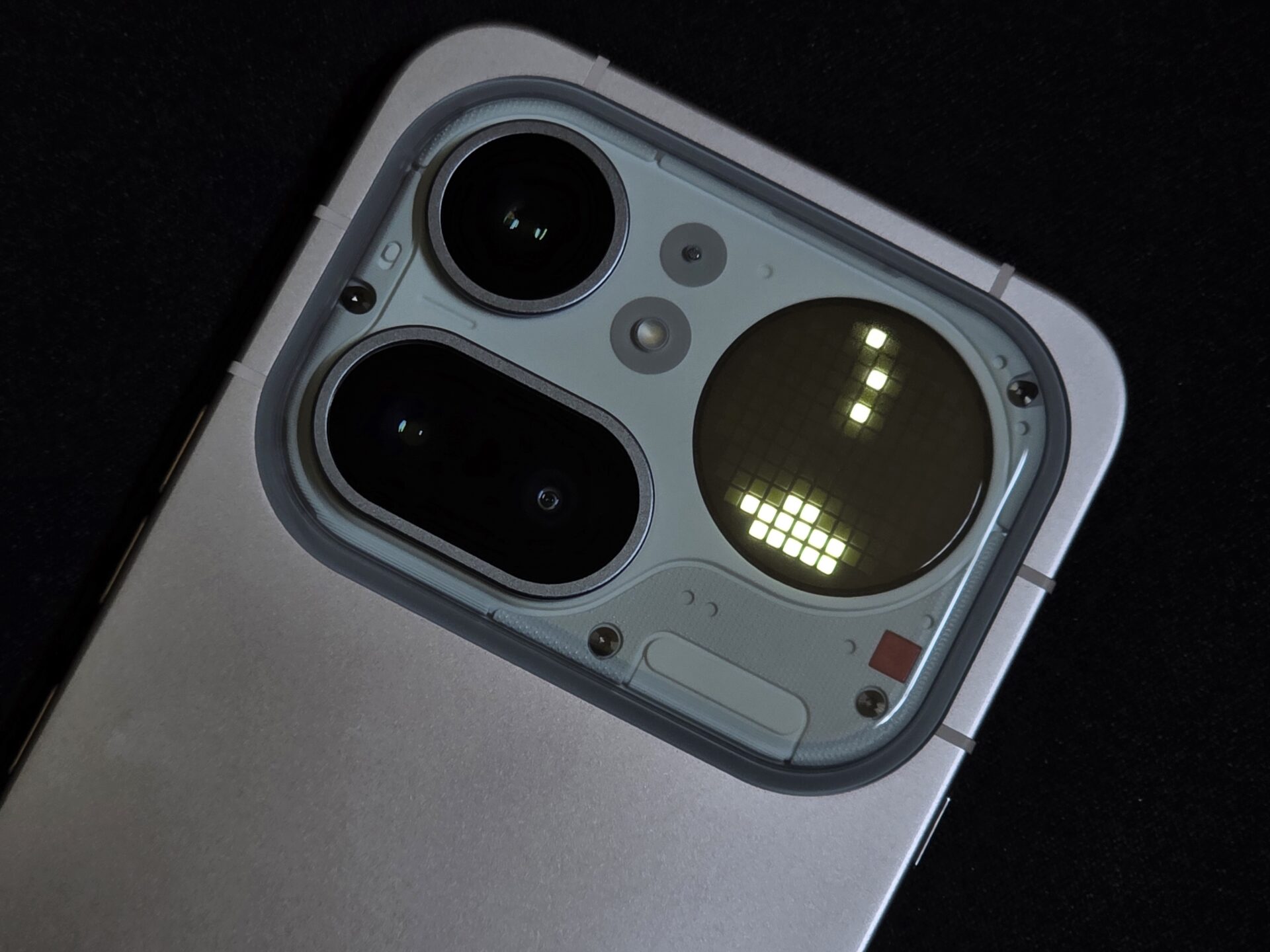
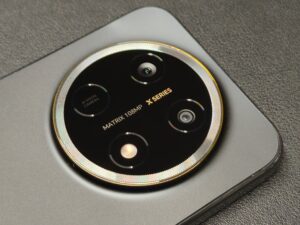
A clear back and circuit board outlook is a hallmark of Nothing devices. The Phone (4a) Pro limits that design element to the camera bump where a roundish Glyph matrix also sits. The rest of the device is covered in a matte metallic finish.
The Phone (4a) Pro has straight, matte sides, and rounded corners like many recent Nothing launches, and for good reason – they feel good in the hand. I personally like the look of the Phone (4a) Pro. It is clean and professional. The metal surface also makes the phone nicer to hold compared to clear plastic.
The unique Nothing Glyph Matrix look and feel on the Phone (4a) Pro is the same interactive feature on the flagship Nothing Phone (3). It can do things like a countdown timer and show call status, but drops the dedicated, interactive button.
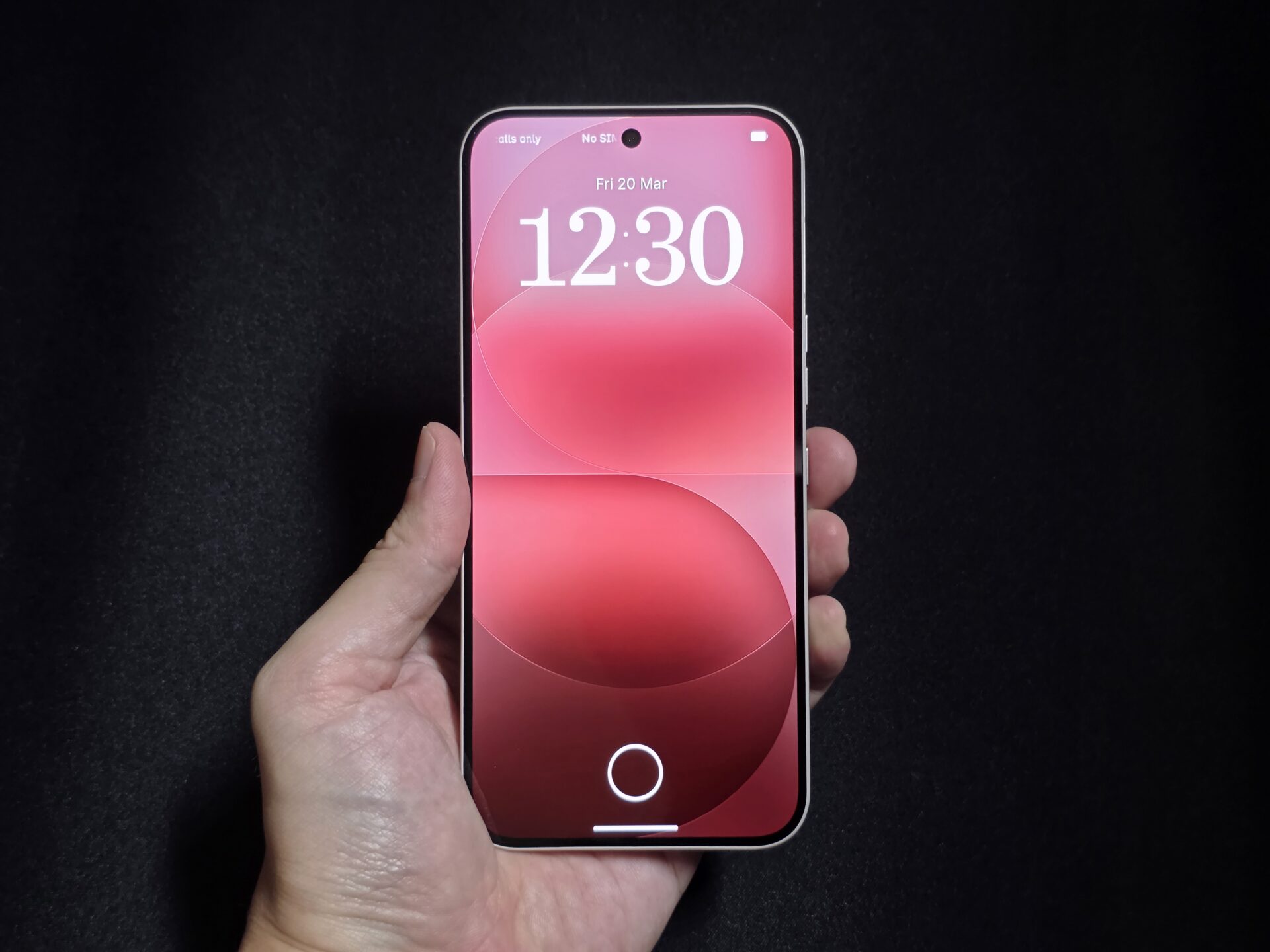
The Phone (4a) Pro, at 163.7 x 76.6 x 8mm and weighing 210g, is at the lighter end of 6.8-inch phones. The screen-to-body ratio is good at about 94 per cent, as can be told by the thin bezels despite the rounded sides.
To be exact, the display is a 6.83-inch, 1,260 x 2,800 pixel panel. Brightness maxes out at 1,450 nits in my tests, close to the 1,600 nits daylight claim. It is not the highest number out there, but is decent in my use.
Corning Glass 7i protects the display from scratches and drops, a step up from the Panda Glass used in earlier devices. Do remove the pre-applied screen film, as that scratches easily.
Performance and features
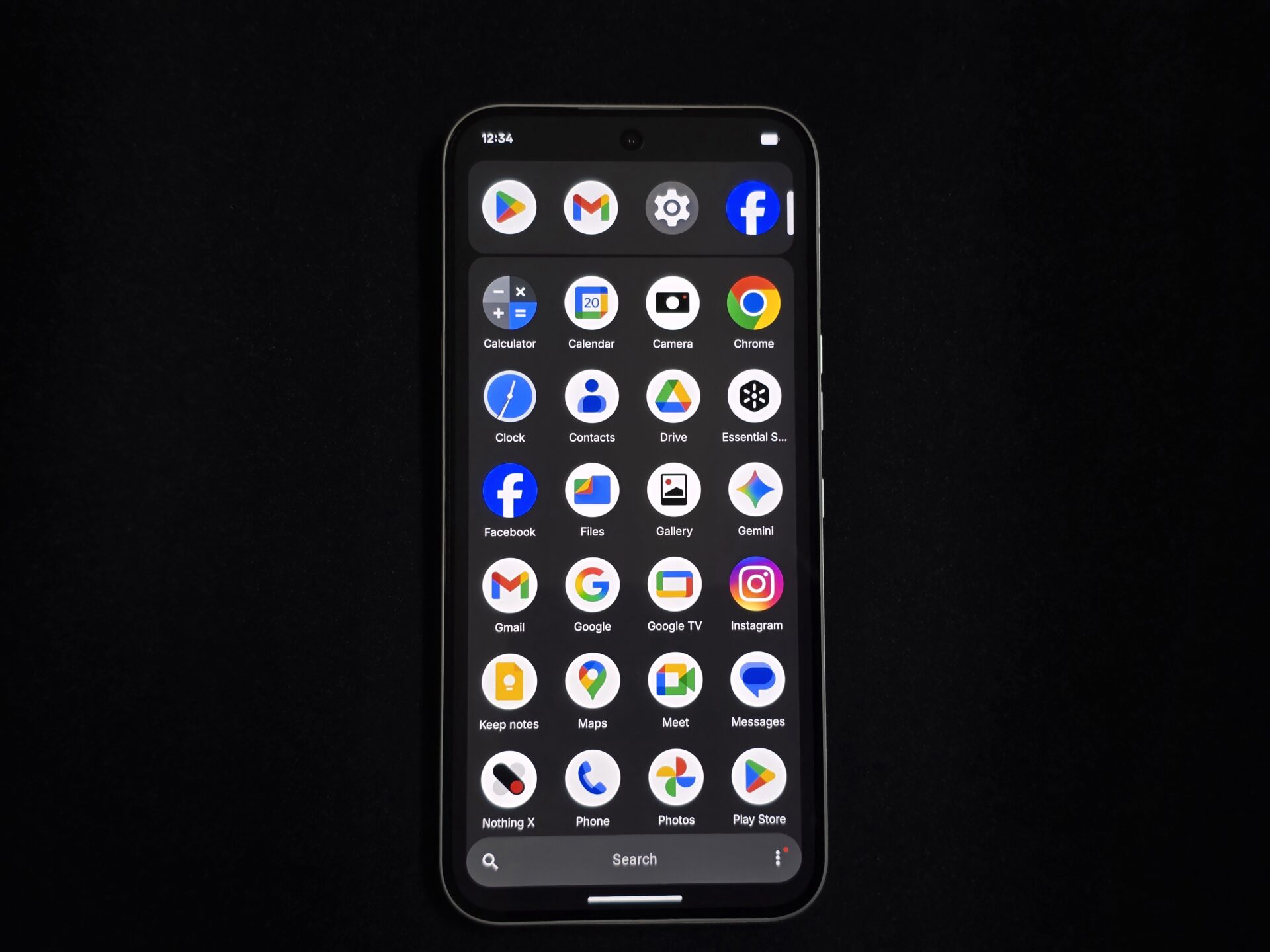
The Nothing Phone (4a) Pro uses a Qualcomm Snapdragon 7 Gen 4, paired with an Adreno 722 graphic chip. Its IP55 water resistance rating means the device can take low-pressure jets of water but are not meant for pool dips.
Recent Nothing devices we reviewed had some muffled speaker issues, and the Phone (4a) Pro does not buck the trend. I am beginning to realise that this is chiefly caused by the imbalance in volumes between the bottom-firing and earpiece speaker, and hope this gets resolved in Nothing’s next device.
Battery life from the 5,080mAh cell on the Phone (4a) Pro is good, likely because of the power efficient mid-range processor. I calibrated the screen to 200 nits brightness, and ran the PCMark 10 for Android’s Work 3.0 Battery Life test with Wi-Fi on. With dynamic refresh rate turned on, the Phone (4a) Pro lasted a solid 19 hours and 30 minutes.
Notably, the phone supports 50W USB-C wired charging, which is commendable. No wireless charging here, as expected for this midrange model.
As with many new phones today, you have some AI built in here. For Nothing, this is its Essential Space, a sort of AI-enriched task summariser and organiser and screenshot search engine rolled into one. Take a picture or write up a note and the AI will help digest the information to summarise things for you each day.
Cameras
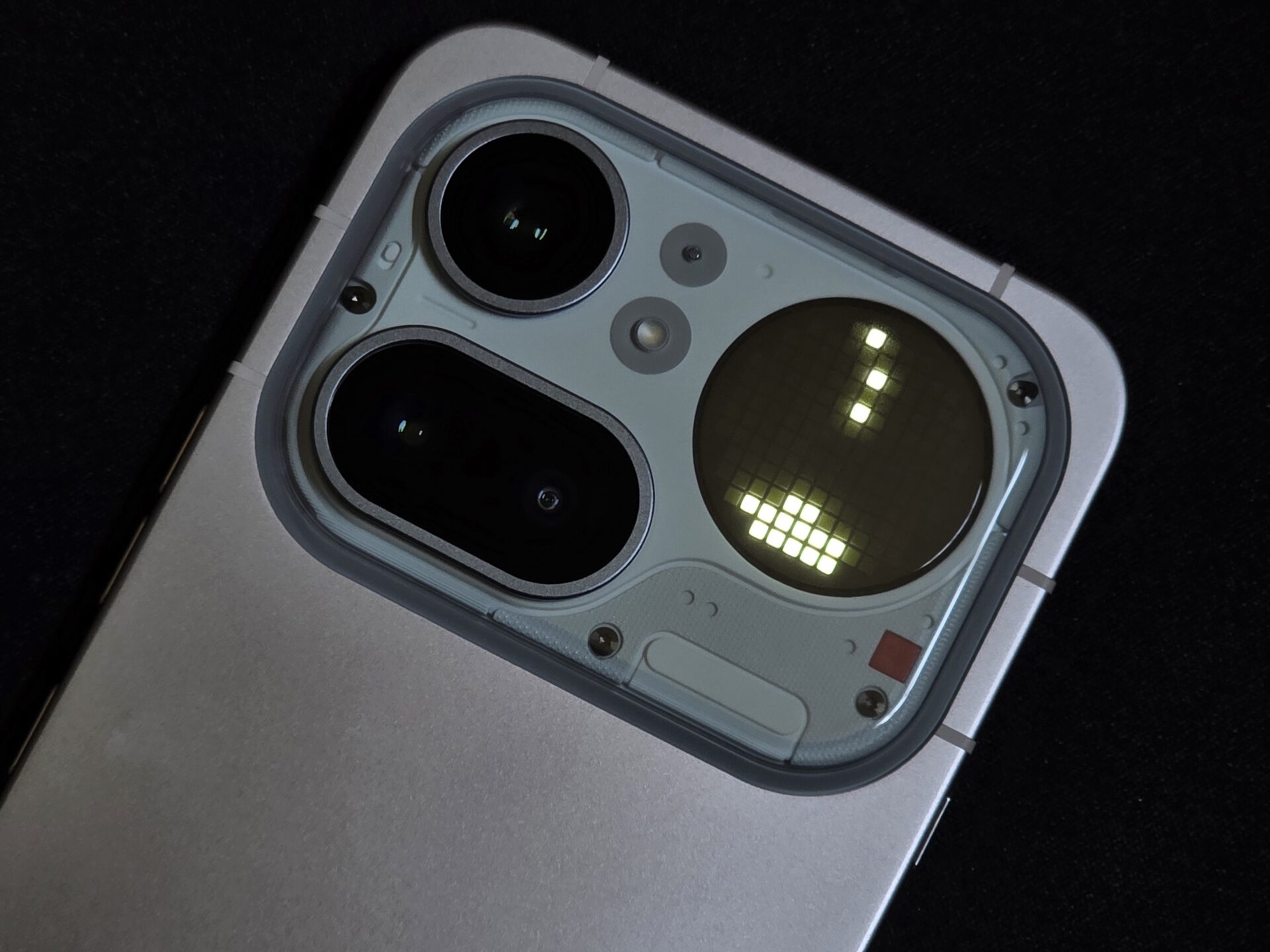
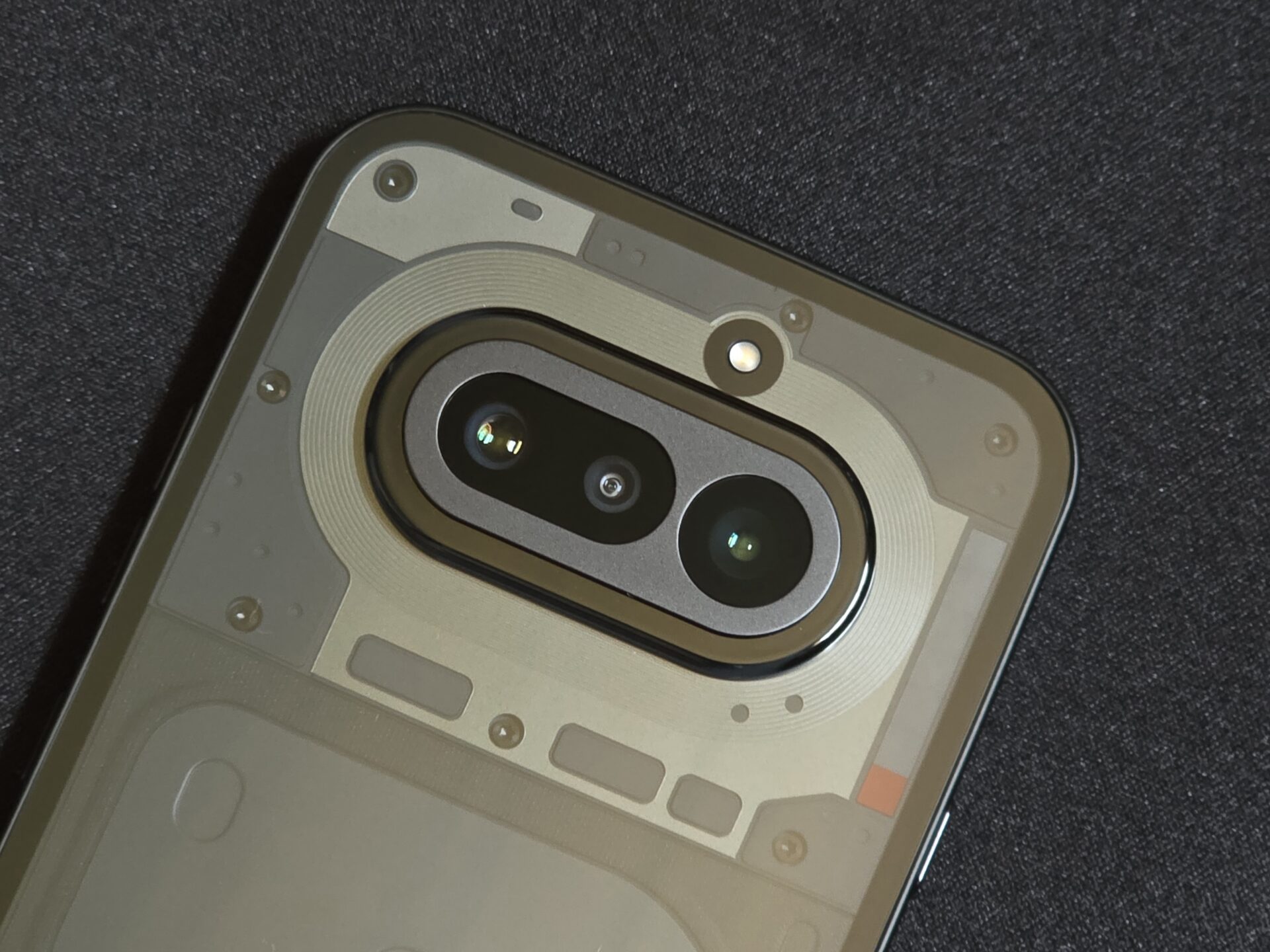
The Phone (4a) uses Samsung’s imaging system, while the Phone (4a) Pro uses Sony’s. Both have very similar camera specs. The Phone (4a) Pro’s setup, to me, has a slight edge, with a tendency to run a little darker while doing a better job with details.
Overall, while daytime shots are good, but night shots should be appreciated as good attempts by a midrange device. Here are the shots from the Phone (4a) before the Phone (4a) Pro that I took in Singapore recently.
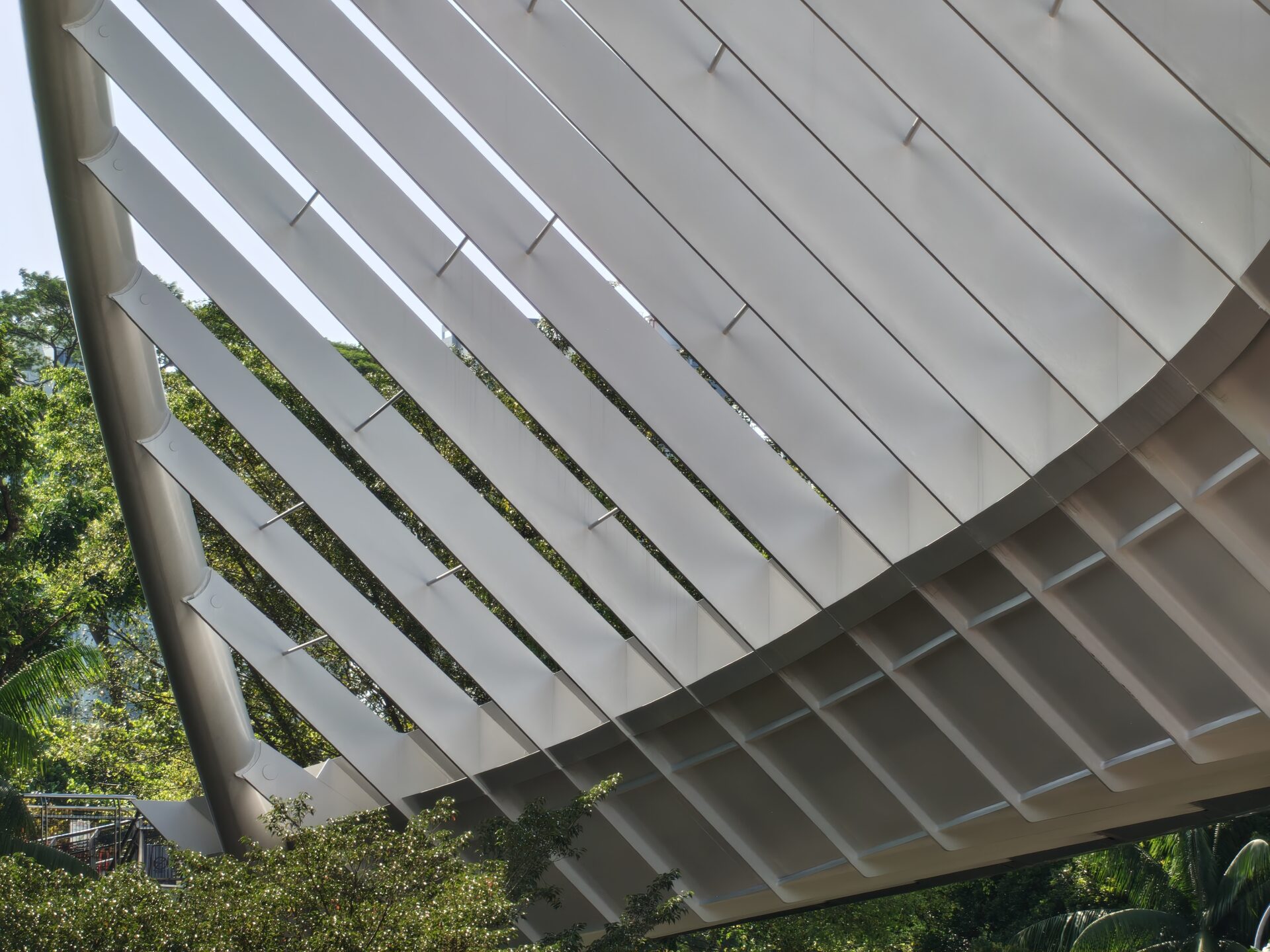
Looking at the Alexandra Arch bridge in the west, you find a washed-out and fuzzy quality to the Phone (4a)’s ultrawide shot. The main shooter does much better, though with a bit of a yellow tint. The telephoto (3.5x) and 7x zoom shots are decent.
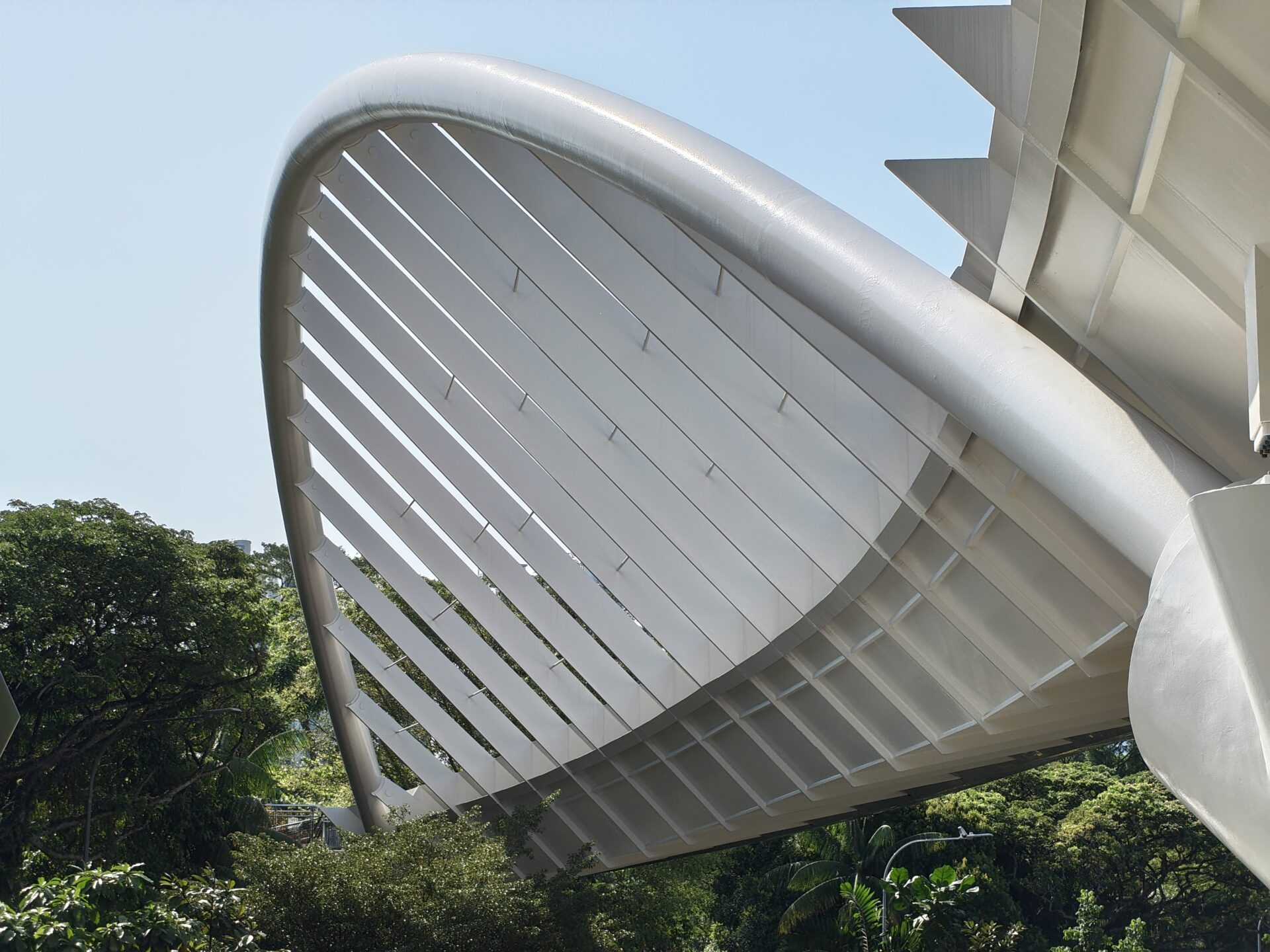
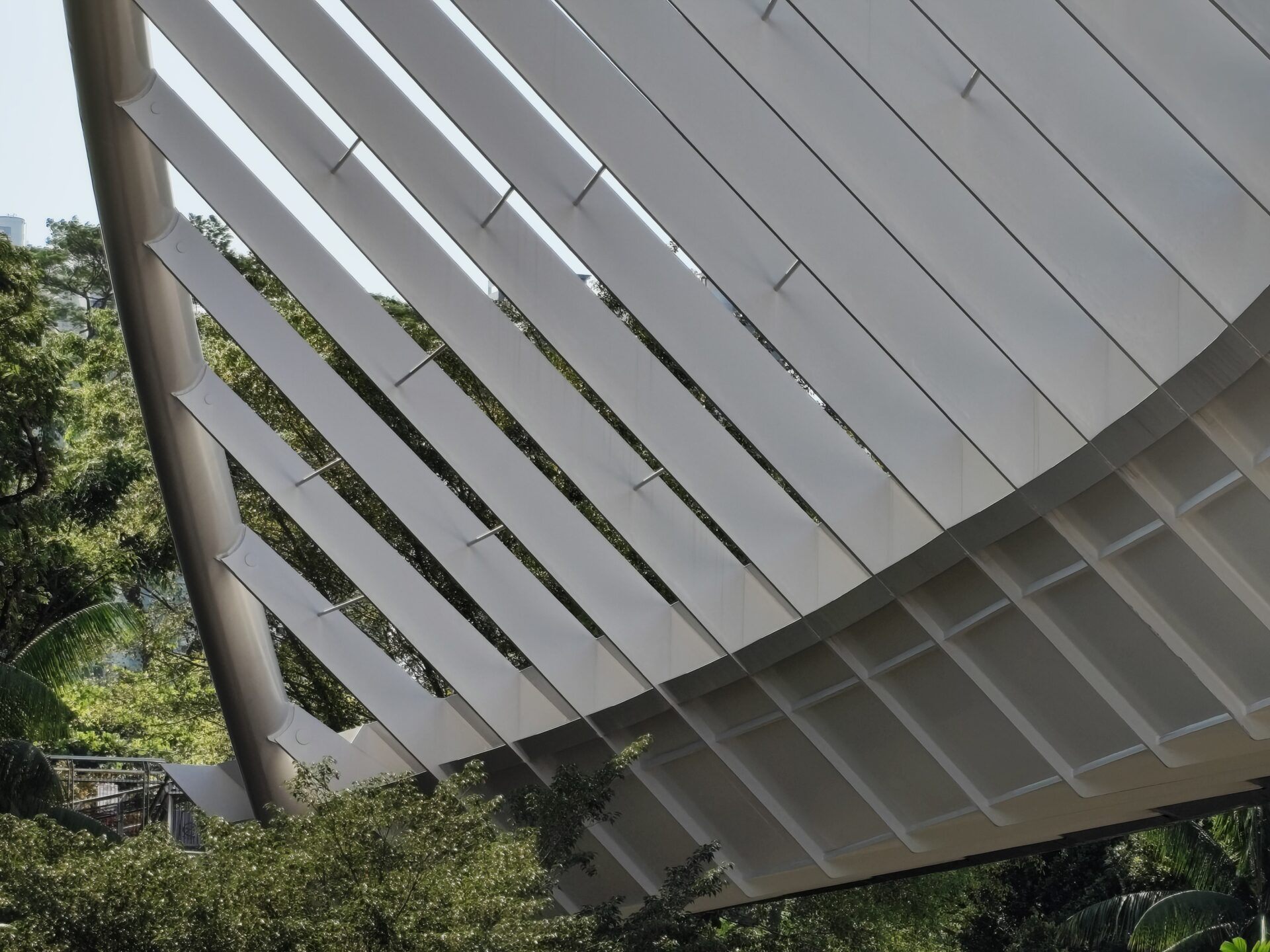
With the Phone (4a) Pro, the ultrawide shot is still washed out by the sun, but not as badly. The wide shot has the correct tint, and the telephotos sharper and slightly more colourful.
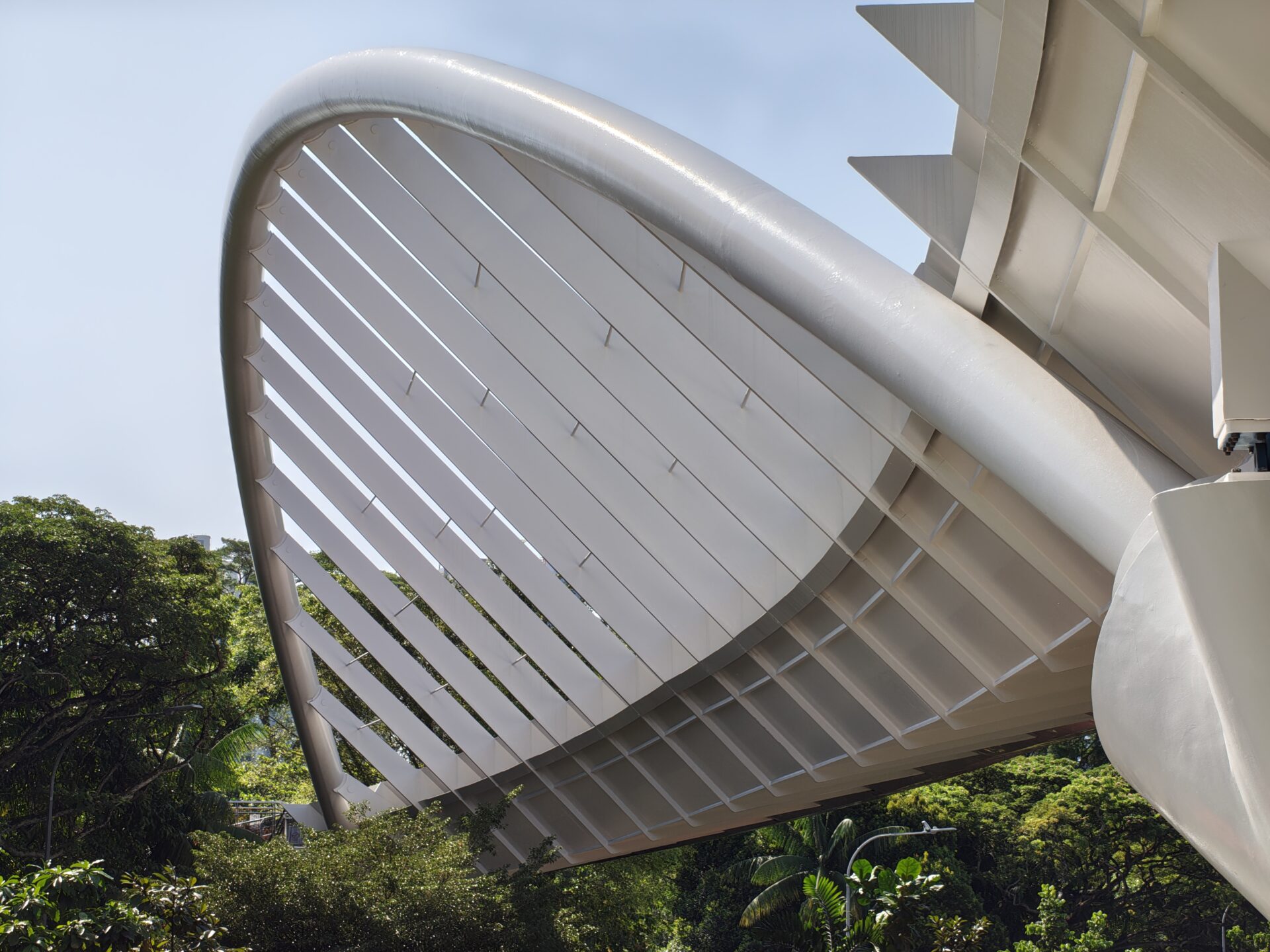
Turning to the sheltered pavilion, the Phone (4a) ultrawide does much better here, though is still less detailed than the wide camera. The shots across the different shooters are also good.
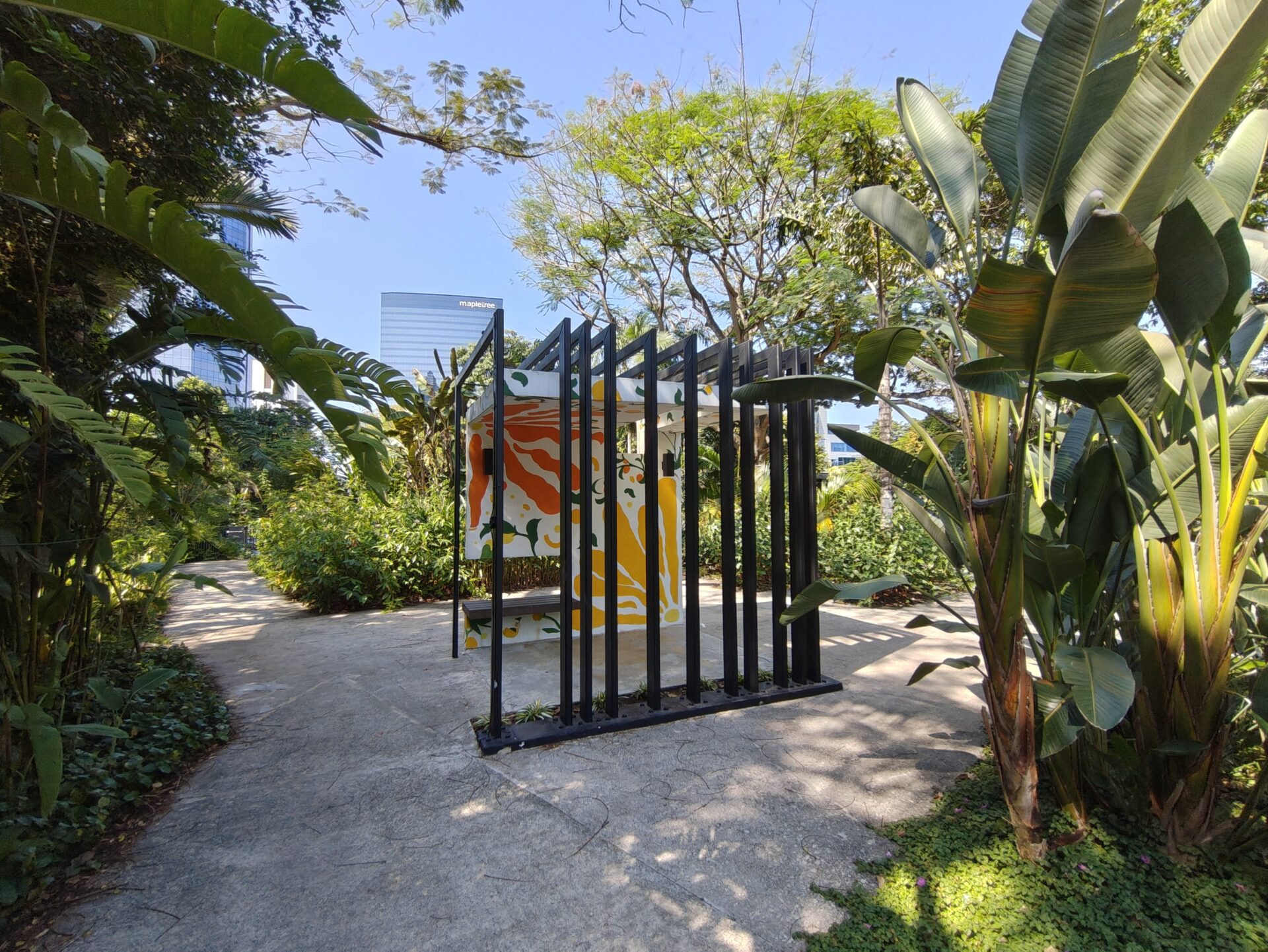
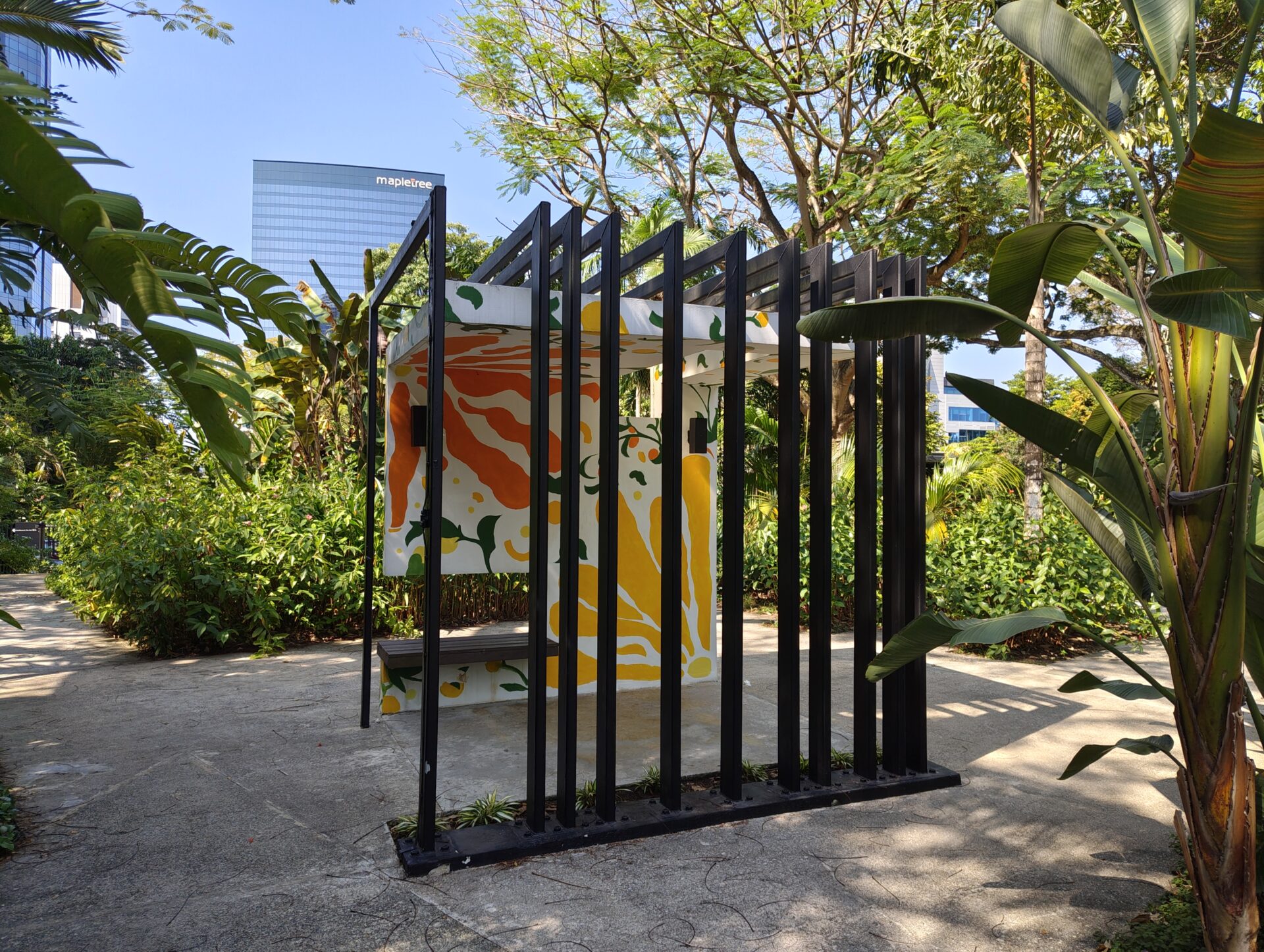
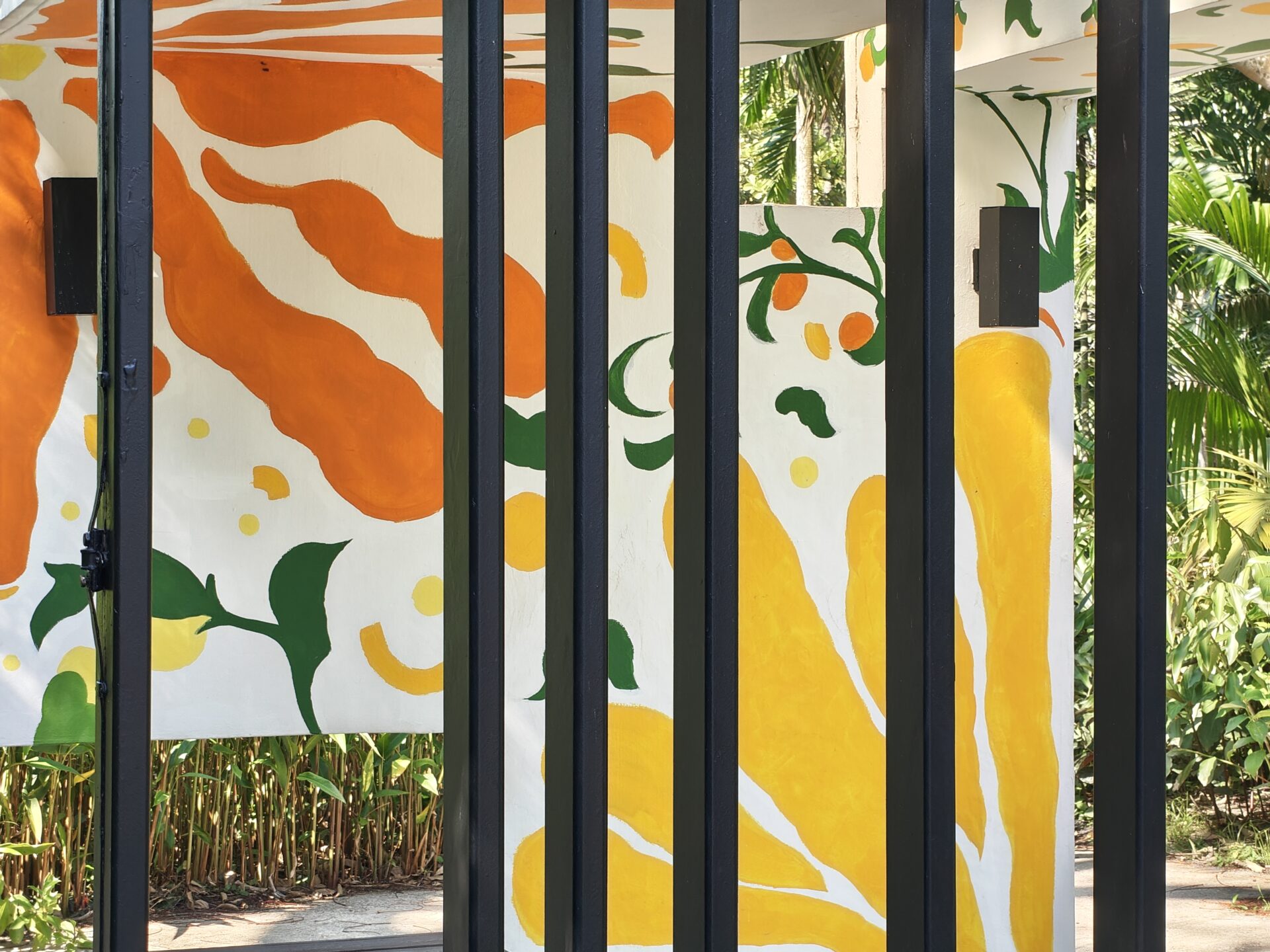
The Phone (4a) Pro’s set of shots have a cool vibrancy, in comparison. Again, the ultrawide camera here seems better equipped than on the Phone (4a).
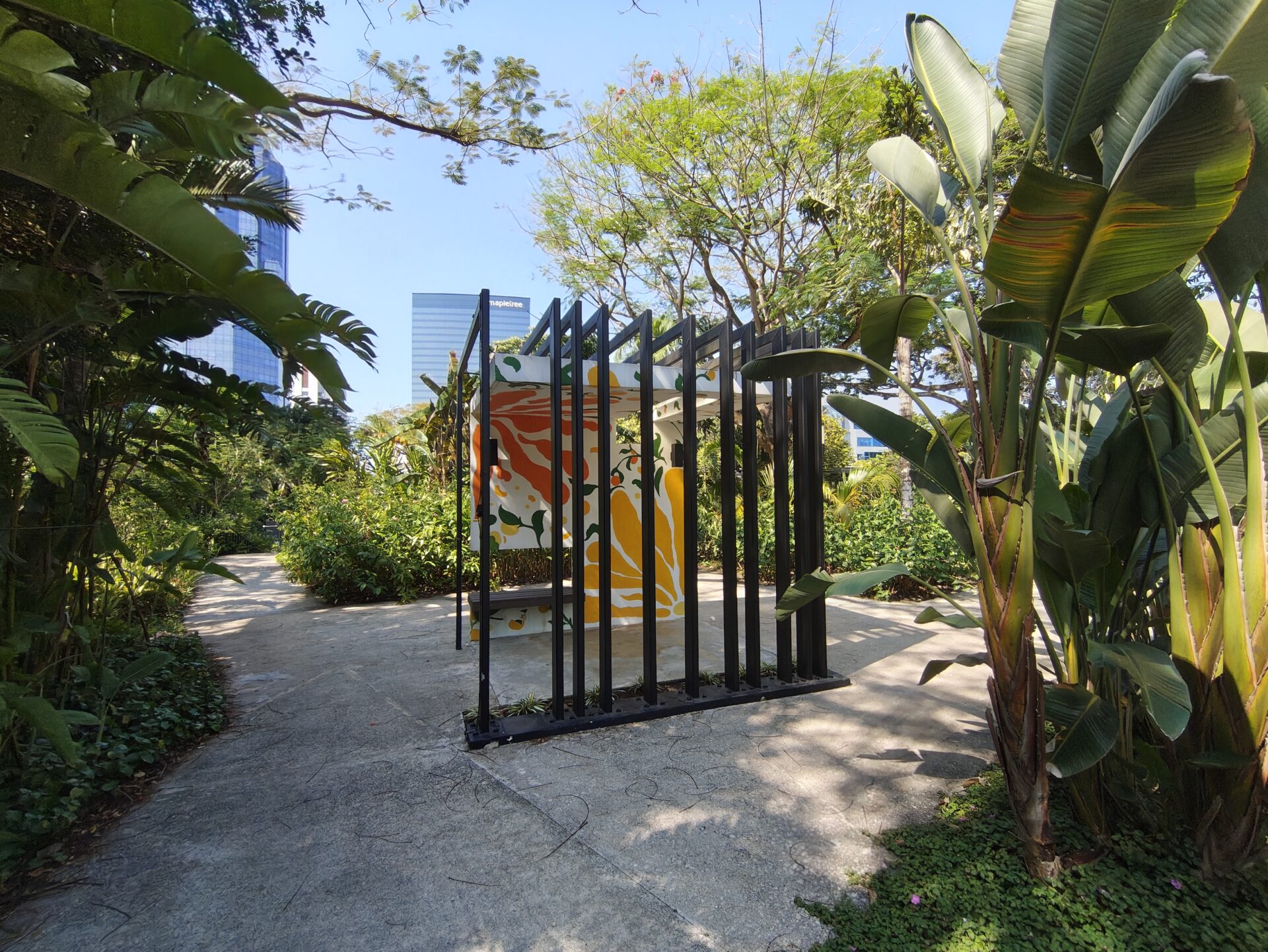
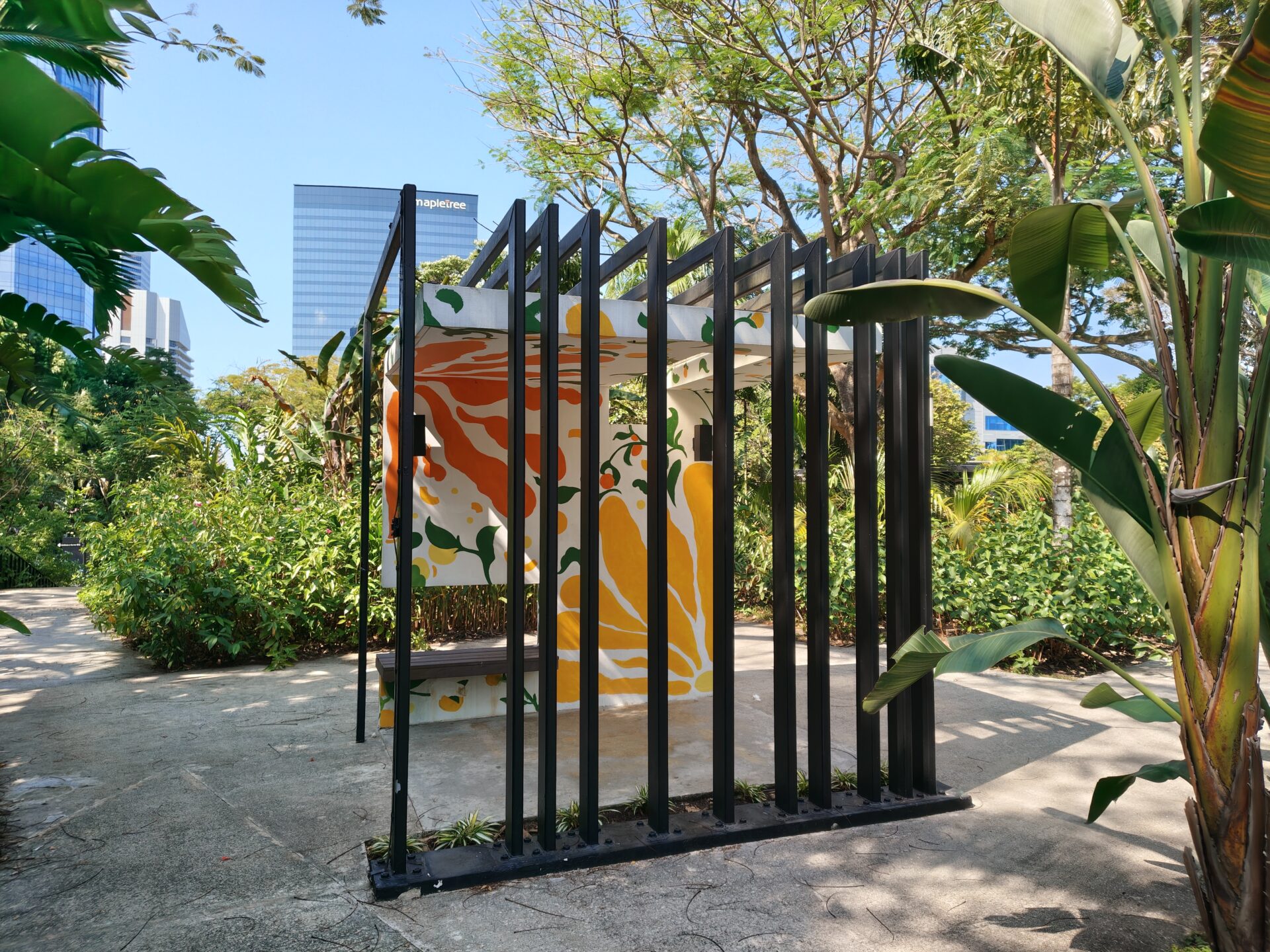
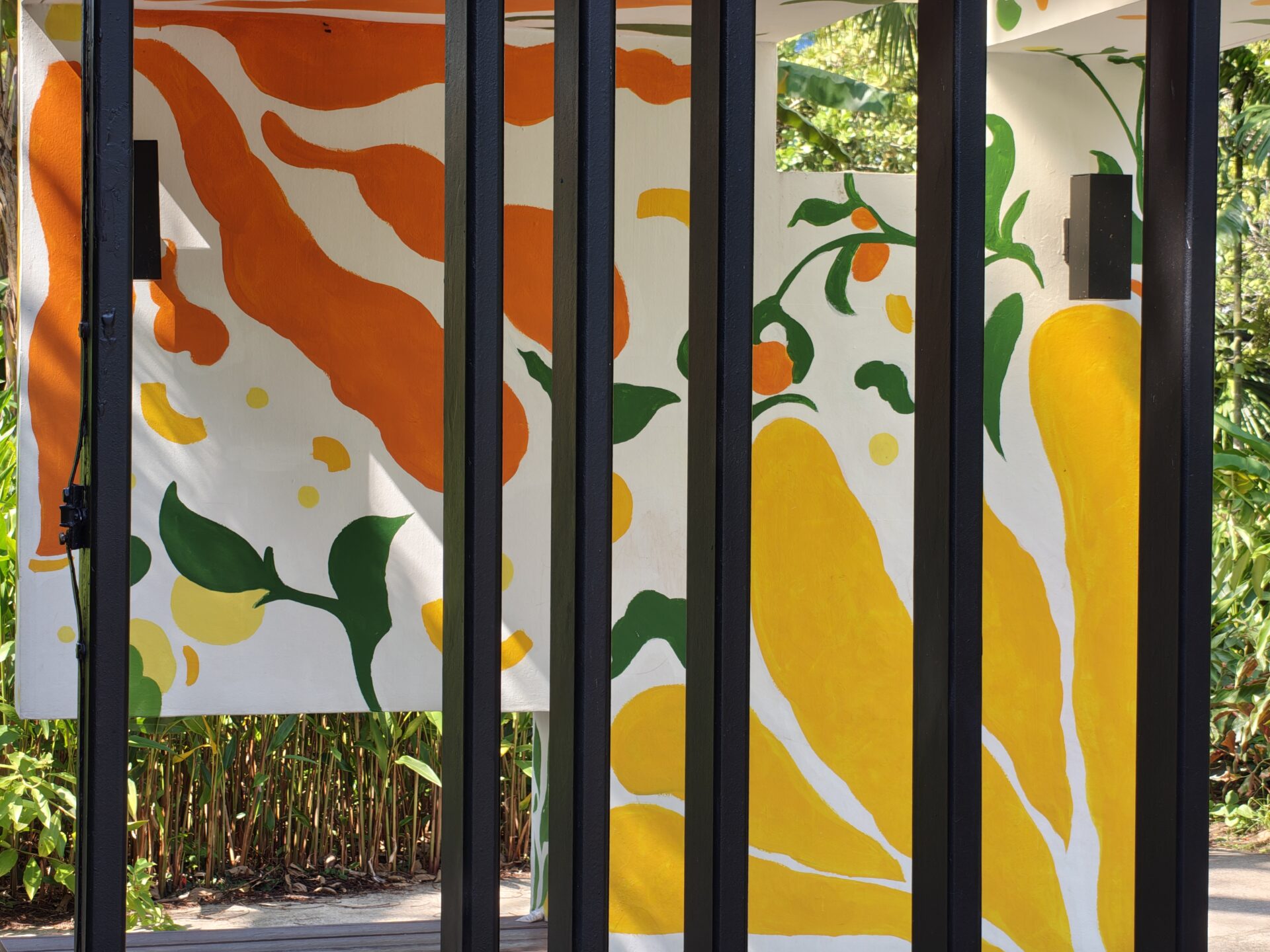
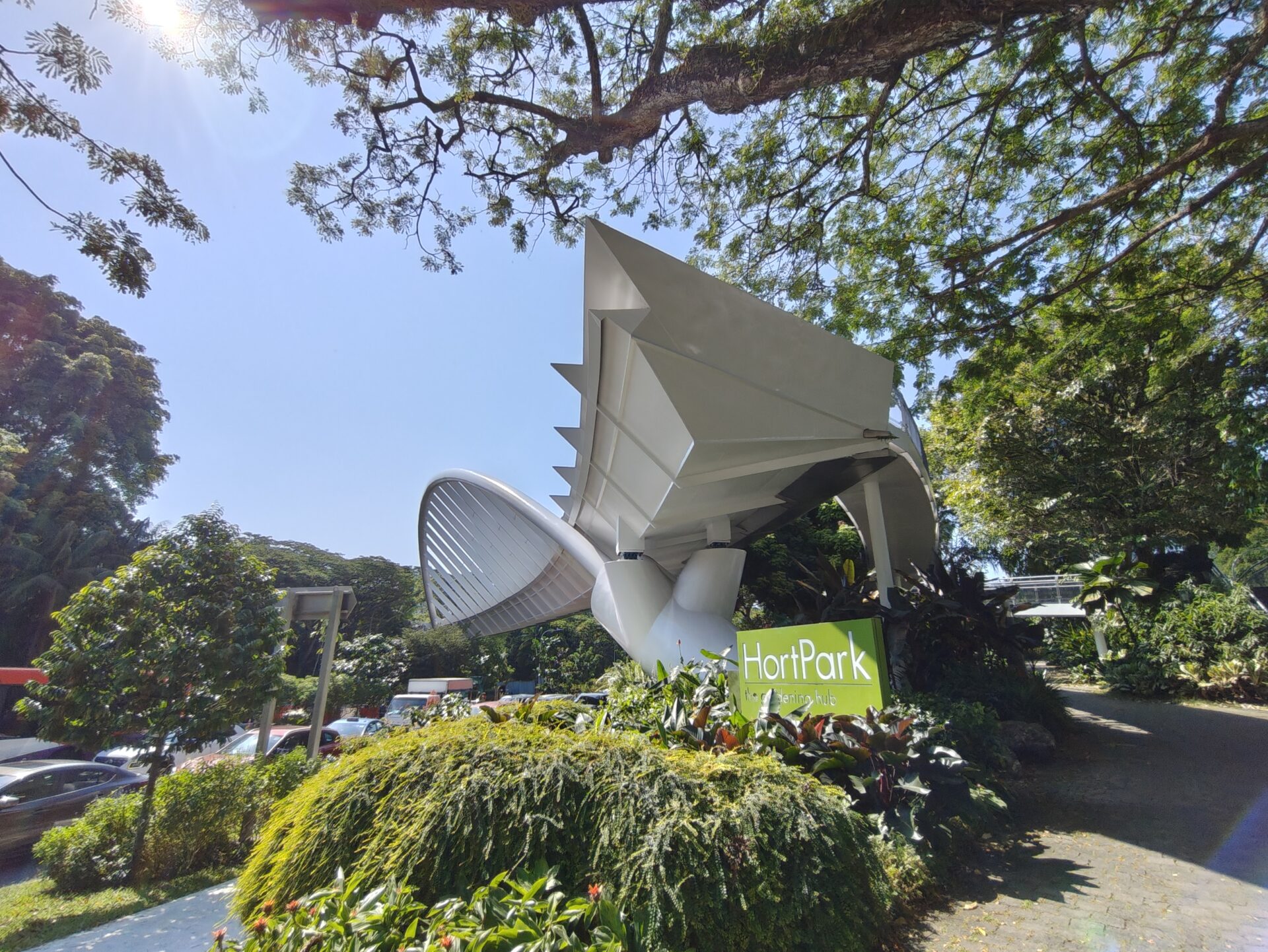
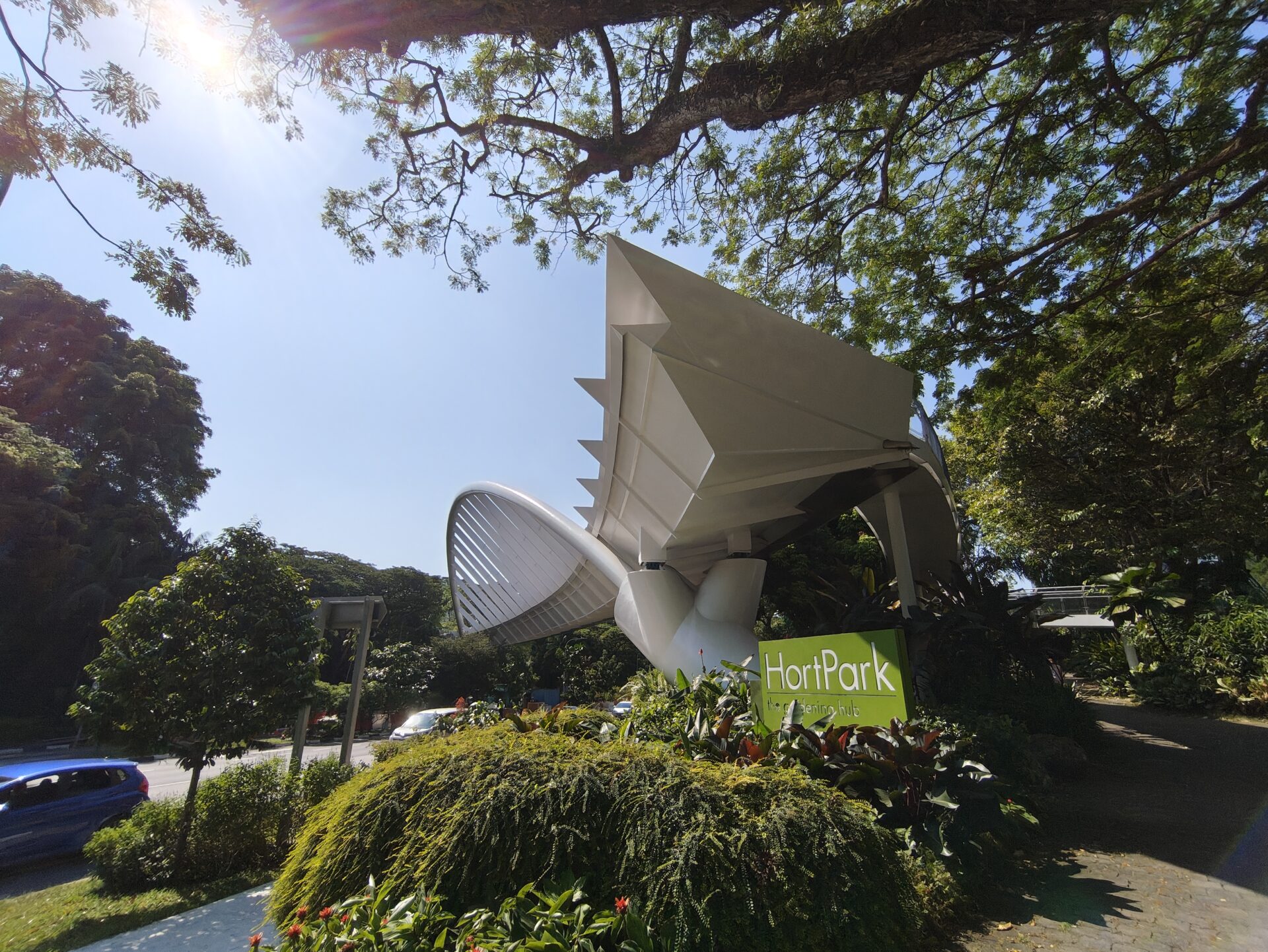
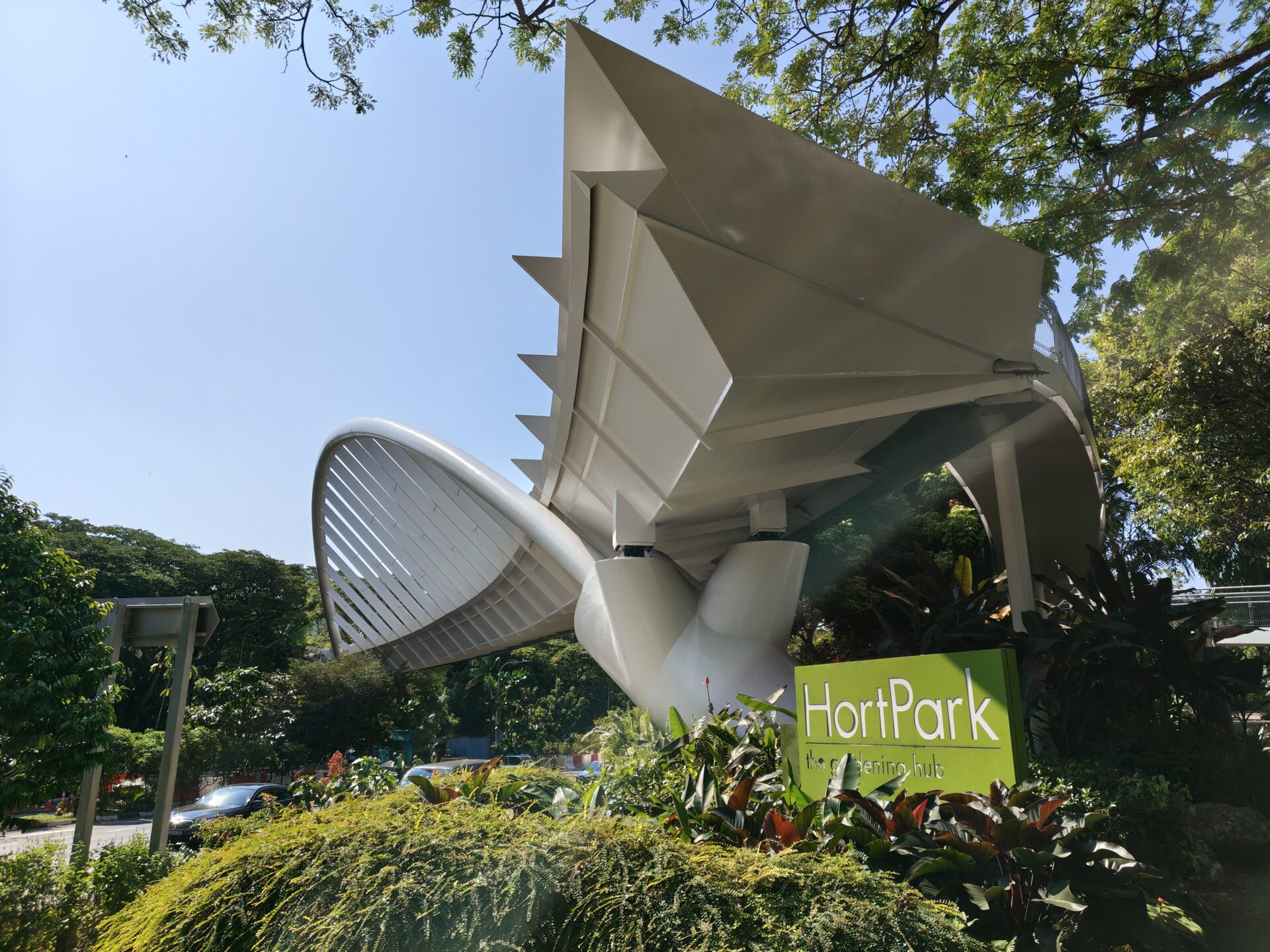
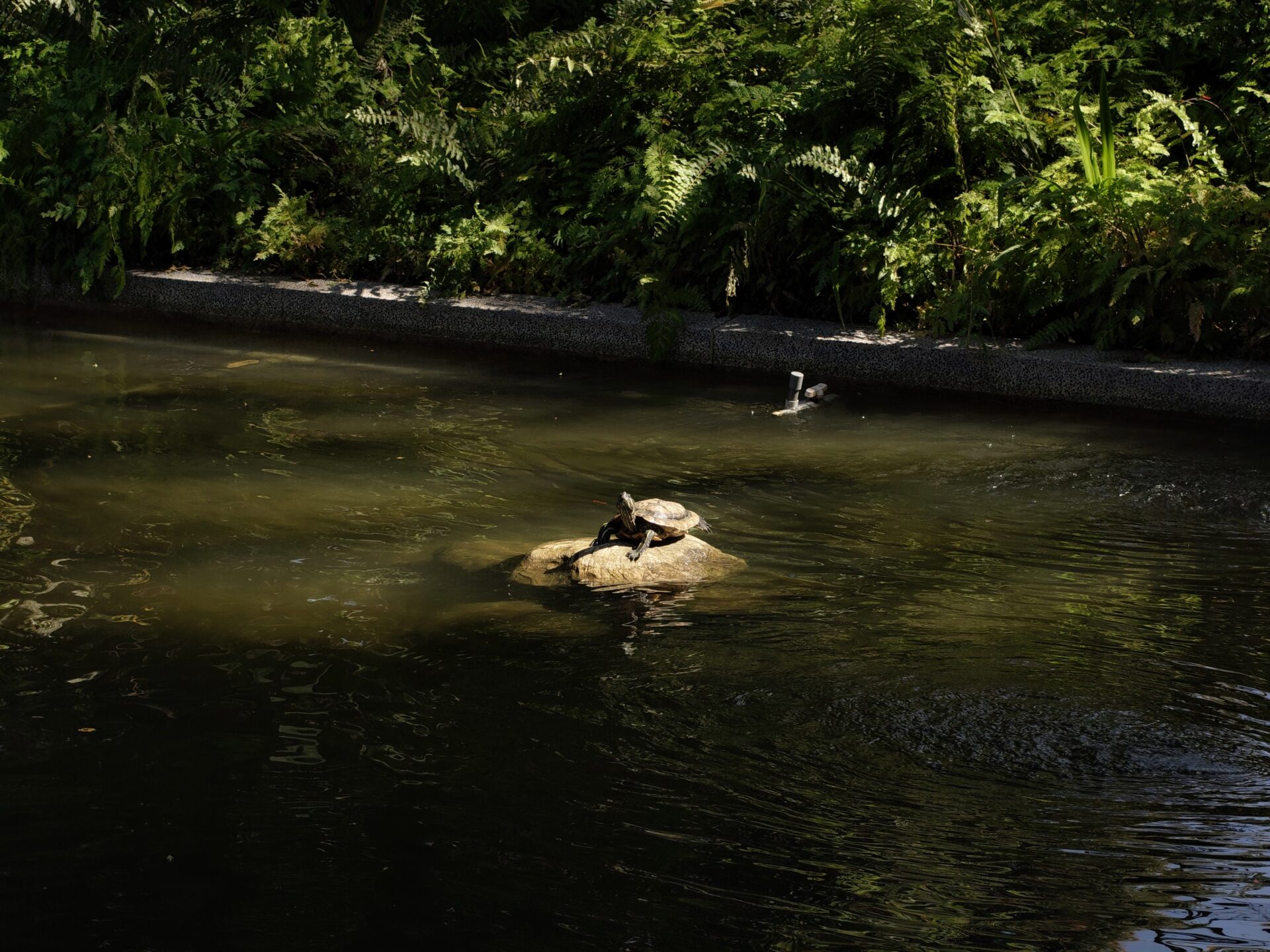
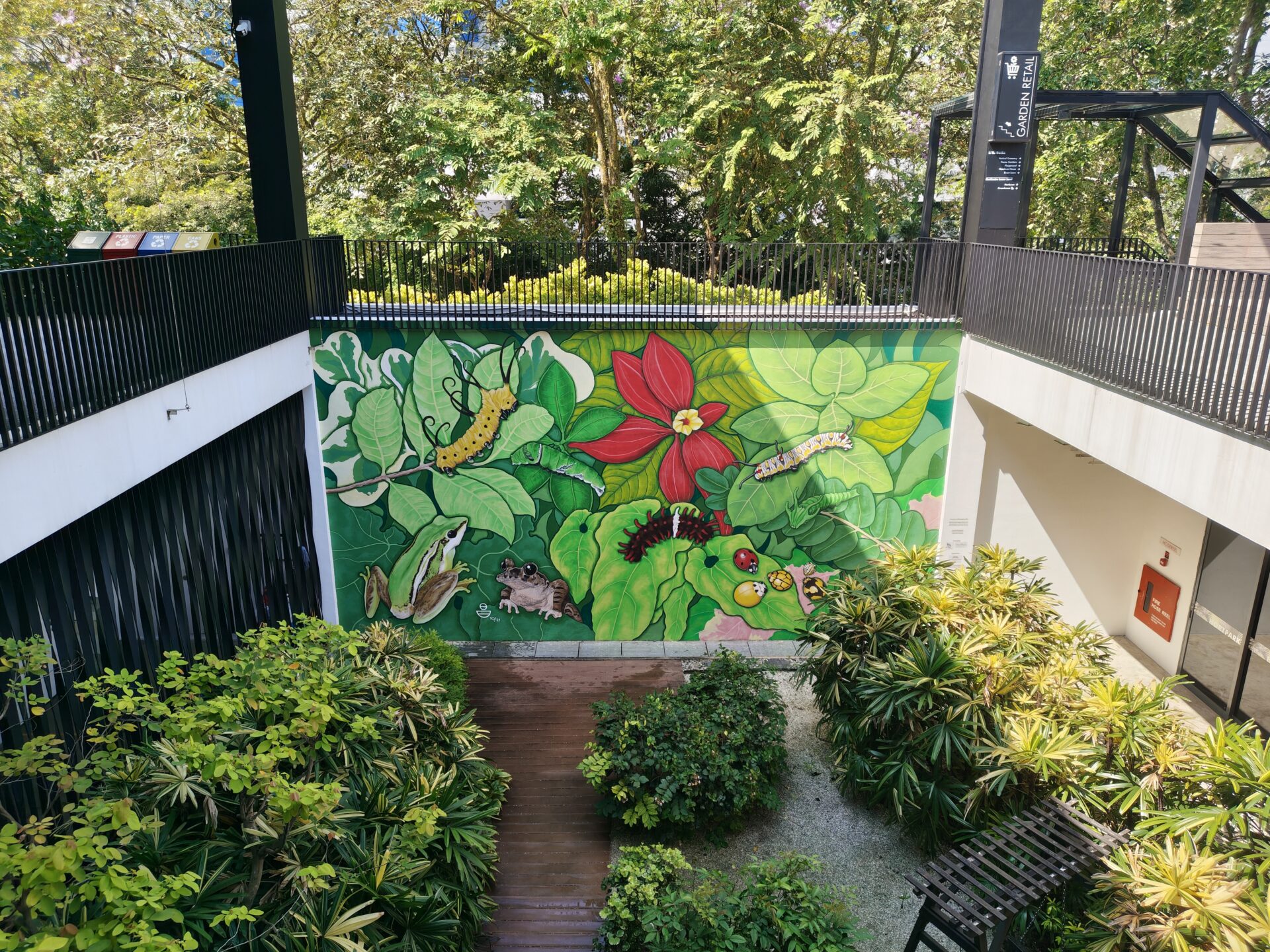
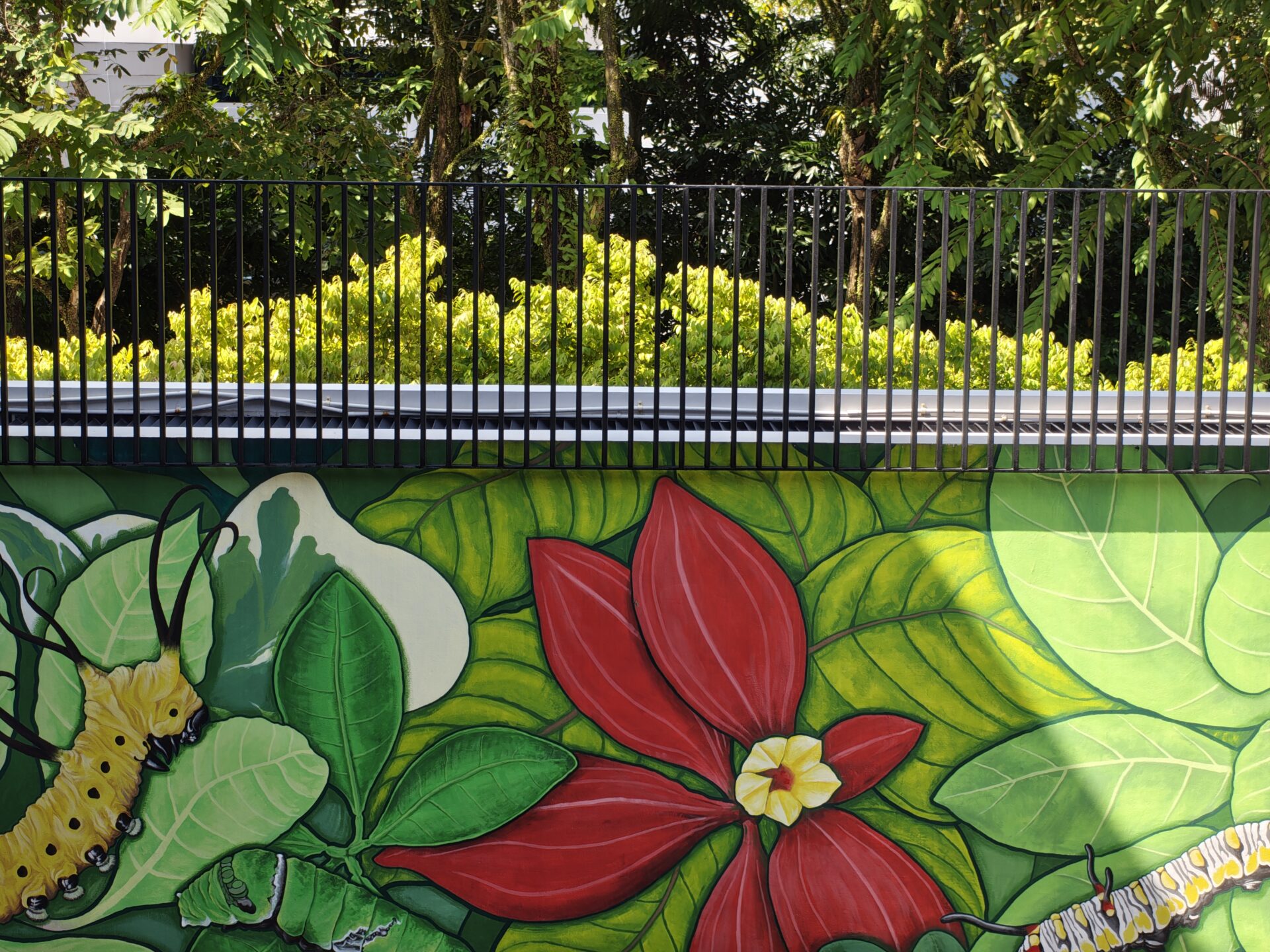
At the drop-off porch to HortPark, the Phone (4a) ultrawide shot has good colour, but again is slightly off focus, especially when compared to the pin-sharp wide shot. The telephoto shot is also in good focus and colour. I love the shots of the tortoise captured by the telephoto, especially considering this is mid-range camera hardware.
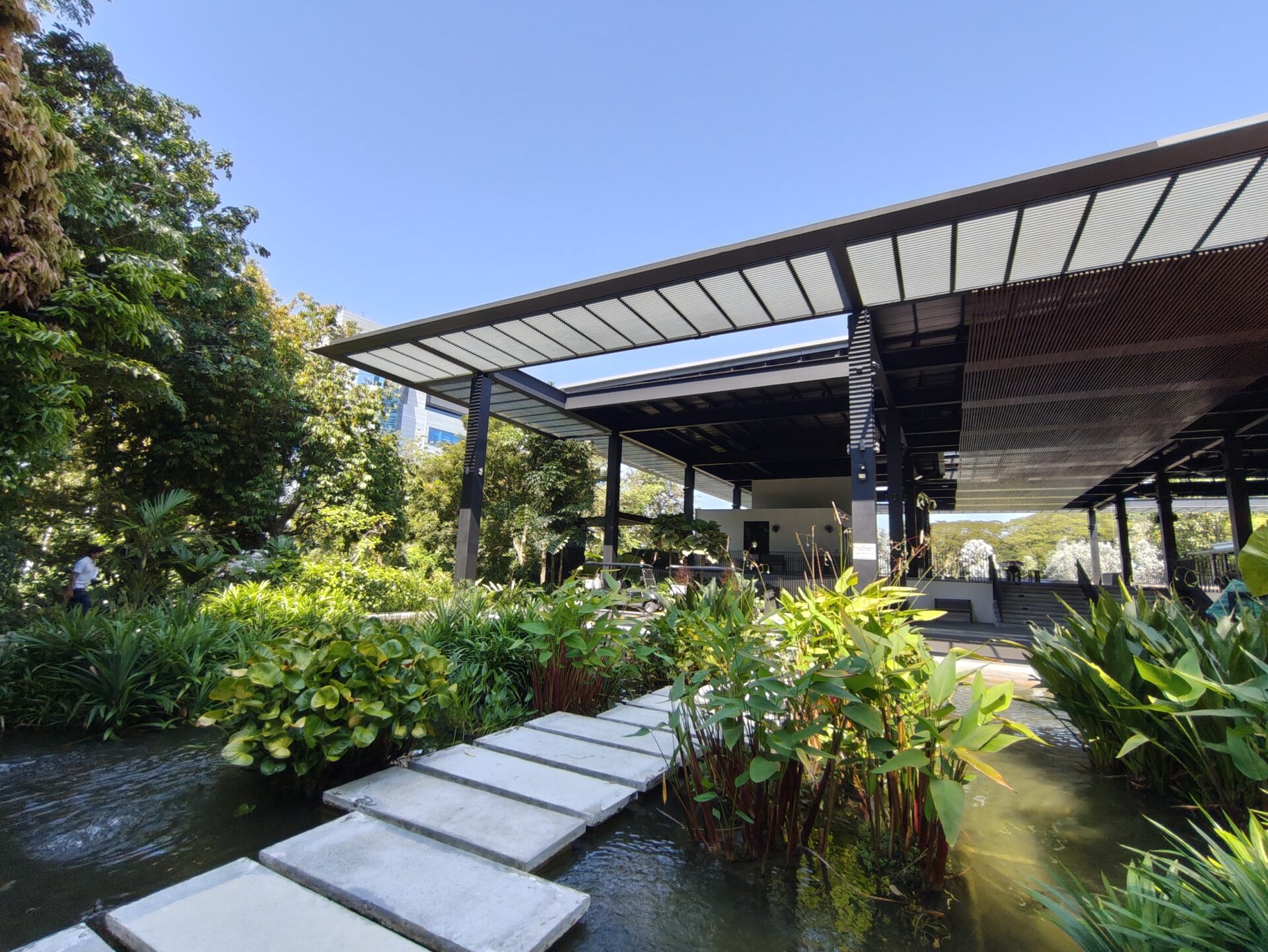
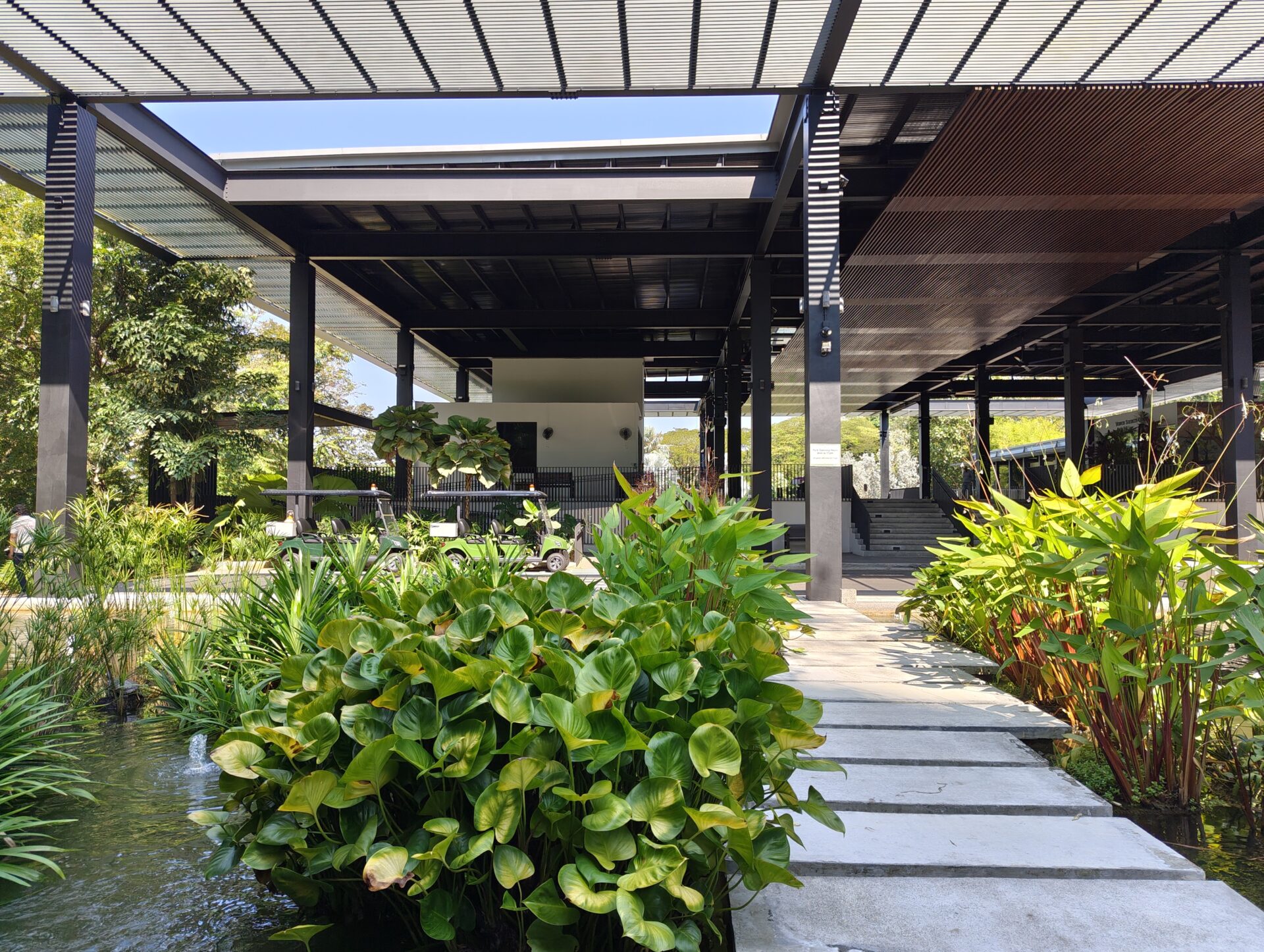
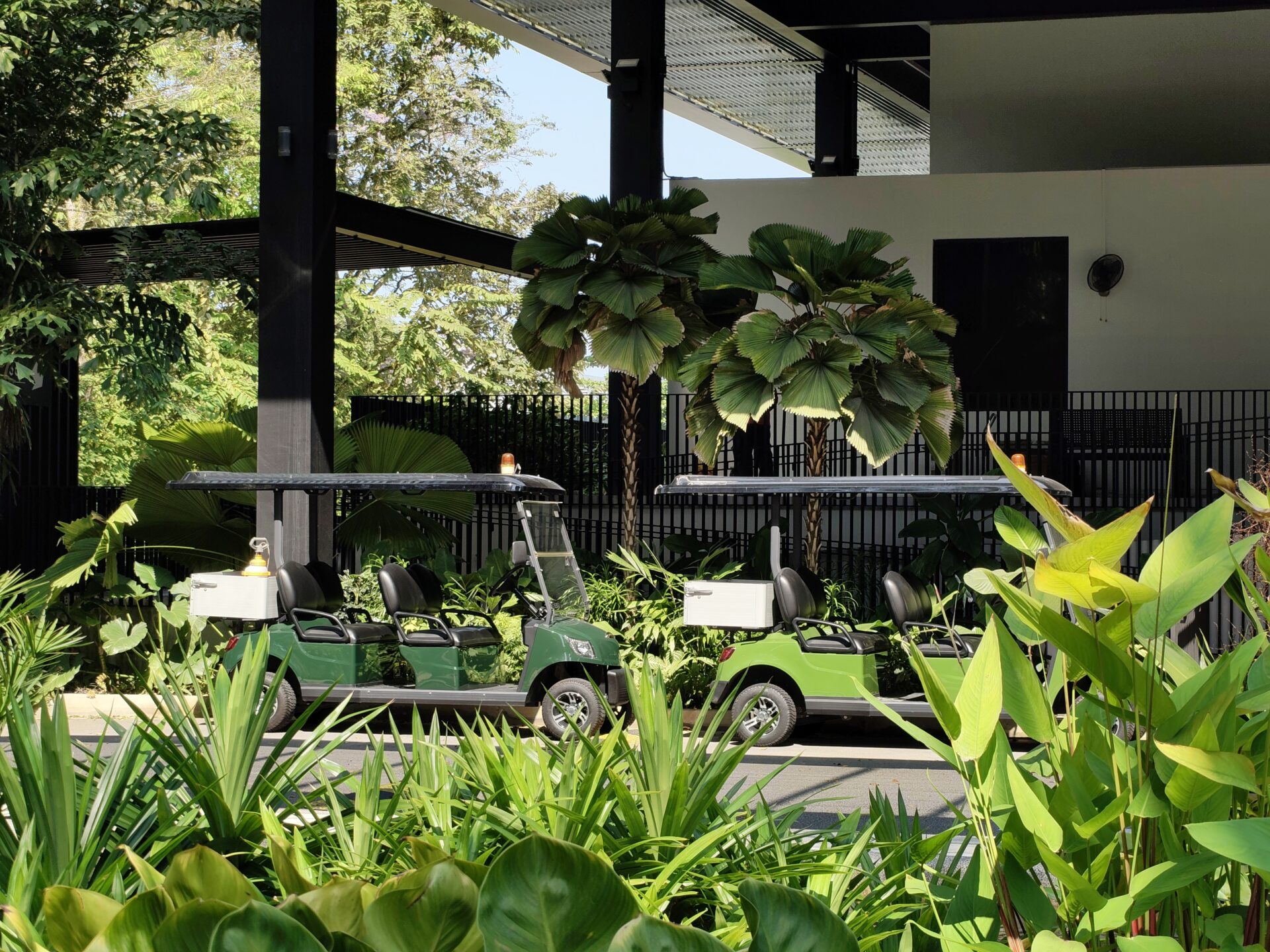
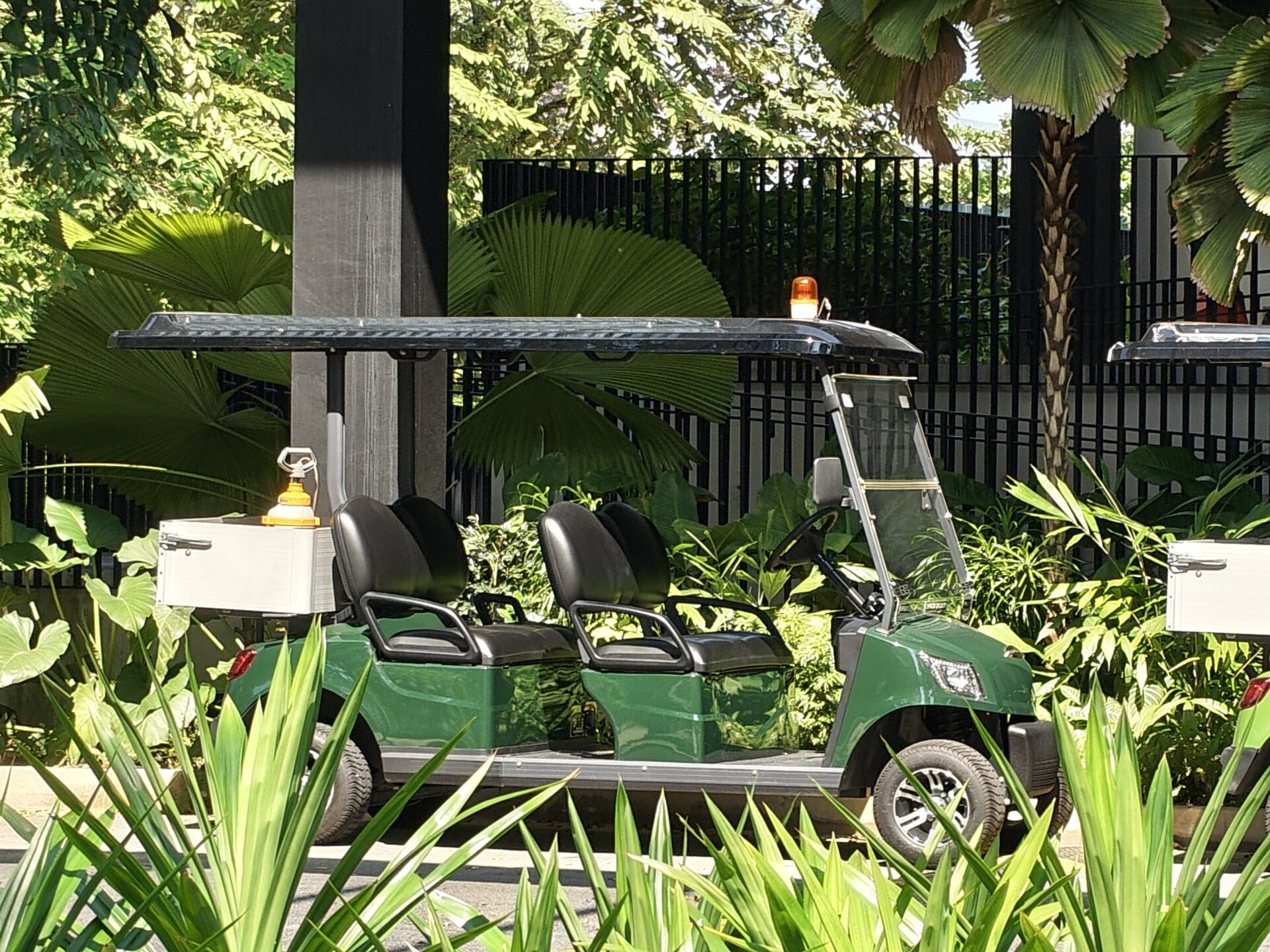
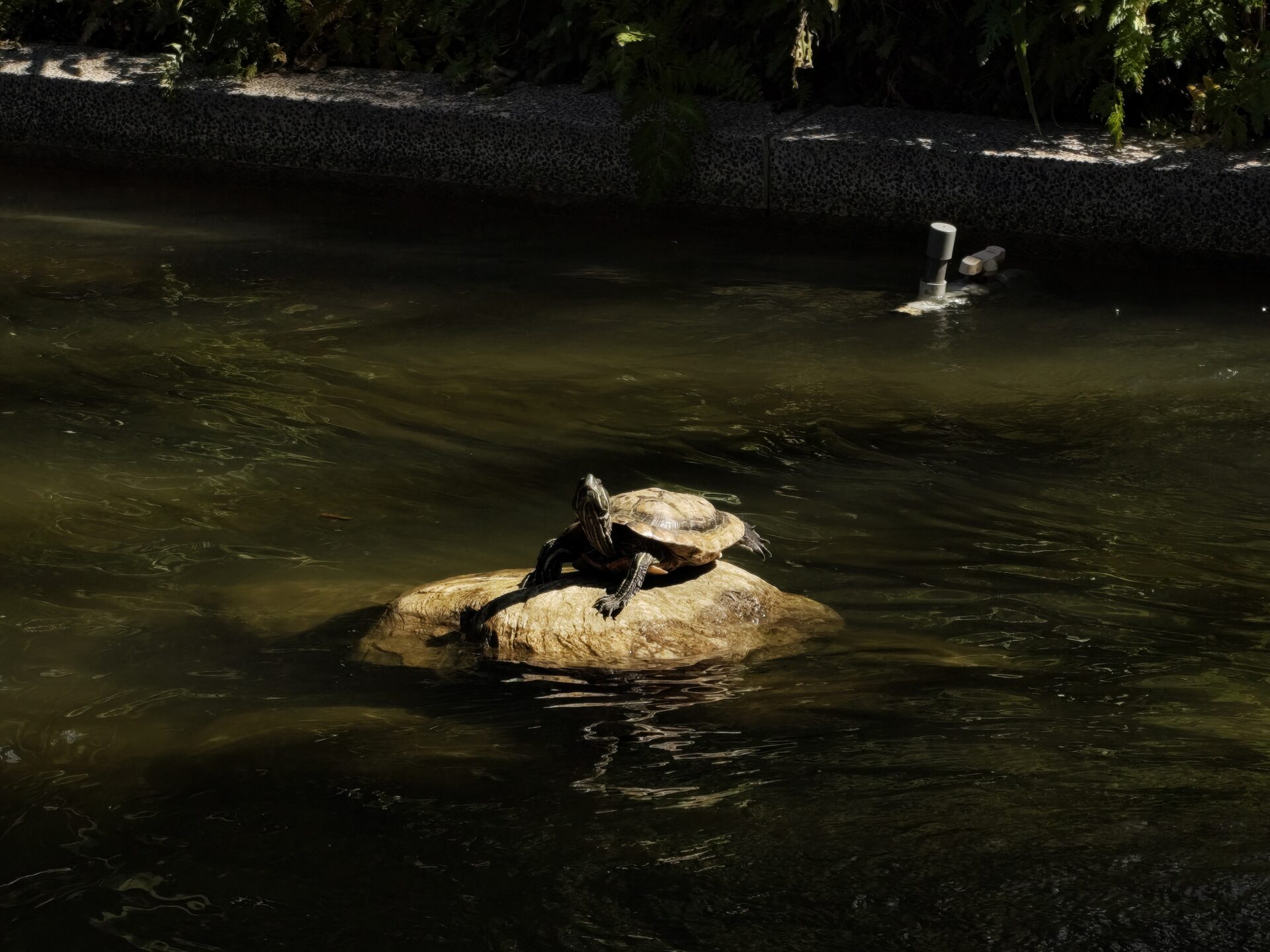
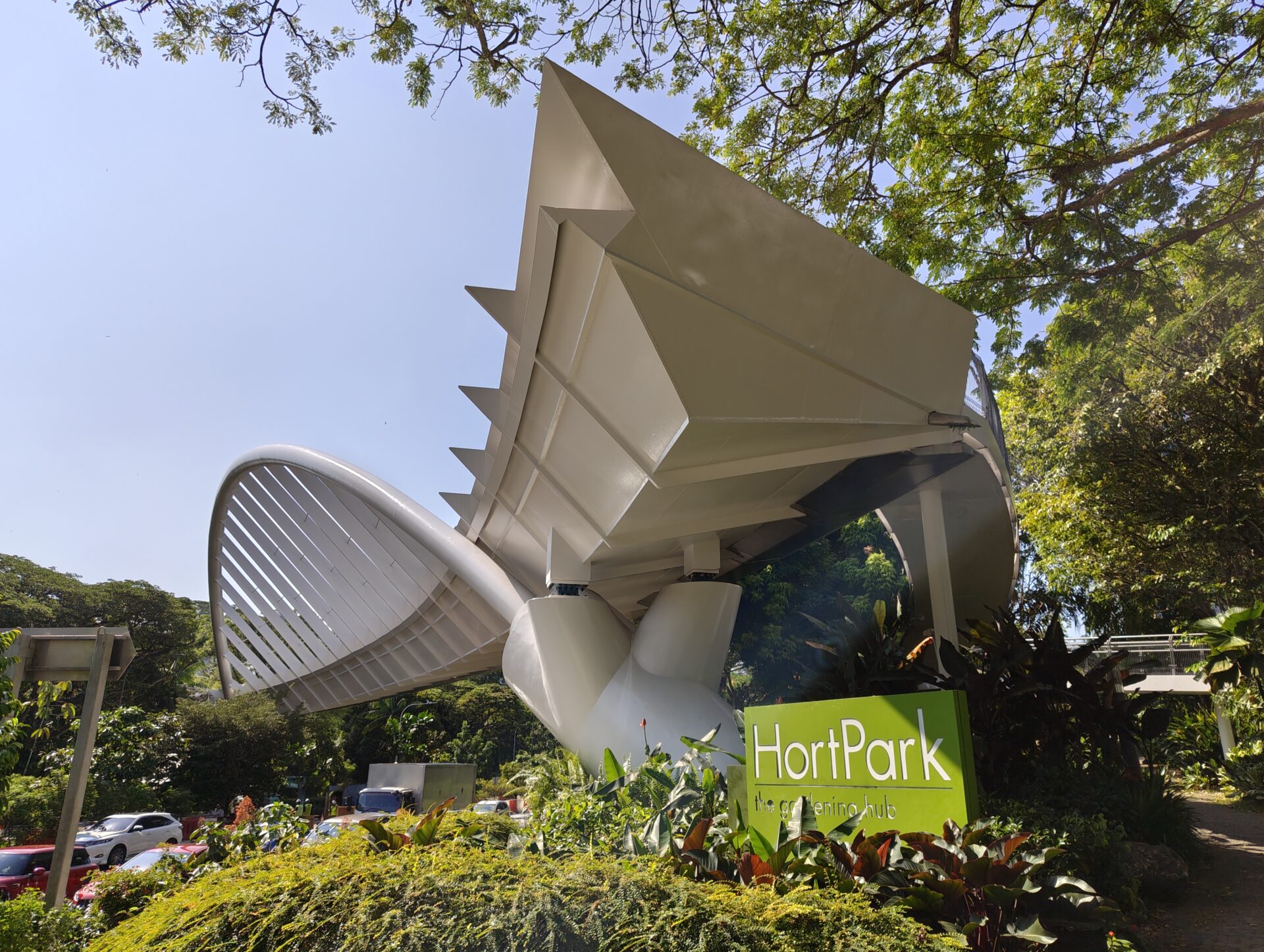
The Phone (4a) Pro adopts a moodier cool to capturing the same drop off porch. The ultrawide camera feels a little dark – though this is easily tweaked. The main shooter is at risk of overexposing the lit background, though arguably demonstrating a wider colour gamut. The telephoto shots feel a tad overexposed, to me.
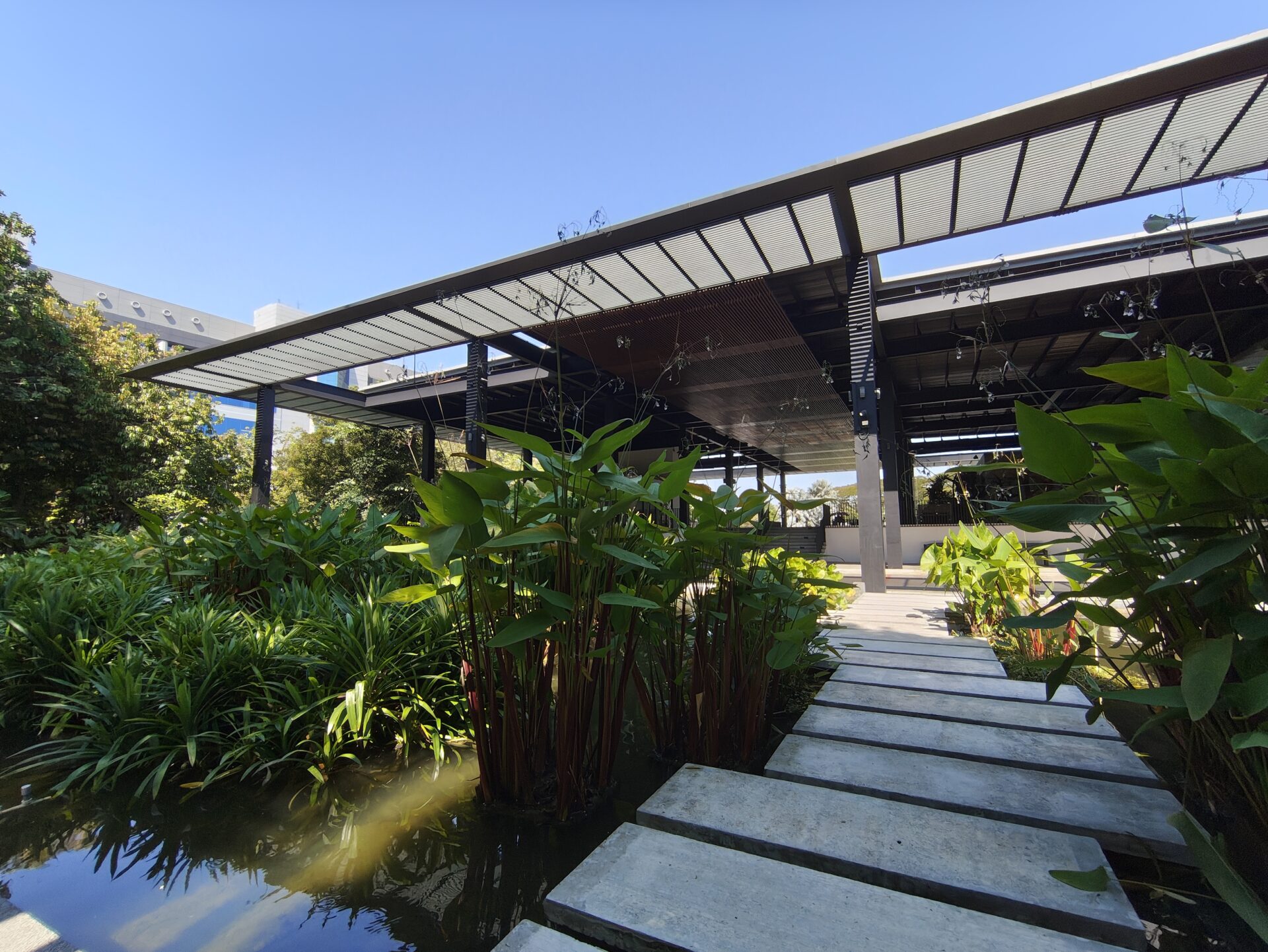
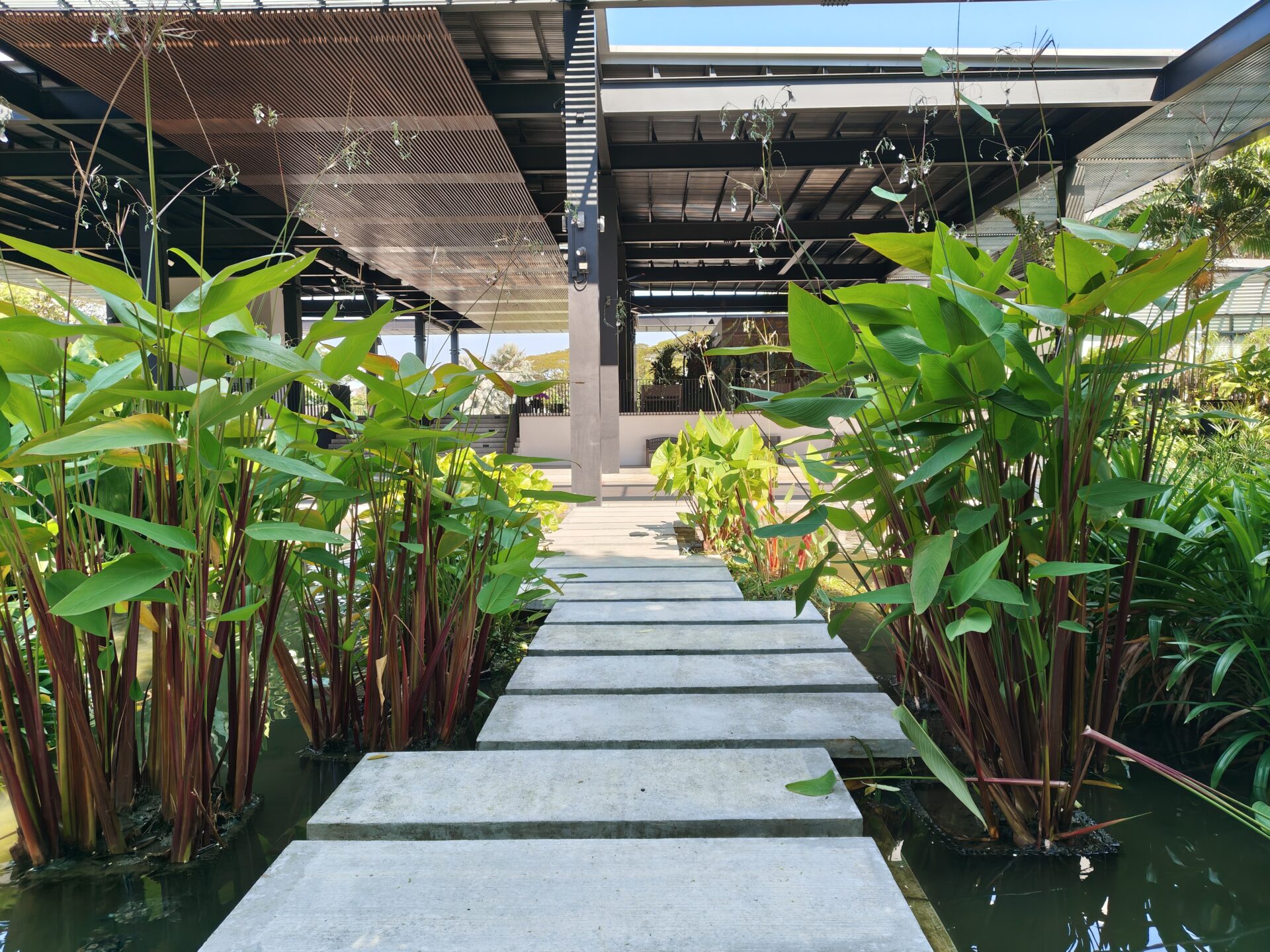
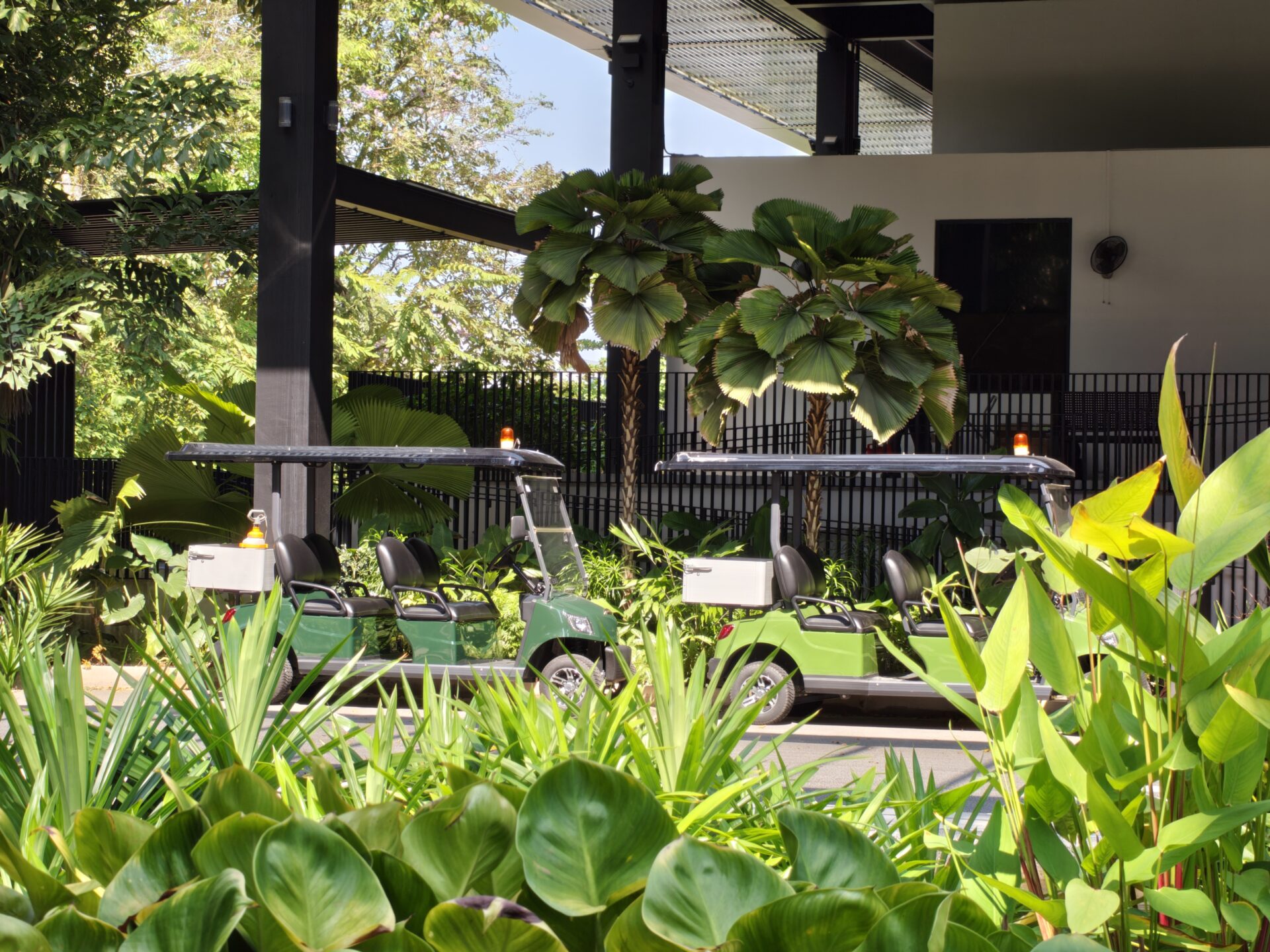
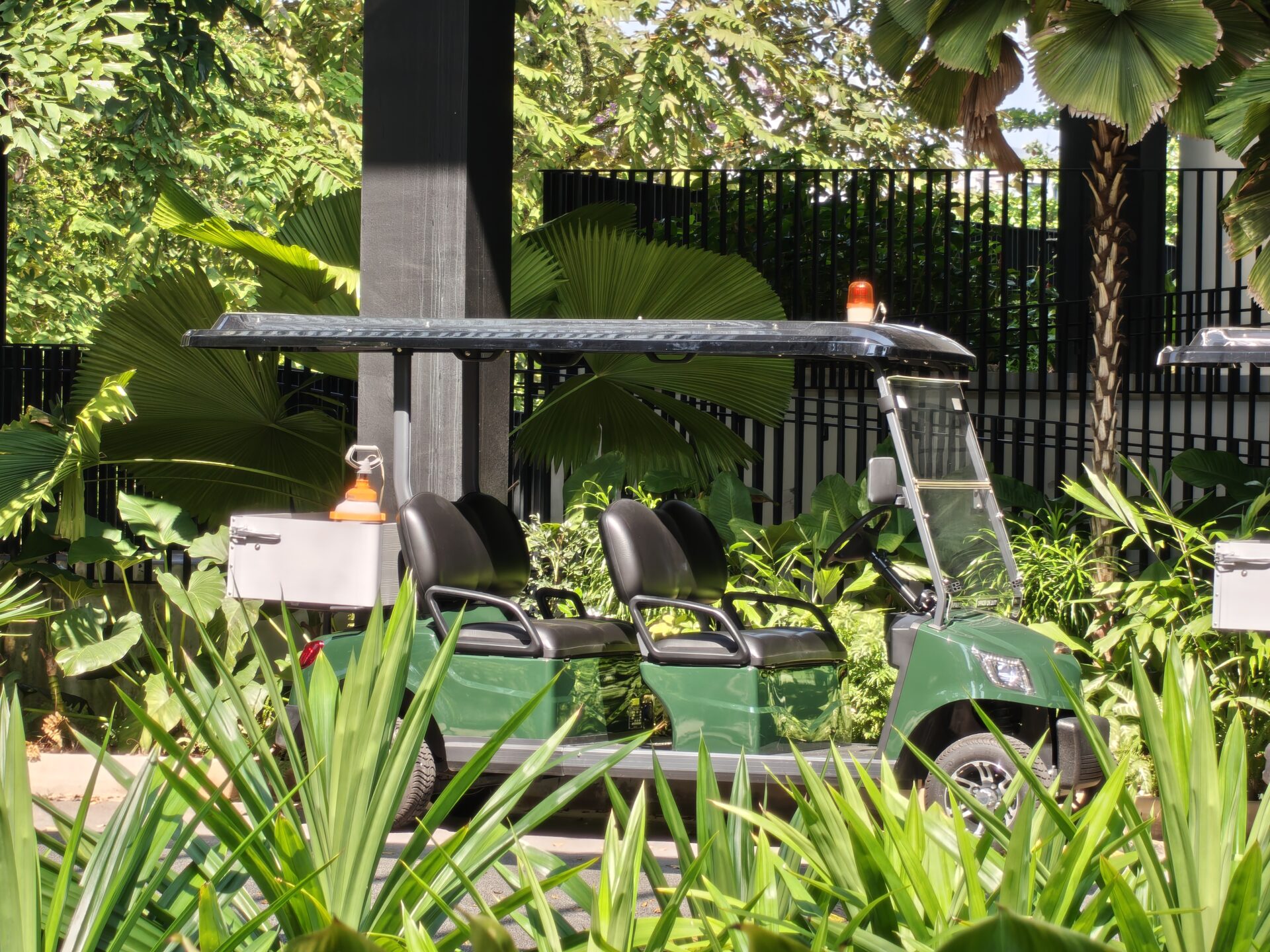
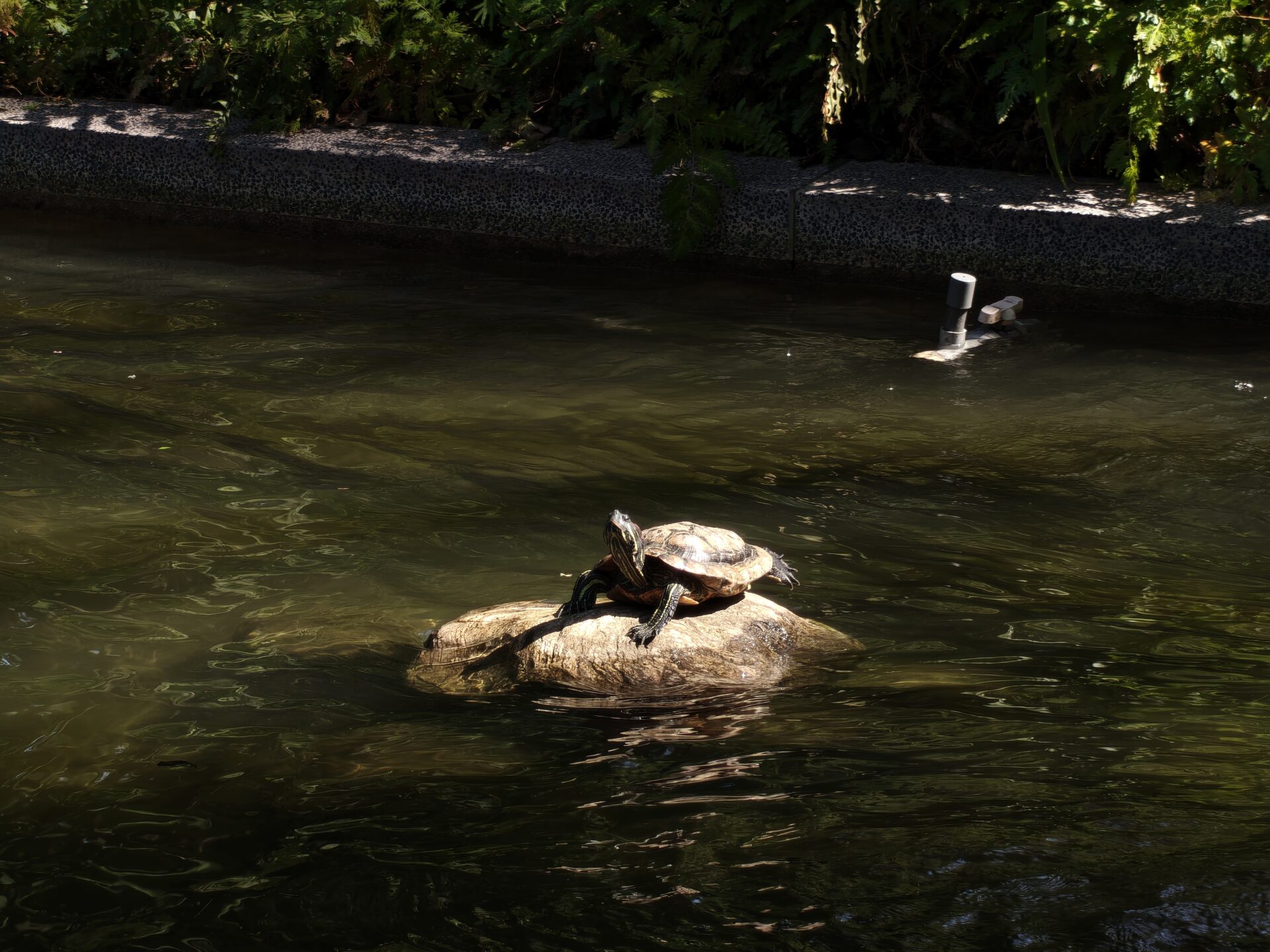
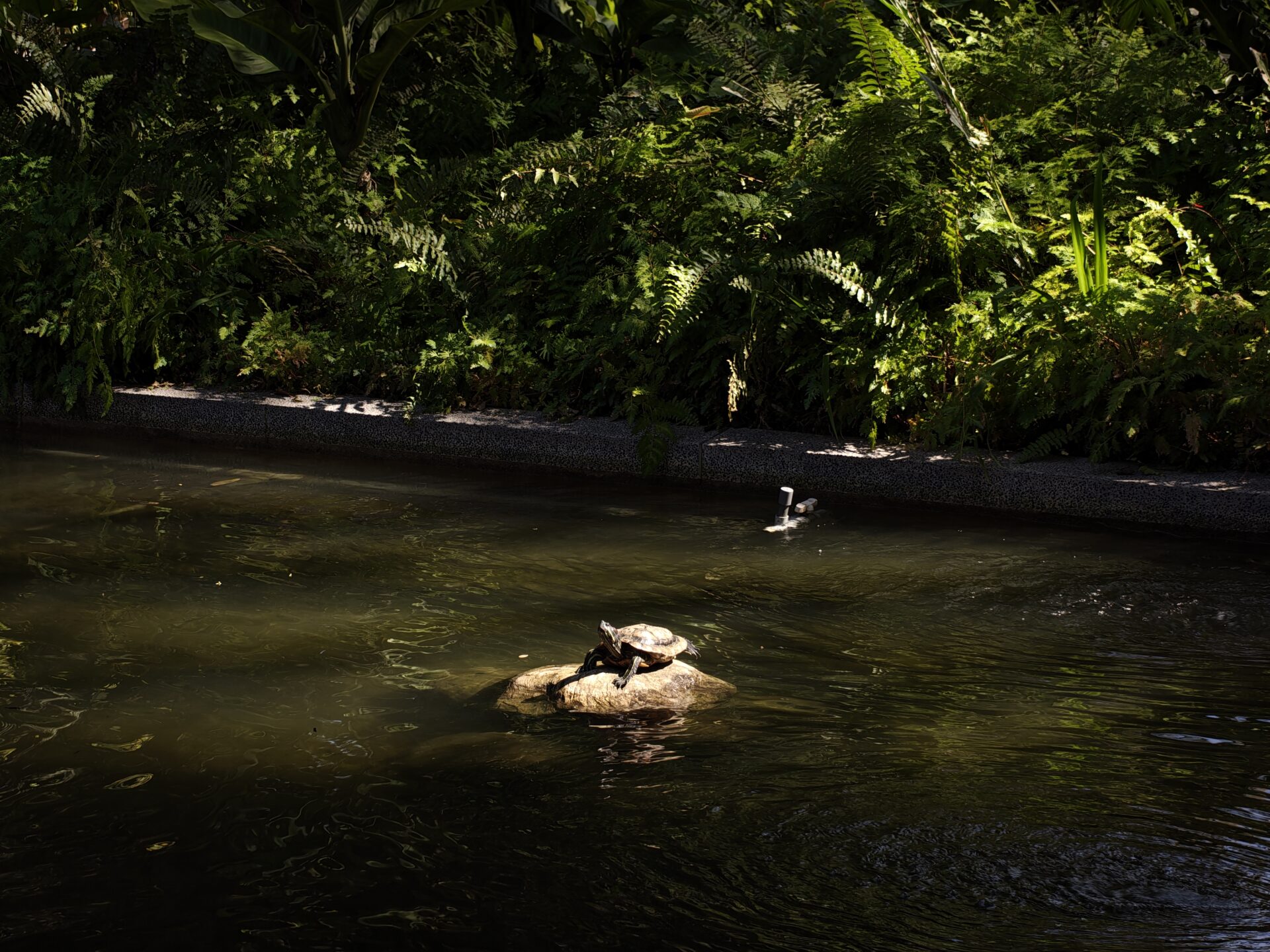
The qualities of the various shots repeat itself in this set of pictures, so I will let the images do the talking.
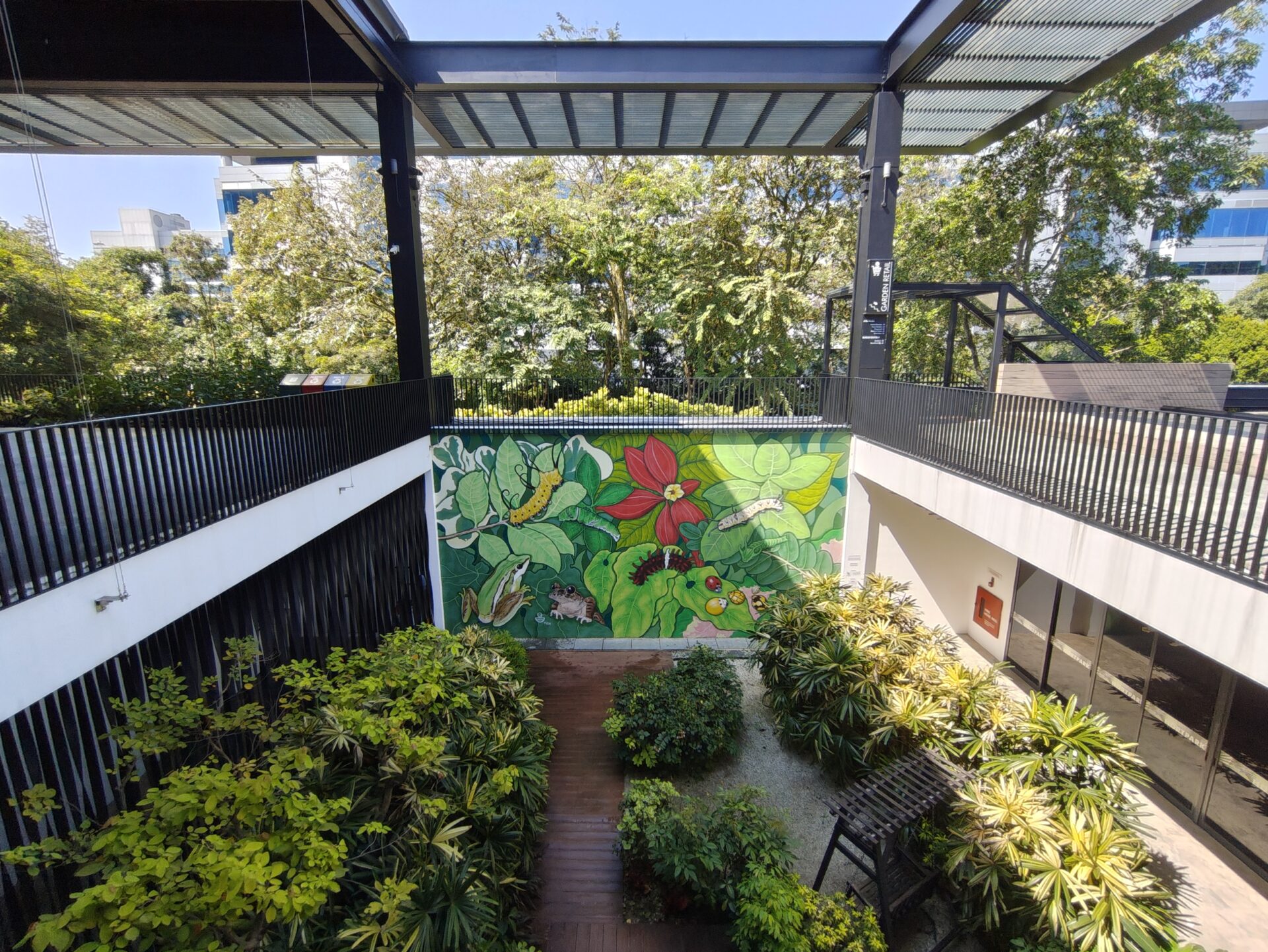
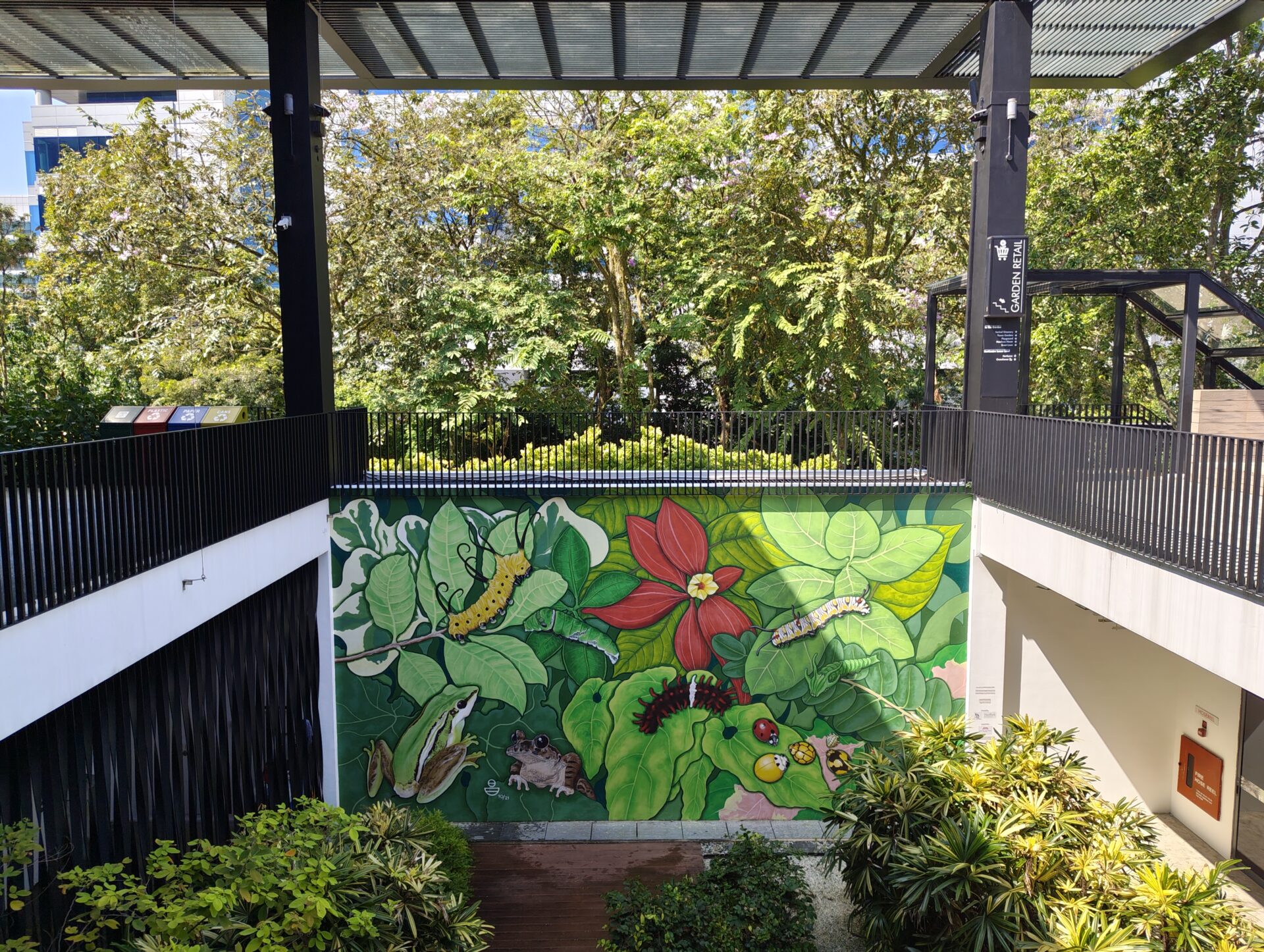
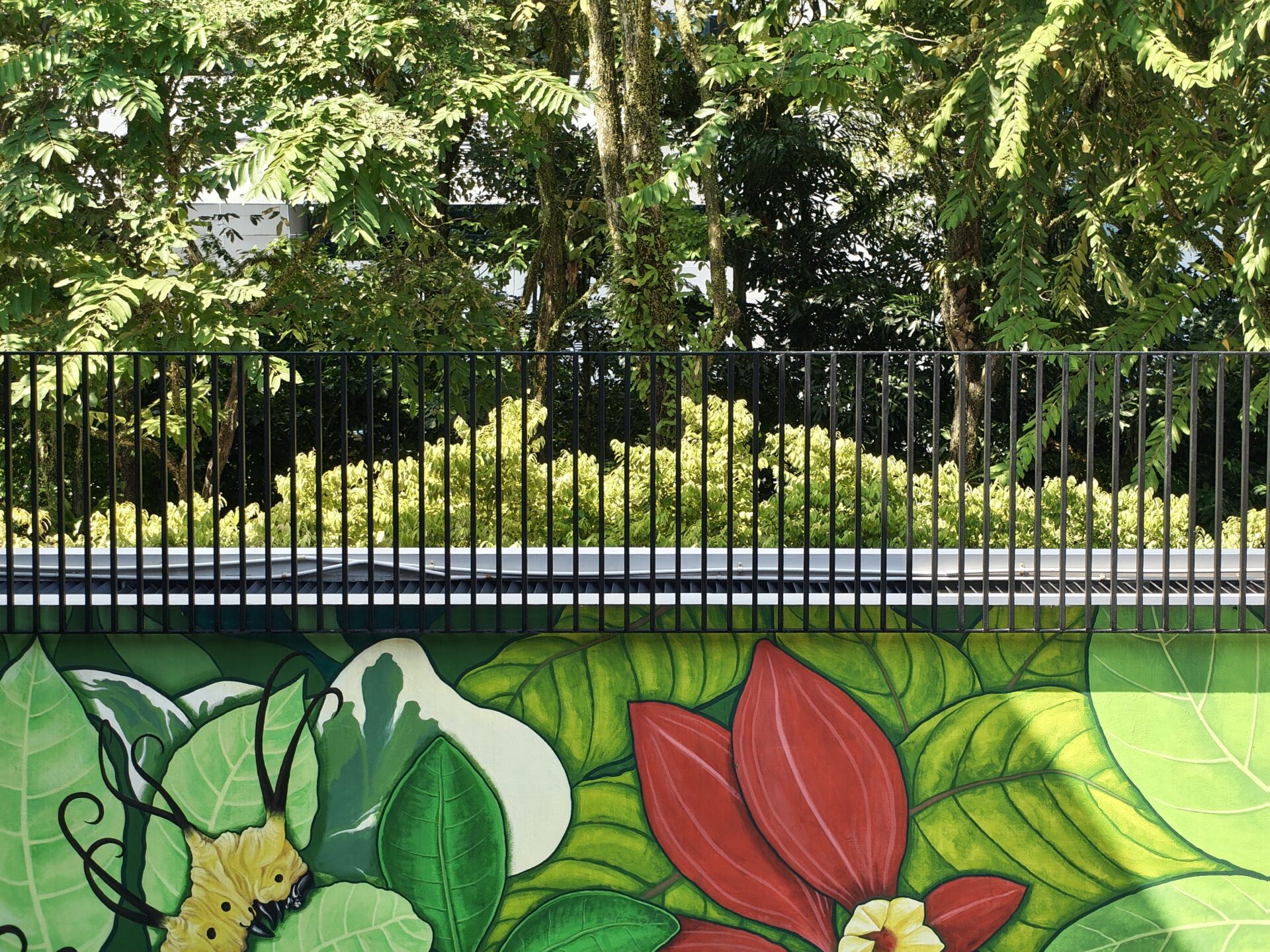
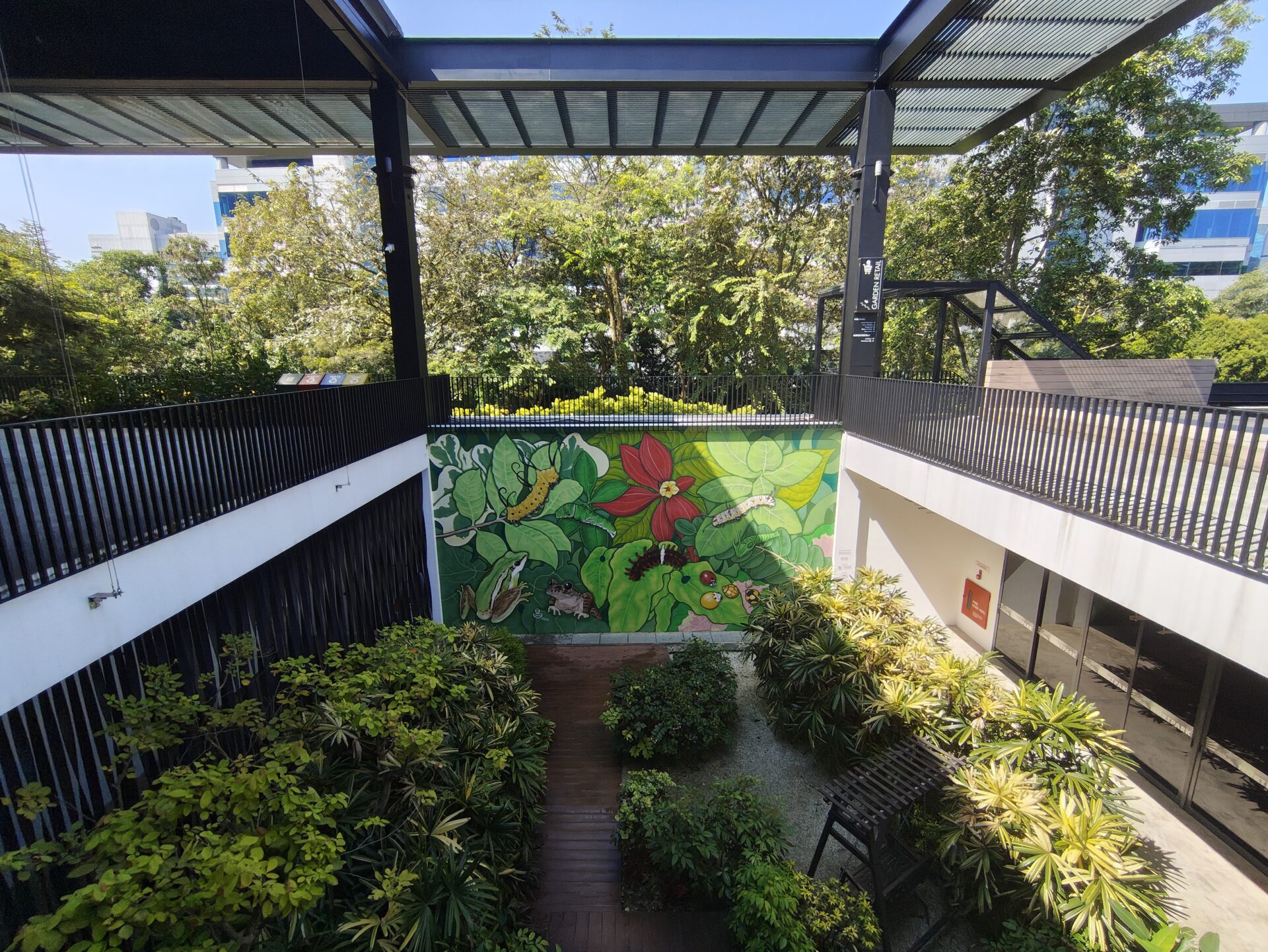
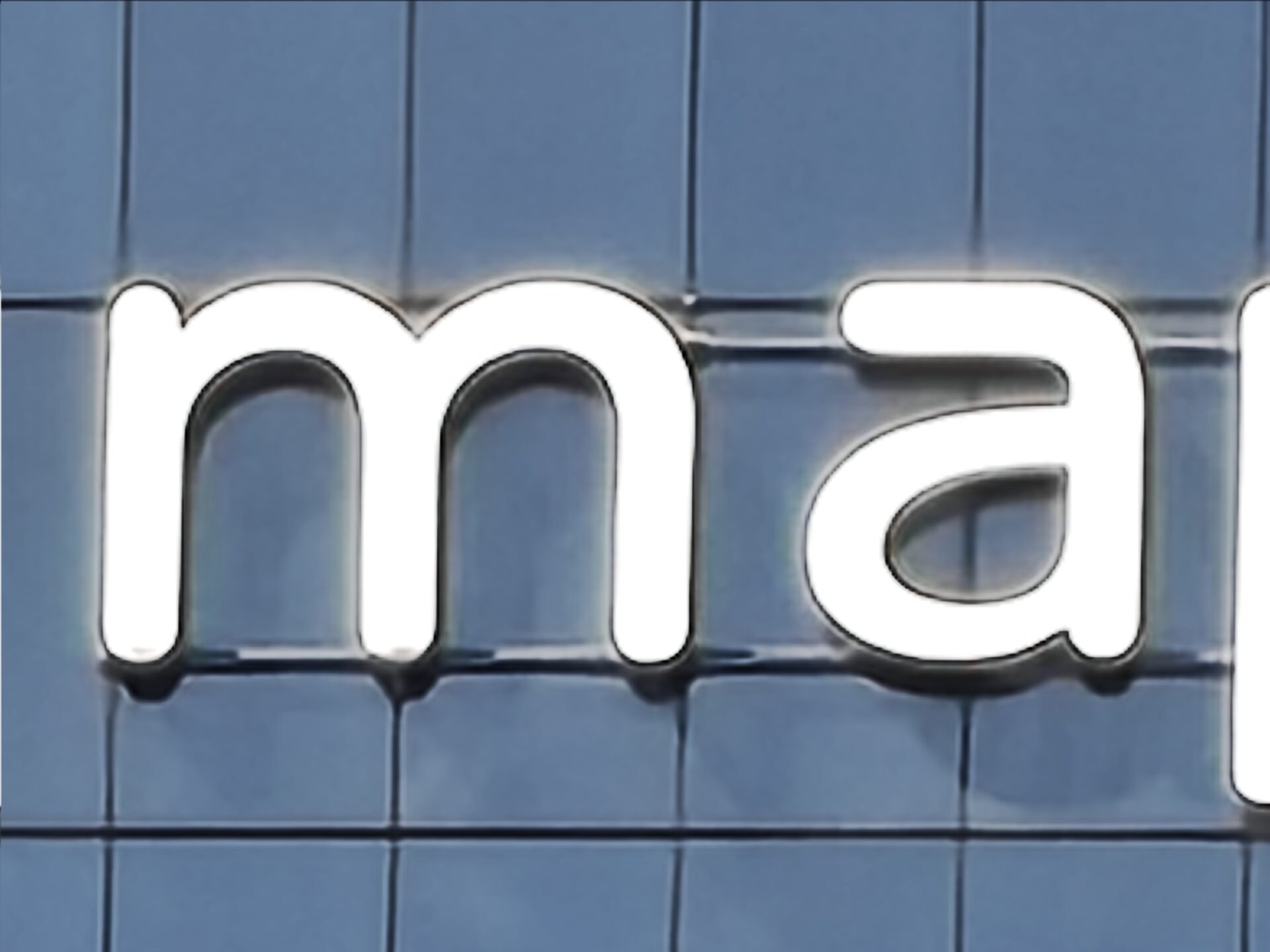
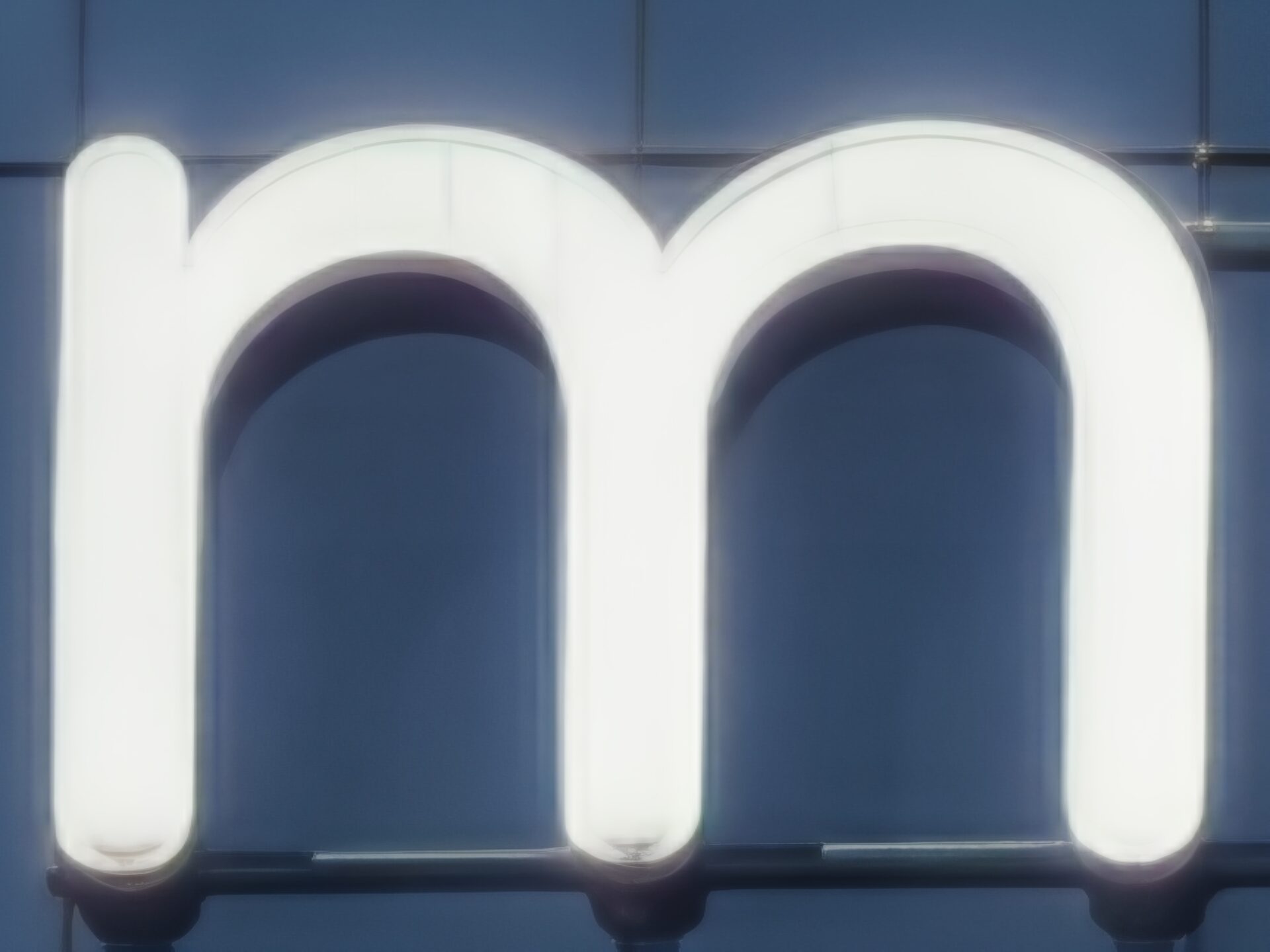
The main differentiator between the two new Nothing phones is in its Super Res Zoom function. The Phone (4a) can do 70x while the Phone (4a) Pro can do 140x. I did a zoom into the “Mapletree” branding on an office tower for a comparison. Both shots are heavily software enhanced, though, and will not affect my choice of device.
Turning our attention to the night shots, the Phone (4a)’s ultrawide gets the overall image, but the details are muddy. The main camera produces a respectable image that is, honestly, not perfect in sharpness. The telephoto is okay with details but struggles with colour balance, both at 3.5x and 7x.
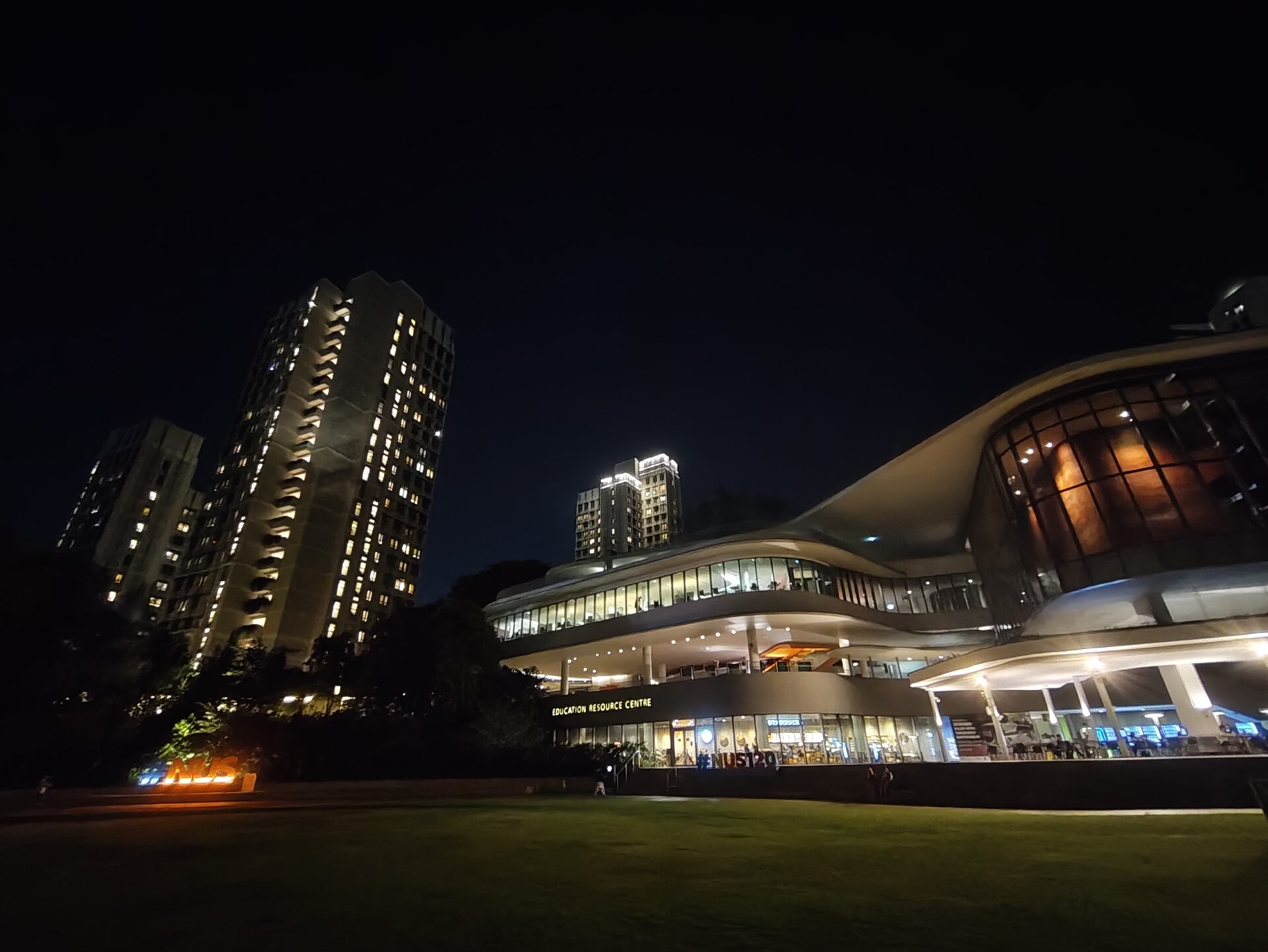
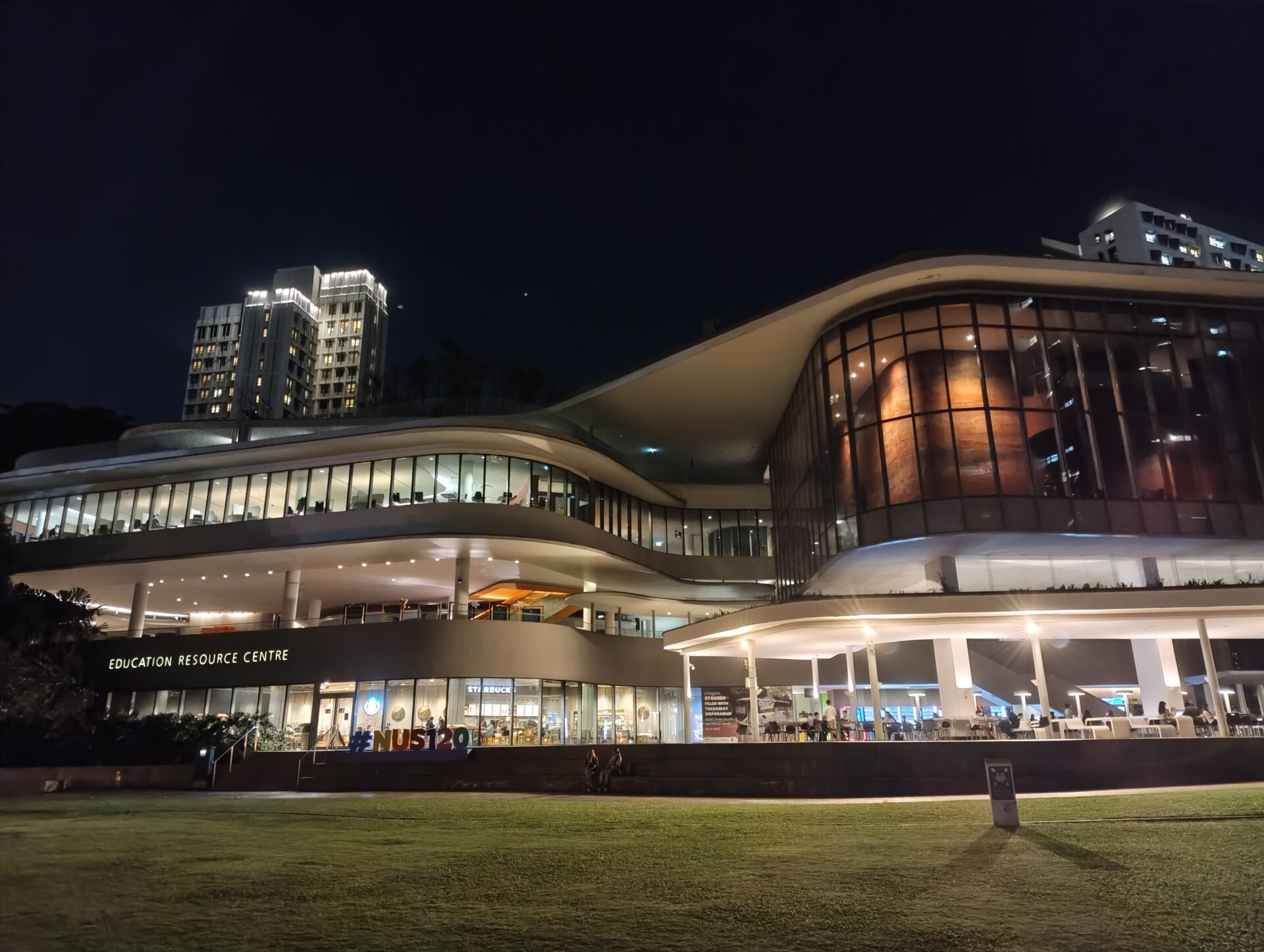
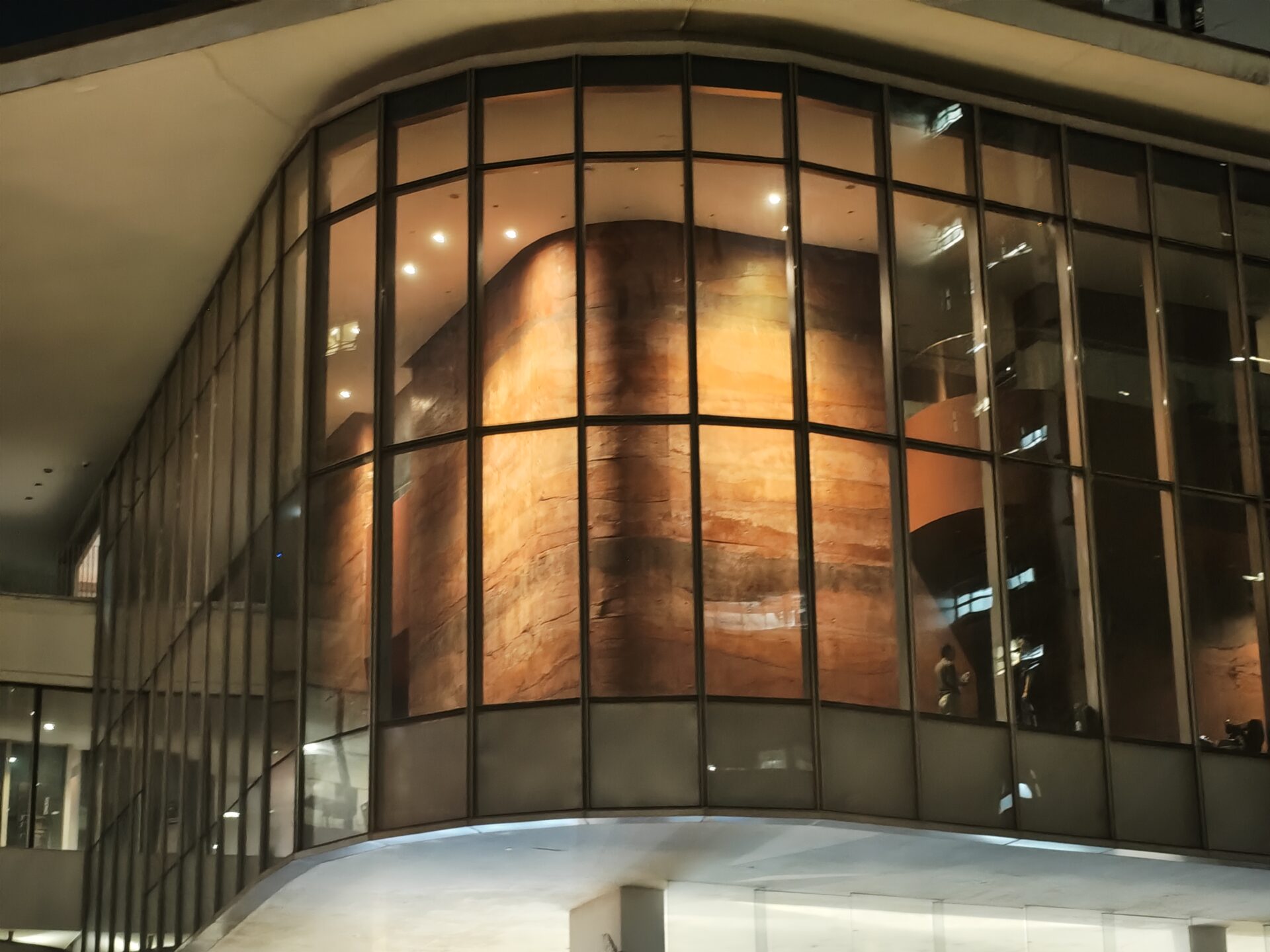
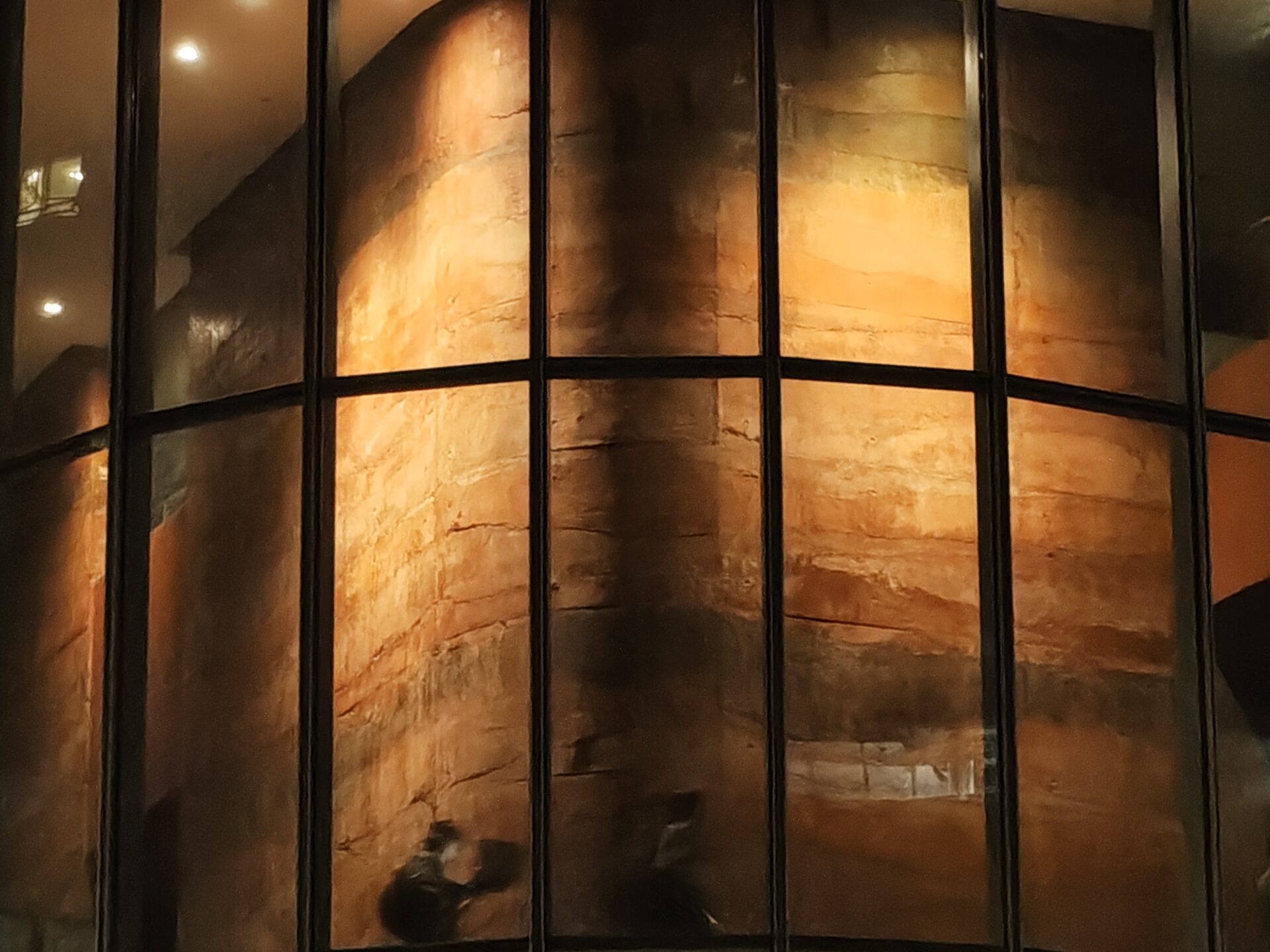
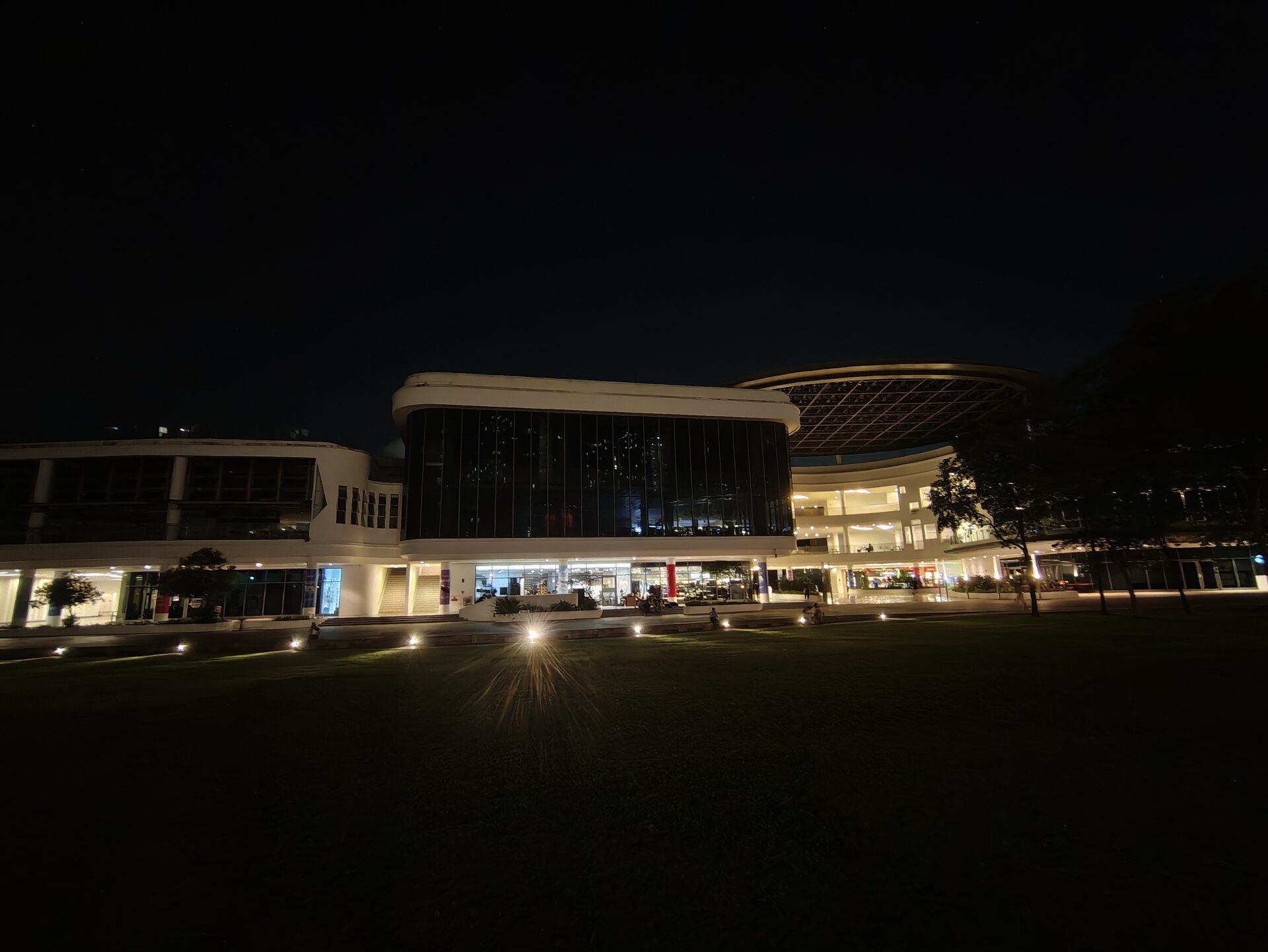
The Phone (4a) Pro does everything a little better. The ultrawide camera is a little brighter, but still lacks confident detail. The main camera looks much better but has room for excellence. The telephoto camera has better colour, but still struggles a little with detail and focus.
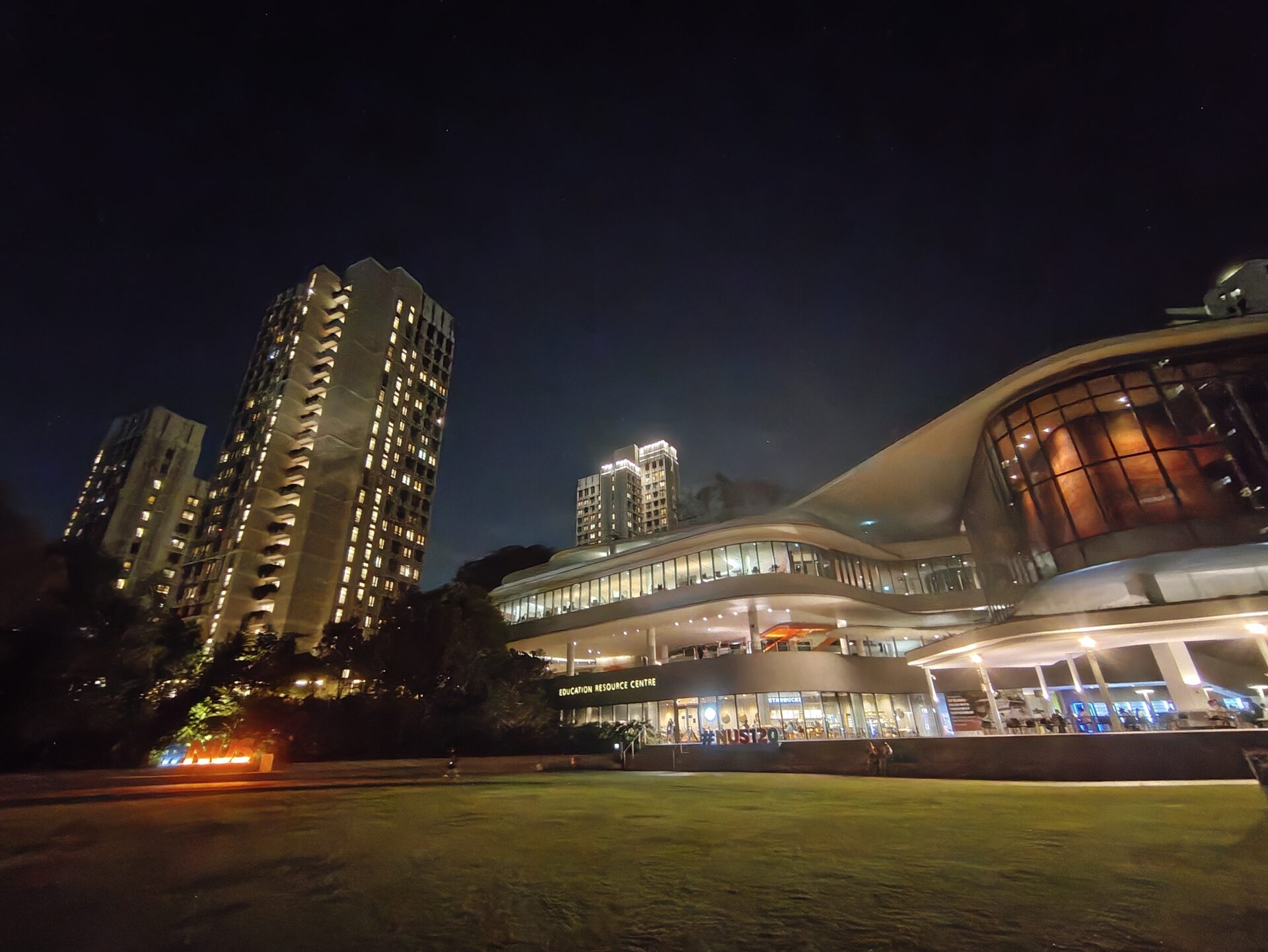
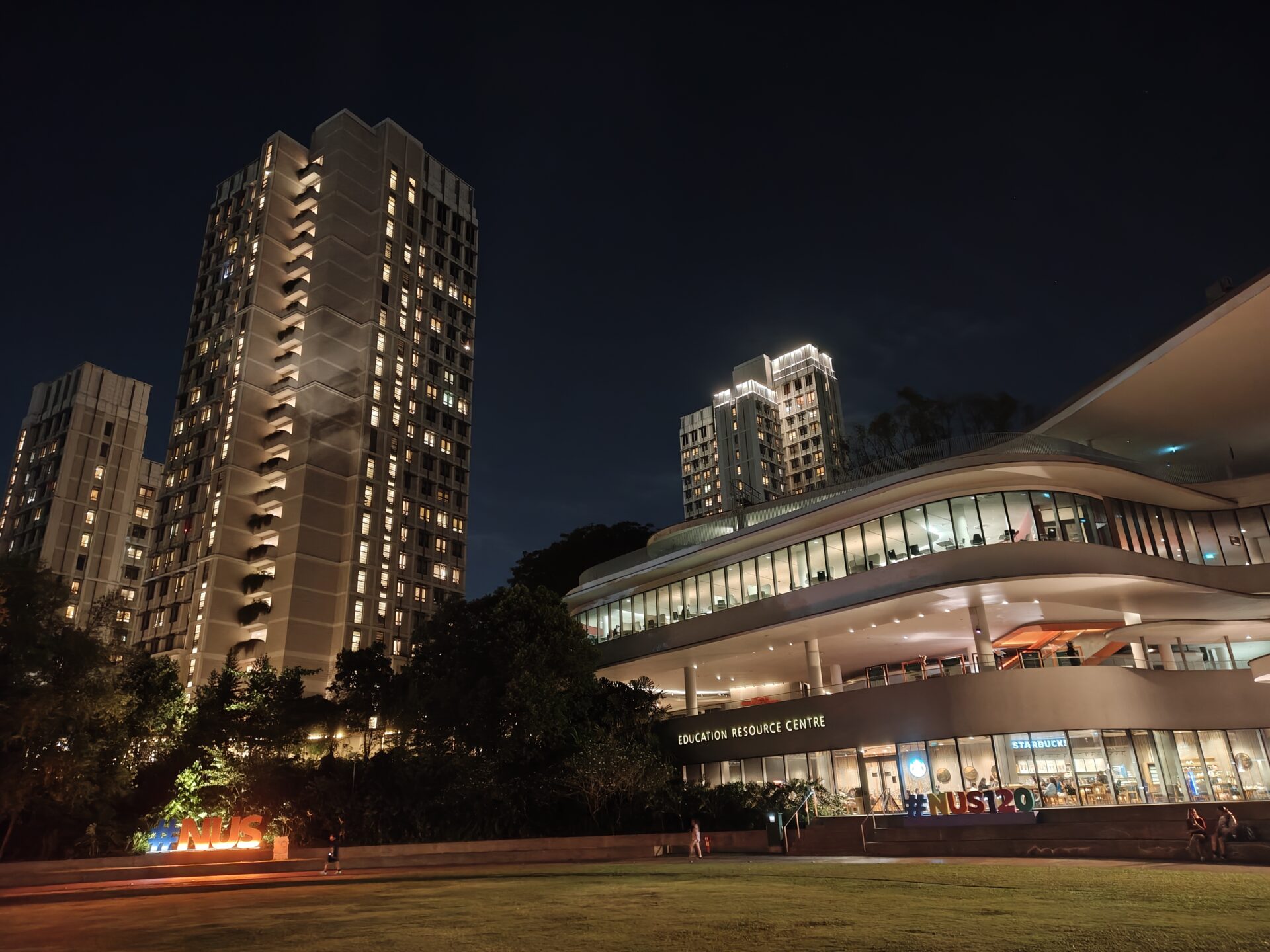
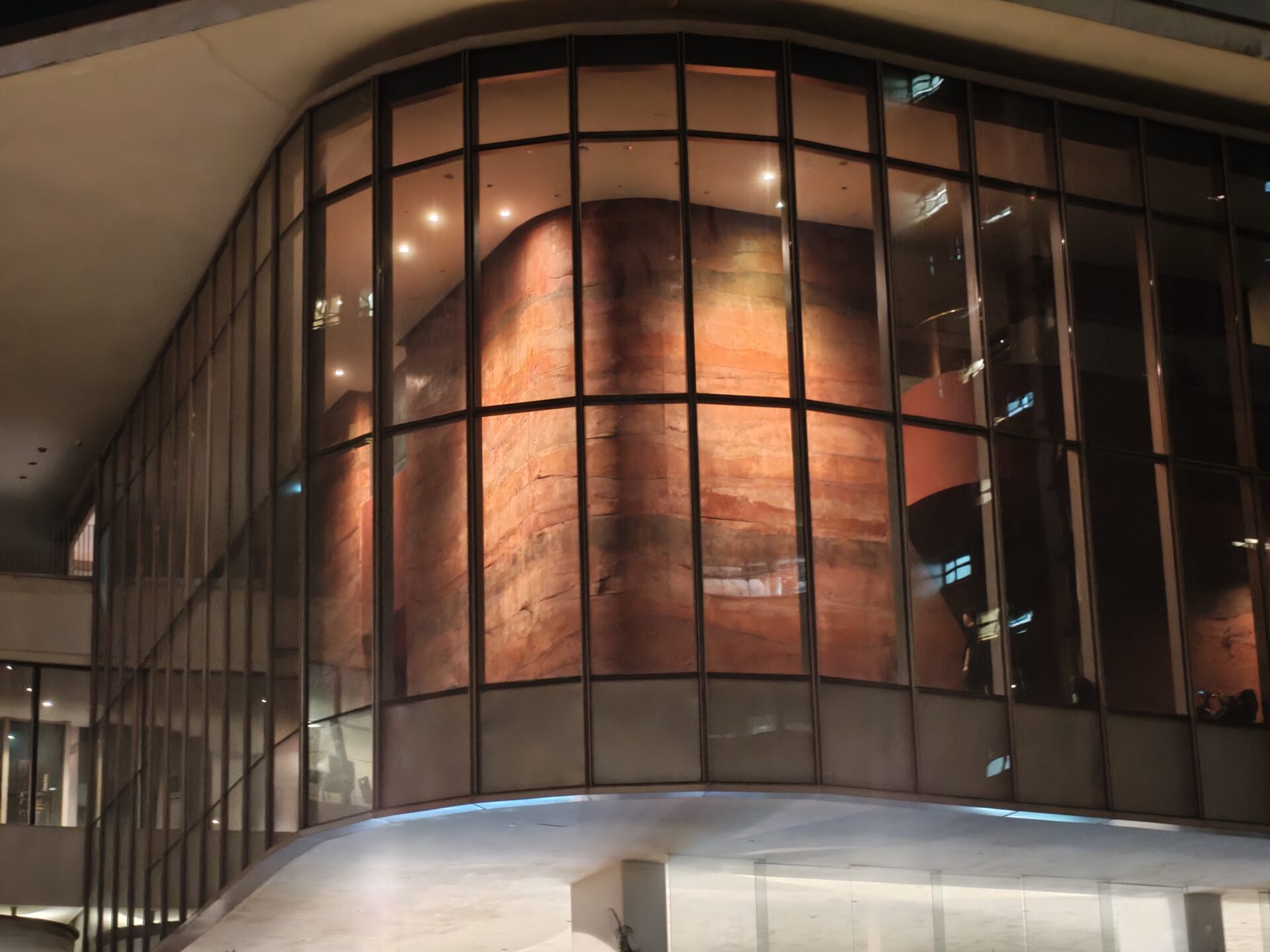
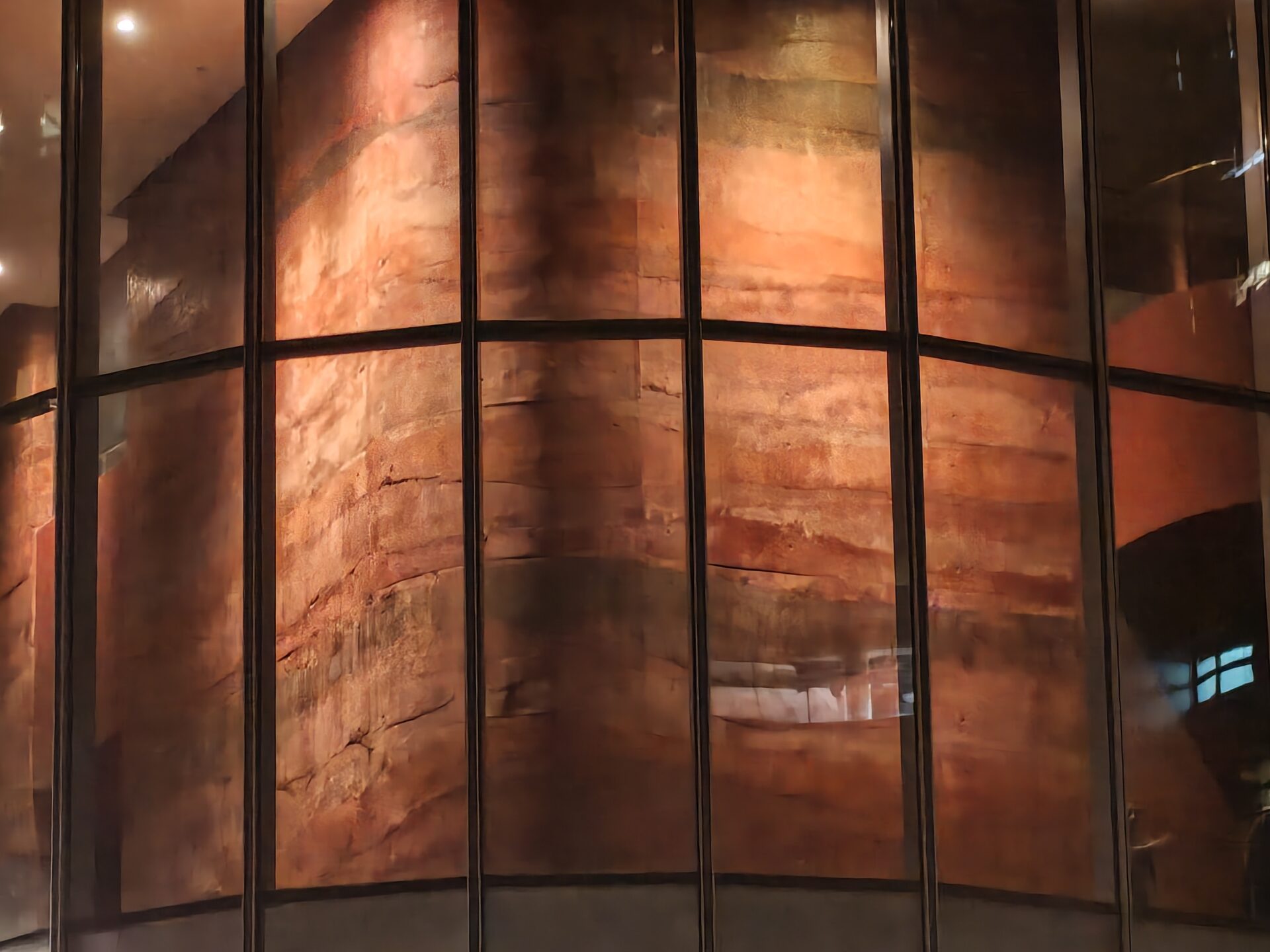
The story repeats itself with Phone (4a)’s shots of the Stephen Riady Centre. With the main camera, one can make out the lit studio on the third floor in the middle of the shot, and the outline of the chairs in the dark food court below it. The 3.5x telephoto is not bad judging by the OCBC sign on the bottom right, but details are not pin sharp.
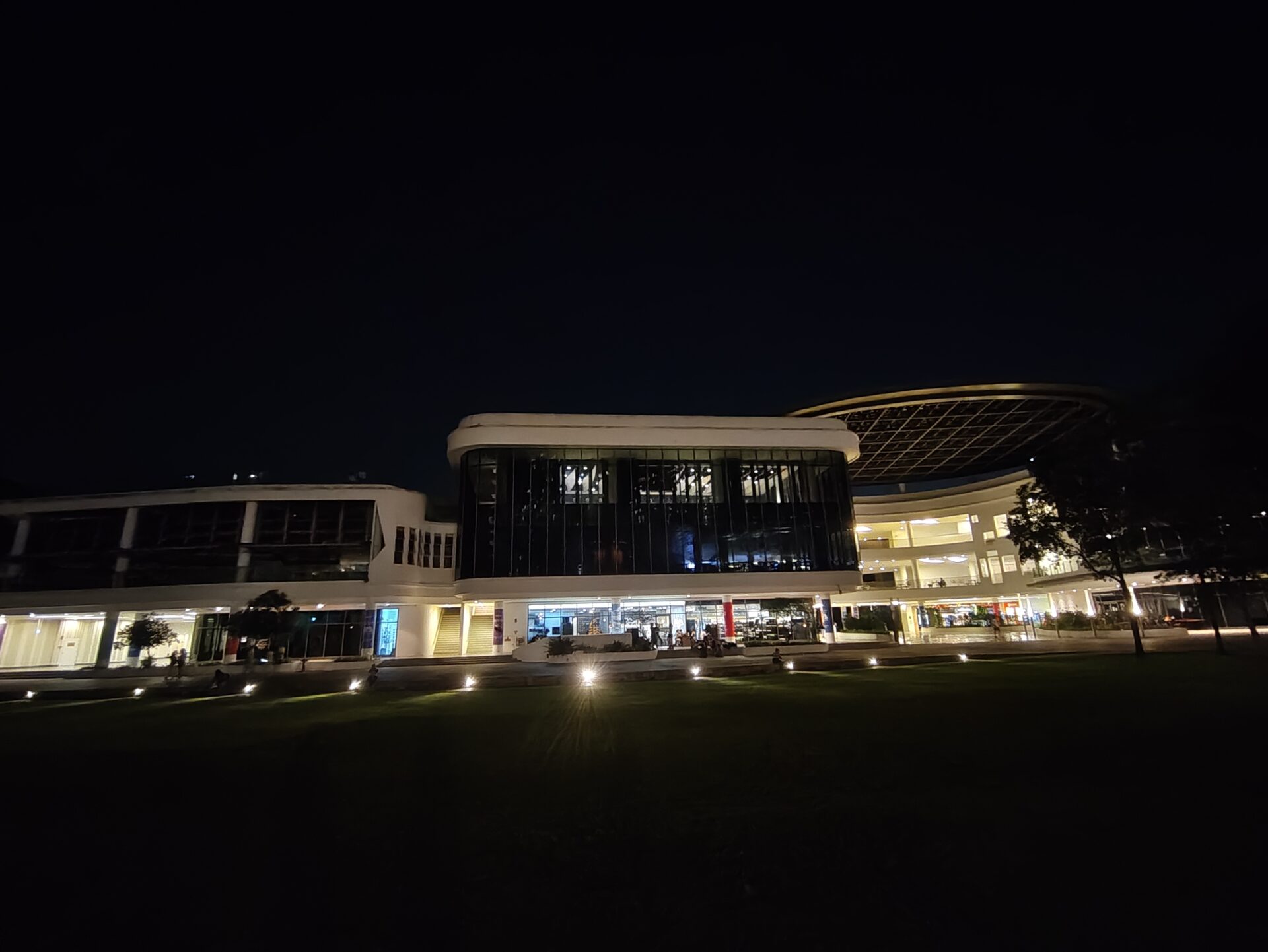
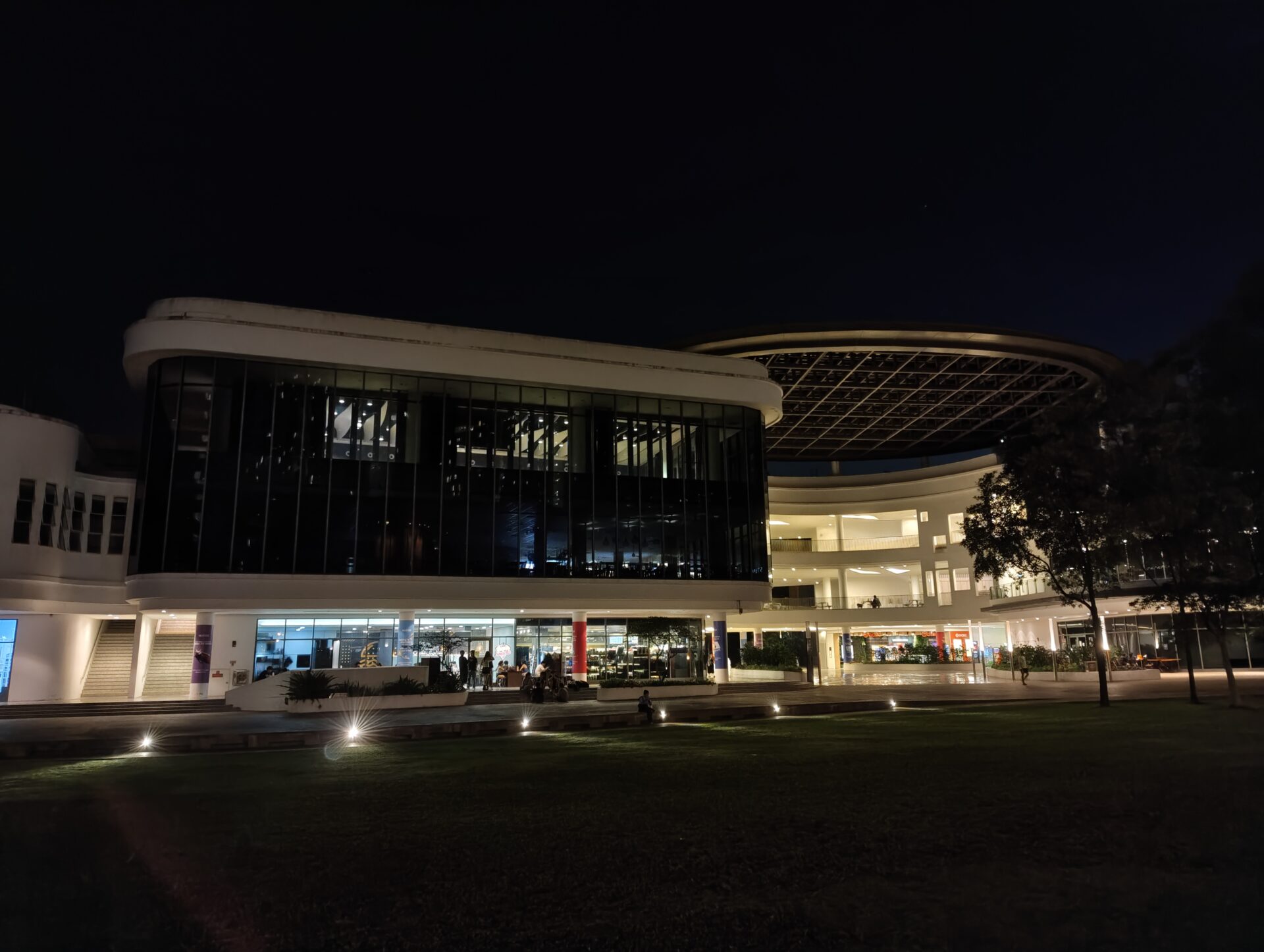
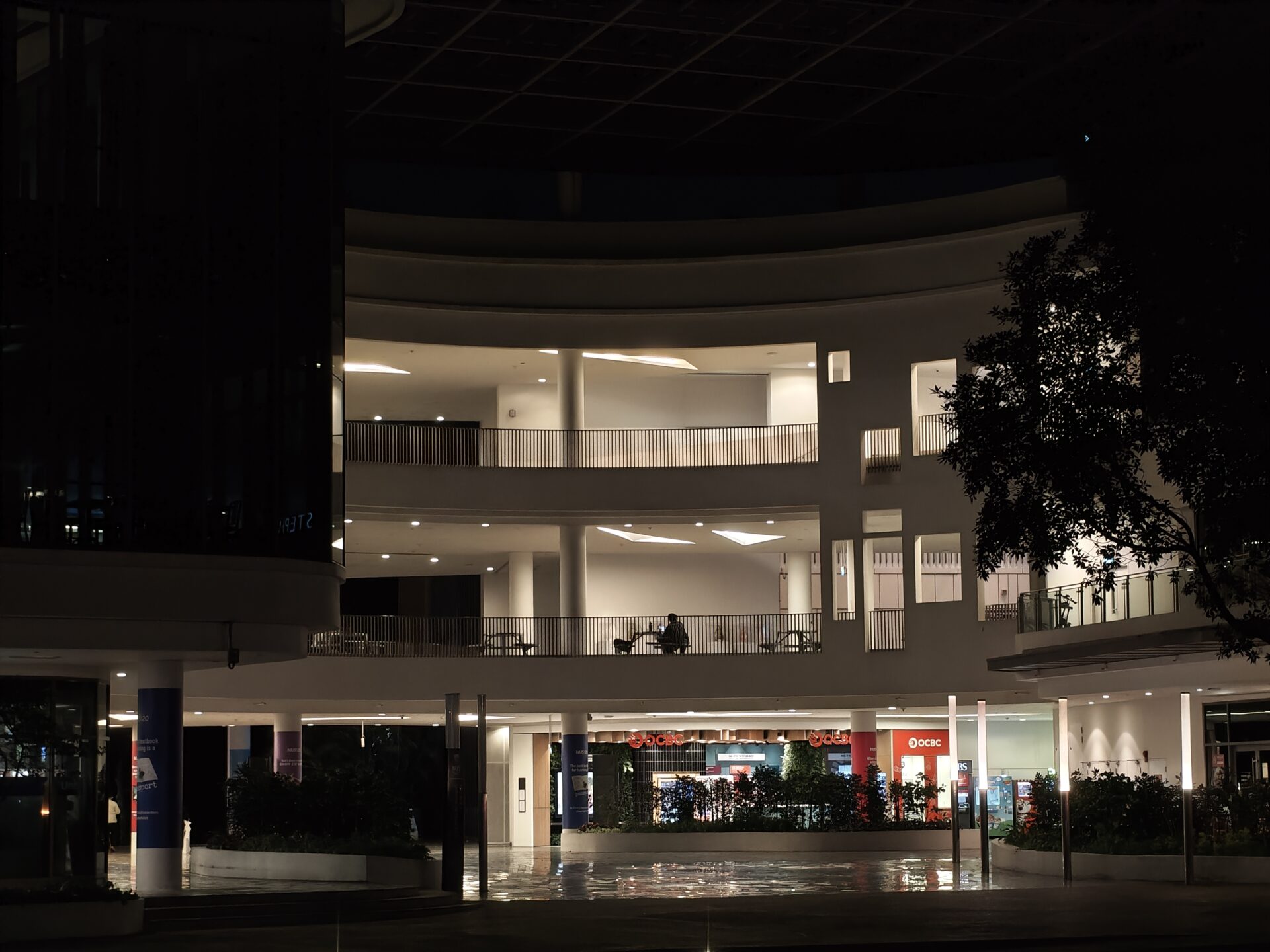
The Phone (4a) Pro’s ultrawide shot of the Stephen Ready Centre feels as if it does not lose as much detail, while the main and telephoto shots are a little cooler without obvious differences otherwise.
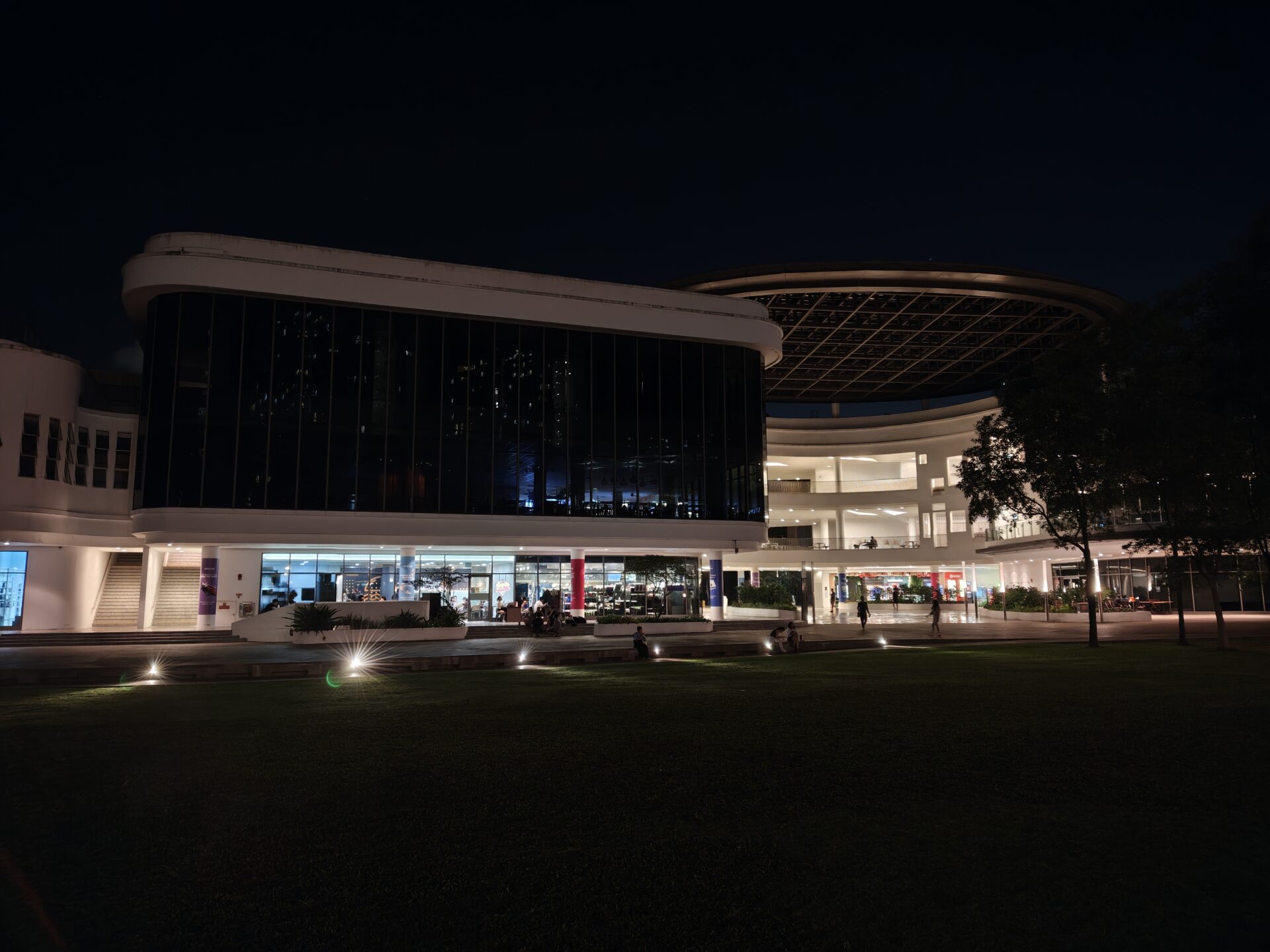
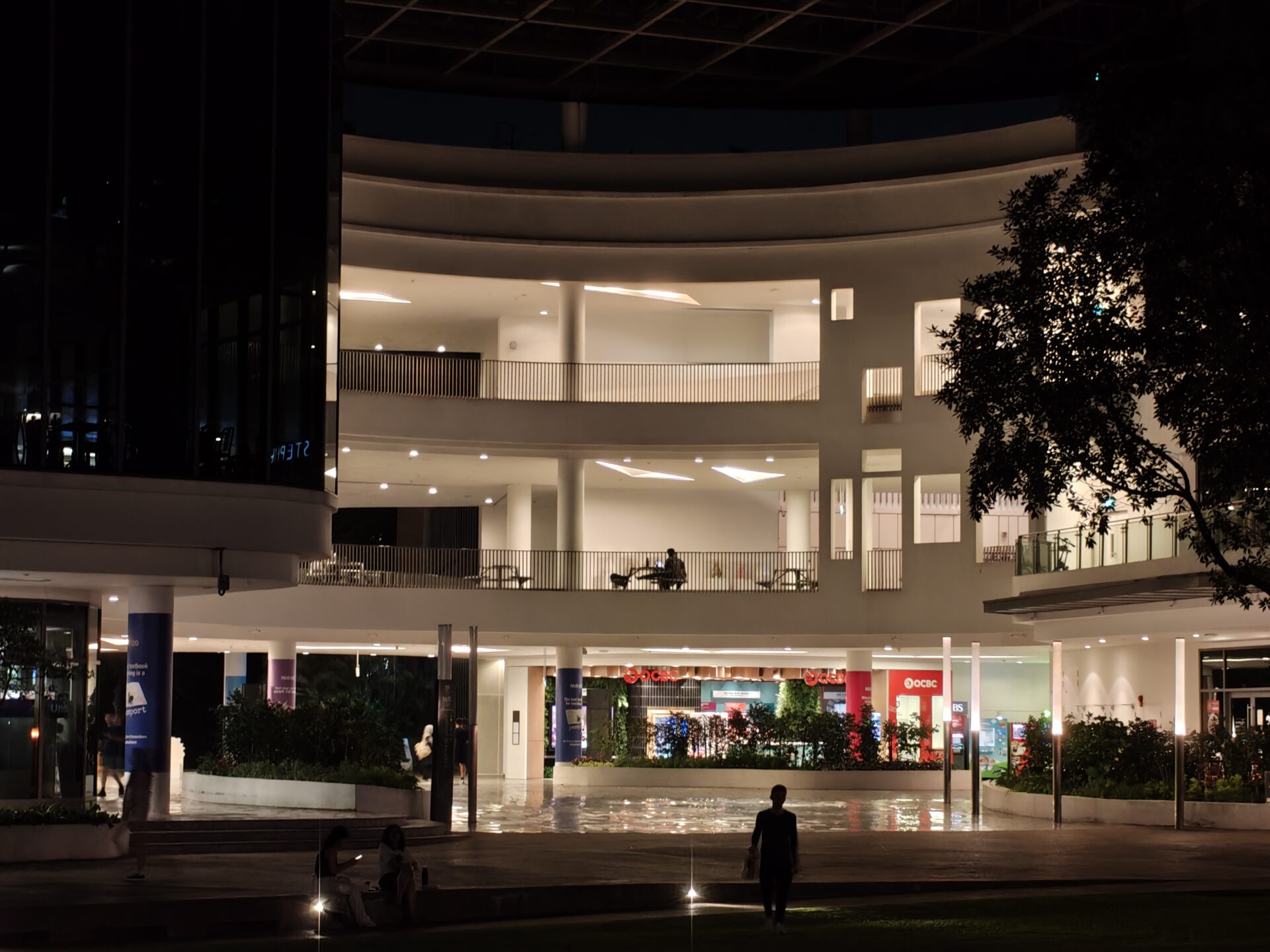
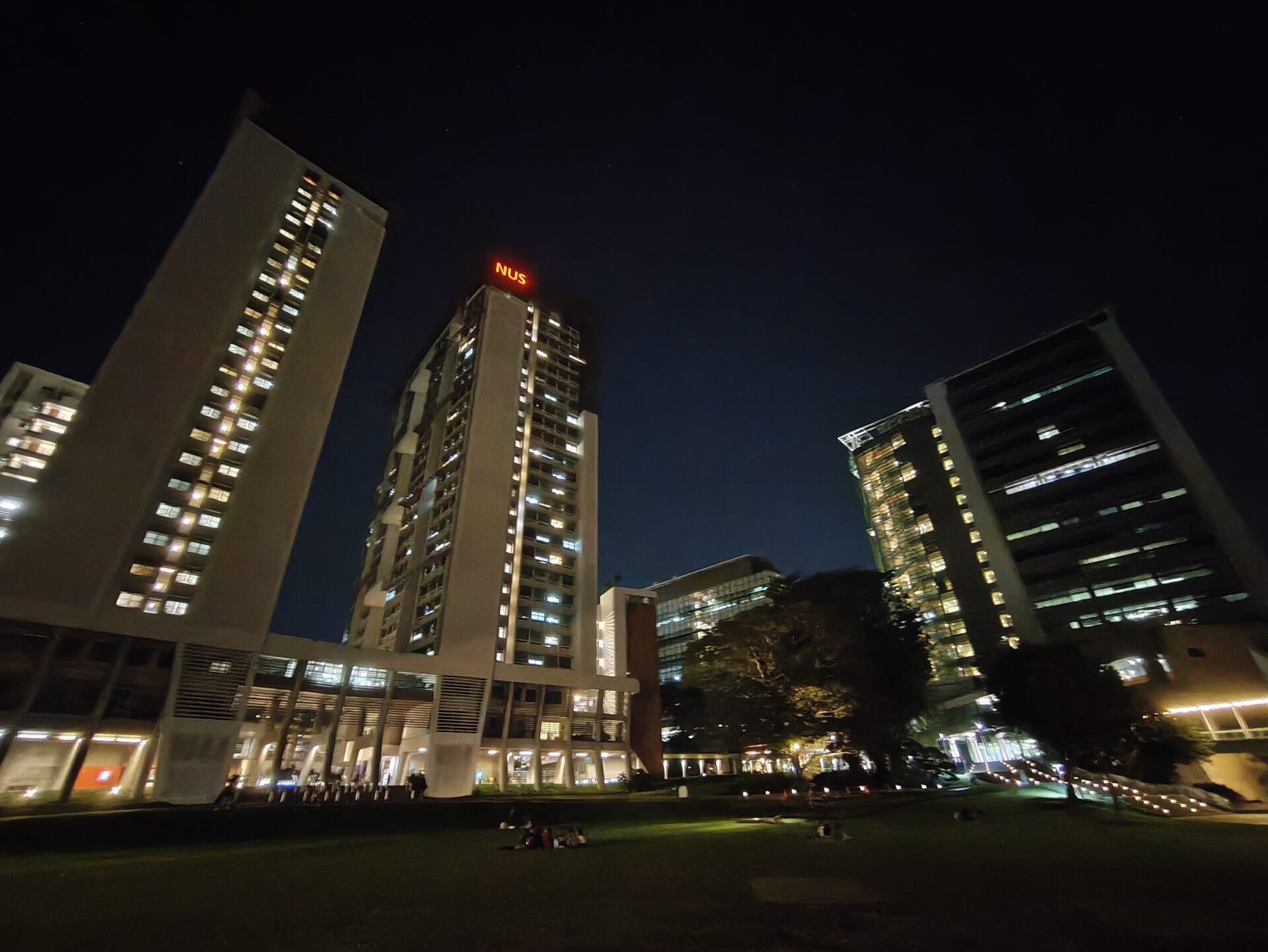
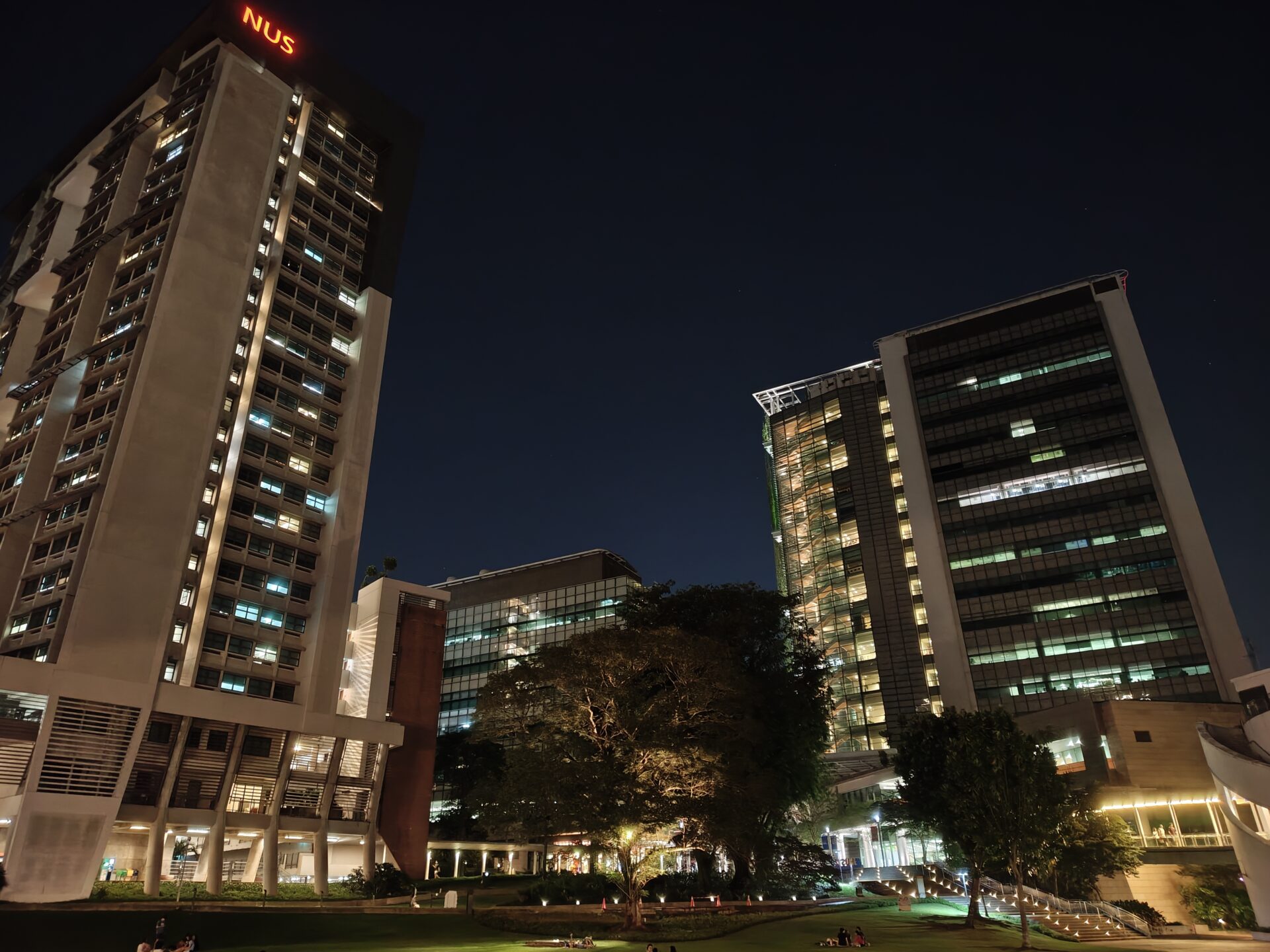
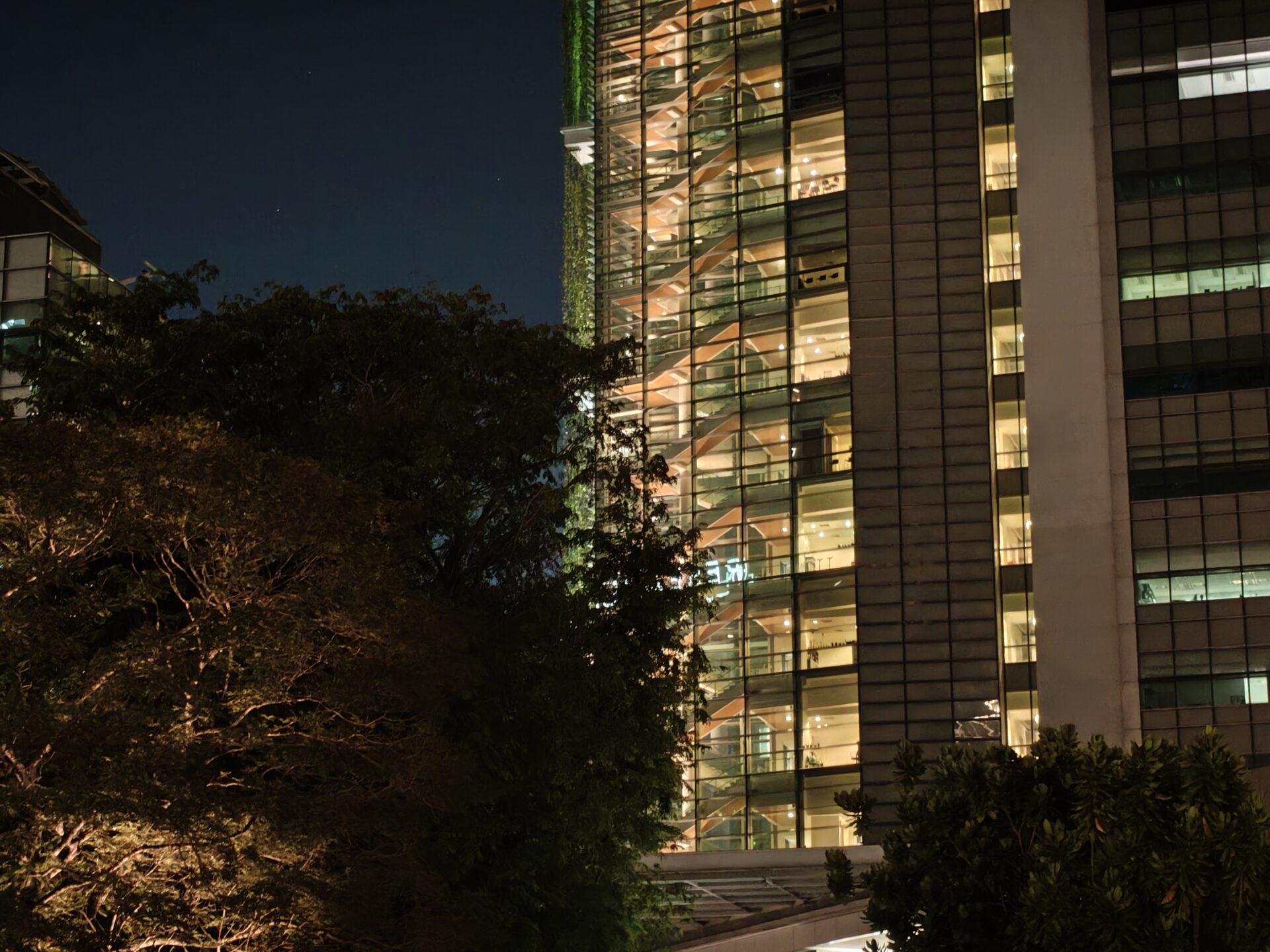
Looking at Town Green and the towers behind, the Phone (4a)’s main camera again impresses, nailing the shadowy tree in the middle without losing much resolution. The telephoto camera, on the other hand, does show a bit of its limited detail resolution.
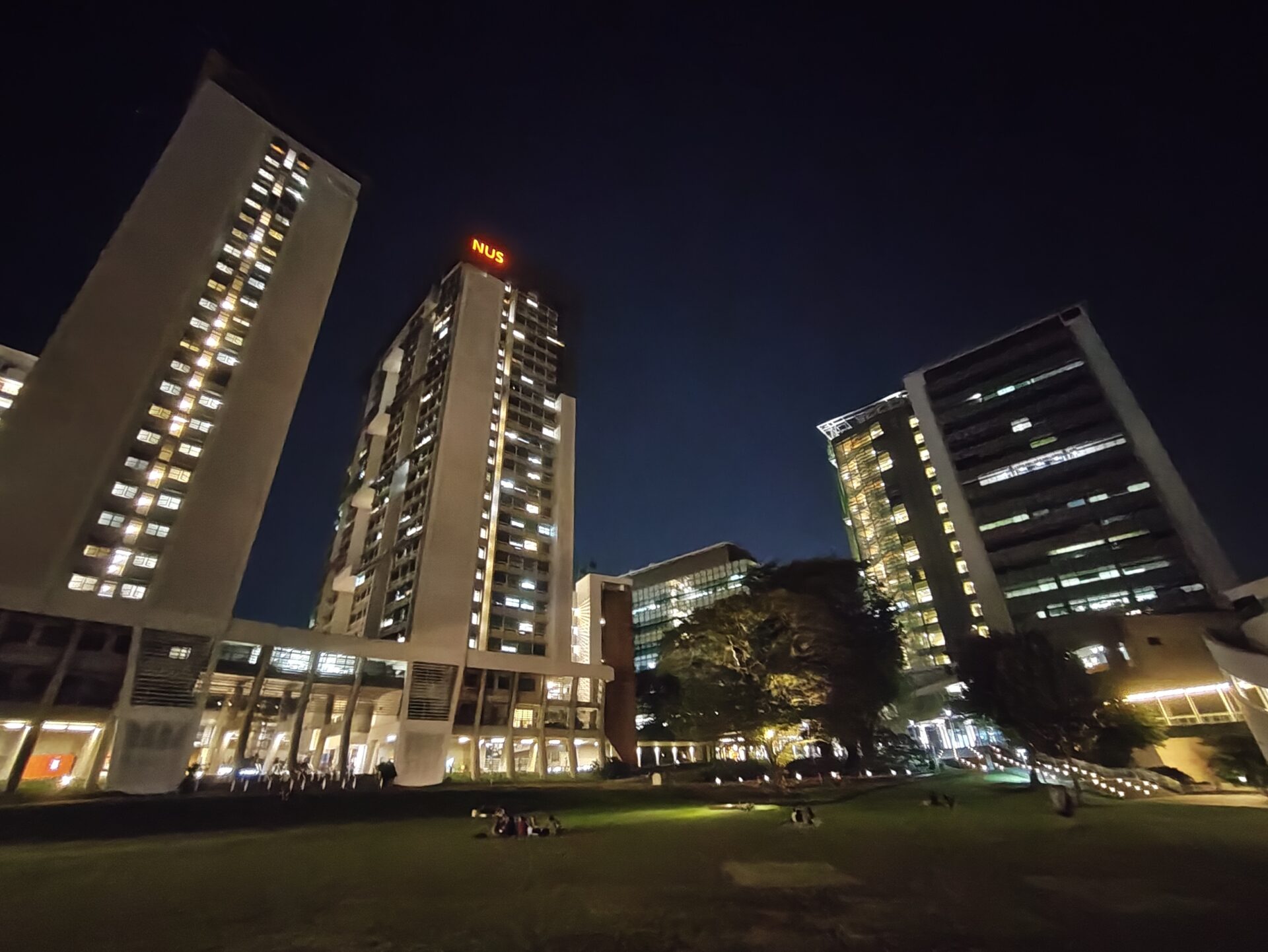
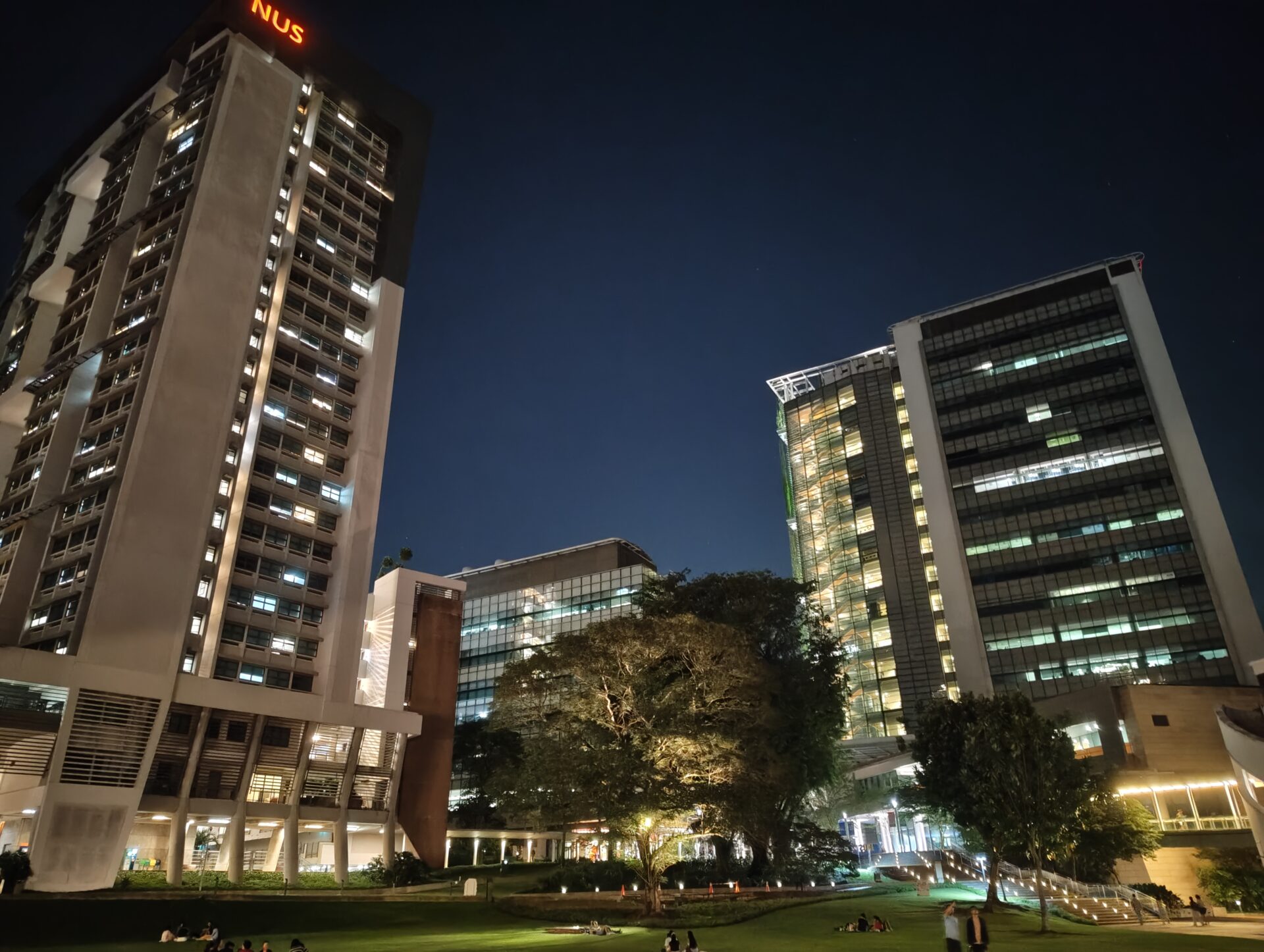
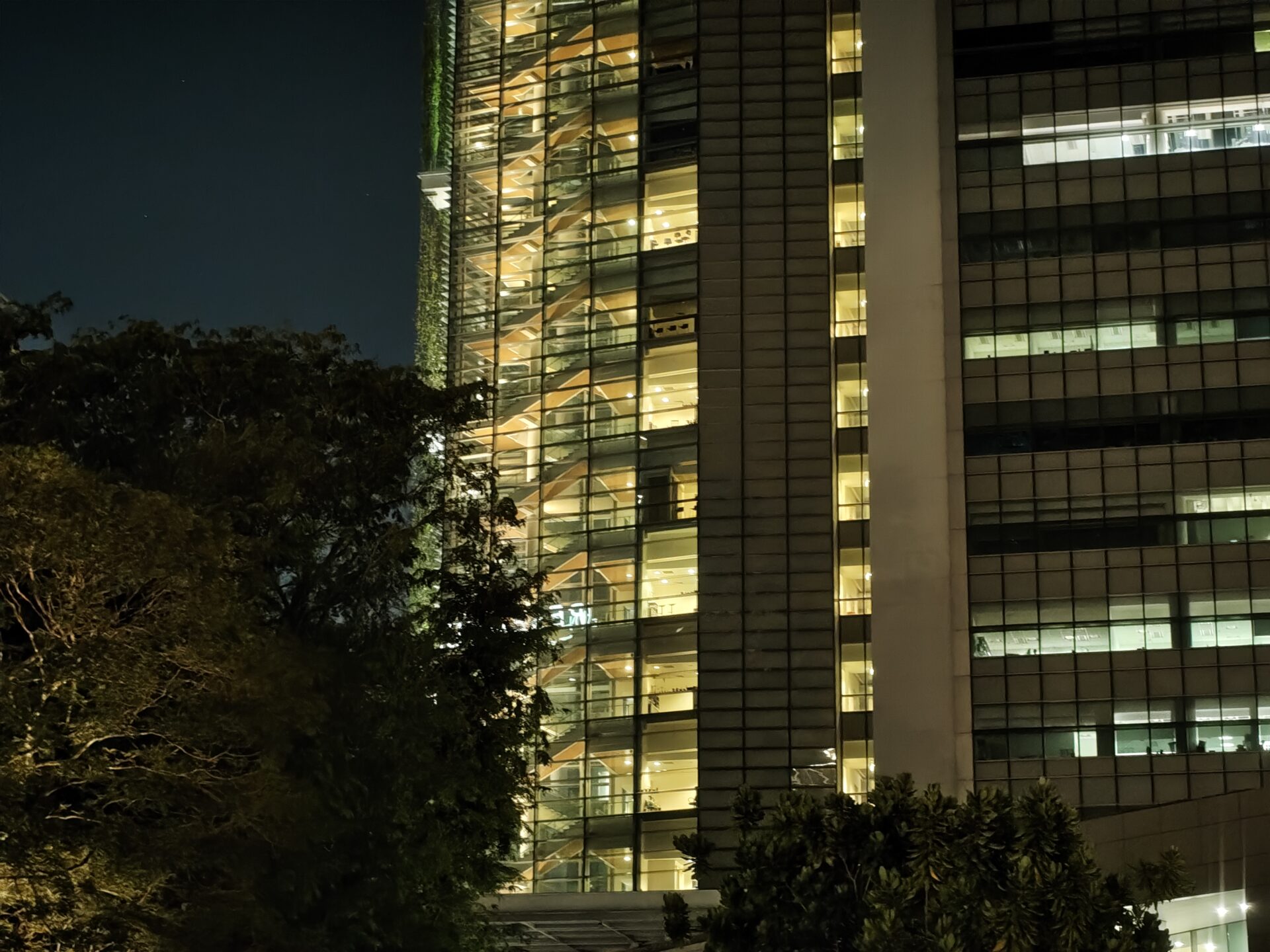
The Phone (4a) Pro’s ultrawide shot of Town Green is not much better than the (4a), while the main shooter was a little darker but gets the colours better.
Conclusion
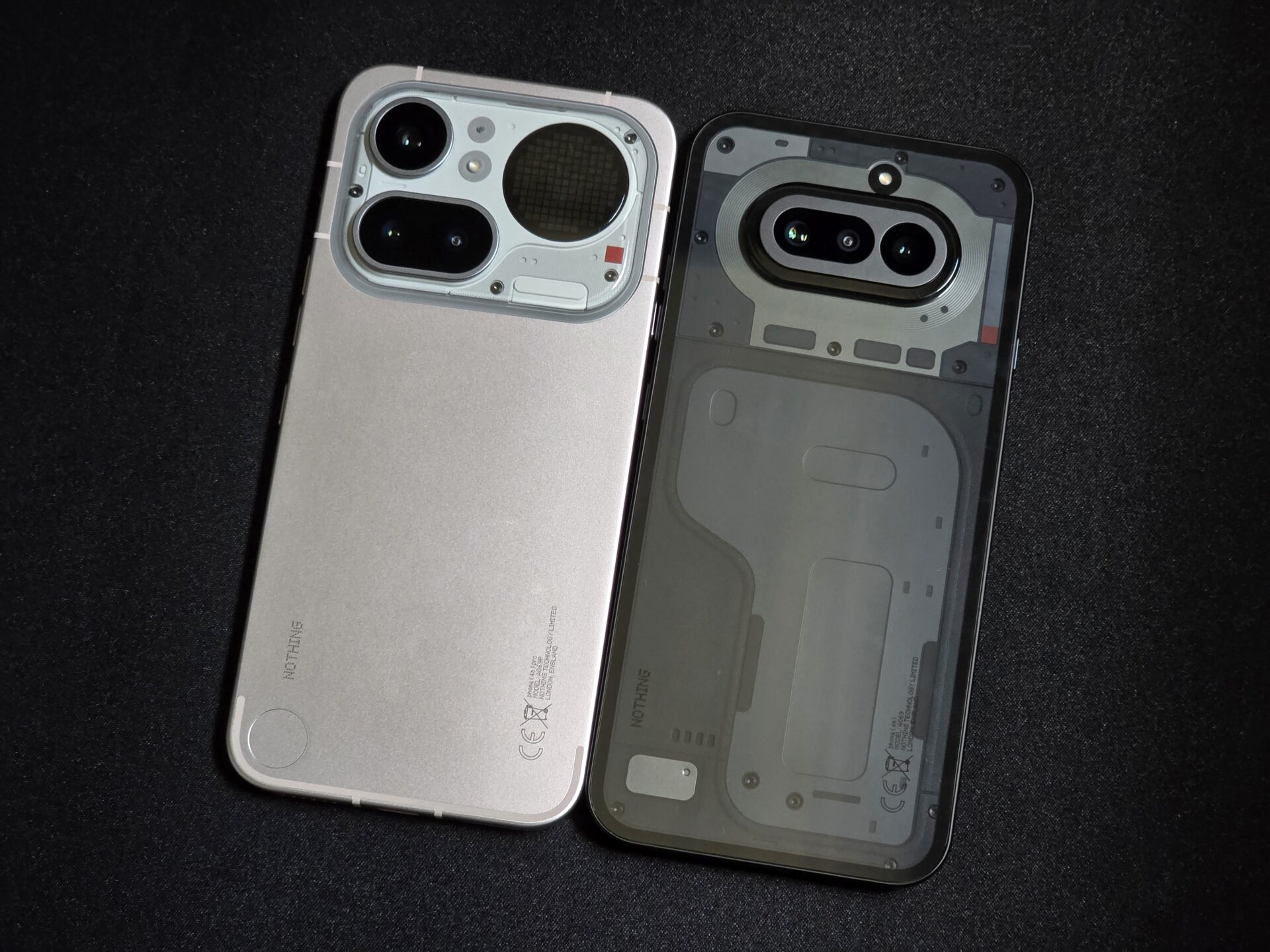
It feels as if Nothing had two development teams work on the two devices out of the same brief. You wonder if the components are different not by choice, but the result of parallel, uncoordinated procurement.
I appreciate that the imaging hardware on the Phone (4a) Pro runs more premium. I also feel it has the more luxurious design. The battery life is also very good. However, I do not find that the differences justify an extra S$150.
The Nothing Phone (4a) Pro is a good pick for someone willing to pay a premium for more battery life and a slightly more reliable camera. This, however, feels like a smaller addressable market as compared to the cheaper Phone (4a) that comes with a few compromises.