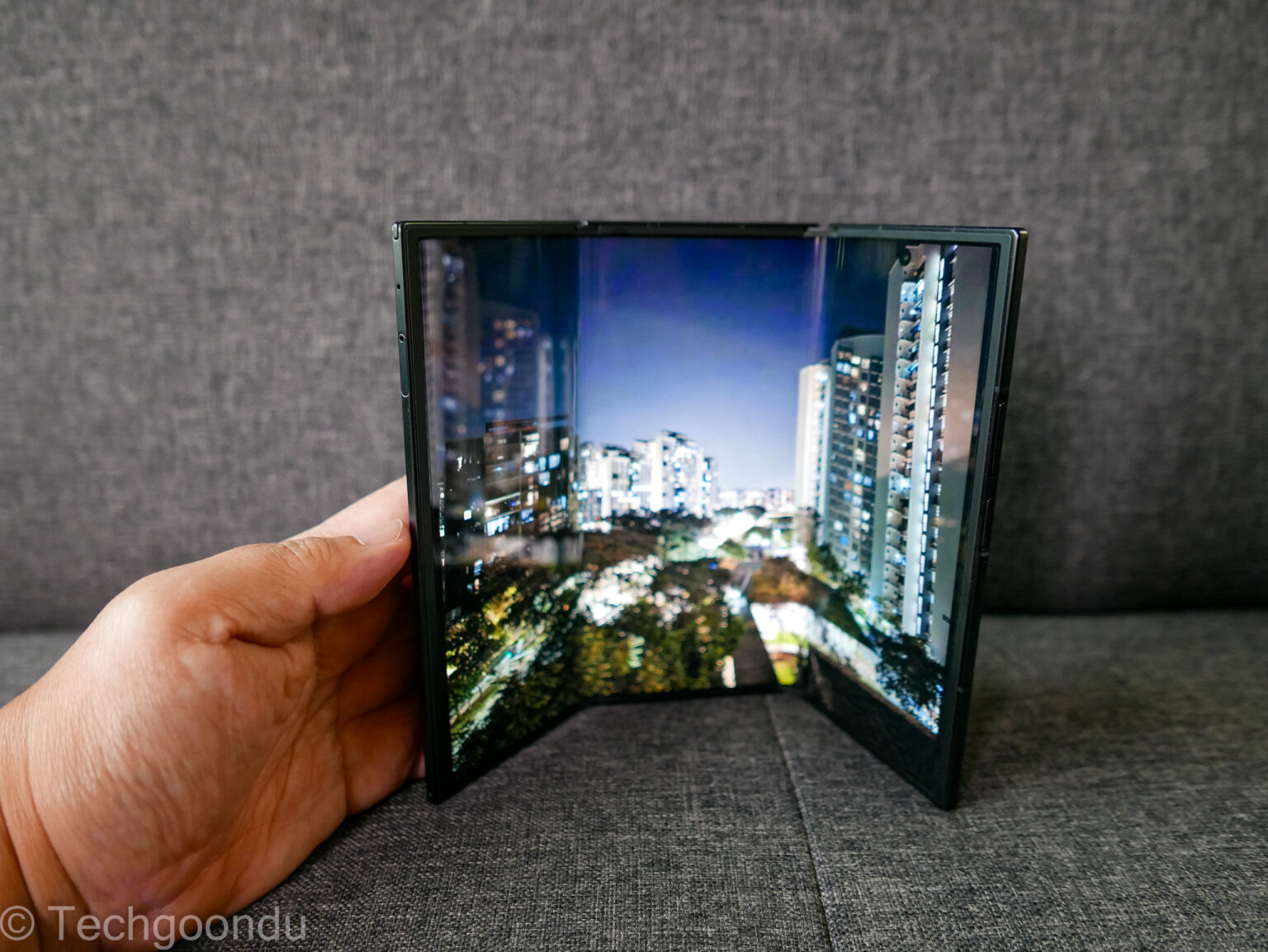
I’ve been reviewing gadgets for almost 30 years but two weeks of using Samsung’s new Galaxy Z TriFold remind me why I’m still excited about the latest smartphones to arrive.
The Korean electronics giant’s tri-fold phone isn’t the world’s first – Huawei’s Mate XT was launched outside China almost a year ago – but it is for many Google Android users the first such gadget to open up from a regular-looking smartphone into a nearly-full-sized tablet.
Interestingly, after all the refinements in the past year or so, Samsung’s Galaxy Z TriFold is actually millimetres thicker than its Huawei predecessor, when folded, mainly because of the way it is clammed up.


Fortunately, while it’s heavier than current candybar or regular foldable phones, it’s light enough to carry around – don’t worry, it won’t drag down your pants.
Sure, 309g isn’t light but the slimness of each fold of the screen makes sure the device is still sleek looking and awe inspiring each time I show it to people. As someone told me, the size is like a bi-fold Galaxy Z from a couple of years ago.
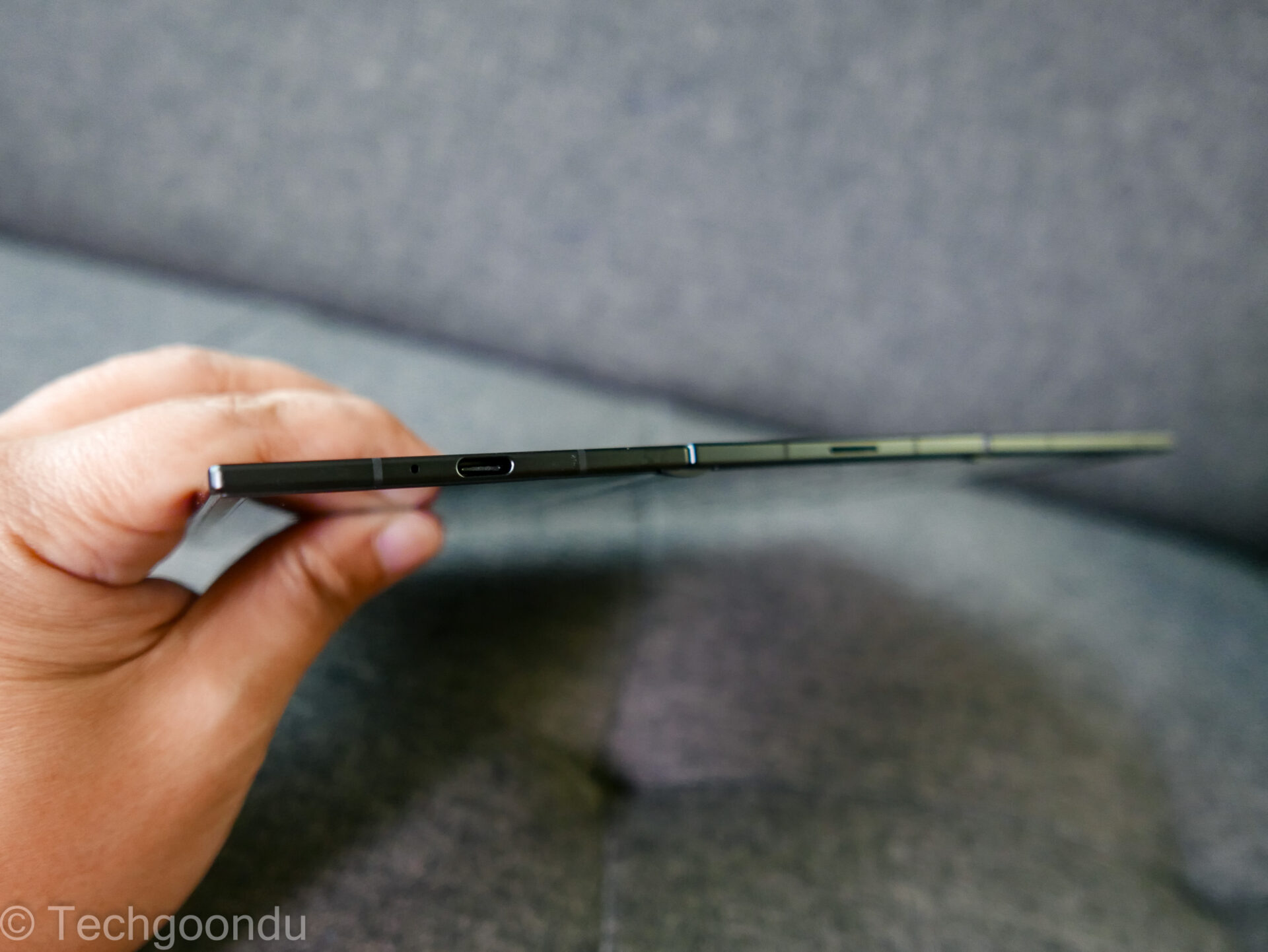
Open up the new Samsung tri-fold phone completely and you’d find an undeniably svelte gadget. The roughly-4mm thickness is not much more than what’s needed to fit an USB port.
Notably, the Galaxy Z TriFold unfurls in a U shape, with both sides extending the middle portion of the screen into a large tablet-like dispay that’s 10 inches across.
One of the two hinges is larger – pretty much like a Galaxy Z Fold 7 – while the other is smaller and snaps open easily. You’re supposed to open and close the device in the right order.
For better or worse, this is different from Huawei’s Z-shaped fold. By folding inwards with the Samsung device, you don’t worry about a part of your main screen rubbing on a table but this also means you can’t open two out of the three folds and use two-thirds of the screen.


I haven’t used either device long enough to say which is the better approach though I can understand why Samsung went this way. In the hand, the Galaxy Z TriFold feels solid once you get used to it.
The titanium hinge housing is thick but reassuring. The Corning Gorilla Glass Ceramic 2 should be solid enough to protect the phone from inevitable bumps. Don’t forget this phone also supports IP48 water and dust resistance (Huawei only offers IPX8).
In the two weeks or so I’ve used the Samsung phone, I’ve grown from gingerly – and carefully – opening the tri-fold screen to more confidently and quickly getting it ready for action. It’s feels fragile at first but it should not be.


That said, one thing I have to point out is the extra hassle needed to pull open two parts of the screen to get to the big display.
This means you will likely rely on the smaller 6.5-inch exterior display for quick tasks like replying to a message or paying for food at a busy hawker centre.
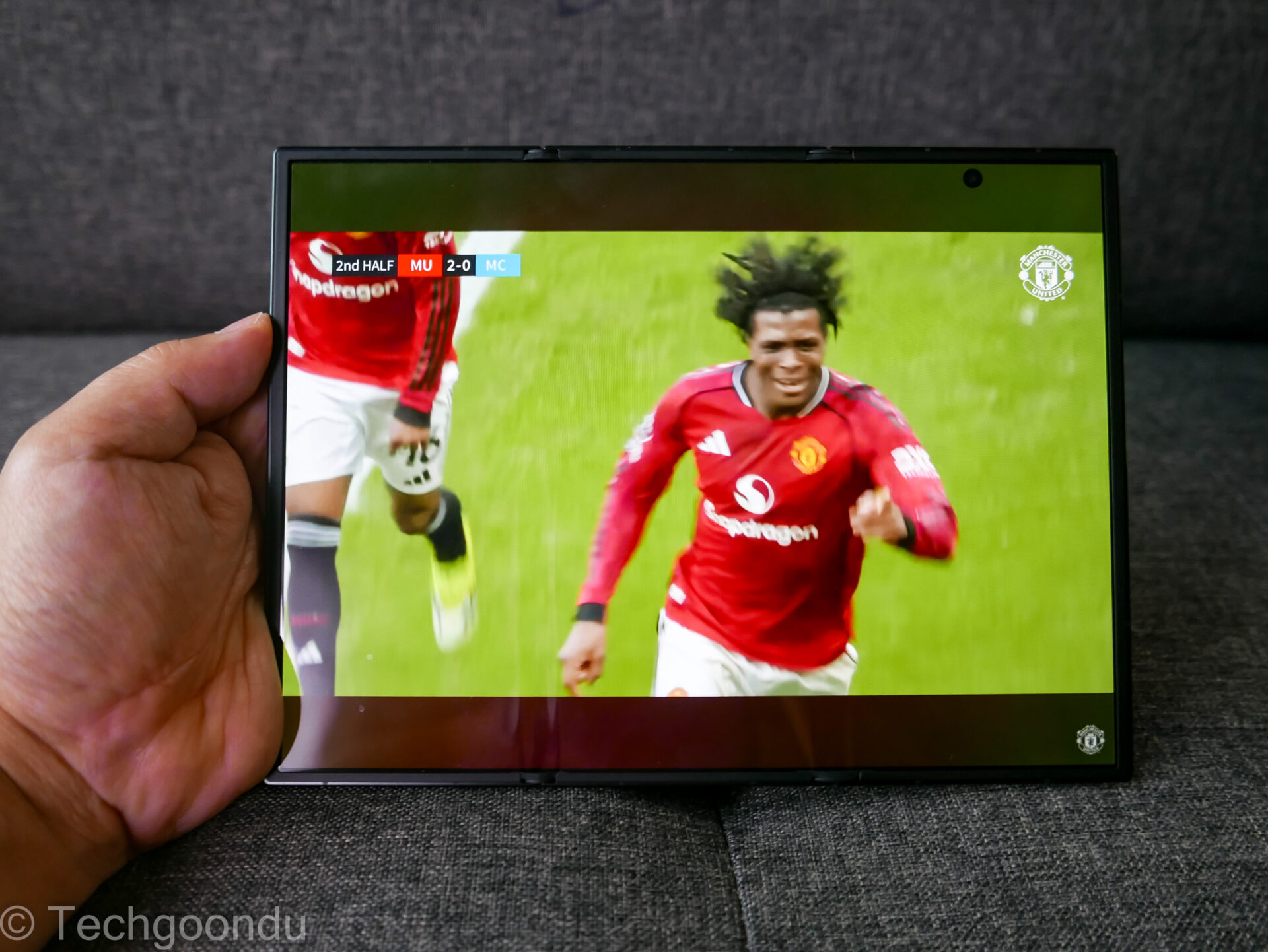
The big foldable screen, since it takes effort to open up, will likely be for things like watching videos, gaming or more tablet- or laptop-like multi-tasking work.
To be sure, the main AMOLED main screen with 2,160 x 1,584 resolution is a joy to watch videos on. For a device that’s so portable, it offers a large tablet-like screen to enjoy a YouTube or Netflix video on the go.
Google Maps is great as well. If you are planning a trip, this is as good as having a tablet to search through, say, hotels or eateries near a train station.
And, of course, you should fire up a game. I played Call of Duty and probably got an unfair advantage over other players with my larger screen. It’s great fun, with the graphics running at max with a top-end Qualcomm Snapdragon 8 Elite chip and 16GB of memory.
How well does the software integrate? Some apps like Gmail work out of the box wonderfully. Fire up the app and it automatically splits the large screen into an e-mail list and a preview of a message you highlight.
Other apps may take time to be optimised for this screen. Spotify, for example, runs well except that it leaves a good amount of empty space on the screen.
Of course, like on other Android tablets and phones, you can also easily open up a couple of apps and place them side by side. That’s excellent if you’re comparing notes for an e-mail or document you’re drafting.
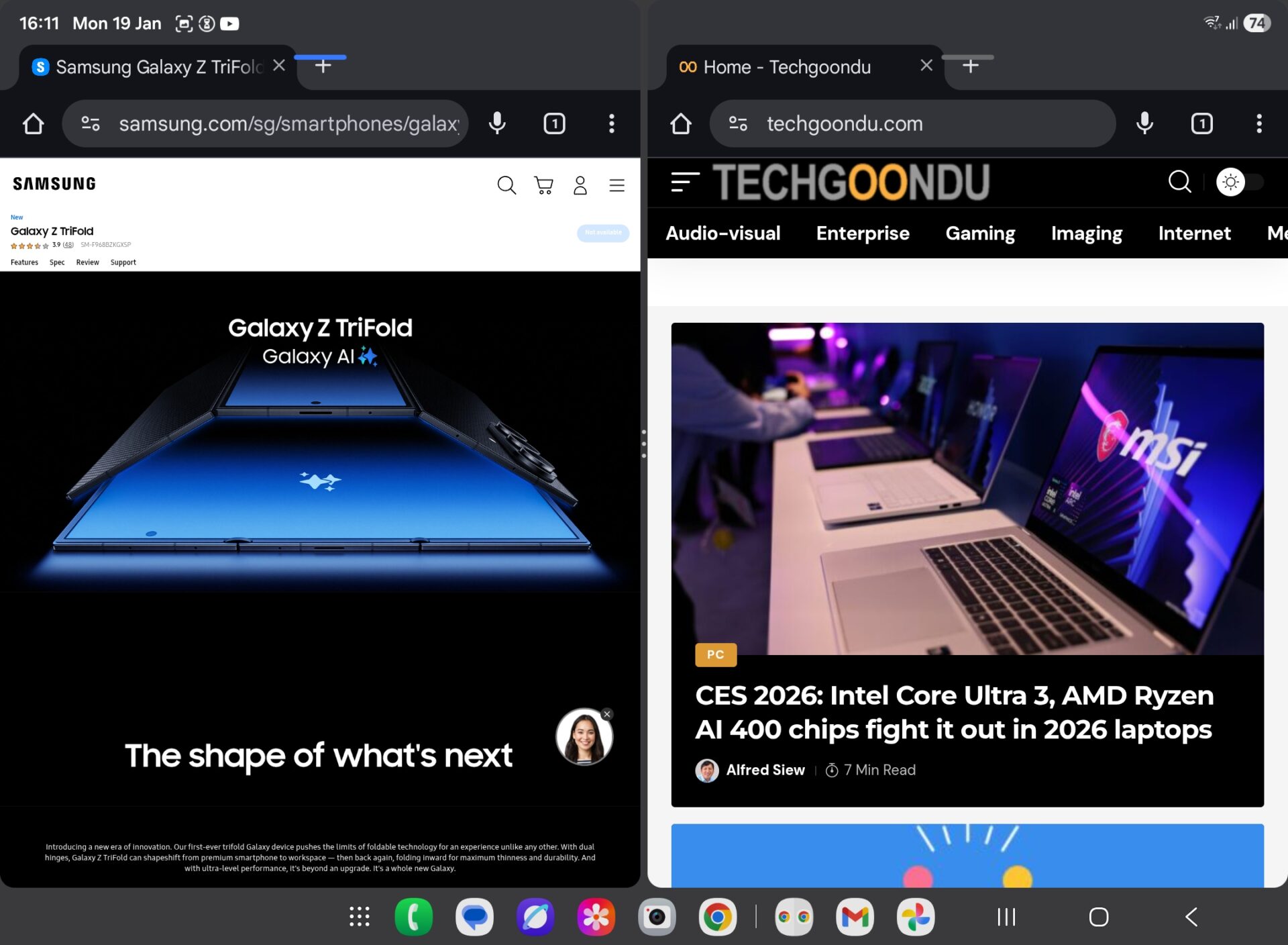

Notably, some apps “transfer” well when you switch from the small to the big screen. If you’re watching a YouTube video, for example, you can unfold the large screen and the video will contiunue playing almost seamlessly. Not, the other way, though – if you close your big screen, the video does not continue on the small screen.
Despite the focus on its foldable screen, Samsung’s new phone doesn’t disappoint with its imaging prowess, either.
For most of the shots you will take on the go, it has the same cameras as what you’d find on Samsung’s flagship candybar Galaxy S25 Utlra.
In the new phone’s rear imaging array, you have three main cameras. A 200-megapixel primary wide-angle camera and a 12-megapixel ultrawide camera are there there for food shots and portraits.
However, you will miss the candybar flagship phone’s zoom quality. The tri-fold phone comes with a 10-megapixel telephoto camera that offers 3x optical zoom (and up to 10x “optical-grade” zoom) but falls short of the Galaxy S25 Ultra.
That’s not a big deal unless you are frequently using your photo to take pictures from distance, say, of the birds around your home or in the park.


On the whole, the images from the Galaxy Z TriFold are what I’d expect from a similar foldable, say, the Galaxy Z Fold 7.
AI, clearly, also helps by optimising images taken by bad photographers like me. Even handheld shots look great (partly because of the optical image stabiliser for the main camera, as well) and challenging evening shots are well lit.


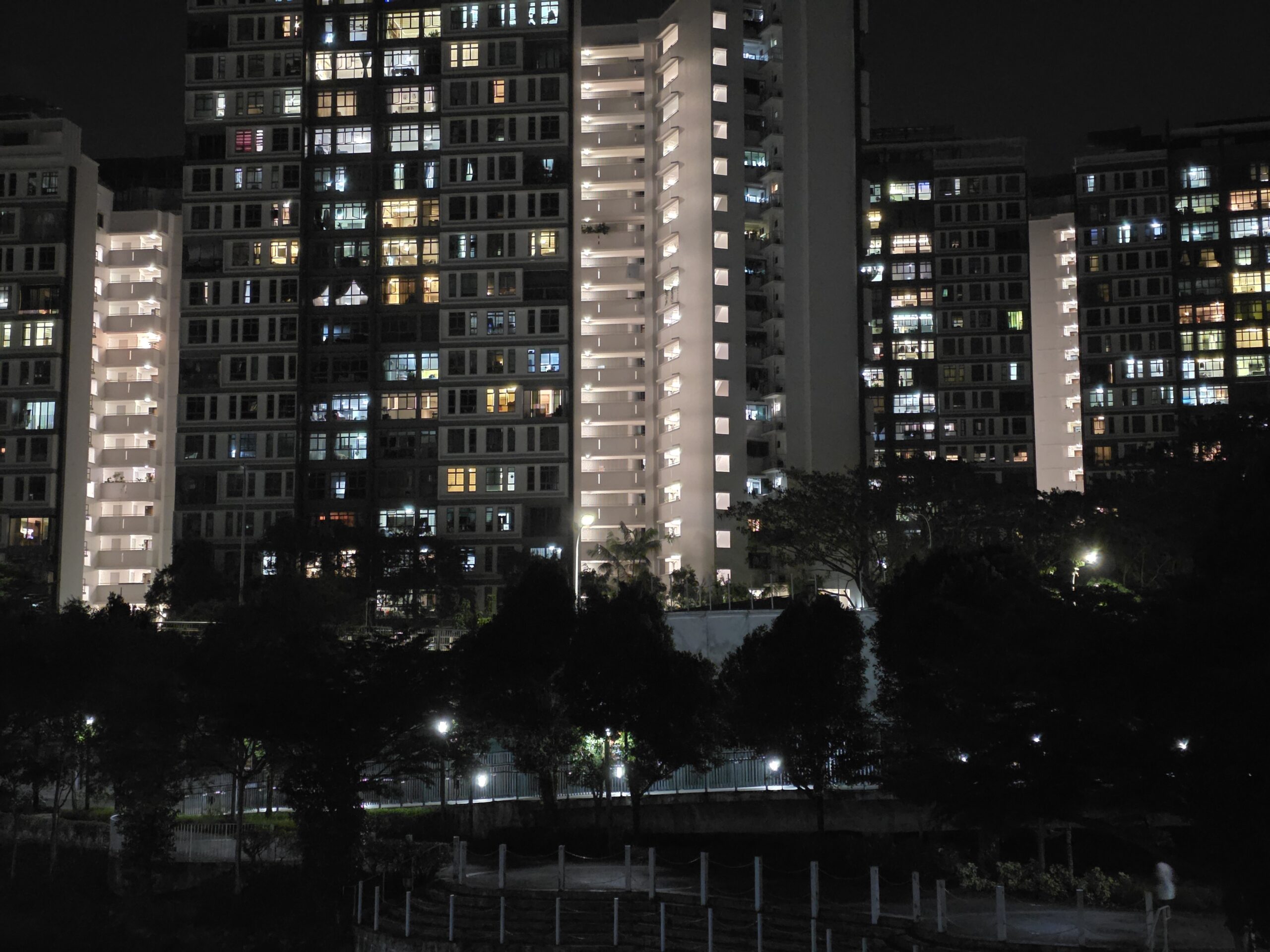


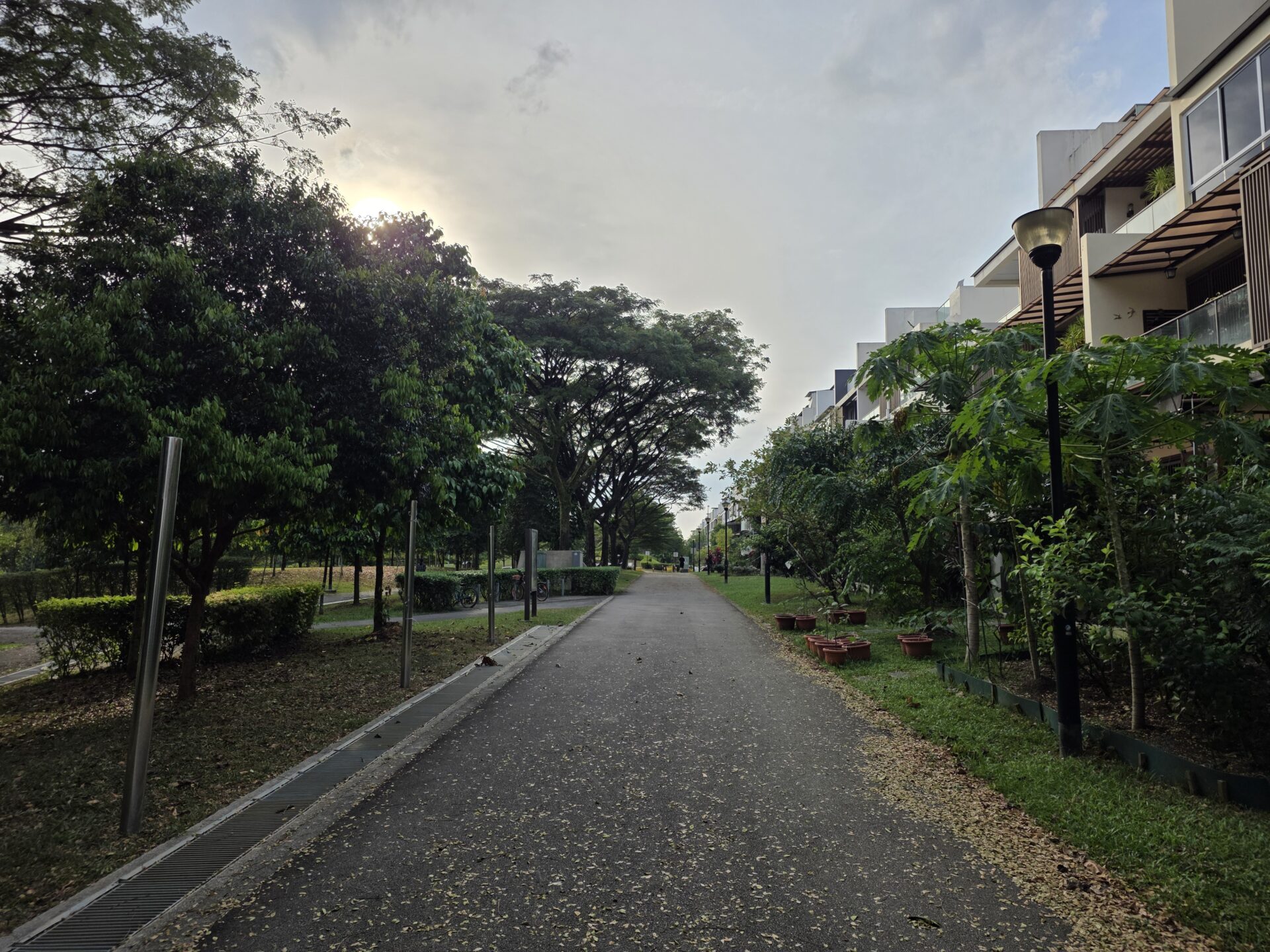

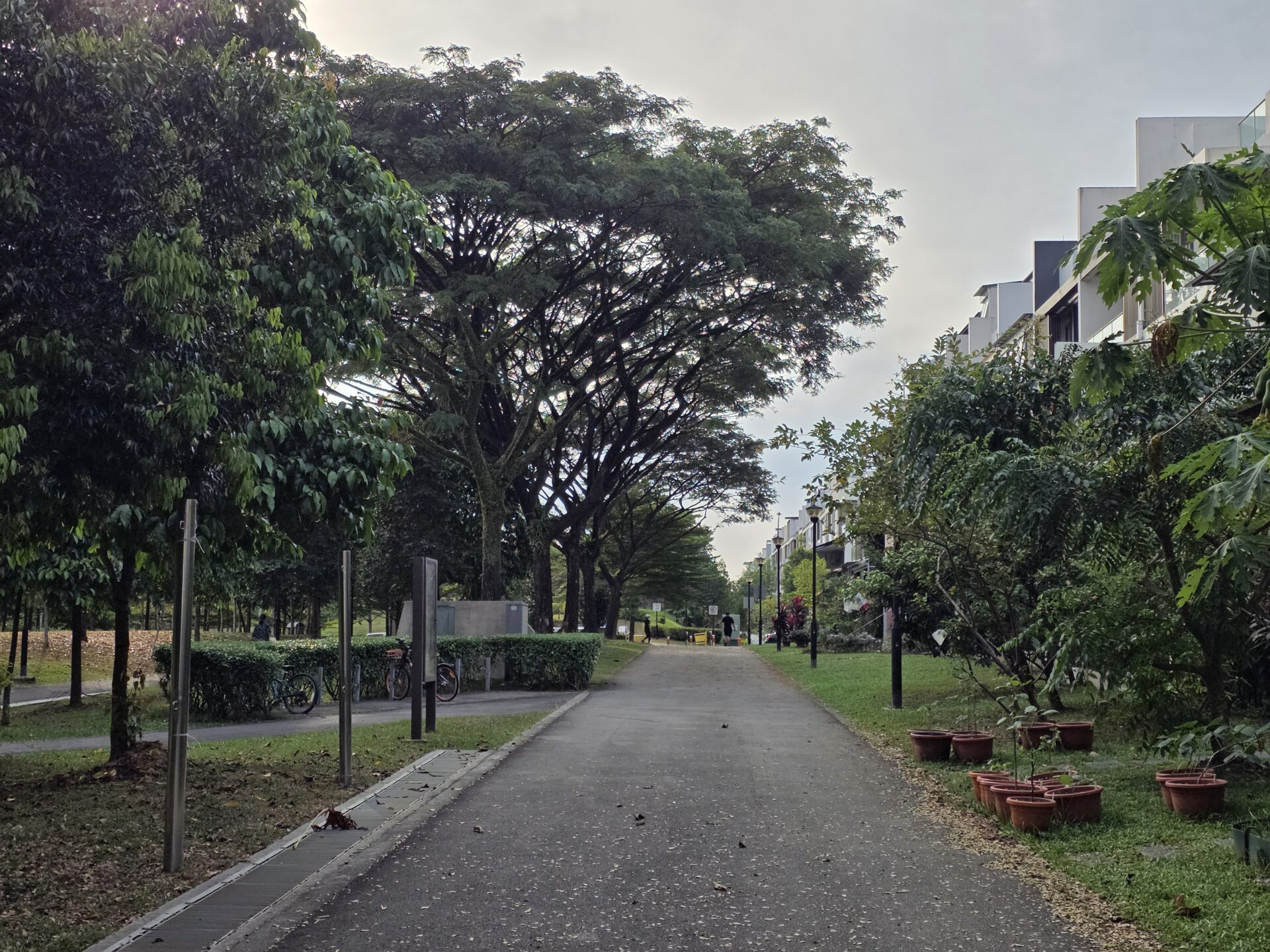


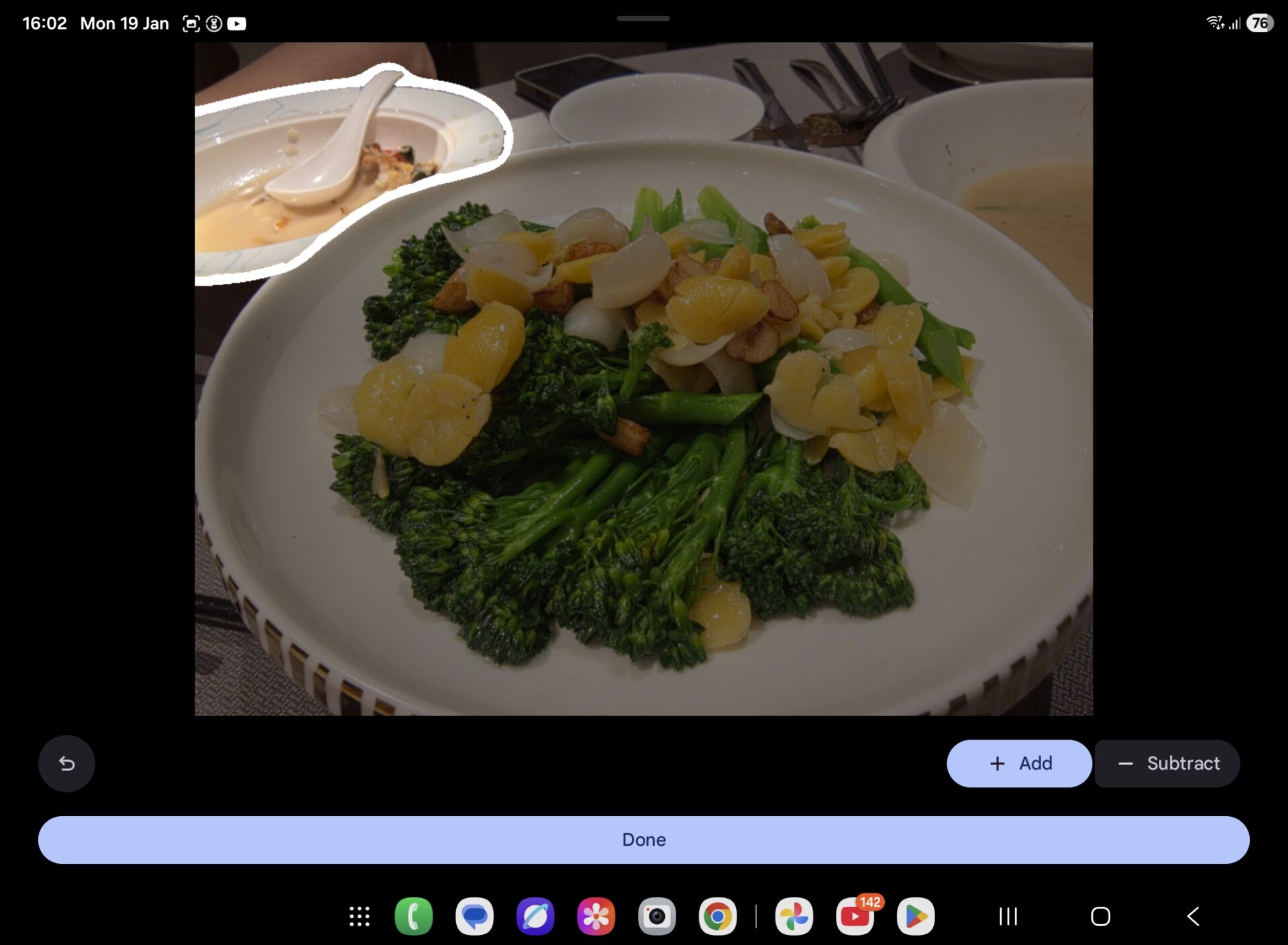
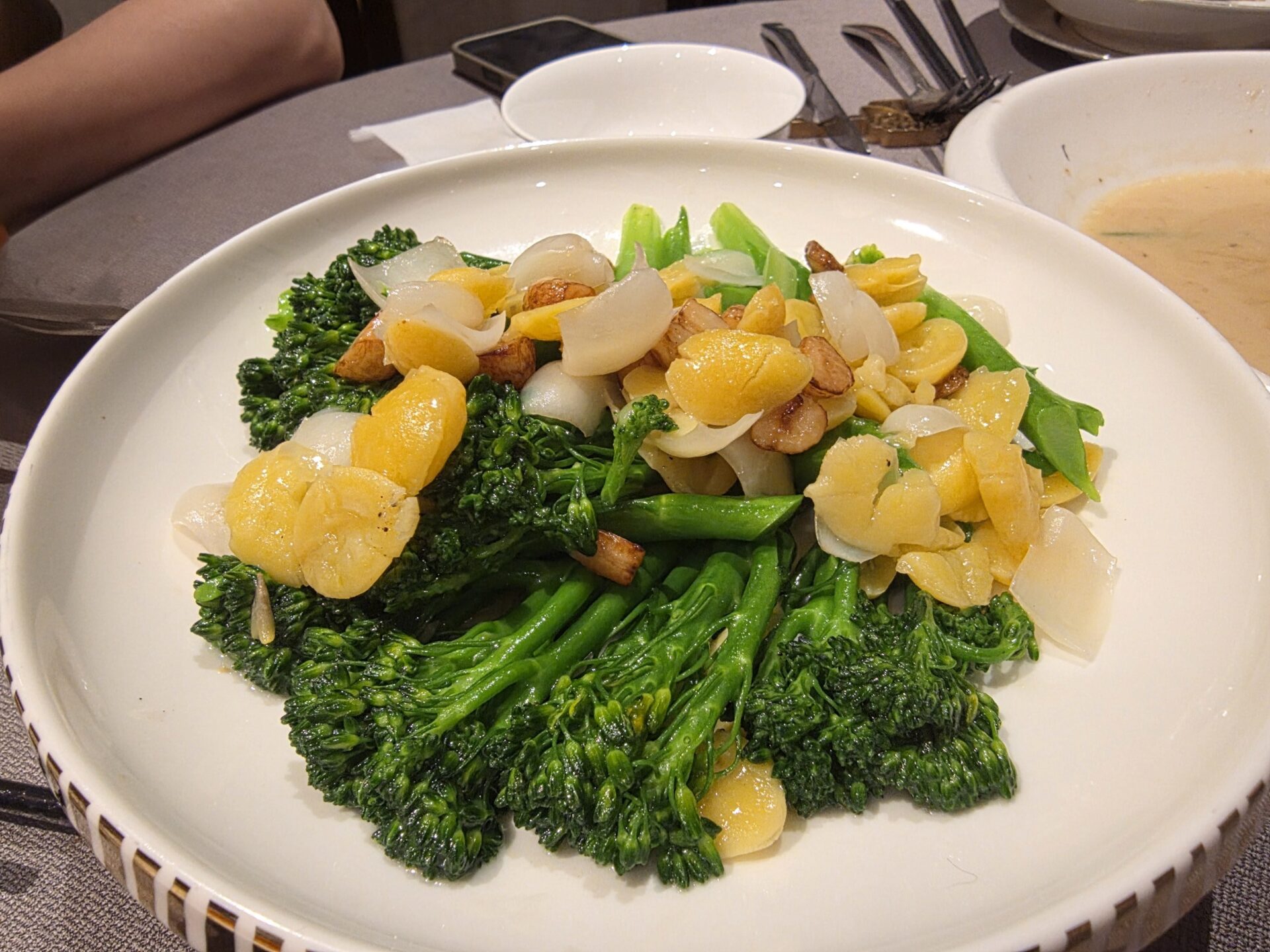
Of course, handy AI tools also improve the mobile photography experience. Don’t like a person in the picture? Easily erase them out. The same for a dirty plate that spoils a nice picture of a pleasantly plated dish on the dinner table.

What about battery life? The 5,600mAh power pack that Samsung has packed in is larger than what you find on a bi-fold phone.
It will let you do some serious work on the go while watching some YouTube during downtime. During my tests, I did not run out of juice on a typical day.
Then again, I didn’t use the Samsung tri-fold phone like it was a laptop or tablet, which typically lasts a long day with hours of screen time. Today’s most efficient laptops, in particular, run non-stop for more than a dozen hours.


Until now, I haven’t talked about the performance of the Galaxy Z TriFold. That’s because the latest Qualcomm processor and 16GB of memory onboard easily power up today’s apps – even demanding games – without any trouble.
The zippy 120Hz main screen also makes things appear fast when you swipe through menus or switch from one app to another.
In Singapore, the Samsung device comes with 512GB of storage, though there appears to be options for 1TB in the handful of other countries where it is being sold now.


The new gadget is listed as “not available” on the Samsung website, by the way. Going by its listed price in Korea, it costs KRW 3,590,400 or S$3,118, which is expensive but not crazy if you consider the sticker price for the bi-fold Galaxy Z Fold 7 (S$2,928 for a similar 16GB/1TB option).
Should you rush for the tri-fold phone when it is available again? Well, if you’re spending close to S$3,000 for a top-tier bi-fold model, then surely, the newer, fancier one with a larger screen should be in your calculations.
However, there are a few drawbacks you should consider. Most importantly, the bigger 10-inch screen means you will probably need a stand to balance it if you want to do some real work beyond firing away e-mails at a cafe.
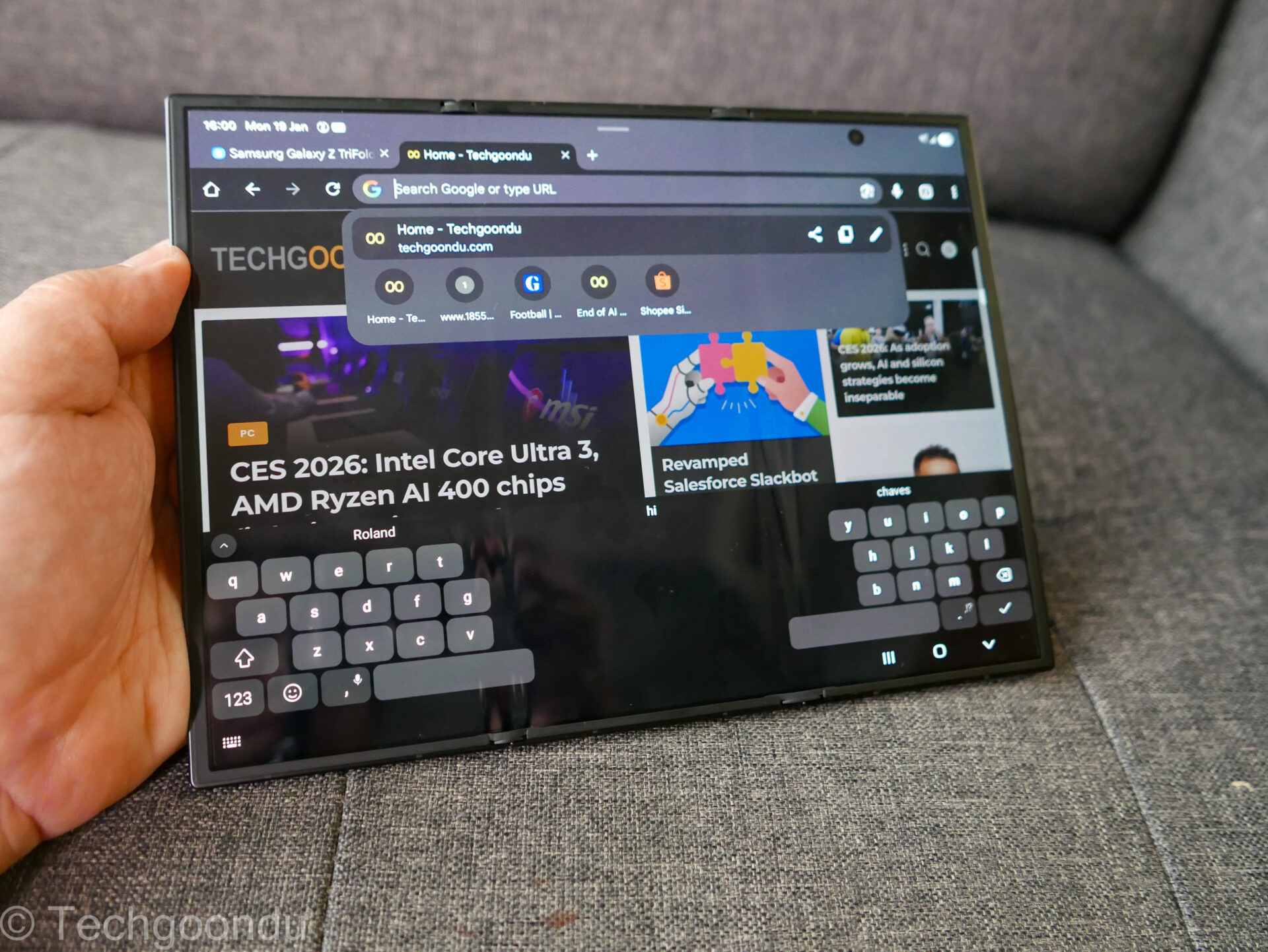
Spreading a virtual keyboard across the large screen also means you need both hands to type. Would you need a keyboard to go along? That’s another piece of gear, though.
That said, the Galaxy Z TriFold is still a compelling upgrade over already-attractive bi-fold models today. Gadget enthusiasts will splurge on it, I believe.
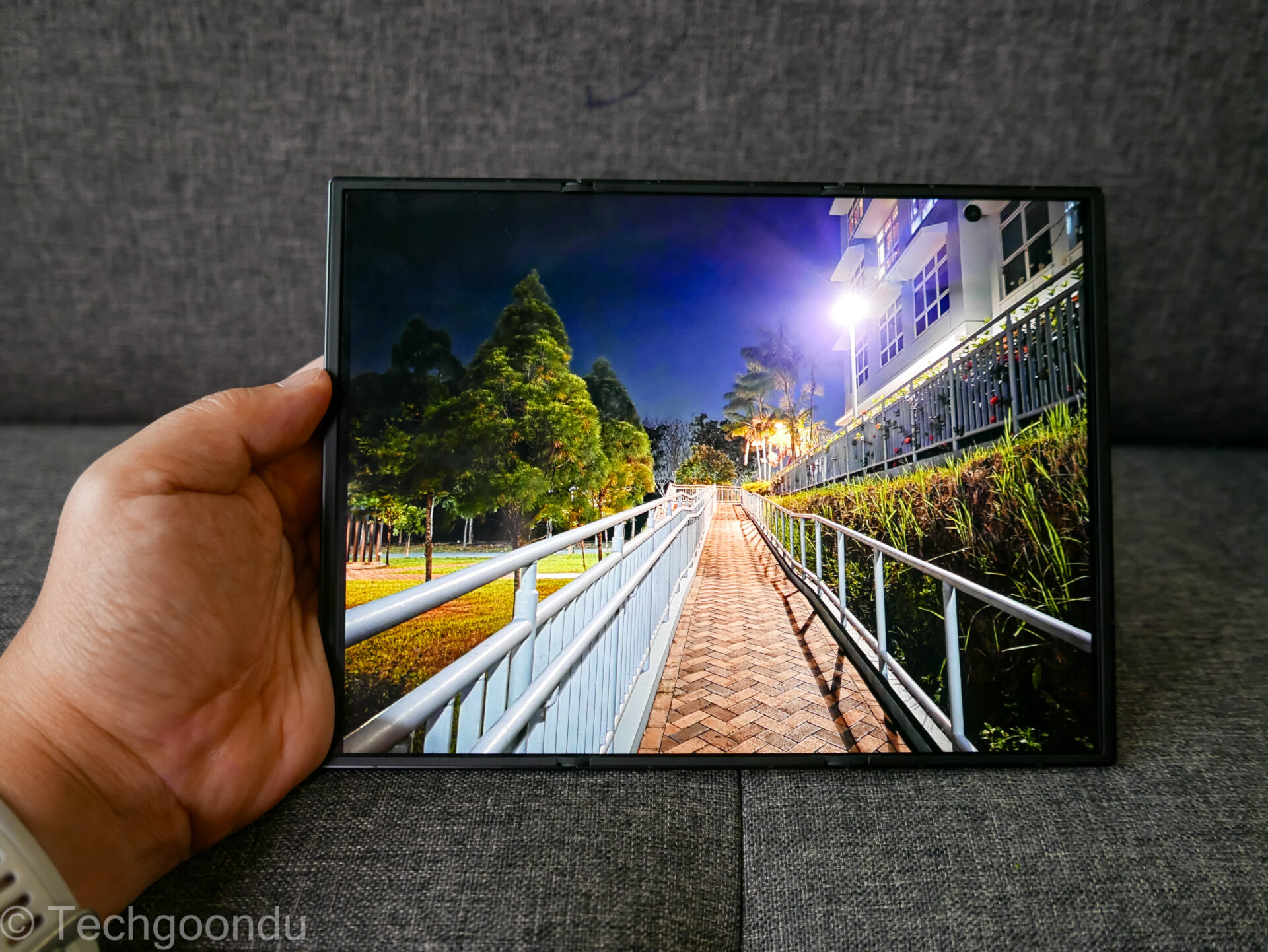
Thanks to the maturity of foldable screens – after seven iterations now – this tri-fold is more than a curiosity and can be a real productivity tool on the road.
So, yes, besides gadget buffs, business people who want to do boring stuff like edit Excel files quickly can get that done on the Galaxy Z TriFold’s large screen.
While Huawei had wowed the world with its tri-fold phone earlier, Samsung’s model can be said to be the first one that most Android users will buy. Crucially, it runs Google services which Huawei lacks.
To be sure, it’s too expensive and likely only for a niche group of users with money to spare but Samsung has made quite a remarkable phone in the Galaxy Z TriFold.
Even if it doesn’t sell that much, it could make Samsung’s regular foldable models seem more attractive to potential buyers. Much needed momentum, as Apple’s long-awaited foldable is expected later this year.