
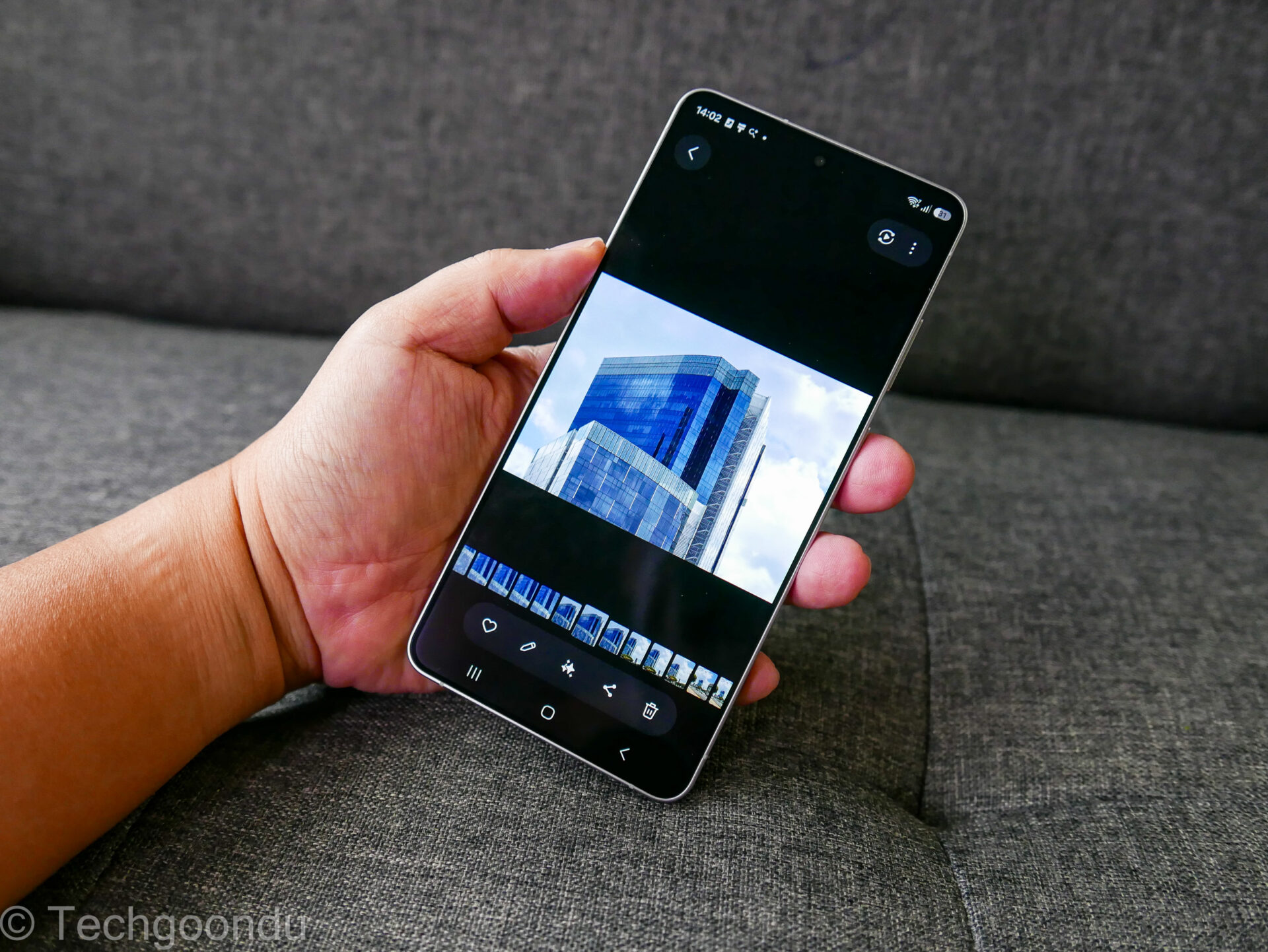
Flagship phones have added only incremental improvements in recent years and you can surely say that about the Galaxy S26 Ultra unveiled two weeks ago.
Place Samsung’s latest and greatest next to its flagship from last year and you’d be hard pressed to tell the difference. Not just on the surface, either, because under the hood, there are mostly small upgrades as well.
Of course, if you’re Samsung, you wouldn’t change a winning formula, since the Galaxy S26 Ultra will easily appeal to Android users looking for a Samsung.
That’s actually what I did late last year, when I stumped up for a Galaxy S25 Ultra. No, I didn’t need all the fancy bells and whistles but it was a great Android phone with the latest features thrown in.
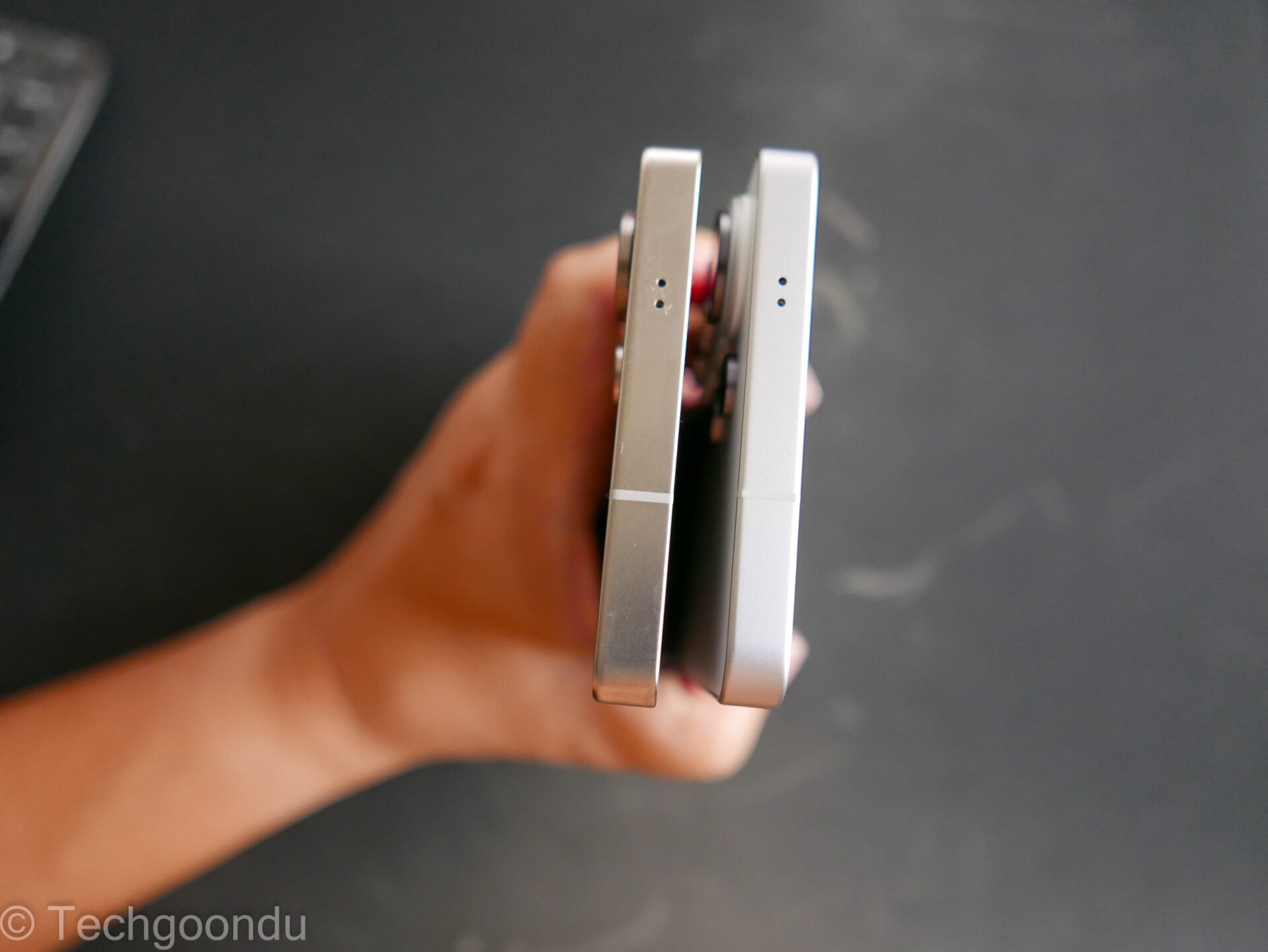
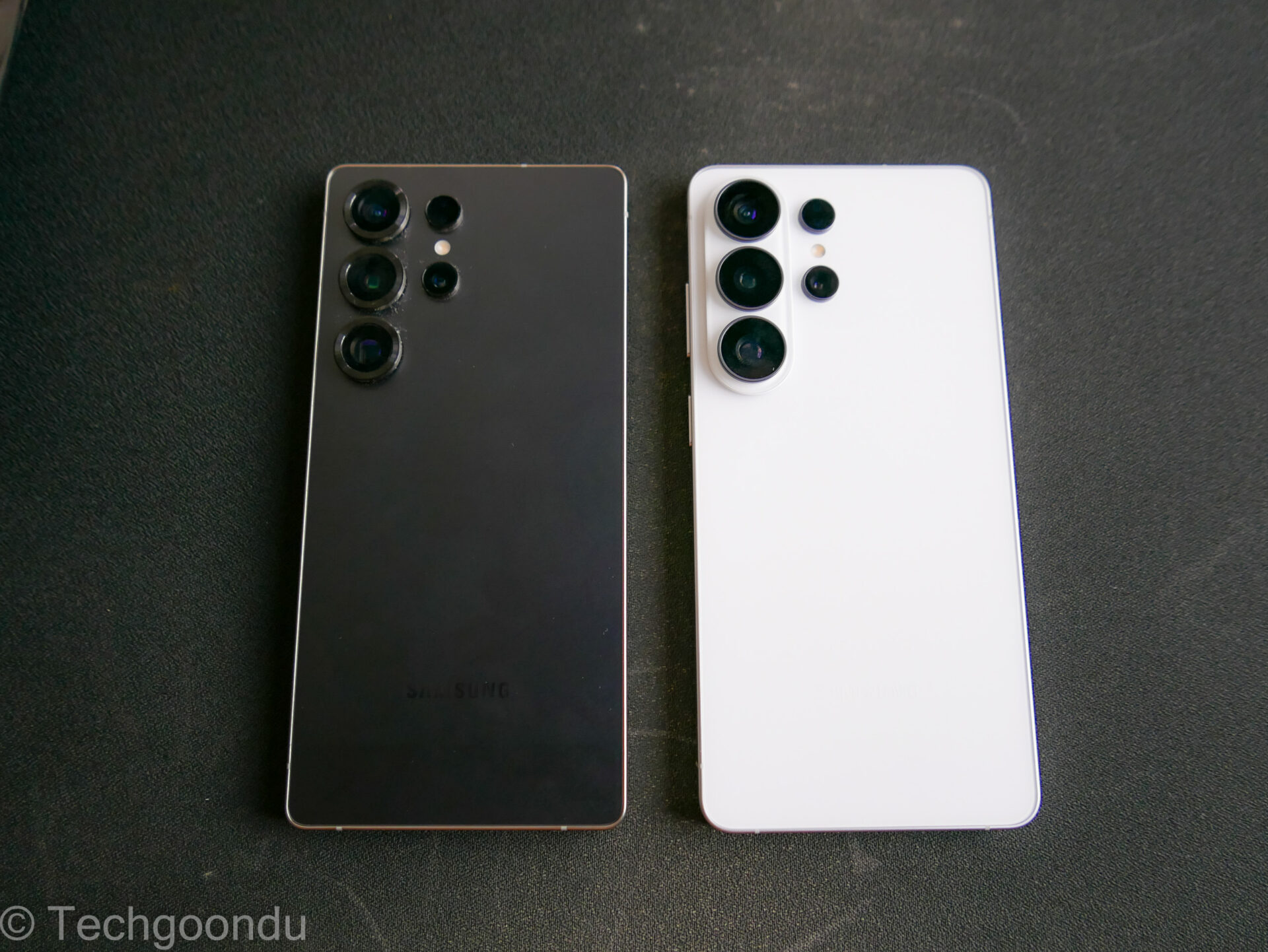
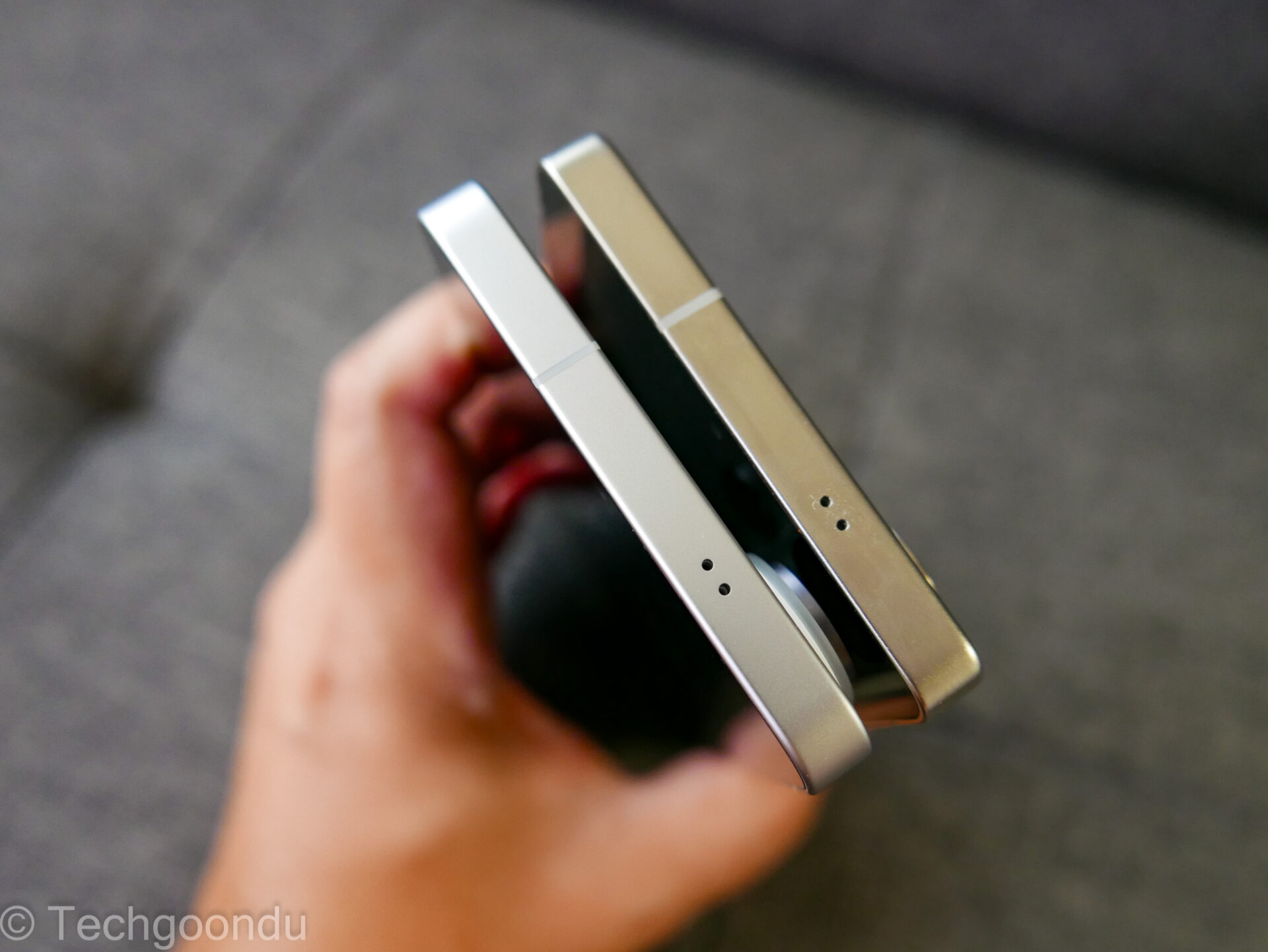
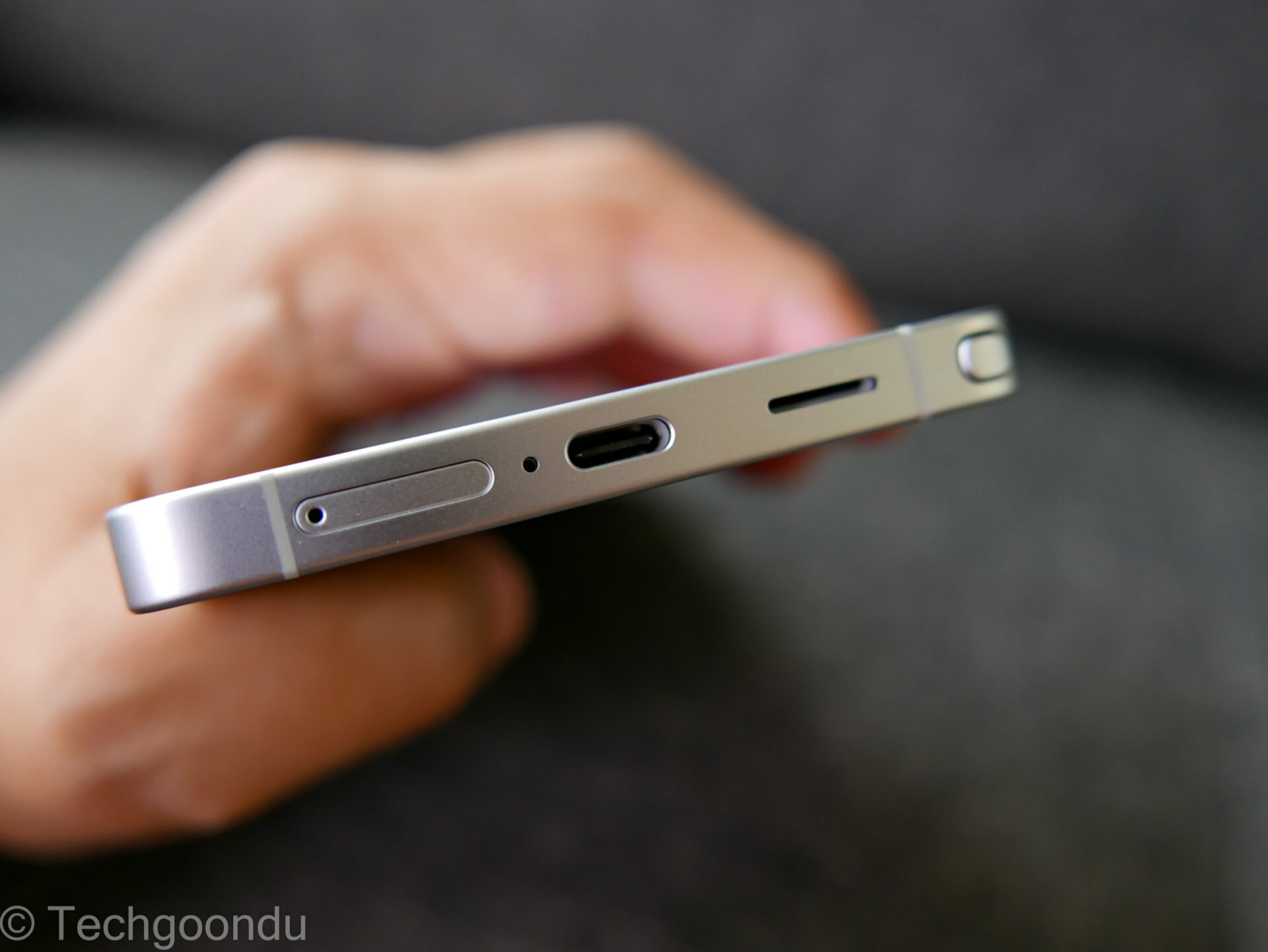
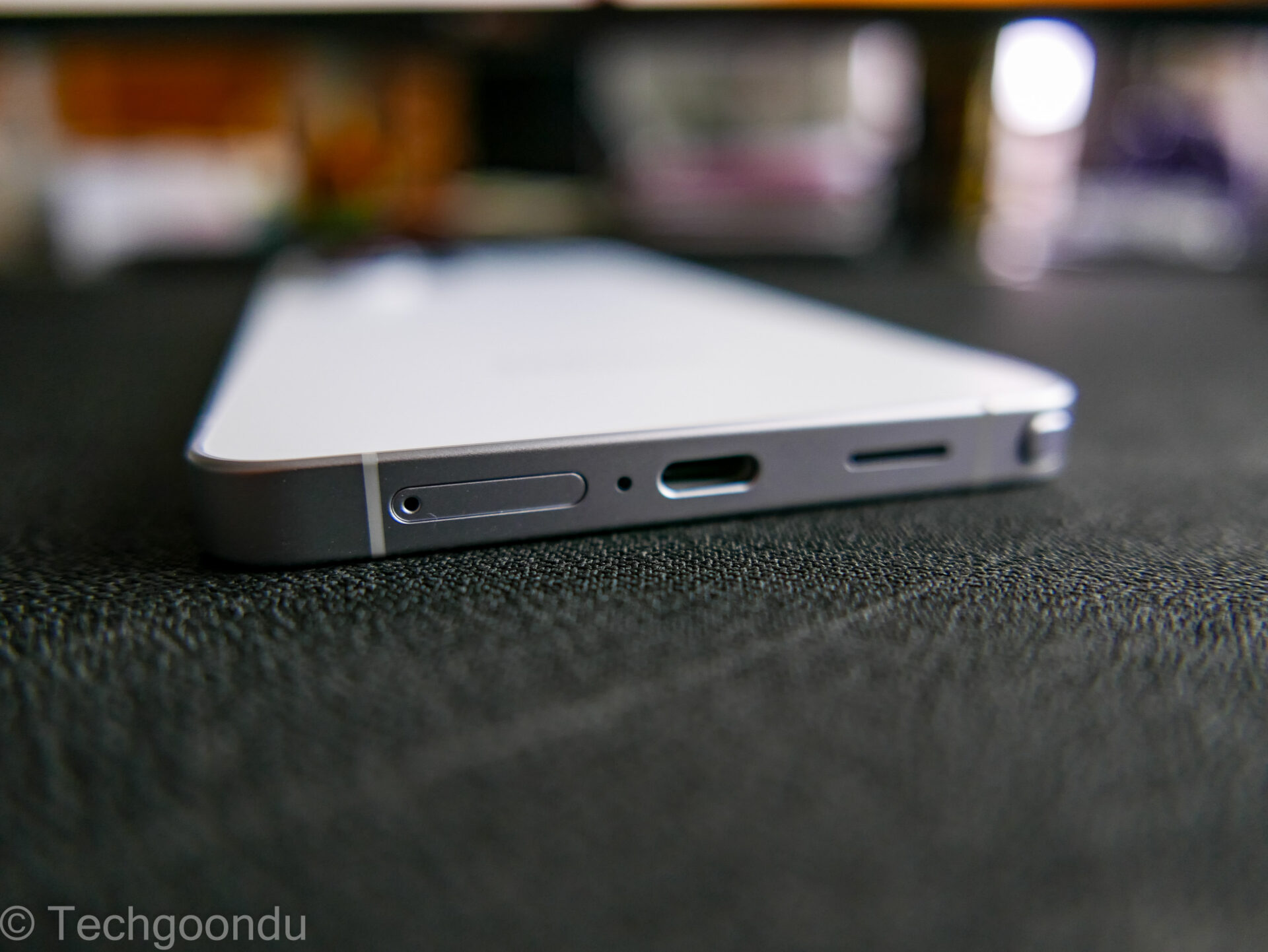
This year, the Galaxy S26 Ultra only looks slightly different. The most obvious – if you look carefully – is the camera cluster. It is now raised from the phone surface, in line with the design on Samsung’s foldable phones.
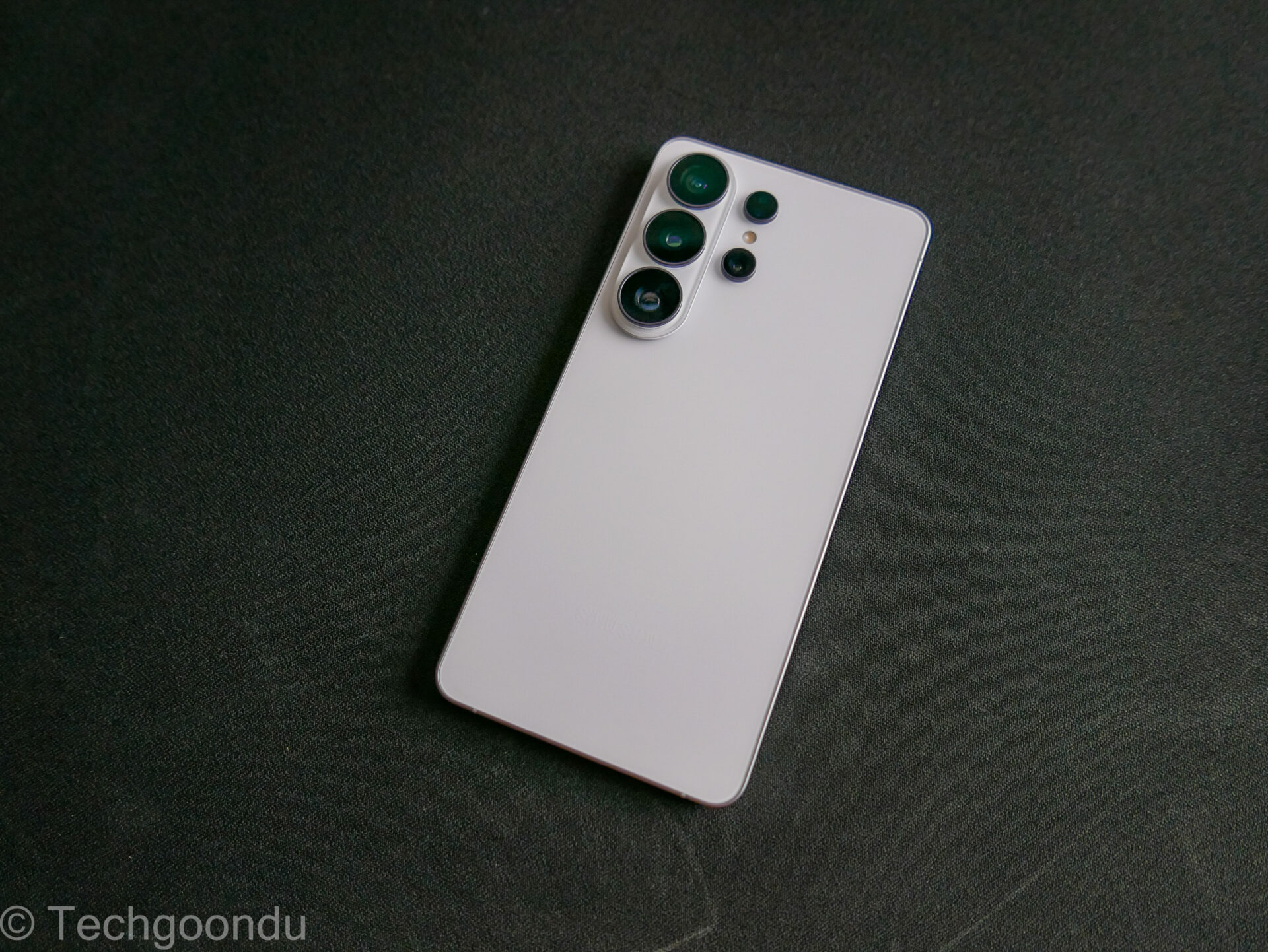
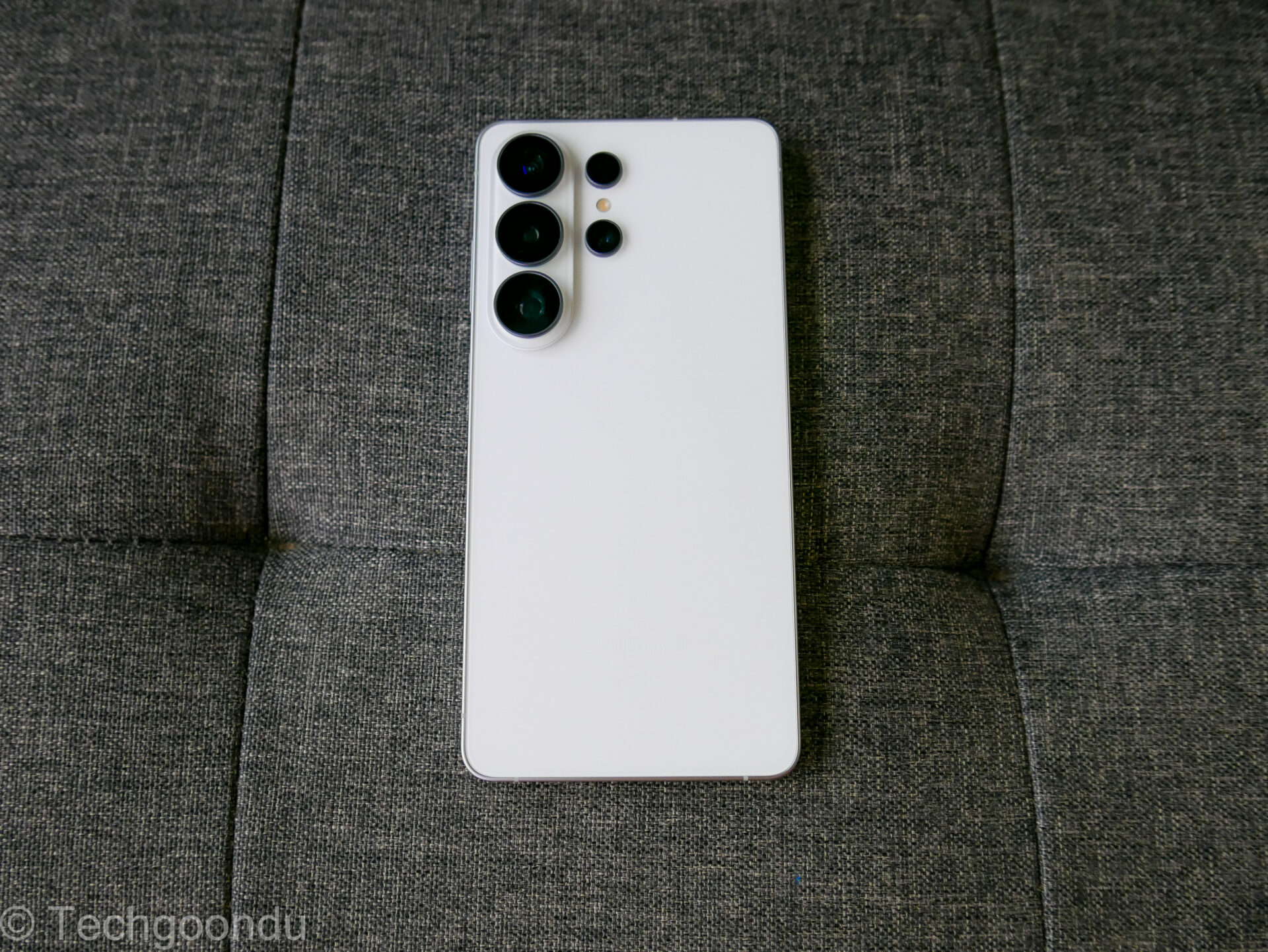
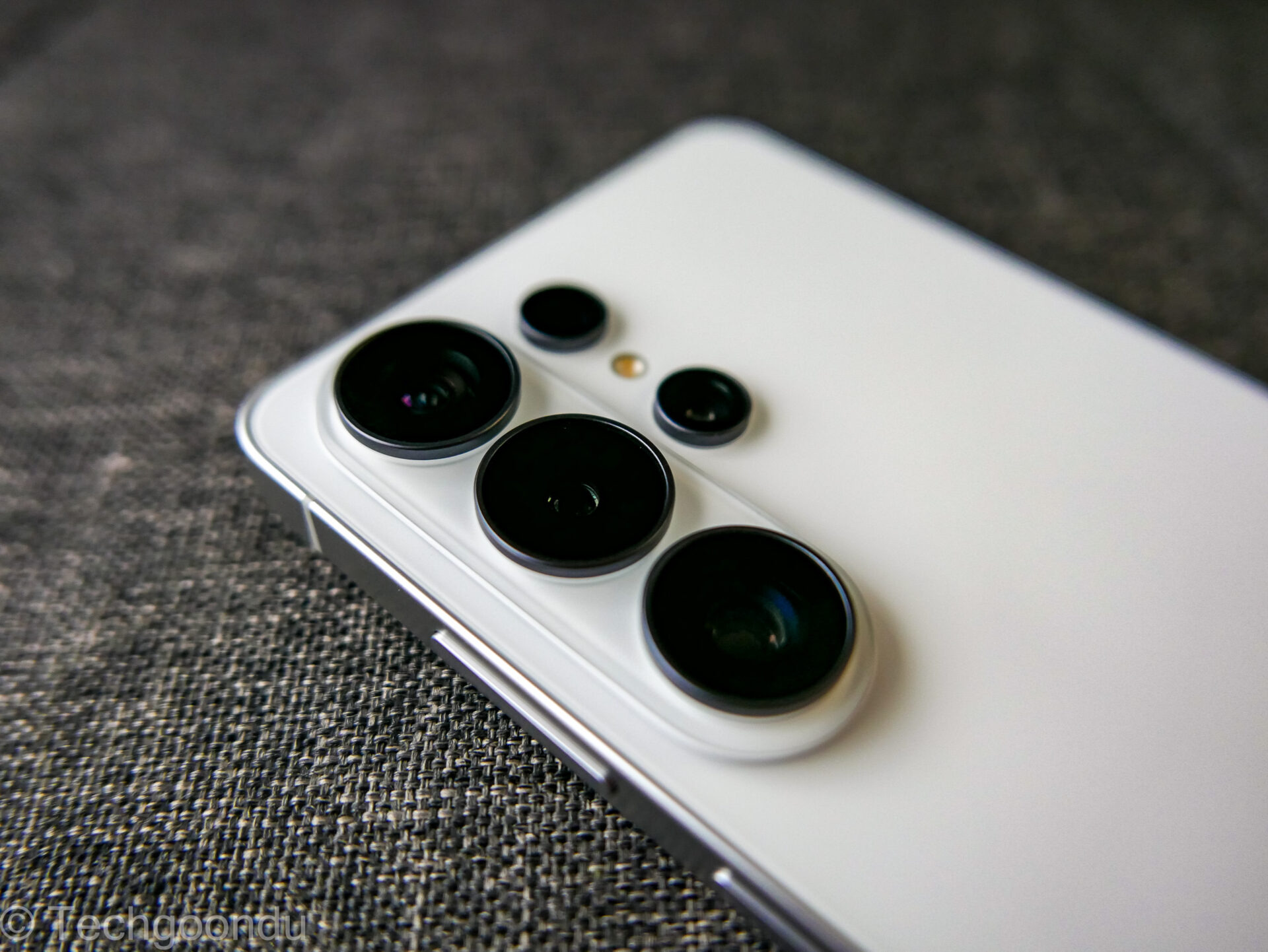
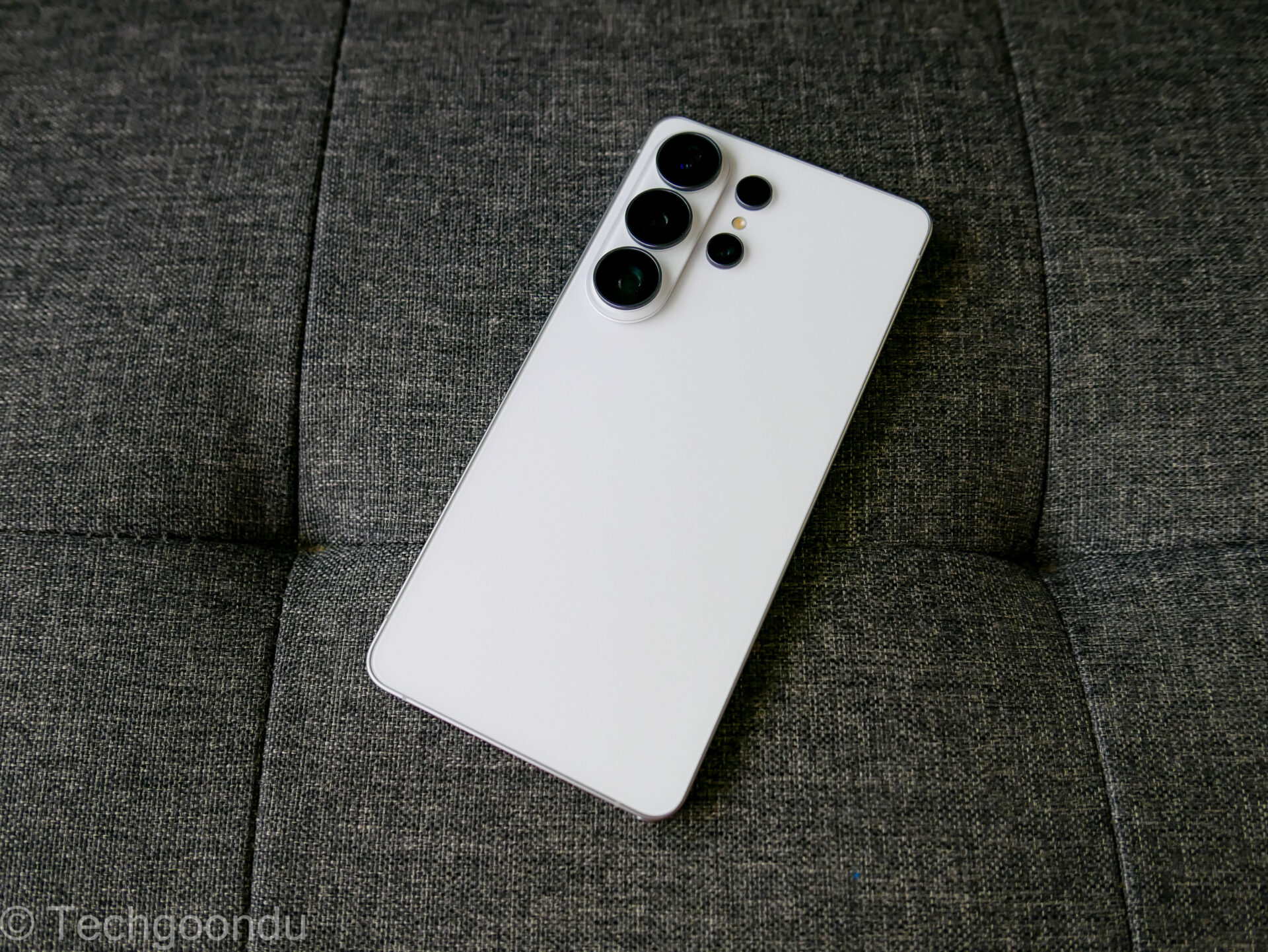
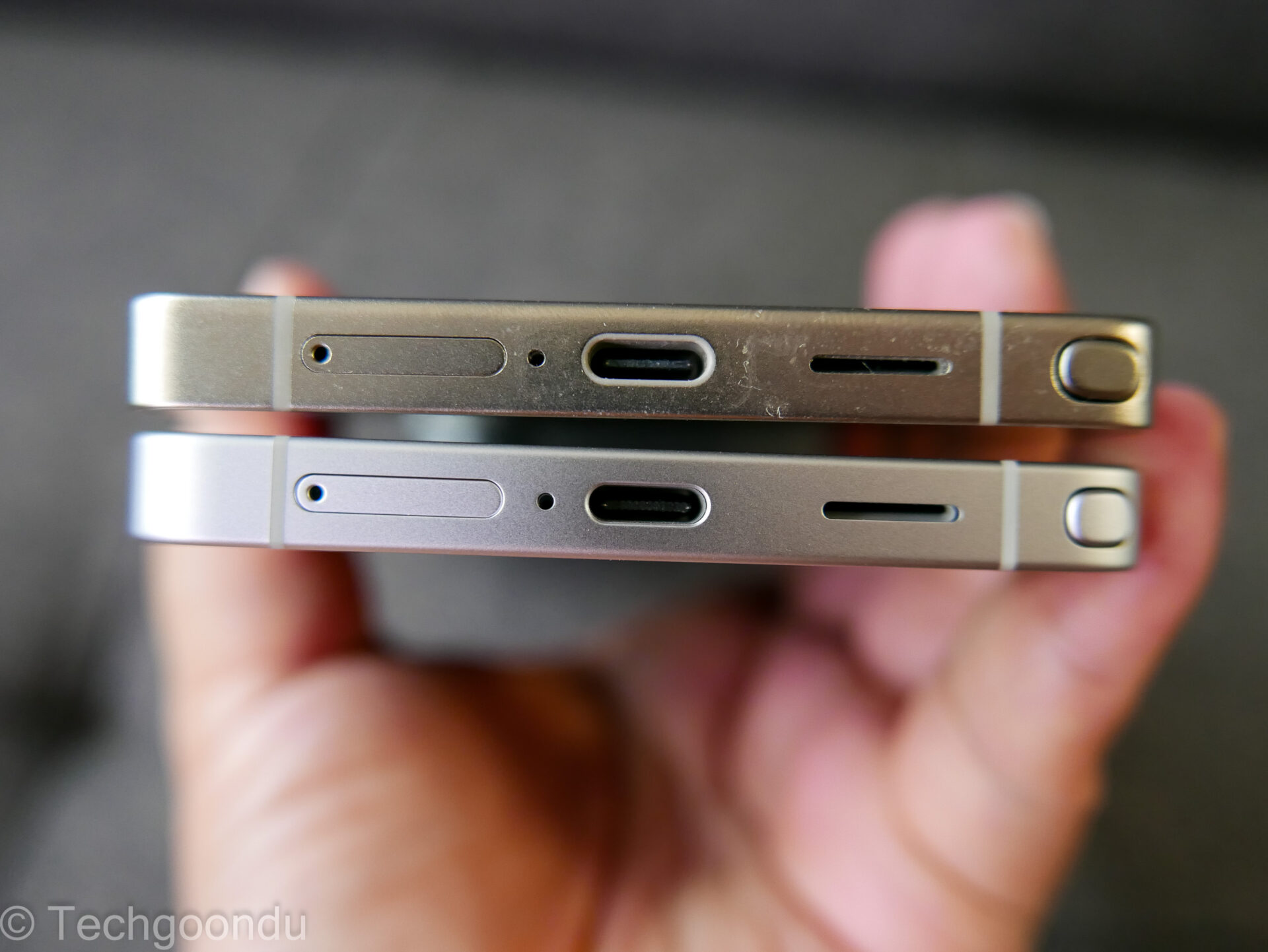
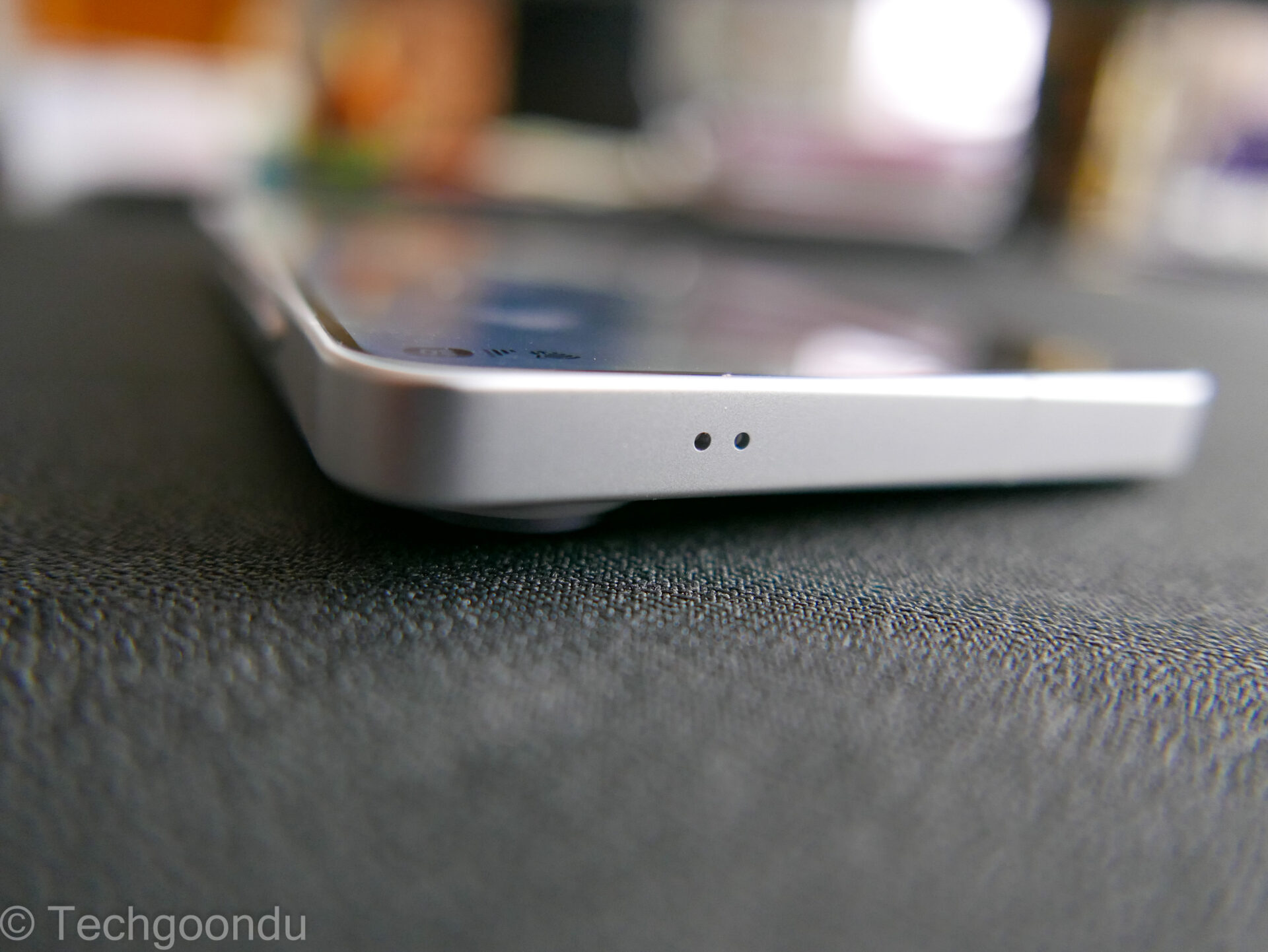
Plus, the corners are very slightly more rounded than last year’s, though you really have to compare the phones side by side to see the difference.
Otherwise, in terms of looks, the new phone appears like last year’s. The excellent 6.9-inch AMOLED 2X screen retains the same 2,600-nit brightness.
The new phone is a feather lighter at 214g, but it’s hard to tell the 4g difference from the older phone. The new phone is also a whisker slimmer – 7.9mm versus last year’s 8.2mm.
All this is not to say the Galaxy S26 Ultra isn’t nice – I love my own phone and the new old felt just as assured in my hands, as I tried it out in the past couple of weeks.
What you might have heard a lot about is the new privacy filter. Only available on the Galaxy S26 Ultra and not the other Galaxy S26 phones, the new feature is handy to keep out kaypoh eyes in a public place.
Pull down the menu, tap to turn on the feature and it prevents busybodies from seeing your screen from the side. It doesn’t sound terribly innovative but it’s very useful, especially when you’re keying in passwords, say, on a plane or in a train.
Samsung has built in some nifty controls that let you automatically turn on the privacy screen when you are keying in a password or when notifications come in.


You can also customise the privacy screen for specific apps, like your banking app, for example. Quite a bit of thought involved in a first-time feature, to be honest.
Notably, the technology is built into the OLED display. This means it’s controlled at the pixel level, which lets you manage which parts of a screen is protected, for example.
Perhaps more importantly for Samsung, this also sets the new phone apart from last year’s model since you can’t simply upgrade the software to get the privacy screen.
Besides this, the Galaxy S26 Ultra also gets an upgrade in its engine under the hood. Useful, since so much AI is supposed to run on the phone.
The Qualcomm Snapdragon 8 Elite Gen 5, the latest from the chipmaker, is as fast as you’d get on an Android phone now.
Even if you’re doing all the voice transcribing and image editing on your phone, this zippy chip and the 12GB (or 16GB) memory onboard shouldn’t be an issue.
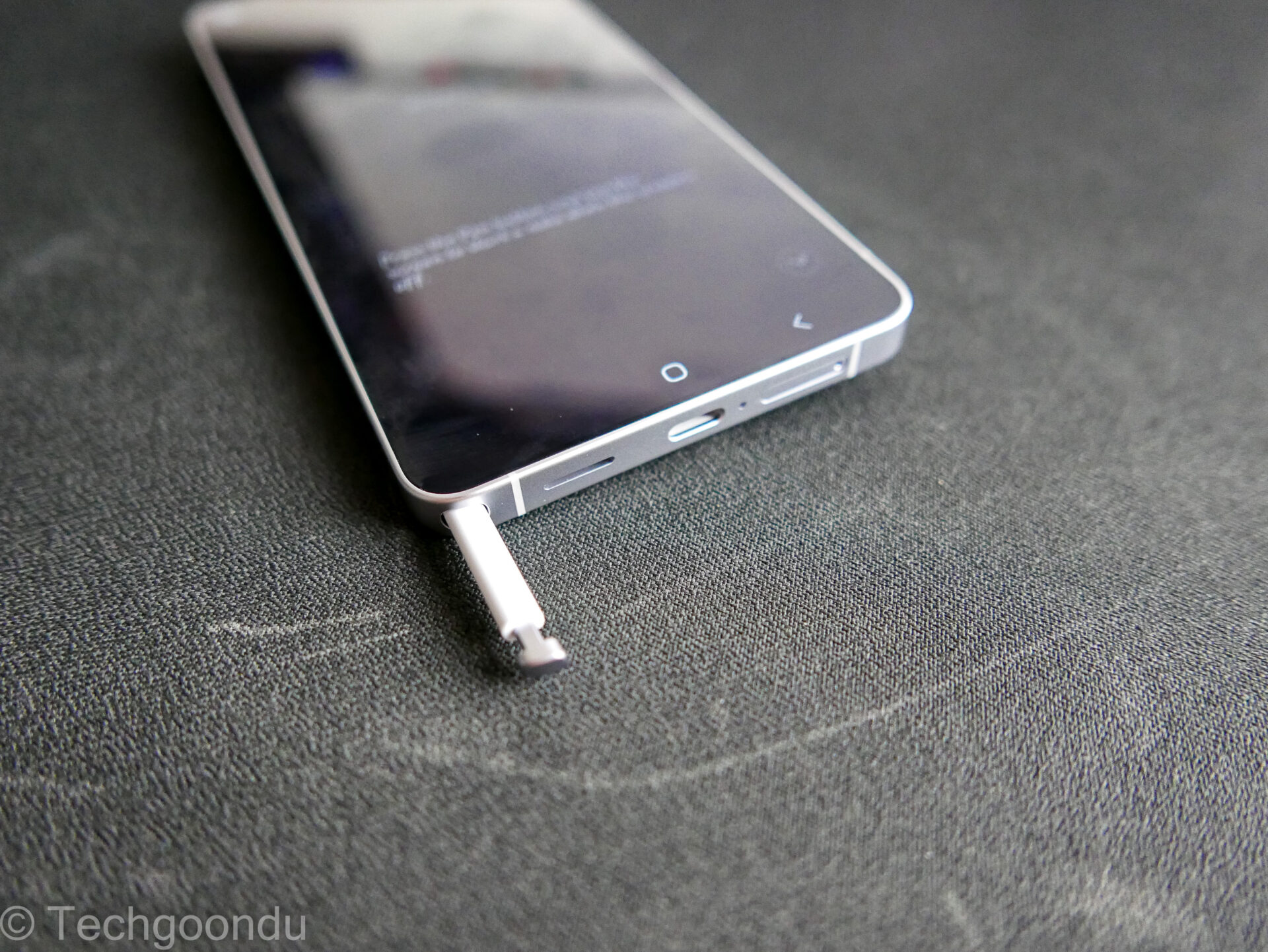
Indeed, one of the big things about the new Samsung phone is how deeply integrated AI is in many of its functions. You can still poke around the menus, as I do, but then there are faster ways now.
Samsung’s own AI assistant Bixby, which at one point might have been replaced by Google Gemini, is back this time to help you navigate the phone.
Ask it to look up the privacy display, for example, and it gets you to the right place without navigating through all the settings and menus.
The built-in Now Brief AI dashboard also gives you personalised information in a single screen. This includes news on stuff you’ve been reading up, say, the Iran War, and suggestions to continue playing music tracks you had started earlier in the day (even on another Android device you’ve signed into).
This isn’t a surprise since Gemini is well integrated in the new phone, as part of Samsung’s longstanding partnership with Google.
What you might also use often is the good old “circle to search” feature that’s been around for a couple of years. It lets you look up just about anything you see on your screen – text, images, anything – to give you an idea of what you’re seeing.


And then, there is Perplexity as well. Out of the box, you get the app that lets you connect to various large language models, such as GPT, Gemini or Claude (assuming you’ve paid for them).
How well this connects up the various tasks on your phone and acts like a smart agent is still unclear but if Samsung can use it learn your usage patterns and become a smart assistant, it could be a game changer.
For now, though, most folks will likely see it as another chatbot they can tap on for queries.
Besides the headline features, the Galaxy S26 Ultra also gets a minor update to its main cameras in the rear. No big changes here but useful improvements, nonetheless.
The main 200-megapixel camera now offers f1.4 exposure, improving on the previous f1.7. This lets in more light for better images.


The 50-megapixel 3x optical zoom camera also gets better from f3.4 to f2.9. The remaining 10-megapixel optical zoom camera remains at f2.4, as does the 50-megapixel ultrawide camera at f1.9.
From my quick snapshots, the cameras perform as you’d imagine for a 2026 flagship phone. Even in challenging dark scenes, you don’t get poor unusable photos as long as you keep your phone stable when firing.

The slightly bigger amount of light let in surely improves night shots and those taken in dim lighting in a restaurant, for example.


When it comes to night shots, you can expect the Galaxy S26 Ultra to be ready for low-light shots. It doesn’t seem to get over-aggressive with lighting up the night sky, as I’ve seen in earlier phones, and it does a good job with difficult settings with different light sources in play.
The zoom, as before, is surprisingly powerful, perhaps up to 10x. Beyond that, it’s really more for fun – pictures captured at that quality aren’t that fantastic, as you’d imagine. For a phone this small, there is a limit to the size of the lens, after all.







Do I detect a big improvement? I’m not sure but the standard – thanks to AI’s help as well – has already been pretty good in recent years.
By no means is this saying that the Galaxy S26 Ultra isn’t a great camera phone. Certainly, it helps you find better shots through framing and timing rather than focus on basics like getting the white balance right – it’s a bit like flying by wire.
So, should you buy Samsung’s new flagship phone? As a recent owner of last year’s Galaxy S25 Ultra, I find it hard to justify an upgrade.
I think the same would apply to folks who aren’t in a hurry to find a replacement, either because of performance slowdown or battery issues.
Speaking of that, the new phone does support faster charging (60W wired and 25W wireless, over the previous 25W and 15W). At least that’s one handy upgrade, even though the battery pack is the same 5,000mAh as last year.
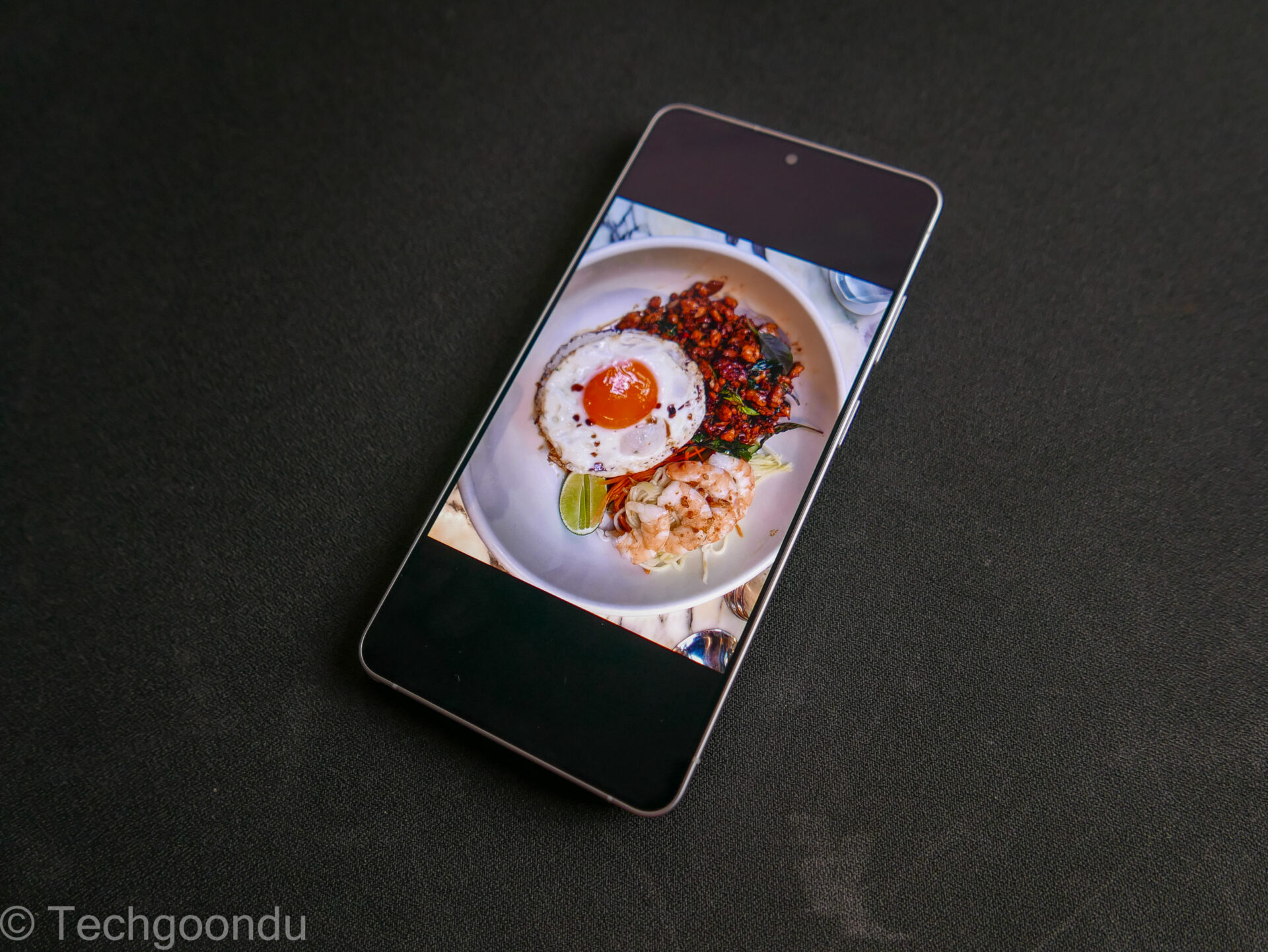
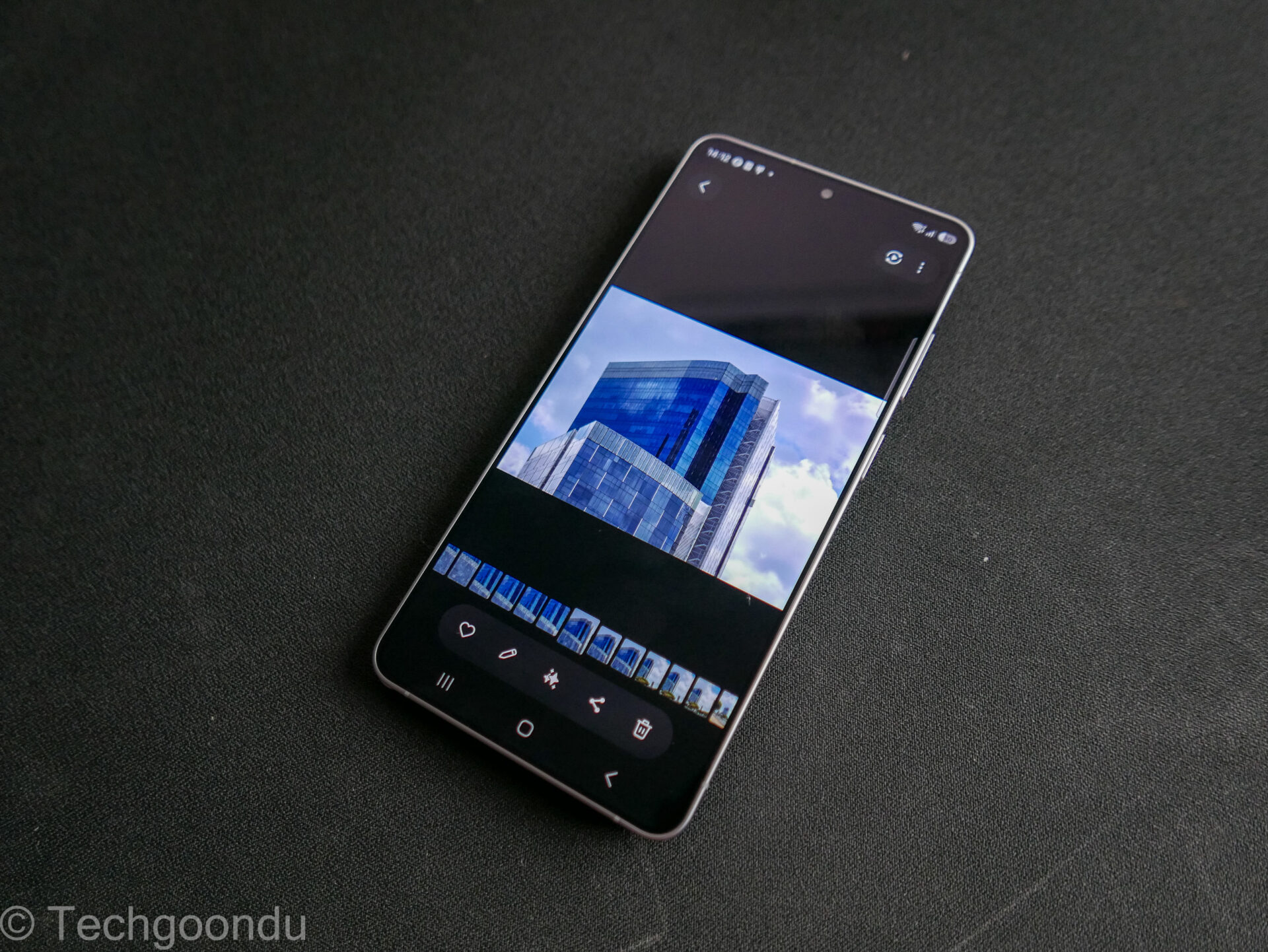
This means the new Galaxy S26 Ultra is likely for owners of phones older than, say, the Galaxy S24 Ultra. It’s for those want to jump into the AI bandwagon more or simply to update to the latest from Samsung.
The review unit I have is the “basic” Galaxy S26 Ultra with 12GB memory and 256GB storage, which goes for a princely S$1,828. Prices go past S$2,000 for more memory and/or storage, which I think is too much, since you can count on the cloud as well.
The good news you’d likely get discounts on the Samsung site as well as from your friendly retailer, so make sure you get a better deal than the high sticker price.
Or you could wait, as I did, for some months for the prices to drop. I bought my Galaxy S25 Ultra for under S$1,100 last November.