If you’ve always wanted pictures that are a step up from your smartphone, the Canon EOS R8 Mark II might be the big upgrade to a full-frame mirrorless camera that you are looking for.
Yes, it’s a lot more gear to carry on the road, but like other mirrorless cameras, the new Canon camera has a larger sensor to capture better photos and videos while giving you the flexibility changing up lenses for each shoot.
Measuring 131.4 x 90.0 x 79.7mm and weighing about 546g with battery and memory card, the EOS R8 Mark II is quite compact. It fits easily into a bag, and I had no issues carrying it around town in a mid-sized sling during my testing.
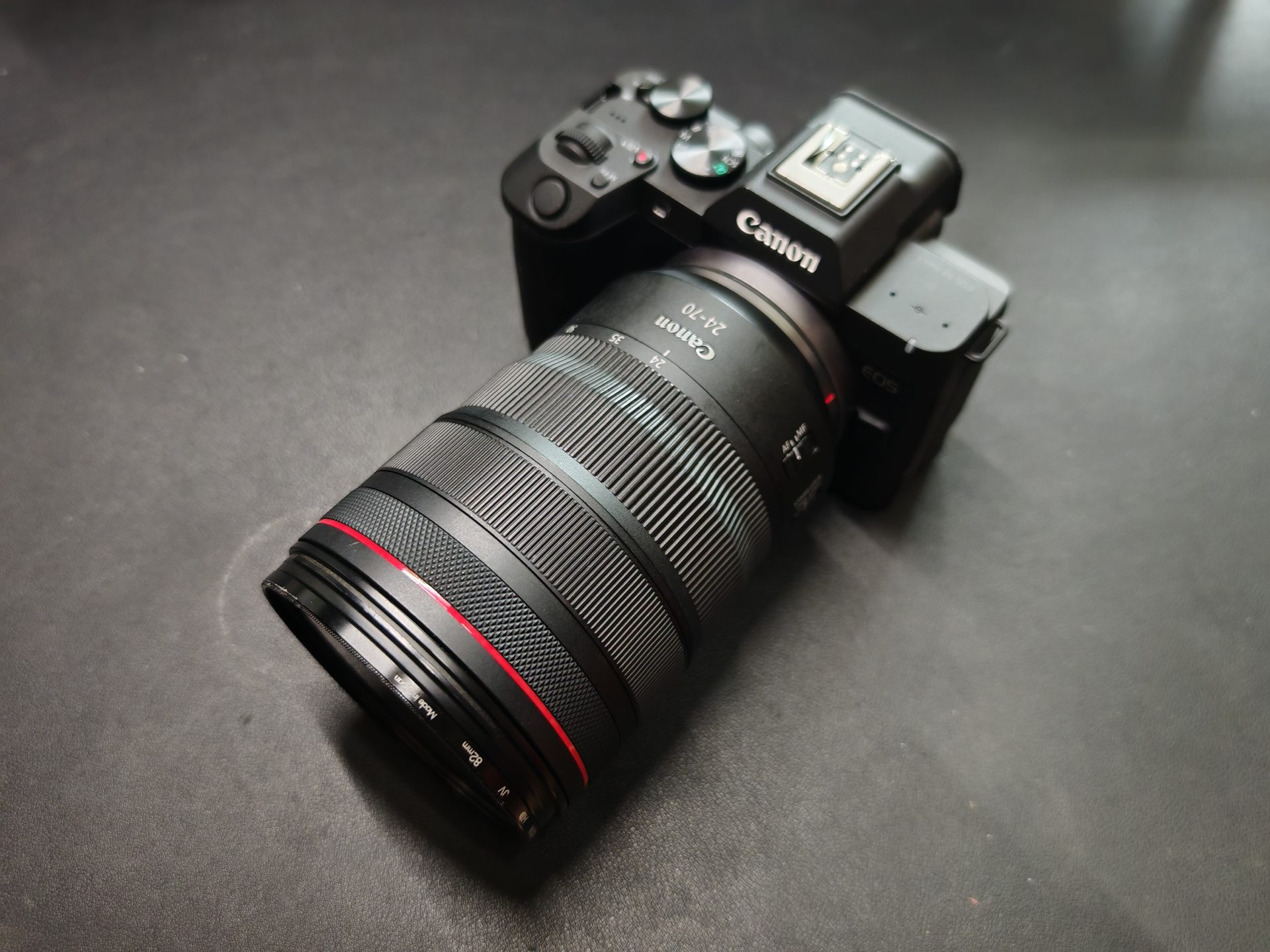
For those with larger hands, the EG-E2 grip extension, available separately for S$119, is highly recommended, especially when using a heavier lens like the RF 24-70mm f/2.8L IS USM.
Actually, rather than making users spend extra on an accessory, Canon should have just built that extra height into the camera from the start to make it more appealing to more people.
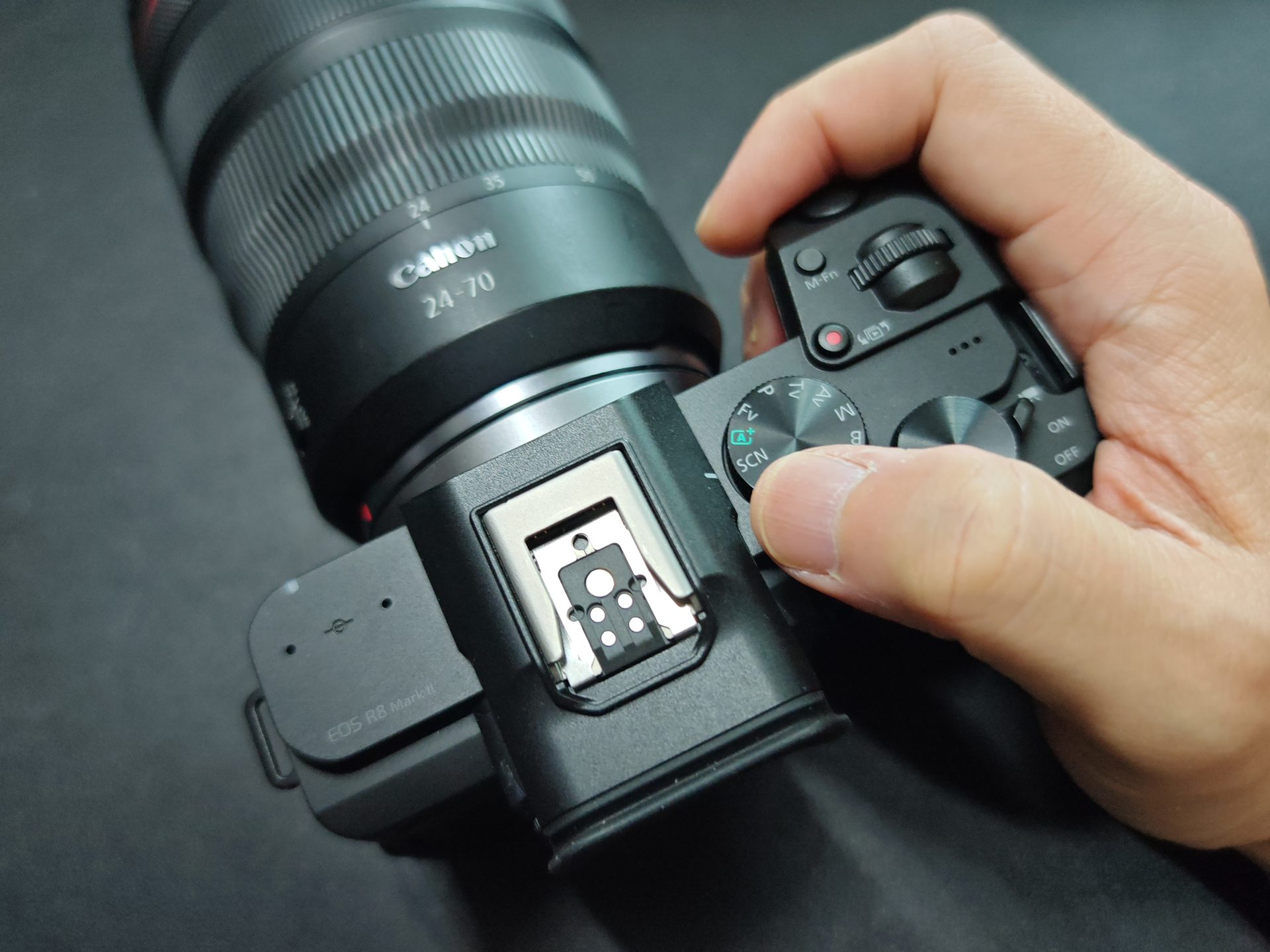
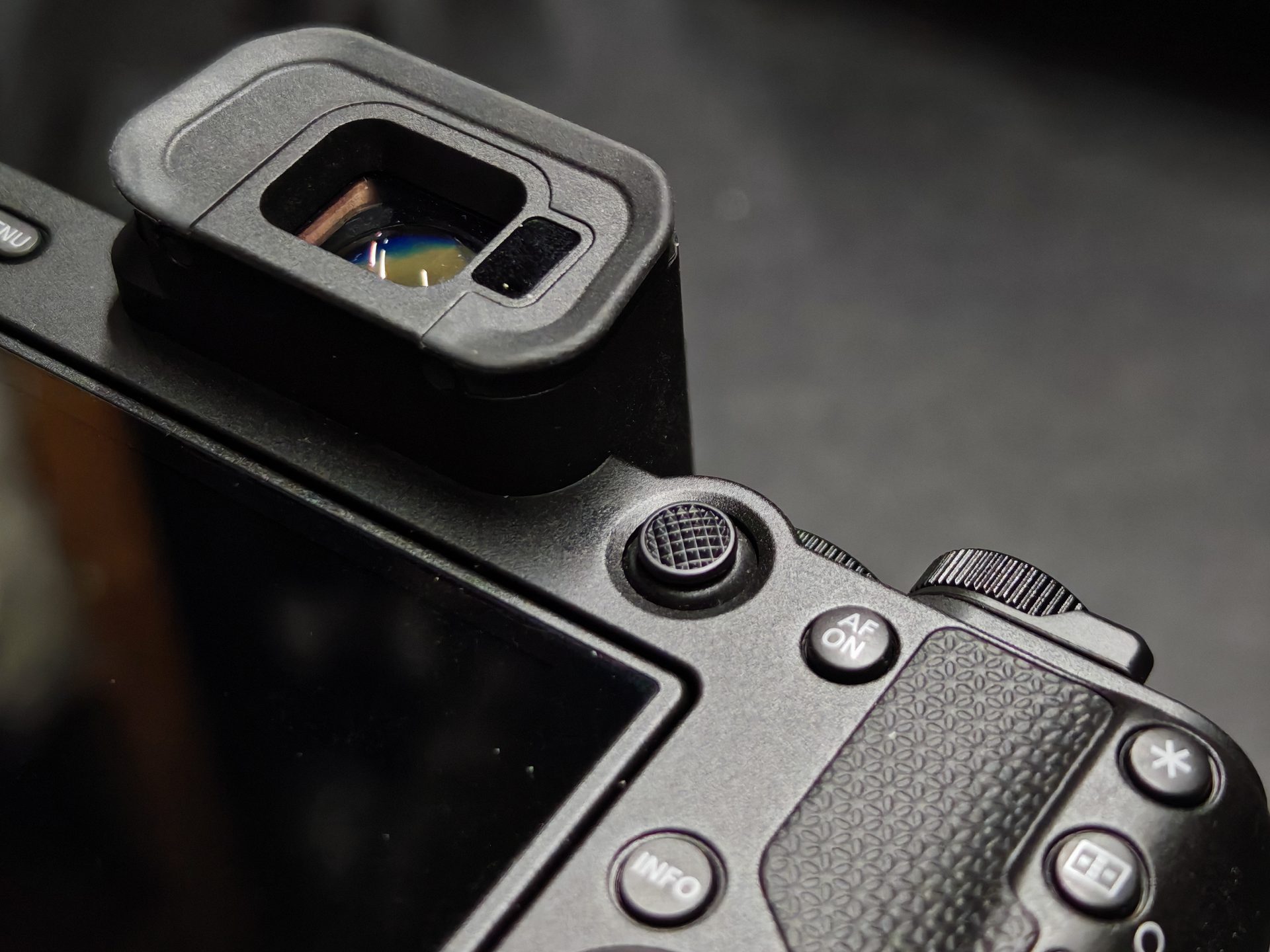
The buttons and levers are easy to reach with the right thumb, and it was quick to set the camera up for a shoot. New to the Canon EOS R8 Mark II is a joystick that falls naturally under the right thumb when looking through the viewfinder. So, nudging the autofocus box to the required position is much more intuitive when compared to the four-way button on the older model.
My only gripe is the Menu button, which sits on the left side of the camera and that forces me to use my left hand to activate it. One-handed operation would be preferable, but to be fair, most users will not dive into the menus that often once the camera is set up properly.
At the heart of the new camera is a 24.2MP full-frame CMOS sensor. With the new processor, the camera can shoot at up to 40 frames per second using the electronic shutter, provided you have a fast UHS-II SD memory card.
The EOS R8 Mark II is clearly designed with beginners in mind, as shown by its single SD card slot. Make sure your image files are protected by using reliable SD cards such as SanDisk Extreme Pro or Sony Tough cards for added peace of mind.
The new Canon camera also comes with pre-continuous shooting, which starts recording 0.5 seconds before the shutter is released. This gives you a better chance of capturing the decisive moment. The internal buffer has also increased, so the camera can store more image files before it slows down.
These are great improvements for those into sports and wildlife photography. In my own tests, even with a cheap SD card, the camera did not stutter when saving RAW and JPEG files simultaneously in High continuous shooting mode.
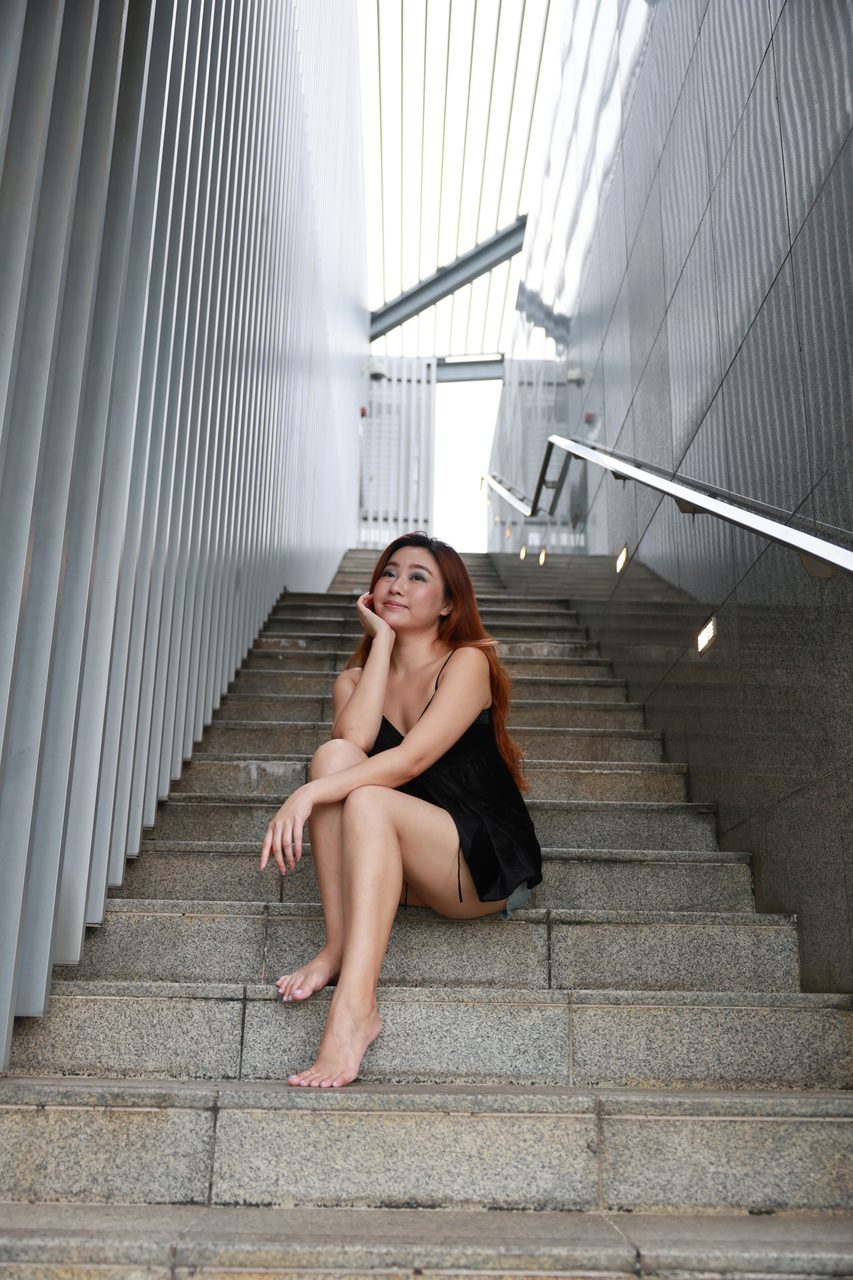
The Canon EOS R8 Mark II’s video capabilities are good for casual shooters and content creators. It records up to 4K 60fps, with the option to shoot slow motion at 180fps in Full HD. It also helps that the 4K footage is derived from 6K capture, ensuring better overall video quality.
The camera has both microphone and headphone jacks, so you can use an external microphone and monitor your audio properly. It is a pity that it only comes with a Micro-HDMI port, which is not as robust, so be aware if you are thinking of plugging in an HDMI cable.
Shooting at slower shutter speeds is also made easier thanks to the improved vibration control from the in-body stabilisation (IBIS) system, which offers up to 7.5 stops with the right lenses. This is great when setting up a tripod is not practical or not allowed.
Connection to Canon’s Camera Connect smartphone app is stable and fast when transferring photos, but the same cannot be said for remote shooting. It does not react as quickly when acquiring focus from the smartphone, even when the phone is right next to the camera. It is best to use a wired or wireless remote shutter system instead.
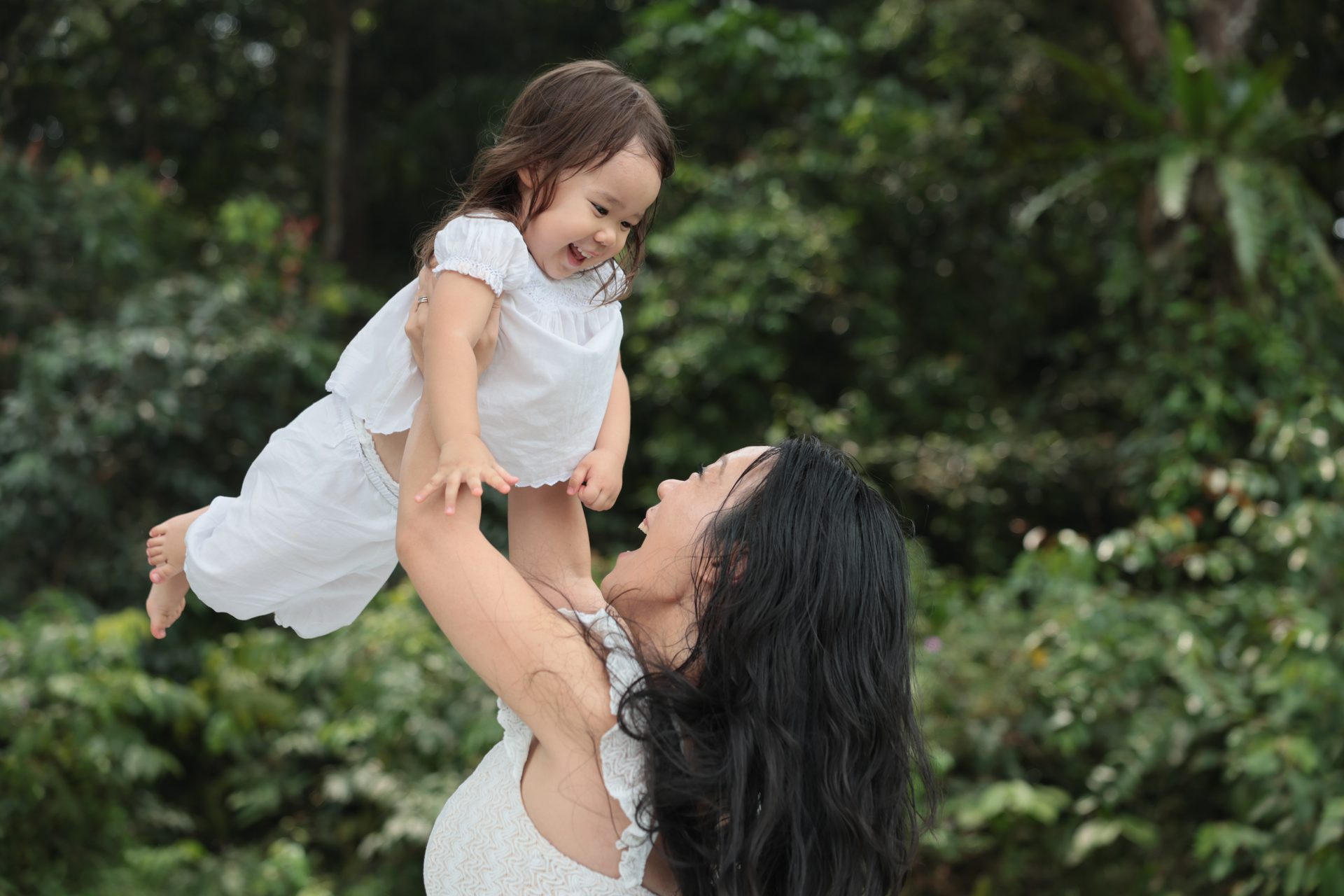
Content creators who like to showcase products in their videos can activate the Movie for Close-up Demos mode under the SCN or Special Scene menu. The camera is able to focus on the product quickly and back to the subject without missing a beat.
Starting from S$2,499 without lenses, the Canon EOS R8 Mark II is much more affordable than the EOS R6 Mark III at S$3,759. If professional features such as dual card slots are not high on your list of considerations, the cheaper camera should be good enough.
To get the best out of the new Canon camera, good professional lenses such as the Japanese company’s 24-70mm f/2.8L or 15-35mm f/2.8L are larger than the R8 Mark II itself. Unfortunately, they also negate much of the camera’s compact size advantage.
What’s more, third-party lens options for the RF mount are also still rather limited, which is something to consider if budget is a concern when growing your hobby with this camera body.
The Canon EOS R8 Mark II is a capable camera that will appeal to seasoned photographers, despite being positioned as a full-frame model for beginners and intermediate users.
It delivers solid performance in a compact body that is easy to pack for your next holiday without taking up too much space in your camera bag if you use the company’s consumer lenses.