The Nikon Z5IIC, the latest in the Z5 full-frame camera series from the Japanese manufacturer, is aimed squarely at those seeking an upgrade over smartphones and compact cameras with smaller sensors to shoot better pictures.
The new camera comes with a full-frame sensor for better images. It also offers the flexibility of interchangeable lenses to suit different shooting scenarios and genres.
Out of the box, it certainly looks the part of a serious photographic tool. The silver and black body harks back to classic 1980s cameras – a style that remains popular among newcomers and experienced photographers alike.
The ergonomics of the Nikon Z5II C are quite on point too. The large, chunky grip provides a firm and comfortable hold, whether paired with small prime lenses or longer, heavier zooms that offer more shooting options.
The buttons and levers on the right side are also conveniently placed around the fingers and thumb, making it easy to switch between photo and video setups. Switching between different shooting priority modes isn’t hard, either.
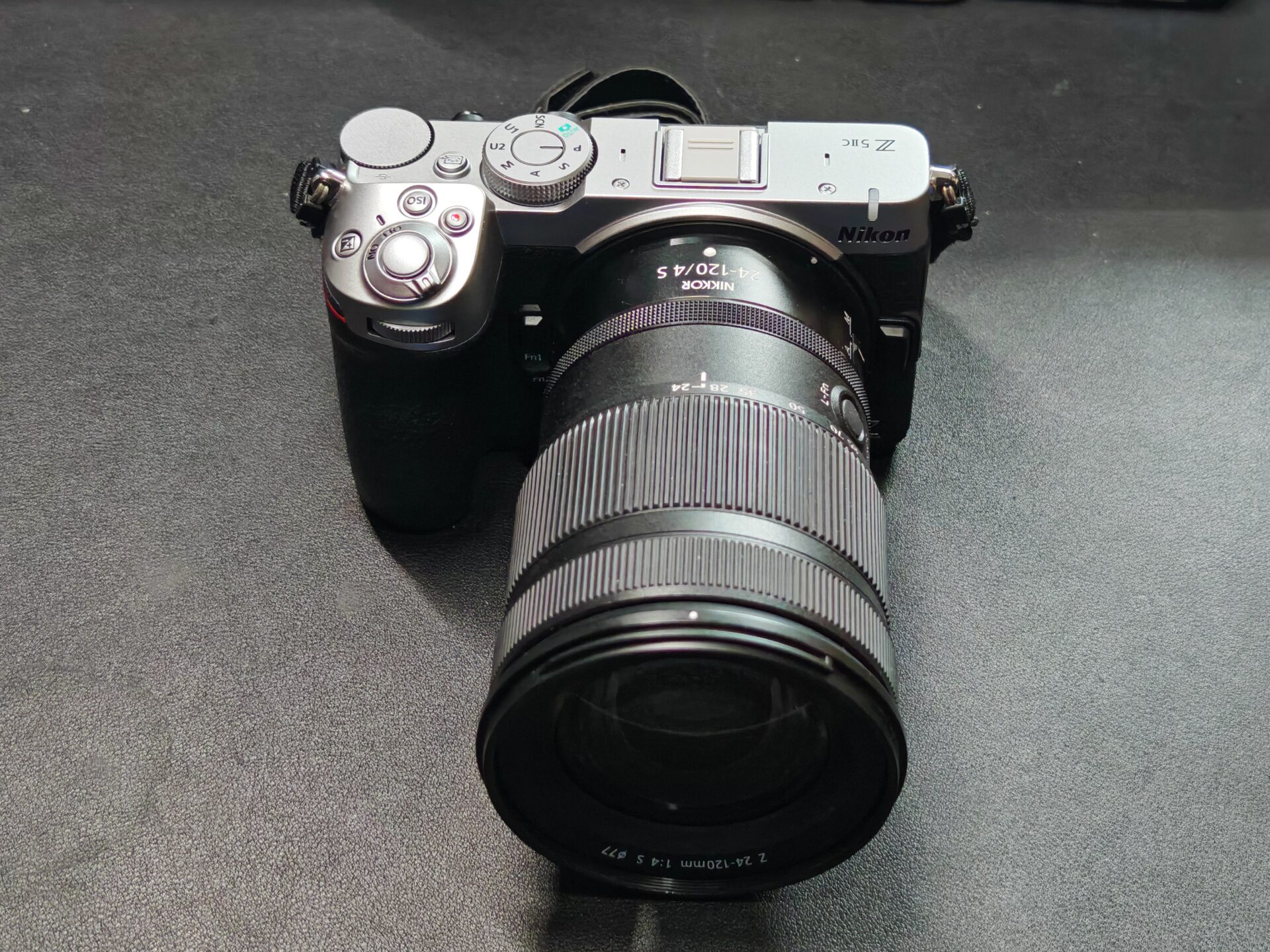
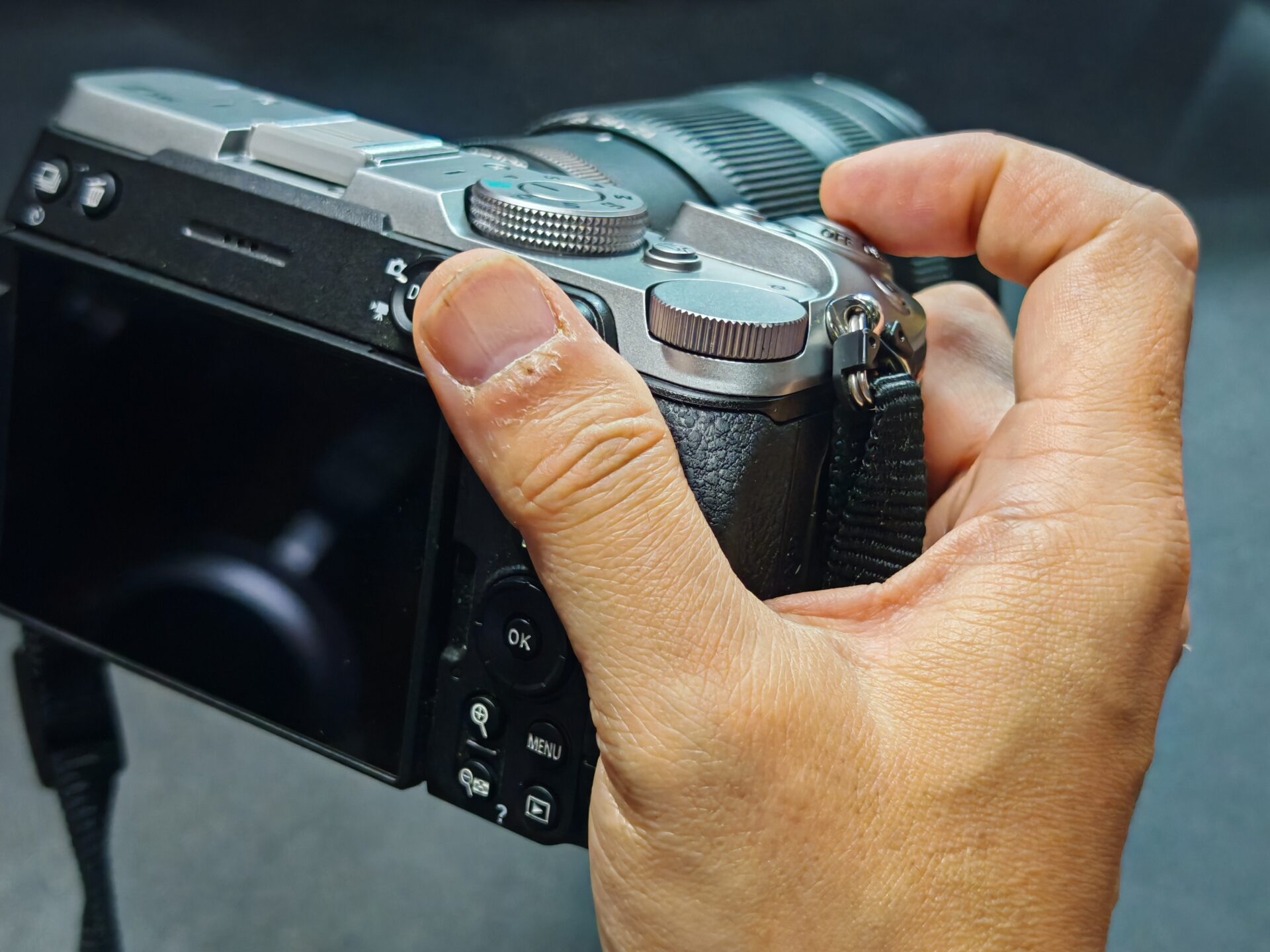
To make the S$2,199 (body only) camera more enticing while keeping its size and 620g weight, Nikon has left out several features found on the earlier Z5 II.
The most obvious omission is the electronic viewfinder, which I greatly missed when framing shots under the blazing sun in Xinjiang’s desert and mountain valleys. I often found myself instinctively bringing the camera up to my eye, only to realise there was no viewfinder to look through.
Moving the autofocus point also takes a little getting used to. This has to be done using the four-way directional button below the thumb or by swiping across the 3.2-inch touchscreen. Neither method is quite as intuitive as having a dedicated joystick controller.
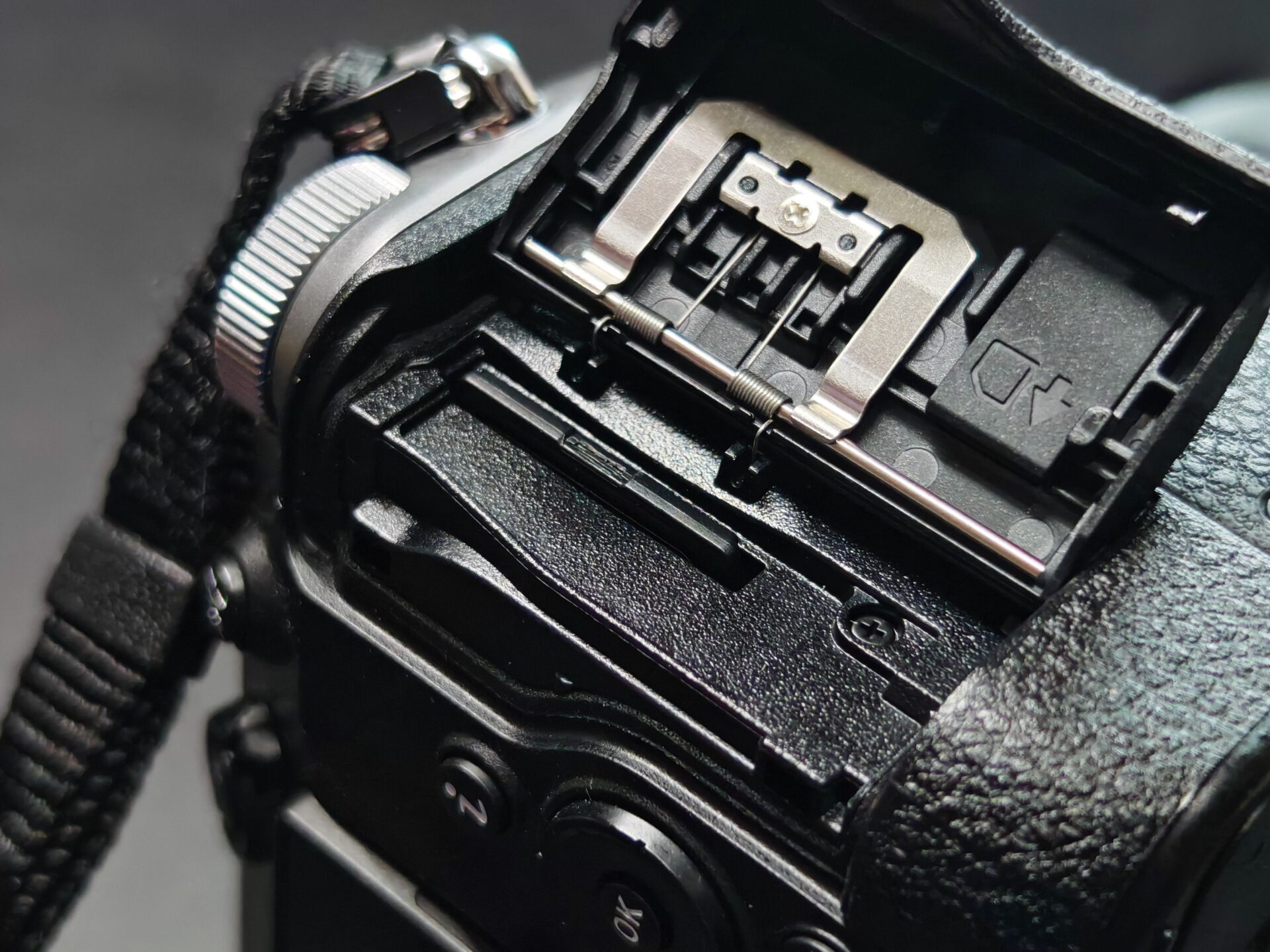
The lack of a secondary card slot may also be a concern, especially when using the camera on a once-in-a-lifetime trip where there is no easy opportunity to return and reshoot.
With no in-camera backup, I’d recommend making a copy of the images and videos on the MicroSD card at the end of each day. Use more reliable MicroSD cards such as Sandisk’s Extreme Pro or Sony’s Tough cards, just to be sure.

Nikon has added a new Fish Detection mode for autofocusing. The camera’s fast AF performance made it possible to capture many a “Kodak moment” during my walk around the Kashgar old city in China. While there are times when the camera did miss AF, they were few and far between.
Learners will also find the camera easier to use with its 15 different scene modes, such as Food, Sports and Autumn. These modes automatically adjust the camera settings to suit different subjects and shooting conditions, making it easier to get the desired results without having to understand the various exposure settings.
They are not perfect, to be sure. The colours can be a little overbearing at times using the Scene modes so some care is needed when using them.




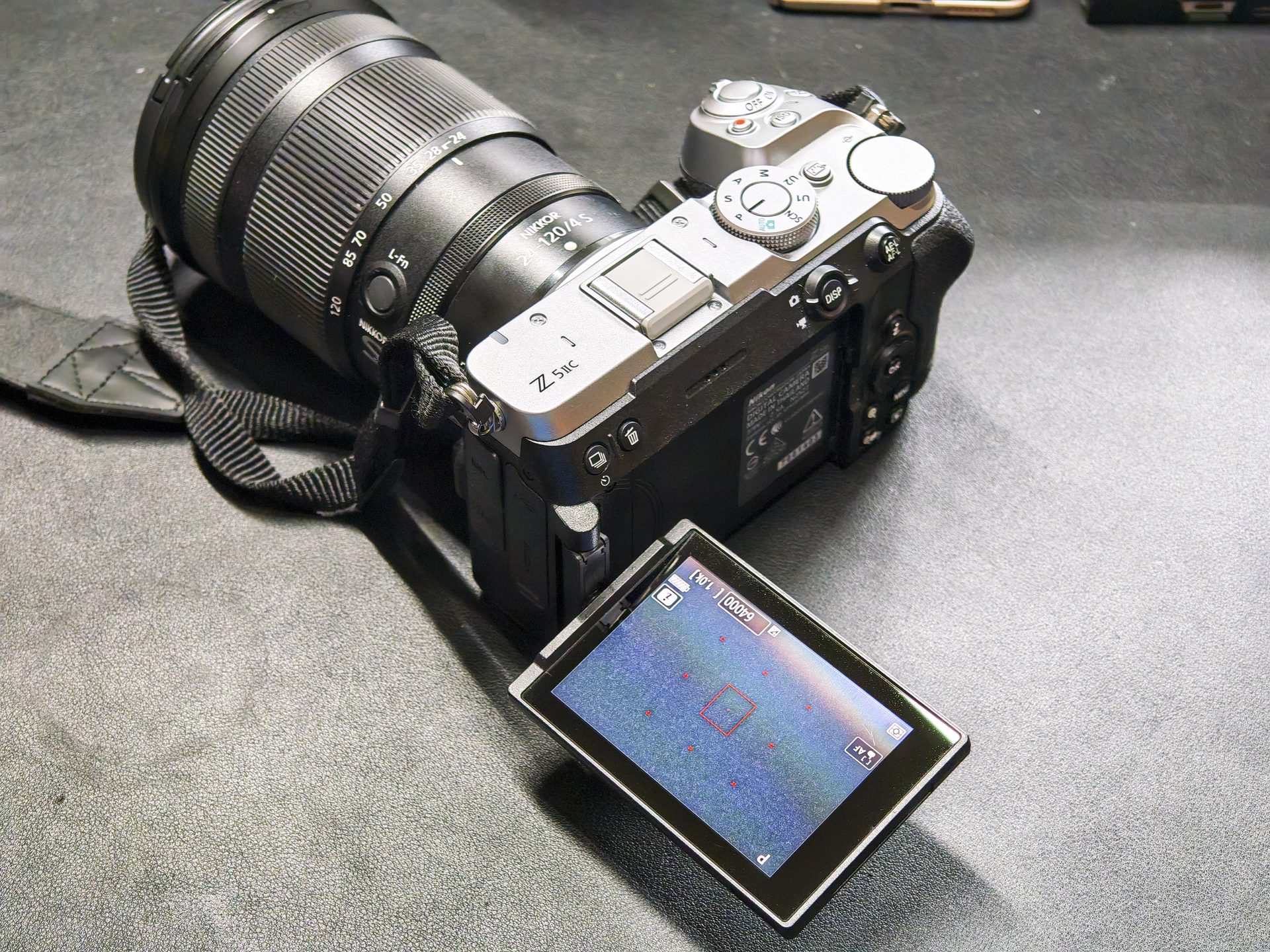
The Nikon Z5II C is clearly designed to work for hybrid users looking to shoot both videos and still images. This is evident from the fully articulating screen, which makes shooting selfie vlogs much easier.
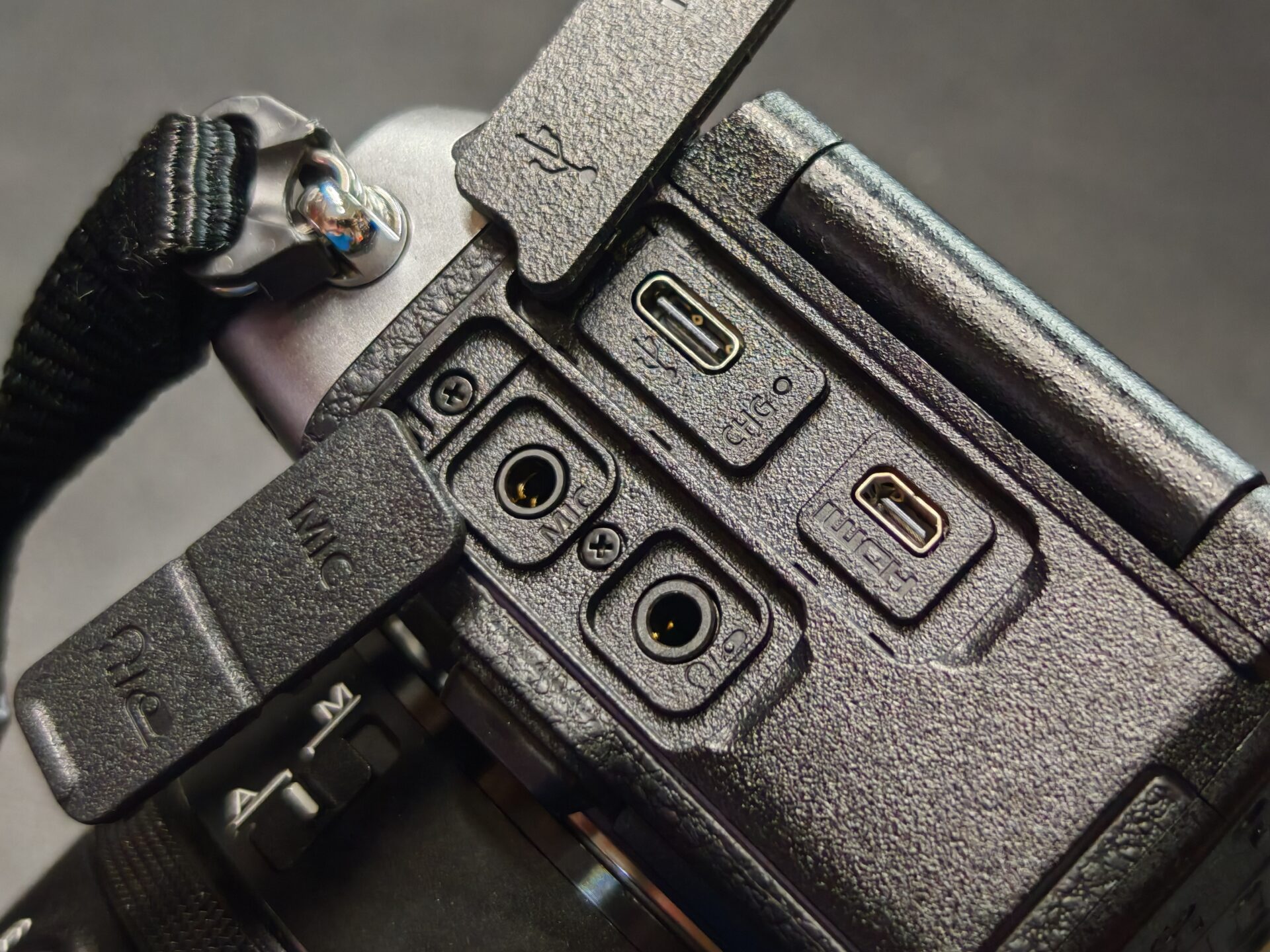
Audio recording is reasonably clear, although a wired or wireless external microphone would be a better option for picking up voices more clearly. The camera also comes with 3.5mm audio ports and a Micro HDMI port for connecting external monitoring devices.
Photos and videos from the Nikon camera’s 24.5MP Backside Illuminated sensor retain the classic warmth that seasoned photographers have come to know. Paired with a 24-120mm f/4 Z-mount lens, the camera produces sharp images, as seen in the photographs taken during my trip to Xinjiang.
Shooting portraits at the 120mm end with a constant f/4 aperture produces pleasing background bokeh while keeping the subject sharp.
The 24mm wide end is also useful for general landscape photography, although it can be limiting for night sky photography, particularly when shooting the Milky Way that requires both wider view and aperture.
For those who prefer a different colour look, filters are available to achieve the desired effect. Nikon’s NEF RAW files are also well supported by editing software such as Adobe Lightroom and Luminar, offering greater flexibility to fine-tune colours during post-processing.
On the whole, the Nikon Z5II C is a capable camera for both photography and video. It’s a clear upgrade for folks who want better results from even expensive flagship smartphones.
However, getting the most out of the camera requires investing in suitable lenses such as the Nikkor Z 24-120mm f4 S (S$1,749), which will add considerably to the cost beyond Nikon’s kit packages that start from S$2,649.