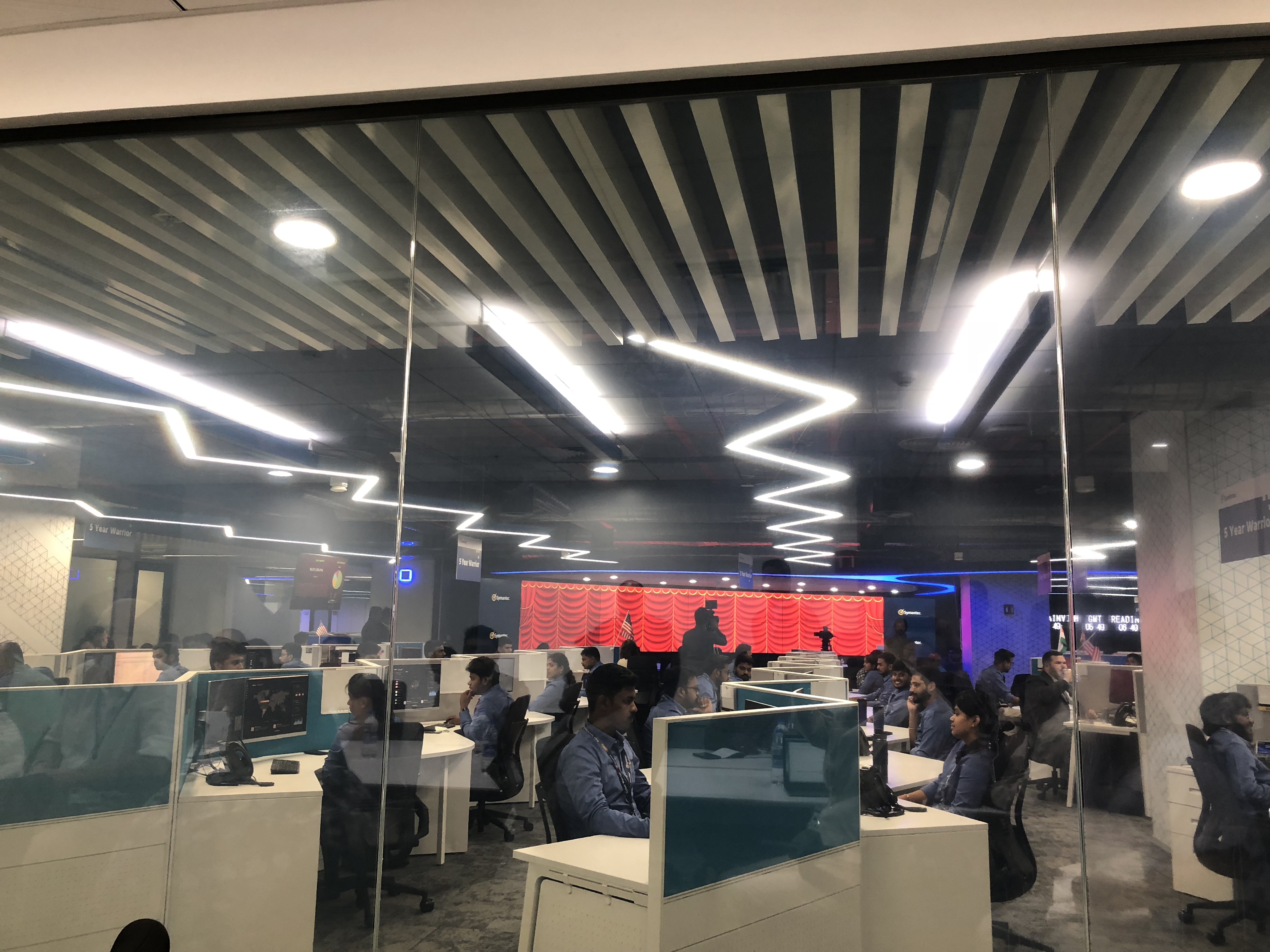
Symantec enhances Chennai security operations centre where the “sun never sets”
Symantec unveiled an enhanced security operations centre (SOC) in Chennai, India that…


Complacency, unsecured new devices put users at risk online: Symantec
Complacency, poor habits and a cavalier attitude towards Internet-enabled devices are putting…

Survey: kids may be opening up PCs to cyber threats at home
As many as 30 per cent of parents here have had their…

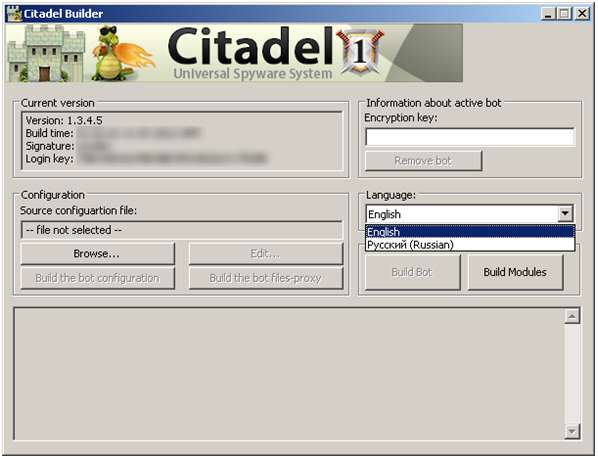
Financial Trojan Citadel disrupted in take-down operation
A Trojan horse program specifically targeting banks has been taken out this…


Symantec: New spam campaign targets Tumblr users
Spammers are now targeting popular social media site Tumblr, according to a…
Beware of malicious app that claims to provide X-ray vision
There have been enough people falling for it - and being blackmailed…
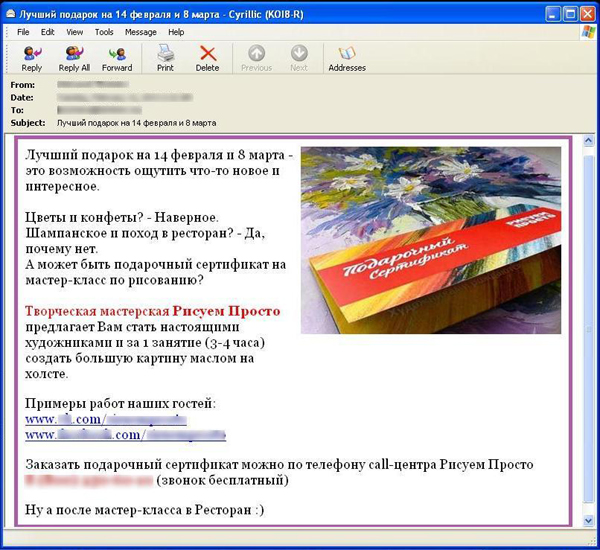
Russian spam campaign targets International Women’s Day
Another special day, another spam campaign. If you’ve received an e-mail in…

Data Privacy Day: Five tips to protect your online privacy
On Monday, the world marked Data Privacy Day, an international day that…
Symantec warns users of fake Android app marketplace
Android users should refrain from downloading apps from a fake application marketplace…

Latest Loozfon malware takes aim at women Android users
A piece of malware infecting Android phones in Japan has targeted women…

Smartphone malware is real – here are some tips to keep clear
Sometimes, fear-mongering can have the opposite effect - it makes you feel…
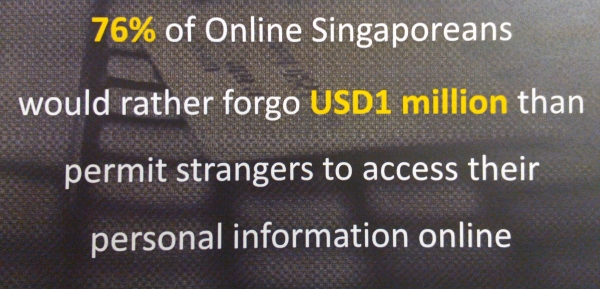
Would you give a stranger unlimited access to your PC for US$1 million?
A recent survey commissioned by anti-virus maker Norton found that 76 per…