If you’ve hit on the right formula in making a flagship phone, you shouldn’t change things much. This is what the Honor has done with the Magic 8 Pro, a refinement of its previous flagships rather than a reboot, which looks like a reliable upgrade for the phone maker’s fans.
The new phone focuses on design and camera performance, especially low-light photography that often proves to be challenging for lesser phones. It also boasts long battery life that makes it a practical choice for folks seeking flagship performance.
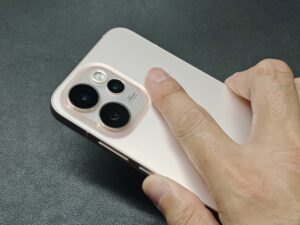
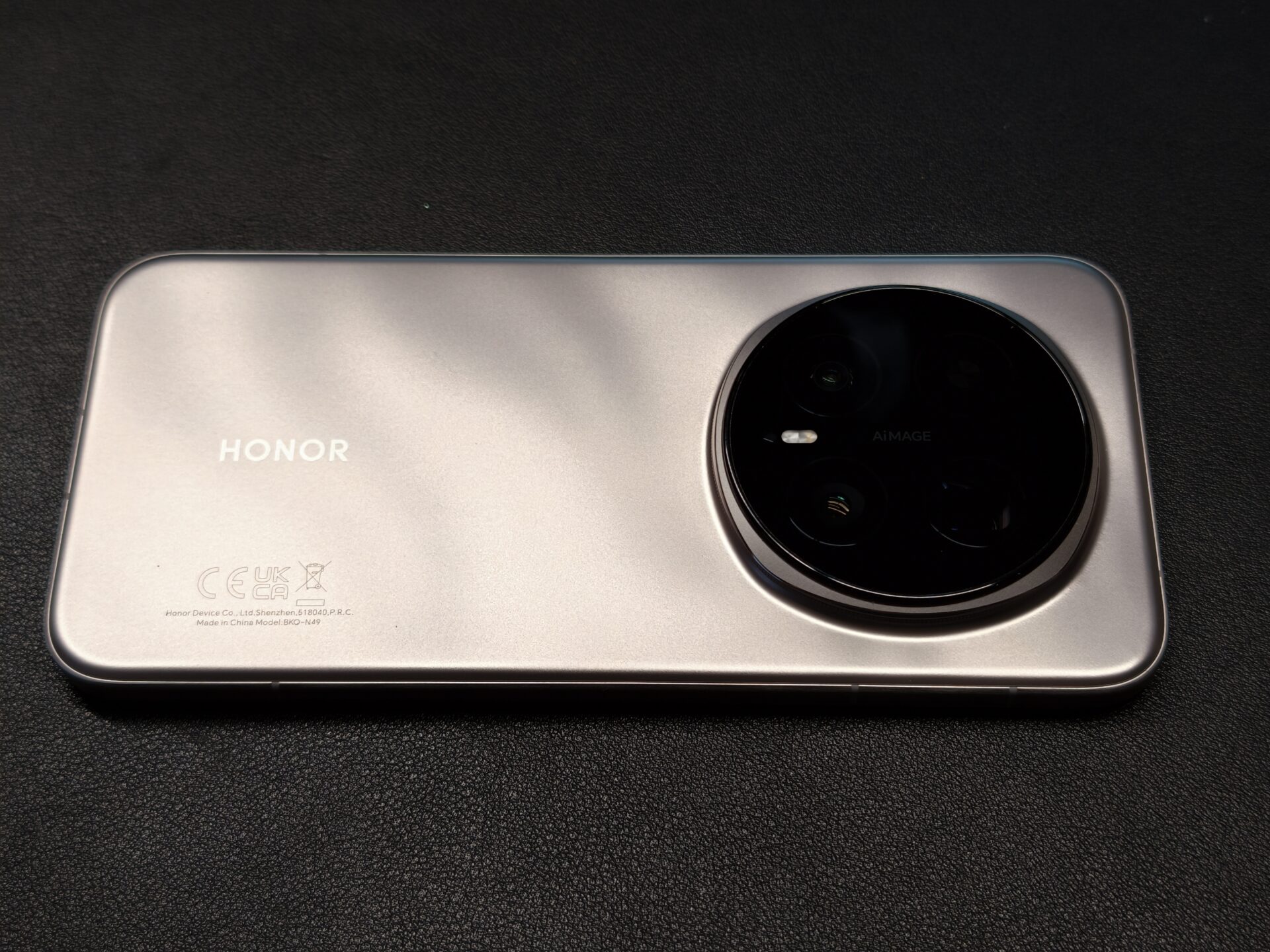
My first impressions of the Magic 8 Pro are of a phone that looks and feels expensive. For example, the smoother curves and matte glass back in a champagne-like finish give it a refined presence in the hand.
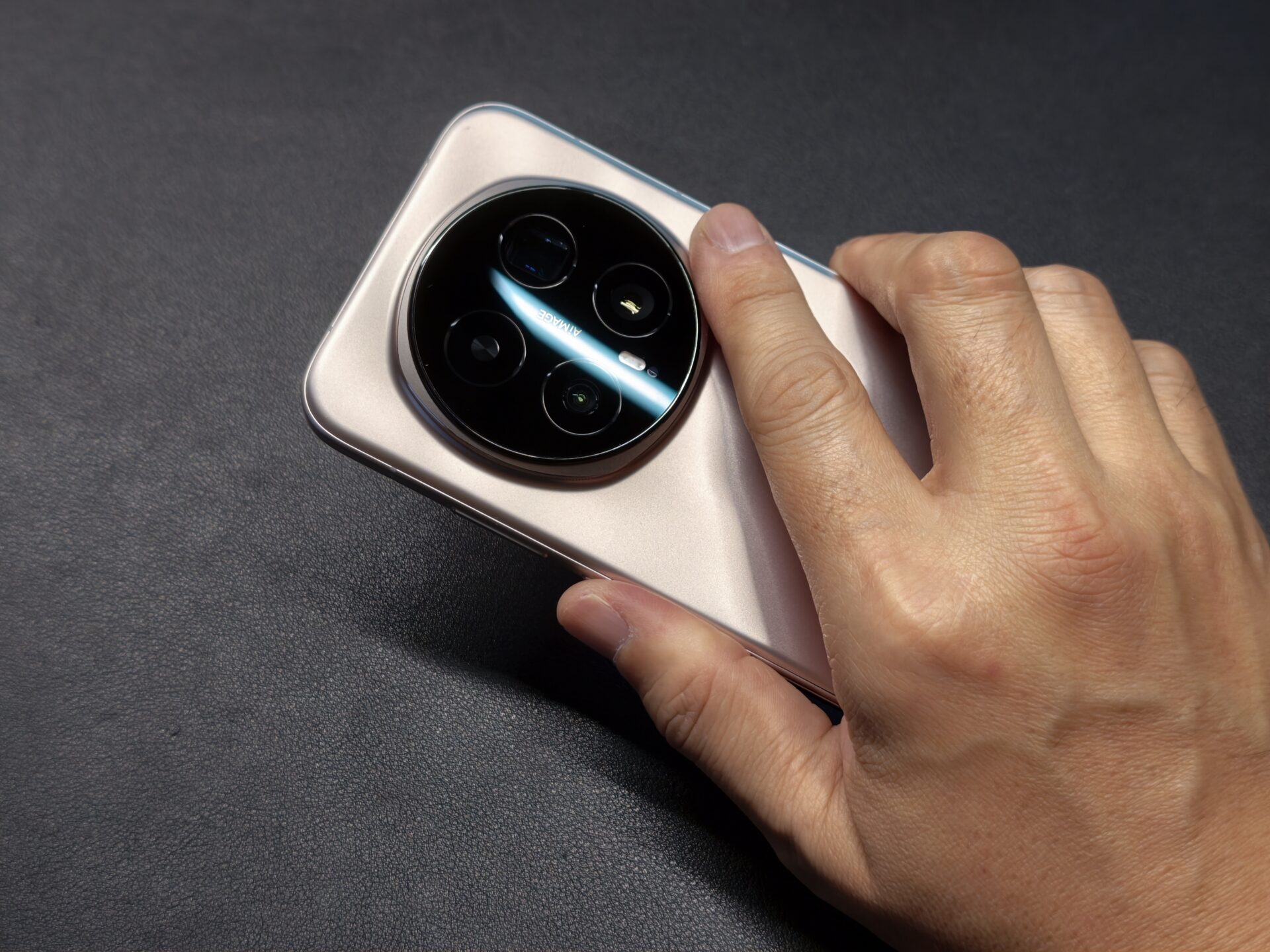
The large circular camera module, with its ring-like detailing, reinforces that premium feel. In terms of size, the 161.2mm height, 75mm width and 8.3mm thickness put it firmly in typical flagship territory, with a slim profile that sits comfortably in the palm.
Folks who prefer a blockier, more substantial grip may still lean towards phones with squarer sides from brands like Samsung, Oppo or Vivo.
Weighing 219g, the Magic 8 Pro has enough heft to feel solid without being a burden in a pocket or bag. Its IP68, IP69 and IP69K ratings are noteworthy, as they point to strong protection against dust and water – extra reassurance for when you are caught in heavy rain or using the phone near water.
A small but practical touch is the dedicated camera control button on the right edge. Acting as both a zoom slider and shutter trigger, it is handy for quick shots when you do not want to fumble with on-screen controls, especially for photos and videos on the move.
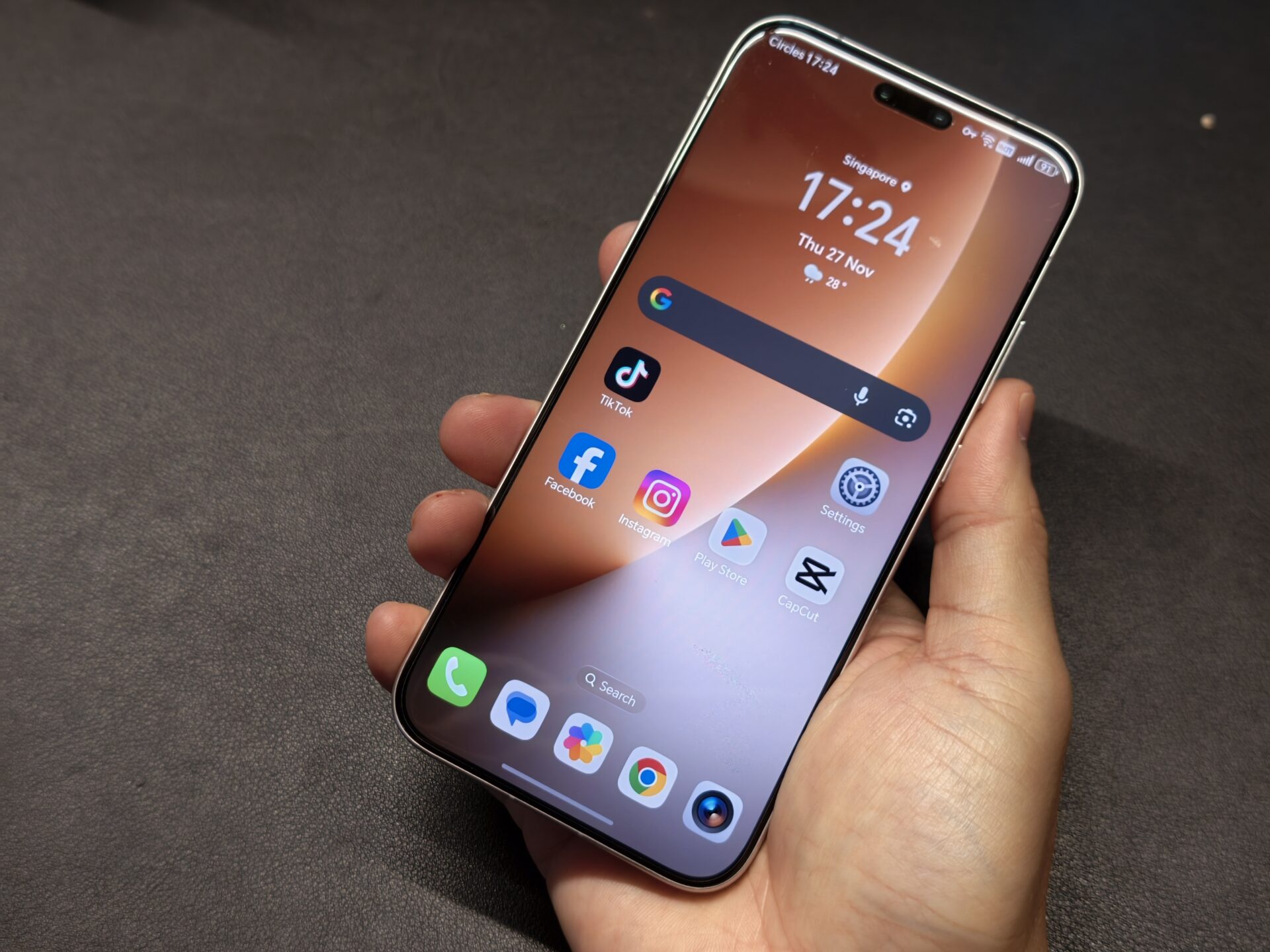
Inside, the Magic 8 Pro runs on a top-tier Qualcomm Snapdragon 8 Elite Gen 5 processor, paired with 12GB of RAM and 512GB of storage. Performance-wise, this means apps open quickly, switching between them feels smooth, and games like Call of Duty Mobile run without obvious stutter.
There is more than enough space for photos, 4K videos and apps, so most users will not need to worry about storage management for some time. The overall performance feels brisk and responsive.
Usability is helped further by quick unlocking, whether you choose face recognition or the in-display fingerprint scanner, so the phone is usually ready to go as soon as you pick it up.
Battery life is one of the phone’s highlights. The large 7100mAh silicon-carbon battery, combined with the efficient processor, comfortably lasts through a full day of mixed use, even if you spend a fair amount of time on social media, streaming and photography.
It will last longer if you hardly take any snapshots or vlogging. When the battery does run low, fast charging helps keep downtime short. You have very quick 120W wired charging and fast 80W wireless charging, using Honor’s chargers and accessories.
The front of the phone is dominated by a 6.71-inch OLED display, which is both sharp and vibrant and what you’d expect from most flagship smartphones today.
At the back, there is a 1/1.3-inch 50-megapixel sensor main camera, a 50-megapixel sensor ultrawide camera and a 1/1.4-inch 200-megapixel sensor zoom camera, while the front camera also offers 50 megapixels for selfies and video calls.



In day-to-day use, the main and ultrawide cameras deliver generally pleasing images. Colours tend to be on the warmer side, so scenes may look a little more yellow or orange than in real life, which some may find flattering for skin tones and sunsets.
If you prefer more neutral colours, the Pro mode allows you to adjust the white balance and tweak the look more precisely. This is useful because the white balance measurement does get some shots wrong, as I found in my tests.
The image processing here adds a gentle lift to contrast and saturation, resulting in punchier shots where subjects “pop” more distinctly from the background. The trade-off, however, is a slight loss of detail in brighter areas.
Low-light performance is a strong point. Night mode captures bright, detailed shots in dim conditions, making the phone suitable for cityscapes, festive lights or interiors such as aquariums and dimly lit cafés.
Dialling back the exposure manually lets you add extra contrast and detail, as the phone can sometimes over expose in contrasty scenes such as a stage or Christmas lightings.
Faces at night are handled reasonably well, though the slower shutter speeds used in very low light mean that any movement can cause blur.
The same applies to panoramas at night, where the camera sometimes struggles to keep shutter speeds high enough to avoid smearing when panning is done too quickly. It is best to mount and rotate the phone on a tripod for a better capture.




What about the 200-megapixel zoom camera? It certainly gives you a lot of reach, and results at moderate zoom levels are decent for sharing on social media or messaging.
However, when pushed to its maximum, image quality softens and the software processing does not quite match the best in the market. So, it is better to stay in the mid-range zoom levels if you want cleaner shots.
For product photography, such as gadgets, food or small objects, the camera performs well. Exposure and contrast are great, and images often look clean enough that you might not need much editing, assuming the subject is lit with neutral white light.
I’d say the Honor Magic 8 Pro delivers solid image quality, though occasional slips in white balance under certain artificial lighting work against its otherwise capable imaging system. The missing variable aperture, a standout feature on the previous model, is also a letdown, especially for users who value greater control over depth of field.
Taken as a whole, the S$1,499 Magic 8 Pro comes across as a well-balanced and capable flagship, with a few quirks in white balance and low-light motion handling.
To be fair, that won’t trouble most users who simply want a dependable, modern smartphone that can take good everyday shots and are not too picky. So, this is still a capable smartphone that has a great camera.
The basic model should be good enough but if you want more storage and be ready for more demanding apps in the future, there’s a version of the Magic 8 Pro with 16GB RAM and 1TB storage that goes for S$1,699.