If you’ve always wanted a pair of headphones with high-quality audio plus the practicality of a wired gaming headset, then the Asus ROG Kithara will surely catch your eye.
At least on first glance, it feels like a pair of hi-fi headphones that look and feel convincingly premium. The metal-reinforced frame and solid plastic parts give it a reassuring heft, and the finish is clean and well put together.
Nothing flexes or creaks, and the headset appears able to survive daily use without fuss. To be honest, it looks and feels more like a pair of audiophile headphones than a typical gaming peripheral, which is very much the point of its design.
Comfort is more of a mixed bag, however. The stock leatherette ear muffs are large and oval, with generous padding that easily clears most ears and avoids the cramped feeling common to smaller gaming headsets.
Passive isolation is decent for an open-back design, letting you hear details clearly without needing excessive volume. Asus also includes a set of velour ear muffs in the box, which are cooler and softer over long sessions, though they reduce isolation and slightly thin out the bass response.
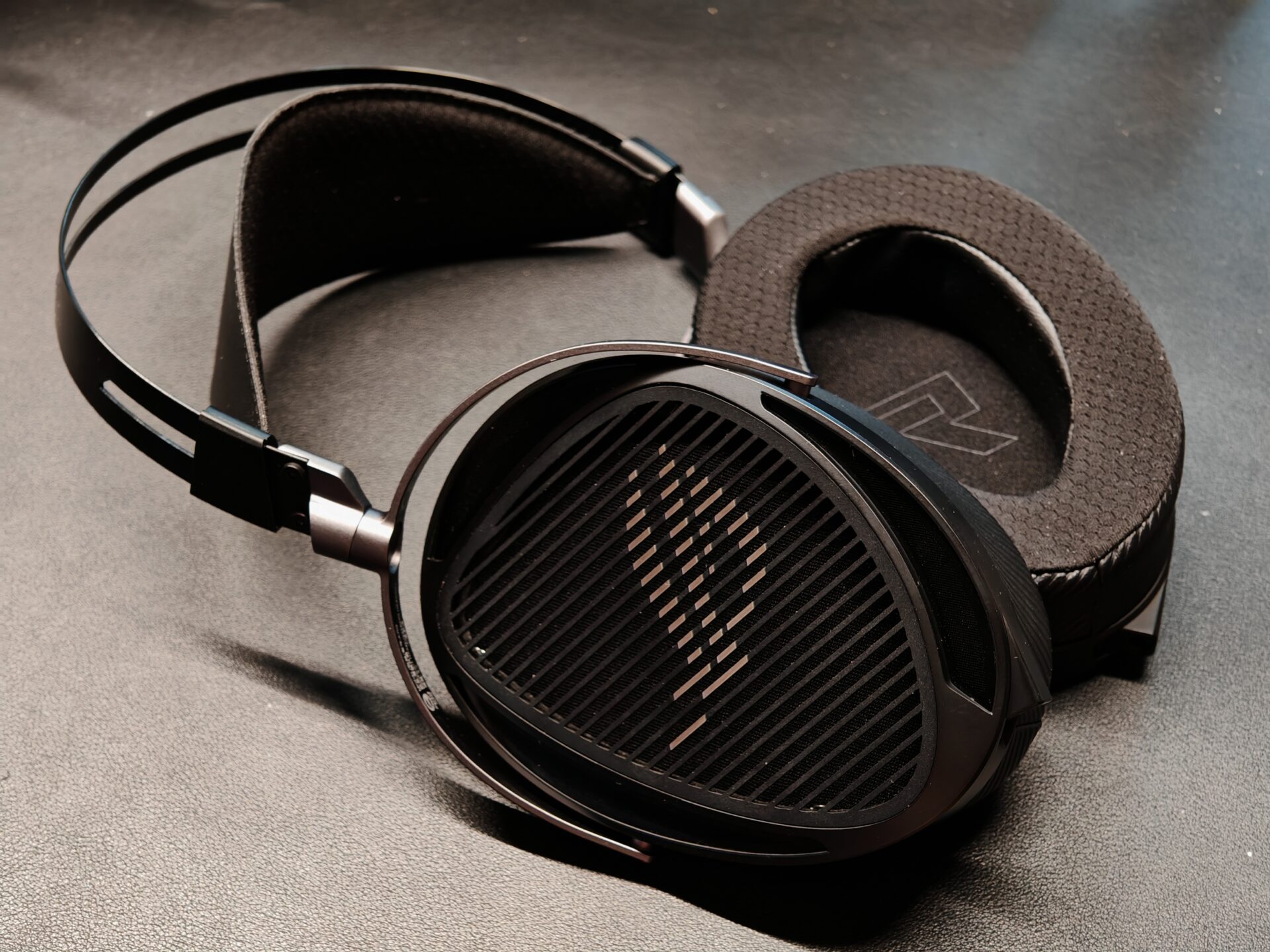
The problem appears with some extended use. The tapered lower edge of the oval ear cups tends to sit on your jaw joint – with the 420g headset, the pressure becomes increasingly noticeable during longer sessions.
This is made worse by a headband that does not hold up the ear cups, allowing them to shift out of position and making it harder to maintain a consistently comfortable fit. After an hour or two, I found myself nudging the ear cups upward to relieve the pressure.
This might not be a deal-breaker for everyone, but it is a reminder that comfort is not as universally good as the premium positioning might suggest. So test out the ROG Kithara in person before purchase.
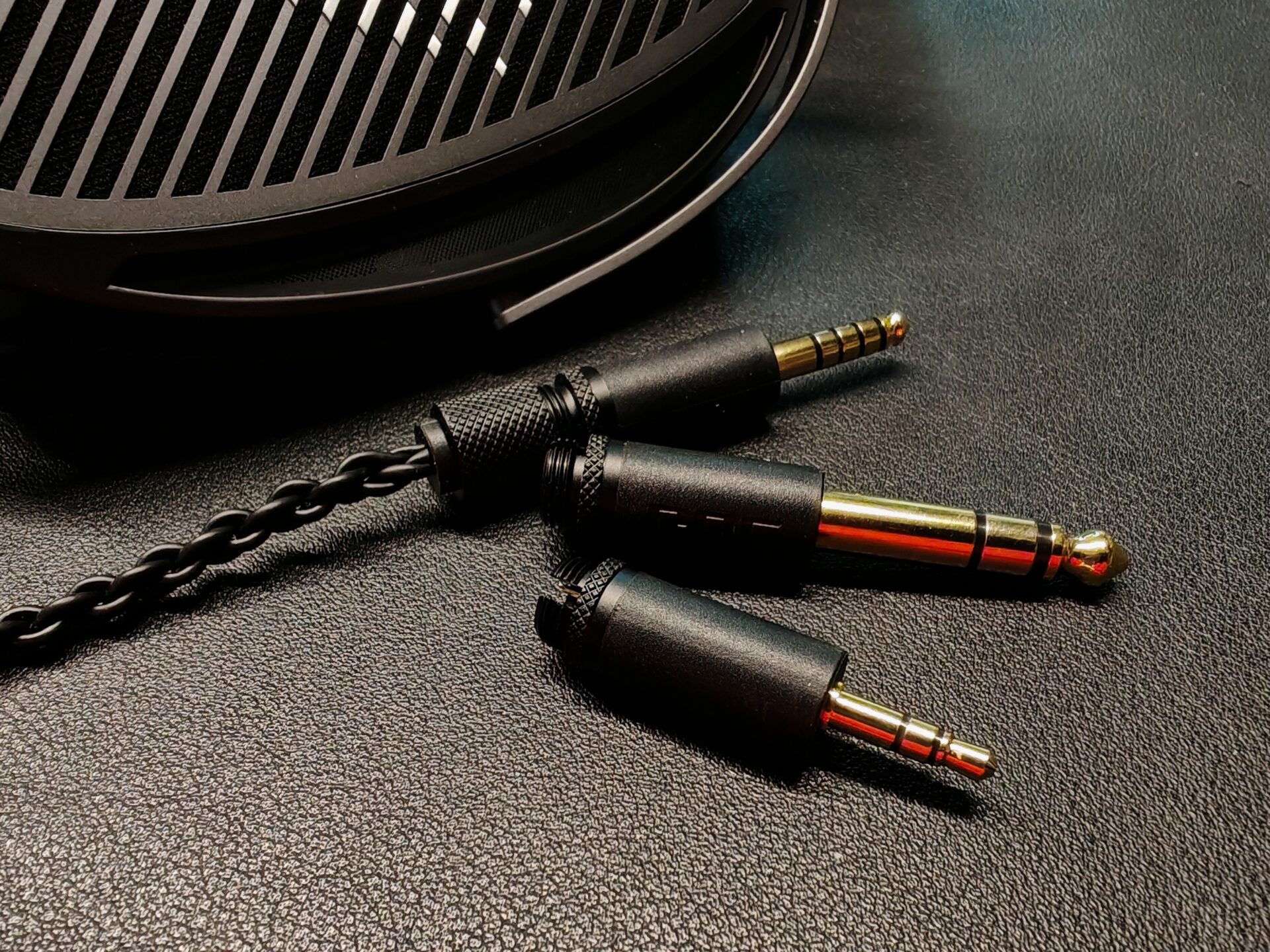
On the plus side, one thoughtful tough is the modular three-in-one plug system. The headset ships with interchangeable connectors for 6.3mm, 3.5mm and 4.4mm (balanced) outputs, allowing it to move easily between a console controller, a portable DAC (digital-to-analogue converter) or a desktop amplifier.
Swapping plugs is simple and secure. For anyone who uses multiple audio sources, this removes the need for a drawer full of adaptors.
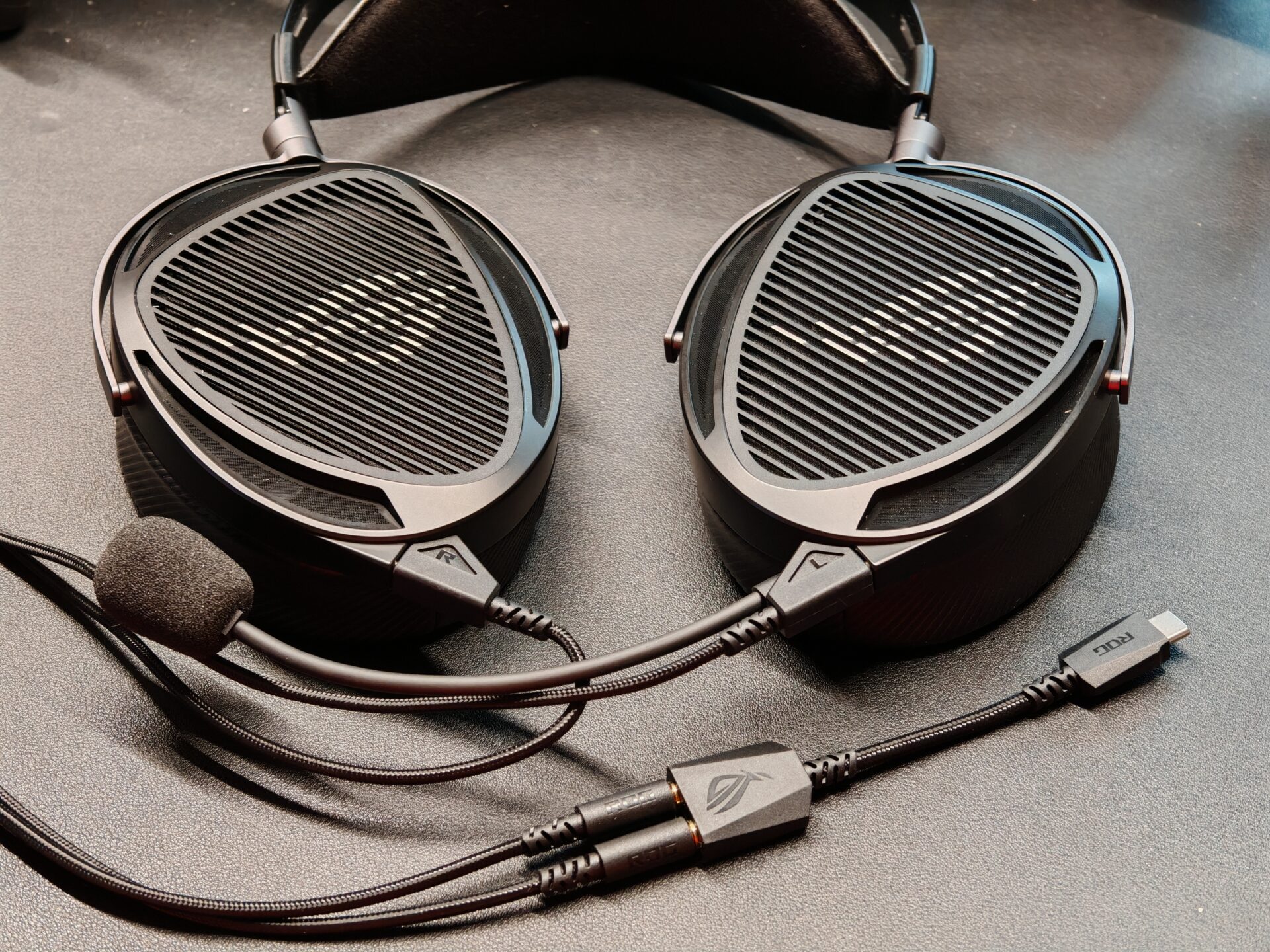
Unlike many audiophile headphones that require extra accessories to function as a gaming setup, the ROG Kithara is a complete headset.
It includes the necessary cables and a detachable boom microphone with USB-C support, so you can plug straight into a PC, console or laptop and start playing. Voice quality during video conferencing is clean and clear for team chat and casual streaming.
The core of the ROG Kithara experience is its 100mm planar magnetic drivers. Compared to conventional dynamic drivers, this design delivers faster transients and lower distortion, which pays dividends in games where spatial cues matter. Footsteps, reloads and distant environmental sounds are easier to place, and bass hits with more control than sheer boom.
The open-back design further enhances this sense of space. Sound feels wide and airy, with less of the closed-in presentation common to typical gaming headsets. In large, open game worlds or atmospheric role-playing games, this helps create a more natural soundscape and makes it easier to track movement without relying entirely on visuals.
Tuning leans toward a pronounced U shape, with strong bass and crisp treble taking centrestage. The low end is deep and tight, adding impact to explosions and action sequences without overwhelming the rest of the mix.
Treble is clear and energetic, helping fine details cut through even during chaotic scenes. Positional audio is a clear strength, especially for competitive play.
The trade-off is a slightly recessed midrange. Vocals and mid-focused instruments sit a little further back, which is noticeable with music that relies on vocal presence or warmth.
Jazz and acoustic tracks, in particular, lack some intimacy compared to more neutral or mid-forward headphones. It is not a flaw so much as a tuning choice, but one that will not suit every listener.
You can drive the ROG Kithara directly from a console, PC or laptop, and for gaming that works well enough. However, planar magnetic drivers tend to sound with better amplification.
Paired with a dedicated headphone amp, the headset reveals more detail, improved control and a more layered soundstage. That extra hardware pushes the overall cost higher, of course.
Costing S$459 in Singapore, the ROG Kithara may appeal to some gamers who want better quality, say, when listening to music. It combines an open-back planar magnetic design, a competent boom mic and flexible connectivity in a single package.
In comparison, “pure” headphones like the Hifiman Edition XS or Audio-Technica ATH-R50x offer excellent sound quality for less money but lack a built-in microphone and gaming-friendly cabling. Going that route means adding a separate mic and dealing with more cables on the desk.
That said, if you don’t mind the clutter, you may save some money there. So, an all-in-one option like Asus’ latest headset may not be for those who are after maximum sound quality per dollar and are happy to build their own headphone and mic setup.
The ROG Kithara is more for gamers who value the convenience of having a pair of high-quality headphones plus a gaming headset in one gadget. Make sure you try it out at the shops to see if the designed headband works for you.