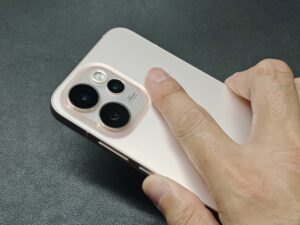
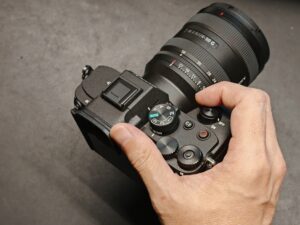
If you’ve been looking for a rugged camera that does a bit more than simply point and shoot, then the DJI Action 6 could be the ticket to your next adventure trip.
It sits comfortably between a traditional action camera and a small vlogging device, offering higher image quality and flexibility while keeping the tough, mount-anywhere design of the DJI Action cameras.
At its core is a relatively large 1/1.1-inch CMOS sensor, paired with an ultra-wide lens that delivers the familiar action-camera look while retaining good detail during the day.
Video recording goes up to 8K at 30 frames per second (fps), with 4K available at higher frame rates such as 60fps and beyond. These options make the Action 6 suitable for fast-moving scenes, slow-motion clips, and situations where extra resolution is useful for cropping in post.
A welcome addition is the variable aperture. You can open it up to f/2 in low-light conditions, or stop down to f/4 when you want more control over shutter speed for a more cinematic look.
Okay, the DJI Action 6 is not a replacement for larger cameras, but it gives users more creative control than what is typically found on an action camera.
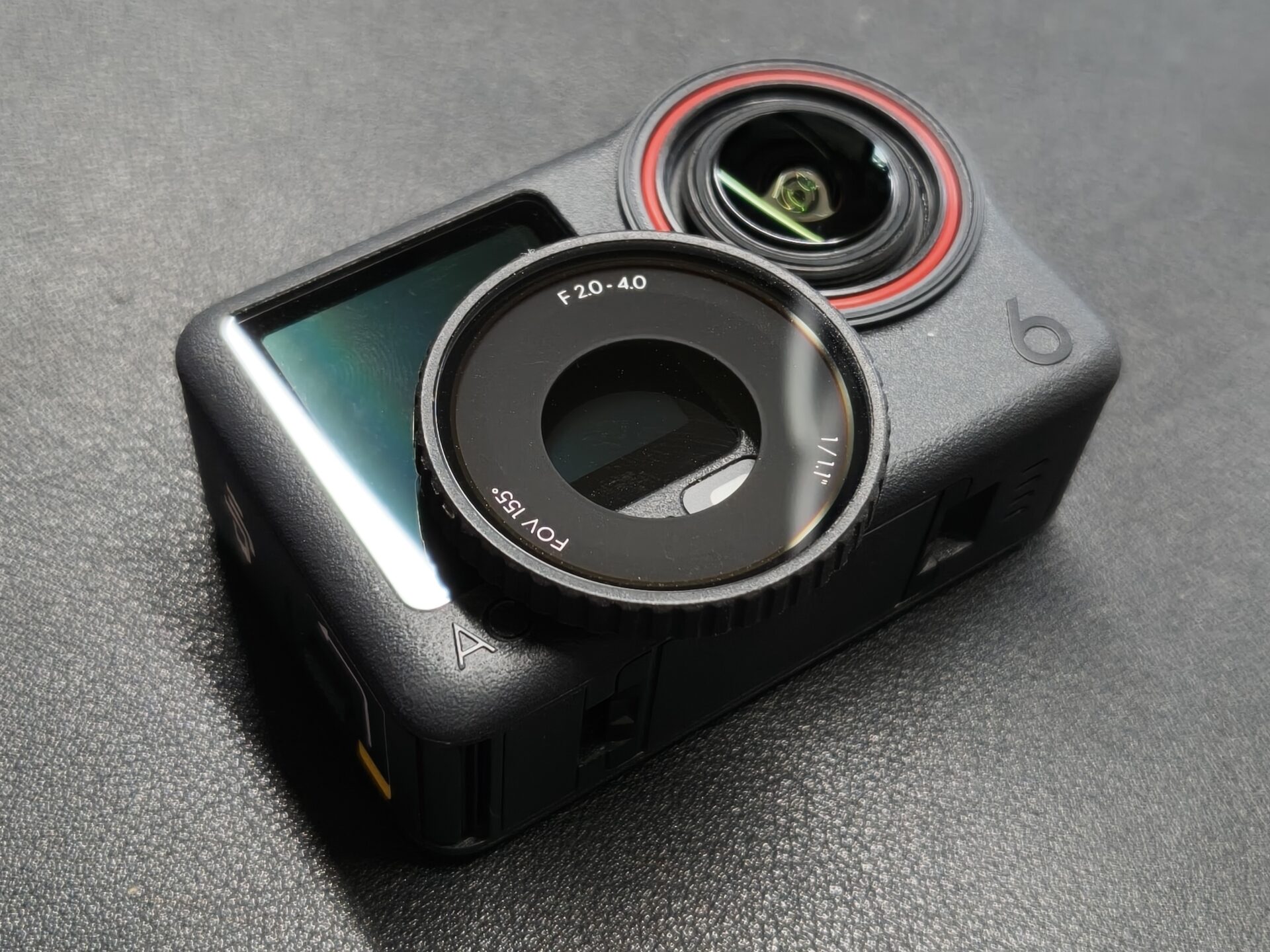
The dual-screen setup remains one of the Action 6’s key strengths. The rear screen works like a standard camera display for framing and playback, while the front screen makes vlogging and selfie shots far more practical.
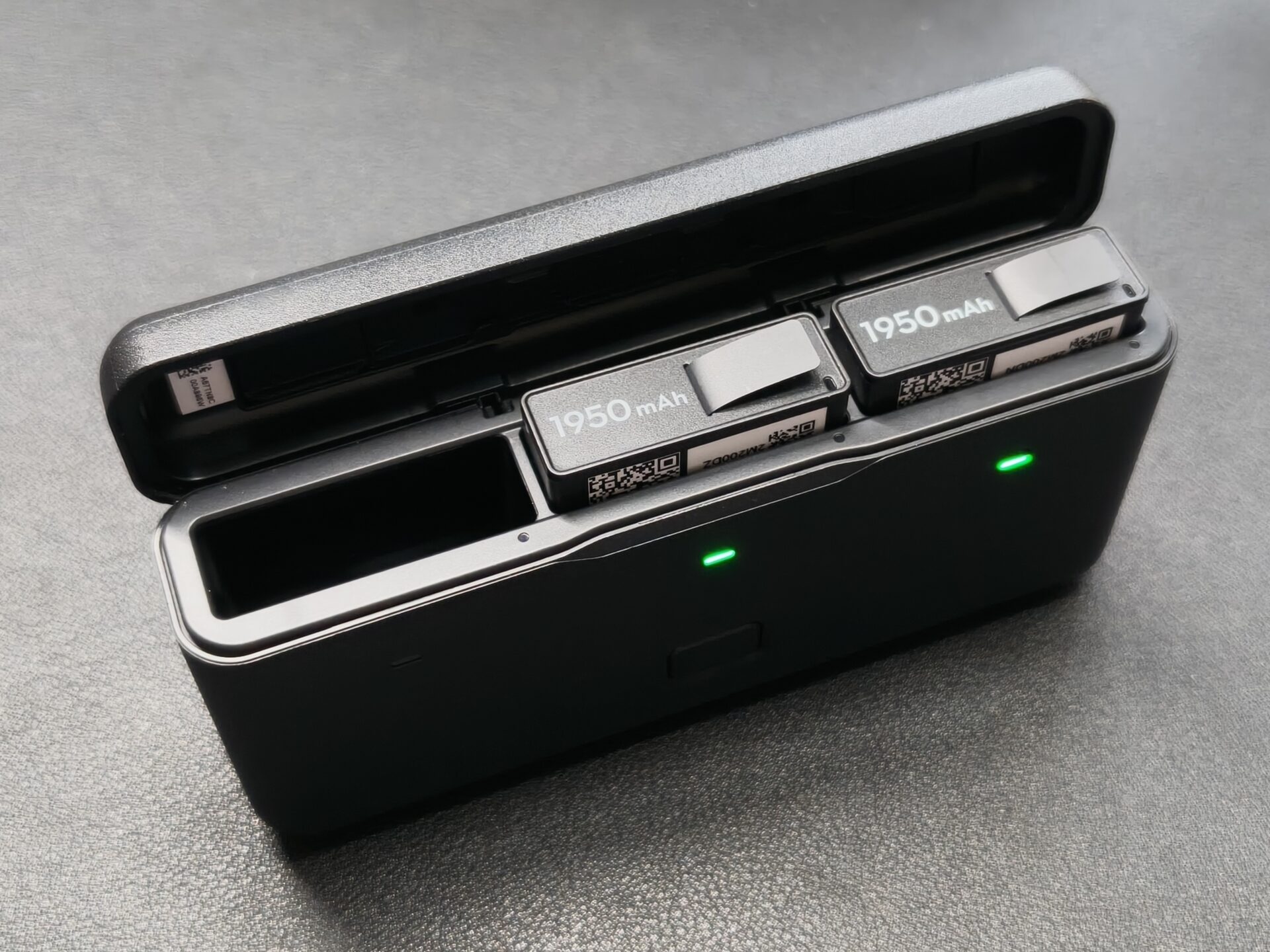
Only one screen is active at any time, which helps curb power drain. This matters because while the 1,950mAh battery looks great on paper, it depletes quickly when shooting at 4K and above, especially at 60fps or more. In real use, the battery can drop below 90 per cent after just a few clips.
Buying the DJI’s Adventure Combo helps here. It includes a battery hub and two additional batteries, which goes a long way towards easing power anxiety. With spare batteries on hand, you can comfortably treat 4K/60 as your default setting.
The hub also allows charging, allowing you to top up multiple batteries by using a power bank while on the move or charging in your hotel room, which is especially useful when travelling.
There are other great practical features such as the removable cover filter that protects the front element.
It can be easily replaced if it gets scratched or cracked, which is a real possibility when the camera is mounted in exposed or risky positions. This design also allows the use of neutral-density (ND) and other filters without compromising the lens itself.
Audio quality is acceptable for casual use, with the built-in microphone capturing clear speech in many situations. That said, the sound can feel hollow compared to dedicated audio recording devices.
If you plan to vlog or record spoken content regularly, pairing the Action 6 with DJI’s wireless microphone system will make things sound a lot better.
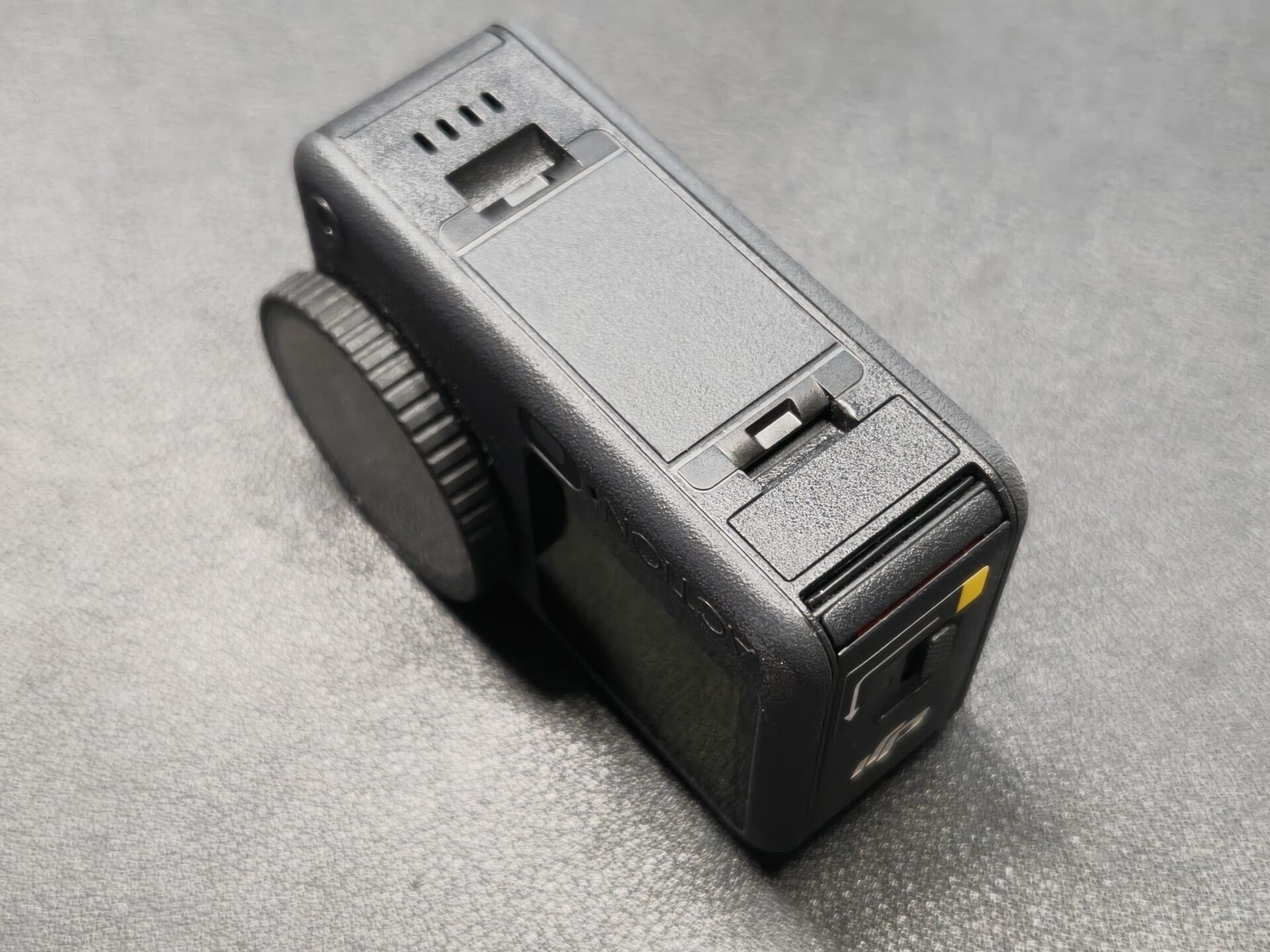
Storage is handled sensibly. In addition to the microSD card slot, DJI includes 50GB of internal storage.
This acts as a useful fallback if you forget your memory card, though you will still want a fast, high-quality MicroSD card to handle sustained high-bitrate 4K recording reliably.
Mounting relies on DJI’s magnetic clasp system, which is quick, intuitive, and secure in most situations. The good news is, swapping mounts is fast and encourages experimentation with different angles.
For higher-risk activities or unusual mounting positions, a cage with traditional screw mounts provides extra peace of mind, albeit at additional cost (of about S$60 for third-party options).
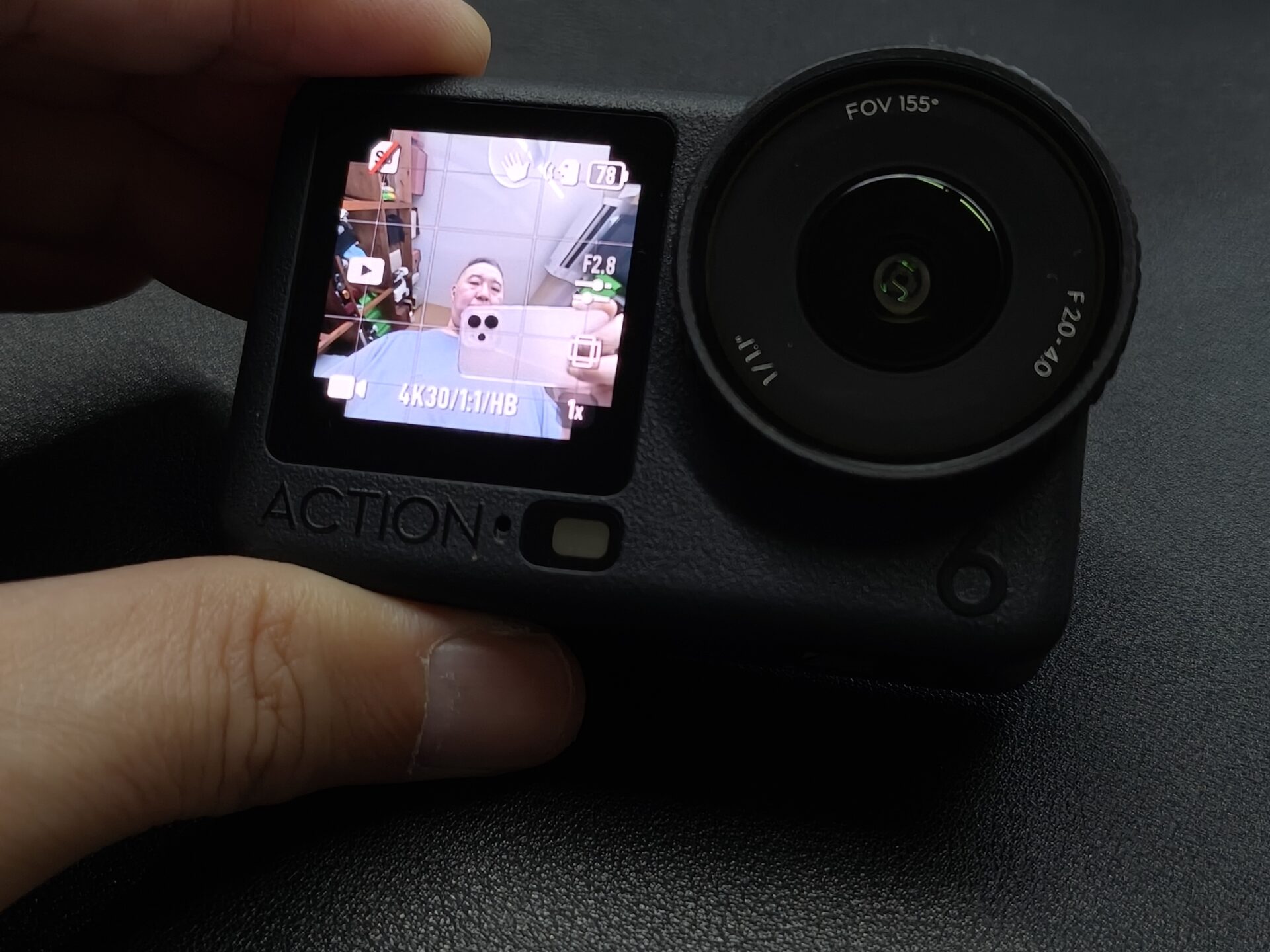
So, how good is the image quality? It performance in good lighting, for sure. Low-light performance is improved over earlier models, though lens flare from the ultra-wide lens can still be noticeable at night.
One standout feature is native square-format recording, which makes full use of the sensor and simplifies multi-platform content creation. A single clip can be cropped later for 16:9 or vertical formats without significant quality loss, saving time and battery in the field.
All said, the DJI Action 6 refines rather than reinvents the formula. Variable aperture, flexible recording formats, and a capable sensor make it enough of an upgrade over the Action 5.
Whether you buy the new camera depends on whether you use these new features extensively. If you do, then the Action 6 is one action camera to check out.
For me, the S$709 Adventure Combo offers better value for anyone planning longer shoots with multiple batteries, compared to the S$569 standard set.