
No network is immune to downtime and you could say that about the latest Singtel network disruptions that have angered thousands of its mobile users this week.
Yet, occurring over two consecutive days and causing widespread disruption in payments, ride hailing services and food delivery services, the latest outage is more than just another routine downtime.
With so much of everyday life tied to Singapore’s digital infrastructure today, a disruption of just a few minutes deeply impacts livelihoods.
Embed from Getty ImagesOn March 16, the first outage lasted more than eight hours, causing payment terminals that use Singtel’s mobile network to stop working. Ride hailing drivers couldn’t pick up customers. Plus, you couldn’t watch those AI cat videos.
The next outage, happening the next day, was unrelated and only affected a small number of customers, according to the telecom operator, which has close to half the mobile market in Singapore. That said, the timing could not be worse.
Since two disruptions with unrelated causes have happened in such a short time, this means there exists more than one point of failure. You could say a network can’t be infallible but multiple points of failure point to heightened risk. They raise questions on how well managed the network is.
So far, a cyberattack has been ruled out – important, since a China-linked hacker group is said to have attacked Singapore’s telecom networks last year and made away with technical data but not sensitive customer information.
There could be many other reasons for a disruption. So far, it’s unclear what caused the outage, with neither Singtel nor the government regulator, which has warned of “strong regulatory action” should “lapses” be found, revealing the reason.
Investigations will take place so the root cause is found. As with any outage, you hope Singtel could learn from the episode and avoid a similar incident in future.
To be fair to Singapore’s largest telco, it does have a decent recent record for mobile network uptime. The latest survey from the Infocomm Media Development Authority shows that it had almost 100 per cent uptime in the third quarter of last year.
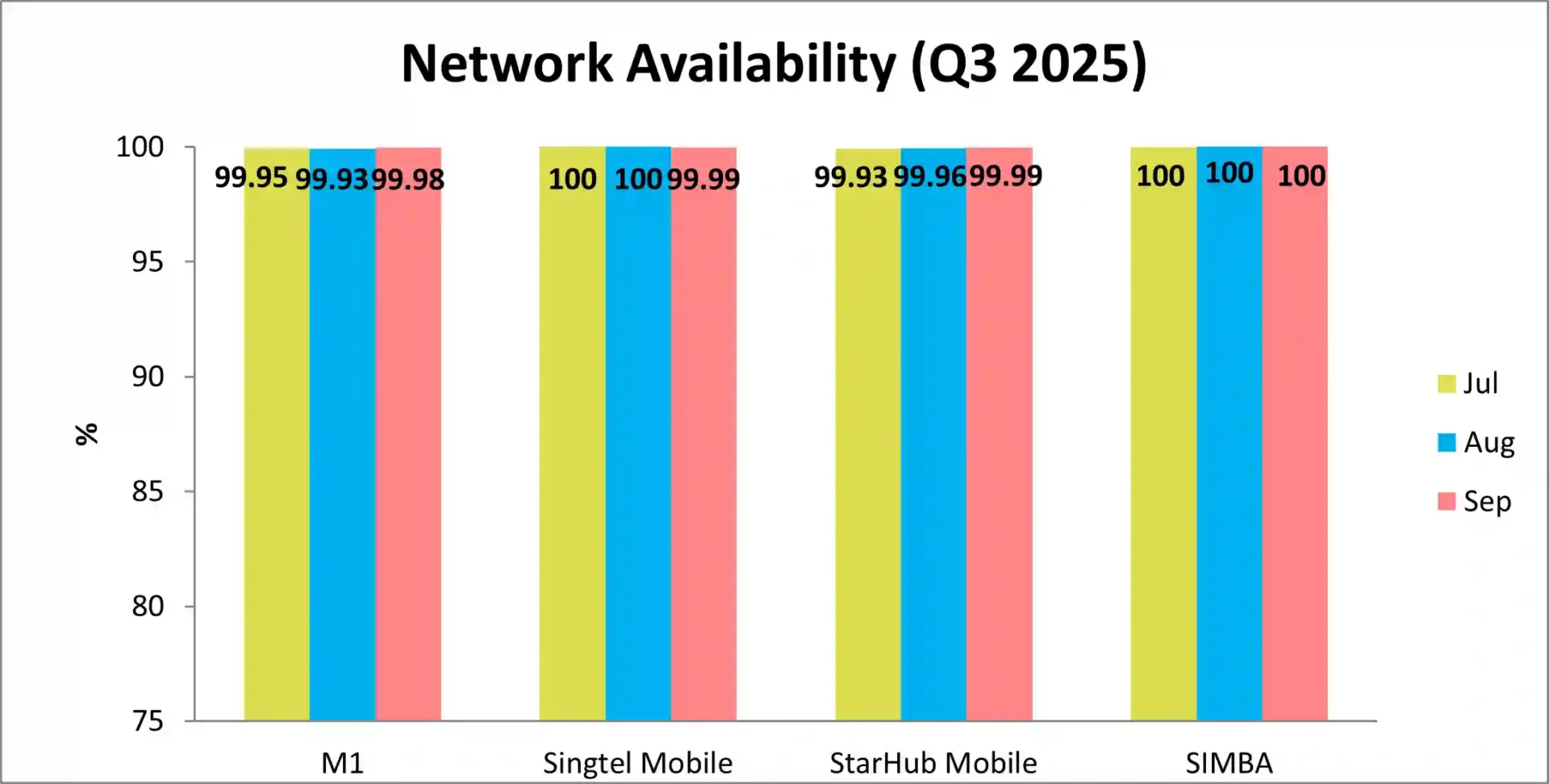
For consumers and businesses affected, however, no amount of downtime is good. The latest outage may be a good reminder to start having a backup, especially if your work and operations depend on a mobile connection.
Grab drivers may find it handy to have a second SIM card – from a different telco or a virtual operator using a different network – to keep themselves connected on the go. Retailers using payment terminals that require a mobile network may wish to have have a second SIM card ready.
That’s additional cost, to be sure, but if a disruption cancels out a day’s worth of business, that could end up costing more than the price of a backup mobile service plan. Thankfully, prices start from under S$10 a month in Singapore today.
Ultimately, there isn’t any compensation for consumers and businesses that depend so much on network connectivity. So, despite Singapore having relatively resilient networks, it’s timely for a backup for that crucial mobile link.