
Remember those smart fridges of years ago that promised to connect to the Internet to order milk when it sensed that an old packet was expiring? Well, those didn’t take off but now electronics firms like LG are once again trying to enable a similar sort of smart living – this time with AI.
The Korean electronics giant showed off an array of home electronics that promise to be more intuitive to use and energy efficient, by understanding user habits, at a regional partner and media event in Busan, South Korea, yesterday.
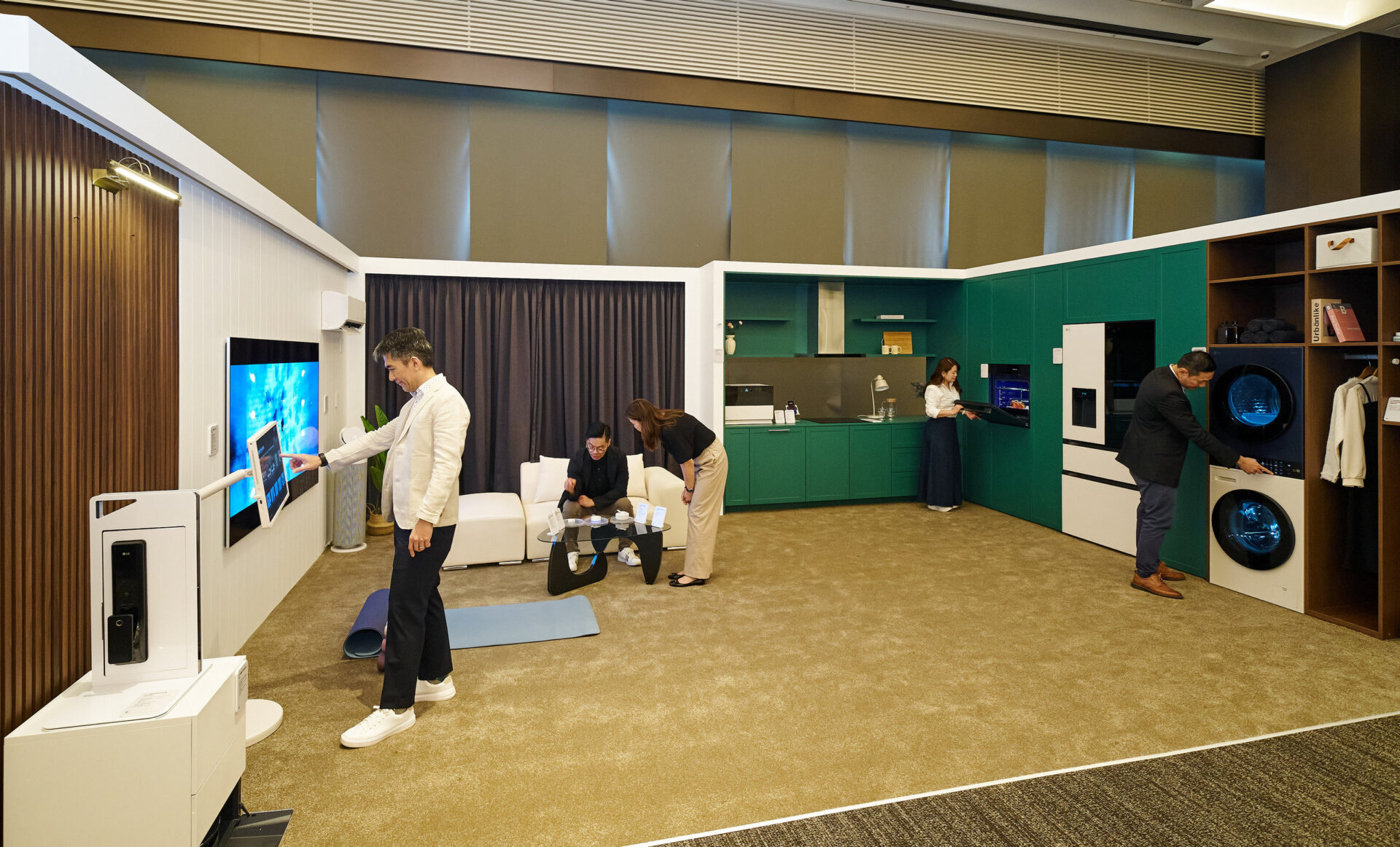
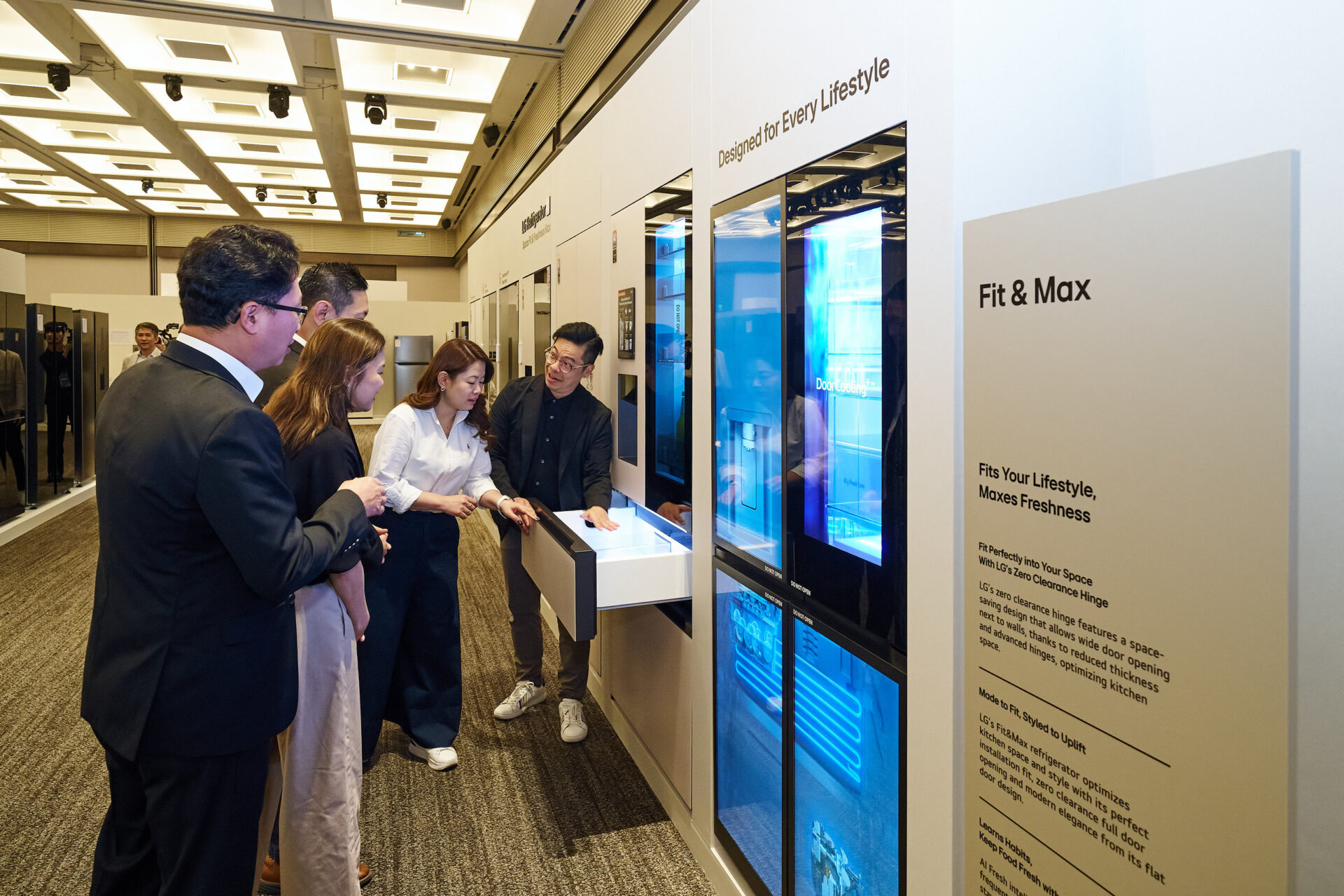
An AI-powered fridge, for example, will adjust how cold it needs to be at certain times of the day, based on how often and when you open the doors each day. Yes, it can still remind you to take out the milk or a piece of meat at a preset time, via your phone.
Then, there’s a smart air-conditioner. It adjusts its cooling based on user habits, say, when they usually use it for sleep, to optimise energy use. It also detects an empty room or an open window to reduce cooling.
And an LG smart TV this year would be able to detect a user’s voice so it shows a customised page of content based on who is speaking to it. This way, each person at home gets their own customised lineup of shows, according to their usage habits.
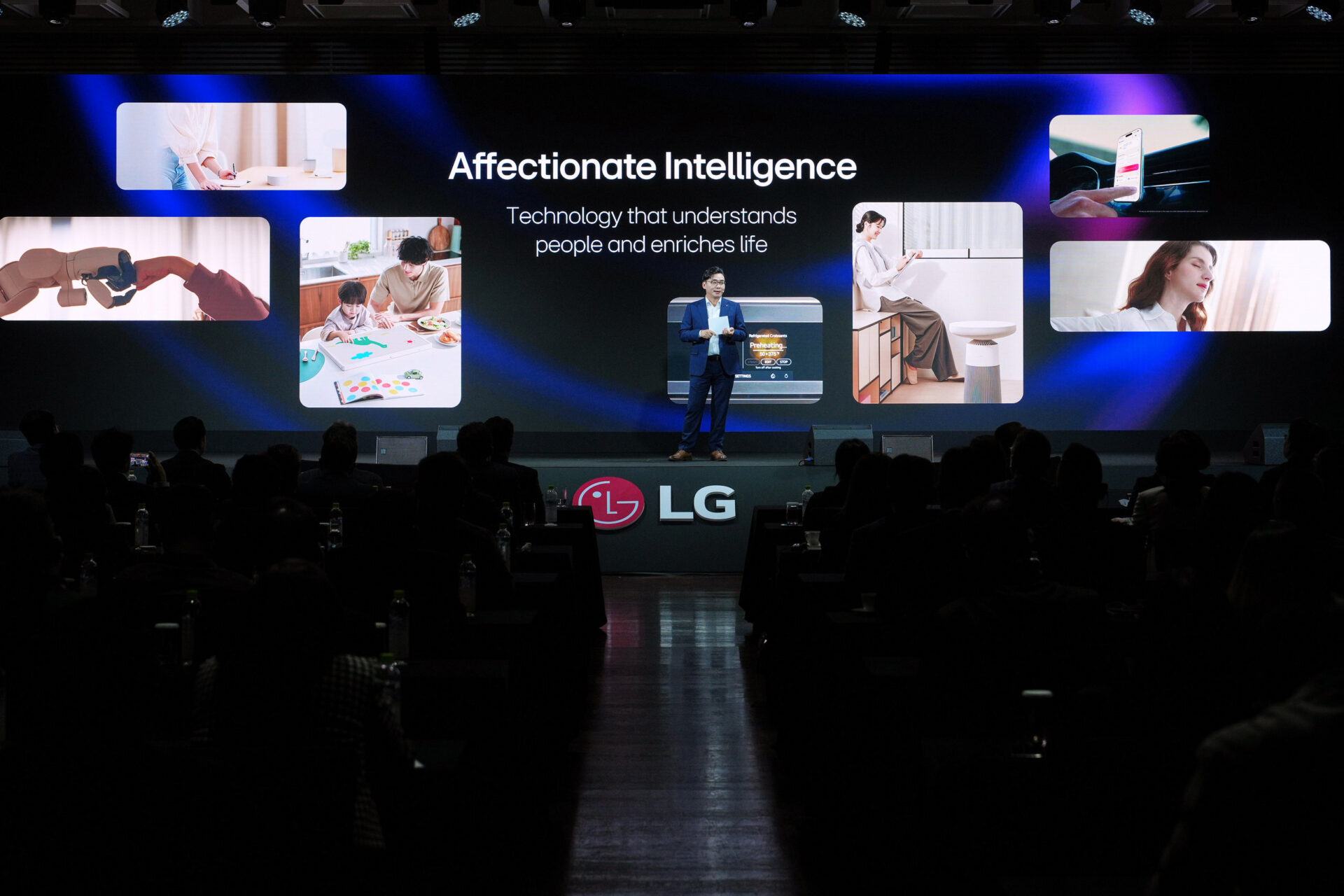
The key difference from the past, say LG executives, is that AI is now powerful enough to enable a more customised experience by learning from users.
Previous smart devices were tied to the Internet of Things (IoT) sensors onboard and did not offer a customised experience based on how a consumer used an appliance, said Jaesung Kim, LG’s regional chief executive officer for Asia-Pacific.
The data in each machine – whether a fridge or a TV – now helps it operate differently to suit each user, he told reporters here in an interview. “In the past, you only got predefined functions but now you have personalised features (through AI).”
LG insists that it doesn’t collect personal information from users – it merely tracks their habits – so these AI-powered appliances run based on data that does not identify people. It also says it has cyber defences, such as LG Shield, that protect users from online threats.
Pushing for smarter use of resources, at a time of fuel cost surges, appears timely for LG. Just as importantly, it says it is looking to ride on the Korean wave of K-pop and K-drama, by showcasing typical Korean home lifestyles, to give itself a lift over new competitors from China.
That said, would its new AI appliances cost more with the global shortage of processor and memory chips driving up prices for anything from game consoles to electric cars? LG says it is in the same boat as the rest of the industry.
Kim said it was “hard to say” how the shortage would affect prices of its new AI-powered appliances, but the goal was to minimise consumer impact.
The company, he added, has also built up strong relationships with chipmakers such as Intel and AMD, particularly for its PC products, to secure the necessary supply.
LG, to be clear, isn’t the first to market itself as a key player for AI-enabled homes. While it pushes its ThinQ AI controls for its appliances at home, rival Samsung has been building up its smart home offerings via its acquisition of smart home platform Smart Things more than a decade ago.
The fragmented market also means other Internet players such as Google – a partner for LG previously – and Amazon have also pushed their own interfaces and systems to consumers. For many, it’s still difficult to connect up everything.
To make things easier, LG says it now works with Homey, a smart home system that connects up different devices using various interfaces like Zigbee and Matter.
The promise of this collaboration from last year means that when an LG washer is done with its task, it can flash a notification on a user’s phone. Other devices can be connected at the same time, even if they are made by different manufacturers.