The Leica SL3-P, the famed German camera maker’s latest full-frame mirrorless camera, arrives with a familiar shape but a lighter frame. More portable, yes, but the aim is to keep the signature build and image quality that Leica fans love.
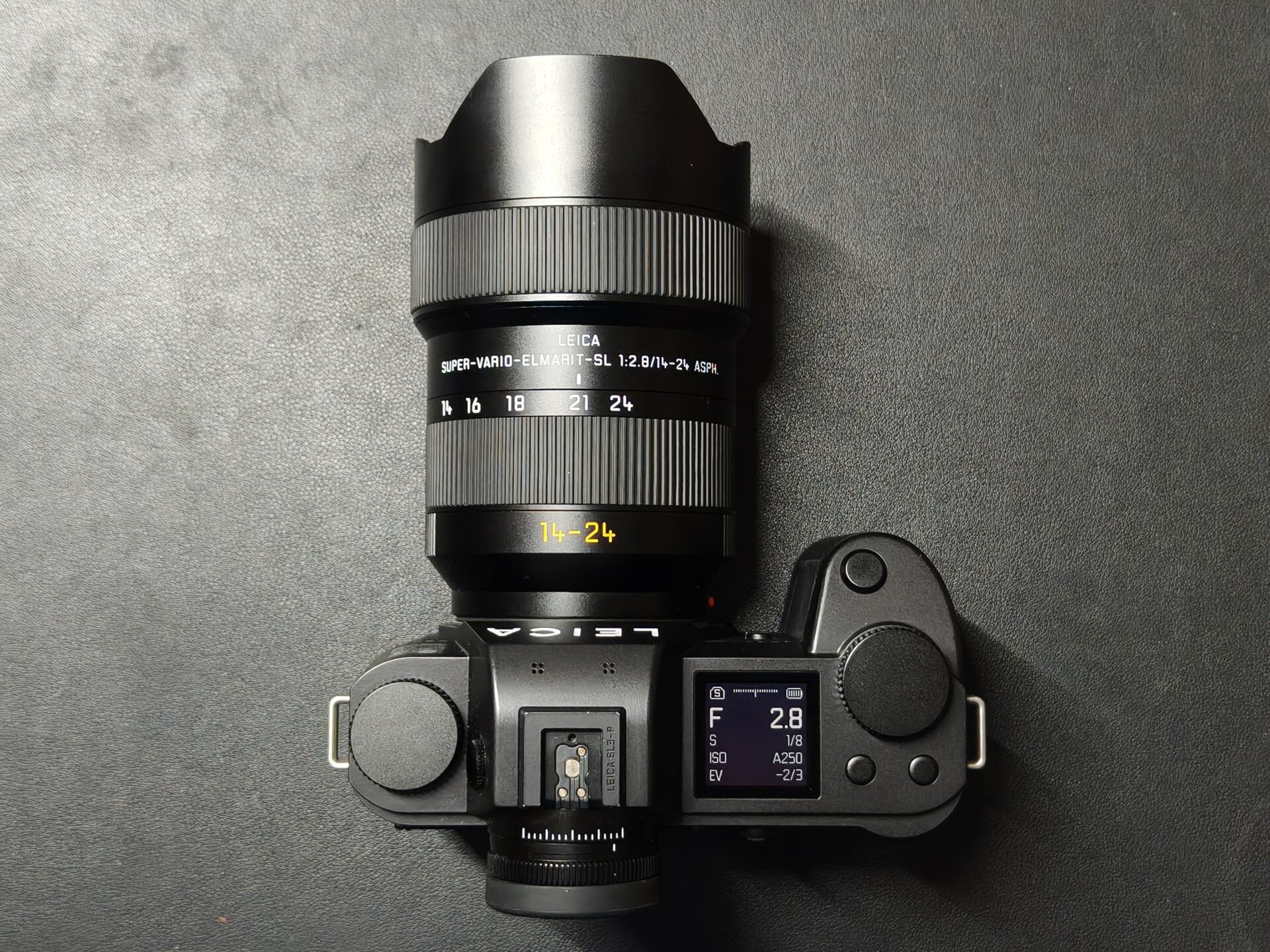
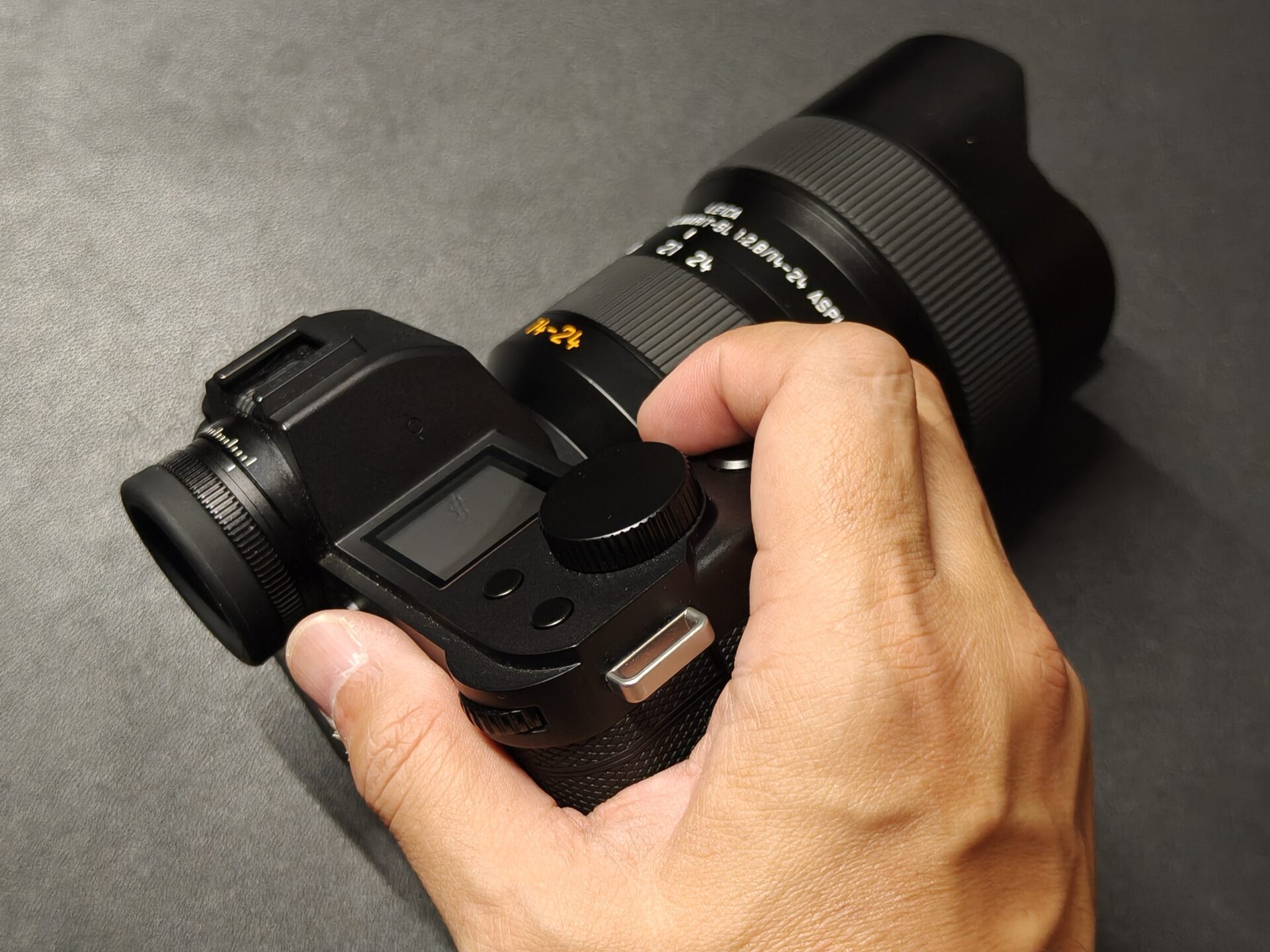
For starters, the new camera keeps the same silhouette as its predecessors, so anyone who has held a Leica SL or SL2 will feel right at home. It has good chunky handling that balances out Leica’s stouter lenses and yet does not feel that heavy.
At 768g without battery, SD card and bayonet cover, the Leica SL3-P is lighter than the earlier SL2’s 835g body. To be sure, there is enough heft from a luxurious item made with premium all-metal unibody construction, but the weight reduction makes it easier to lug around Tokyo.
Notably, the “P” designation means the body does not carry the prominent Leica red dot. Instead, you get an understated, professional look, a bit like the Panasonic S5IIX with its dark Lumix branding. The Leica word on the body comes in white, so it is not as moody as a fully blacked-out camera.
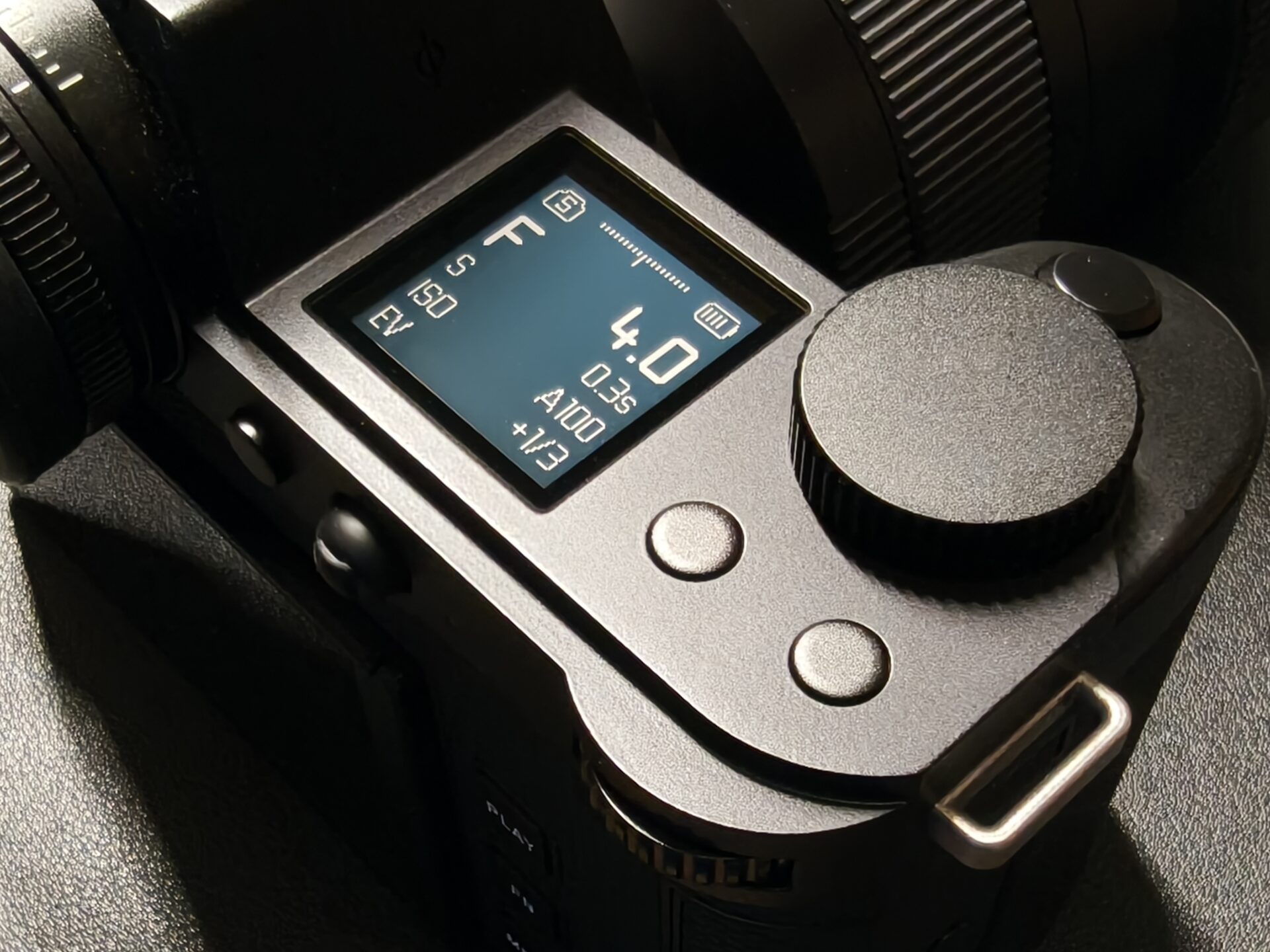
The menu sports the distinctive Leica font and icons that make it easy to read off screen. It looks very slick and modern without indicators on the camera.
Unfortunately, it still has a learning curve when compared to other cameras so it will take practice to know where each setting sits. The good news is that the controls can be customised for each user to suit working styles and flow.
The sharp 5.76-million dot OLED viewfinder is good and makes it pleasant to compose your picture with. The rear screen can tilt up and down, which is great for over-the-head shots or shooting from the waist to keep a low profile during street photography.
The camera is not perfect, for sure. While the tiltable 3.2-inch display with 2.3 million dots is great, it cannot face the front so an external monitor is needed for simple vlogging.
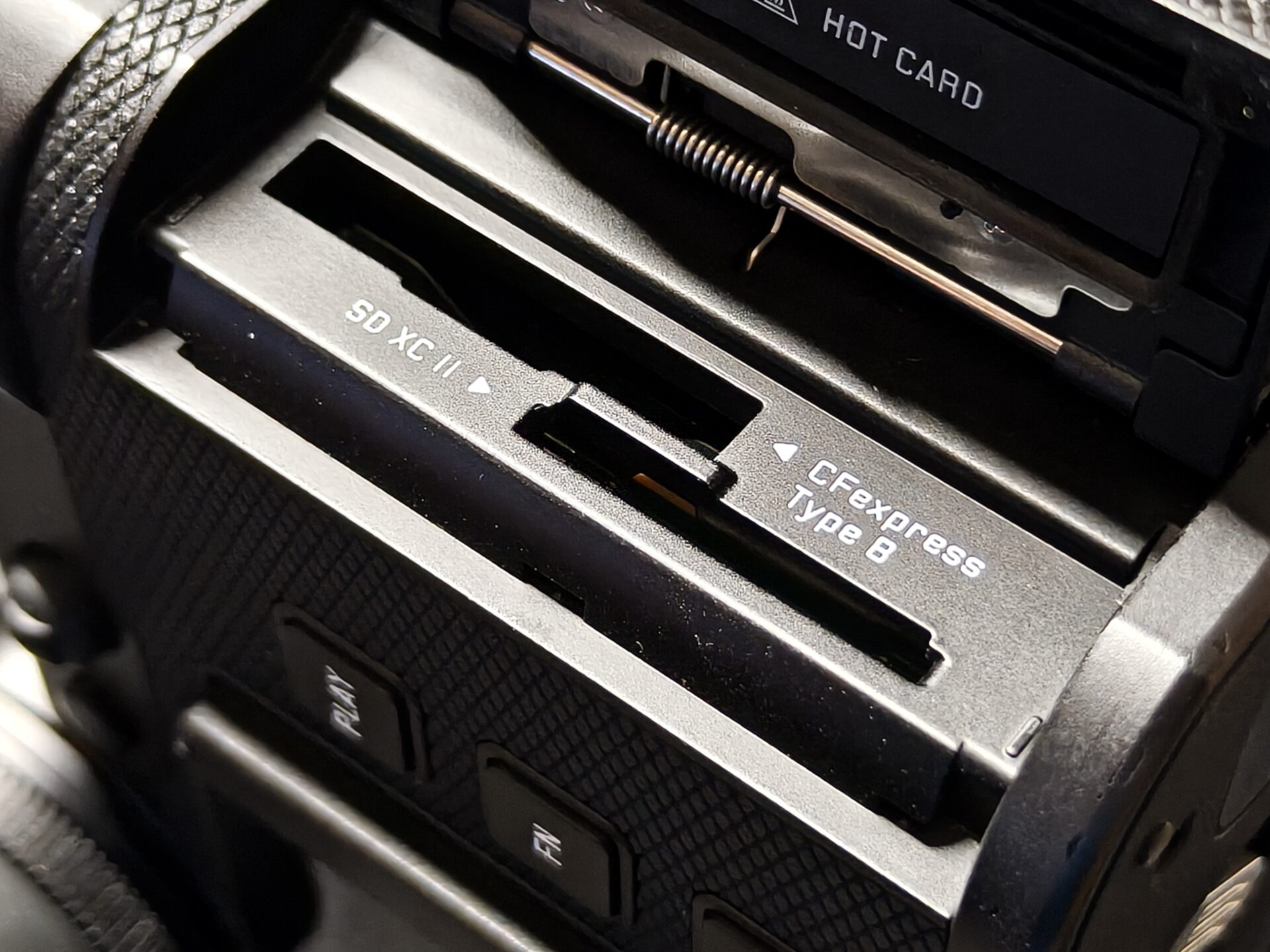
Inside is a 44.9-megapixel full-frame CMOS sensor. That is large enough for commercial work but does not take too much toll on storage needs. The camera uses both CFexpress Type B and UHSII cards to quickly save large image files from the 8GB buffer.
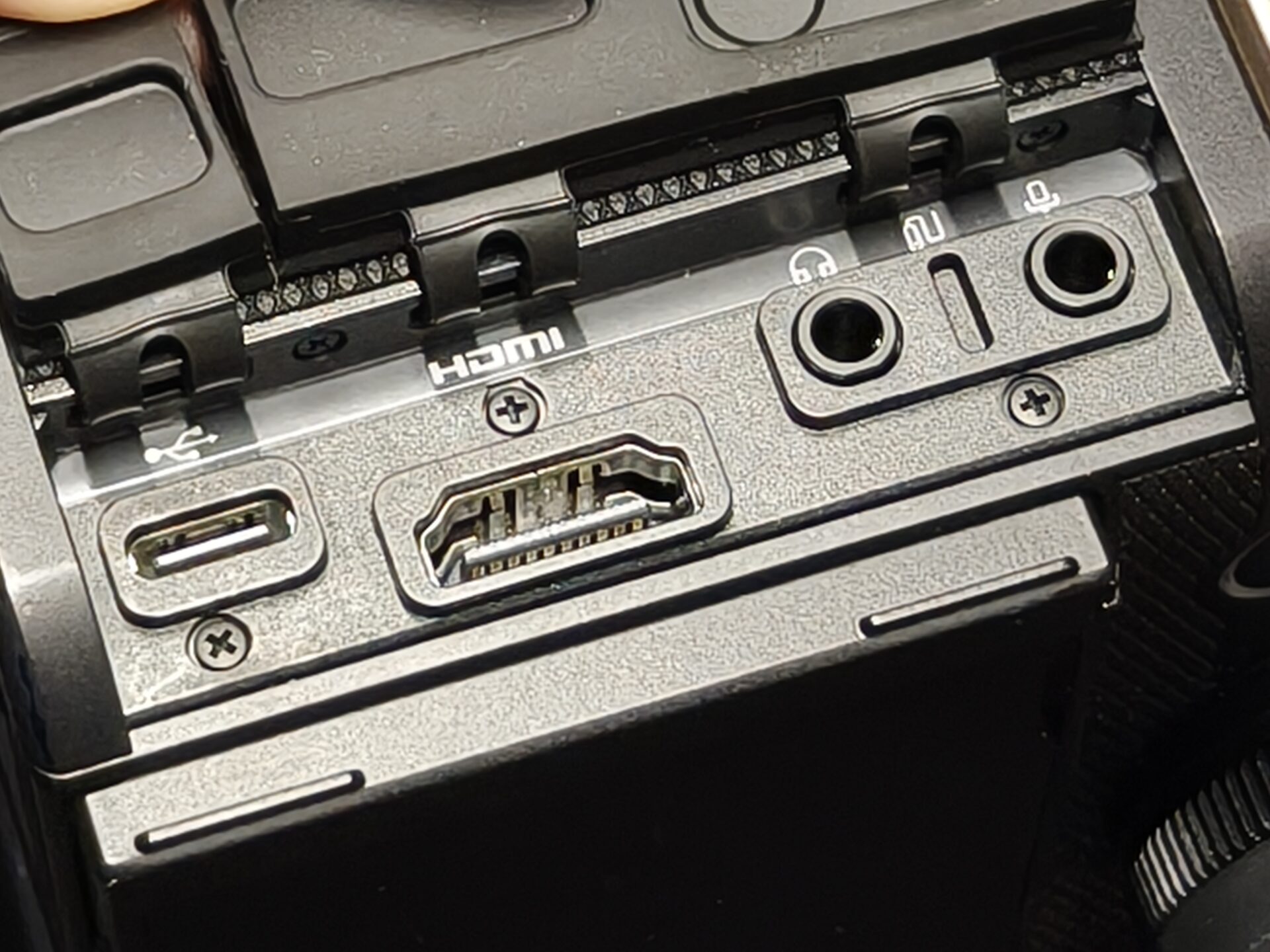
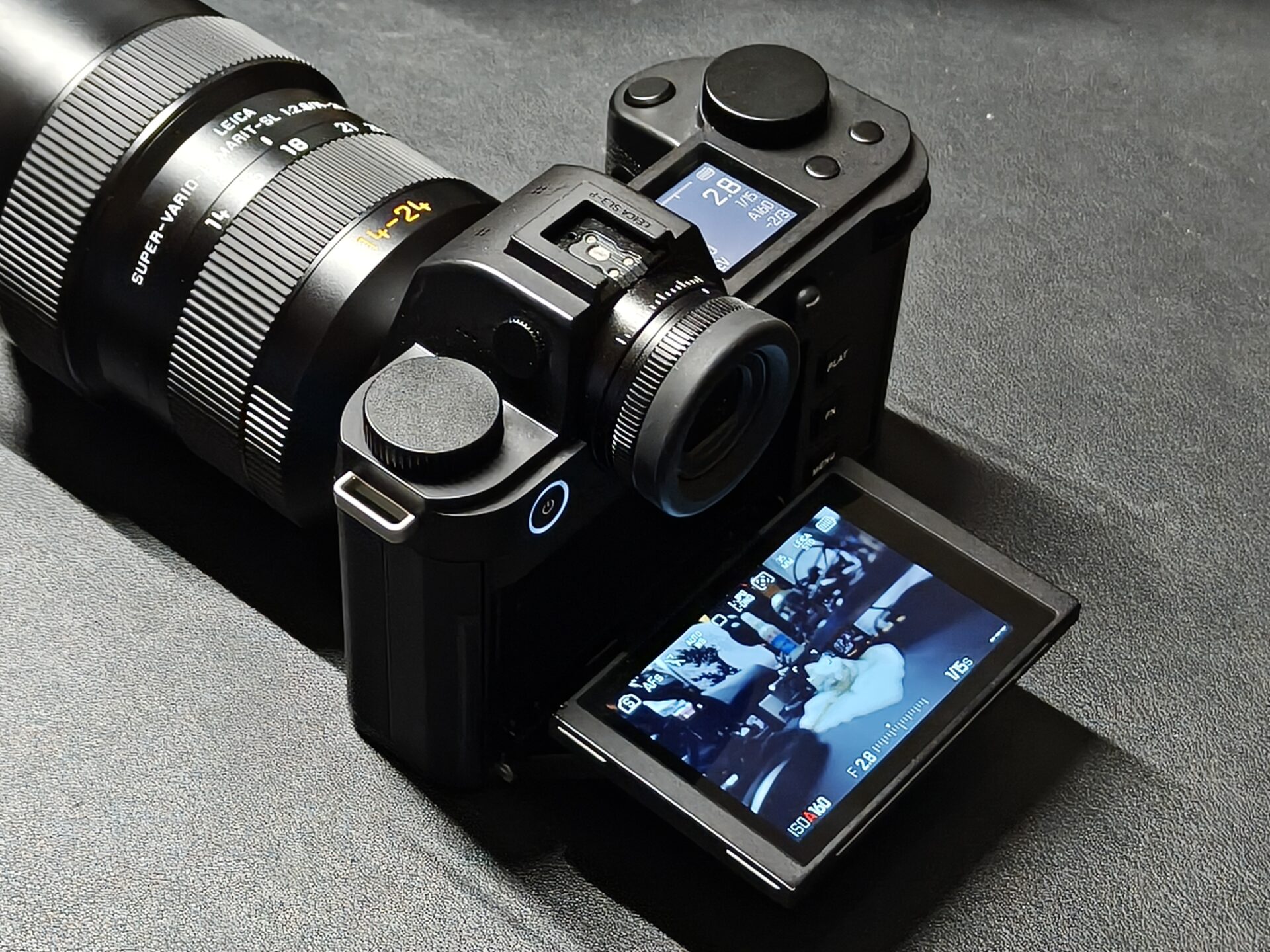
Video capabilities on the Leica SL3-P include 8K at 30p open gate, 6K at 60p and 4K at 120p. This allows video to be captured for both YouTube and TikTok video content easily. The bad news is that the accompanying Leica Foto app doesn’t let you use bulb mode, which is useful for long exposure shots such as fireworks when don’t have a shutter release controller.
The autofocus is much more assured and quick thanks to the new phase-detect autofocus system. It also uses depth mapping and contrast detection to augment the Phase Detect Autofocus (PDAF) system for that added peace of mind when focus is achieved. There are 819 points for better tracking of fast-moving subjects, with full autofocus tracking at 40fps, useful for both sports and wildlife.
When shooting in portrait orientation, the screen rotates automatically to make it easier to read off the screen. The camera is part of the L-mount system so it was easy to switch out lenses to suit your needs.
Screw on the lighter Panasonic Lumix 50mm f1.8 lens if you want a less-heavy setup for street photography or pair with the Sigma 150-600mm f5-6.3 sports lens for wildlife and sports photography that Leica’s own 100-400mm f5-6.3 can’t reach.

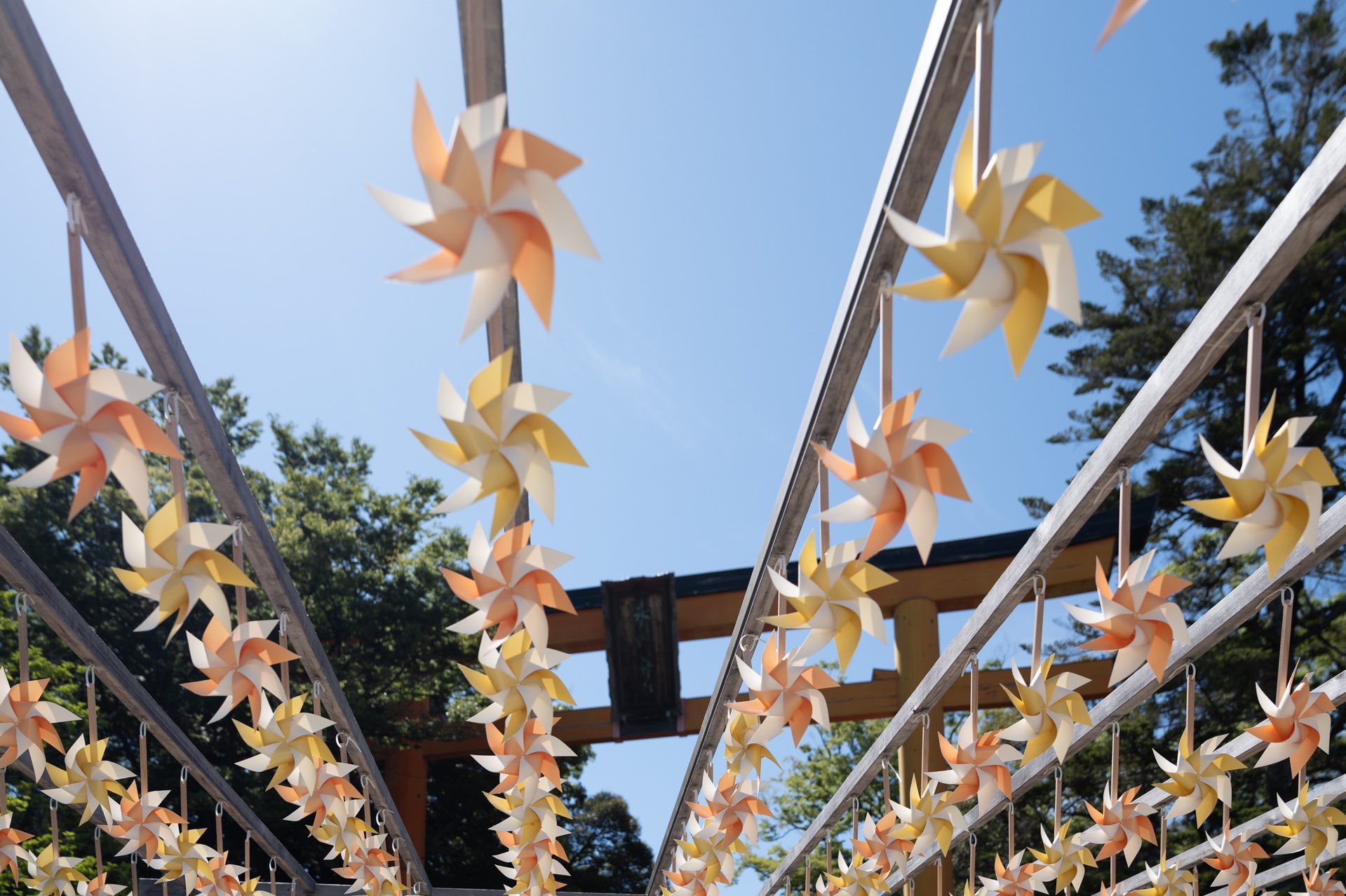

Images when paired with good lenses produce excellent colour profile with that Leica look, with a slight tint of auburn that works for landscape, street and portraits.
It is particularly fun taking street shots and portraits in Japan, where Leica colours produce images that remind you of a bygone Showa era. The high-resolution sensor delivers plenty of detail for large prints or heavy cropping, and the colour science leans warm in a way that feels natural rather than forced.
Should you buy the Leica SL3-P? It’s still quite hefty despite being lighter than its predecessors, so if you are looking for something feather-light this may not be the one.
The autofocus is now good enough for most situations but it is not quite at the level of the fastest Sony or Canon bodies for erratic action. If you value build quality, Leica’s unique colour rendition and a refined handling experience more than outright speed, this camera makes sense.
Costing S$8,800 in Singapore, the Leica SL3-P comes with a price tag that requires you to prioritise. If you want that Leica look, solid construction and a system that can grow with L-mount lenses from Leica, Panasonic and Sigma, you’d find it worth the cost. If you need the absolute fastest tracking for sports or wildlife on a budget, there are quicker options for less money.