
Everything you will like most about the Samsung Galaxy Z Fold 8, you pretty much get it the moment you get your hands on the new foldable phone.
You’re looking at a wider size and more squarish shape, which is a smart departure from the longish version (now called the Galaxy Z Fold 8 Ultra) and the flip-style one (Galaxy Z Flip 8).
In the new Samsung lineup, you can call the Galaxy Z Fold 8 the middle child or the M-sized model, standing between L and S. There’s no doubt, however, it is the star of the show.
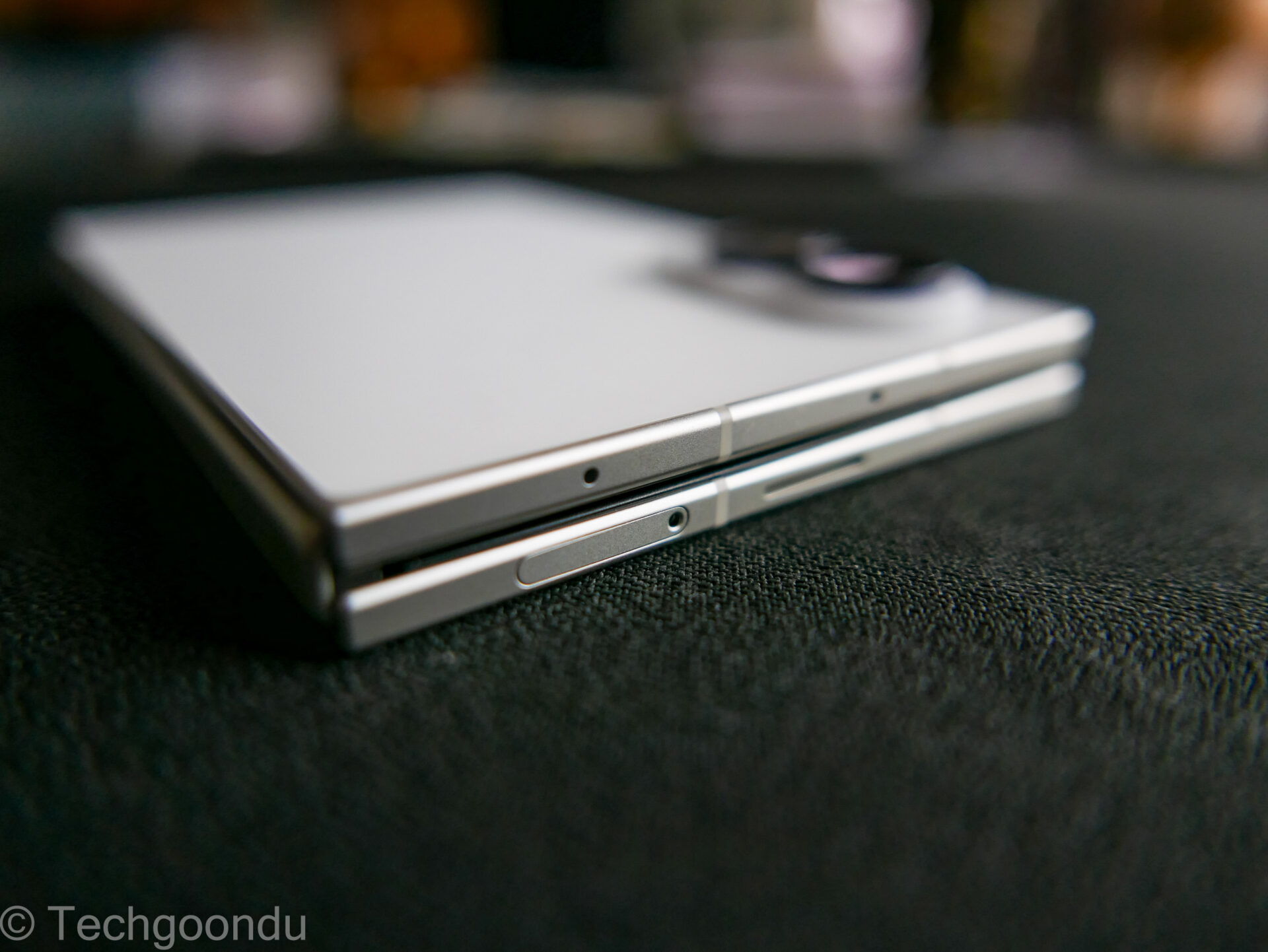
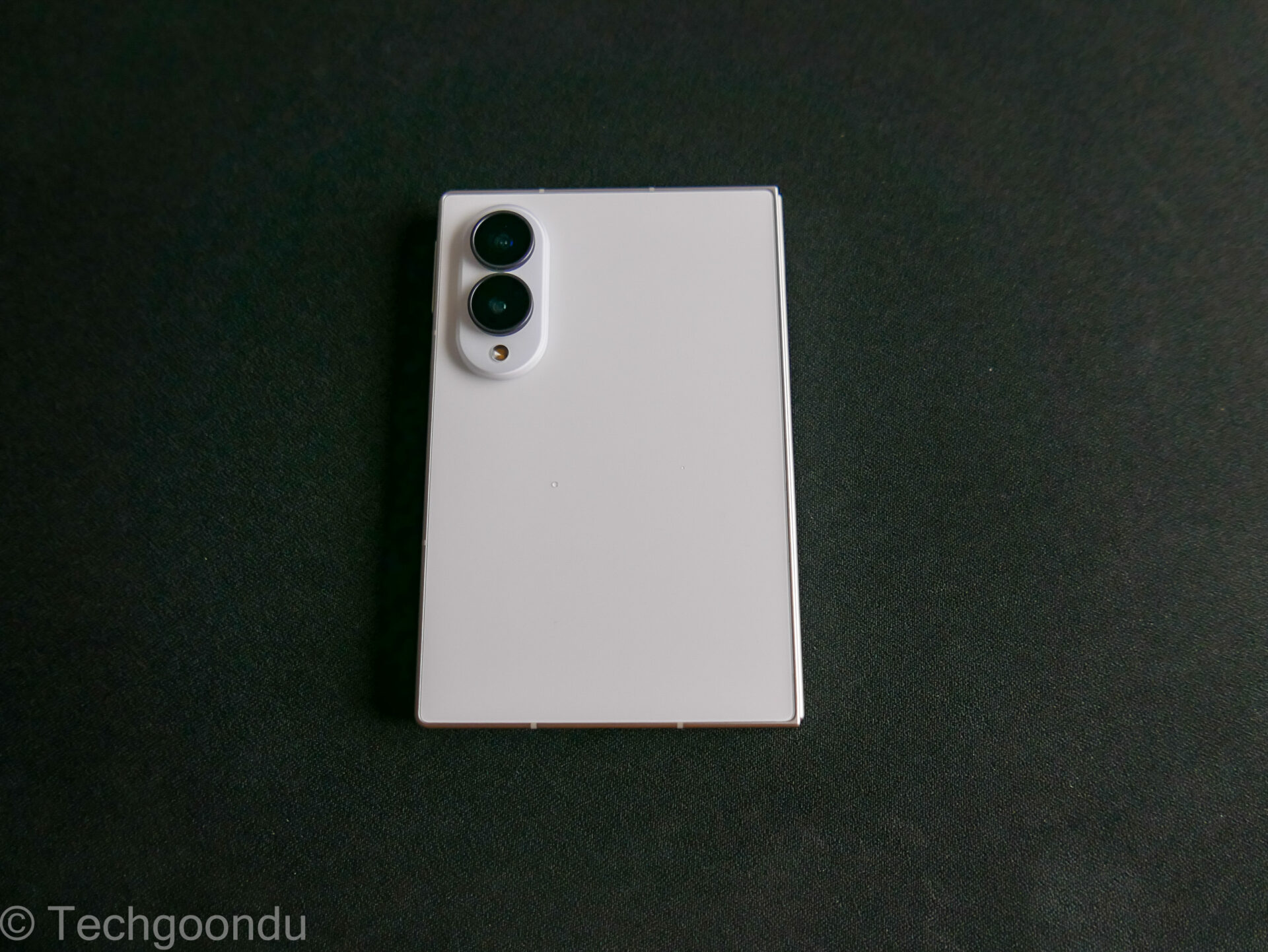
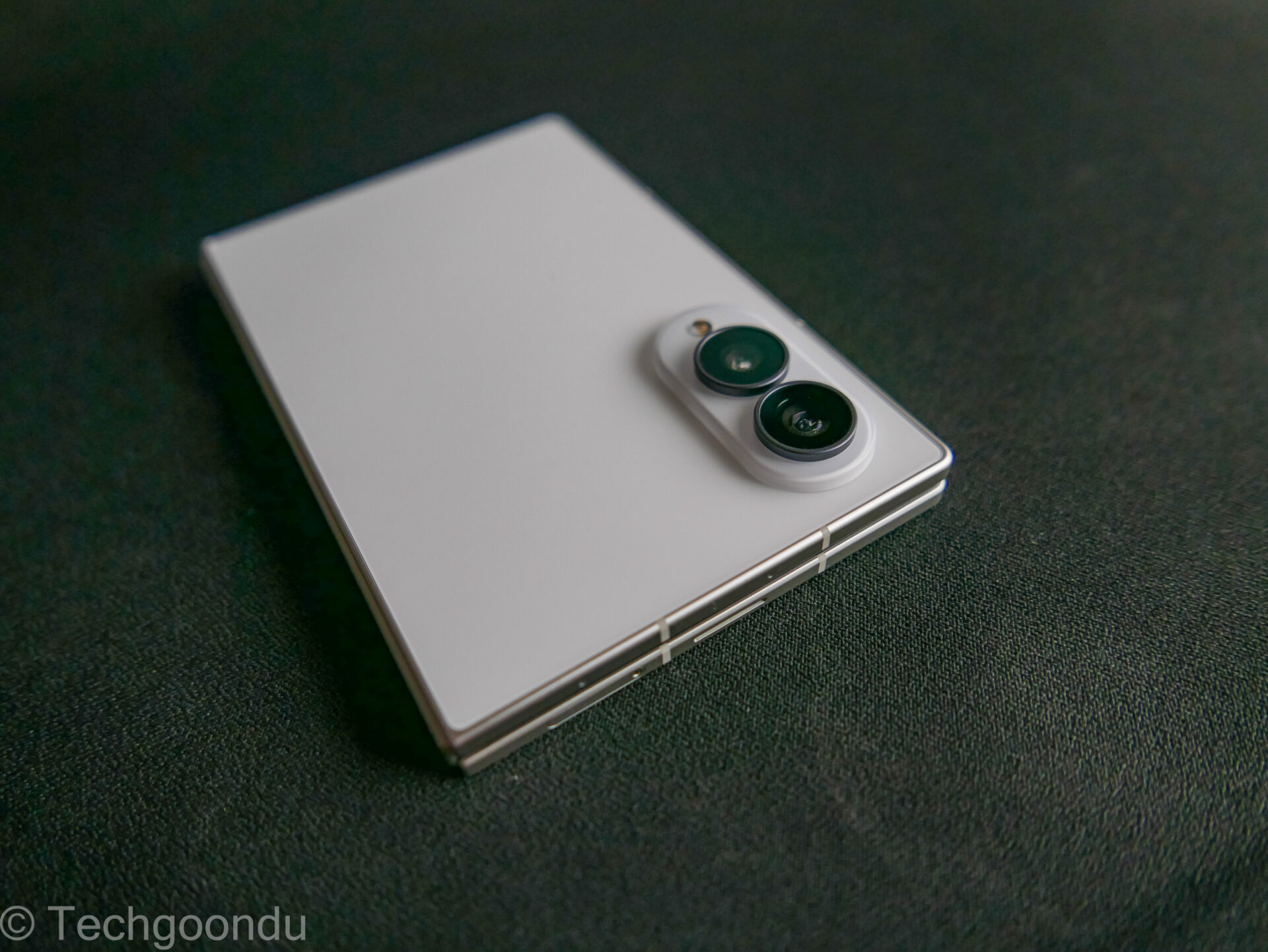
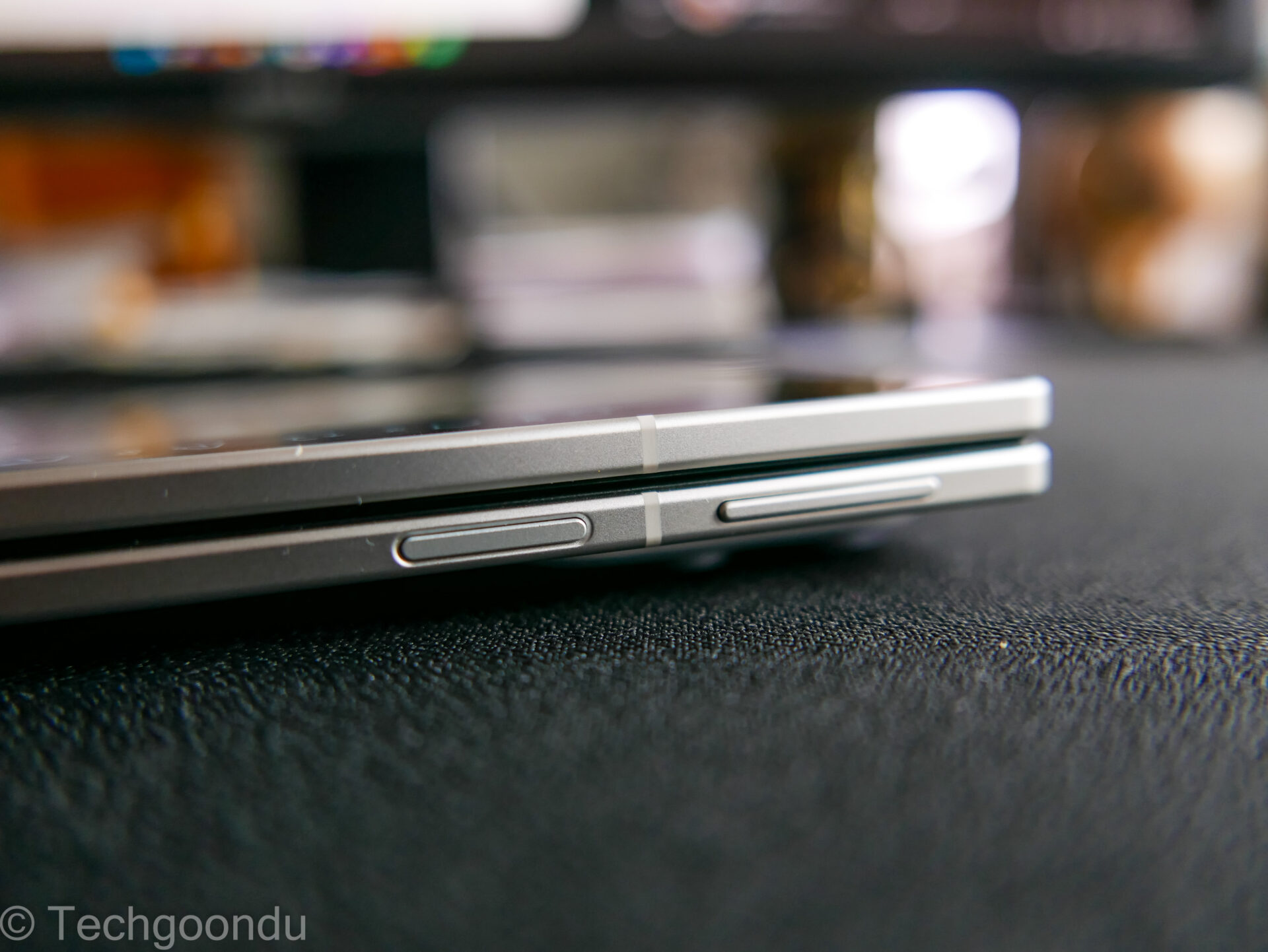
For starters, it is so easy to slip the new 201g foldable phone into your pocket. Yes, the ultra-slim frame, at just 4.5mm at its slimmest, helps a lot but the wallet-sized design makes sure it slots in more effortlessly than larger, longer foldables.
Samsung’s titanium film, which sits under the screen to make things sturdy despite repeated use, deserves praise as well. Yes, you can still see a slight crease but you have to look out for it to notice.
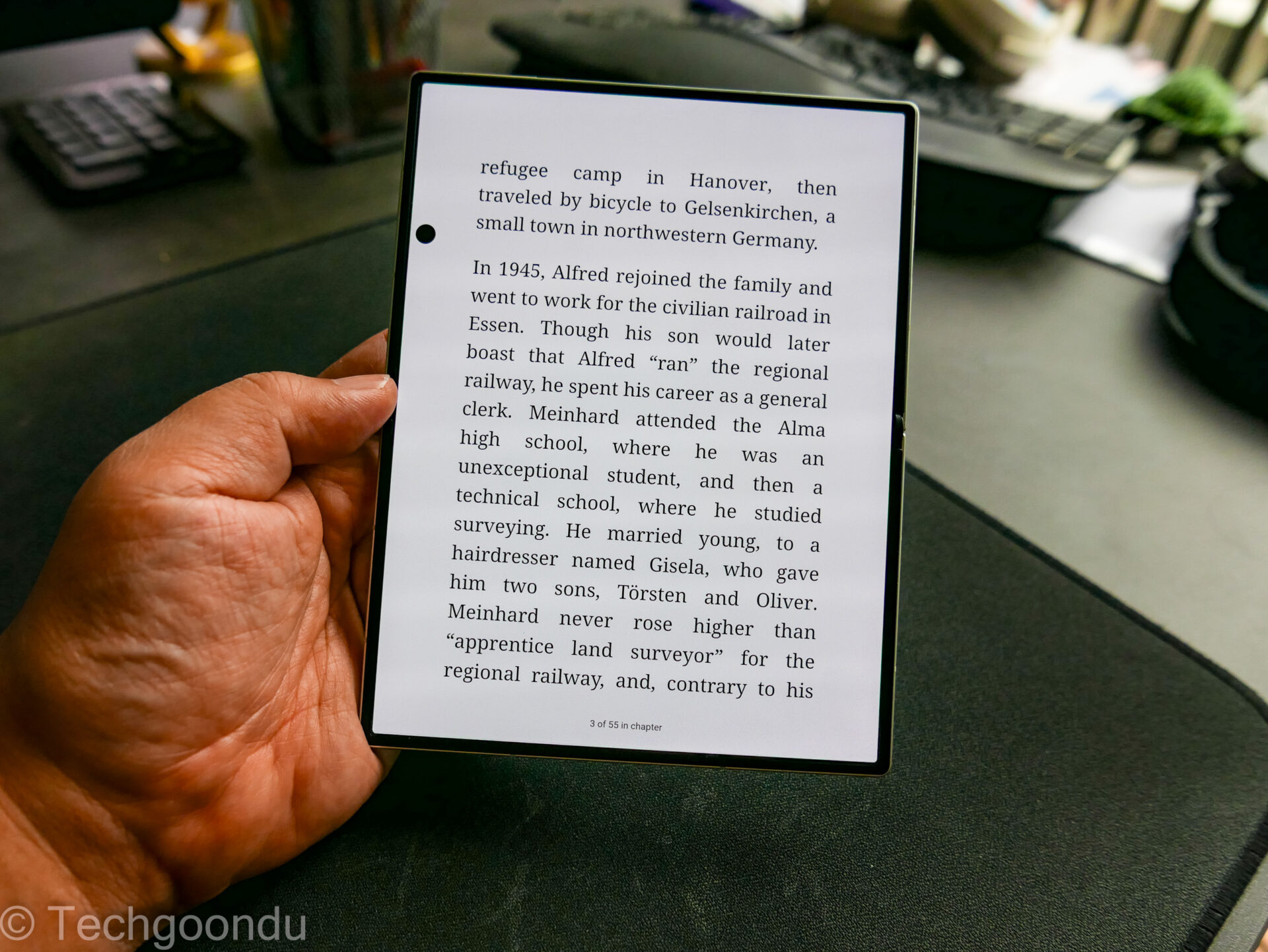
Perhaps more importantly, the new wider shape makes it more conducive to use either of the phone’s screens to watch YouTube shorts, read an e-book or even catch up on a couple of texts.
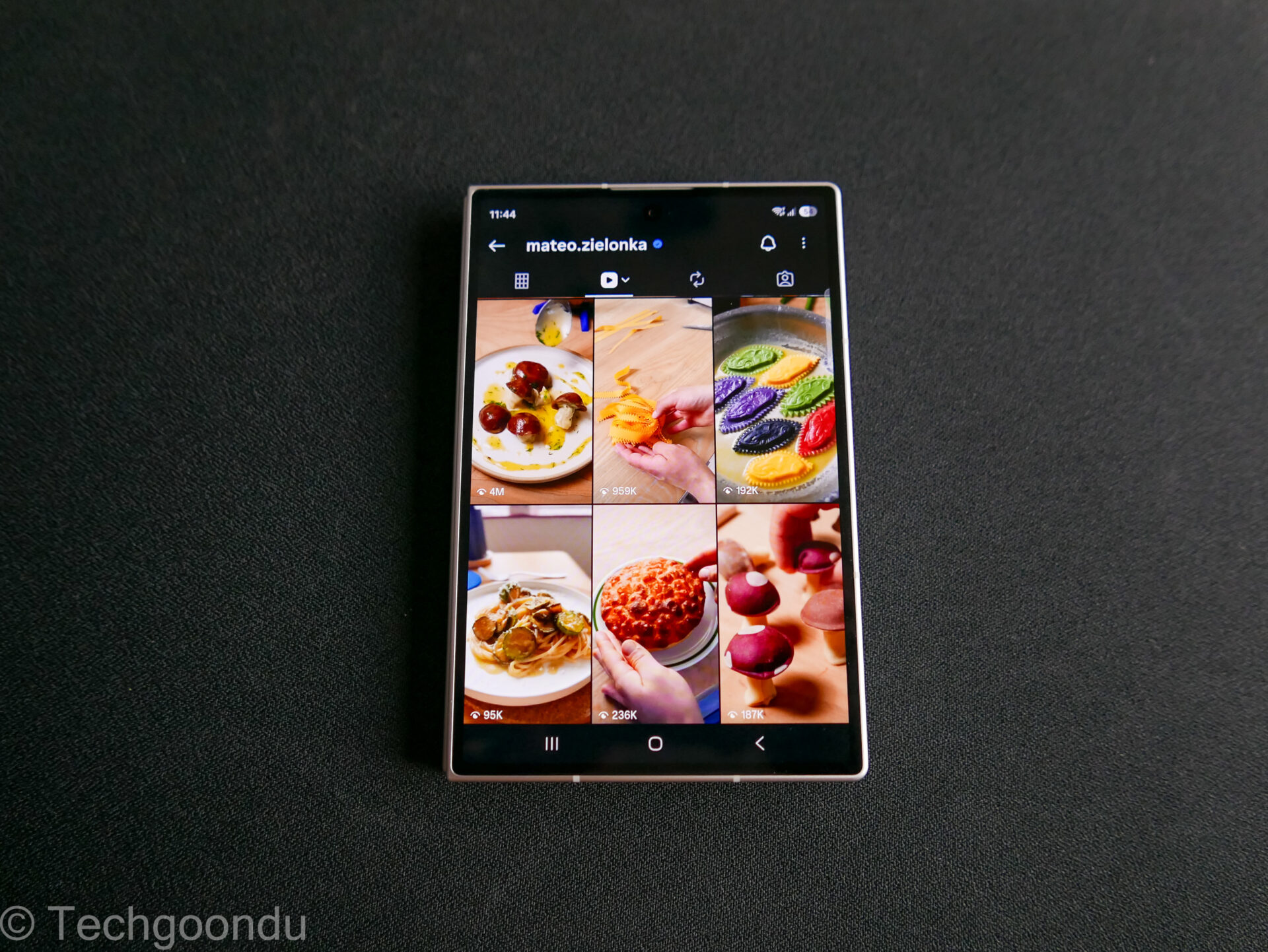
The external 5.5-inch screen has the right aspect ratio, for example, to show almost an entire video without fat black bars around it, unlike on a longish phone.
In portrait mode, it shows off Instagram or TikTok videos well; in landscape mode, you can fire up a YouTube or Netflix show with the clip using up almost the entire screen
Most Android apps that I run seem well adjusted to the new aspect ratio of the external screen. Spotify doesn’t look too stretched, nor does WhatsApp or Gemini Notebook.
Of course, there has to be the odd app that doesn’t seem to auto-rotate well. I’m looking at the Singapore Airlines app, which doesn’t autorotate on either screen. On the large screen, the app remains in portrait mode – the wrong orientation – forcing me to turn the phone around to use it.
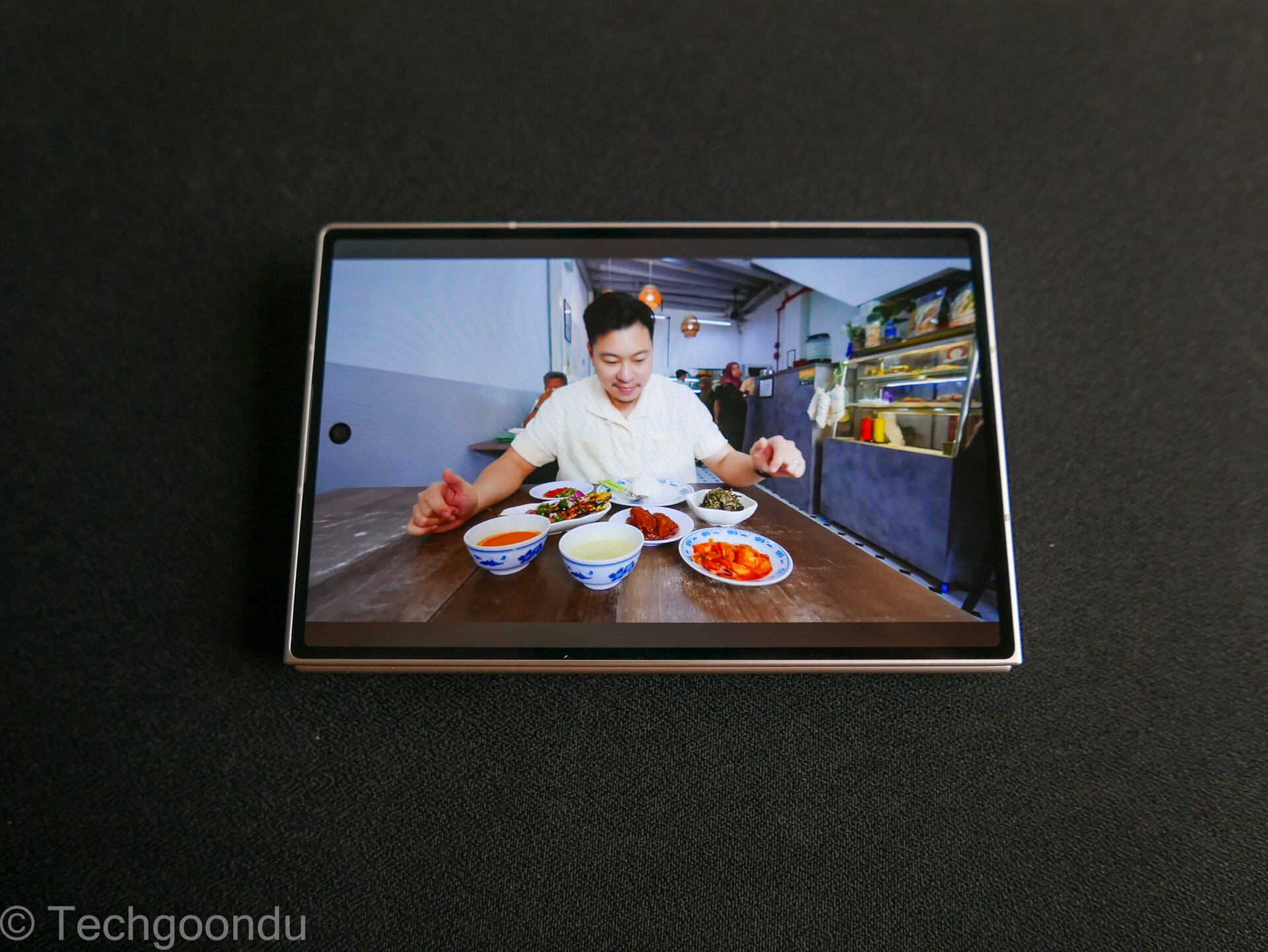
That said, I’d say most apps work fine, as both screens are a joy to use. The large 7.6-inch main screen lets you consume your favourite media, but the handiness of the external screen is great for quick media “snacking”.
If you have a bit more time, the main screen is still great for reading an e-book on. It’s not quite as big as a Kobo e-reader, but the size makes it easier to hold in one hand. And my Kobo e-books read fine on it.
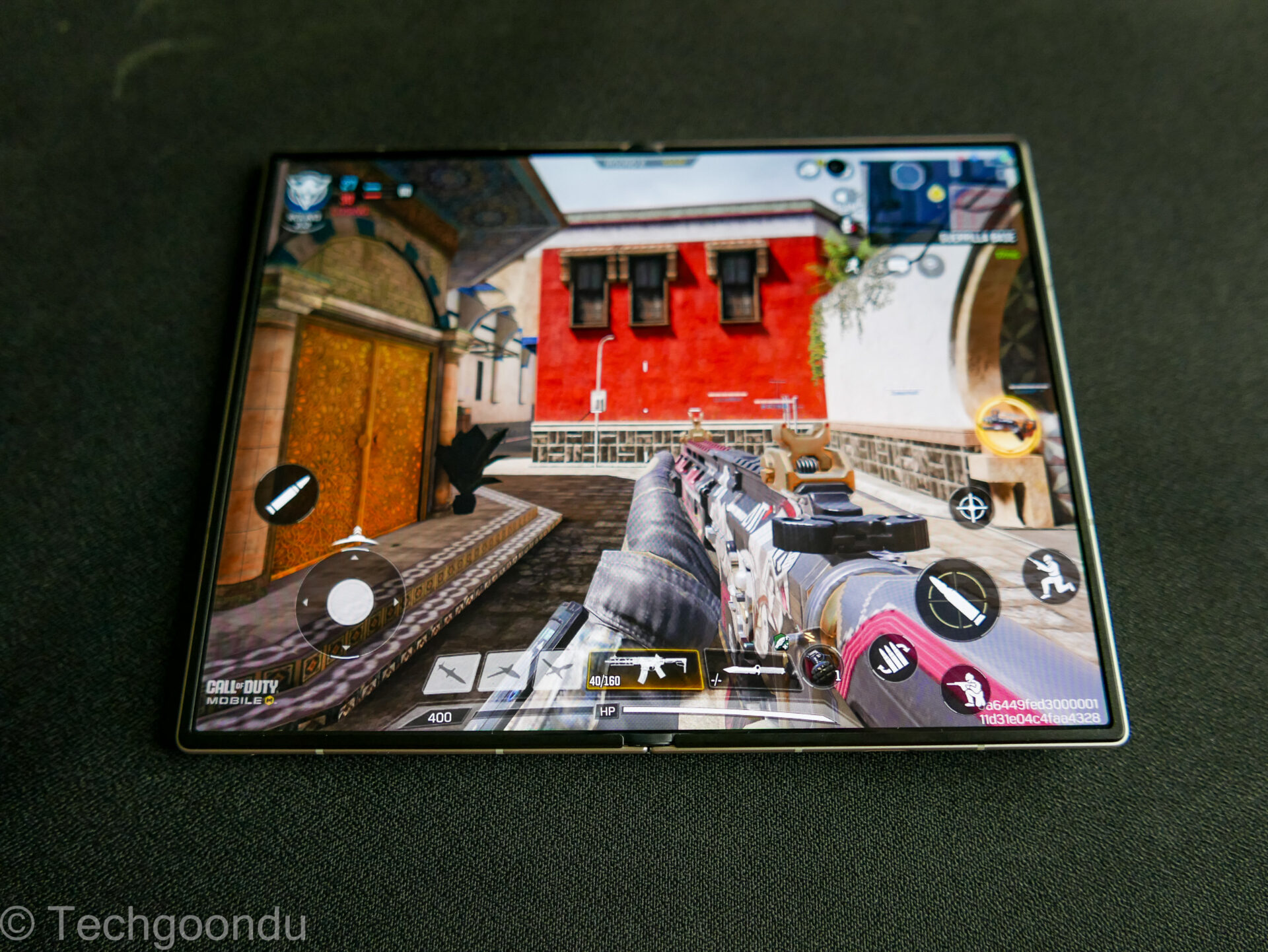
Certainly, it’s big enough for games like Call of Duty. Like other larger foldable phones, Samsung’s new M-sized foldable lets you see more, move around more easily and blast more people away in an online shooter.
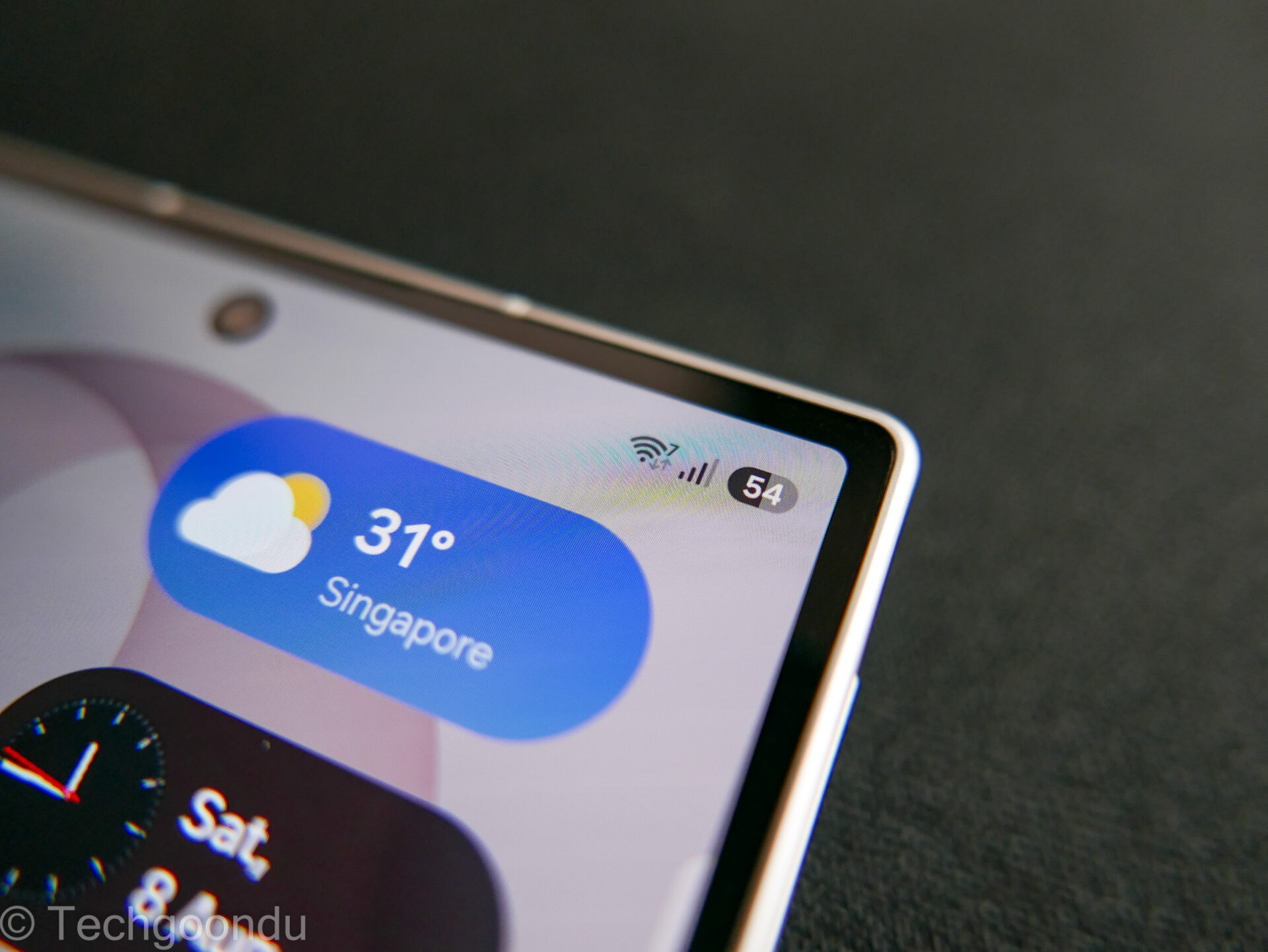
Both screens on the new phone use Samsung’s 120Hz AMOLED 2X displays, which make them excellent in speed, contrast and colour reproduction. They also are bright enough for the often-relentless afternoon sun in Singapore.
There are some trade-offs, to be fair. The Galaxy Z Fold 8’s main screen, at 7.6 inches, is still a little smaller than the 8-incher on the Galaxy Z Fold 8 Ultra.
Though the difference may seem small on paper, it could let you zoom in a little more on a spreadsheet or stretch an image slightly more. On a tiny seat on a plane, that helps when you need to rush out some work.
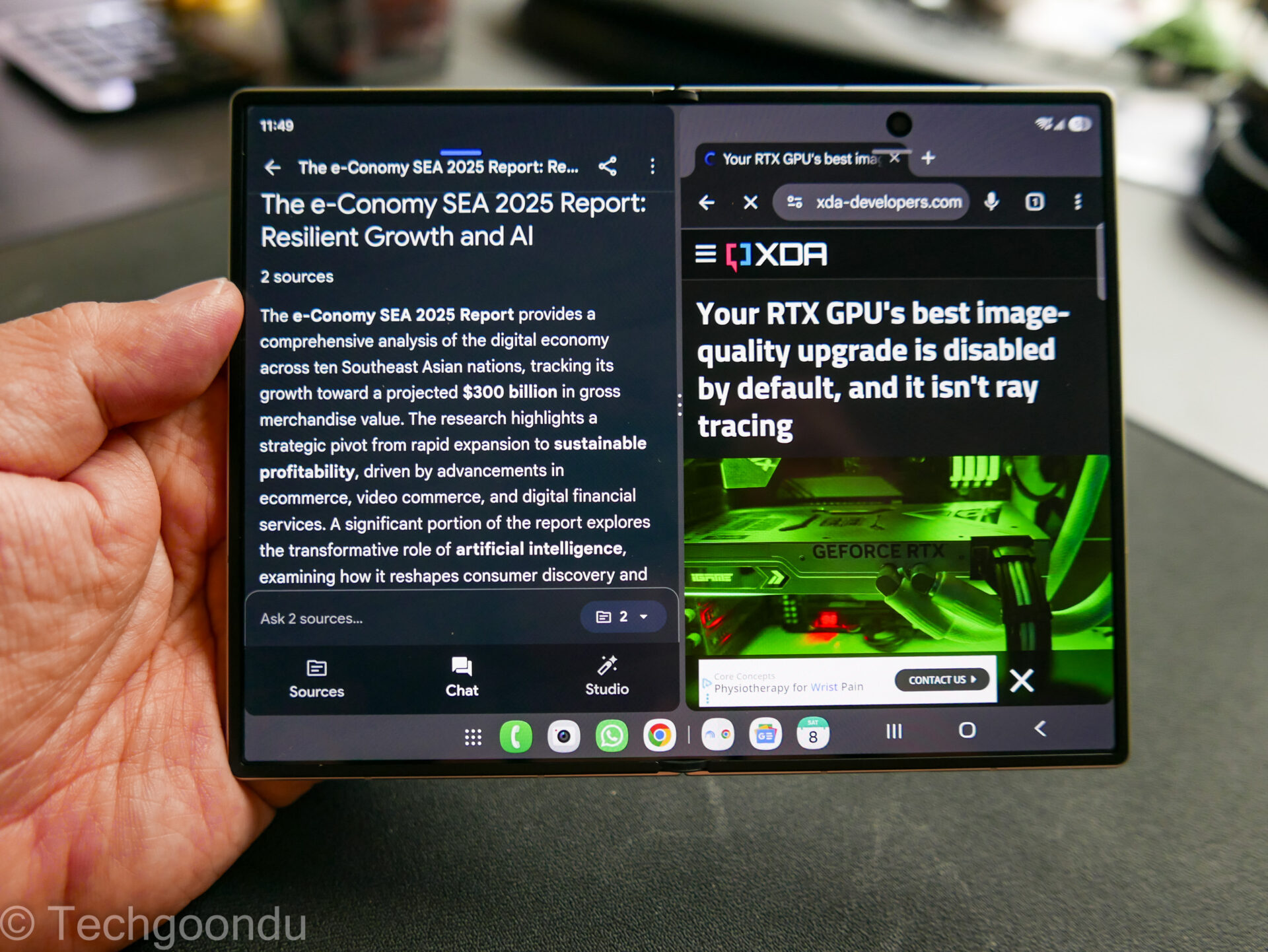
This is not to say the Galaxy Z Fold 8 isn’t good for some work. It is certainly a big jump from the average candybar phone. The side-by-side app windows enabled by Samsung also help get all the information you need on screen.
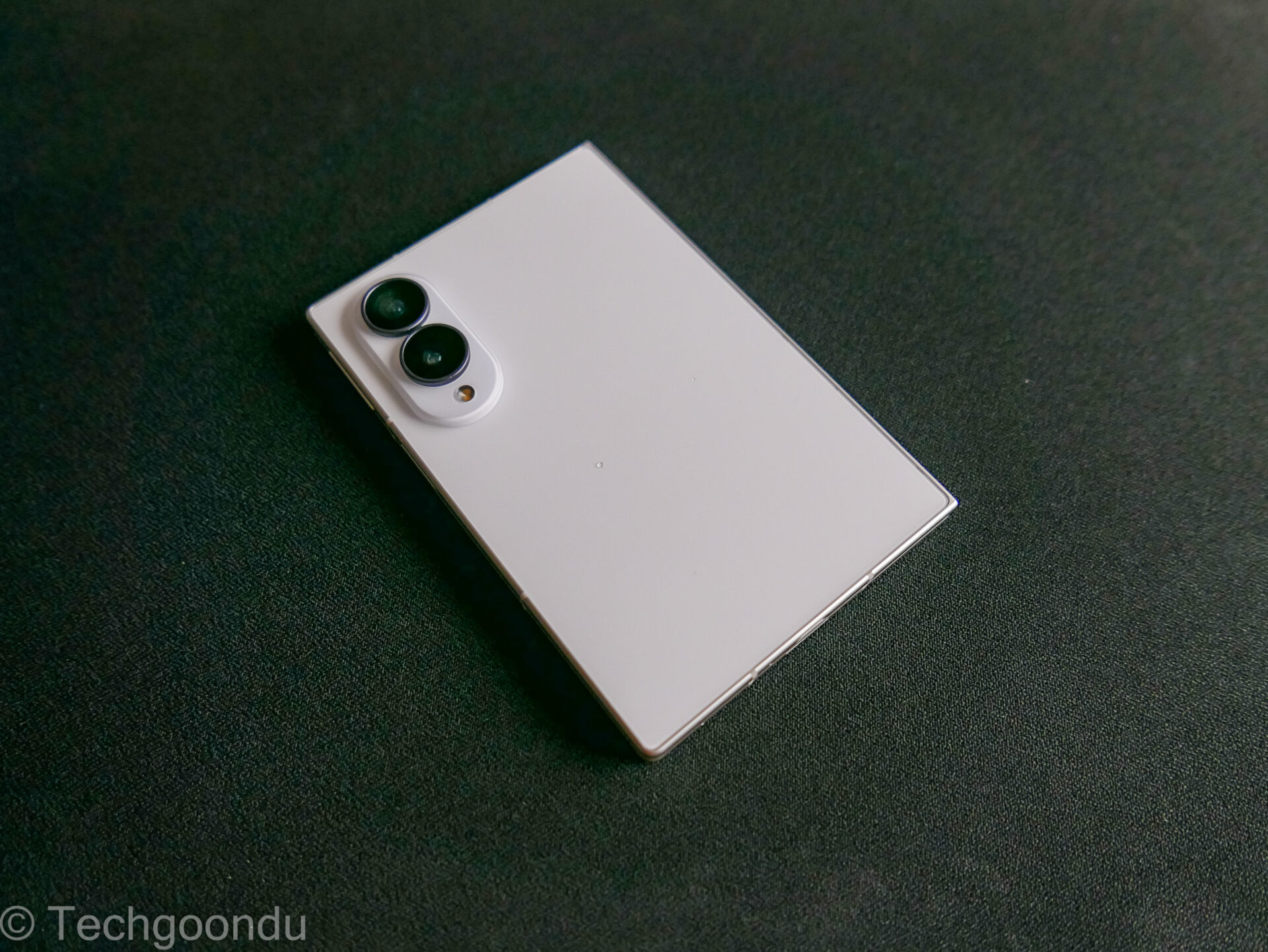
What about cameras? For the main imaging array at the back, you only have two 50-megapixel cameras – one wide-angle and one ultrawide promising 2x “optical-quality” zoom.
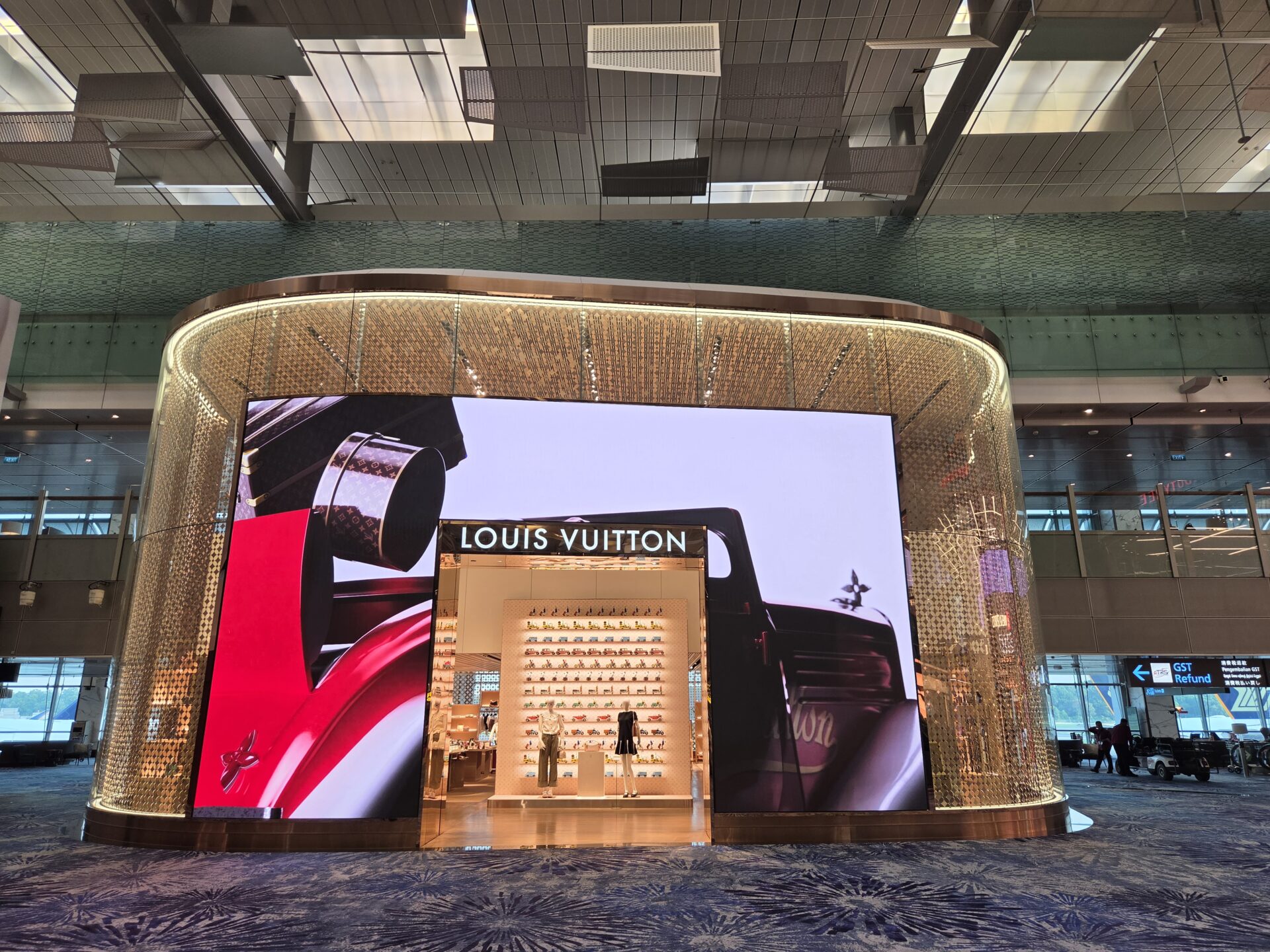
In good lighting, the cameras capture good amounts of detail and are great for shots during your travels. Colours aren’t overly exaggerated, which is a good thing.
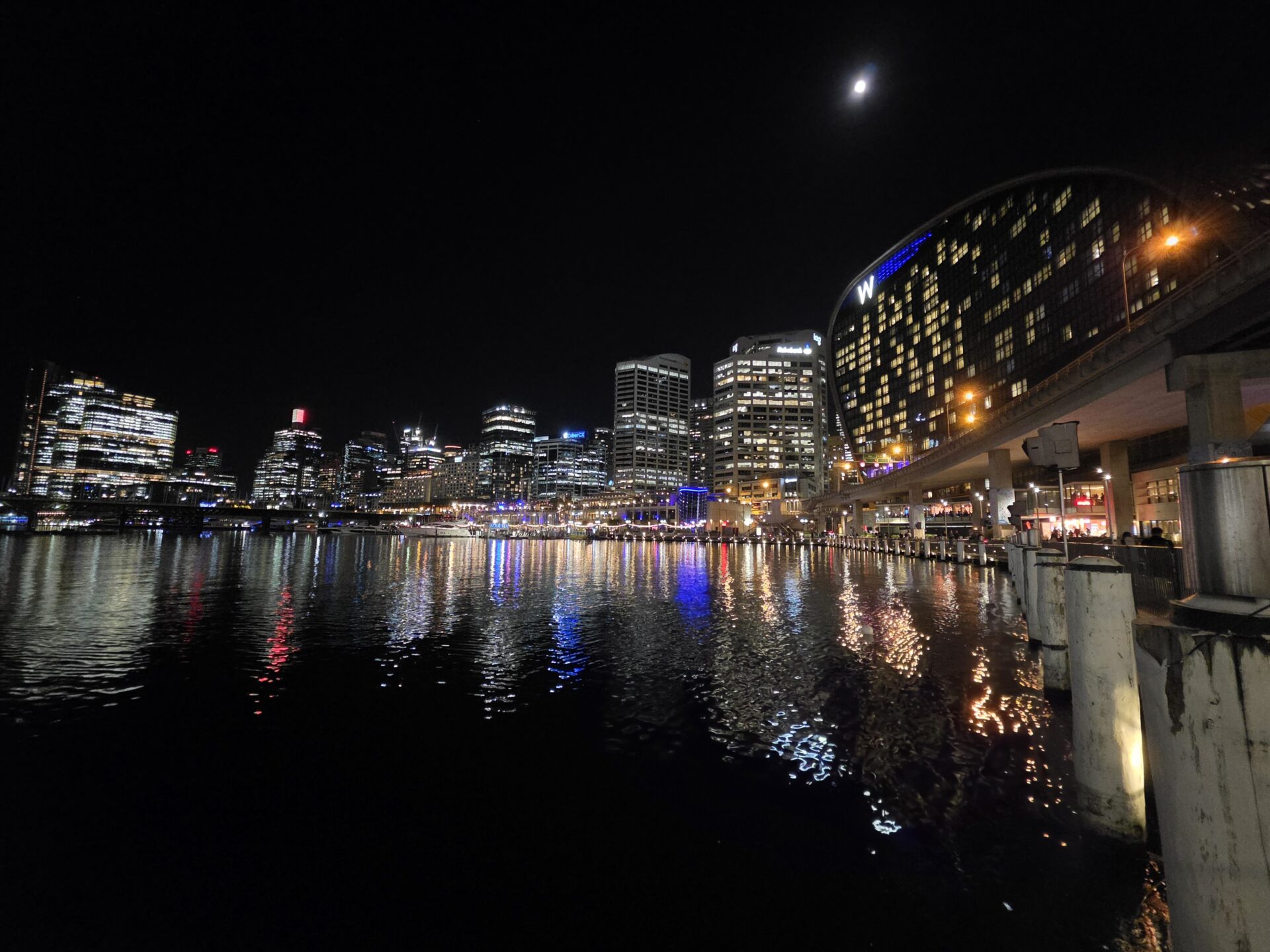
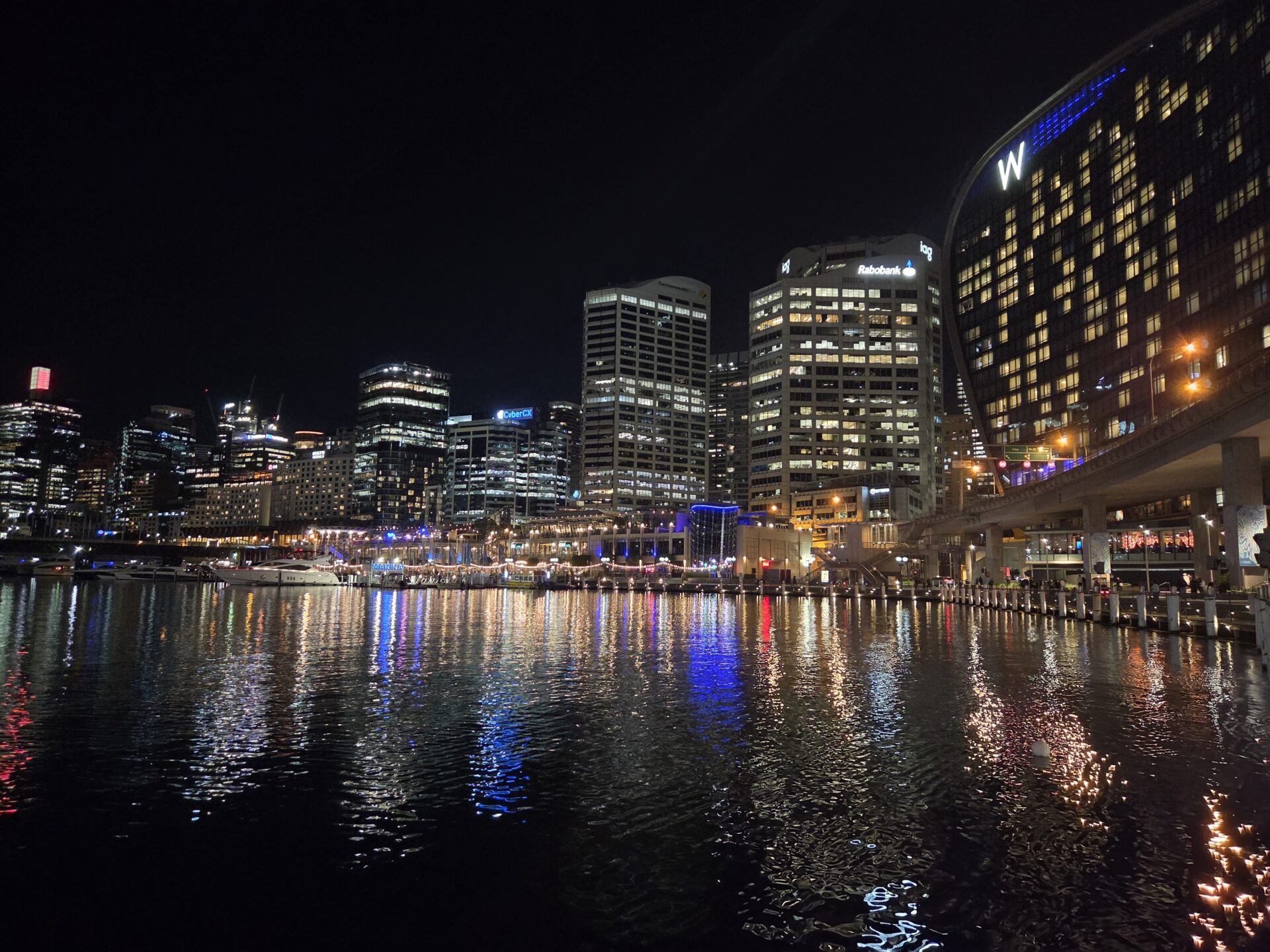
The main camera shoots well enough to capture even dimly lit situations. It’s smart enough not to overly brighten a night sky and balances a scene with both bright lights and dim areas.
Certainly, the phone is good enough for casual shots of a lunch date with friends, with the colours looking vibrant and accurate, while details are adequately captured.
The ultrawide camera gives you a bit more leeway to capture a wide horizon, say, for group shots or when you want to capture more of Darling Harbour in Sydney.
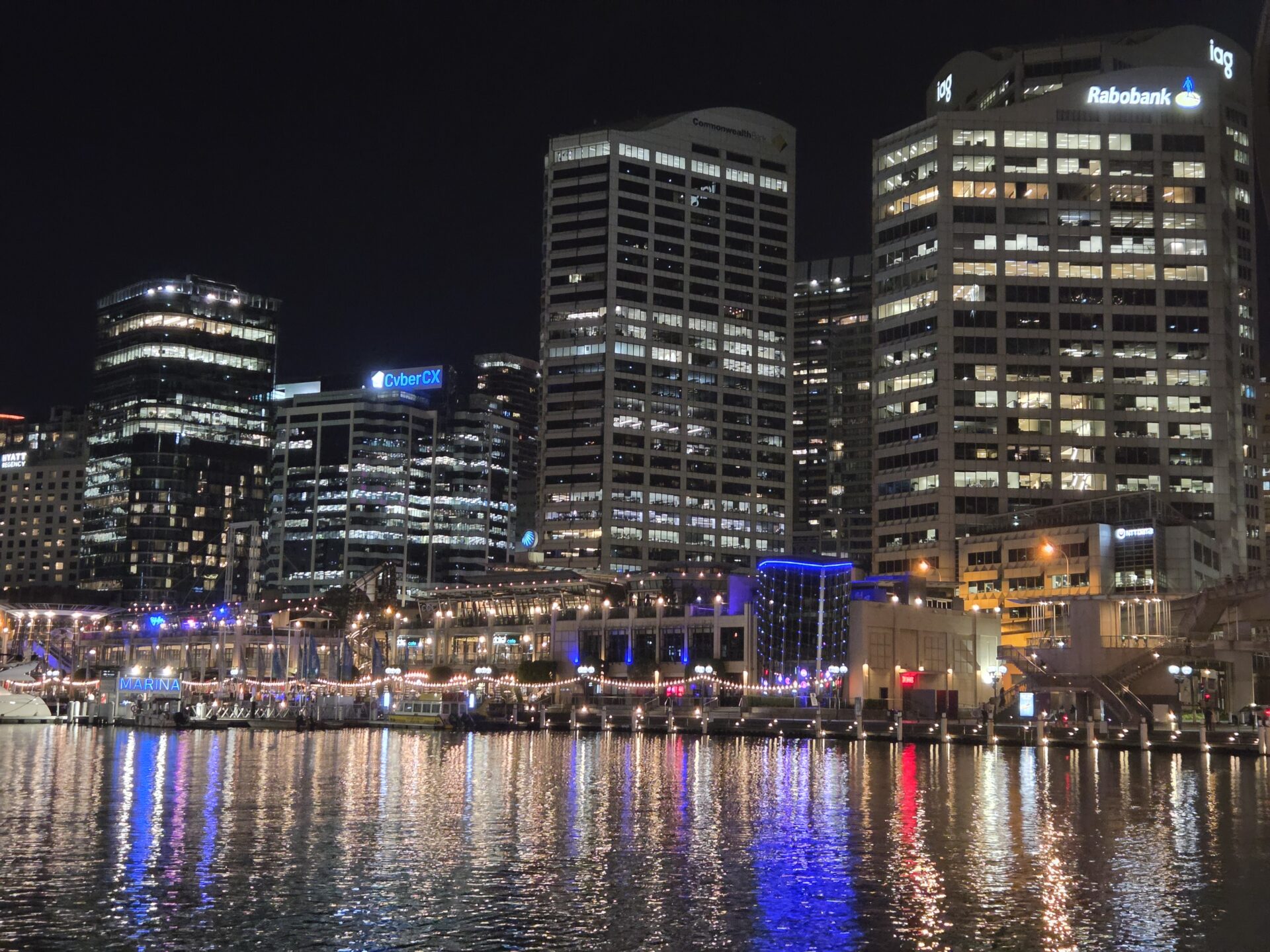
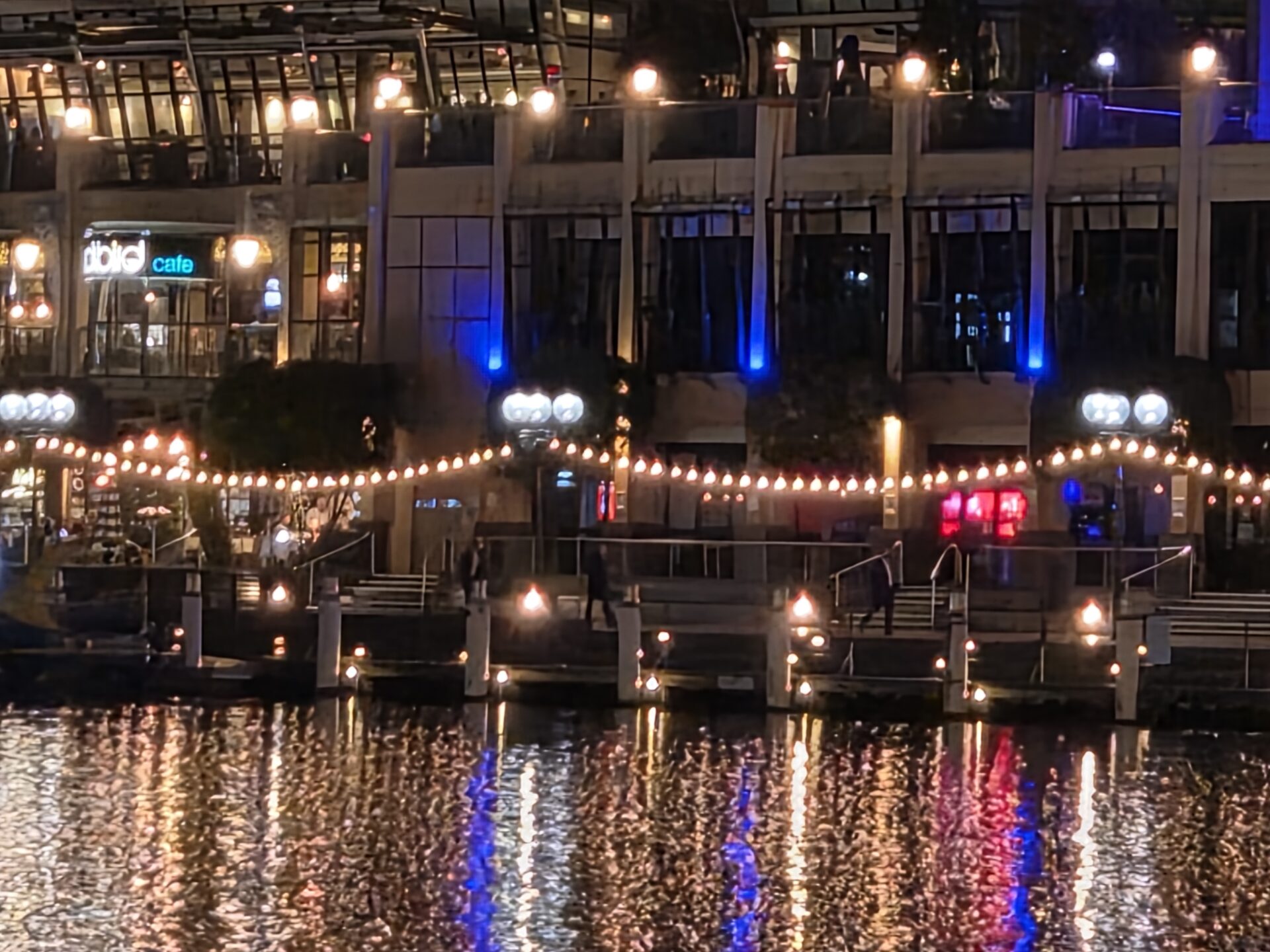
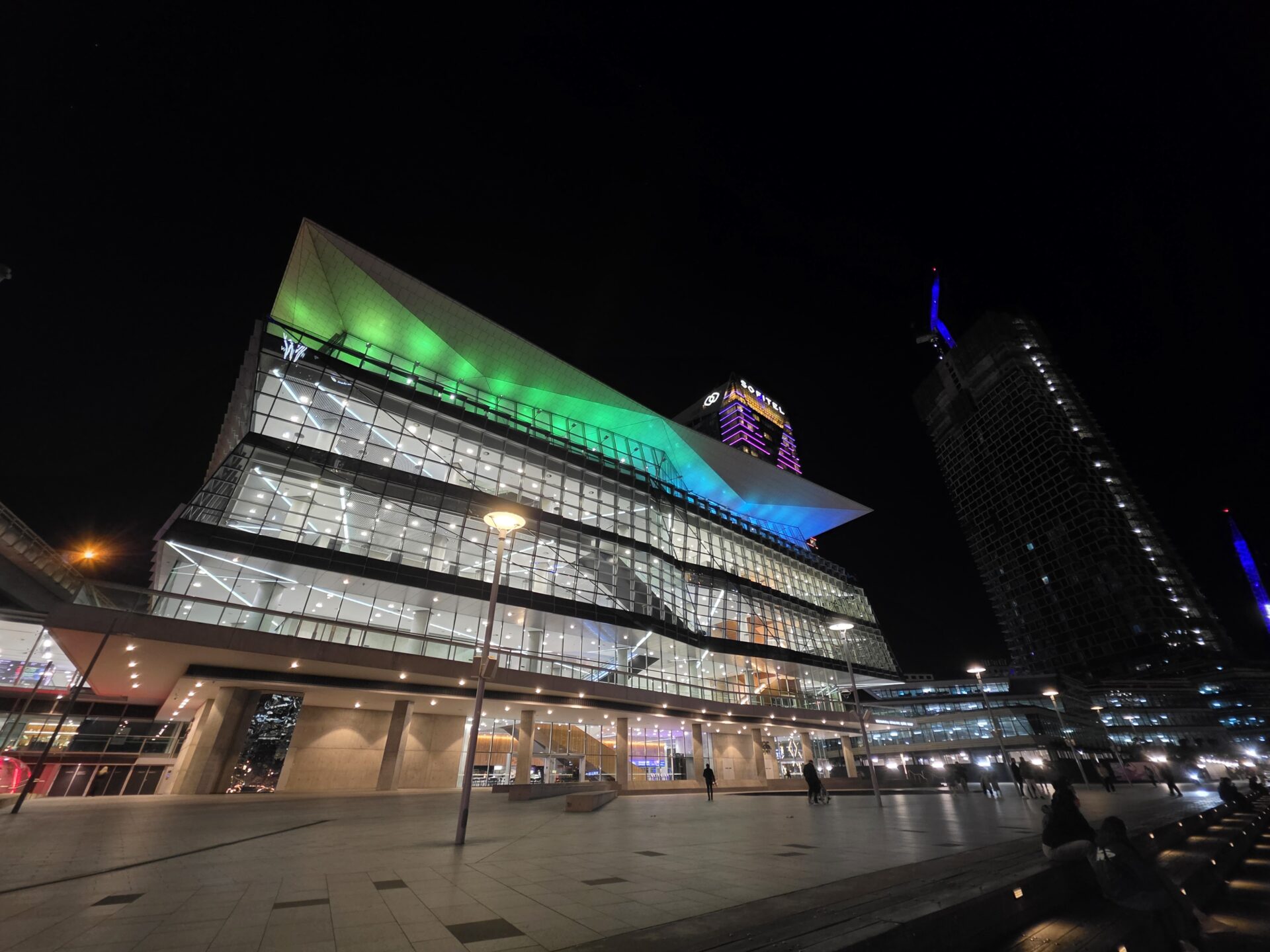
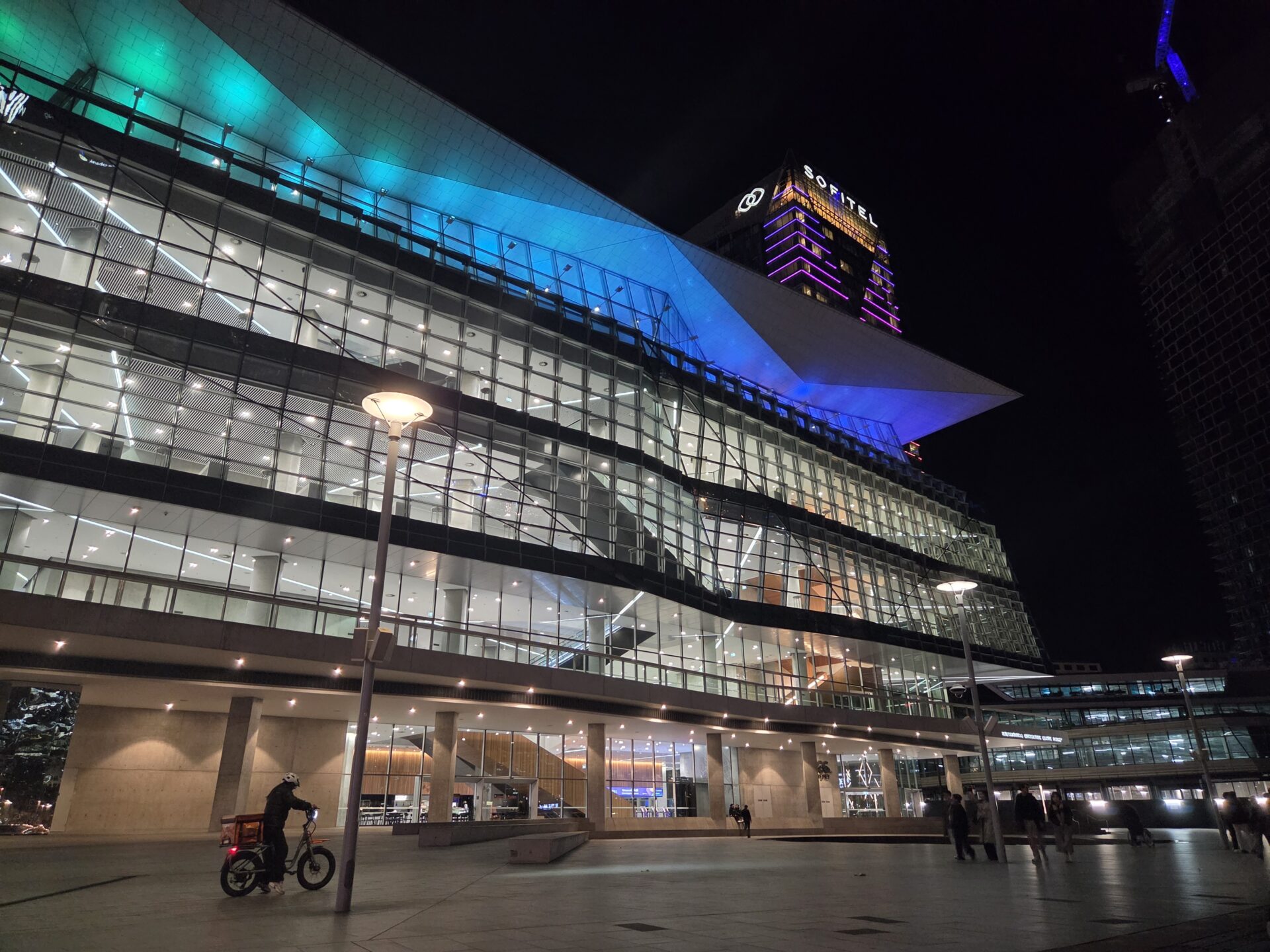
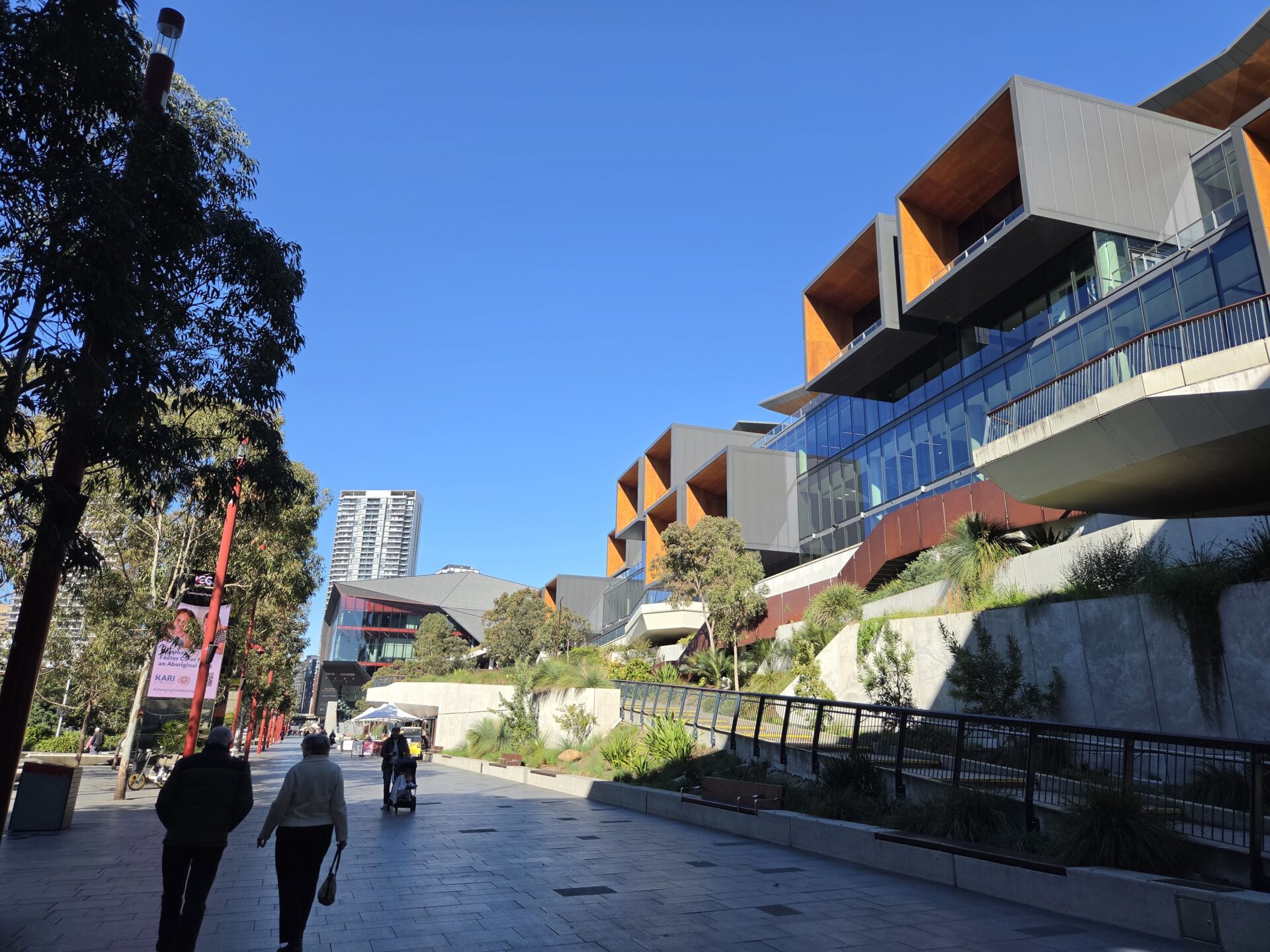
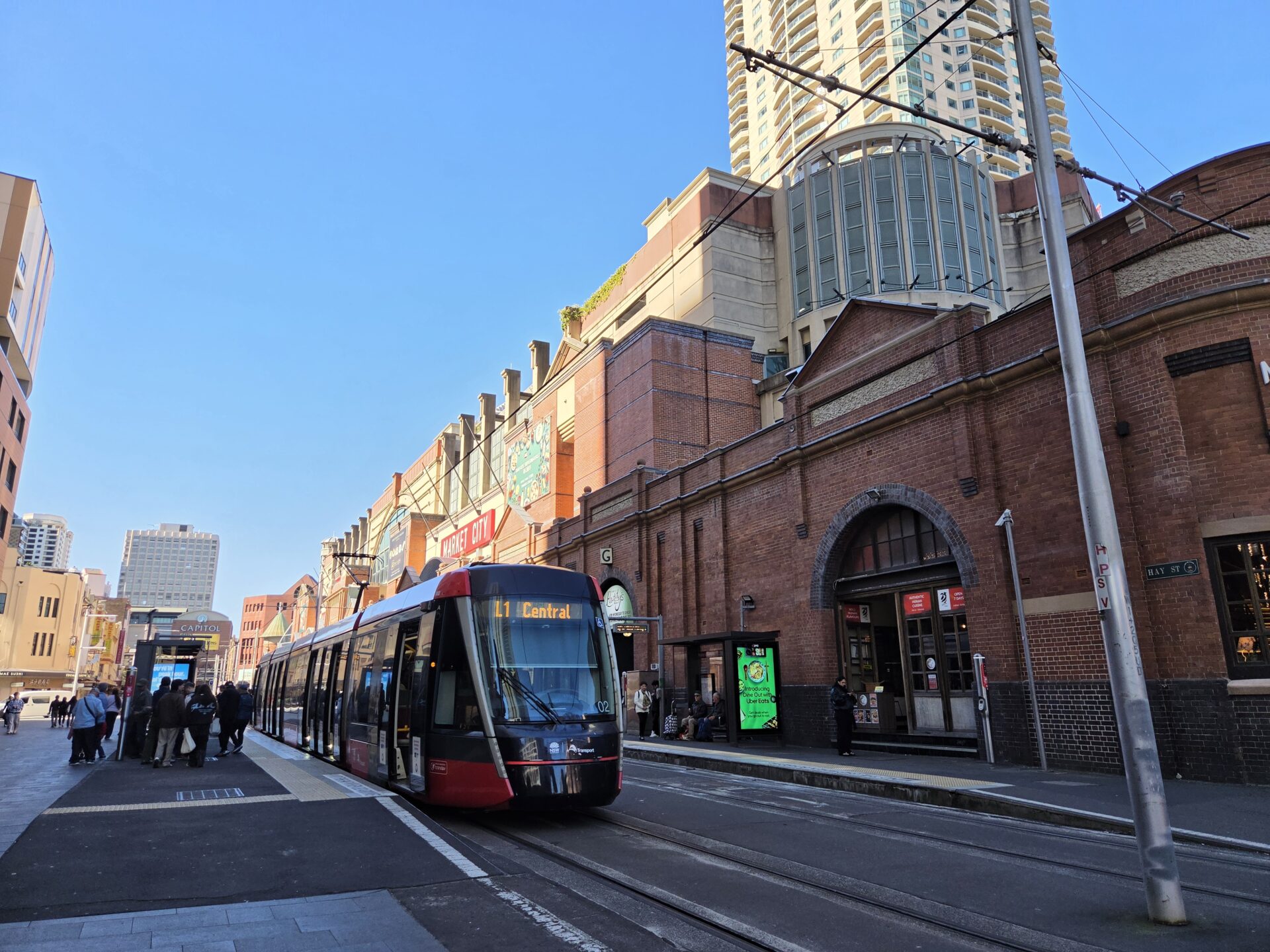
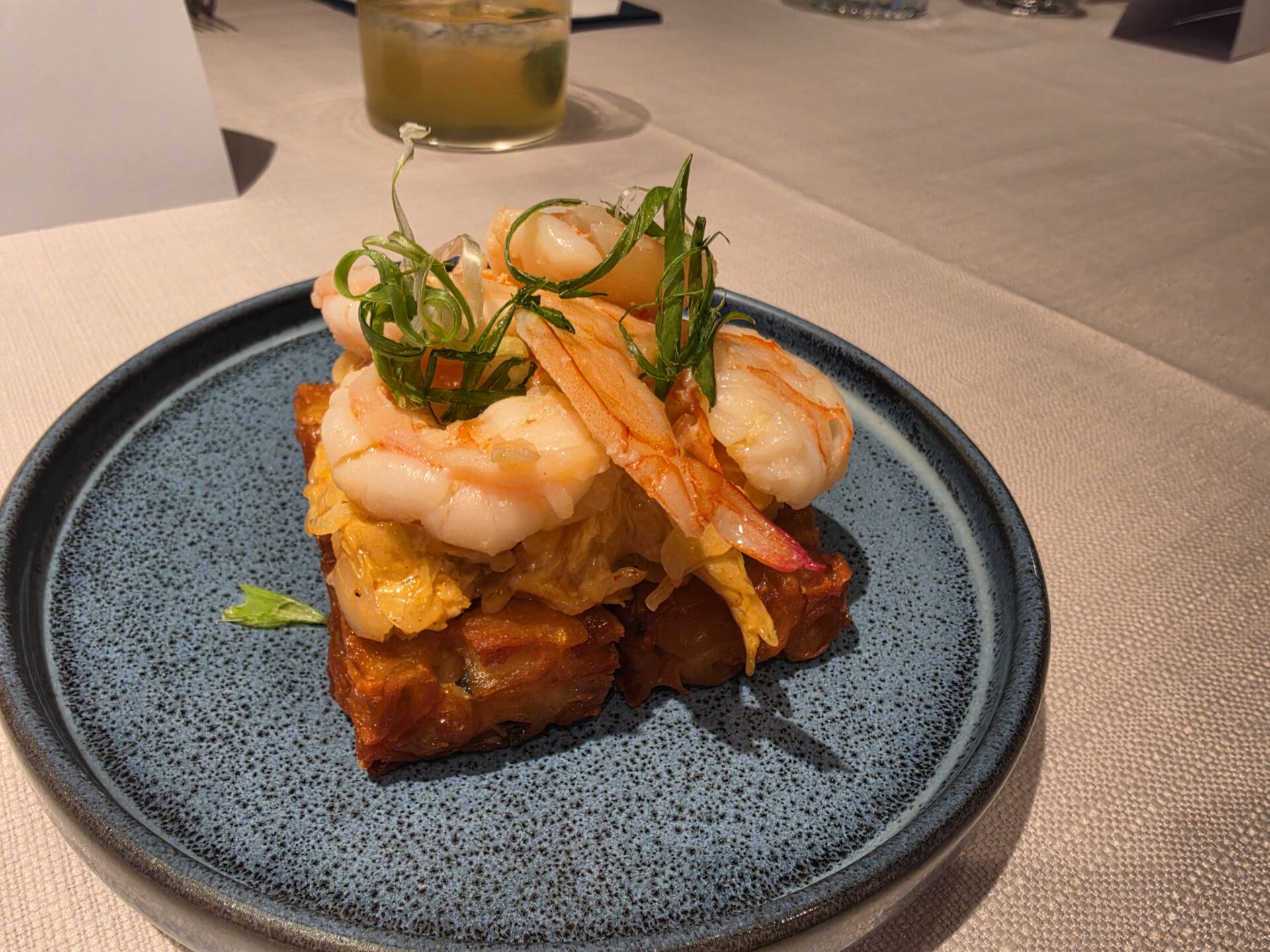

What I’d be a little careful of is the zoom. Push it to the extremes, and it doesn’t give you a very useful picture. Maybe just one as a curiosity but not as a usable image even for a simple social media post.
Both cameras in the rear imaging array are competent and decent, I’d say, though it isn’t as complete as what you’d get on the bigger Galaxy Z Fold 8 Ultra (which has three cameras at the back, like top-end candybar Samsung phones).
In other words, if you want the best of everything, including imaging, the bigger brother of the Galaxy Z Fold 8 is the more complete foldable phone.
When it comes to processing power, the new Samsung phone is well stacked. Its engine is Qualcomm’s latest Snapdragon 8 Elite Gen 5 chip customised for the Korean company, along with 12GB or 16GB of memory. It runs today’s apps without breaking sweat.
The Call of Duty game plays smoothly, for example, even when you set the graphics details to max. Moving between apps is rather seamless as well, thanks in part as well to the Samsung One UI 9 running on the Android 17 operating system.
The phone’s 4,800mAh battery is adequate for everyday use, like getting e-mails done or watching some videos in between meetings. Going past a day without charging is easy.
However, if you fire up your games often enough, the power pack gets drained a lot faster. I’d advise getting a power bank if you plan to play a lot of games while on the go.
Rarely does a phone impress almost everyone I show it to, and the Samsung Galaxy Z 8 Fold does just that. Whether they are users of candybar, foldable or flip phones, it doesn’t take long to convince them this size and shape work.
The problem, as I’d always say about today’s flagship phones, especially the foldable ones, is price. With a S$2,498 sticker price for the cheapest version with 12GB RAM and 256GB of storage in Singapore, this is a costly phone even in an era of costly gadgets.
There are discounts for trade-ins and the like, and you’re likely to get it cheaper on the street, but S$2,500 are still a big chunk of cash to fork out for a phone.
If you have the moolah, or if you have a relatively recent foldable phone that can be traded in for a good price, the Samsung Galaxy Z Fold 8 could be a lot more attractive.
It’s a big step up in terms of its versatility, plus it’s so easy to like and get used to. It’s no surprise this round of new foldable phones are breaking sales records for Samsung.