
If you’re buying a laptop later this year, you’ll be finding more choices from freshly unveiled Intel Core Ultra 3 and AMD Ryzen AI 400 PC processors, which promise big upgrades in performance not just for AI but graphics as well.
Launched this week at the CES show in the United States, the two new series of processors should be appearing in a wide range of laptops (as well as mini PCs) in the coming months.
More choice is good news for consumers in an otherwise worrying year when higher memory prices are expected to drive up the cost of digital gadgets including not just PCs but also phones and even the electronics in cars.
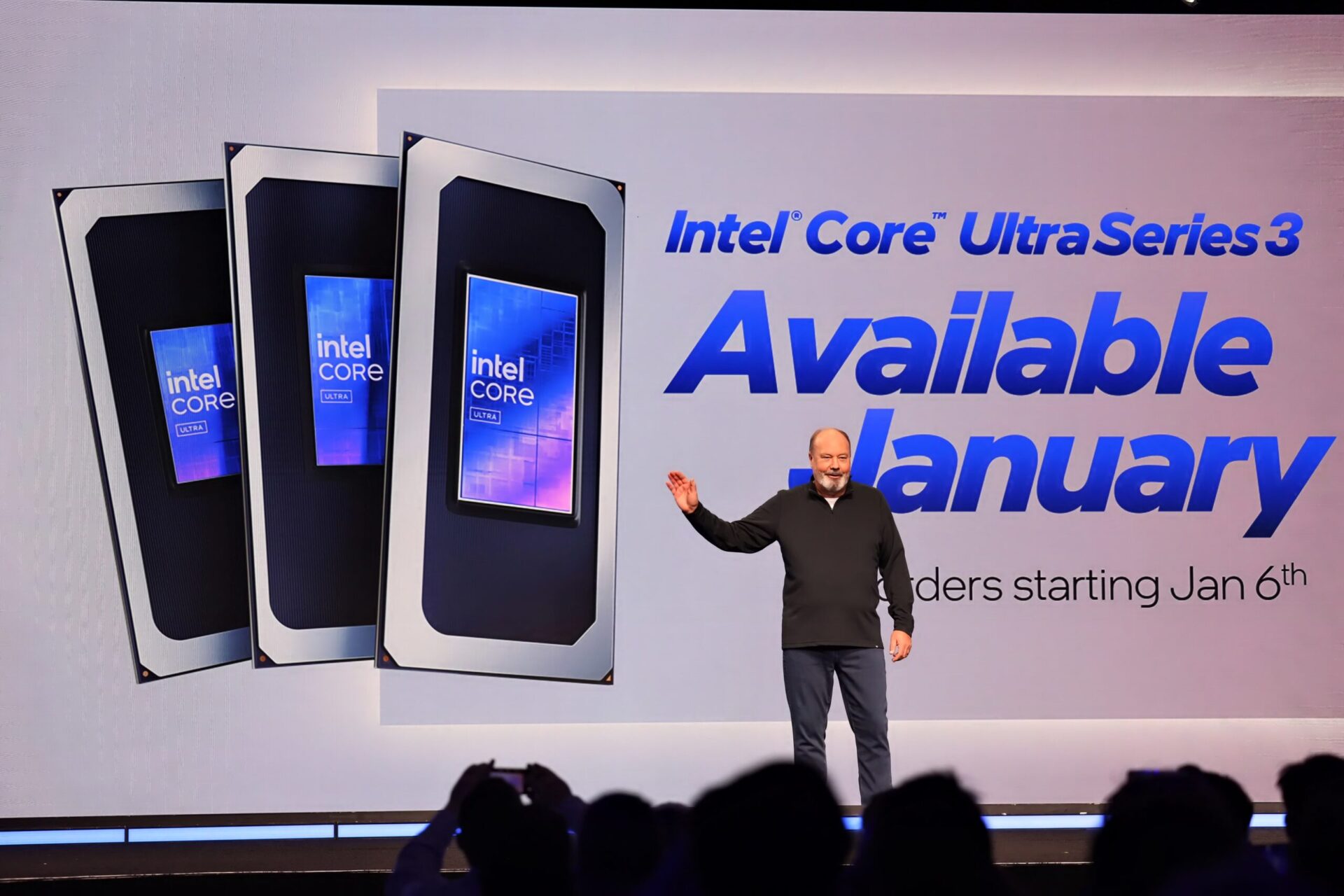
First, Intel’s Core Ultra 3 series, since the blue team still has the lion’s share of the laptop market thanks to its longstanding partnerships with PC makers. Plus, its Core Ultra 200H (codenamed Arrow Lake-H) and Ultra 200V (Lunar Lake) processors in 2025 weren’t too shabby.
Now the Core Ultra 3 chips (Panther Lake) promise to bring the performance of the Arrow Lake-H chips with the power efficiency of the Lunar Lake chips. The best of both worlds, in other words.
Key to this improvement is the manufacturing process. The new chips are made with the long-awaited Intel 18A manufacturing process, which the beleaguered chipmaker has laboured for a while to get up and running in the US.
The new neural processing unit (NPU) on the Core Ultra 3 chips will also be providing up to 50 TOPS, up from the max of 48 TOPS previously. Good news if you’re running a lot of AI tasks, particularly Microsoft’s Copilot+ apps on your PC.

Perhaps more importantly, the new Core Ultra 3 chips also bring hefty improvements to integrated graphics performance. Yes, you can play Cyberpunk 2077 (at 1080p).
In a series of benchmark tests that Intel presented this week, it claimed that its top-end chips (like the Core Ultra X9 388H) can be 10 per cent faster than a current laptop running a discrete Nvidia GeForce RTX 4060 graphics chip.
In other words, the integrated graphics in a modest laptop in 2026 may be finally fast enough to play a good number of games on the go – something that was only possible with costlier, bulkier and more power-hungry machines in the past.
To be sure, the Core Ultra 3 series of chips include a wide range that applies even to edge computing devices. If you’re buying a laptop this year, you will be seeing some of them in the stores very soon.
And take note that among the new Intel laptop chips, high-end ones will be marked with an X, so it’s Core Ultra X7 and Ultra X9. That’s what you’re looking for if you’re seeking a high-end Intel-powered machine.
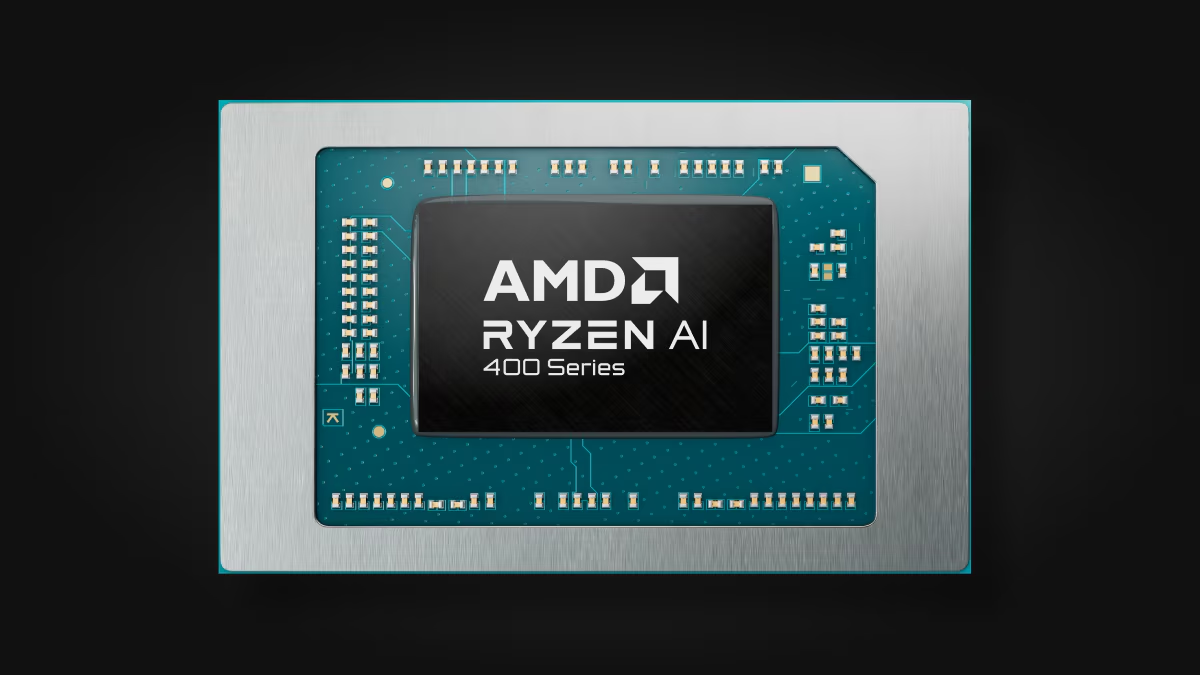
What about AMD? Team Red certainly isn’t letting up with the momentum it has gained in recent years. Though Intel has the majority of the laptop market, it is losing share because of the solid challenge from AMD’s new chips.
The new Ryzen AI 400, shown off this week, builds on the Ryzen AI 300 chips out last year. Performance, as you’d expect, is its big selling point.
The top-end Ryzen AI 9 HX 475, for example, pumps out 60 TOPS through its NPU, which will be great for folks who use AI on their PCs heavily, say, for content creation.
It also comes with an integrated Radeon 890 graphics chip, which will be interesting when pitted against Intel’s new offerings. Both should offer big improvements over 2025 laptops.
Even the slower options in AMD’s new chip series aren’t slouches. Even the entry-level Ryzen AI 5 430 offers a minimum of 50 TOPS through their NPU, like most of the new Ryzen AI 400 lineup.
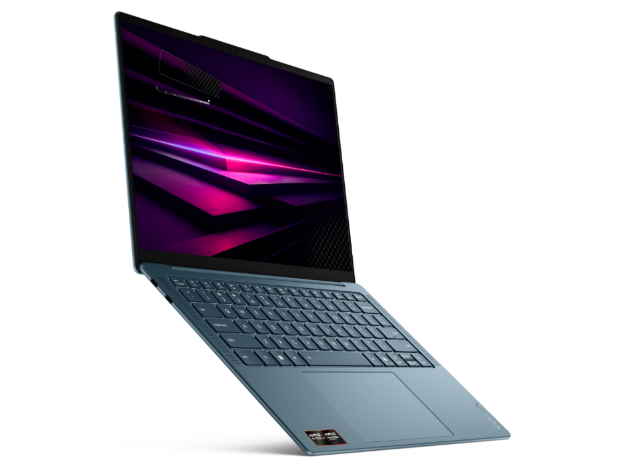
Graphics-wise, the most modest options will come with AMD’s Radeon 840M integrated graphics, while faster options (like Ryzen 7 parts) come with Radeon 860M and Radeon 880M graphics to bolster graphics performance.
So, all in, it’s looking like a solid 12 months ahead for laptop buyers, especially when it comes to more performance for both AI and graphics applications.
We haven’t evened mention Qualcomm’s Snapdragon X2 Elite series launched in September last year. That uses the Arm architecture instead of x86, which Intel and AMD rely on.
This also means Qualcomm’s chips aren’t compatible with every Windows game. And it makes you wonder if the additional graphics performance in the new AMD and Intel chips could sway some power users to go with the x86-based machines.
All these are smaller concerns, of course, compared to the memory module shortage in the market, which is making PCs a lot more expensive this year.
You do hope that the competition between chipmakers will help moderate some the price spike, so you can at least buy the latest laptops and not last year’s.