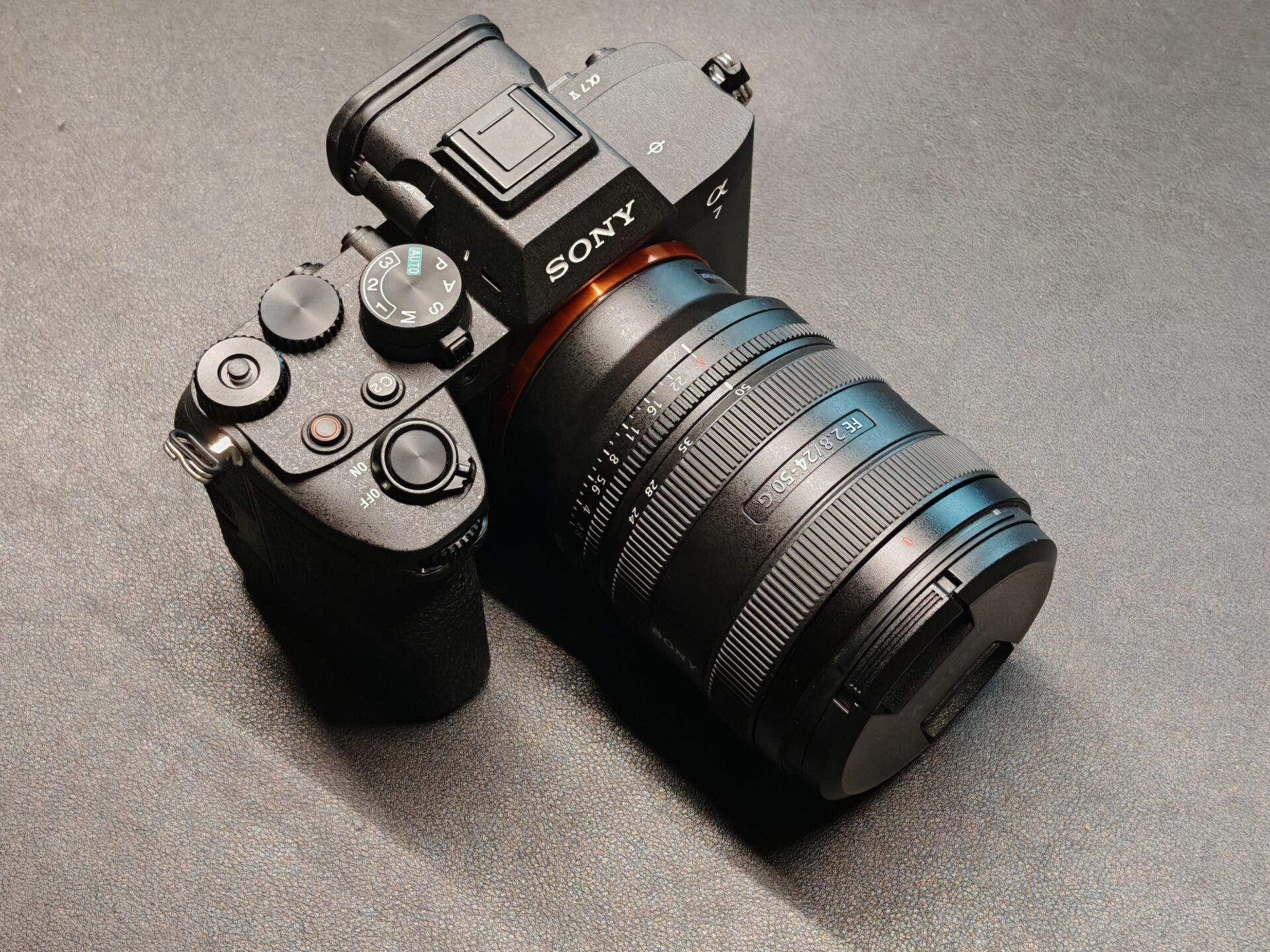
Now in its fifth iteration, the Sony Alpha 7 V feels like an evolution rather than a big reset for the Japanese electronics giant’s popular mirrorless camera that debuted more than a decade ago.
That’s not a bad thing because the new camera tightens the screws in the right places. It reinforces Sony’s mirrorless expertise, especially for photographers who spend their time shooting sports, action, stage performances and events where timing and reliability matter more.
The big thing about the Sony Alpha 7 V is a new 33 megapixel full-frame image sensor that Sony describes as partially stacked. In simple terms, some of the processing and memory sit closer to where the light is captured, allowing data to be read off the sensor faster.
The most obvious gain is reduced rolling shutter issues when using the electronic shutter. Fast pans and side-to-side movement show far less distortion compared to the Alpha 7 IV from 2021.
The Alpha 7 V also does a better job with artificial lighting, with fewer colour banding issues when faster shutter speeds are used with the electronic shutter. It also means less noise, making silent shooting a lot more usable for concerts, theatre and events.
That quicker readout also feeds into faster burst shooting and an autofocus that feels more confident when tracking movement. The camera sticks to eyes more reliably, even in cluttered scenes, and holds focus better when subjects move unpredictably or when strong backlight is involved.
On the whole, it feels like the camera is making fewer wrong guesses, which is often the difference between getting a shot and missing it.
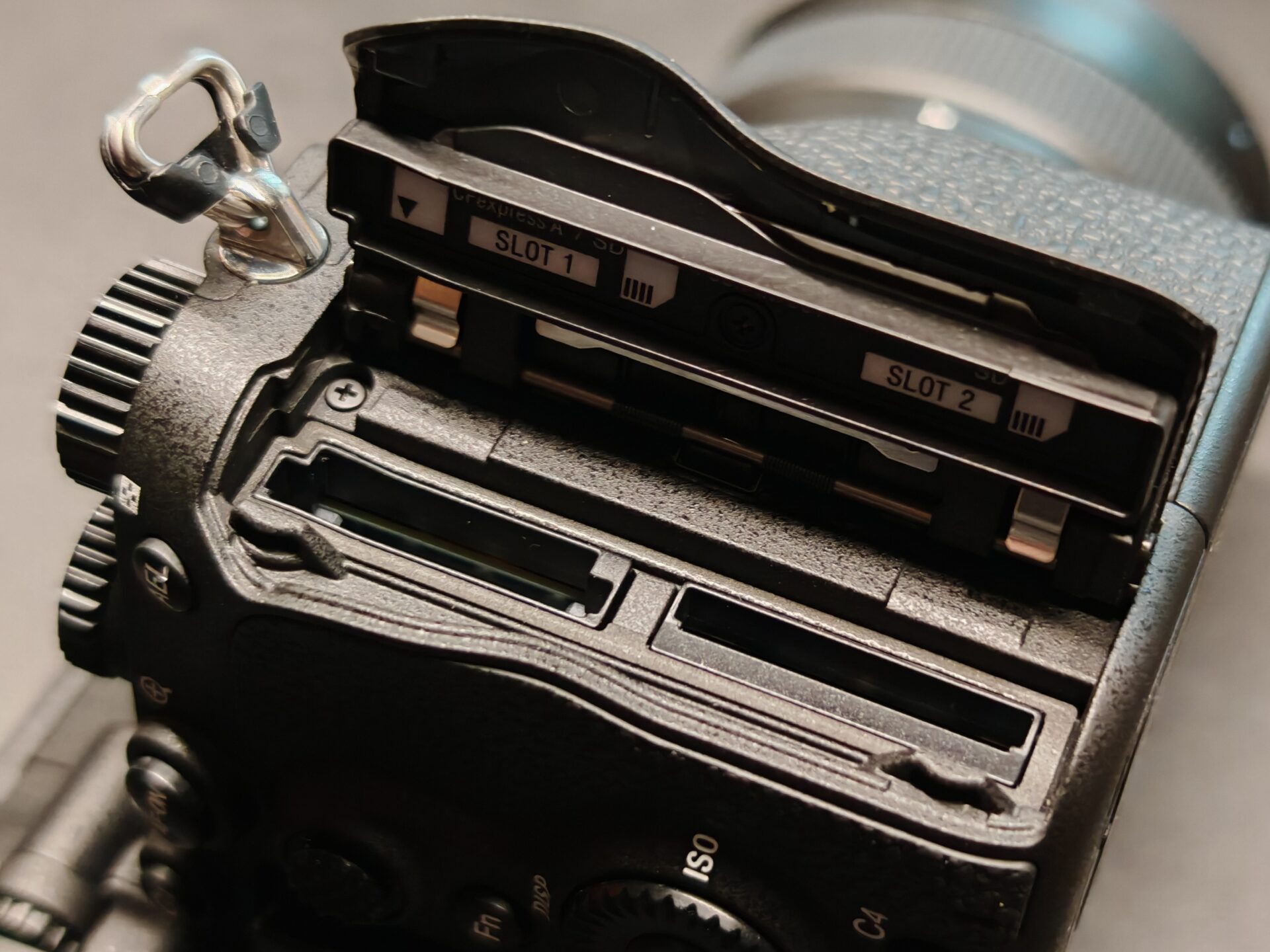
All that extra data has to go somewhere, and to get the best out of the camera, CFexpress Type A cards are almost a must. They keep the camera responsive and avoid bottlenecks when shooting bursts in “continuous high” mode and high frame rates.
However, they are still noticeably more expensive than standard SD cards. If you plan to stick with SD cards, it really makes sense to use the faster UHS II V90 cards, which also pushes up the overall cost of the system.
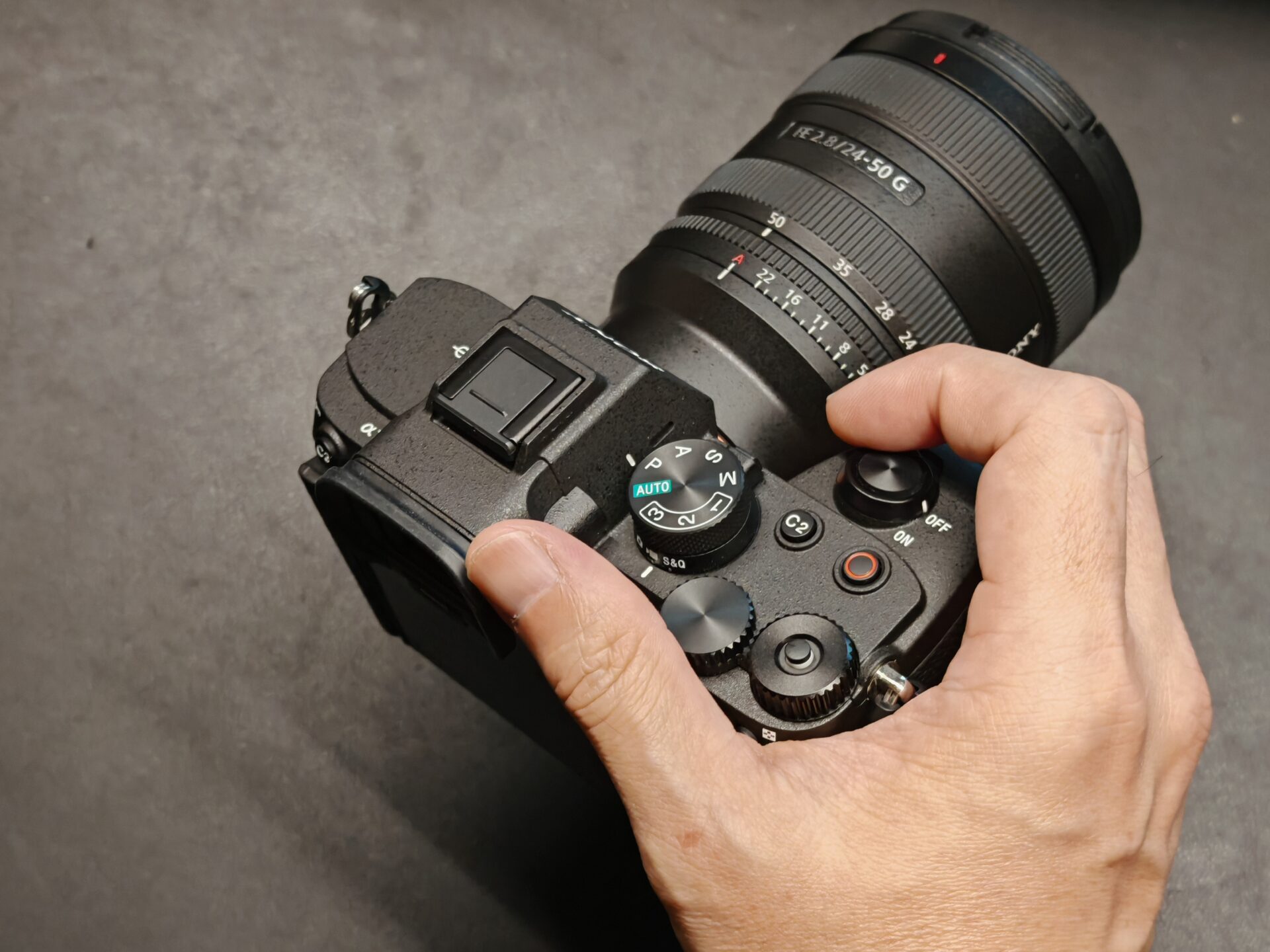
Handling has also undergone some quiet but welcome improvements. The grip is chunkier and more secure, and the controls feel better thought-out than before.
The menus are now far more touch-friendly, making it quicker to jump to key settings without endless scrolling. With four custom buttons on the body, it is easy to tailor the camera to how you shoot and keep commonly used functions close at hand.
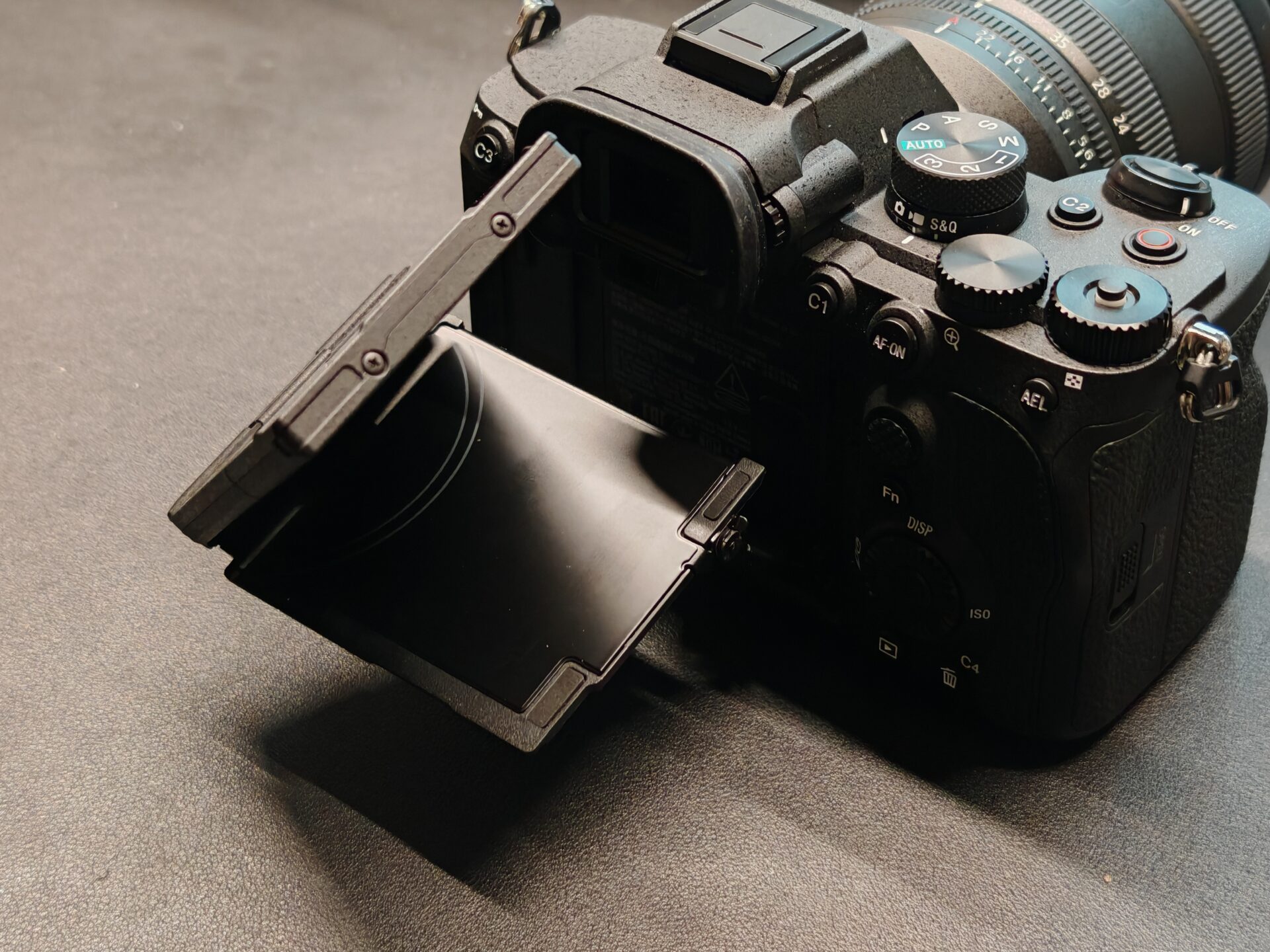
One of the standout physical changes is the four-axis rear screen. It combines a traditional tilt with a fully articulating design, giving you flexibility without forcing you into one style of shooting.
Whether you are shooting “low to the ground” in portrait or landscape, or mixing stills and video, the screen makes the camera easier to work with in awkward positions.
When it comes to video capabilities, you get detailed 4K footage using resolution of the full-frame sensor, along with 4K at 120 frames per second for slow motion. That is a clear step up from the Alpha 7 III and a useful improvement over the Alpha 7 IV for users who need higher frame rates.
At the same time, there is no open gate recording, which limits flexibility if you want to repurpose footage for different platforms without reshooting. Shooting 4K at 120p also comes with a crop, so lens choice matters.
There are no 6K or 8K options and no internal RAW recording, which makes it clear that this camera is still aimed primarily at photographers. As a hybrid camera delivering mainly in 4K, it is more than capable for professional work (even as a secondary camera), though video-focused users may find it a little restrictive.


Crucially, image quality follows the familiar and well-balanced approach of the Alpha 7 IV. Dynamic range and high ISO performance remain strong, and RAW files offer plenty of room for editing without falling apart.
The Alpha 7 V’s newer processing does bring improvements in colour and noise handling, particularly for JPEG and HEIF shots. That is good news for anyone who prefers to spend less time in front of a computer tweaking files.
One pleasant surprise is battery life. Using Sony’s NP FZ100 battery, the camera still shows about 80 per cent charge after around two hours of shooting with 880 RAW and JPEG files. This is better than expected and reassuring for long assignments.
Costing S$3,699 (body only), the Sony Alpha 7 V is best seen as a refined update rather than a dramatic leap from the Alpha 7 IV. If you are already happy with the older camera, there should be little urgency to upgrade.
However, for those holding older camera bodies, the Alpha 7 V represents a meaningful step forward. That’s particularly if you regularly shoot stage performances or fast-moving subjects under difficult lighting conditions.