In partnership with Ready Server
Think of advanced liquid cooling in a data centre and what comes to mind is usually a row of tightly packed AI servers running intensive workloads.
At a Ready Server data centre in Singapore, however, a homegrown liquid cooling technology is helping to cool down not AI serves but more regular virtual private servers (VPS) that are crucial to so many businesses in the country.
While these servers do not generate as much heat as the graphics processing units (GPUs) used in AI workloads, they now pack more CPUs to run more apps, websites and databases with each small chassis.
In other words, they take up less space to deliver the same amount of computing and storage power than before.
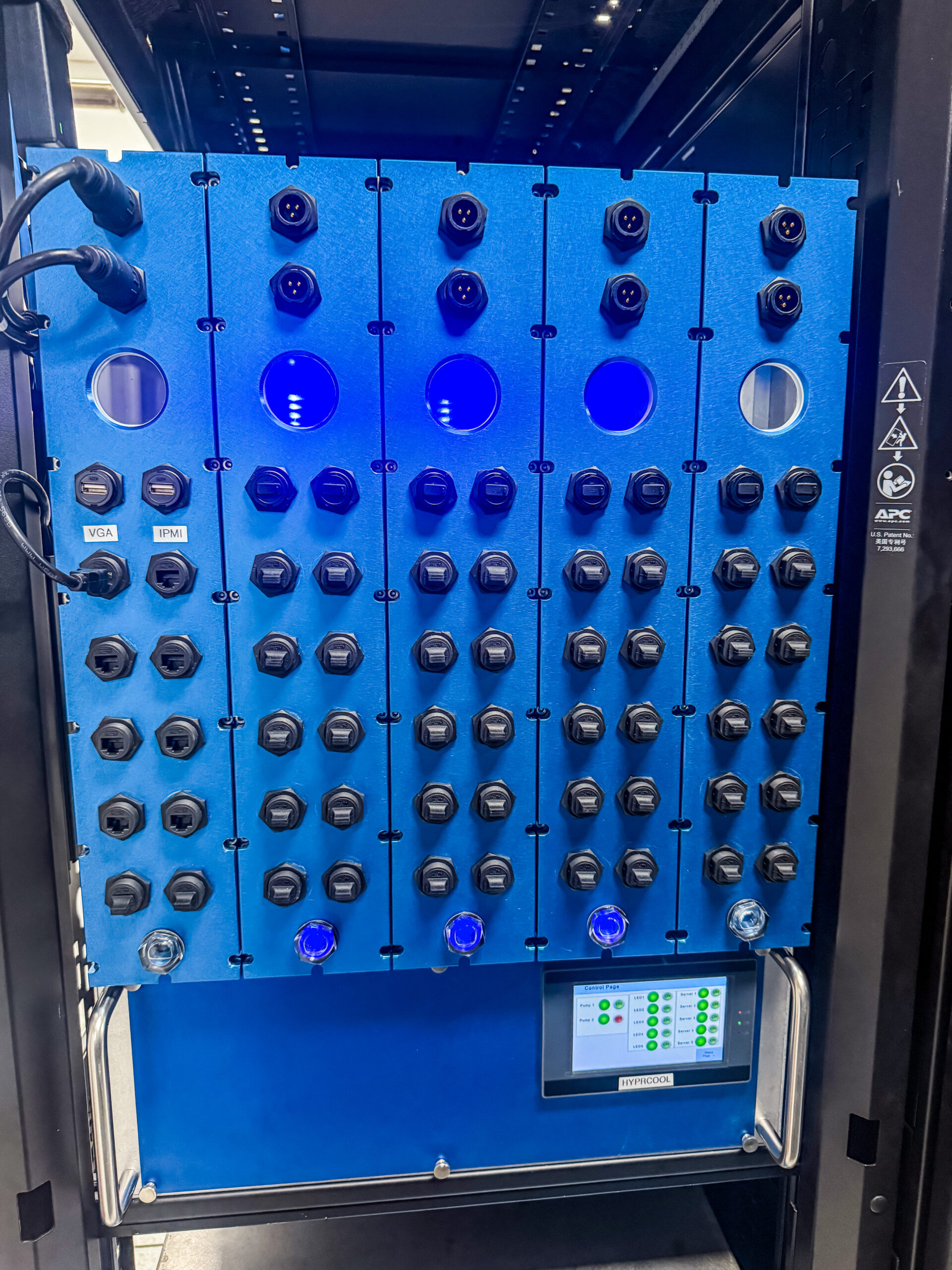
For a compact data centre like Ready Server’s at Kallang in Singapore, this means it can serve more customers without drastically expanding its leased space. For this, it needs a new way to cool its new servers.
Through sister company NewMedia Express, which operates the infrastructure, Ready Server has worked with Singapore’s HyprCool to deploy a unique liquid “spray” cooling solution.
As its name suggests, this means spraying a dielectric coolant directly on the entire server and components, in a form of direct-to-server cooling. It performs like having the server “immersed” in coolant but the server does not sit in a large bath container filled with the coolant.
The liquid is than channelled through to a heat exchanger that removes the heat before passing the liquid back to the server to cool things down once more.
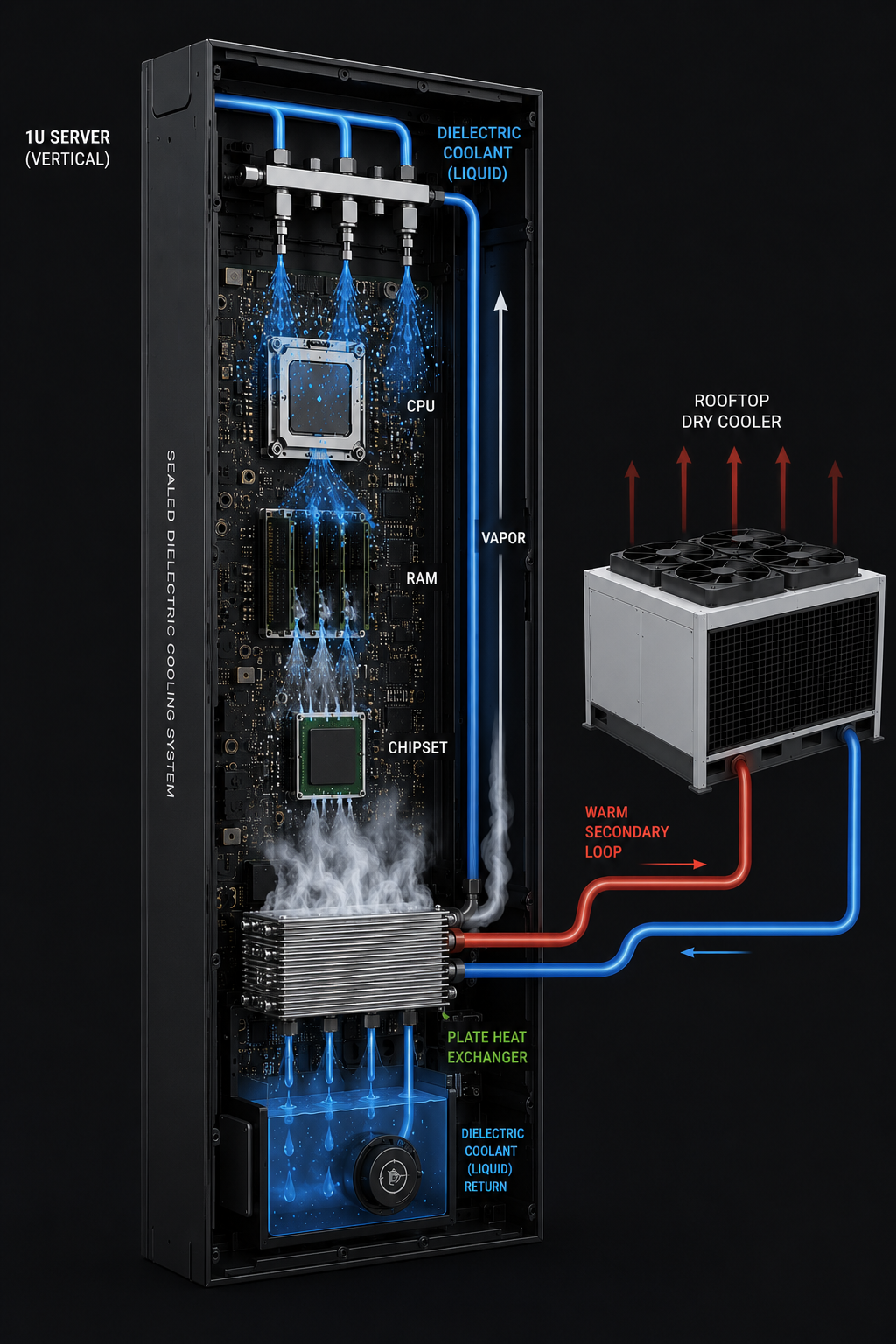
This is different from two other more common liquid cooling technologies used in AI data centres. Direct-to-chip cooling means a cold plate is stuck to a chip and connected to a coolant distribution unit (CDU), while immersion cooling means placing an entire server in a large tub of coolant.
Both are costly and require substantial modification to any data centre that already has racks and racks of servers. Often, entire racks of servers are sold with these liquid cooling systems pre-assembled.
HyprCool’s system lets Ready Server run its regular servers with slight modifications. This means placing a server motherboard and chip into a cassette system that can be slotted into a regular 19-inch server rack.
Cables are re-used. Access to components on a server, such as its memory or storage, is easier because there is no need to dismantle a prebuilt liquid cooling system.
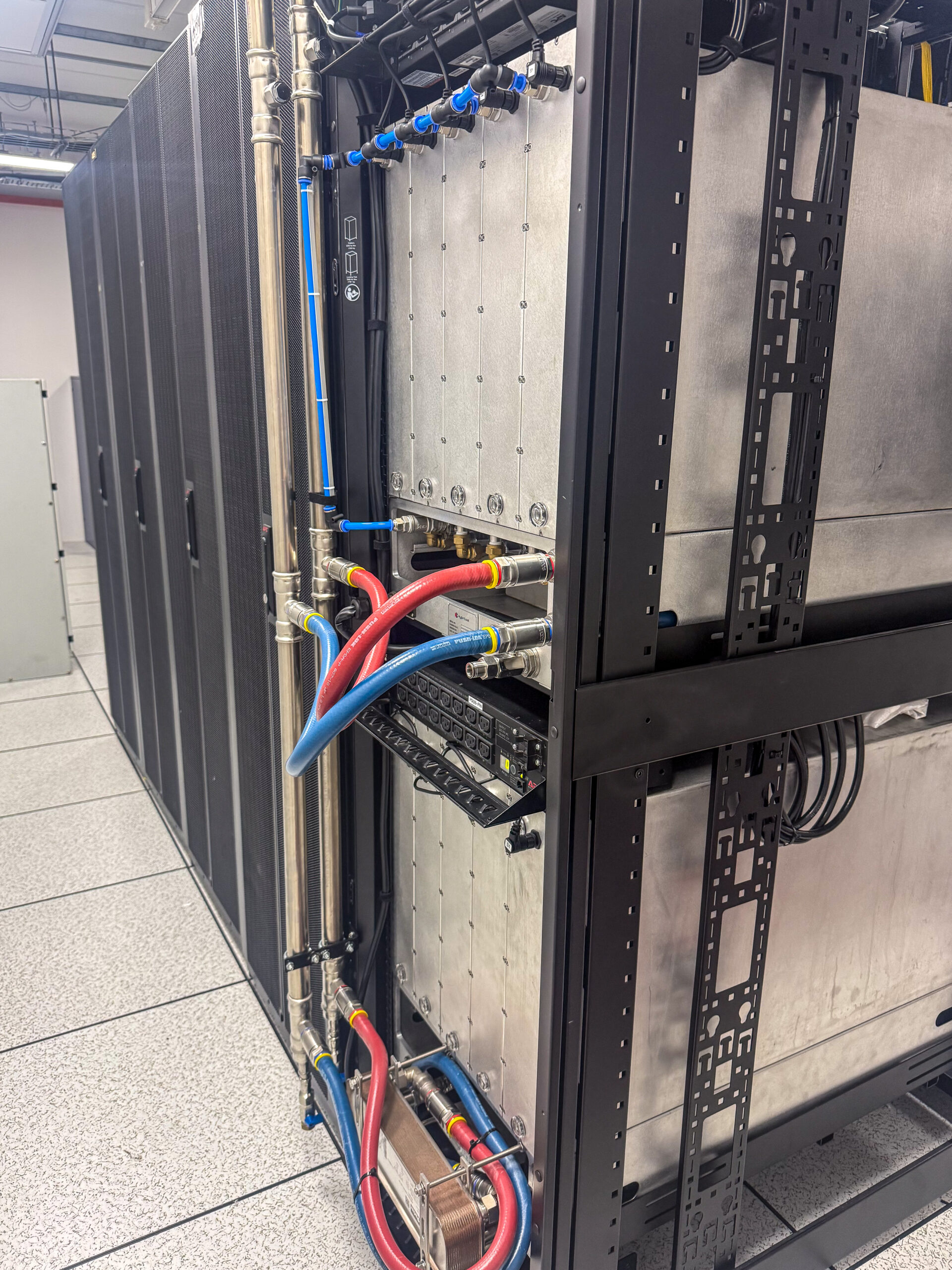
For Ready Server, the liquid spray cooling upgrade this year lets it pack more compute power into its data centre. Each rack can now support up to 30kW of servers, up from just 5kW previously.
This is still a far cry from the 250kW or even 600kW planned in future, but for non-AI workloads at Ready Server, the improvements are enormous.
For a non-hyperscale data centre operator such as Ready Server, the upgrade is happening early for practical reasons to overcome some persistent challenges.
Instead of using up valuable space to put in another room cooler to cater to the additional heat of high-density servers, it would be better to go with a liquid cooling solution, said Alan Woo, director of Ready Server.
Plus, the liquid cooling solution is not just more efficient but also does away with a tedious effort to maintain the room coolers and its pumps, he added.
“It’s like moving from a petrol car to an electric car – you don’t need to service it every year,” he noted. “Perhaps only one servicing every three years.”
Crucially, the liquid spray cooling system is also more efficient, bringing the Ready Server data centre’s power usage effectiveness (PUE) close to 1.1, down from the 1.5 previously with traditional air-conditioning.
The ideal PUE is 1, which means all the energy at a data centre is used for powering the servers and not overheads such as cooling.
Singapore is seeking to lower PUE to 1.3 by 2034 for data centres across the city-state, partly by upgrading older facilities and only allowing a limited number of greener ones to be built.
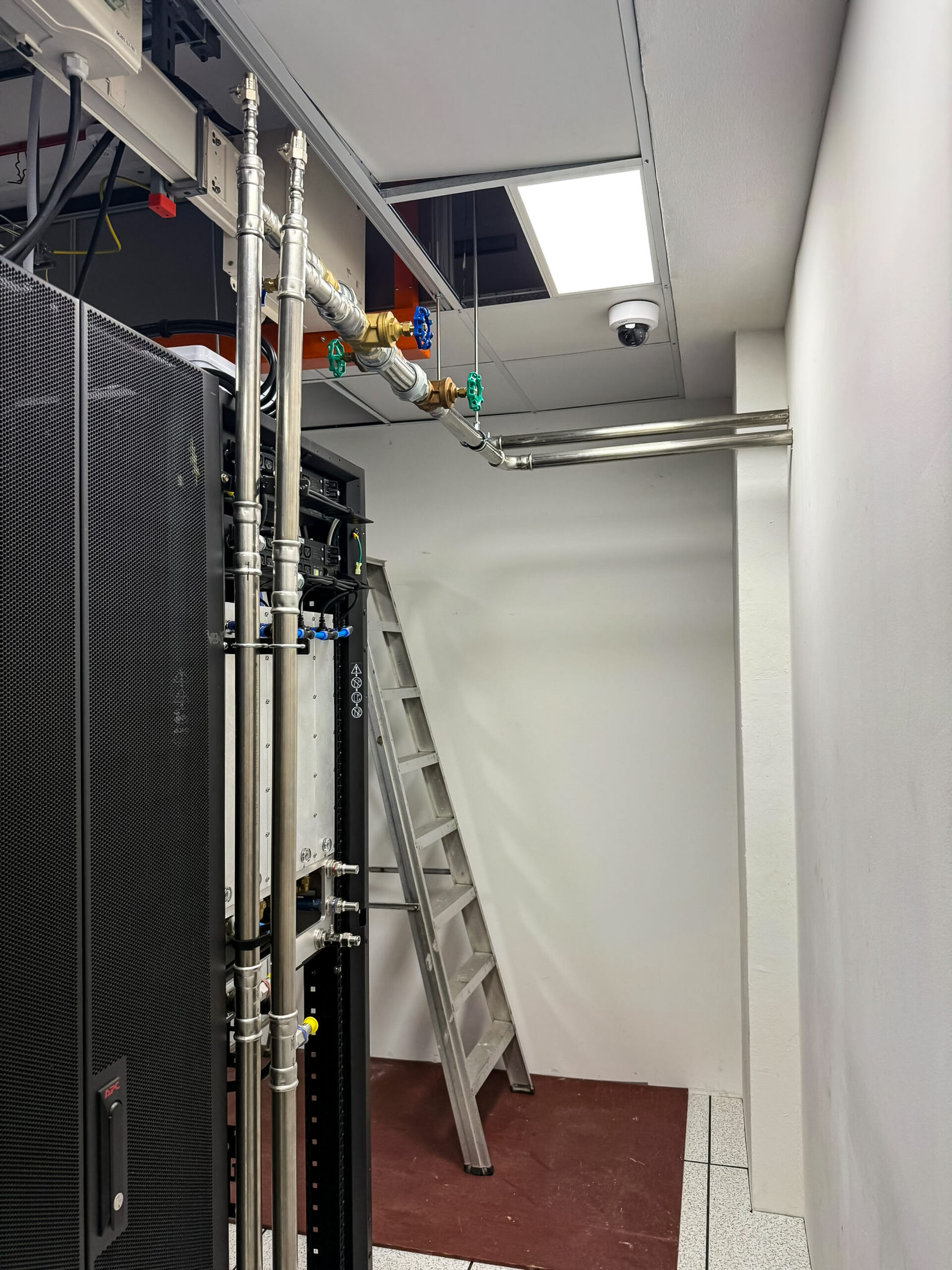
For Ready Server, the savings come not just from the reduced PUE. Removing the internal server fans cuts an additional 15 per cent in power usage from the servers themselves. All the saved power can be re-deployed for IT loads or increasing server densities.
Ultimately, HyprCool’s liquid spray cooling solutions simplify how data centres are cooled by future-proofing the cooling architecture that can handle both high and low server densities.
This way, there is no need to operate two separate independent cooling infrastructures when one can do the job effectively.
This enables a data centre to expand in a sustainable manner, said Woo. “Moving early means we can not only meet the requirements for greener data centres but also cater to the growing computing needs for customers.”
Learn how Ready Server can support businesses with its more powerful data centre infrastructure here.