If shooting videos of your holidays is something you’re getting into, the DJI Osmo Pocket 4P is a handheld gimbal camera that promises to be compact yet packed with features to capture those memorable moments.
Made by the company famous for its drones, the new camera is attached to a gimbal that keeps your footage steady. It also comes with two fixed lenses and a bright touch screen, in a design that is compact enough for your travels.
Weighing 230g, the DJI Osmo Pocket 4P feels solid in the hand but not heavy. The body is short enough to pocket, though the grip may feel a bit short for long sessions at times.
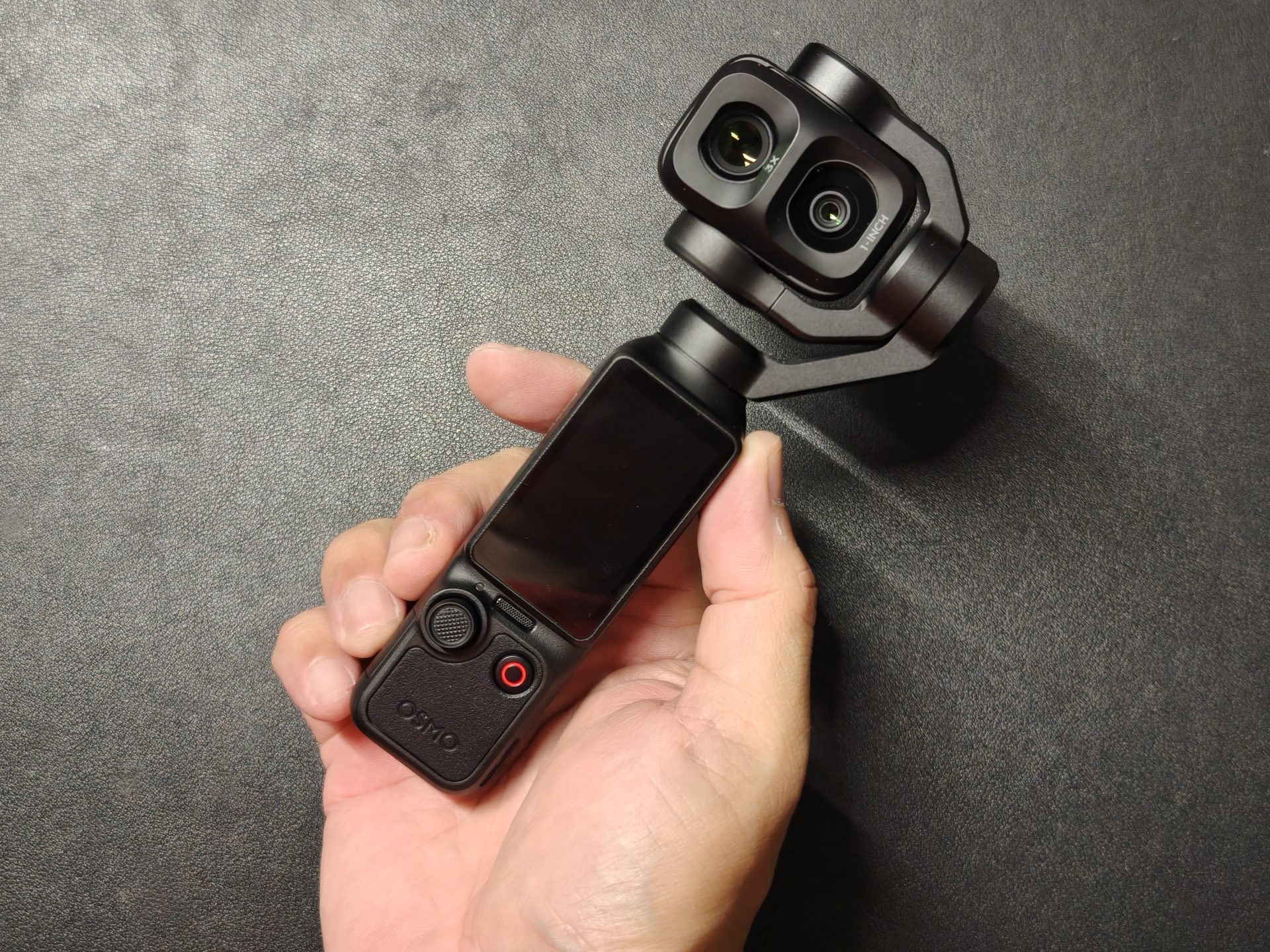
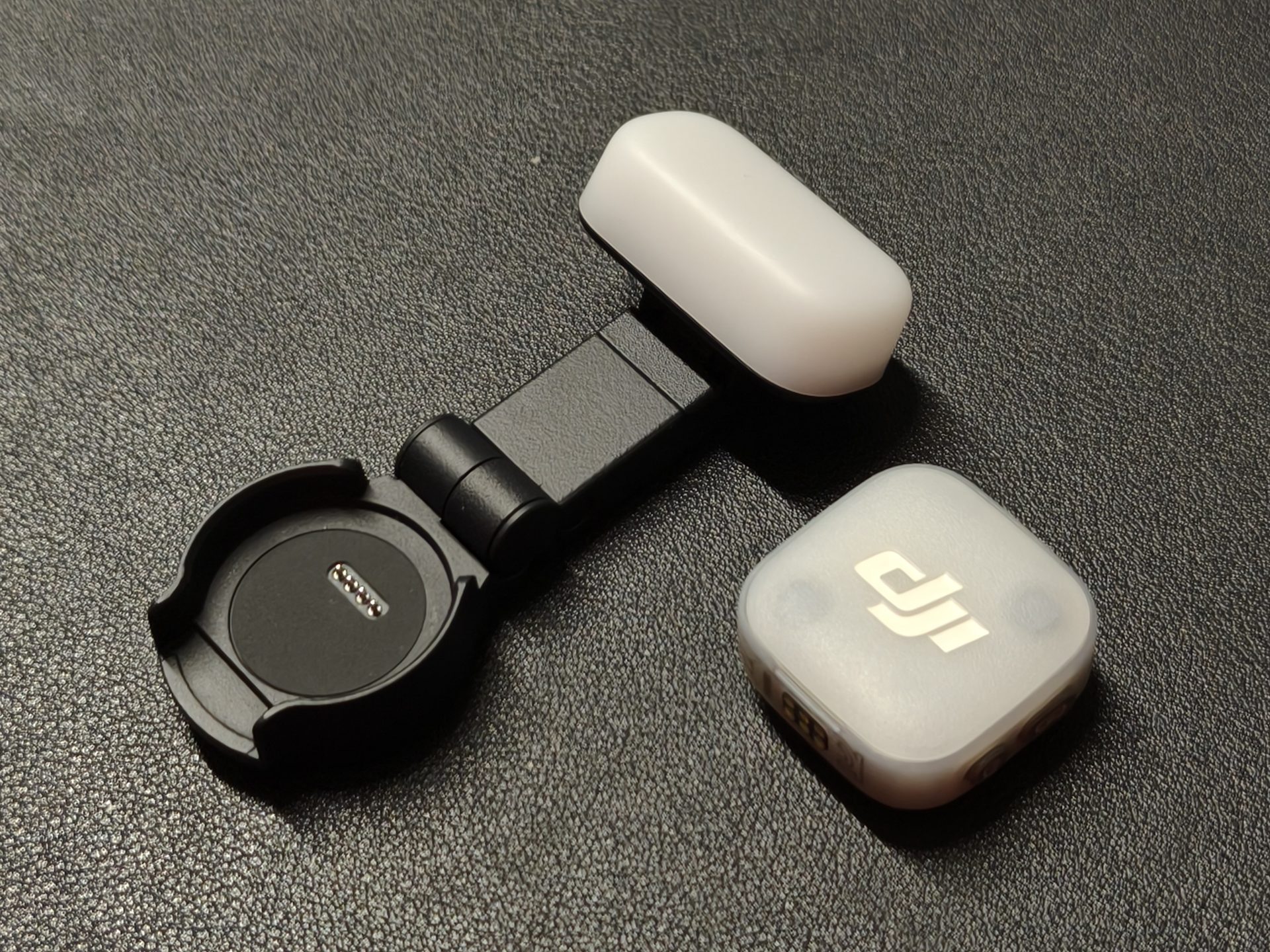
To solve this, the new camera comes with a detachable extender that not only makes it easier to hold the camera but also carries the tripod screw mount and moves the USB port to the side.
This is great when you set it on a tripod and attach your powerbank when recording, though that is one more piece to carry in danger of being misplaced on a trip. I would rather have a longer camera handle for a more comfortable hold without bringing an additional part.
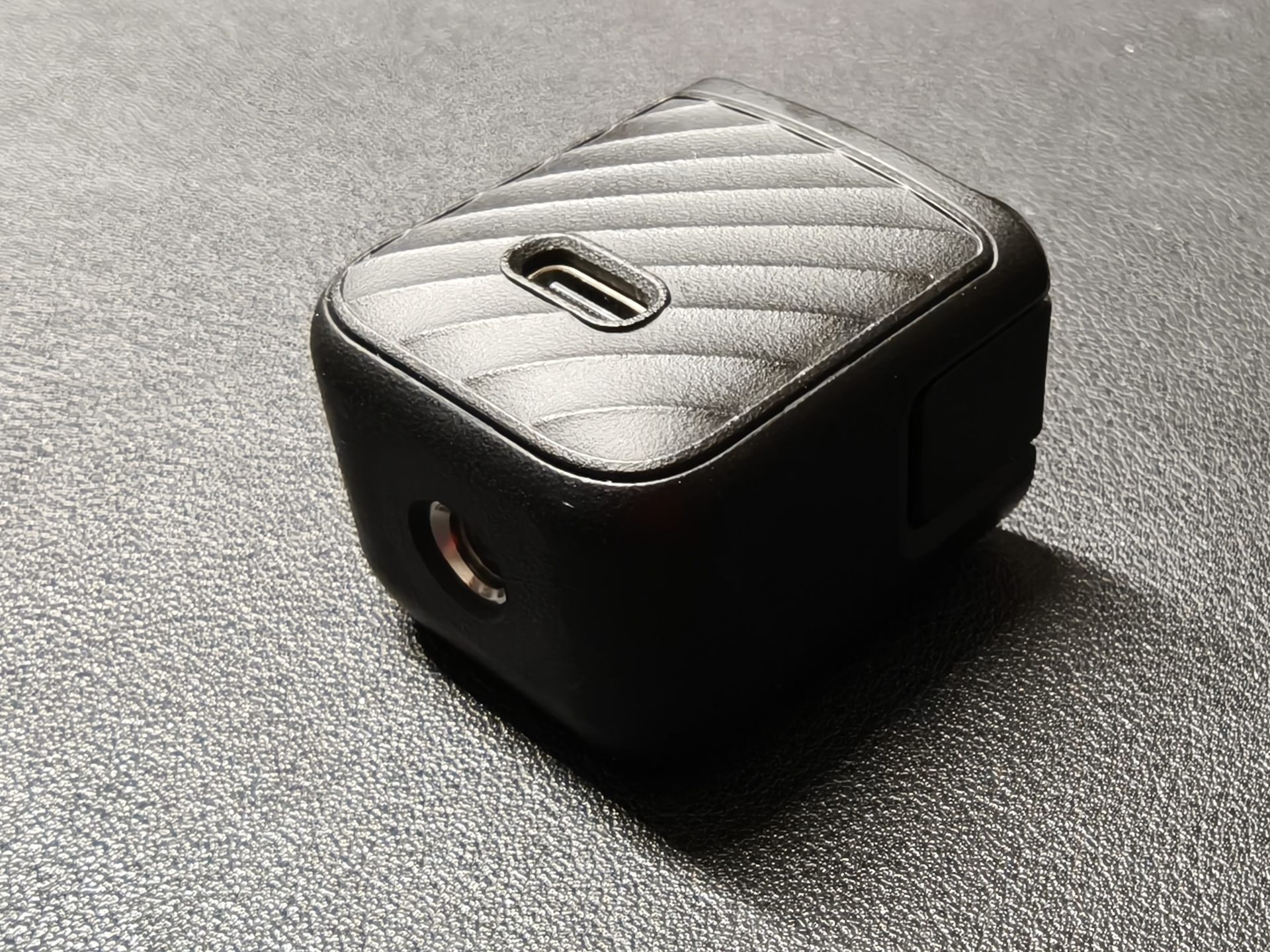
The rotating 2-inch touch screen hits 1000nits, which is bright enough to see under sunlight. Rotating the screen to switch between landscape and vertical orientations is fast and practical so you can shoot for both YouTube and TikTok on the fly.
For selfie vlog capture, the whole gimbal will face the front to capture your face. Walking and running with the Osmo Pocket 4P won’t pose a problem – it doesn’t record vomit-inducing movement so it is great for some fast-action video shots.
The gimbal is a moving part though, so an accidental head-first drop can be disastrous. This is not a camera you can bang around without worry. For outdoors and sports events, the DJI Osmo Action 5 Pro is a better fit.
Note that DJI is picky about microSD cards. The Osmo Pocket 4P works best with UHS-II cards that can keep up with the large video files it generates.
If you do not want to hunt for cards or pay more for UHS-II MicroSD cards, the internal 103GB storage is a relief. That is enough for a day of shooting without swapping cards, and it saves you money since UHS-II MicroSD cards are expensive.
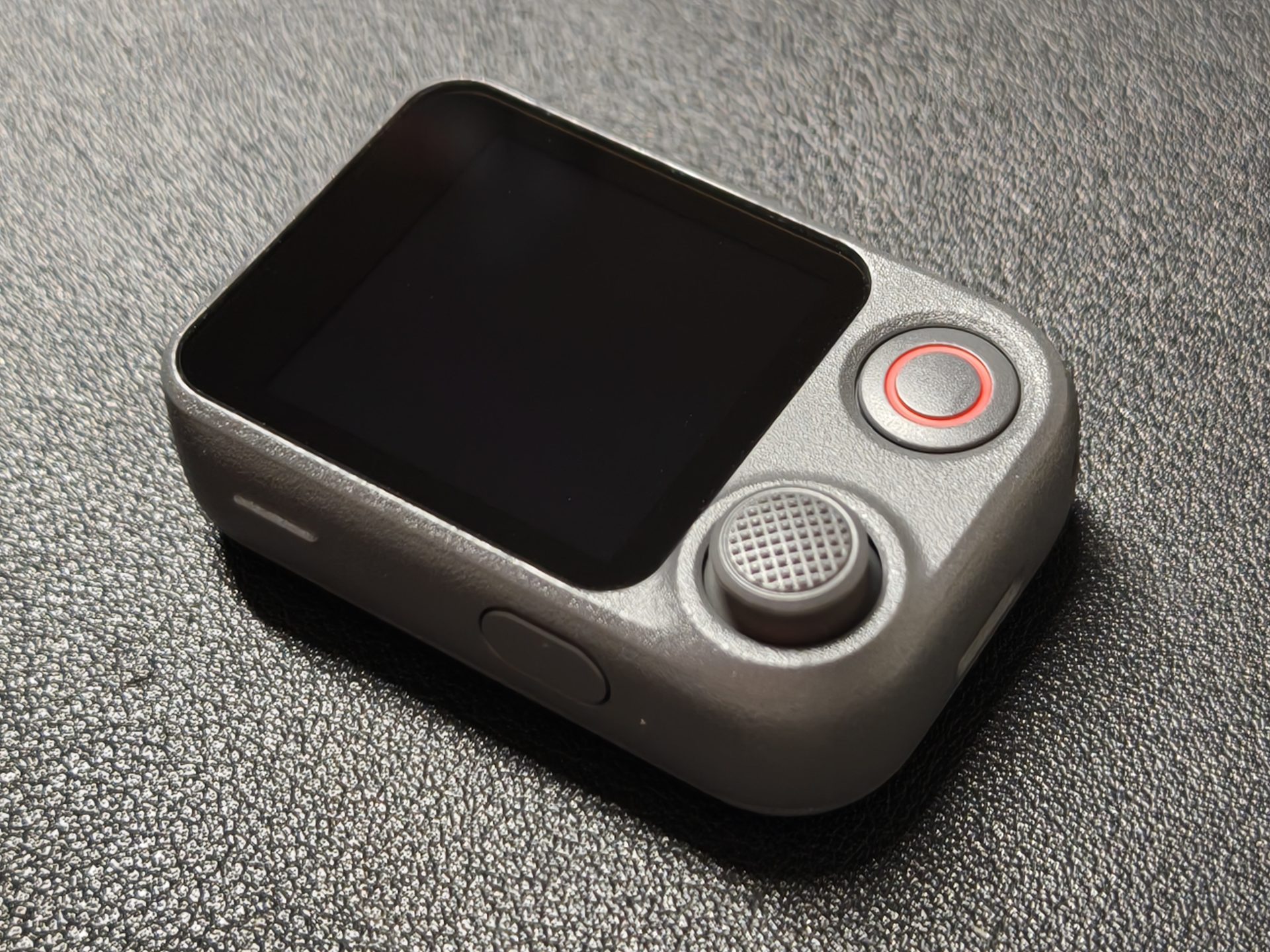
If you are a self-directed content creator, the Osmo Pocket 4P works with the separately sold Osmo FrameTap remote controller with its own screen. It links to the camera quickly and the connection stays strong which helps to frame the shot when shooting from a distance.
Still, it is another item to buy and carry. I would prefer that the screen can be detached when needed, like what the Insta360 Luna Ultra does, instead of adding a separate controller for that flexibility. Or, you could just use your connected smartphone via the DJI Mimo app to do the same.
For power, the DJI Osmo Pocket 4P runs on a 1,545mAh battery, which may be inadequate for a full day of shooting. You will get around three- to three-and-a-half hours of recording in 4K resolution, unless you add a power pack cum handle. Alternatively, carry a powerbank if you have a long day of shooting.
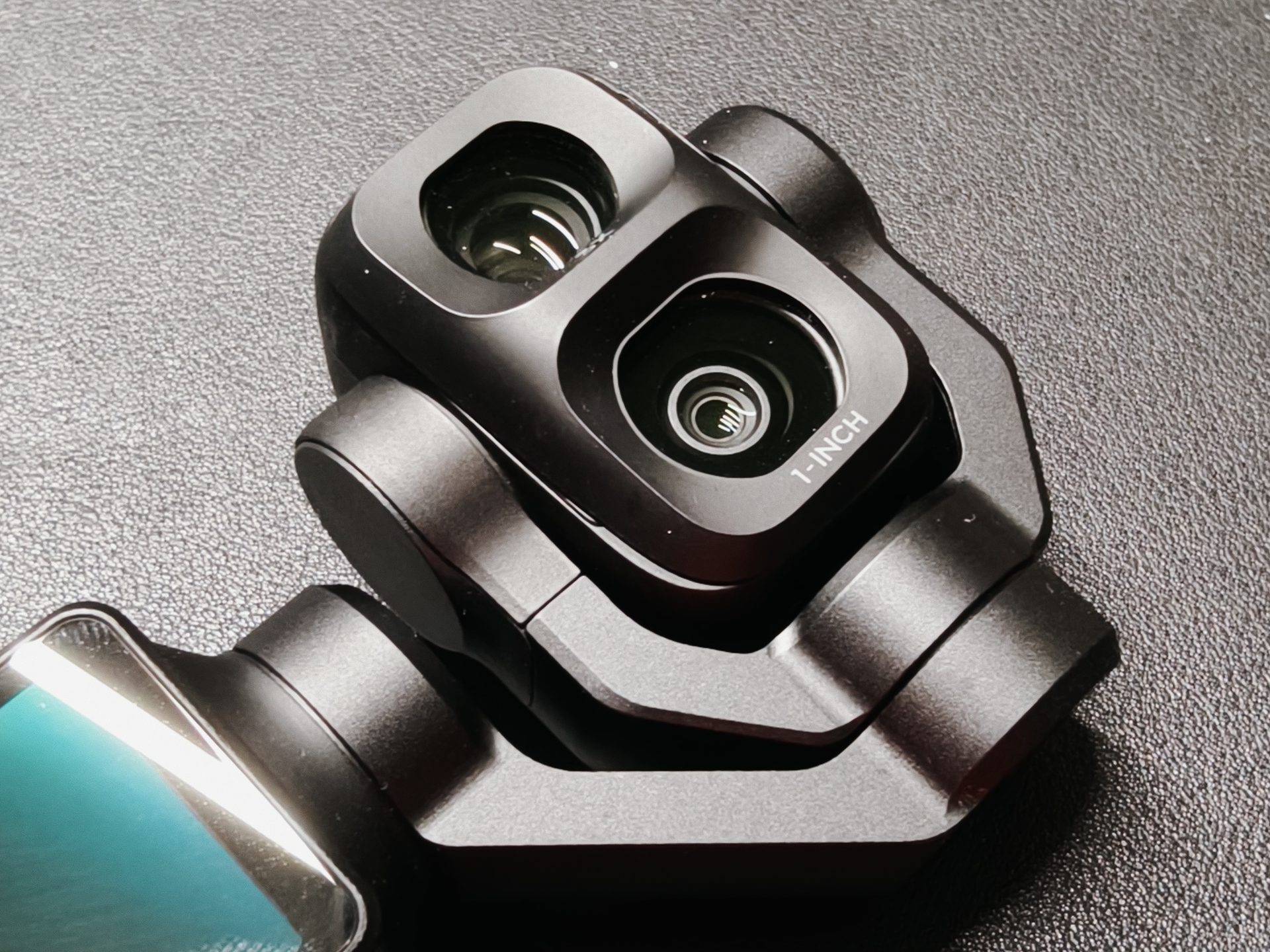
What about the image quality? Here, the dual-lens setup is the Osmo Pocket 4P’s main selling point. The first lens is a 20mm full-frame equivalent with a 1-inch sensor. The second is a 60mm full-frame equivalent, which is great for portraits and faraway subjects, like close-up shots of fireworks at Kallang Stadium. Having both focal lengths opens up more possibilities without sacrificing image quality.
That said, while the 20mm lens is useful for general shooting, it can feel restrictive in some scenarios. For interiors, some landscapes, and fireworks when you are up close, a 14mm camera could be better.
If DJI had used a 14mm lens instead of 20mm, the ultrawide camera could let you do a slight digital crop to reach 20mm or 24mm without losing much image quality. That would give more flexibility without needing an attachment.
More impressive is the 60mm lens, which shines for portraits. It also helps when you want to isolate a subject from the background. However, there was a 50mm option for the zoom instead, you could get 75mm at 1.5x digital zoom with not much loss of quality.
Both the DJI Pocket 4P 20mm and 60mm cameras are a good start, though a combination of 14mm and 50mm lenses would be more practical for general use without relying on a lens attachment. This is something I hope to see in future DJI pocket cameras.
For video, the Osmo Pocket 4P supports 10-bit D-Log and D-Log 2 formats if you need to colour grade later. Straight out of the camera, the pictures and videos are very acceptable. Skin tones look good most of the time, though the camera can struggle in very “contrasty” scenes.
Subject tracking works well most of the time. Even if your hand covers your face, the camera still tracks and holds focus. There is also a showcase mode for product shots so the camera can focus back and forth between the presenter and the item.
You can shoot YouTube-style horizontal video and TikTok-style vertical clips. The bad news is that resolution drops to 3K when shooting in vertical mode. I was hoping the gimbal could at least rotate like the DJI Mini 5 Pro drone to make full use of the sensor resolution instead of cropping.
For most users, the videos and photos straight out of the Osmo Pocket 4P should be good enough. Colour grading is there if you want it, but you do not need it for everyday content. The stabilisation while moving around is strong, and transfer to the phone is fast, which makes editing on the go smooth.
I would carry the Osmo Pocket 4P if video is the main content I do. The form factor, strong stabilisation while moving, and fast phone transfer make it a great companion for video-first creators.
If you shoot both video and photos, with photos taking up most of the shoot, a very capable smartphone with a stabiliser would be a better tool. You can add a magnetic grip to the smartphone to make video shooting easier, though that setup is definitely more cumbersome than the DJI Osmo Pocket 4P.
In Singapore, the Standard Combo costs S$779 and the Vlog Combo goes for S$879. For the extra cost, the Vlog Combo comes with the Mic Mini 2 microphone transmitter, a tripod, and the remote controller. If you need the mic and remote, the Vlog Combo makes sense. If you already have a mic or do not need the remote, the Standard Combo should be enough.