
Let’s start with the obvious – the latest foldable phone from Google is good with its AI-enhanced cameras and a sleeker design. Yet, arriving between big launches by Samsung and Apple, the Pixel 11 Pro Fold finds itself in an awkward space.
This is a “book-style” foldable phone that is in the larger, longish format, unlike the newer, more pocketable squarish design like the Apple iPhone Duo and Samsung Galaxy Z Fold 8.
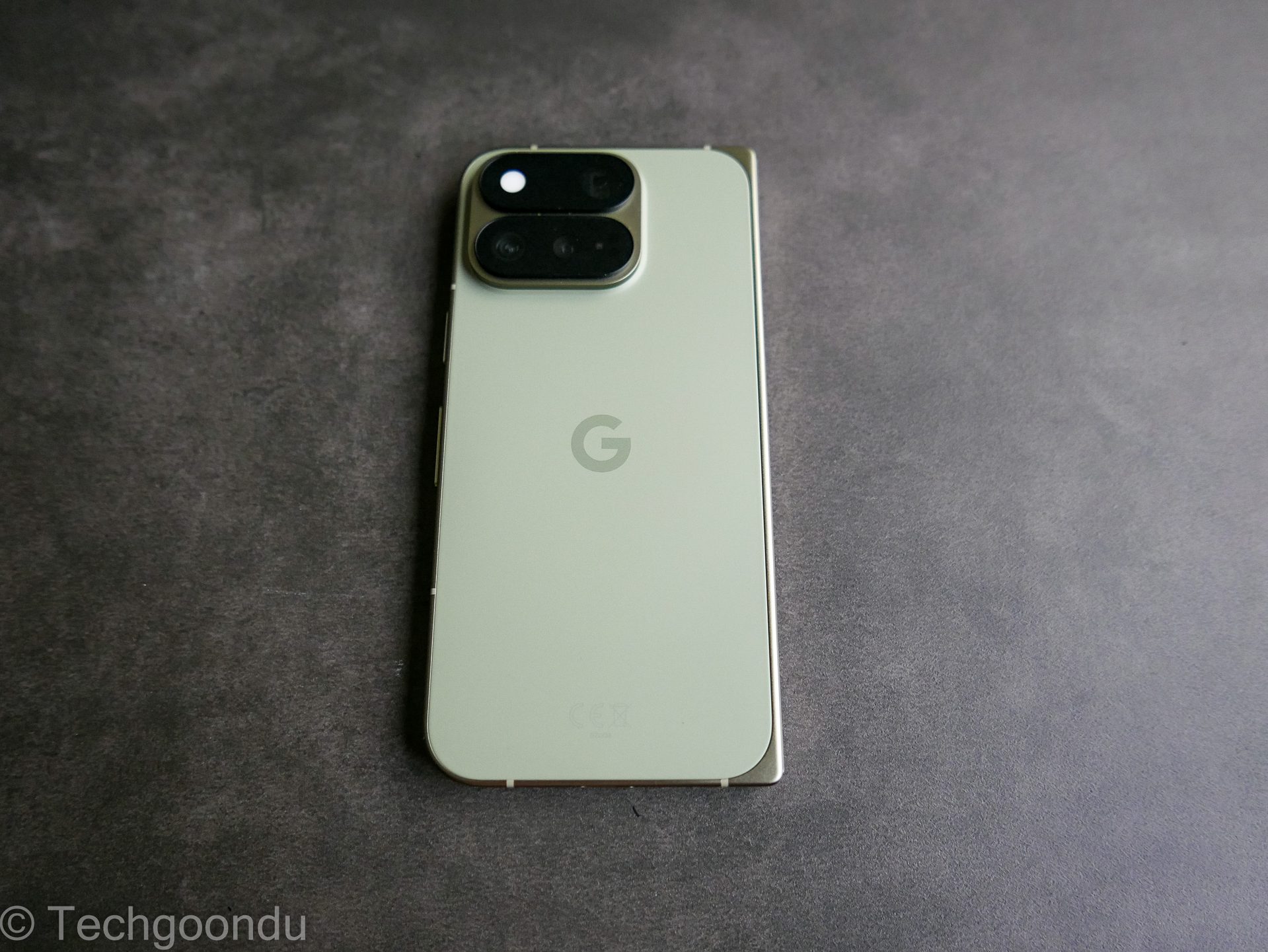
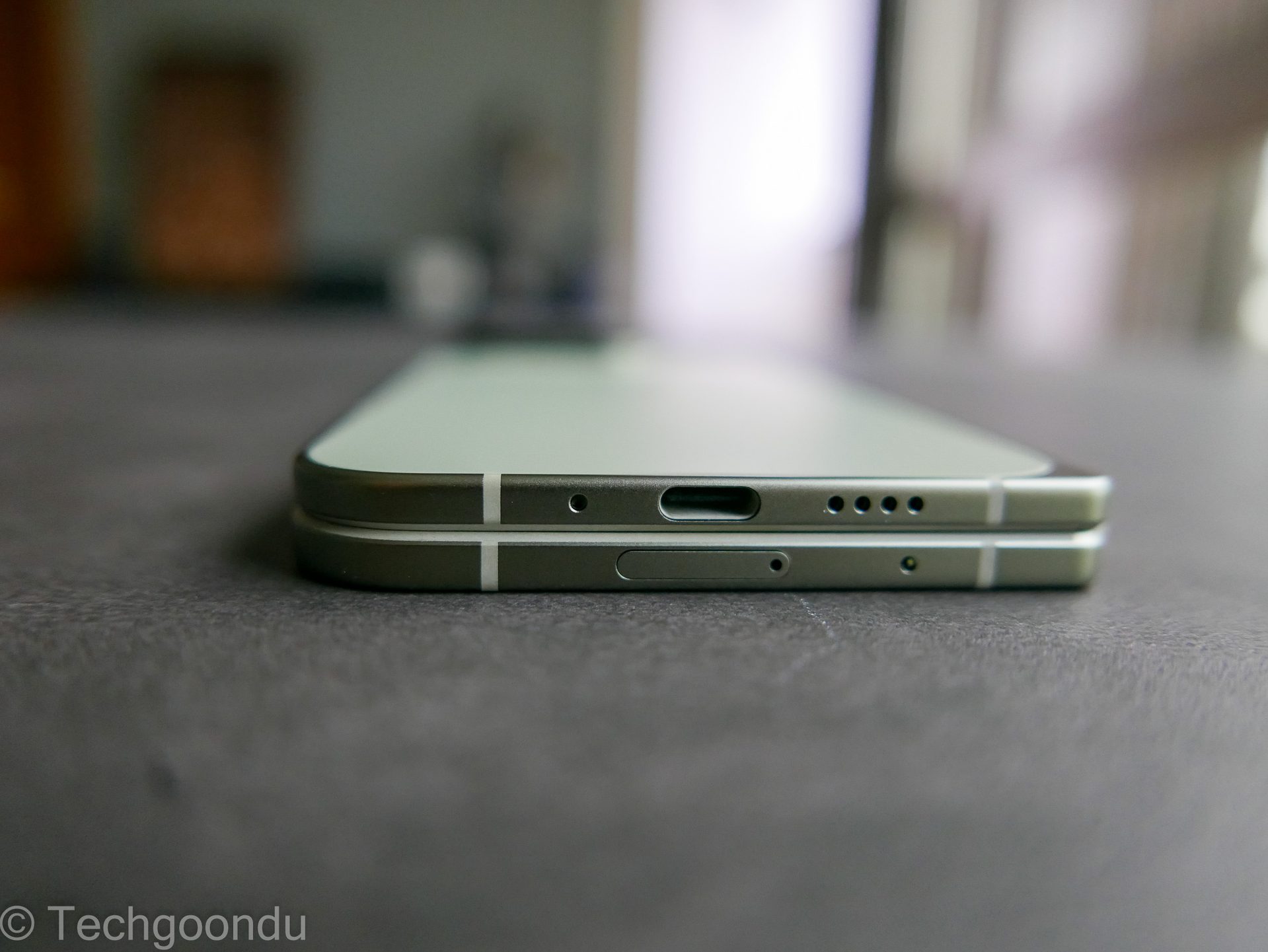
Out of the box, the new Google phone certainly feels the part with an improved design. For starters, it’s thinner now at 10.1mm, down from last year’s 10.8mm, when closed.
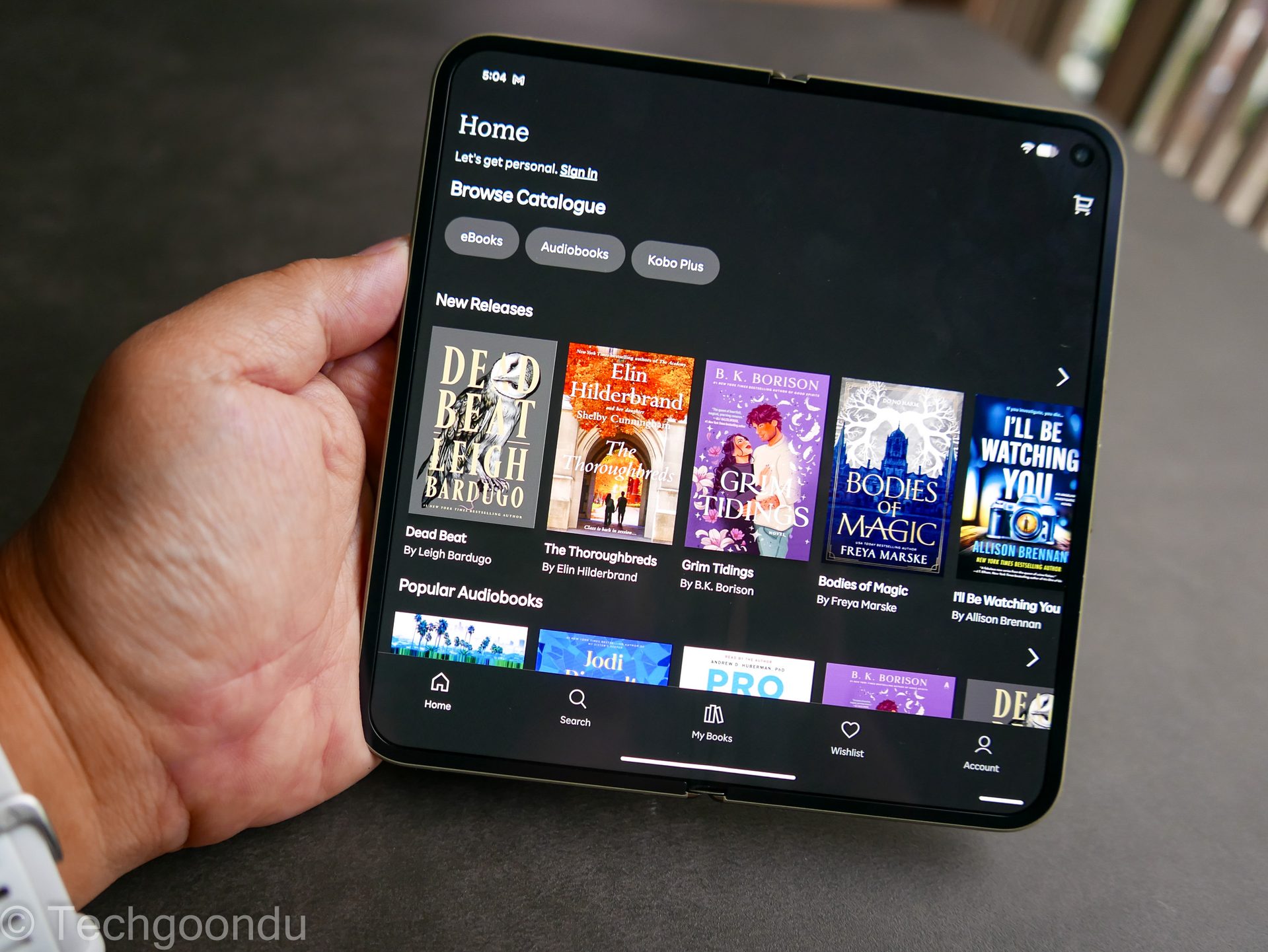
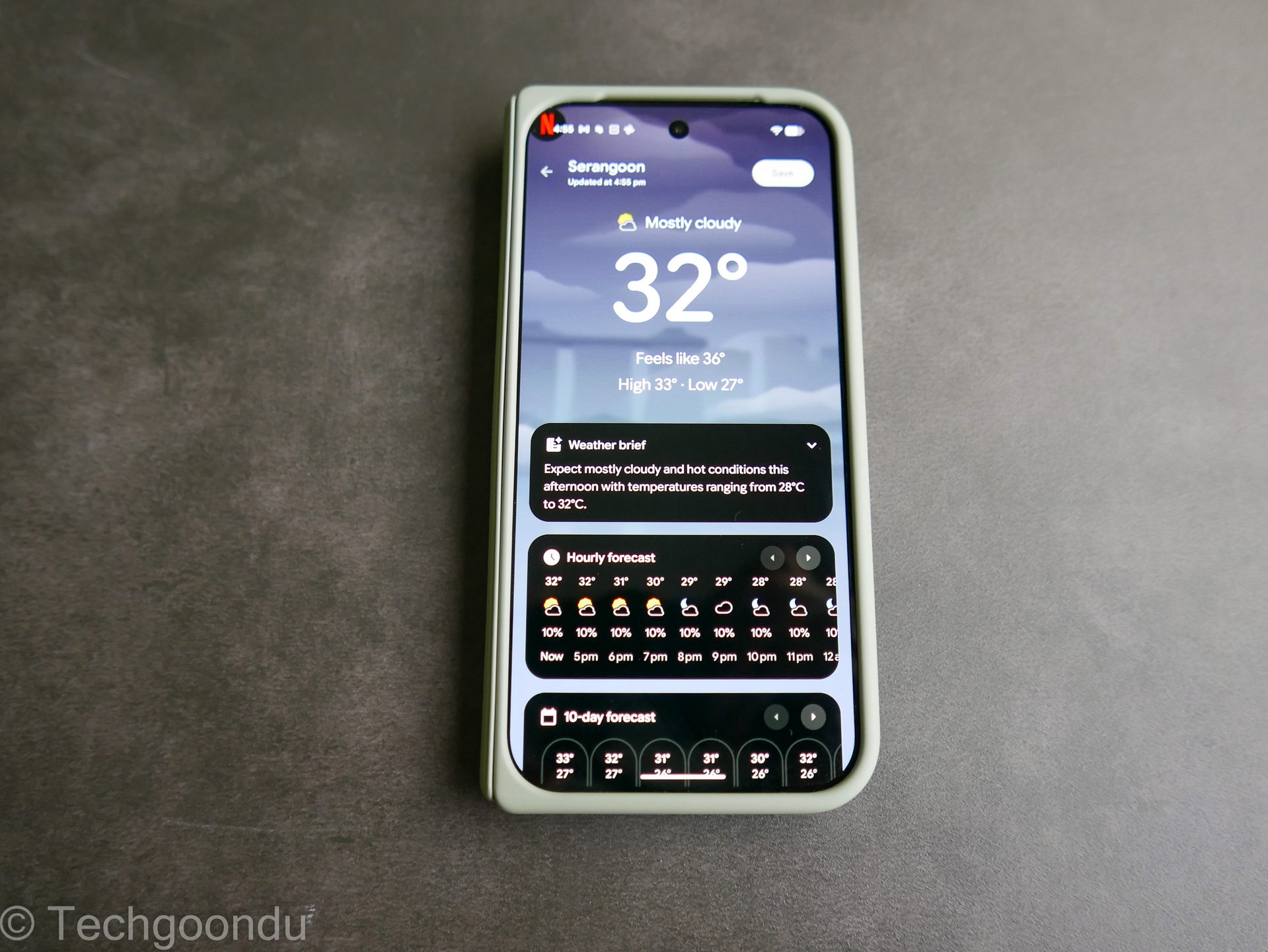
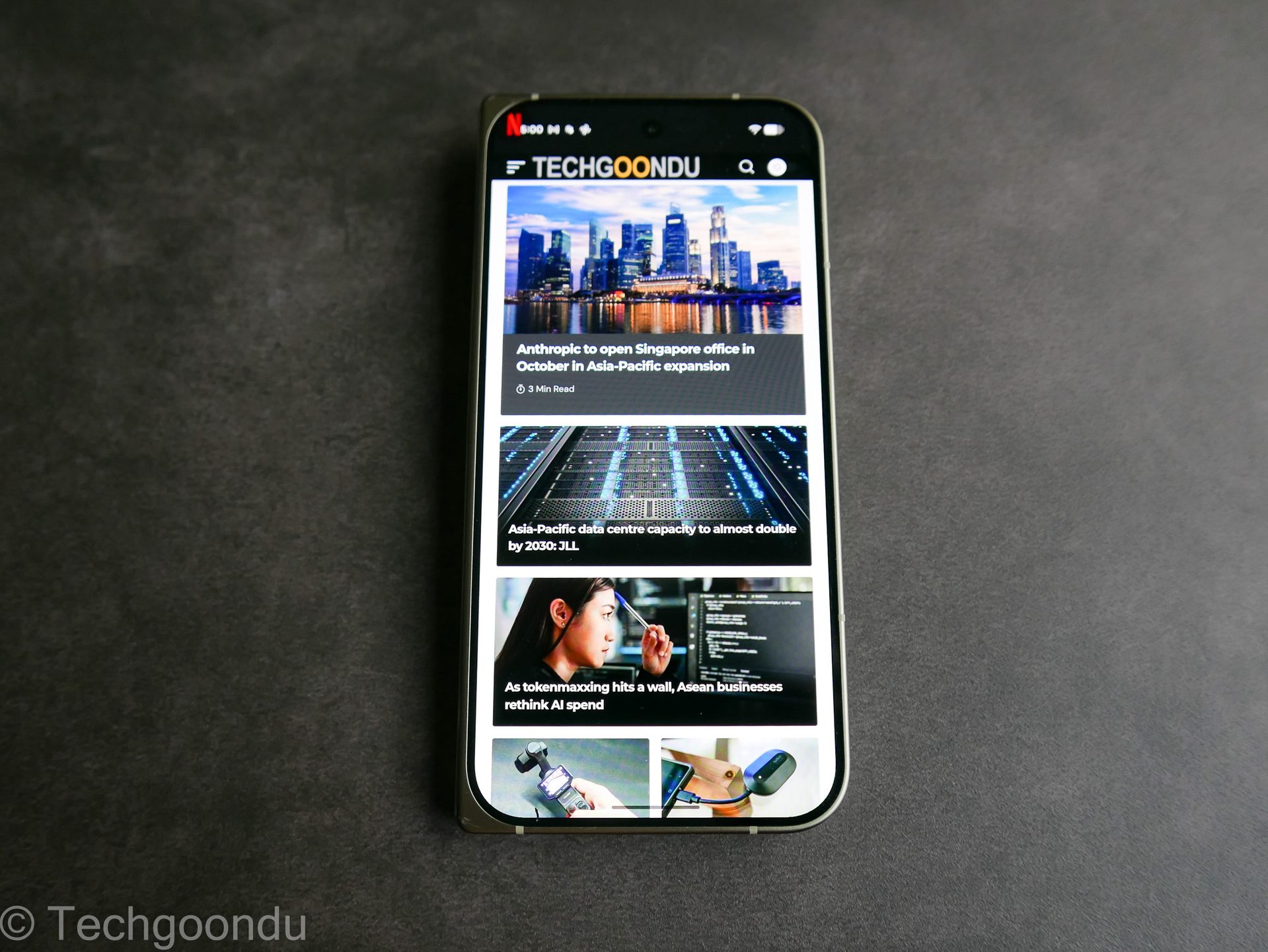
The bezels are another plus. They are slimmer to accommodate a slightly larger cover or outer OLED display, which grows from 6.4 to 6.5 inches.
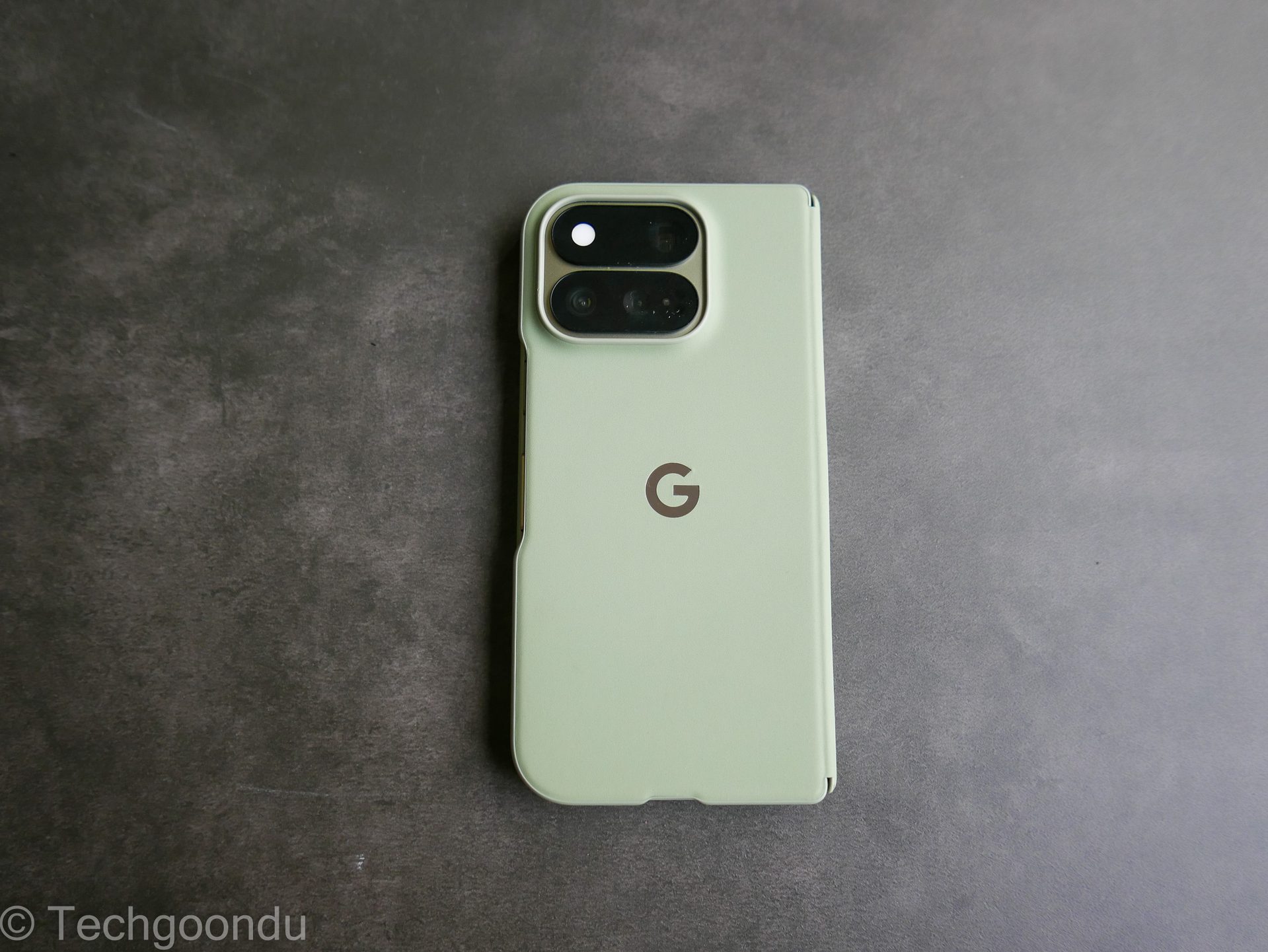
The back of the new phone is made of a glass fibre composite material that has a cool “frosted matte” texture. Substituting out the glass at the back makes the Pixel 11 Pro Fold more durable, says Google. Plus, it is also lighter – now 239g instead of 258g.
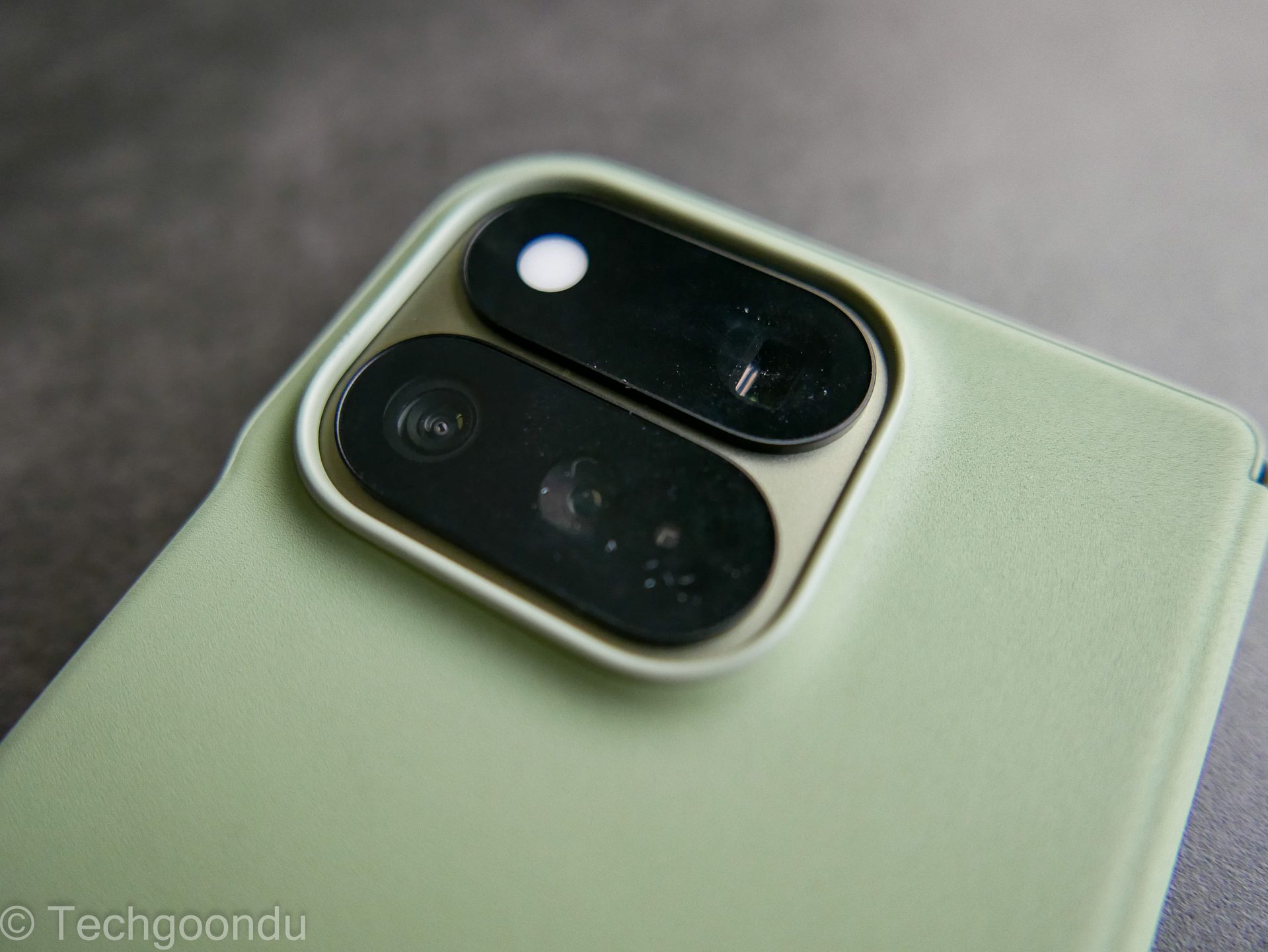
Also at the back, the two rows of cameras, flash and sensor for the imaging array may seem large but they are placed together more neatly than Samsung’s, in my view.


Put on an official Google case and the camera bump slots nicely in, reducing the awkwardness of a pop-up module.
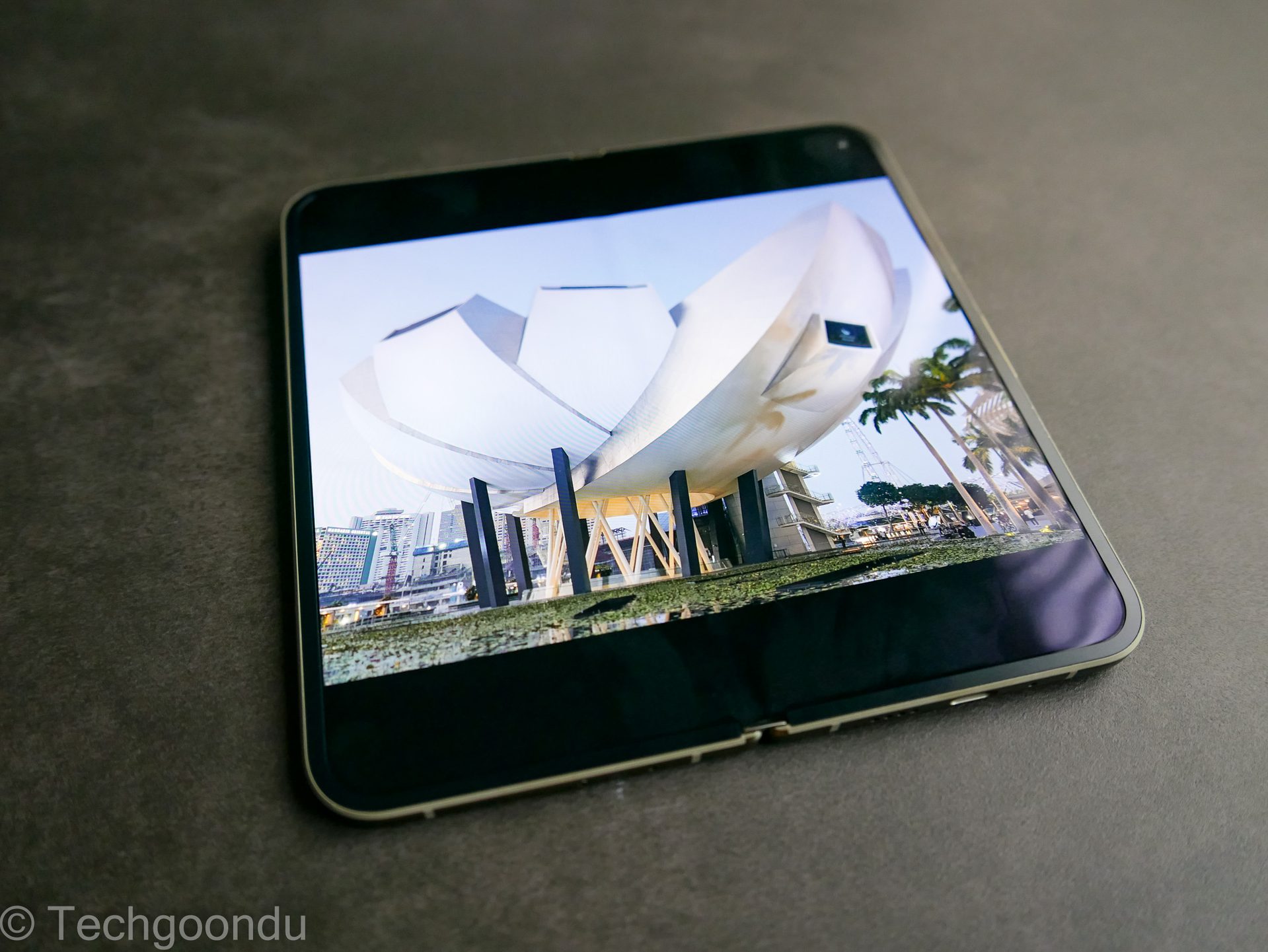
So far so good, you’d say. Indeed, the resolution of the 2K OLED screens both inside and outside (an 8-incher like before), offer good sharpness and useful information density.
One thing to note is the brightness. The screens, by default, tend to be pretty dim perhaps to save power, so you need to push settings up to the peak brightness of 3,600 nits if the phone doesn’t automatically do so under a hot sun.
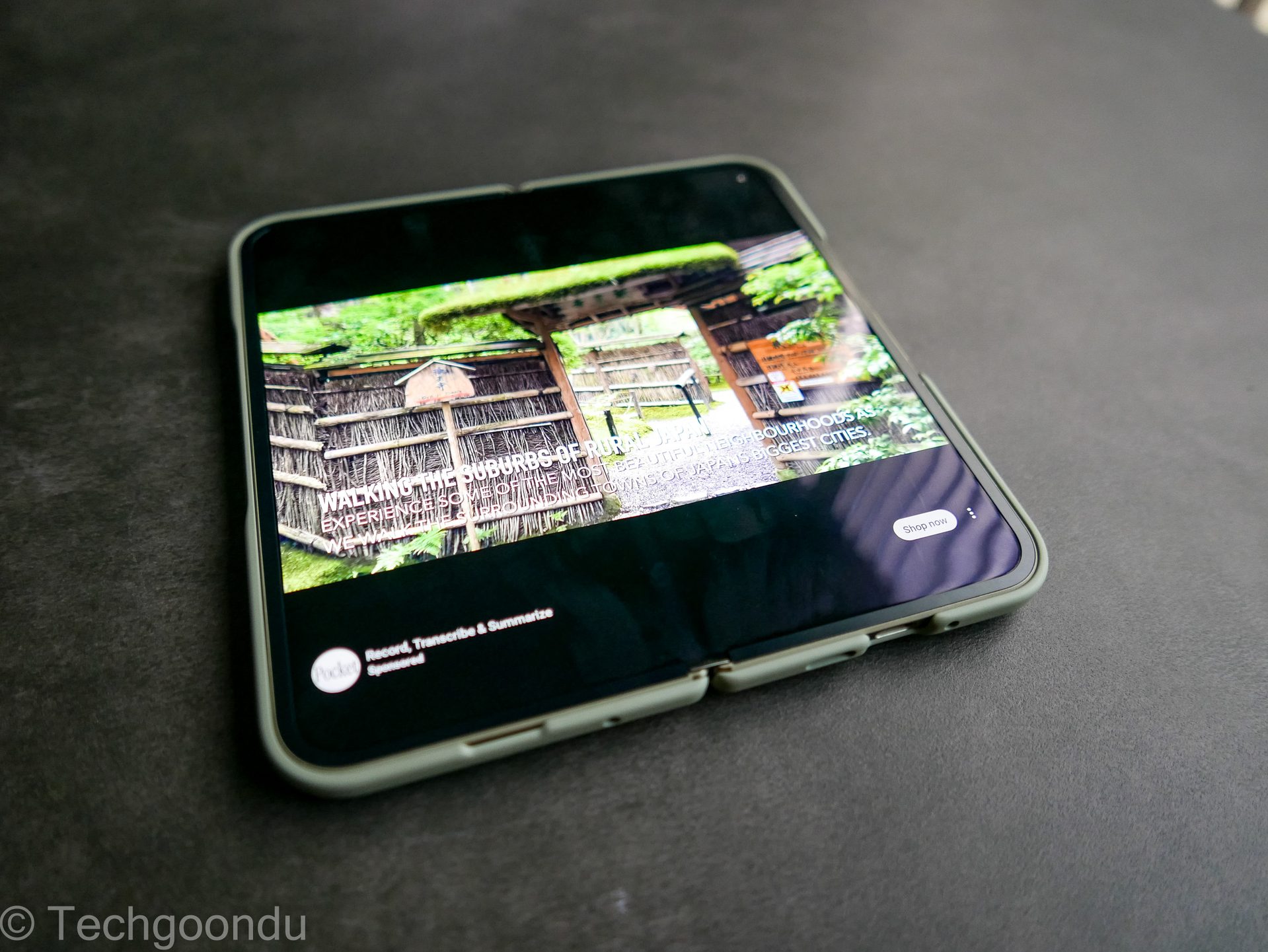
What I like are some of the handy uses of the large internal screen, helped by the smooth Android interface. Switch out of a YouTube app and the video is automatically minimised into a small video rectangle on top of your other apps.
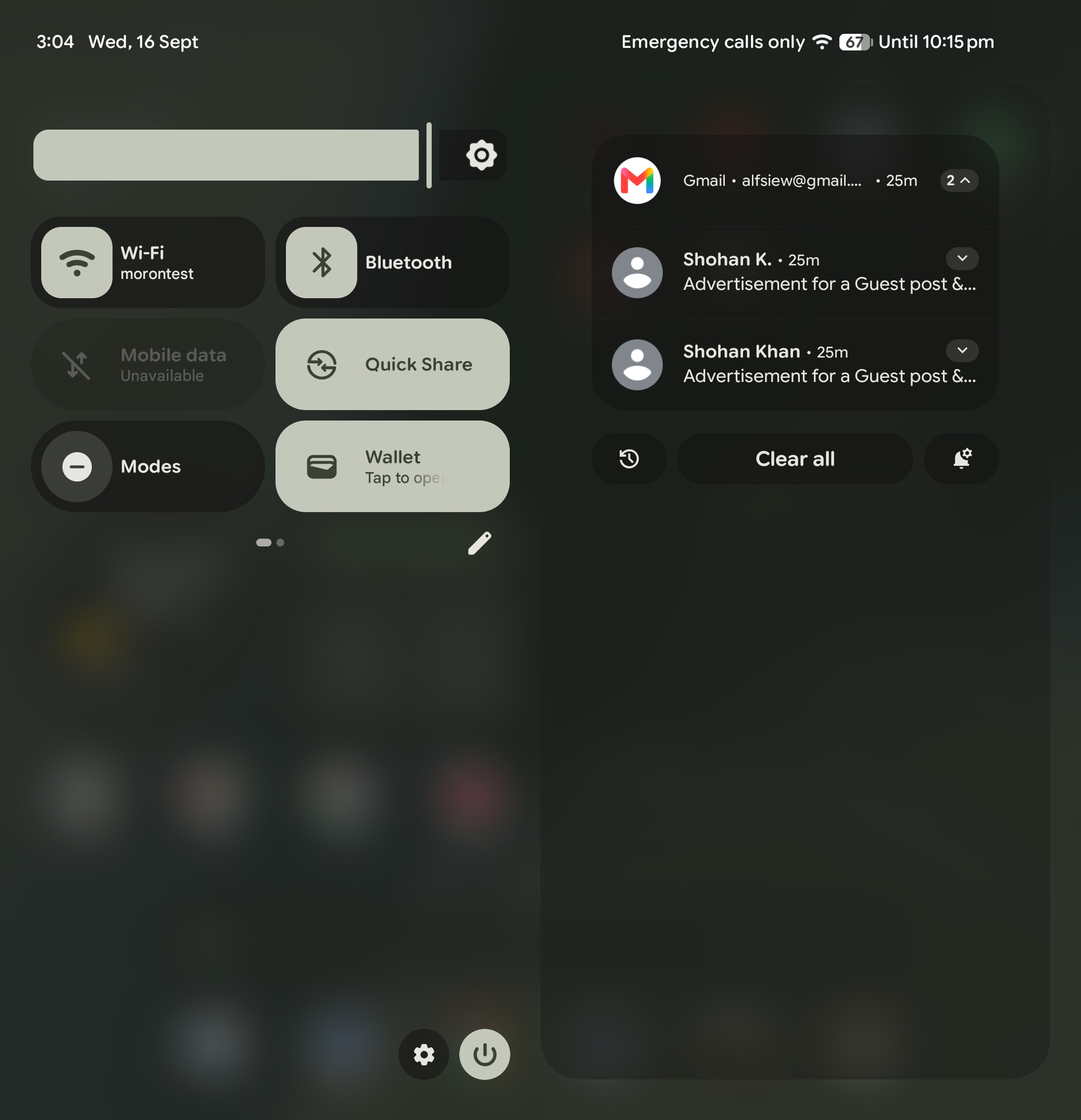
When you drag down the notification bar, say, for Gmail updates, you get half the screen showing the message while the other half offers a preview of your basic settings like Wi-Fi and Bluetooth.
Certainly, if you’re been a fan of Google’s “clean” Android interface in its Pixel phones, you’ll be happy with the smart, understated look and feel of the Android software on the Pixel 11 Pro Fold.
That said, if you’re into the Google Pixel world, you should know that the company’s Tensor G6 is the latest CPU for this new phone.
It’s highly customised but doesn’t boast the raw horsepower of the top-end Qualcomm chips found in Samsung phones or Apple’s own chips in its iPhones.


To be fair, the 16GB memory on the Pixel 11 Pro Fold is much welcome, at a time when memory prices are through the roof and many top-end phones like the Samsung Galaxy Z Fold 8 only start with 12GB for basic configurations.
In terms of performance, you won’t face problems with apps today. Even with demanding games such as Asphalt Legends, the graphics look fine even with eye candy turned on.
I fired up the racing game on the Google phone and it loaded as usual and ran smoothly without glitches. Fortunately, the screen was bright enough for the game as well.
Google used to be pretty stingy on storage, hoping users will turn to its cloud services. Fortunately, the Pixel 11 Pro Fold is up to spec against the competition, with options for 256GB, 512GB and 1TB.
That kind of storage will come in handy since the new Google foldable phone takes some solid photos. Yes, despite lousy photography skills like mine, you can capture some decent shots.
The imaging module at the back of the phone packs in three cameras: a 48MP wide camera, a 10.5MP ultra-wide camera with macro focus and a 10.8MP 5x zoom camera with “super zoom” up to 30x.
For most shots, you’d be using the wide camera, which captures good detail for food and scenery. It also manages to keep light balance right to match many scenes, even difficult and sometimes “confusing” ones with different light sources.

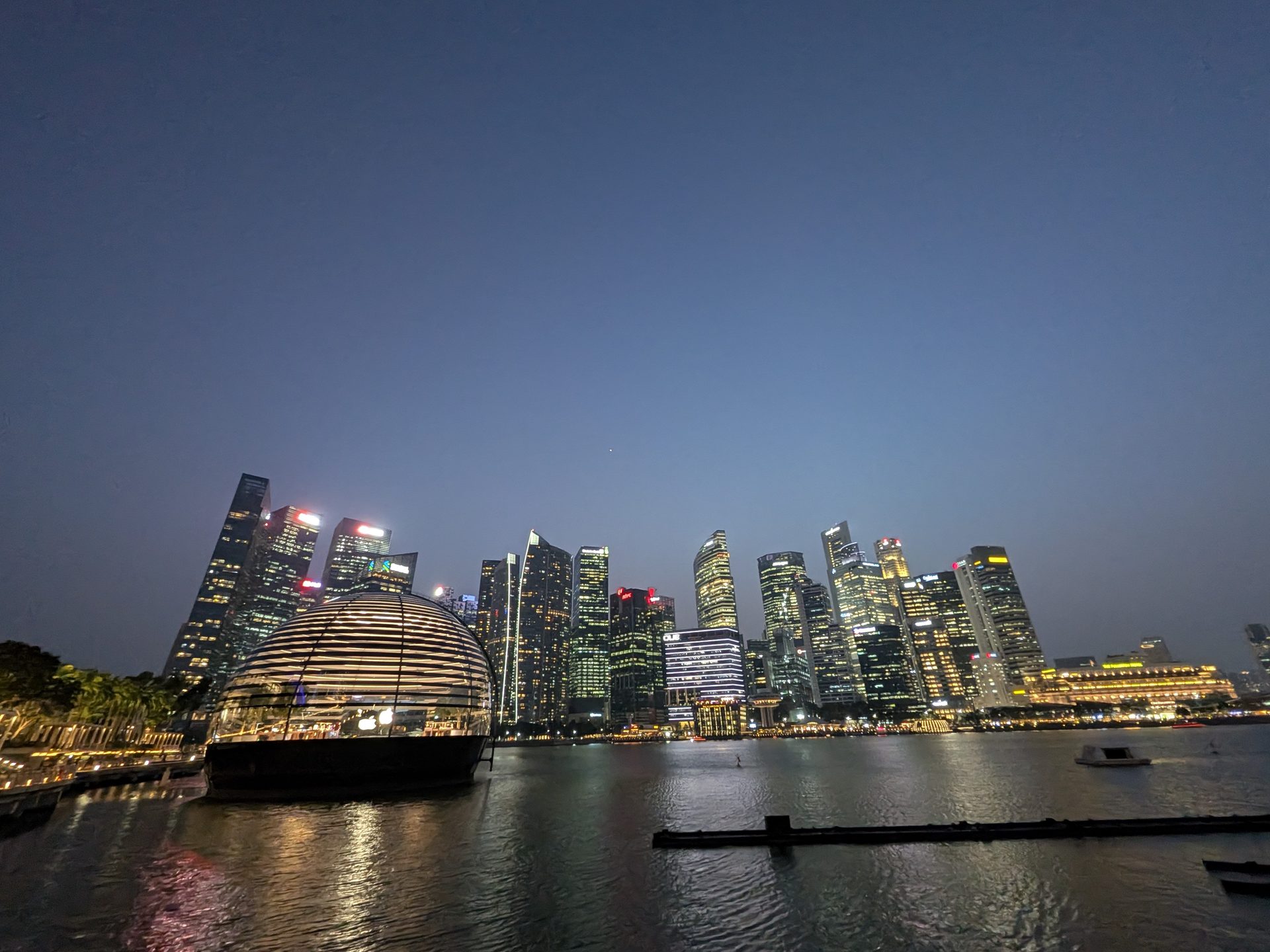
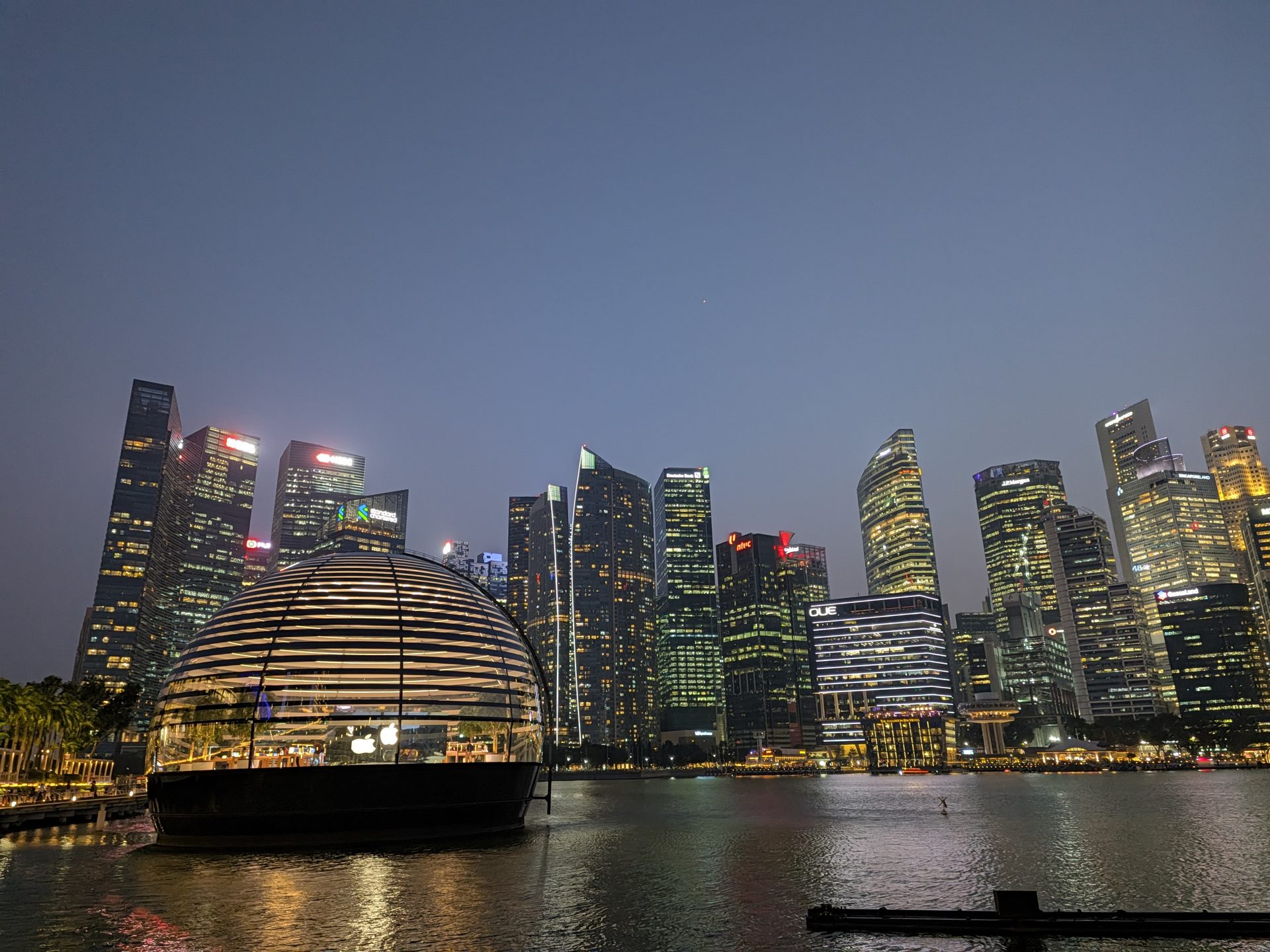
The ultra-wide is handy when it comes to capturing scenery, like the Singapore skyline from Marina Bay Sands, for example. I like it that the Pixel 11 Pro Fold doesn’t overly brighten an evening sky as the sun is setting around 7pm. Or, make the edges look too distorted.
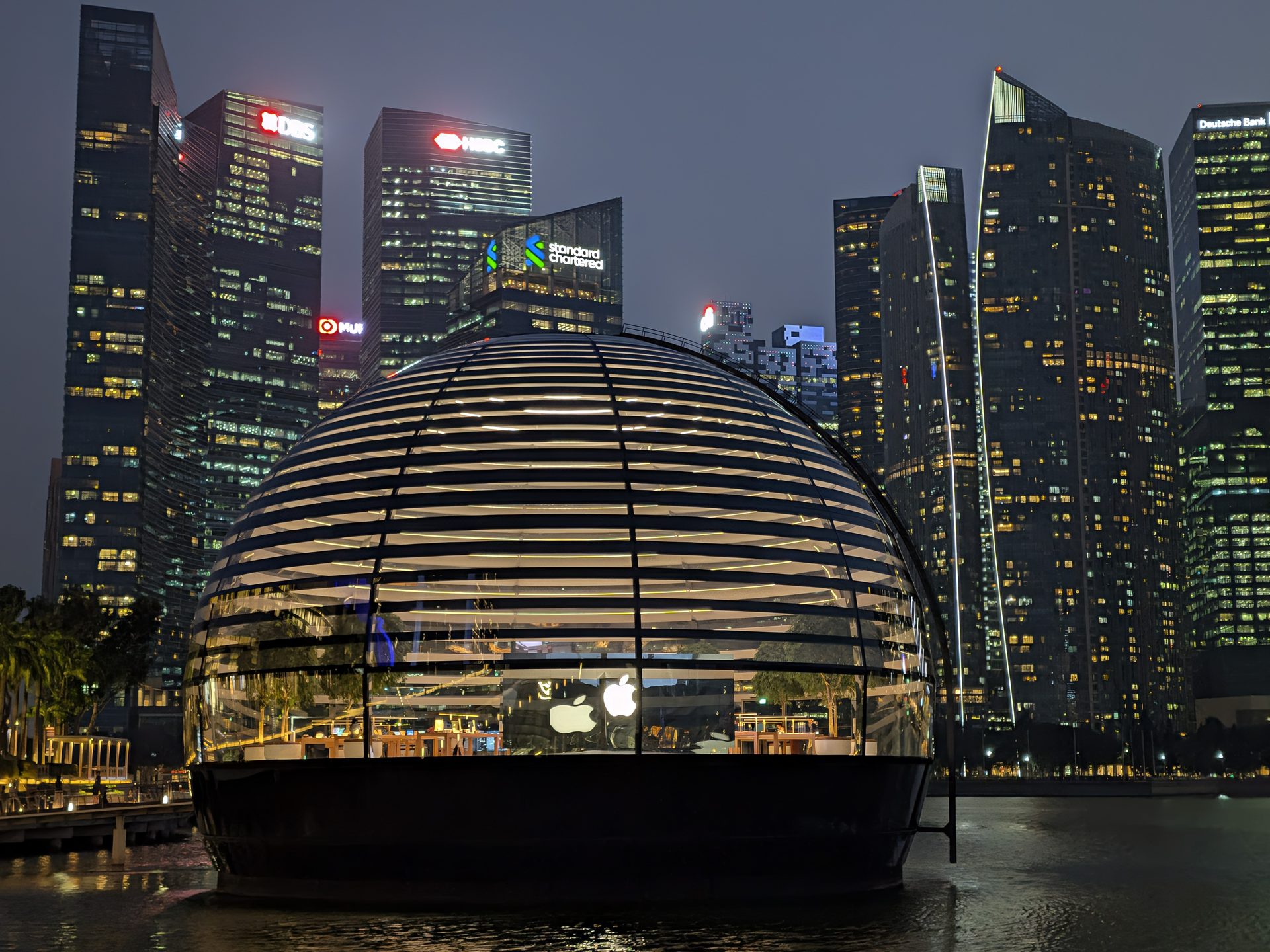
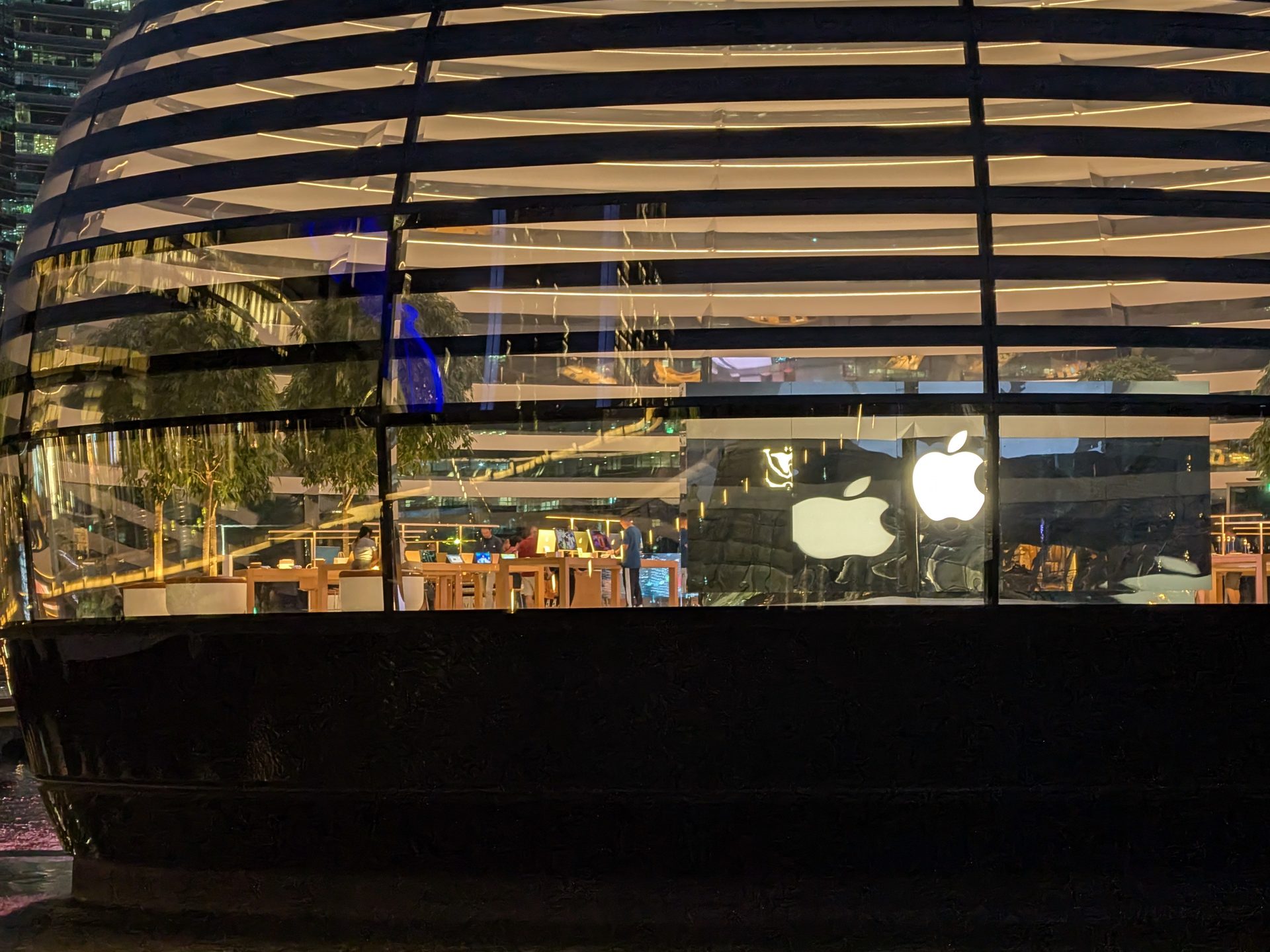

Indoors, the Google phone manages to capture images with decent sharpness, despite various parts of a photo potentially confusing a sensor on how to light things up. This, you can chalk down to great image processing.
While the new Pixel phone’s hardware may not seem like much to many folks used to better cameras on newer Android phones, the magic is in the AI processing that Google has been improving over time.
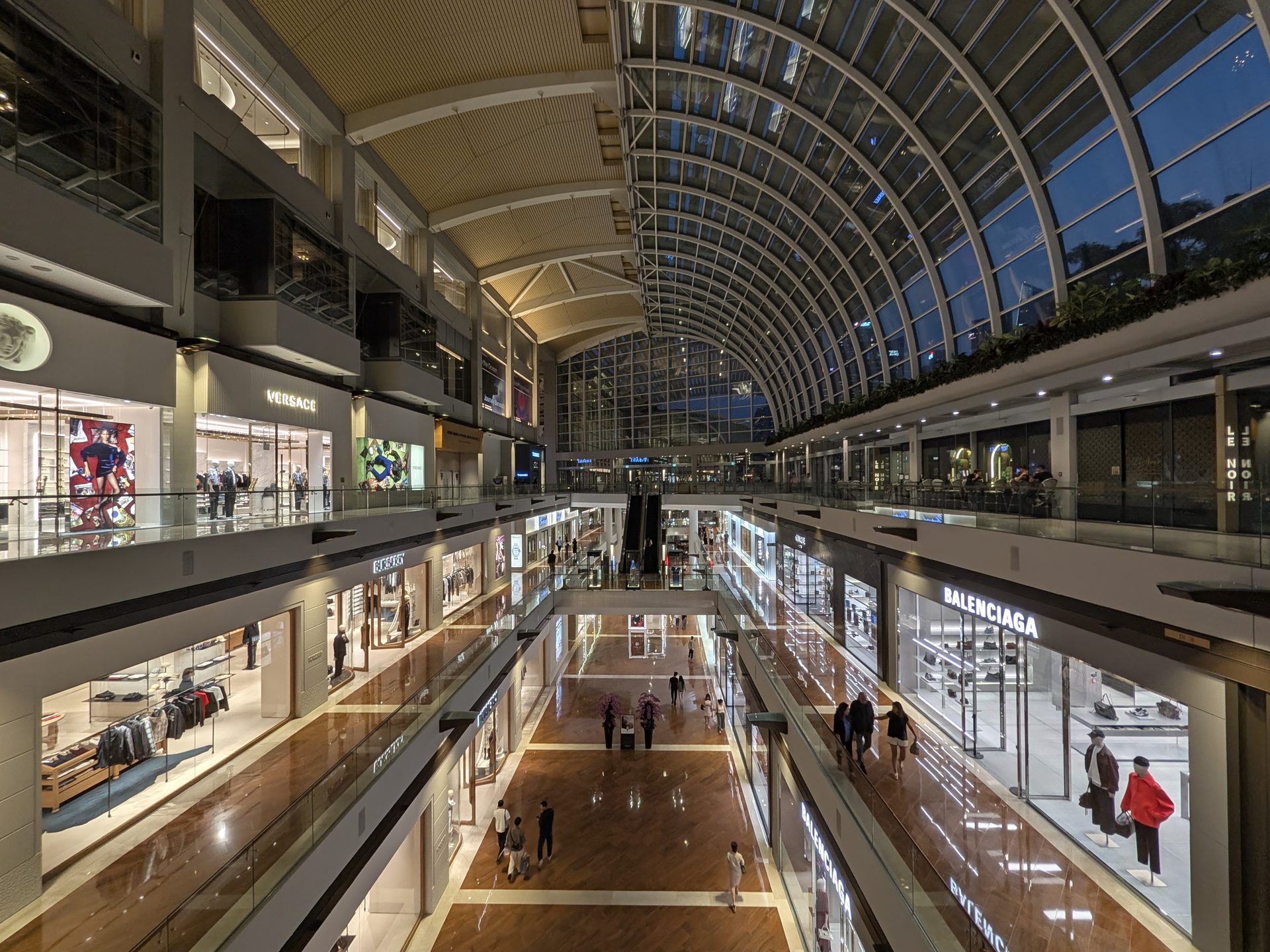

If you want a foldable phone that takes great images, the Pixel 11 Pro Fold should not be written off simply because it doesn’t seem to have some of the fancy optics that rivals offer.
Even for the zoom, which usually isn’t much to write home about at extreme levels, the Pixel 11 Pro Fold does decently well. There’s still a passable amount of sharpness despite zooming in from afar. Just don’t expect pin-sharp images, of course.
What about battery life? Google promises more than 24 hours of usage and it’s safe to say the 4,806mAH power pack should last the usual 16 hours or so that you’re awake and poking at the screen.

So, what’s not to like about the Google Pixel 11 Pro Fold? Well, nothing much, to be honest, except perhaps a slightly obvious crease in the foldable screen, which isn’t obvious when there is something playing on it anyway.
The issue really is the competition has got stronger. In particular, the focus now is very much on the passport-sized Galaxy Z Fold 8 and Apple iPhone Duo, which are more portable and arguably easier to consume content on.
While keeping up with the competition, like the similarly-sized Samsung Galazy Z Fold 8 Ultra, the Google phone doesn’t seem to have the X factor to draw people away from its higher-profile rivals.
Yes, there are some interesting features. The Bubbles, for example, feature lets you turn an app into a floating window of sorts, running among other apps.
That’s handy in some situations, say, like watching Netflix or reading a book on Kobo while keeping up with updates on the rest of your main screen.
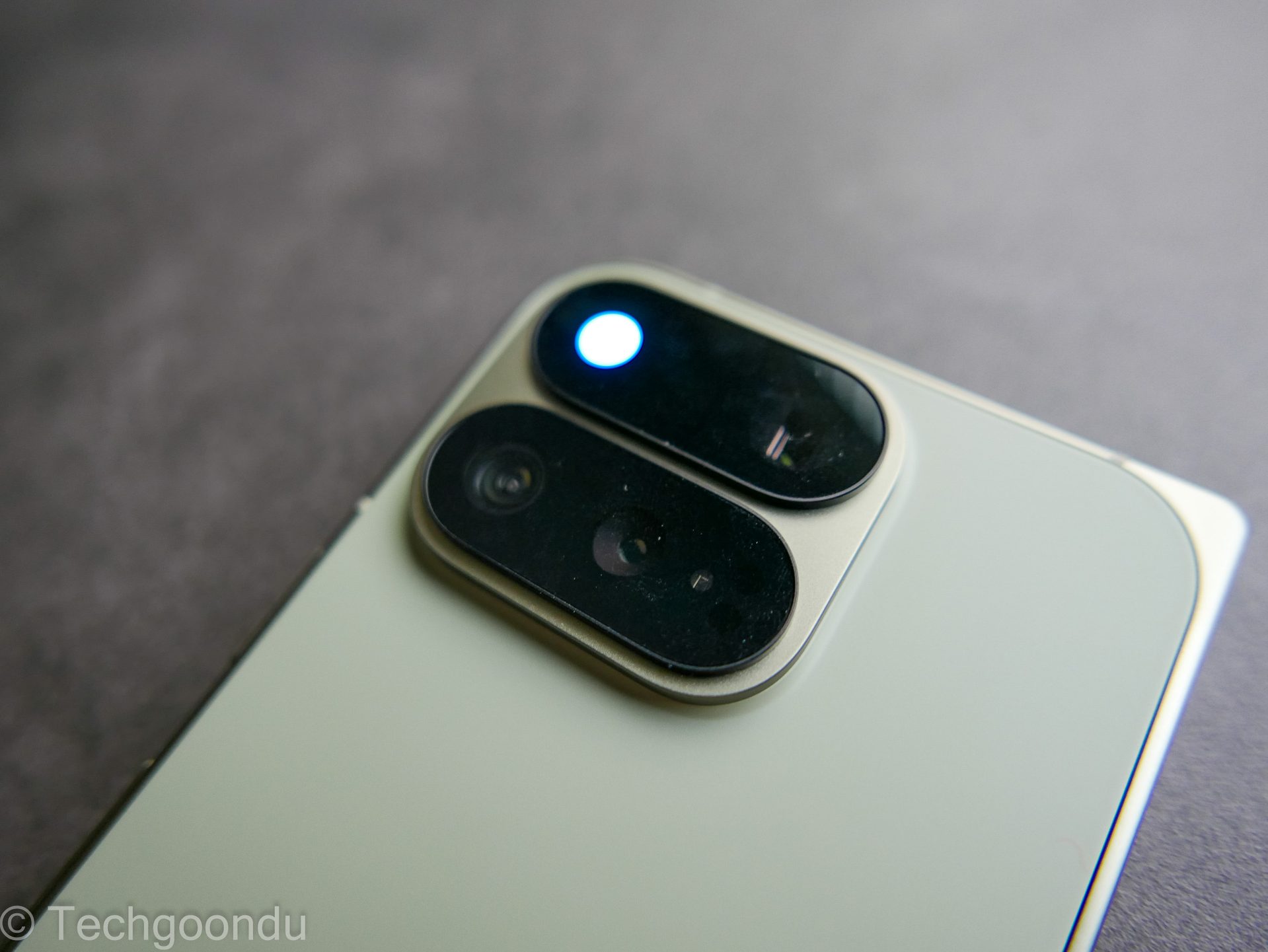
Yet, HiLight, a rear LED notification feature that gives a hint of who’s calling, is limited because it doesn’t work with messages. Most of us don’t get as many calls as before now.
On the balance of things, it’s not hard to like the Pixel 11 Pro Fold. That’s especially if you want an alternative to the Samsung and Apple foldables that Singapore buyers seem to like.
Yet, if you were asked to choose it over the top-selling brands here, you might not be so fast to choose the new Google phone since there isn’t one particularly compelling feature that stands out.
Perhaps, for once, price might make the difference. The basic Pixel 11 Pro Fold with 16GB/256GB has a sticker price of S$2,499, lower than the entry-level Galaxy Z Fold 8 Ultra (S$2,798) in Singapore.
However, street prices are substantially lower for both phones (some under S$2,000), so your decision should be decided by what you find at the stores too.
If the Pixel 11 Pro Fold can be had at several hundred bucks cheaper, it will appear the better buy. If the gap isn’t huge, then Samsung’s foldable phone might end up being the safer, more familiar choice.