Oppo’s latest flagship phone, the Find X10 Pro Max, relies on the tried and tested to appeal to consumers: a capable camera system and a powerful processor to power all the apps you’d run on it.
The phone has a 6.78-inch AMOLED display that reaches up to 2,000 nits in High Brightness Mode. Even under the harsh sunlight of the Xinjiang highlands where I visited recently, the screen remained readable, so framing shots was never an issue.
The metal frame gives it a solid, premium feel, with minimalist power, volume and Snap Key buttons along the sides. The Snap Key can be customised to a user’s needs from choosing a notification setting, opening the camera to starting up the translation app. Sadly, the shutter button from the Find X8 Pro is gone so the only way to capture an image is via the on-screen button.
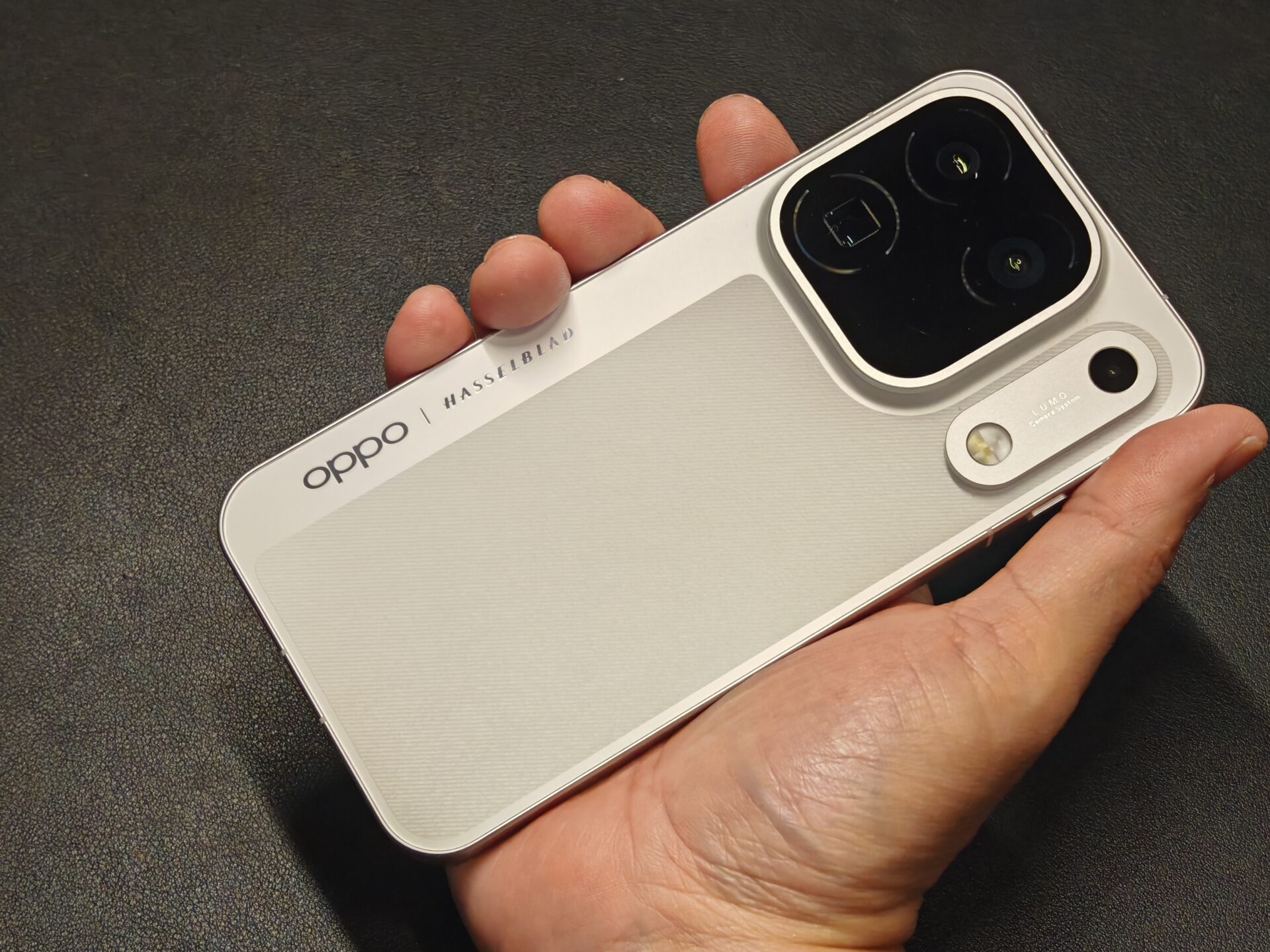
Turn the phone around and the white glass back gives it a classy, modern look, with the Oppo and Hasselblad logos placed in the top-left corner.
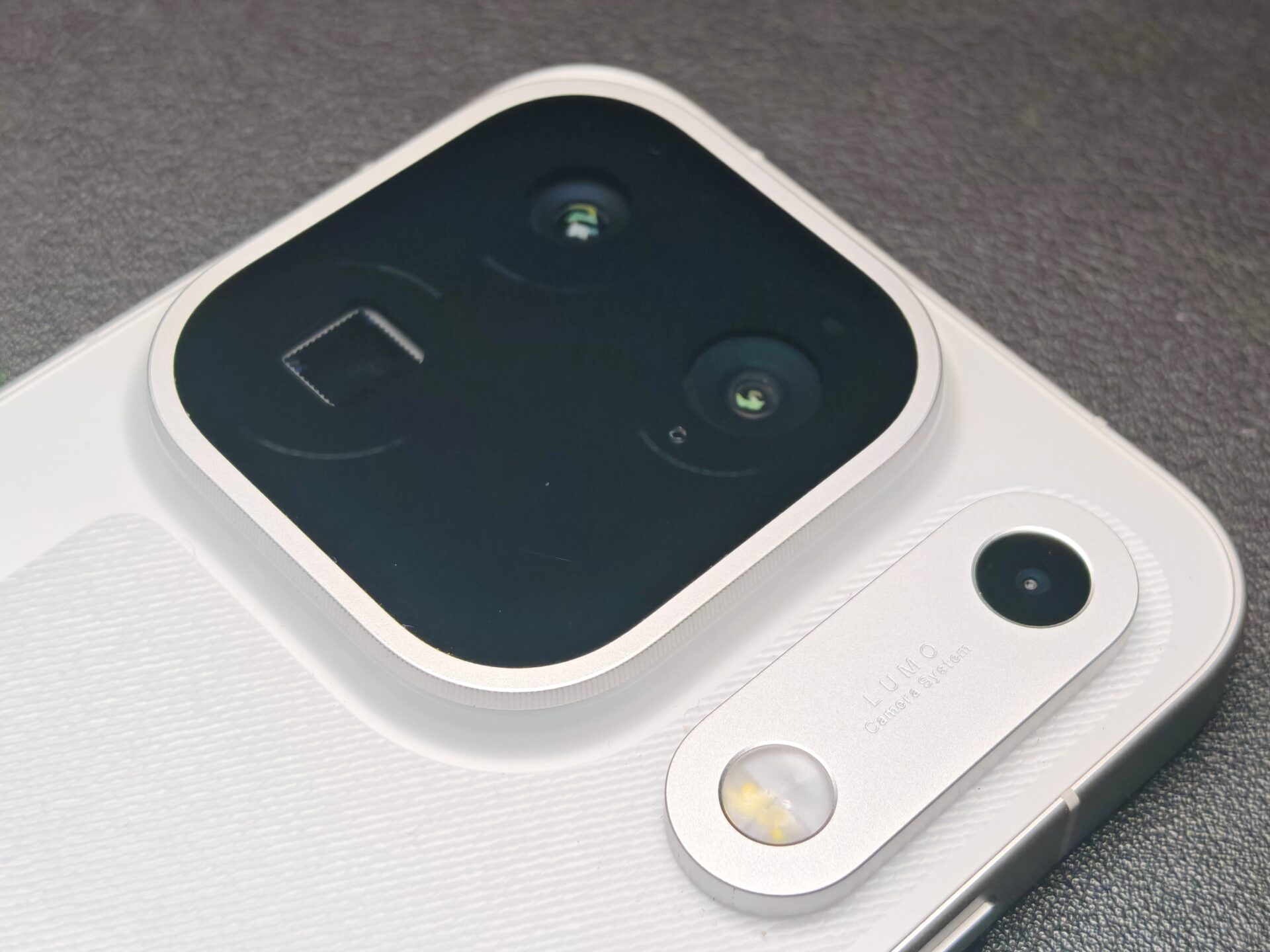
The square camera module follows the design of the Find X9 Pro. Despite the size of the camera hump, the phone does not wobble on the table when I have my coffee.

Under the hood, the Find X10 Pro Max runs on the new 2nm MediaTek Dimensity 9600 Pro chip, paired with 16GB of RAM and 512GB of storage. That’s more than enough performance for most users.
To be sure, the phone feels quick even when handling demanding AI rendering during photo and video editing. Thanks to the efficient 2nm chip, the 8,000mAh battery easily lasts a day or even two with moderate use.
The camera system is the main highlight. All three cameras use 200MP sensors, with the main camera featuring a larger 1/1.3-inch sensor while the other two use 1/1.56-inch sensors. This should help maintain image detail across photos and videos.
The high-resolution sensors also give the zoom system more data to work with. This means sharper and more realistic images, especially when using the 3.28x telephoto lens.
Like the Find X9 Pro, the phone supports a telephoto lens attachment. With it, distant subjects can be captured at full-frame-equivalent focal lengths from 230mm and up to 4600mm. However, there is noticeable AI sharpening beyond 230mm, so keep things at 10x zoom for the best image quality.
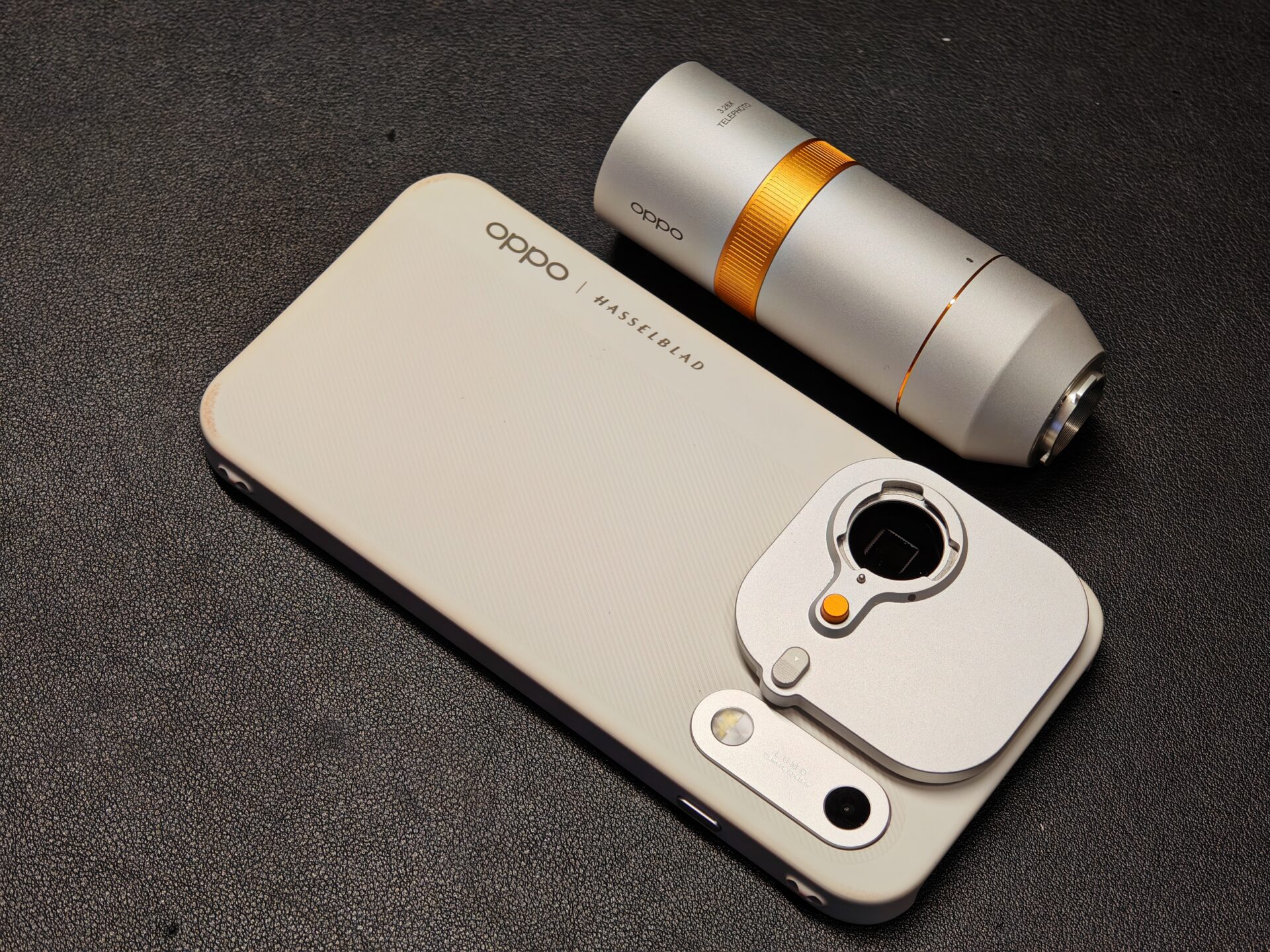
My biggest issue is that the other two cameras cannot be used while the telephoto attachment is mounted, even if it is not in use. Removing the attachments just to switch to the main or ultrawide camera is a hassle.
The phone also does not come with a camera grip, so I have to use both hands to keep it steady when shooting with the telephoto lens. The good news is that aftermarket Bluetooth grips work well with the magnetic back of the phone’s case.
That said, the Find X10 Pro Max produces some of the best images from my recent photo trip to Xinjiang, China. The photos have a subtle Hasselblad warmth, with natural skin tones and pleasing bokeh in portraits.
I wish the bokeh application is more precise as there are times when some of the portraits’ bokeh are not accurate. Keep to simpler shots, say, with a single subject, to avoid such issues.





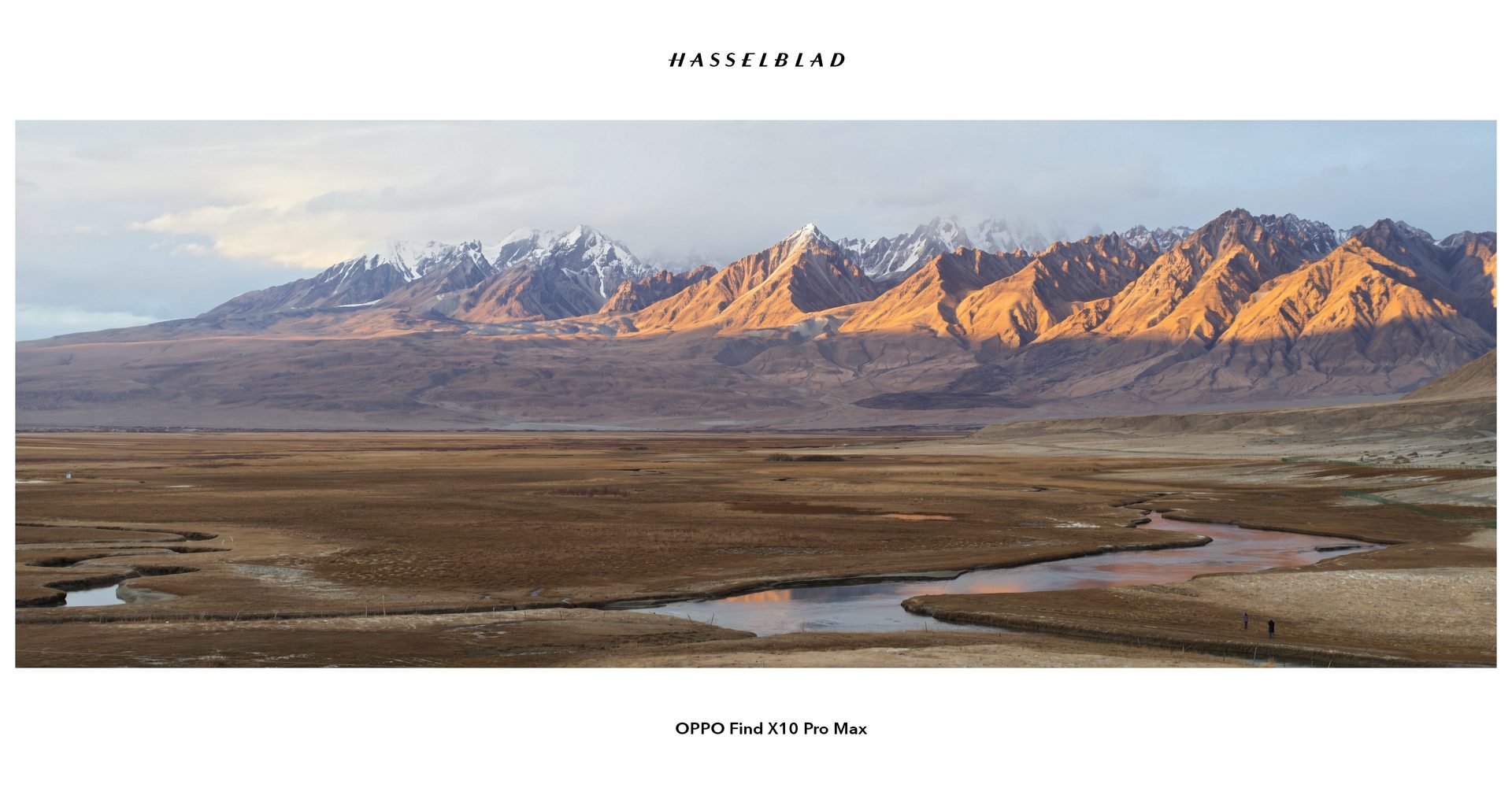
The XPan mode is also useful for creating expansive panoramic shots without relying on panorama mode, which can sometimes produce stitching errors when merging multiple images.
Another key feature is Open Gate video recording, which uses the full sensor and supports RAW footage recording. This makes it easy to colour grade as well as to crop footage for both YouTube and TikTok without losing much detail.
Costing S$2,199, Oppo Find X10 Pro Max is priced to reflect the rising cost of memory and storage chips. While the new phone brings solid improvements, the older Find X9 Ultra may offer better value at its discounted price of S$1,949.