Just when drone design seems to have settled of late, DJI decides to go on the warpath with the new Avata 360 – a model clearly created in response to rival Insta360 Antigravity’s A1.
This means the new DJI drone is packed with a 360-degree camera system, which holds much promise out of the box with the Chinese drone maker’s experience in designing great devices in the past.
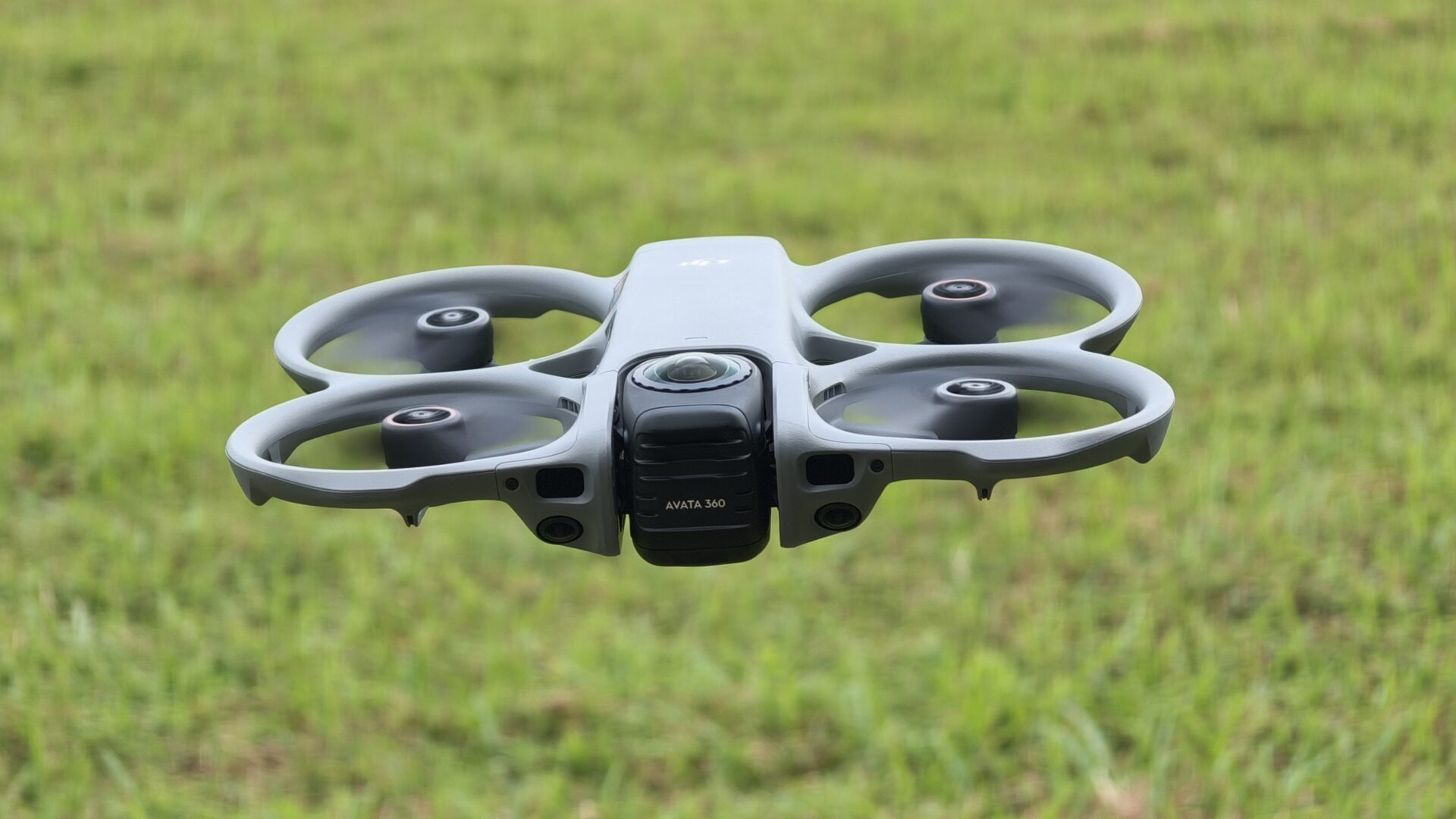
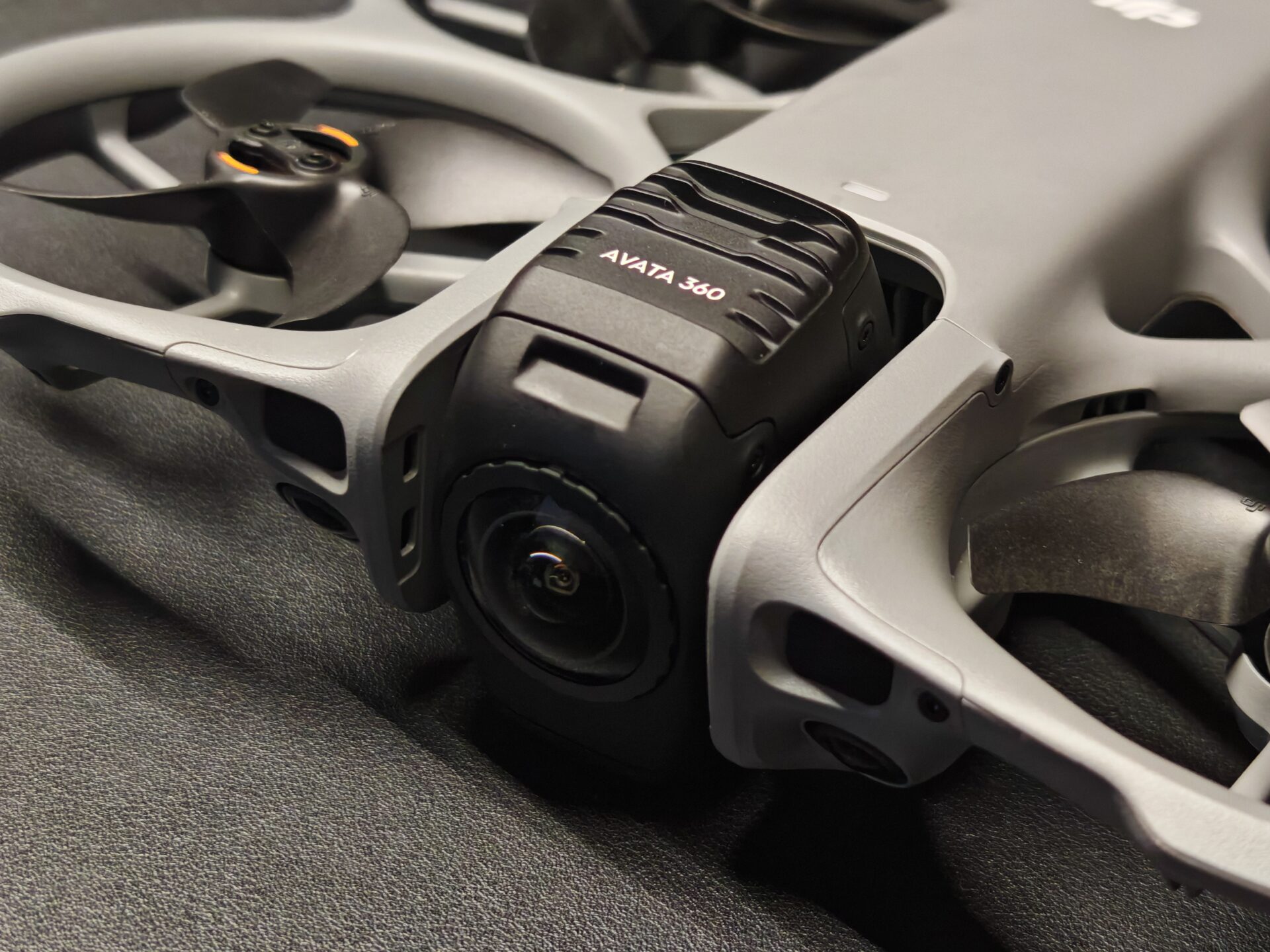
For starters, the Avata 360 takes the same form as the Avata 2 first-person-view (FPV) drone. At 455 grams and about 25 by 20 by 6.5 centimetres, the new drone is not as compact. In actual use, it’s also noticeably heavier.
Travelling with it takes more effort because of its size, and the weight means mandatory registration in Singapore. For those who value portability or prefer “fly-anytime” convenience, this will already feel like a compromise.
Flight performance is competent, though not remarkable. DJI lists 23 minutes of airtime, but my flights averaged closer to 20, dropping further when leaving battery reserves for a safe return.
While it cannot match the endurance of the DJI Mini or Mavic series, one advantage is how 360-degree video capture actually reduces flight repetition. You can fly one path and reframe later from multiple angles, avoiding complicated control manoeuvres to steer your drone just to keep a subject in frame.
That said, this only matters to users who are willing to spend time editing in post production, even though the DJI Fly More app is easy to use while on the go.
There is also the DJI Studio Desktop app for those who appreciate editing with a bigger screen and a more powerful computer. For anyone hoping for straightforward footage out of the box, the benefit is less obvious.
The Avata 360 uses twin 1/1.1-inch sensors capable of 8K capture in 360-degree mode or 4K in single-camera use. Video quality is sharp, but I experienced some stitching errors in a small batch of videos though they are not that obvious unless you look for them.
The files record in DJI’s proprietary OSV format with D-Log M support for colour grading, but note that workflow compatibility is still limited within DJI’s own software.
Crucially, the resultant video will be in 1080p if the video is shot in 360-degree mode. To maximise video quality in 4K60, shoot the video in single camera mode.
The editing experience, unfortunately, feels less refined. While you can still perform subject tracking and re-framing, the controls are more limited and lack the polish seen in Insta360’s more mature software ecosystem.
Export options are also restrictive. I could not share the 360-degree JPEG file to other platforms not listed in the DJI Fly app and have to go the actual directory where the image file resides. It would be better if there is more flexibility.
When tested at Singapore’s Marina South under stronger wind conditions, the Avata 360 did sway but the stabilised footage remained steady despite the gusts.
The 42GB of internal storage is serviceable for short flights, but larger cards are essential for 8K capture or longer videos. High-speed U3 or V30 cards are a must, otherwise the write speeds cannot keep up and you have to wait for the drone to save the file before the next shoot can happen.
Connectivity stayed stable during my tests, as expected from DJI’s O4+ radio transmission technology . With the RC2 controller, the link never dropped, even when flying behind light obstacles. The drone’s FPV-oriented design, with propeller guards built in, makes it safer for flying through obstacles and near people.
It’s clear DJI sees the Avata 360 as a niche product made for videoing action shots. Gone are the usual photo modes like time-lapse, exposure bracketing, and panorama. DJI has dropped the waypoints function too, so attempting hyper-lapse by repeating the same route is not possible with this drone.
This leaves the Avata 360 feeling bare compared to the company’s mainline drones. The only photo feature of note is a single-tap 360-degree capture that produces a 120-megapixel spherical image. It is faster but may not appeal to users seeking quality stills that require multiple exposures.

To avoid obstacles, the combination of two front-facing LiDAR sensors, dual visual sensors, a downward-facing sensor and a 360 camera setup proved reliable in testing. They consistently slowed the drone in tight spaces to prevent collisions.
Unlike the Antigravity A1 drone, the DJI Avata 360 does not have landing gears to prevent the drone’s lenses from getting scratched. In other words, it would be a harrowing experience to land this drone on sandy ground or loose dirt.
It is best to use the landing pad that comes with the drone whenever you are flying. Okay, it’s a bit of a relief to know that the lenses can be replaced should the worst happen.
DJI’s bundle with the N3 goggles and RC Motion 3 control stick provides immersive fly experience but the overall kit remains bulky. I would prefer to have the lighter and the more portable Goggles 3 to make the whole package manageable.
The Avata 360 serves a narrow audience, mainly video creators looking to add unique dynamics to their footage rather than replacing existing drone categories. For photography or travel use, it brings more limitations than freedom.
Then again, at S$1,029 for the most expensive bundles, whether paired with the standard RC2 controller or the Goggles N3 and Motion Controller, the Avata 360 costs less than half of what its rival is asking for. The Antigravity A1 goes for a much heftier S$2,160.
The DJI drone is even more affordable if you just get the basic set at S$829, which comes with the drone, a single battery and the RC2 controller.
That price difference alone makes the Avata 360 compelling to those seeking immersive flying and to capture more unique video perspectives that traditional drones struggle with. It’s an affordable piece of the puzzle if you want the all the tools in your arsenal of drones.