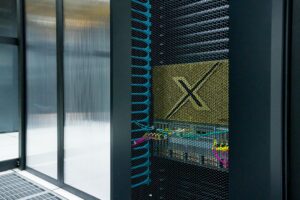
Singapore public transport provider, SMRT, is piloting an AI project to make train maintenance faster and more predictive, in a bid to strengthen service reliability.
Built by SMRT’s innovation arm Strides Technologies, the project taps Oracle technology, including Oracle Autonomous AI Database, to bring together data scattered across multiple maintenance and operations systems into a single analytics hub.
Called Jarvis, the intelligent platform, including agentic AI and a chatbot, uses machine learning and generative AI to spot early signs of equipment faults and help technicians analyse issues through a natural-language interface. It also enables predictive fault detection and for proactive intervention.
SMRT Group CEO Ngien Hoon Ping said Jarvis is part of the company’s push to embed AI into rail engineering, boosting efficiency while meeting strict safety standards. Speaking at the Oracle AI Singapore event yesterday, he said the system helps engineers identify and repair faults faster.
“Faults are geolocated, enabling engineers to zoom in for repairs quickly and efficiently,” he told a technology industry audience.
Every day, trains are taken offline for about three hours for maintenance. Being able to quickly locate and fix faults, he noted, is a significant gain in efficiency.
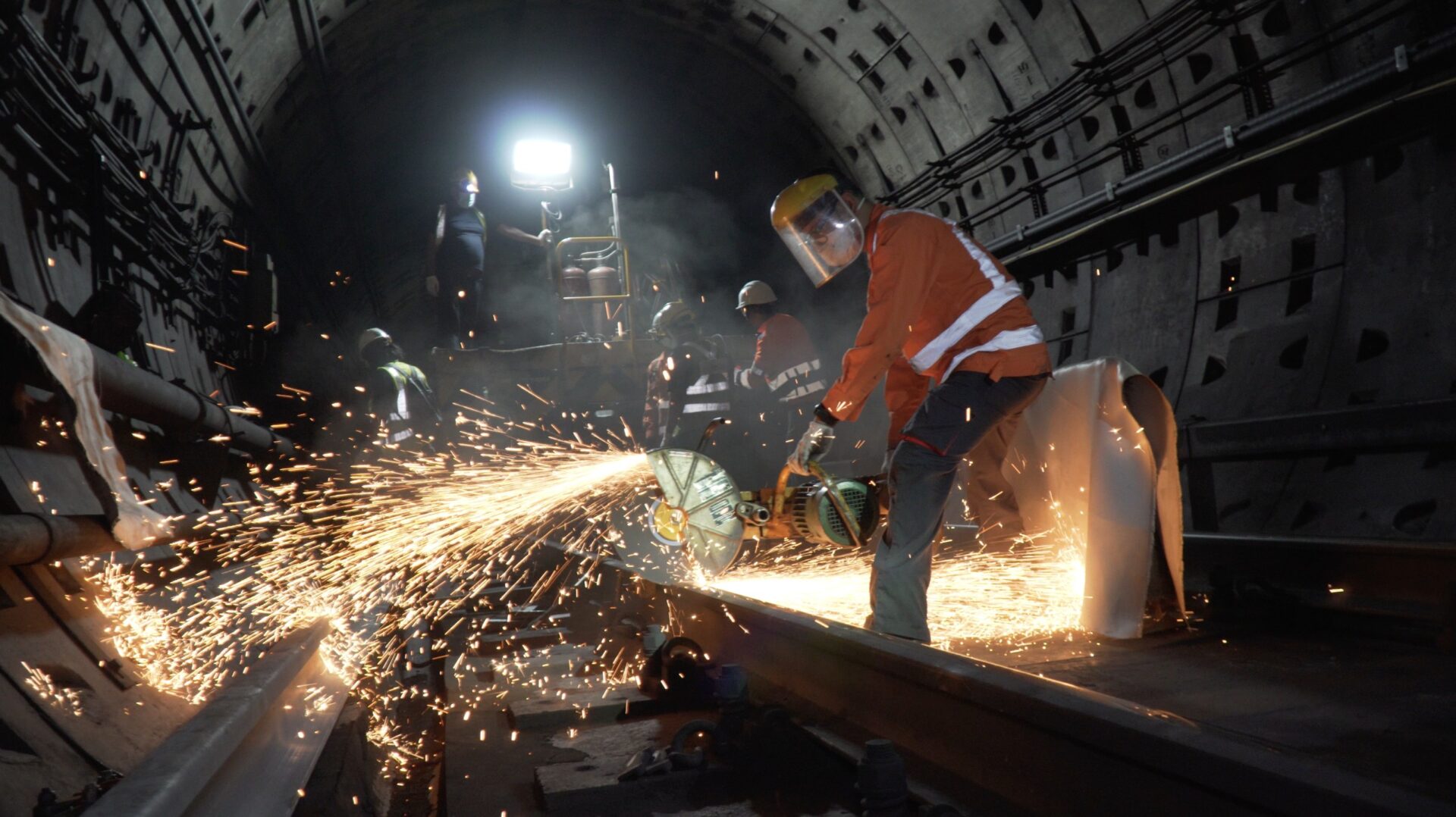
The roots of the project lie in SMRT’s data history. Over 38 years, the operator has accumulated a vast trove of operational, engineering and failure data, stored in formats ranging from graphs and infographics to images and flow charts.
“Most have been digitalised already, but imagine in a world where something happens and the question asked is “what could have been the cause of that failure”, then our engineers have to spend a lot of time just trying to compile the data together to find the answers,” Ngien said.
With Jarvis, that analysis can now be done in “double quick time”. AI agents and chatbots allow engineers to understand issues faster and make quicker decisions for predictive maintenance.
More than 50 SMRT engineers worked on the project. “For our engineers who compile data every day, Jarvis gives them a lot more energy because it makes their work easier,” said Ngien. “Having new ‘toys’ to play with is also more exciting.”
Still in its early stages, Jarvis is already showing promise. The project was one of several highlighted at Oracle AI Singapore, an annual conference. This year, over 1,000 participants heard about the tech company’s updates and latest developments on AI, database and cloud technologies.
Among the customers sharing their AI journey was Boroo, a Singapore-based private holding company focused on acquiring, developing and operating gold mining assets globally,. It has operations in Chile, Peru and Mongolia.
At the event, Boroo chief financial officer Philip Tan said: “As we grow and acquire more companies in different time zones and languages, we realise we need to have standardisation, a platform where we can communicate in one way and to ensure our data is available every day.”
“The key to successful acquisitions is to make sure we have standardised data which to be applied across the company consistently,” he added.
Boroo adopted Oracle’s cloud solutions to replicate processes across companies it acquired over the past 18 months.
In gold mining, data is everywhere. Ore is excavated, crushed, ground into powder and treated with cyanide solution to extract gold, before being smelted into bullion. Each step generates data, from water usage to sensor readings and chemical inputs that can be used to fine-tune processes.
Using machine learning and Oracle Data Science, Boroo estimates it can improve gold recovery rates by 11 per cent.
“Last year, we produced 260,000 ounces of gold,” tan said. “Based on the current price, 1 per cent of recovery improvement is worth more than US$6 million, so the opportunity is big.”
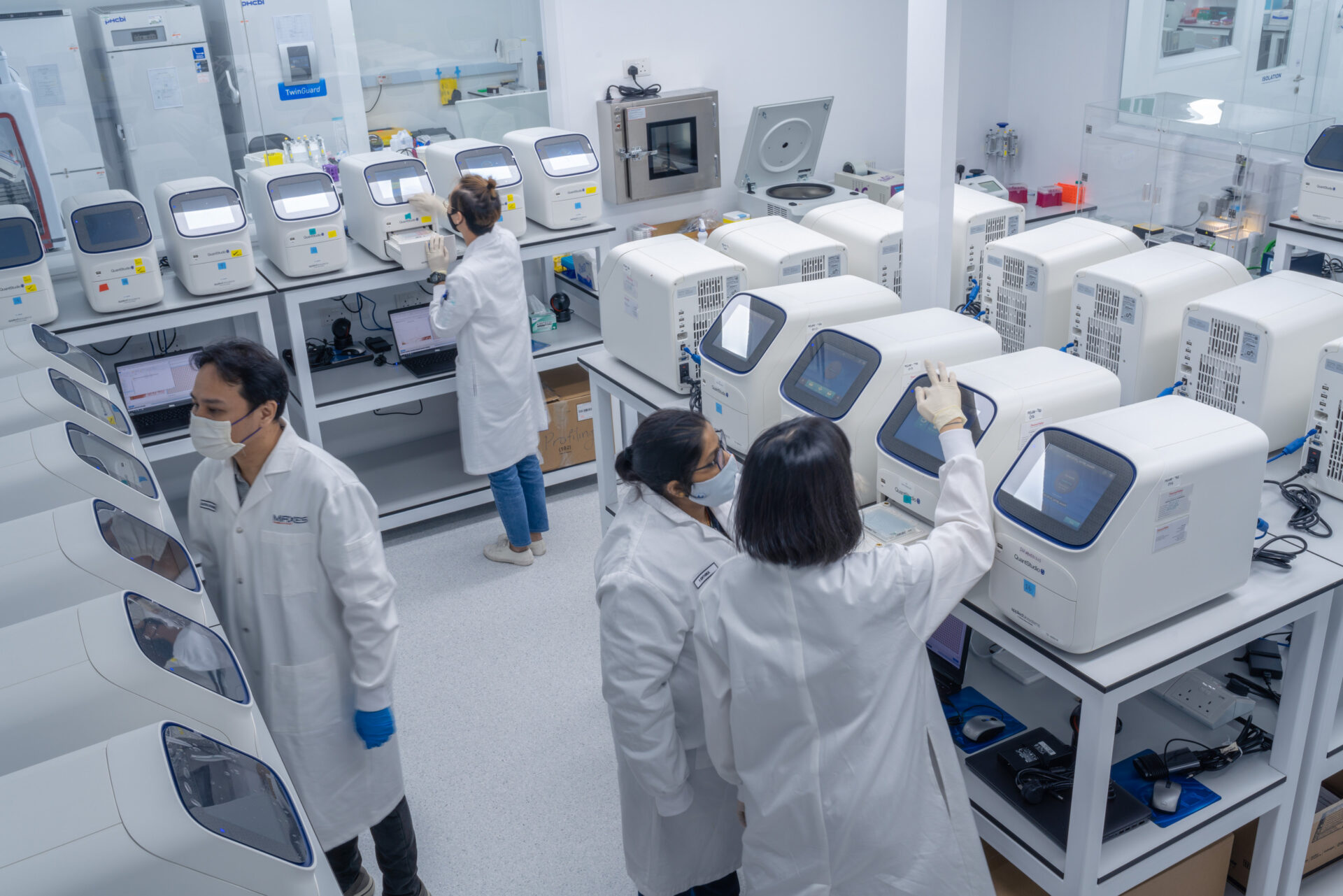
Other regional organisations that have adopted Oracle’s technology include Mirxes, a molecular cancer early detection company. It developed an AI assistant for clinicians using Oracle’s AI database and cloud infrastructure.
The AI agent improves clinician productivity by delivering faster responses to scientific and product inquiries, reducing response times during its pilot phase and aiming to improve patient outcomes.
Mirxes, which specialises in microRNA-based early cancer detection, found that as it scaled, manual query handling slowed knowledge delivery and created inconsistencies, while pulling clinical experts away from higher-value work.
To address this, it built an AI-powered knowledge assistant with agentic capabilities. Grounded in curated medical literature, scientific findings and product documentation, the system delivers accurate, on-demand insights to clinicians at scale, while routing product-related queries and feedback to the appropriate commercial teams.
“Earlier cancer detection depends on precision, speed, and trust in the information clinicians receive,” said Dr Zhou Lihan, chief executive officer of Mirxes.
“By giving the clinicians fast access to accurate, up-to-date information, we can reduce that burden and allow them to redirect their time and expertise where it matters most – direct patient care,” he added.