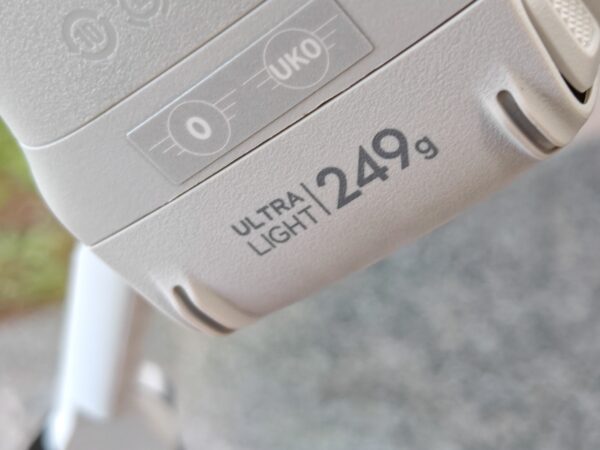
The DJI Lito X1, the first in the Chinese company’s new series of drones, brings the same lightweight design as the familiar Mini line and promises safer flying for beginners.
For starters, the 249g body means that it doesn’t need to be registered with the authorities here in Singapore. Just as importantly, the more guided experience from out of the box helps first-time pilots too.
Certainly, this feels at first like a drone designed for people who just want to get good shots without thinking too much about the technical side of things. In other words, impressive shots and videos without much fuss.
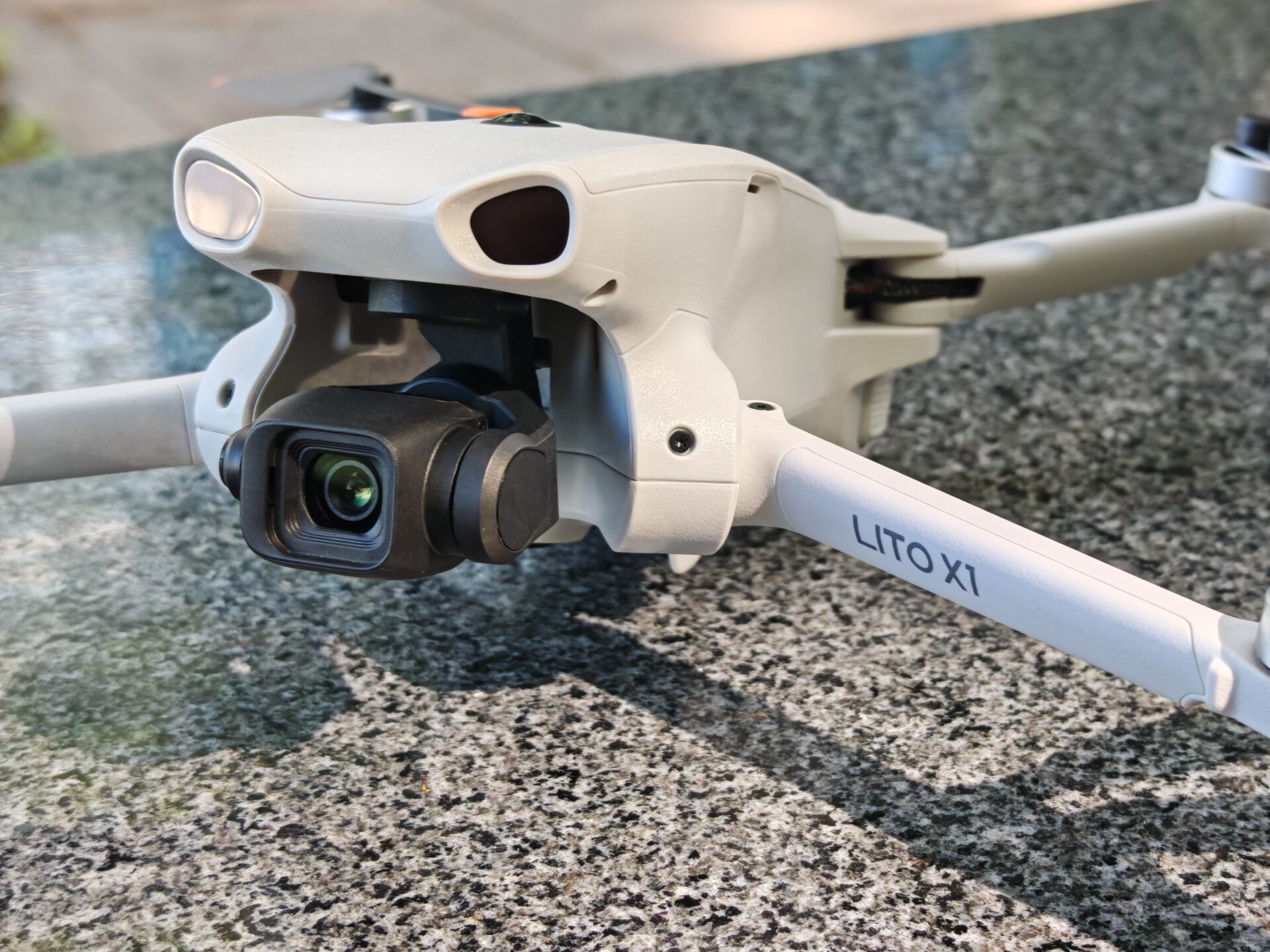
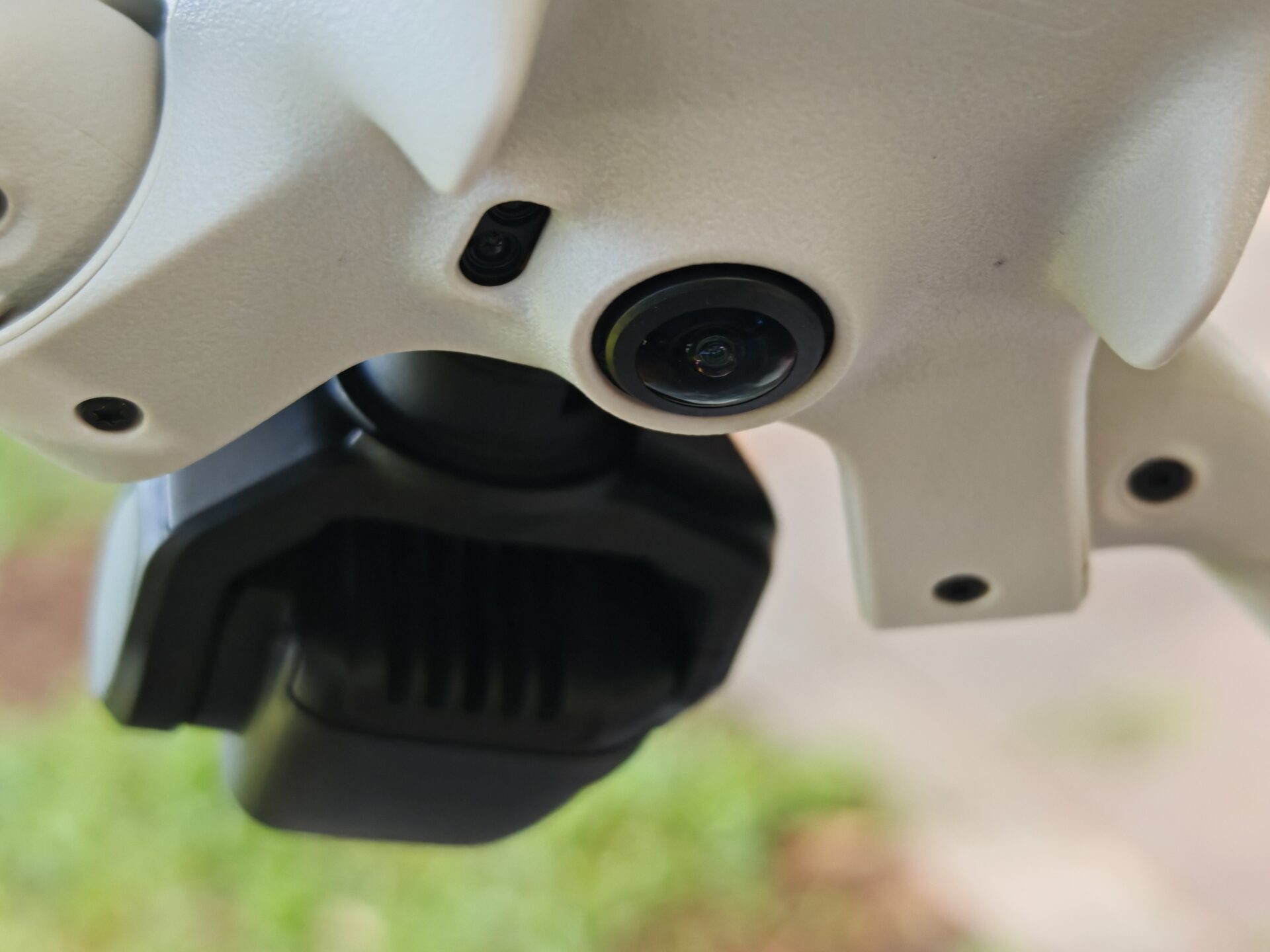
The DJI Lito X1 stands out for how much it tries to reduce user errors that cause a drone to crash or fly into people, for example. It comes with omnidirectional obstacle sensing using a 360-degree camera system first seen on the DJI Avata 360, which means it can detect objects in all directions and avoid them.
In most situations, this works as expected when flying around buildings or trees. However, it struggles over water with warning prompts as the sensors sometimes fail to recognise reflective surfaces like rivers or lakes. This can be risky if flying low over places like Marina Bay in Singapore, or at night.
Notably, DJI has also added a front-facing LiDAR sensor. This helps the new drone see better in low light where normal cameras might struggle. In practice, it gives you more confidence when flying at dusk or in shaded areas where older drones would hesitate or drift.
The DJI Lito X1 handles subject tracking well too. The company’s ActiveTrack 360 can follow moving subjects smoothly whether it is a boat cruising along Clarke Quay or a slow panning shot of the Merlion without learning complex drone manoeuvres.
The movement feels controlled and predictable which is what most casual users want. It also includes familiar automated modes like Hyperlapse with waypoints and MasterShots which is useful for quickly creating shareable clips without much editing.
One limitation stands out, though. There is no native vertical shooting mode like on the DJI Mini 4 Pro and Mini 5 Pro. For anyone creating content for Instagram or TikTok, this means cropping from horizontal footage which reduces resolution and flexibility.


The DJI Lito X1 uses a 1/1.3-inch, 48-megapixel sensor with HDR support. In a nutshell, this sensor size balances image quality to get details in both shadows and highlights, while retaining its compactness.
It captures decent detail and handles bright skies and shadows reasonably well. Video goes up to 4K at 60 frames per second with support for 10-bit D Log M, which preserves more colour and exposure details for editing later. You can also shoot at 4K at 100 frames per second for slow-motion footage, which is great for fast-action capture.
One other drawback I notice is the lack of support for neutral-density (ND) filters. These filters reduce the amount of light entering the lens and help achieve smoother motion when shooting at 24 frames per second. Without them, video footage can sometimes look a bit too sharp and artificial when shooting in very bright conditions.
What would also count against the Lito X1 is the overhang above the camera, just like the original DJI Mini 1 and Mini 2. This top cover protects the gimbal but it also blocks the lens from seeing the sky directly above the drone.

When you try to create a 360-degree capture, this leaves a gap or hole in the footage that has to be filled in by software later. The patched area rarely looks natural so the result is less pleasing, especially if you are particular about image quality.
DJI claims long flight times but in real conditions with moderate wind, the drone lasts about 20 minutes per battery – shorter if it needs to fight stronger winds. There is an option to use a higher-capacity battery that extends flights to about 52 minutes but it pushes the weight beyond 249g, which means you have to register with the Civil Aviation Authority of Singapore.
Generally, connection strength is solid with a rated transmission distance of 15km. In highly urban Singapore, this limit is unlikely to be reached but it does translate into a stable video feed even in areas with strong interference.
One of the more practical features is the built-in 42GB internal storage. It helps when a microSD card is forgotten which happens more often than expected.
There is also Wi-Fi 6 quick transfer which allows footage to be moved directly to a smartphone without using the controller. This makes it easier to share clips quickly, which benefits content creators immensely.
Another small but thoughtful touch is that the drone powers on automatically when the arms are unfolded. It saves a bit of time and makes the whole process feel more seamless.
Like the earlier Mini 5 Pro, the Lito X1 is easier to fly, more forgiving and capable of producing good results with minimal effort. That said, it holds back in areas that more experienced users might care about, such as vertical shooting, filter support and a complete 360-degree capture. Because of these concerns, I wouldn’t say the new drone is at the level of the Mini 5 Pro or even the Mini 4 Pro.
If the goal is to capture casual travel footage with minimal fuss, the Lito X1 fits well and costs just S$469 if you happen to have the RC-N3 and RC 2 remote controllers.
Even if you do get the Fly More Combo Plus at S$839 that comes with the RC 2, two additional batteries and spare parts, it is still good value for money for learners and casual users. Definitely worth checking out.