
Looking at the Samsung Galaxy A57 the first time, I’d have mistaken it for a flagship phone from the Korean electronics giant.
This S$568 midrange model, out about a month ago, is slim and sleek and won’t look bad next to some of its more expensive rivals in a shopfront.
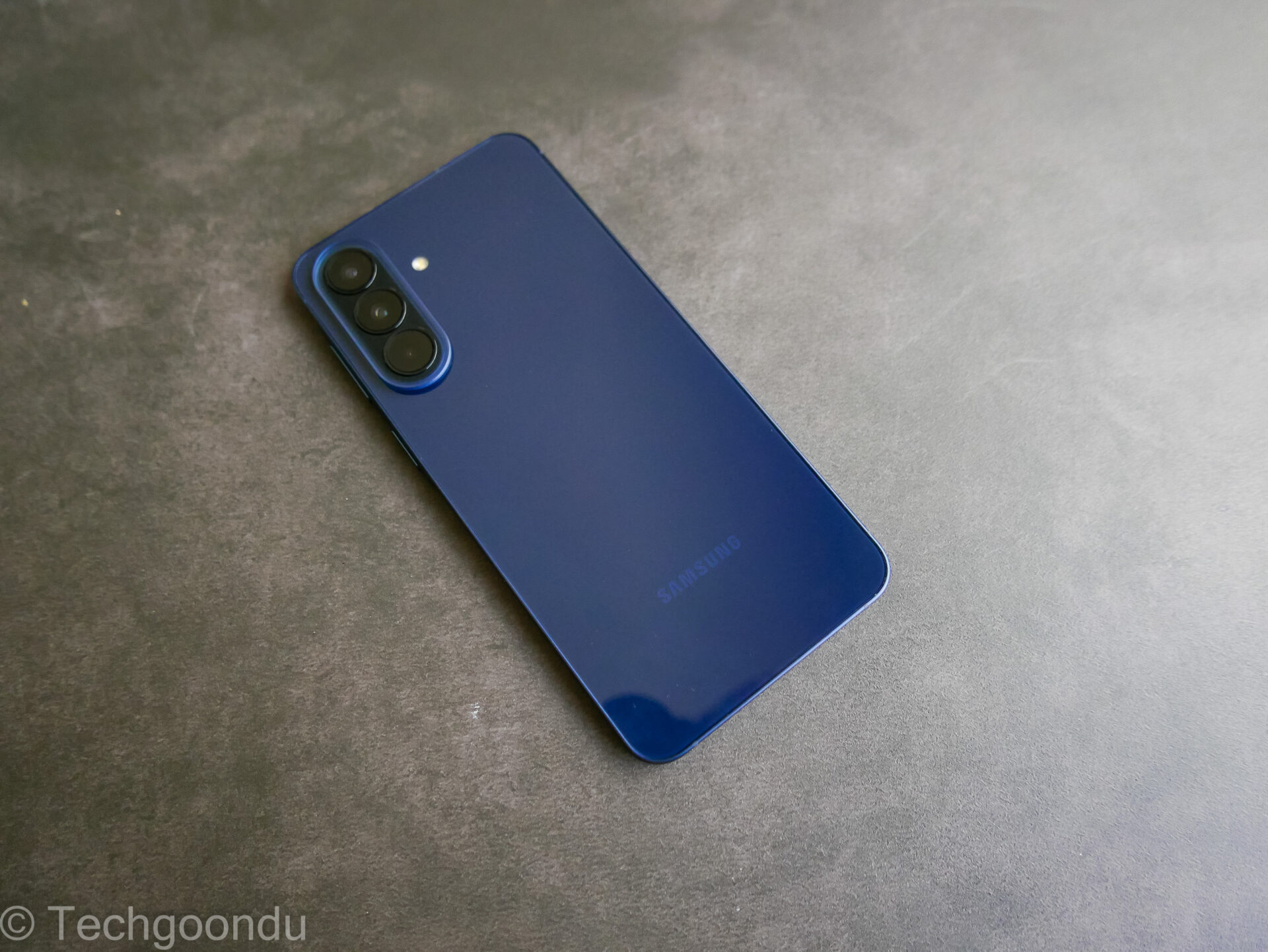
At just 6.9mm thin, it feels pleasantly compact and easy to hold in your hands. Not only is it thinner than last year’s Galaxy A56 (7.4mm) but it is also significantly lighter at 179g (down from 198g).
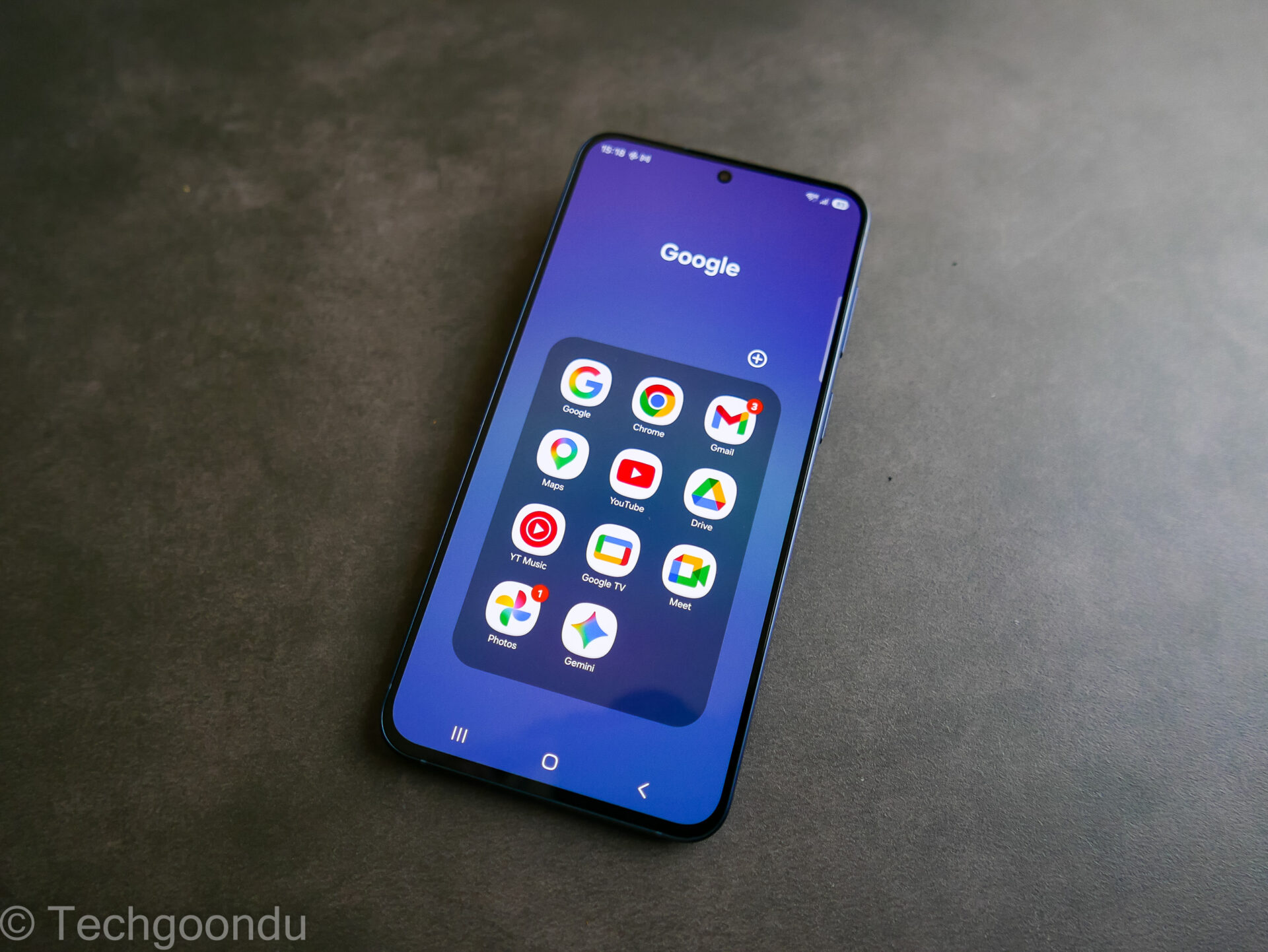
The result is a great out-of-box experience when you try this new phone out. The rounded corners, metallic frame and sleek glass back all contribute to a modern look and feel that make you feel smart for not spending top-dollar for a flagship phone.
By now, the top-range Galaxy A series models from Samsung feature most of the important features on a flagship model. Or, I’d say, 70 to 80 per cent of them.
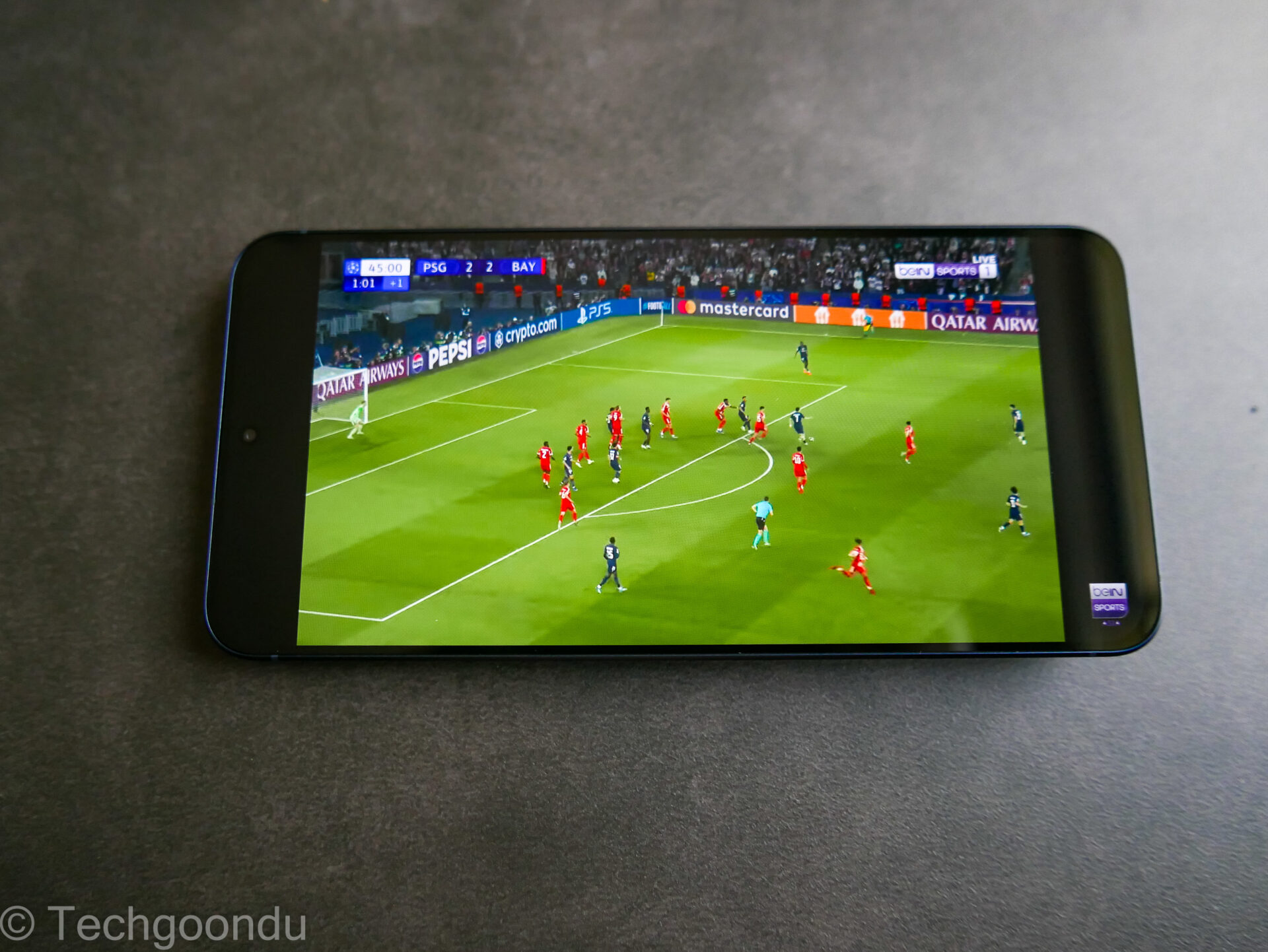
The Galaxy A57 is no different. Its 6.7-inch Super AMOLED Plus screen is bright even on a sunny Singapore day. Reading text and watching shows aren’t an issue.
The FHD+ resolution isn’t as high as the most expensive models but you might not need all that sharpness for such a small screen. Plus, at the lower resolution, battery isn’t used up so fast.
Menus also move fast across the screen, thanks to the now-standard 120Hz refresh rate. If you upgrading from a years-old model with a slower display, things will just feel a bit more zippy.
So, what’s the catch of a midrange phone like the Galaxy A57? What it usually gives up for a lower price is the engine underneath the pretty frame.
For my review unit, I have a Samsung Exynos 1580 chip with 8GB of memory and 128GB storage. That’s a step down from top-end Galaxy S models with faster Qualcomm Snapdragon chips and 12GB/256GB combos.
You can also spec up the Galaxy A57 to 12GB memory and even 256GB or 512GB storage but that bumps up the price by another S$100 or S$240 more, negating the value of a midrange phone.
If you play a lot of games on the go, then it might be worth the additional cost. Speaking of that, I have no issues with some of the more demanding games today, even on my entry-level Galaxy A57 test unit.
Firing up Call of Duty, for example, I can tune up the graphics settings, like anti-aliasing, and move around the game world smoothly.
Surprisingly, the heat isn’t as much an issue as with some older phones. You do hear the vapour chamber (sounds like a fan) pushing the heat out – it’s not loud but interesting!
Regular apps that you use, from social media to video streaming, shouldn’t trouble the hardware on the Galaxy A57, so this is a solid choice for all except the most demanding users.
I shall not say too much about AI features here, except that you can use the ones you’ve seen on the flagship Galaxy S models here as well.
Circle-to-search, for example, automatically grabs an image from your screen and tries to tell you what you’re looking at. It’s one of the handier tools.
Other regulars like image editing (erasing people from of a photo) work well by now, and this midrange phone’s hardware is good enough for such tasks.


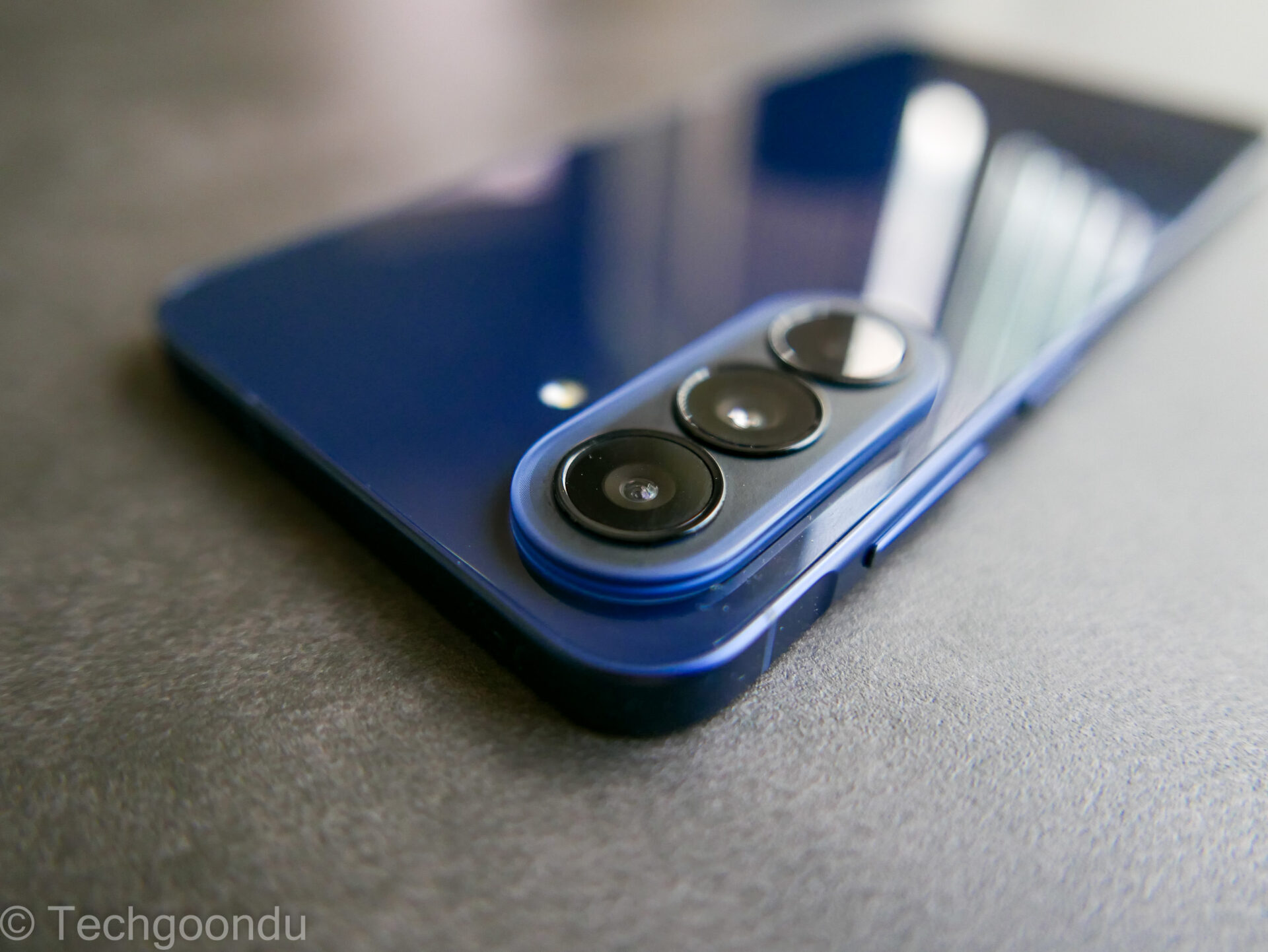
I’ve mentioned the improvements so far but in the imaging department, the new phone seems to have retained similar optical hardware as before.
In the triple-camera array at the back, you get a 50-megapixel wide camera that you’d likely use for most scenarios, as well as a 12-megapixel ultrawide camera for, say, group shots or holiday landscapes, plus a 5-megapixel macro camera for close-ups.
In the front, there’s a 12-megapixel camera for selfies as well as video calls. Nothing’s changed, except AI is said to have been souped up to help you take better shots (even that is not new to Samsung).
The shots are more than decent – certainly a step up over my own Galaxy A52s and A54 in recent years – though I’d say the added versatility of the Galaxy S series’ better cameras is still apparent.



Food shots are of no issue to the new Samsung phone, since these are bread-and-butter pictures you’d be expected to take with the most-used wide-angle camera. Detail and colour rendition are both captured fine.


What I find also pretty good – better than my years-old Galaxy A54 that I was using – are evening shots in challenging twilight conditions. Maybe the AI is helping but the phone does a respectable job of balancing the brightness of different elements in a frame.

I’d say the new phone is fine for casual shots in the evening. It may not be the latest and greatest in terms of getting all the detail but it’s more than adequate to capture compelling street photos during a visit, say, to Bangkok or Jakarta.




Another thing that you won’t get on the Galaxy A57 is wireless charging – something of a longstanding effort by Samsung to differentiate the midrange models from flagship ones.
Not an issue for folks like me who haven’t caught on to wireless charging. More importantly, the Galaxy A57 does 45W plugged in, which isn’t shabby, at least compared to similar midrange models.
The 5,000mAh power pack onboard is decent for an average day’s usage as well. I never have to juice up in the middle of the day unless, say, if I fire up long hours of games, which I don’t.
Notably, the new phone also supports IP68 protection, which is the same as flagship models today.
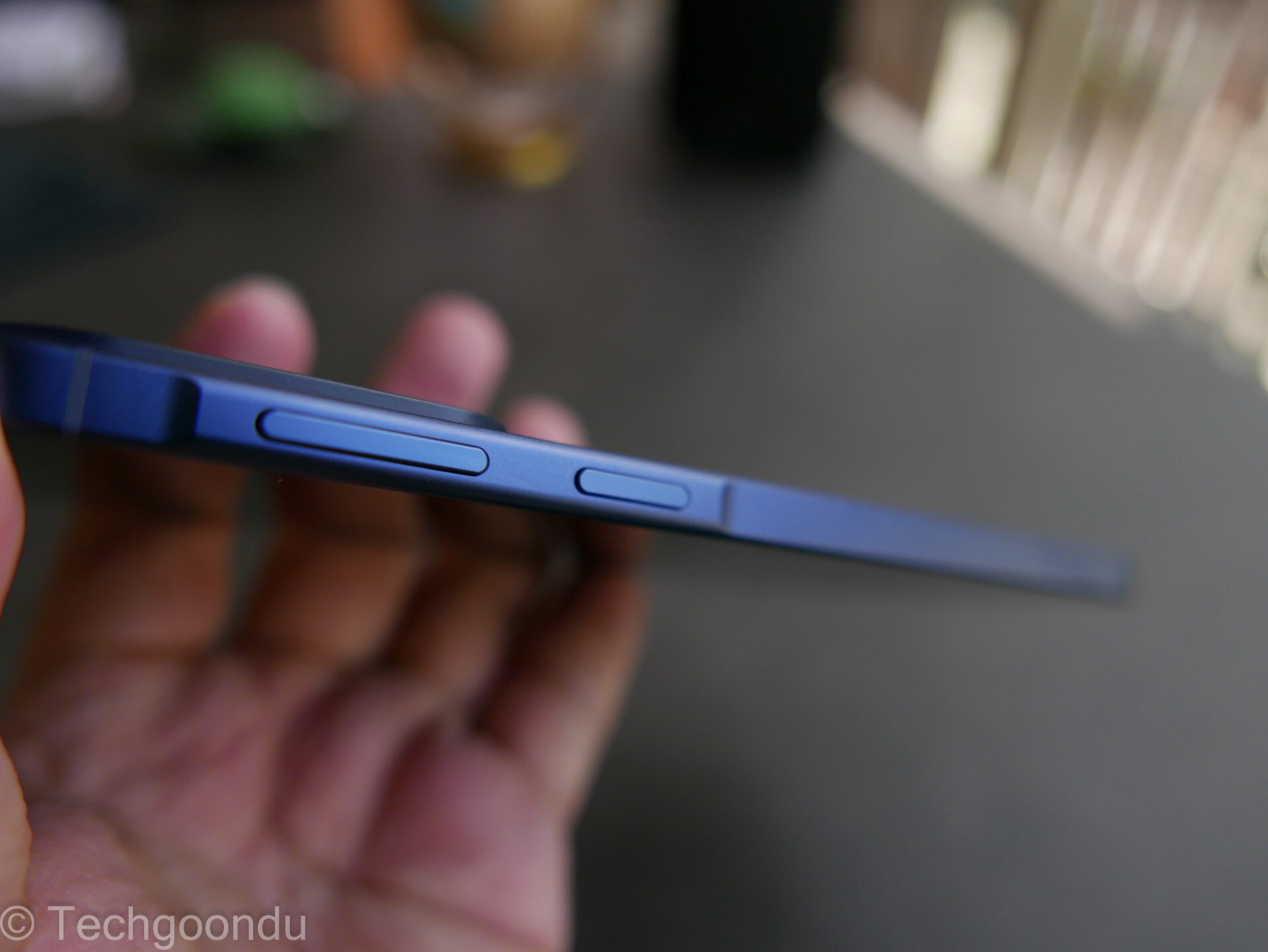
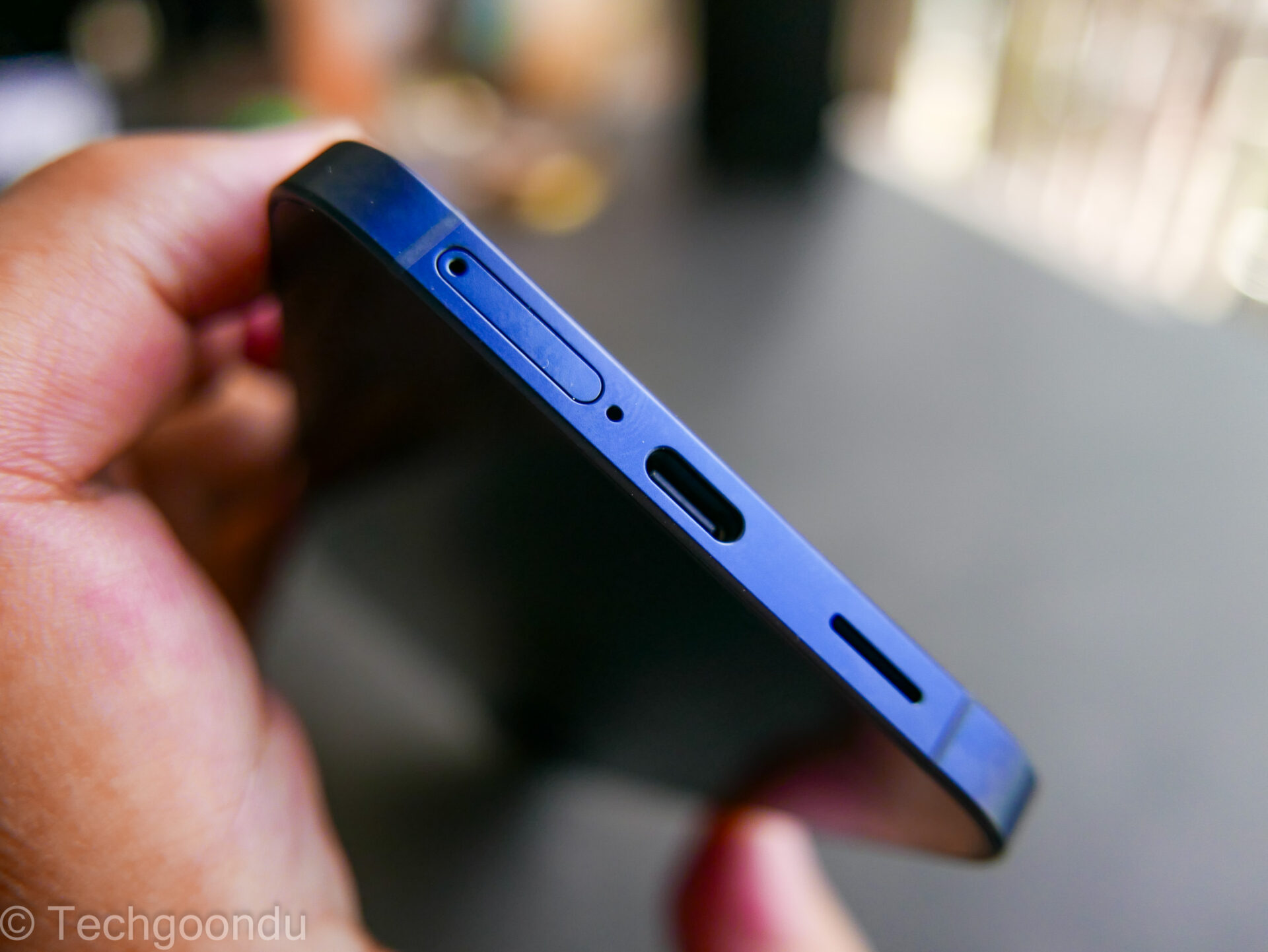
This upgrade from IP67 from last year probably won’t mean a big deal to most people, unless you plan on submerging your phone in fresh water in up to 1.5m of depth at up to 30 minutes.
In a way, that shows you how much midrange phones have improved over the years. With design, screen, camera and battery life all excellent for most everyday uses, you’re looking at the minute details for small upgrades.
The big differences from flagship models remain in processing power, imaging quality and wireless charging. For that, the price you pay is a good chunk of money less, which makes the Galaxy A57 a great choice.
If you’re in the market for a midrange phone that doesn’t break the bank, definitely look up this new Samsung phone. At S$568 (or S$10 more to add a charger on the Samsung site), it’s a decent deal.