By using this site, you agree to the Privacy Policy and Terms of Use.
Accept
TechgoonduTechgoonduTechgoondu
  • Audio-visual
  • Enterprise
    • Software
    • Cybersecurity
  • Gaming
  • Imaging
  • Internet
  • Media
  • Mobile
    • Cellphones
    • Tablets
  • PC
  • Telecom
Search
© 2023 Goondu Media Pte Ltd. All Rights Reserved.
Reading: Vivo X300 Ultra review: A phone to replace your compact camera?
Share
Font ResizerAa
TechgoonduTechgoondu
Font ResizerAa
  • Audio-visual
  • Enterprise
  • Gaming
  • Imaging
  • Internet
  • Media
  • Mobile
  • PC
  • Telecom
Search
  • Audio-visual
  • Enterprise
    • Software
    • Cybersecurity
  • Gaming
  • Imaging
  • Internet
  • Media
  • Mobile
    • Cellphones
    • Tablets
  • PC
  • Telecom
Follow US
© 2023 Goondu Media Pte Ltd. All Rights Reserved.
Techgoondu > Blog > Mobile > Cellphones > Vivo X300 Ultra review: A phone to replace your compact camera?
CellphonesImagingMobile

Vivo X300 Ultra review: A phone to replace your compact camera?

Wilson Wong
Last updated: June 9, 2026 at 7:13 PM
Wilson Wong
Published: June 9, 2026
8 Min Read

When you’re on a winning streak, don’t stop. That’s what you have with the Vivo X300 Ultra, a great camera phone that builds on the earlier X300 Pro by adding even more useful features for shutterbugs.

The new phone adds not one but two external telephoto extender lenses. With these, the camera can reach up to 400mm for optical zoom, pushing it far ahead of other smartphones.

On first glance, however, you won’t find the Vivo X300 Ultra that much different from other phones. The design is simple, for starters.

The phone has a plain glass back and a squared aluminium frame, which are nice but don’t shout its imaging capabilities out loud. The only clue is the large circular camera module, which features a ring that looks similar to a camera lens.

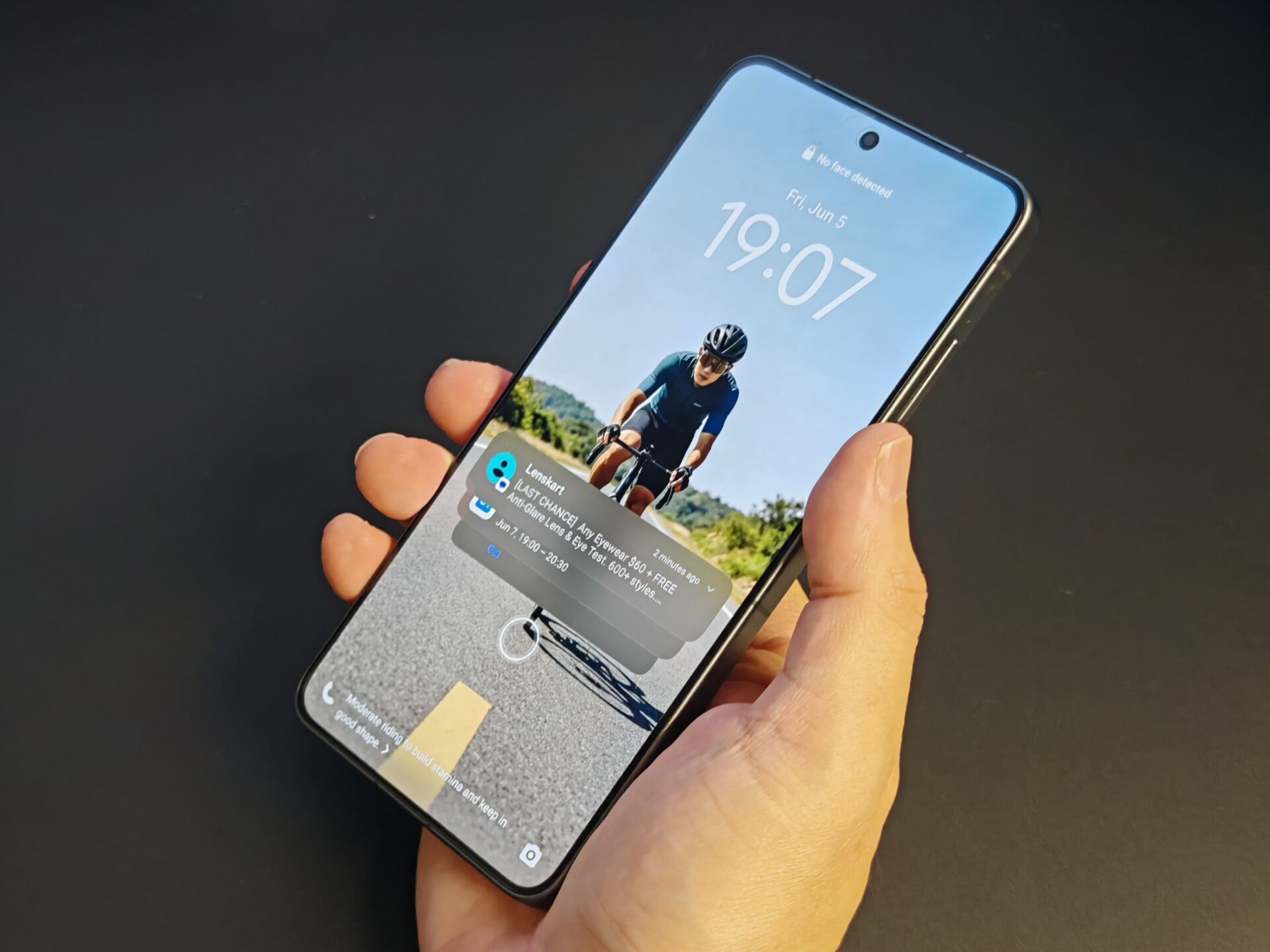
The 6.82-inch QHD AMOLED display is sharp and bright. It can reach up to 4500 nits, which helps you read and watch videos better in strong sunlight. Colours are accurate and not overly boosted, making it suitable for checking photos and videos.
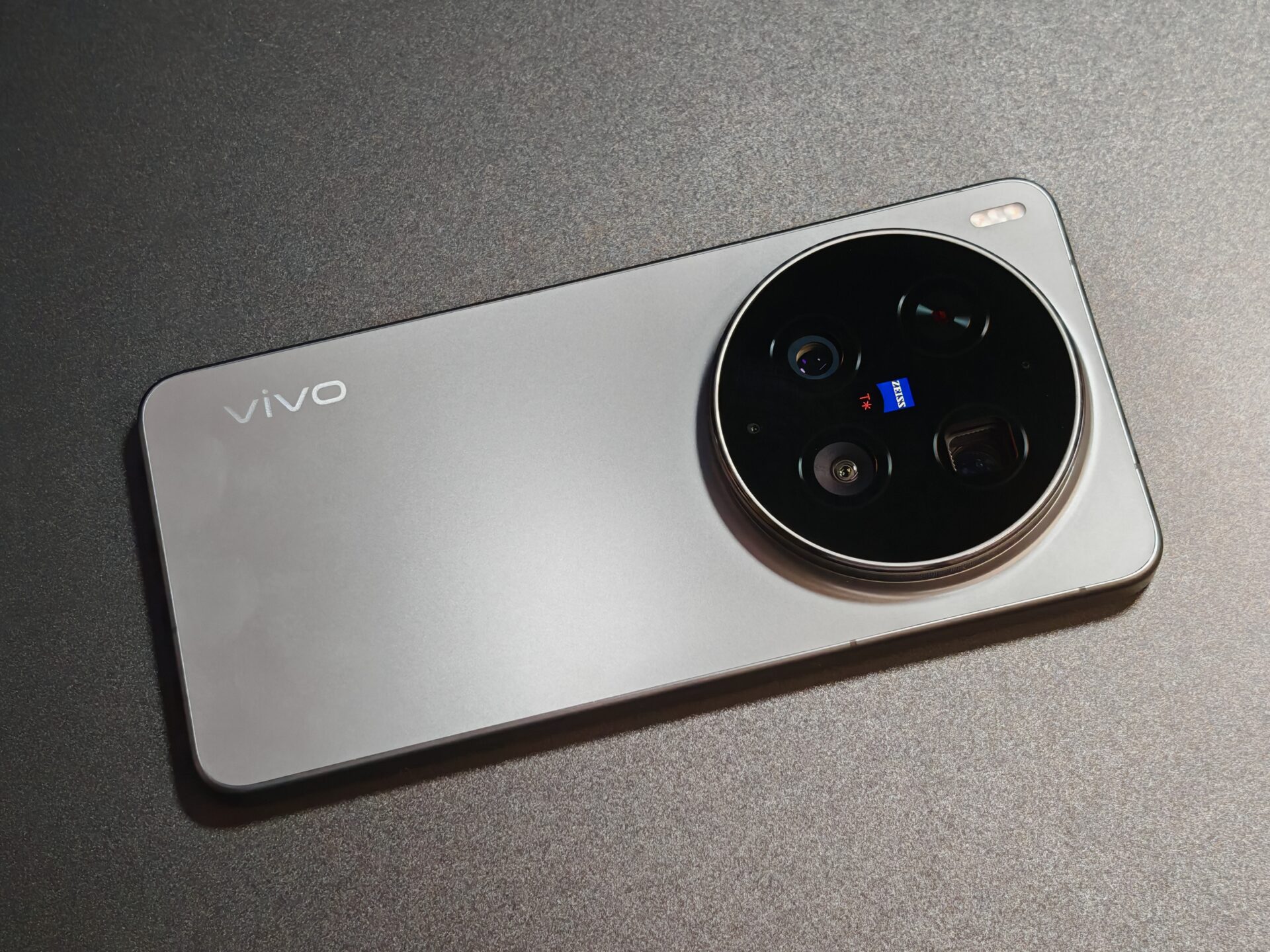
The design on the new Vivo phone seems simple enough but the large camera array hints at its imaging capabilities. PHOTO: Wilson Wong
The screen is huge and bright enough for the midday sun in Singapore. Size-wise. the phone is okay but smaller hands might need to stretch a bit. PHOTO: Wilson Wong

The camera system is the main focus. The primary camera uses a 35mm-equivalent focal length with a 200-megapixel 1/1.12-inch sensor.

There is also a 14mm ultrawide camera with a 50-megapixel 1/1.28- inch sensor, and an 85mm telephoto camera with a 200-megapixel 1/1.4 inch sensor.

Zeiss T coating is used to reduce flare and ghosting. A multispectral sensor helps improve colour accuracy and details.

The system becomes more flexible with the optional telephoto extender lenses. When used with the 85mm telephoto camera, the focal length can reach an impressive 230mm or 400mm.

Some AI processing is involved, but images remain natural with balanced sharpness and colour. Digital zoom can still extend the range further, though with lowered image quality, so hold your horses when zooming all the way.

Colours are neutral and slightly cool. This is less vivid than some other brands, but the results give more room for editing. This suits users who prefer to adjust images later using tools such as Adobe Lightroom or those who just like natural colours. Just remember to save your images in DNG RAW or in HEIC format.
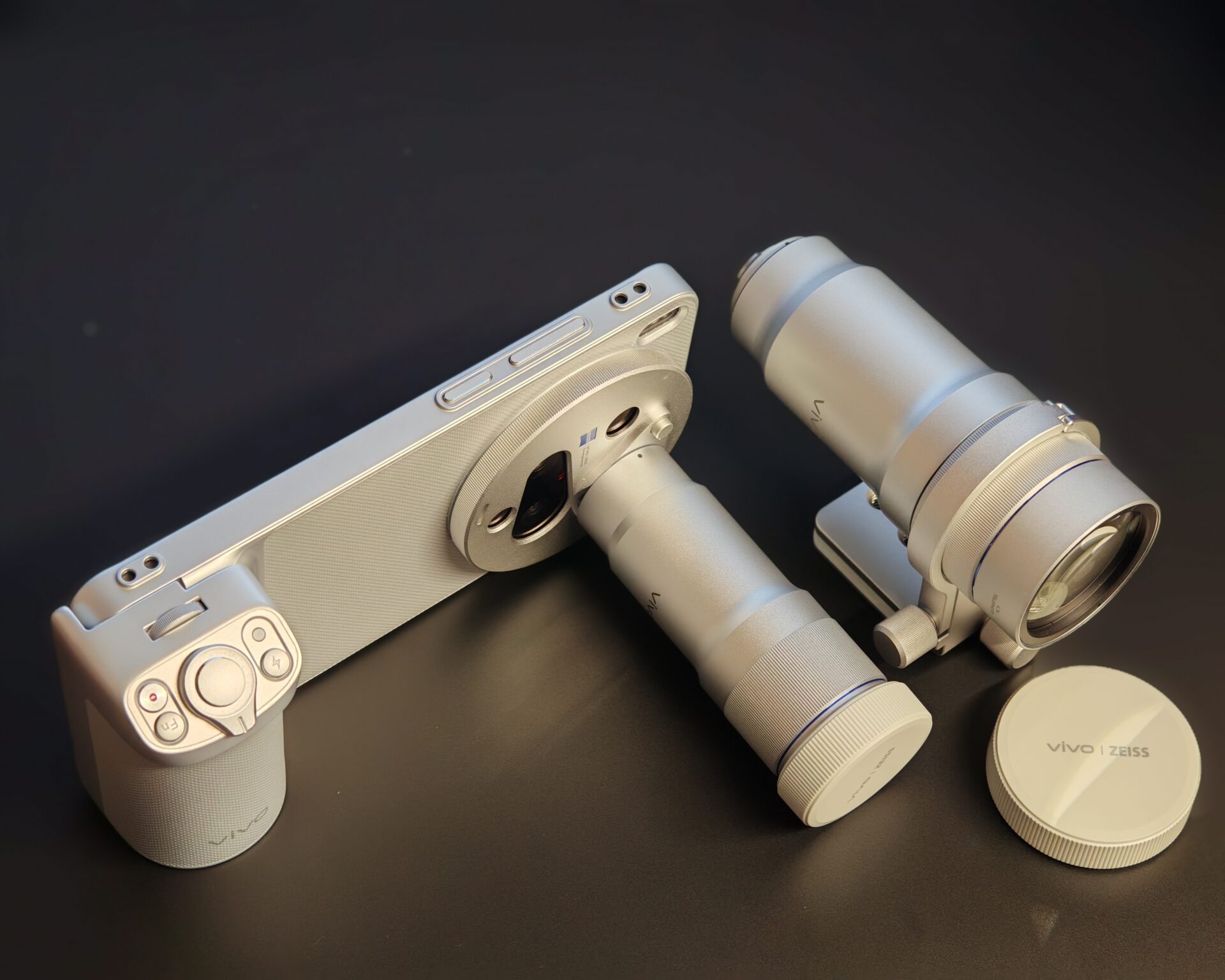
The phone’s zoom range gets a boost with the add-on extension, along with better sharpness and clarity. Just don’t zoom in digitally to keep the image quality as high as possible. PHOTO: Wilson Wong
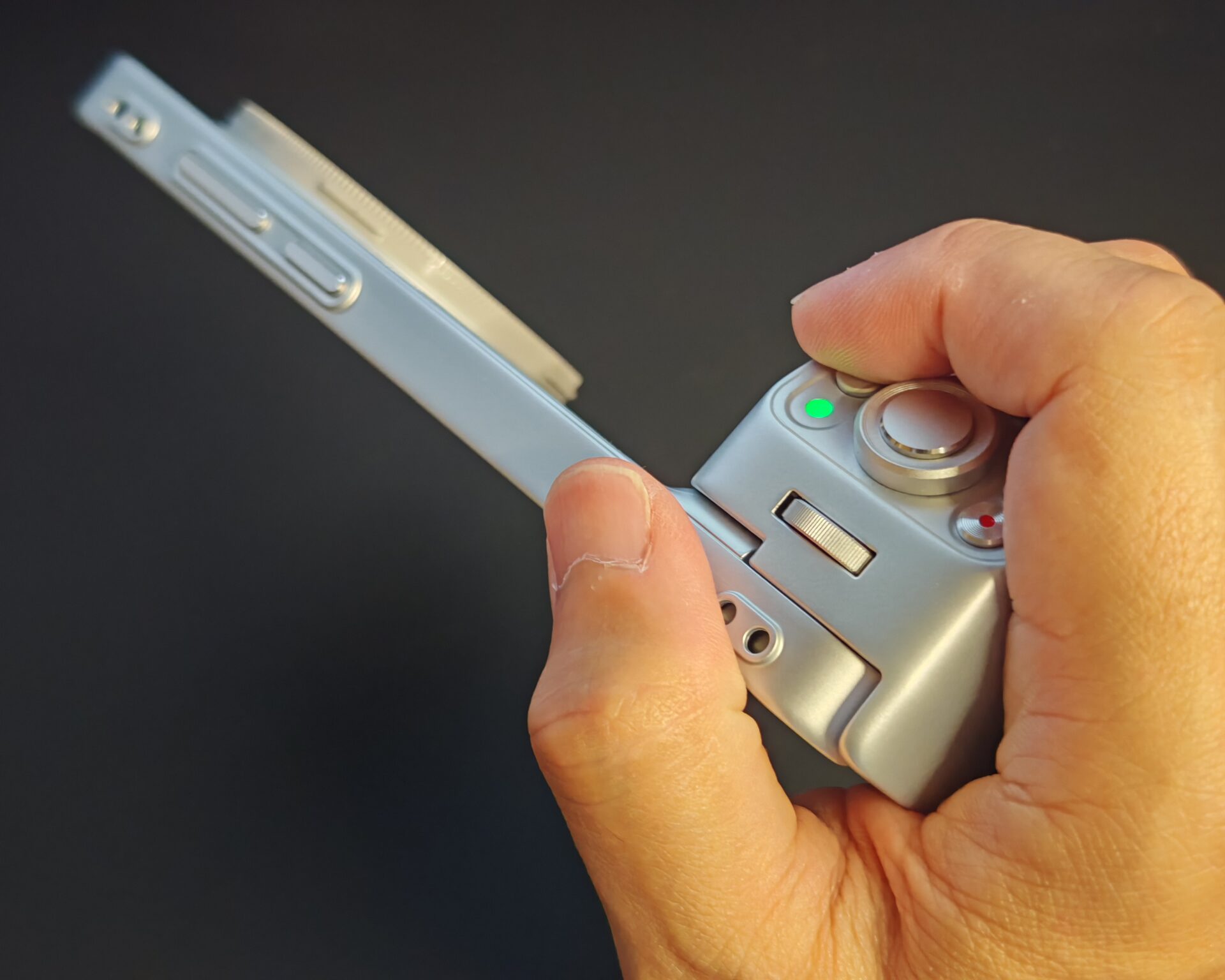
The additional grip is excellent here with a direct USB-C connection that makes it snappy. The chunky plastic helps with the ergonomics and makes it much easier to capture shots with the zoom lenses. PHOTO: Wilson Wong

The 35mm main camera is a practical choice and is popular among photographers. It works well for street and portrait photography.

A 24mm option is available, but it uses the ultrawide camera, so image quality is slightly lowered. In daily use, the difference is small except for the eagle-eyed.

Video has improved as well. The phone supports 4K at 120 frames per second in Log profile. It also supports ACES, which helps match colours with professional cameras during editing.

Plus, the phone comes with a Pro Video user interface that will be handy for imaging professionals. There are a waveform graph and audio recording levels on top of Look-Up Table or LUTs that work like your typical digital image filter that translates flat colour profile into vibrant, properly saturated colours.

A smartphone for street photography is less intrusive than the smallest compact camera because everyone is used to a having a smartphone taking shots in public areas. An added filter effect here gives that old-film-stock look in portrait mode. The bokeh effect is applied quite accurately. PHOTO: Wilson Wong
Vivo has cleaned the warmth in the image and produced the colours of the gorgeous sunset accurately. PHOTO: Wilson Wong
With the attached 400mm-equivalent tele converter, the phone’s zoom is able to maintain the image quality of its zoom camera. The result is impressive with good colour rendition and sharpness. PHOTO: Wilson Wong
Even under trying conditions like a kampong opera stage on Pulau Ubin and using the 400mm zoom extender, the phone has colour and sharpness on point here. Skin tones of the hands are good too. PHOTO: Wilson Wong
The fun thing about smartphones with different bokeh styles mean you can experiment with different effects. Subject here is illuminated with a video light from the right. PHOTO: Wilson Wong
A bit of fun with the orange teal colour filter in the streets of Kuala Lumpur using portrait mode for the bokeh effect. Adding zoom helps isolate the subjects from the background further. PHOTO: Wilson Wong

The optional camera grip makes a difference in handling. It adds physical controls for zoom, exposure, and video recording. The direct USB connection reduces delay when taking photos. With the grip, the phone feels closer to a compact camera, though it also becomes less portable.

Performance is what is expected from a flagship device. The Vivo X300 Ultra runs on the Qualcomm Snapdragon 8 Elite Gen 5 processor with 16GB of RAM and up to 1TB of storage. The 6,600mAh battery supports long use beyond the usual day, and charging is fast with 100W wired and 40W wireless support.

How much does all this cost? At S$3,299 for the full kit, the Vivo X300 Ultra isn’t cheap. The cost is close to an entry-level full-frame camera such as the Nikon Z5 II with a kit lens. If budget is a concern, get the phone without the add-ons, at S$2,499.

The choice comes down to convenience versus image quality. To be sure, the X300 Ultra does not replace a dedicated camera, but it closes the gap or even goes beyond most compact cameras in terms of image quality.

If you’ve been looking for a phone that gives you the imaging performance of many a compact camera, without the usual heft, the new Vivo phone is definitely worth checking out.




Arlo Pro 5 camera review: Improved battery and dual-band Wi-Fi support
Philips targets audiophiles with Fidelio X1 headphones
Goondu DIY: blocking spam on your phone
HTC 10 finally makes it to Singapore, costs S$898
Goondu review: Asus Zenfone 6
TAGGED:camera phonemobile photographyreviewSingapore price and availabilitystreet photographyVivoX300 Ultra

Sign up for the TG newsletter

Never miss anything again. Get the latest news and analysis in your inbox.

By signing up, you agree to our Terms of Use and acknowledge the data practices in our Privacy Policy. You may unsubscribe at any time.
Share This Article
Facebook Whatsapp Whatsapp LinkedIn Copy Link Print
ByWilson Wong
Follow:
Wilson is a self-taught photographer whose passion started with his father’s old Canon L Rangefinder camera. He now leads the 12,000+ strong Singapore Photography & Imaging Network group. His photos have won acclaim from Nikon and Fujifilm, and are featured in various books and exhibitions.
Previous Article Singtel redraws org chart so it can manage teams of humans and AI agents
Leave a Comment

Leave a ReplyCancel reply

This site uses Akismet to reduce spam. Learn how your comment data is processed.

Techgoondu.com is published by Goondu Media Pte Ltd, a company registered and based in Singapore.

.

Started in June 2008 by technology journalists and ex-journalists in Singapore who share a common love for all things geeky and digital, the site now includes segments on personal computing, enterprise IT and Internet culture.


banner							
banner
Everyday DIY
PC needs fixing? Get your hands on with the latest tech tips
READ ON

banner							
banner
Leaders Q&A
What tomorrow looks like to those at the leading edge today
FIND OUT

banner							
banner
Advertise with us
Discover unique access and impact with TG custom content
SHOW ME


POWERED BY READYSPACE
The Techgoondu website is powered by and managed by Readyspace Web Hosting.

TechgoonduTechgoondu
© 2026 Goondu Media Pte Ltd. All Rights Reserved | Privacy | Terms of Use | Advertise | About Us | Contact
Follow Us!
Hear the signal from the noise. Essential tech analysis from our Reality Check newsletter.

Zero spam. Unsubscribe at any time.

Loading Comments...

    Welcome Back!

    Sign in to your account

    Username or Email Address
    Password

    Lost your password?