If you’ve liked Vivo’s camera-focused smartphones in the past, you’d be happy to find the new Vivo X300 FE, a more affordable model in the X300 series that shares a lot with its pricier siblings.
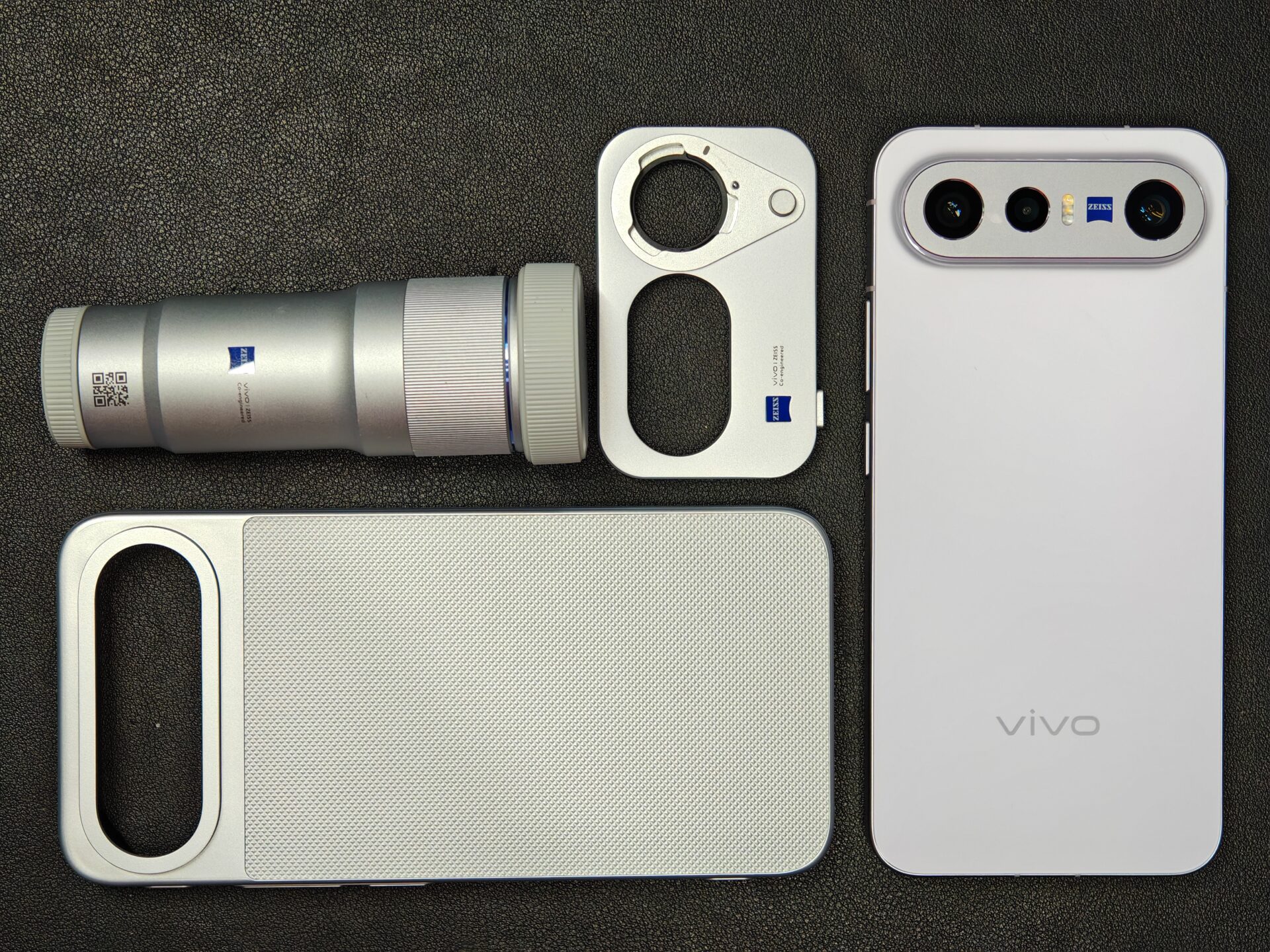
For starters, you still get Zeiss-branded imaging capabilties, plus strong performance and support for the same teleconverter lens used on the flagship X300 Pro.
That said, the size of the new phone may be a bit different from what you’d find on some flagship models. The Vivo X300 FE uses a 6.31-inch AMOLED display and weighs 191g.
Notably, it is noticeably easier to hold than most flagship phones. It feels comfortable in one hand and is less tiring to carry around all day. If you travel often or shoot photos on the go, this smaller form factor is a real advantage.
The display itself is solid. It has a variable refresh rate up to 120Hz, a sharp 2K resolution and gets bright enough outdoors at 5,000 nits. Colours look natural when using the Professional colour display mode.
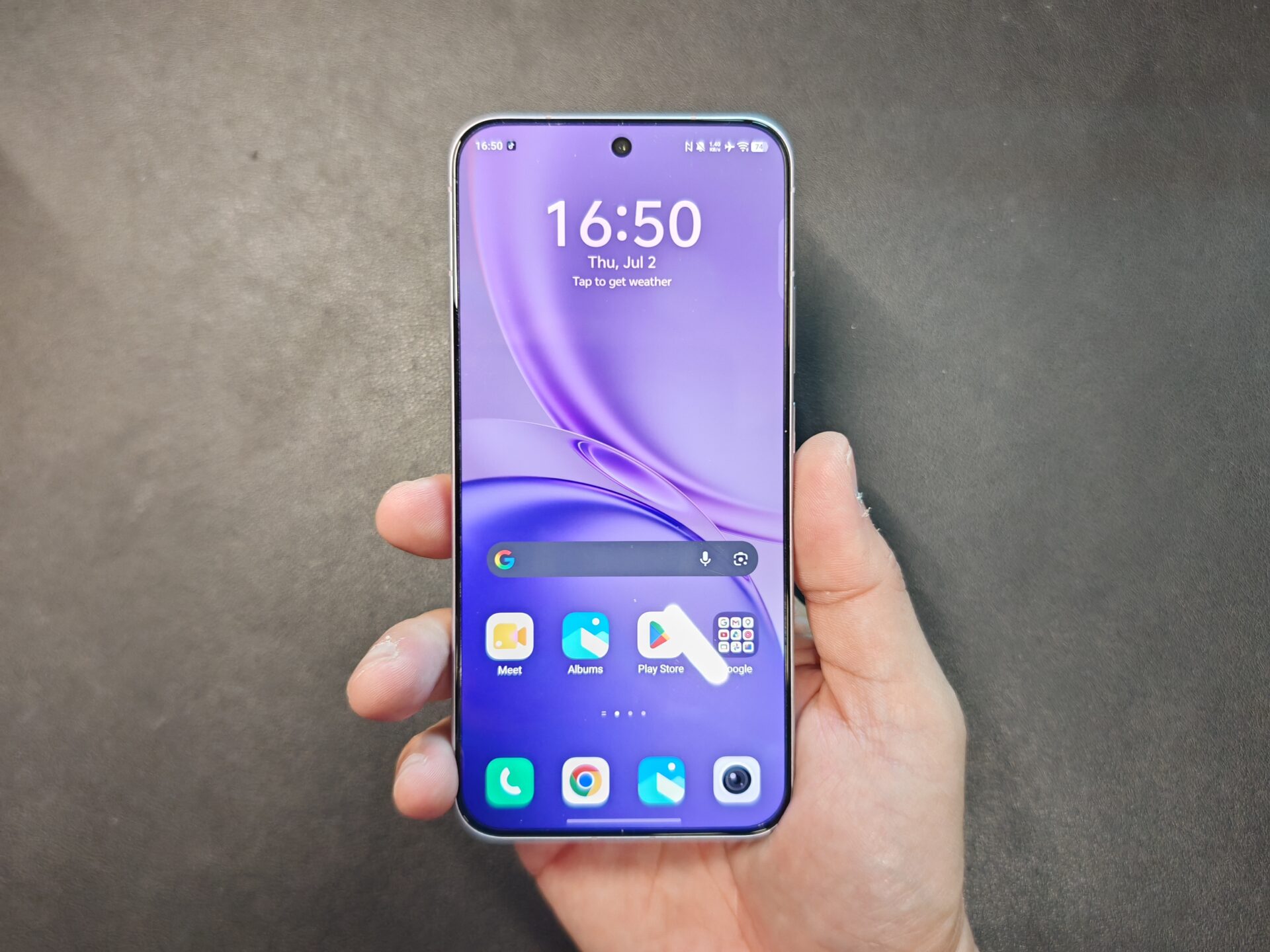
Performance is handled by a Qualcomm Snapdragon 8 Gen 5 processor with 12GB of RAM and 256GB of storage. This is not the latest chip, but it does not feel lacking. Apps load quickly, multitasking is smooth and editing photos or videos doesn’t slow things down. In daily use, the Vivo X300 FE performs like a proper flagship.
The cameras are where the differences start to show. Most importantly, the main camera uses a smaller 50-megapixel Sony IMX921 sensor compared to the Pro model.
In good light, results are very close. In more difficult scenes, there is slightly less detail and dynamic range, and portrait subject separation is not as precise. Still, the overall output is consistent. Colours look natural and the Zeiss-style rendering, including the swirly bokeh effect, is retained.
Video recording comes with a couple of compromises. The ultrawide camera cannot shoot in 4K, so selecting the higher resolution automatically switches recording back to the main camera at 1x zoom. If you turn on Ultra Stabilisation, the phone also drops to Full HD instead of keeping 4K.
Anyone who likes shooting high-quality travel videos or family moments will have to decide between sharper footage or better stabilisation, which can be a deal breaker. The alternative is to bring along a separate third-party gimbal if 4K recording matters.
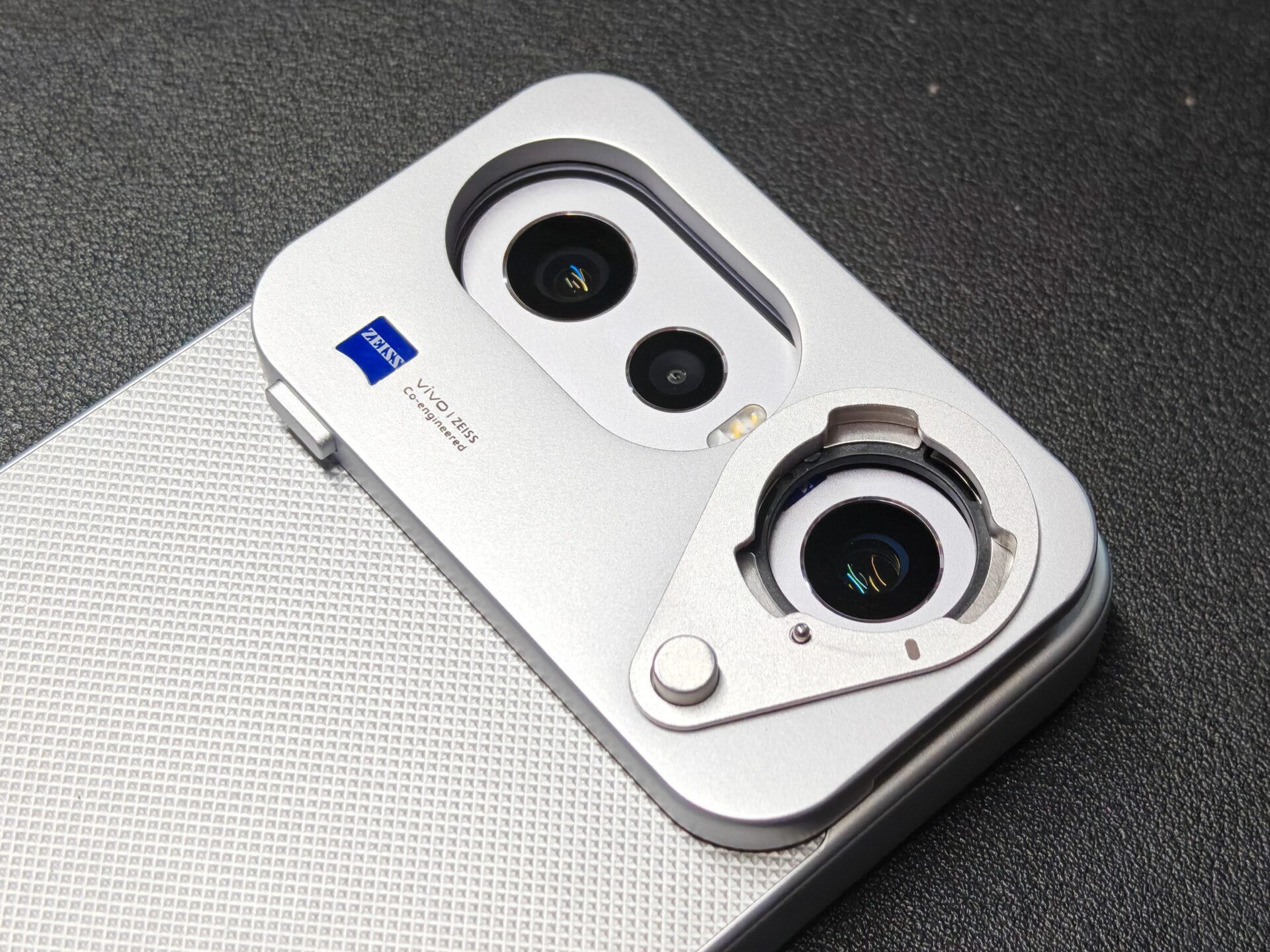
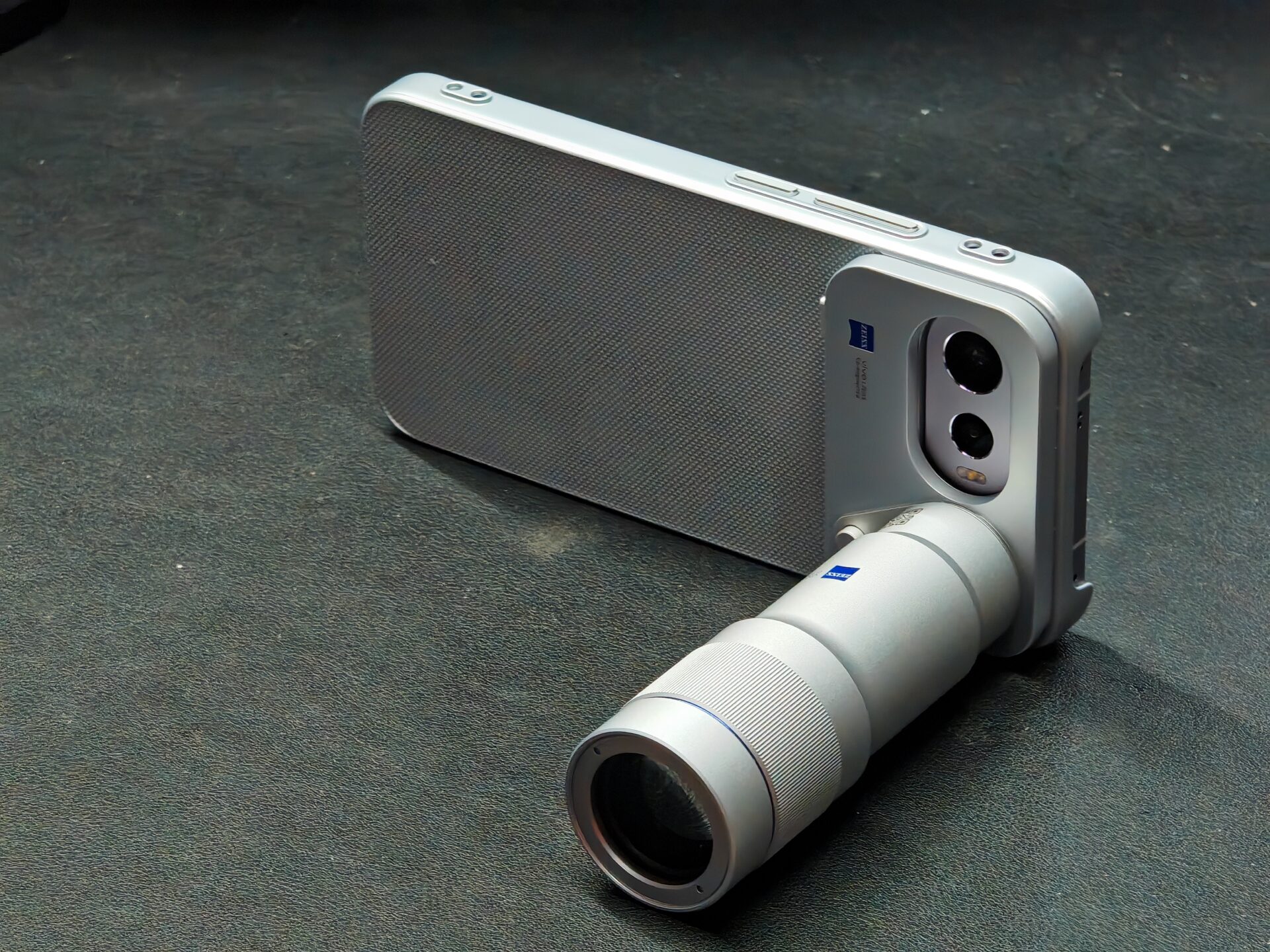
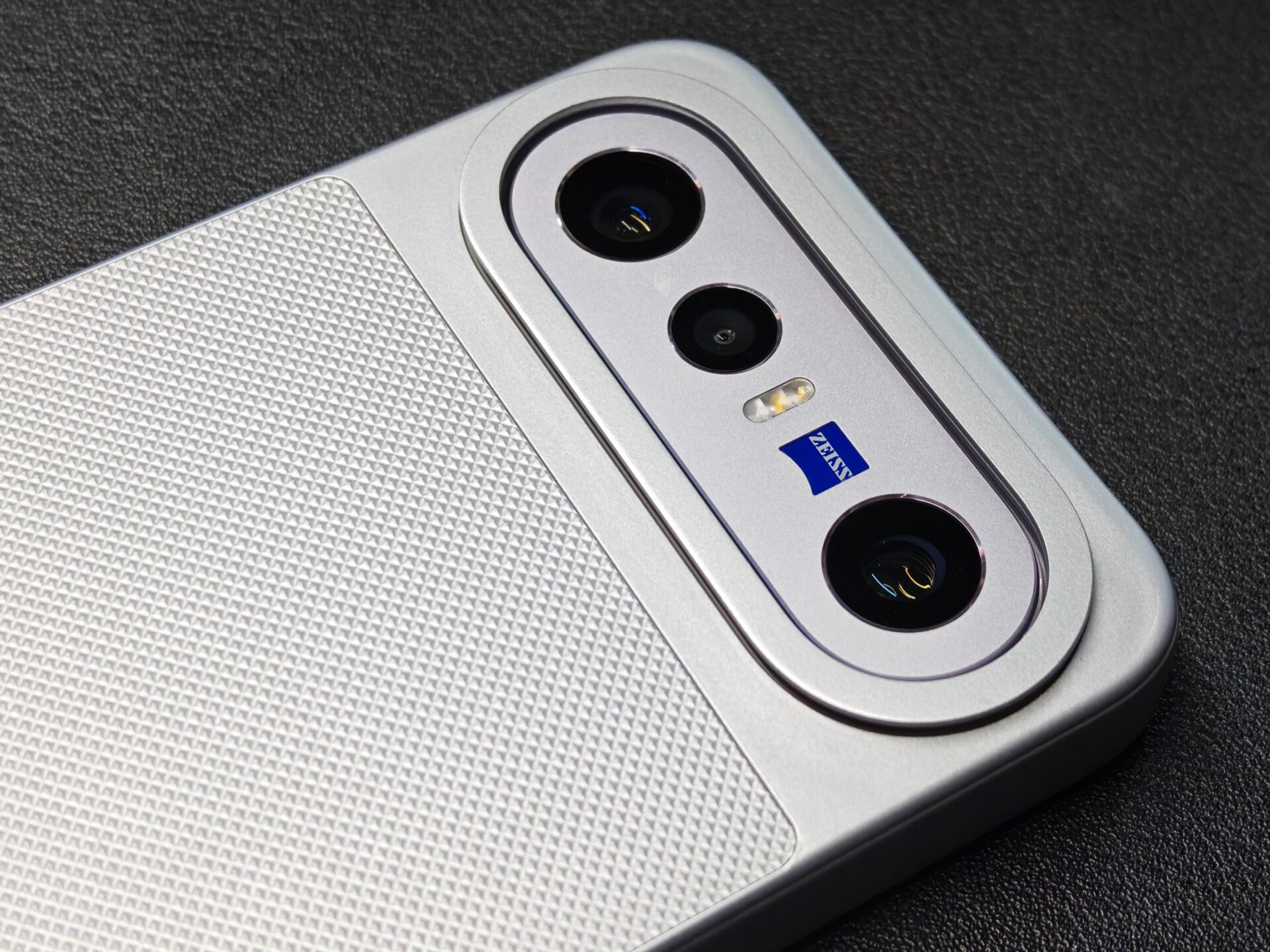
The 3x periscope telephoto camera performs well for portraits and distant subjects. Images remain usable even beyond 3x, though quality drops as digital zoom takes over. To get the best out of zoom, the optional teleconverter becomes important.
This teleconverter is one of the more interesting features here. It is the same 2.35x Gen 2 unit used on the X300 Pro and extends the optical focal length to about 200mm equivalent.
It improves real image detail without AI sharpening at the base zoom setting. The design is practical as well. It attaches to the phone case via an adaptor and can be removed by sliding it out, so the phone stays slim when the lens is not in use.
The weakest camera is the 8-megapixel ultrawide. It works in daylight, but detail drops quickly in low light. For night shots or more complex scenes like capturing the Milky Way at night, the main camera gives better results.
What about power? The Vivo X300 FE packs a 6,500mAh battery, which easily lasts a full day, even with moderate camera use. Charging is fast, with 90W wired and 40W wireless support.





One noticeable omission from Vivo is the lack of an official camera grip. The Pro and Ultra models have a dedicated photography kit with a USB-C grip, which is more responsive and better integrated. Third-party Bluetooth grips are an option, but they are not as seamless and have that slight shutter lag that frustrates serious photographers.
Storage is another limitation. The Vivo X300 FE comes only with a modest 256GB when compared to flagship phones. This is enough for most users, but heavy users working with 4K video or RAW image files may find it restrictive over time.
You can say the new Vivo phone gets the basics right. It is compact, fast and delivers reliable image quality. An additional S$299 gets you a teleconverter that brings flexibility that few phones offer..
The key question is value. Costing S$1,099 in Singapore, the Vivo X300 FE sits close to the older X300 Pro, which is often available at a discount from neighbourhood mobile phone shops.
For not much more, the Pro gives you a better main camera, stronger ultrawide and zoom cameras that, together, give a more complete photography setup.
So, before making a decision, it is worth comparing the latest street prices for the X300 FE and X300 Pro to see how much more you’d need to pay for a worthy upgrade to the higher-end model.
That said, if you want a smaller phone with good performance and capable cameras, the X300 FE is easy to recommend. If photography is your main priority, the souped-up X300 Pro remains the better buy when the price gap is small.