In partnership with Ready Server
Dunking a server motherboard into a tank full of liquid coolant isn’t for the faint of heart at any time; certainly, it’s not today when component costs are skyrocketing with the global shortage caused by AI demand.
However, that’s what Ready Server director Alan Woo has done, by placing some of his company’s AMD-based servers packed with expensive memory chips and storage drives in a tank full of cooling fluid.
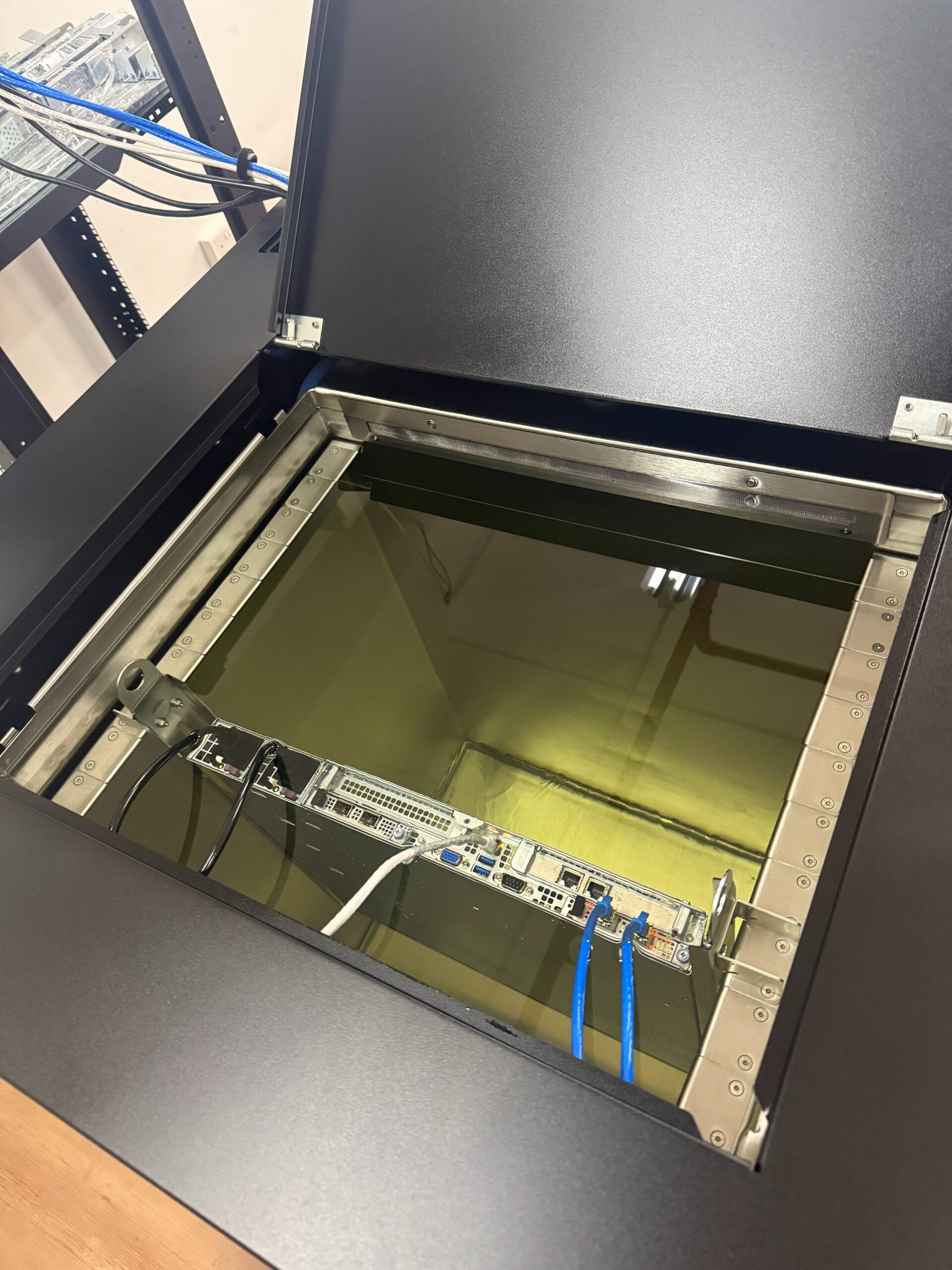
Ready Server recently experimented with full-immersion cooling to be able to deploy more powerful servers that are more tightly packed in its data centre in Singapore.
The Web hosting company, a sister outfit to digital infrastructure player NewMedia Express, wants a more efficient way to pack in more hot-running servers in its racks, as business picks up.
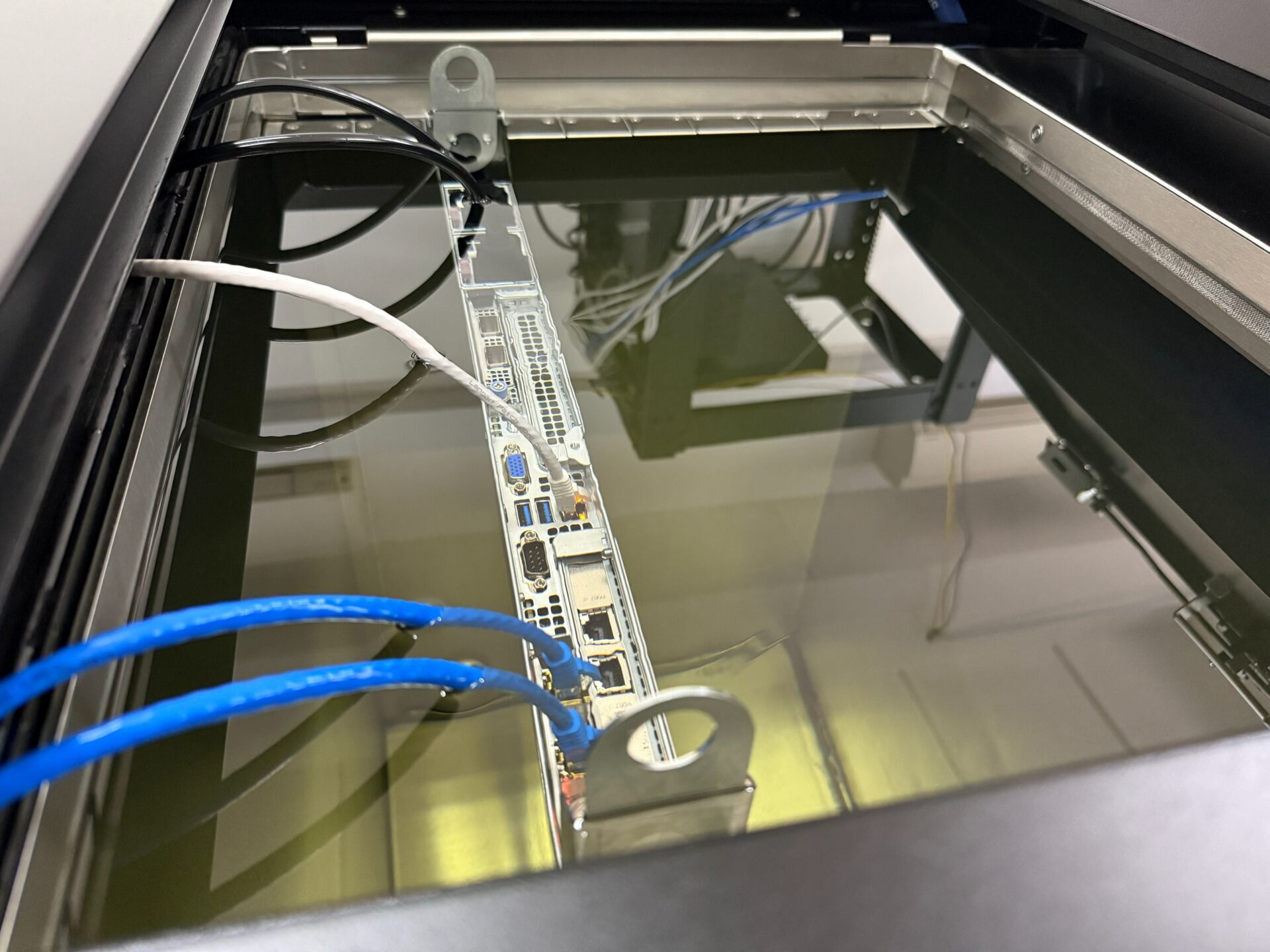
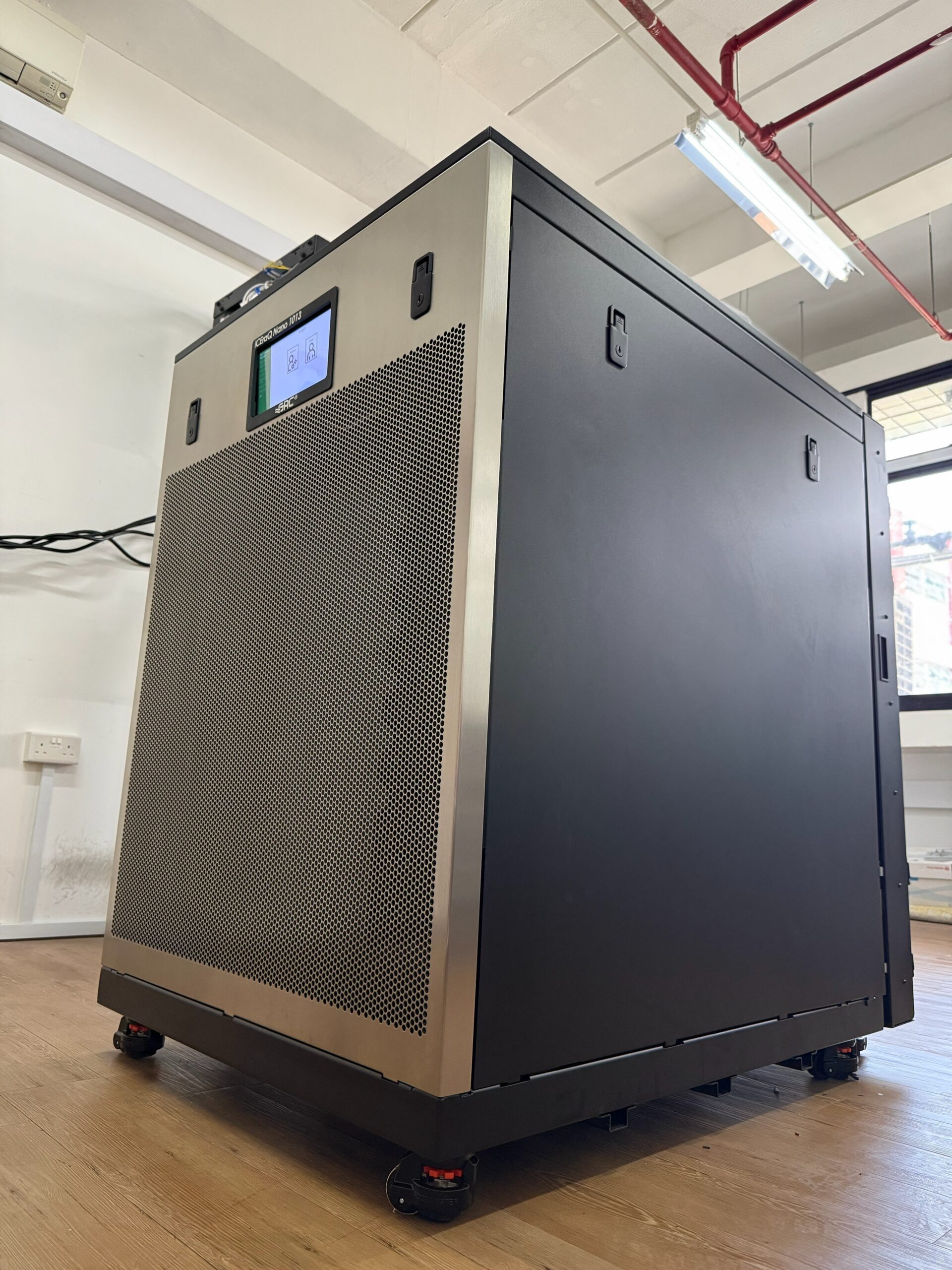
It came up with the idea of a self-deployed immersion-cooling solution using a tank-like device made by liquid cooling company GRC in the United States.
Instead of buying ready-made and fully-packaged servers, Ready Server can not only save on costs but also design its own customised setup based on its existing facility in the southwest of Singapore.
Compared to another liquid cooling setup it has worked on in the past year, which involved “spraying” jets of coolants at chips and other components, this immersive-cooling technology seems simpler by immersing the complete server hardware into the cooling fluid.
The coolant, which is not conductive so the components are safe from short circuits, dissipates heat significantly more efficiently than conventional air cooling. It is expected to help Ready Server cut down on costs involved in setting up more powerful fan coolers in its current facility.
This GRC solution is the easiest in terms of maintenance as the servers will usually run 24/7 while reducing the risk of coolant leaks associated with direct-to-chip liquid cooling, said Woo.
The downside, however, is that the server components have to be “prepared” before they are immersed in the temperature-controlled tanks of coolants, he explained.
For example, motherboards may come with certain paper labels or adhesive stickers that may need to be removed because prolonged exposure to dielectric fluid can cause them to deteriorate.
Plus, the thermal paste used for regular air cooling and the fans attached to the motherboard need to be replaced by a thin metal foil.
Crucially, even small tweaks to the hardware or the fact that the hardware is immersed in liquid could also risk voiding the warranty from the manufacturer.
So, Ready Server runs its immersion cooling tests with servers that have spent some time in the racks, instead of brand new ones.
Servers that have run for two years are readied for the full-immersion cooling tank that sits in one of the rooms in the Ready Server facility. This is because they are typically closer to the end of the warranty period.
It’s a calculated risk that the Singapore-based company is ready to take, said Woo, because the growing need for more powerful compute is driving everyone to find new ways to efficiently run their servers.
“Everything comes with a risk so we have to take some that will enable us to compete and deliver the performance needed in the future,” he noted.
He added that he even had to ship in the dielectric fluid himself, bringing the entire oil drum-like container to his facility to fill up the GRC cooling tank.
Then there was the GRC cooling tank itself, which was heavy and needed care to be brought into the multi-storey building after it was shipped into Singapore.
The pay-off is not only in the cost savings from electricity bills but valuable experience in running some of the company’s servers in a liquid-cooled environment.
It is a step into the future, when Ready Server wants to provide more AI-ready data centre services. To get there, it needs to get its facility ready for new customer demands.
“This journey into liquid cooling has taught us valuable lessons in designing our future racks and how we can deliver more compute-heavy services to customers,” said Woo.
“By investing in the technology and also the capabilities to run it, we are more ready to offer new services that the market is asking for,” he noted.