Jensen Huang got his wish. Yesterday, just 10 days after resigning, he was reinstated as CEO, president, and board director of Nvidia. On his first day back, he told staff he plans to outperform the first 33 years since founding the company.
Calls for his return began almost immediately after his exit, driven by a simple reality: Nvidia’s product roadmap lives largely in Huang’s head.
As biographer Stephen Witt noted in The Thinking Machine, Huang was developing robotics chips a decade before rivals, locking in markets before competitors even knew they existed.
Did the world change during his 10-day absence? The sun still rose and set as usual, but Nvidia shed roughly a third of its market value, wiping out huge swaths of tech sector wealth along with AI’s chief cheerleader.
Now comes the hard part – things won’t be business as before. For those watching how founder-led giants survive governance crises, Huang’s first 90 days back will come down to getting a few things right.
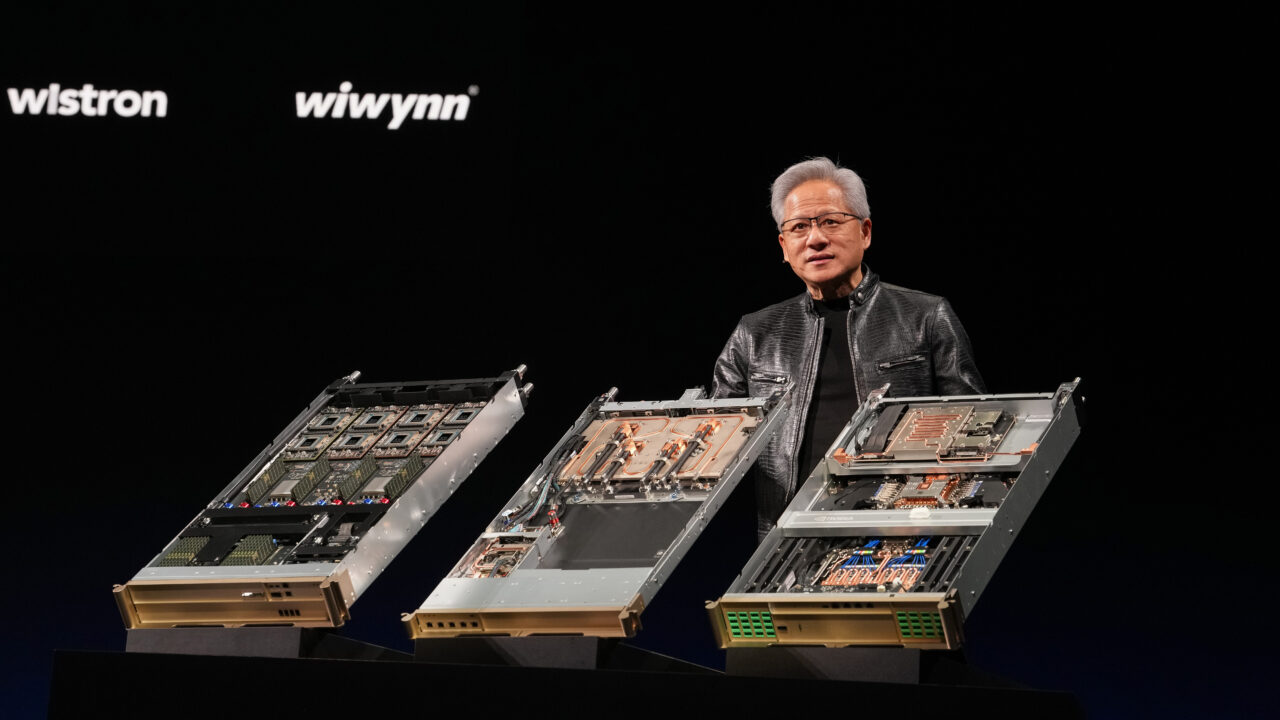
First, he has to ensure new products arrive to drive revenue. This means a supply chain moving at full speed to scale Nvidia’s latest Vera Rubin graphics processing units (GPUs) alongside networking systems like NVLink.
Following the November 17 earnings call, hitting the forecasted US$130 billion in fourth-quarter 2027 revenue is non-negotiable if Huang wants to calm rattled shareholders.
Product deadlines need to be met as well, despite the leadership whiplash. Earlier this month at Supercomputing 2026, Nvidia unveiled Rubin HPC, a specialised scientific simulation accelerator packing over 50,000 CUDA cores. Keeping that pipeline on schedule is how Huang proves the turmoil was a blip, not a breakdown.
The spotlight isn’t dimming for Huang or Nvidia, to be sure. The man himself faces ongoing internal reviews and United States congressional scrutiny over corporate governance and alleged foreign intelligence gathering. Stonewalling is no longer an option.
Perhaps more importantly, Huang returns with a tighter leash around his neck. He will have to navigate stricter rules on GPU sales and exports. Hiring a chief compliance officer looking over his shoulder and reporting directly to the board, not the CEO, could be a way to win back trust from his opponents who sought his ouster and disagree with his return.
What may be hard to do is reining in the ego and changing how things fundamentally work at Nvidia. Vision alone won’t insulate Huang anymore.
Under intense institutional pressure, he needs to recruit senior C-suite leaders and finally establish a credible succession plan. This is even more important as the investigations will claim more of his time and he will need support to ensure Nvidia rolls out its plans smoothly.
Then there is the personal fallout. No board charter can govern human frailty, and Huang will have to live with the reputational baggage of his extramarital affairs and widely circulated photos with alleged mistress and China spy Alice Huang.
Ultimately, his reinstatement raises as many governance red flags. It marks a stunning reversal by a board that had previously insisted Huang had crossed a line and would never return.
No doubt this was a reversal reportedly brokered by US Vice-President JD Vance, alongside assurances from President Donald Trump that investigations in the US had “exonerated” Huang.
The man in the black jacket is back in the corner office but he’s not returning to the same company. Once dismissed as a rubber stamp, the board has installed an independent chairman for the first time and put real compliance oversight in place.
The rockstar founder still holds the vision but for the first time in 33 years, he no longer holds all the power. Will he behave or will he think he is still invincible and invulnerable?