
At one point during a recent media conference in Taiwan, Jensen Huang appeared visibly annoyed by questions from a BBC reporter.
Asked if his sizeable investments in the island would help in a “silicon shield” to ward off mainland Chinese aggression, the Nvidia head honcho lamented that it was the “same question” from the reporter.
New questions, please, he told the rest of the media gathered at an Nvidia conference during the Computex show in Taipei two weeks ago.
And as a parting shot to the BBC reporter’s line of questioning, he sarcastically described the British broadcaster as “subsidised”. Earlier, the reporter had corrected him on BBC’s non-profit status, when he talked about BBC gaining new subscribers as part of a business strategy.
Very briefly, the terse exchange made the room a little uneasy. Moments later, though, Huang was back to his affable self, offering to take selfies with another journalist who happened to be celebrating his birthday that day.
Indeed, throughout his days-long stay in Taipei during the annual tech fest, he was swamped by fans and autograph hunters, including some from the media. At the night market, he offered to pay for a line of diners so he could jump the queue and get his food faster.
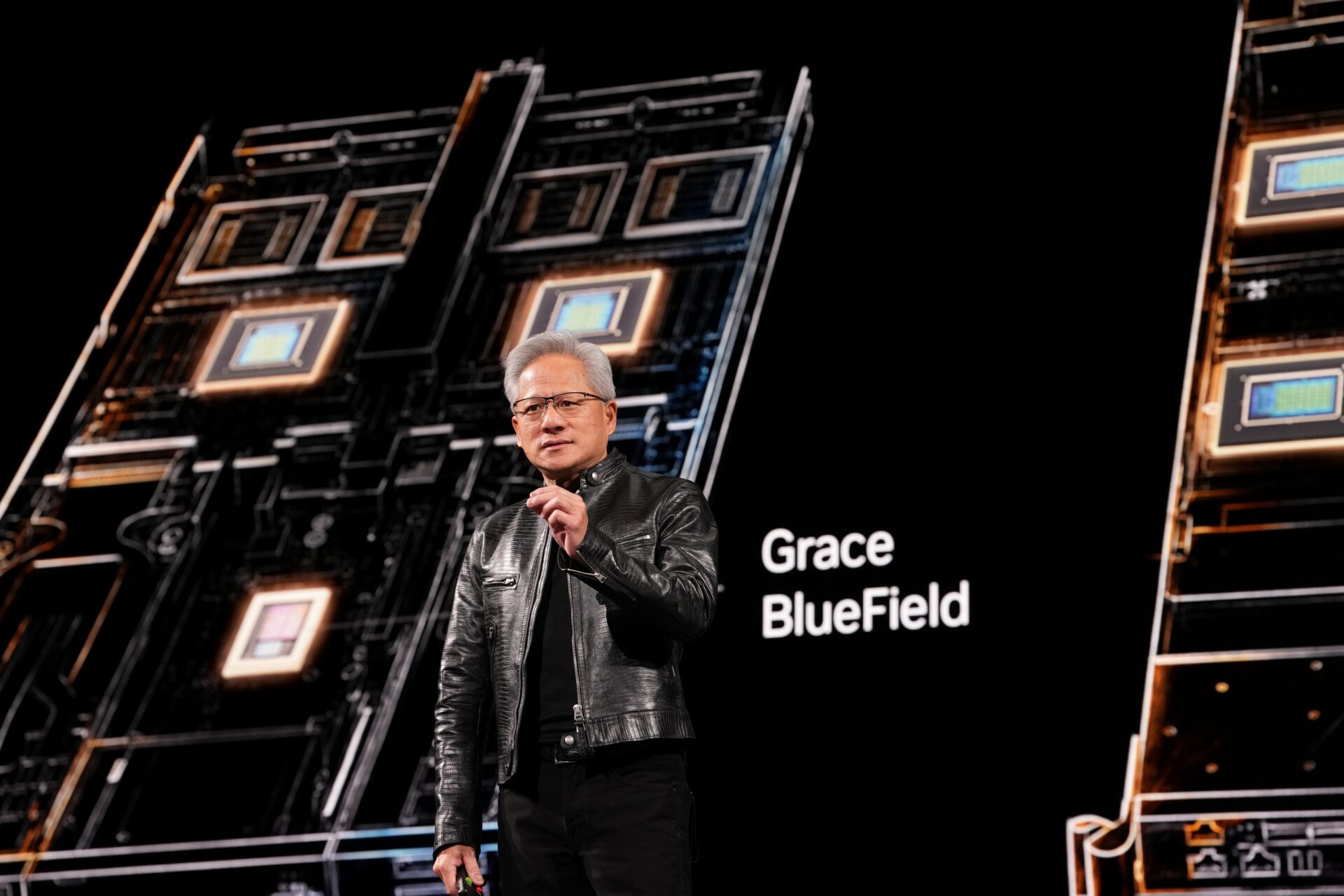
An Uber driver told me on the drive from the airport that Huang was liked by Taiwanese partly because of his roots (he was born on the island before becoming an American) and because he had brought in business.
Indeed, the AI boom has helped make Taiwan central to so much of this unprecedented era of change. While American firms OpenAI, Anthropic and Google fight to lead in AI models, Nvidia has made the engine to train these models.
Huang’s partners in Taiwan make the chips, motherboards, power supply and other components, then assemble them for data centres around the world. All this economic activity has fuelled an almost-10-per-cent growth in Taiwan – a feat unthinkable just years before.
So, when Huang went on stage at Computex to launch a lunchbox-sized PC with enough horsepower to run AI agents, he was cheered. Let’s sell more and make more money, he said at one point.
By his own admission, this demanding boss tolerates no fools. Huang has said he would “torture people to greatness” – some staff have spoken about his fiery meetings as well, when results didn’t meet expectations.
Yet, few can beat Huang as a one-man PR machine. Besides turning up in night markets among the people, he brings packed food to reporters waiting for him outside a restaurant.
His trademark black jacket makes him a rockstar in the Taipei Music Center where Nvidia events have been held during Computex in recent years. Not quite Steve Jobs, but Huang is on-brand for a tech geek made good.
This helps explain why he remains a friendly face among Big Tech AI optimists. When he said that AI taking away jobs was “nonsense” in Taipei, he didn’t get the clapback like so many of his peers from the United States.
It may be because his company has brought jobs to Taiwan and helped grow its companies. He also talks up the importance of having people in the loop – the more AI outputs, the more people are needed to build the AI.
Notably, Nvidia is making the chips and servers that companies such as Oracle, Meta and others are trying to buy by cutting staff to raise the money. Someone buys and someone sells, you could say.
Certainly, Huang’s contemporaries are facing a much fiercer backlash for the ills of AI. In April, OpenAI’s Sam Altman had his home hit by a Molotov cocktail. When former Google CEO Eric Schmidt spoke at the University of Arizona last month, he was booed.
The ill feeling isn’t just festering on the fringes. The US government has warned of “anti-tech extremism” as more people find AI a malaise to society. Already, cities are fighting the setting up of data centres, worried about the impact to their access to power and water.
There are also the jobs disruption and the extreme inequality that this next industrial revolution is fuelling. Not to mention, of course, the risk of the AI killing off humans.
This is all a long way from the heady days of the Internet in the late 1990s, which many hoped would lead to a more open world without borders.
The technology industry, before it was known as Big Tech (like Big Oil and Big Pharma), also brought new opportunities to people, instead of shrinking the job pool.
It’s no wonder AI companies – and many of its most optimistic cheerleaders – are starting to take a different tack now. Instead of telling people to eat cake, perhaps it’s smarter to say “let’s share in the wealth created by AI”.
Actually, that’s what Microsoft CEO Satya Nadella said last week. In an interview with The New York Times, he claimed everyone was a stakeholder in AI.
“You can’t deny that the perception is terrible,” he also acknowledged.
Which brings us back to Jensen Huang, who is facing no such reputation crisis. His contribution to Taiwan is invaluable, uplifting its high-tech manufacturing expertise and bringing jobs to people on the island. He’s breaking down barriers, as technology leaders used to do.
What other AI CEOs would do to have his aura. All the talk about AI making a positive difference while they fire people and damage the environment to find the holy grail of artificial general intelligence (AGI) isn’t going to make them friendly faces.
If AI has taught people anything, it’s the transactional nature of their relationship with technology.
Got a few AI agents to do all your e-mails and analyse your quarterly sales? Okay, how many tokens did that cost you? Any gains after paying the AI firms? ROI?
Or, as the Uber driver in Taipei told me, what matters is how you spread the enormous wealth earned from AI. If he went to the night market and paid for everyone’s meal one evening, he said, he’d also be a very popular man like Jensen Huang.