
The LG gram Pro has always been a sort of under-appreciated laptop that brings one unique feature – extreme light weight with a large screen for real work on the go.
The latest version this year comes with either a 16- and 17-inch screen and the latest Intel Core Ultra or AMD Ryzen processors that promise great graphics performance.
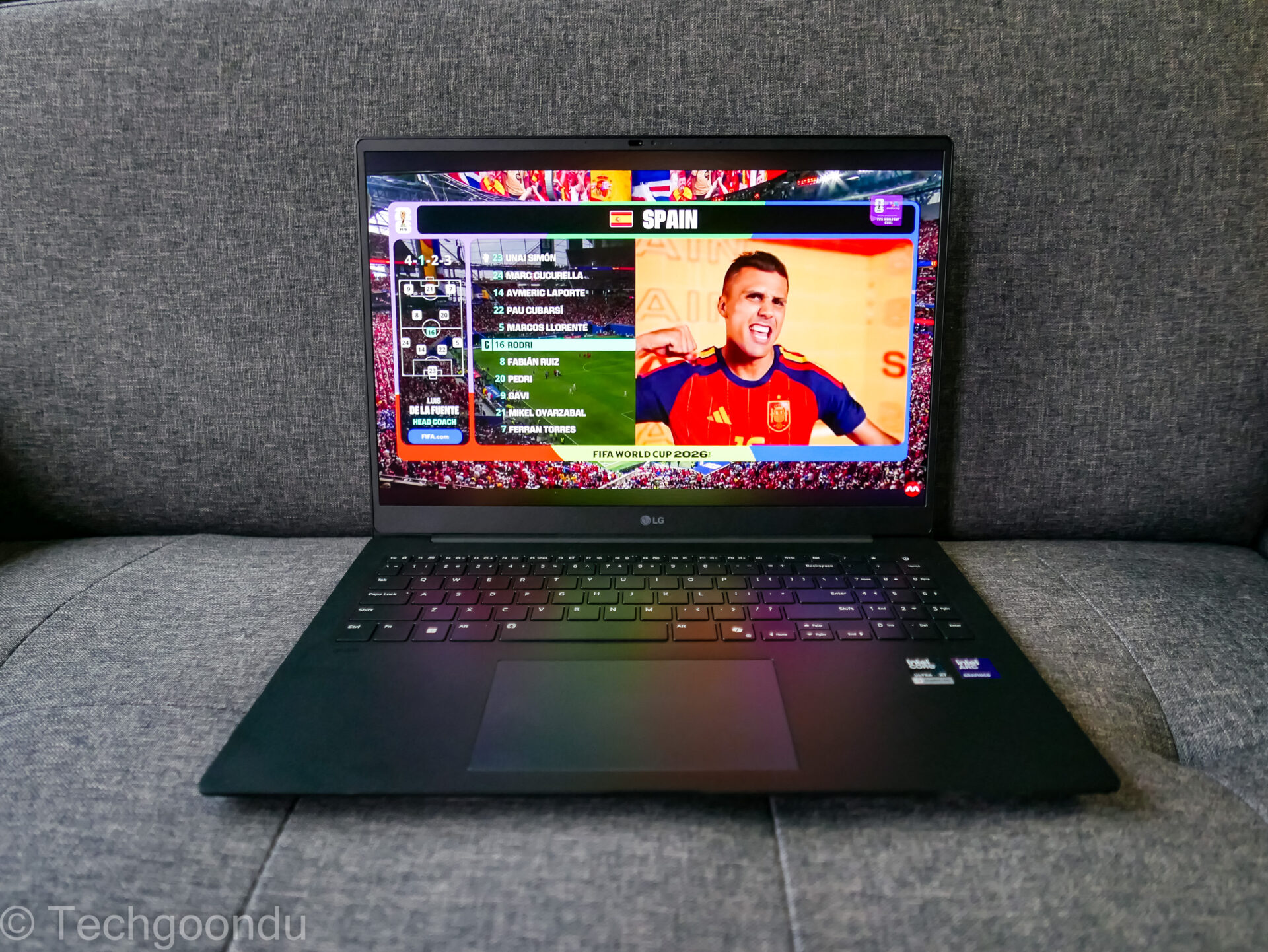
My review unit is the Intel-based version with a 16-inch 3K OLED screen that weighs just under 1.2kg. That’s as light as many thin-and-light machines that offer only a 14-inch screen.
Being so light means you can carry the LG gram Pro on long trips and get some serious work done. Whether you’re editing a video from a drone or simply multitasking with multiple windows, the large screen is a welcome feature.
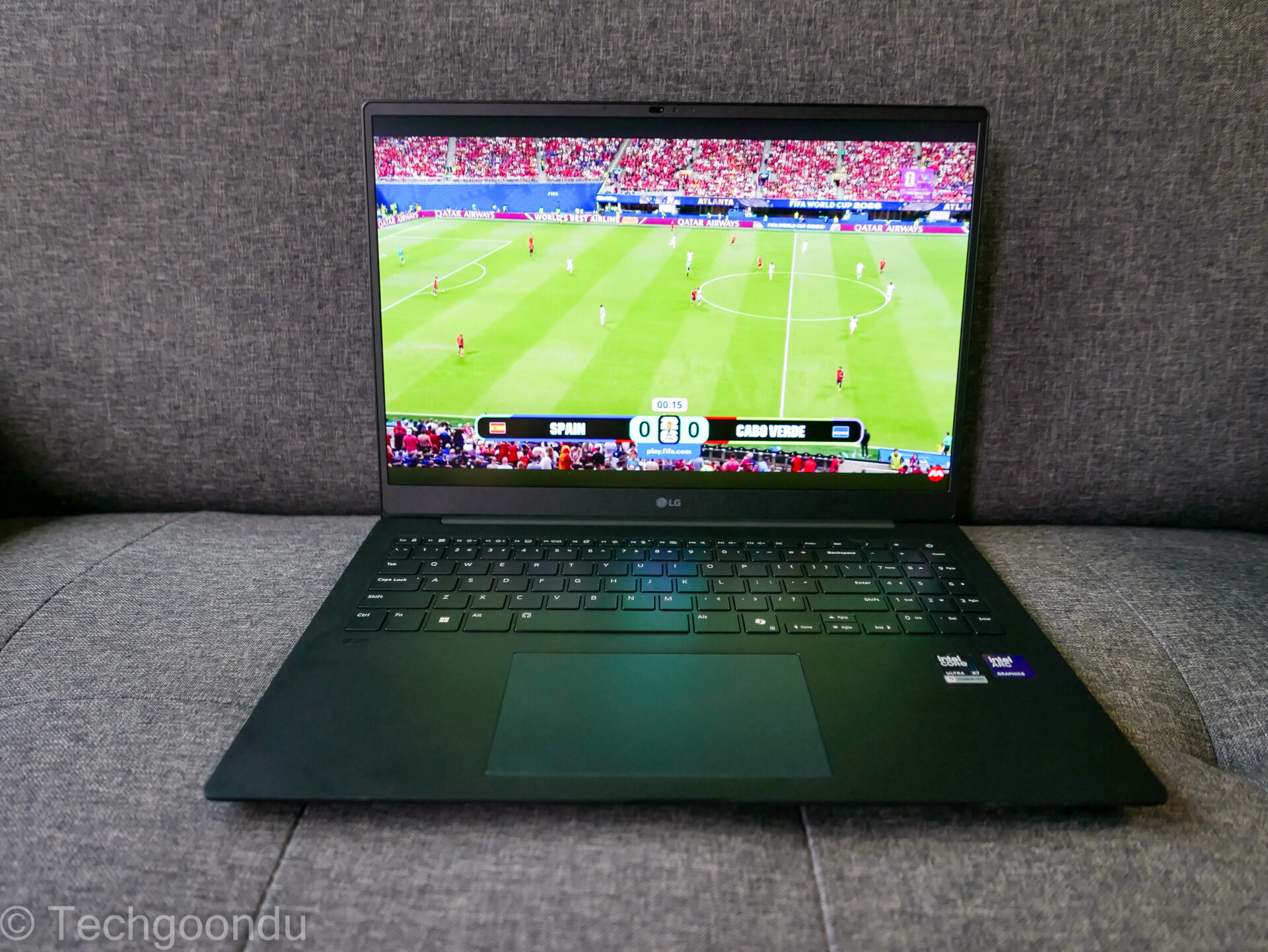
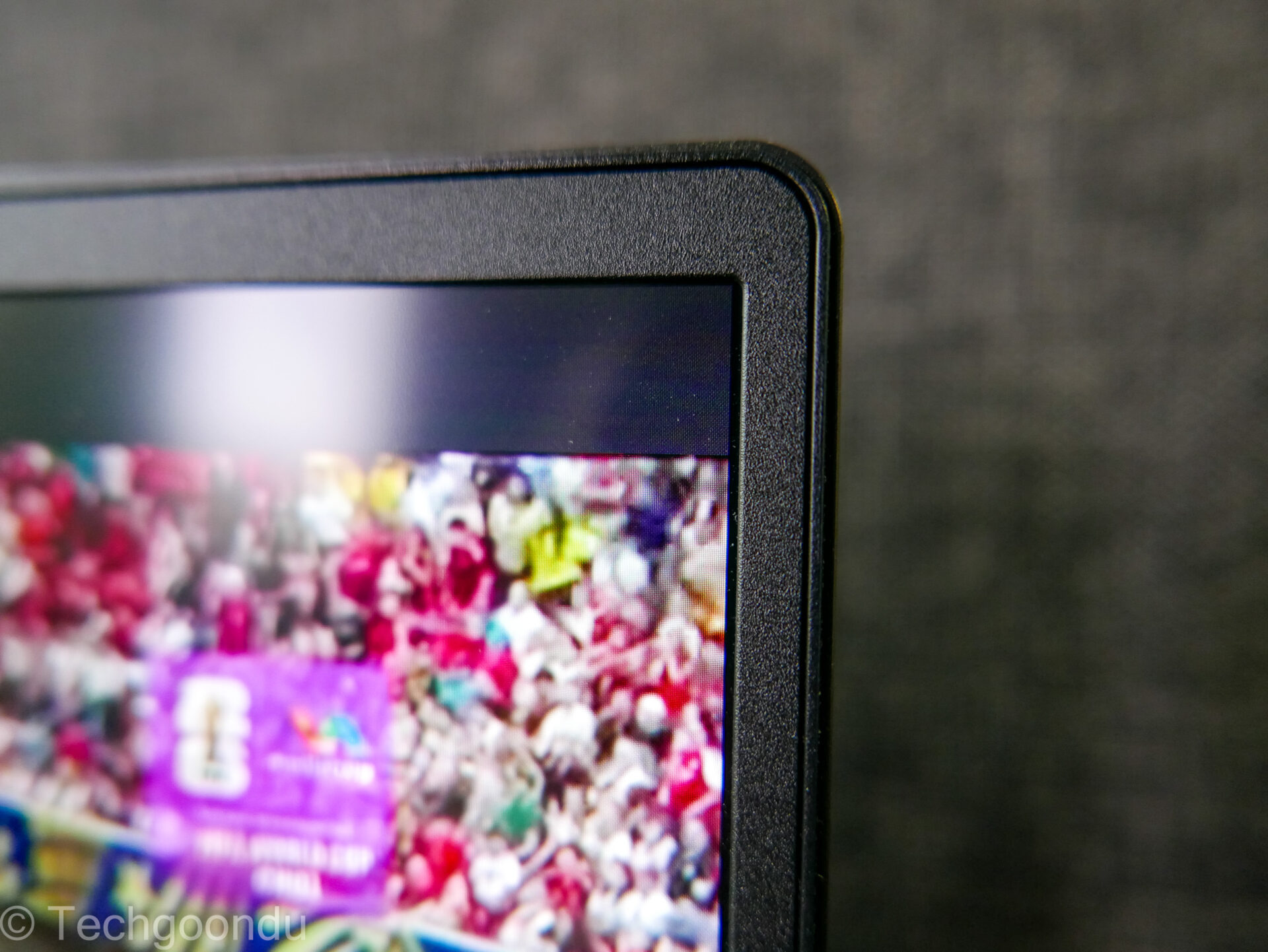
The 3K or 2,880 x 1,800 resolution is great for this screen size, in case you’re wondering if the larger display might mean more visible pixels. OLED here also means great contrast and excellent image quality for streaming video.
To be sure, the large 16-inch screen means it’s not easy to open this laptop up on in a plane in Cattle Class. Anywhere else with a bit more elbow room, however, proves to be a good workplace for this handy machine.
Notably, the metallic case of the LG gram Pro is made of what the Korean company calls Aerominum. A new proprietary alloy incorporating magnesium and aluminium, it’s new on LG devices this year.
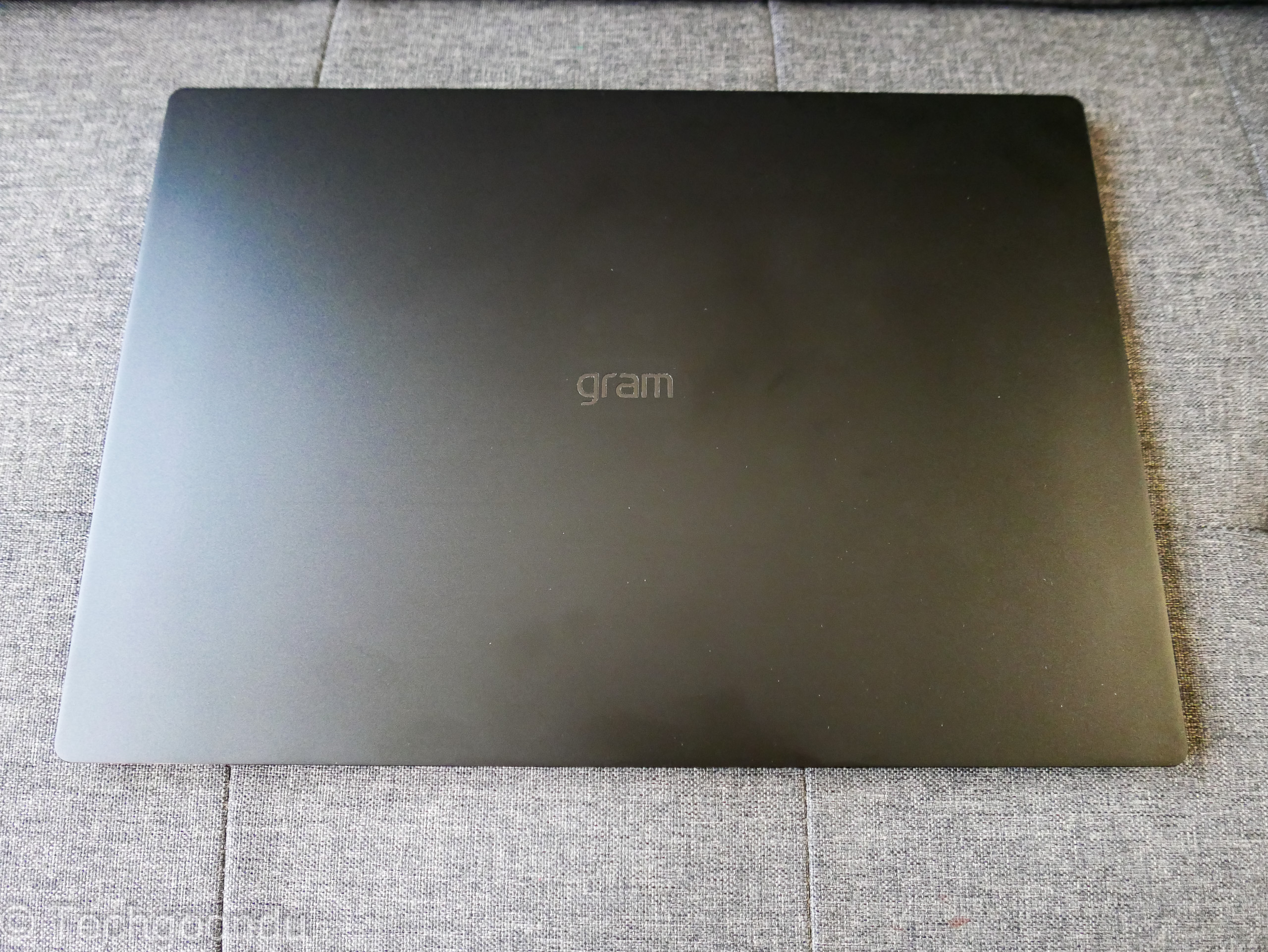
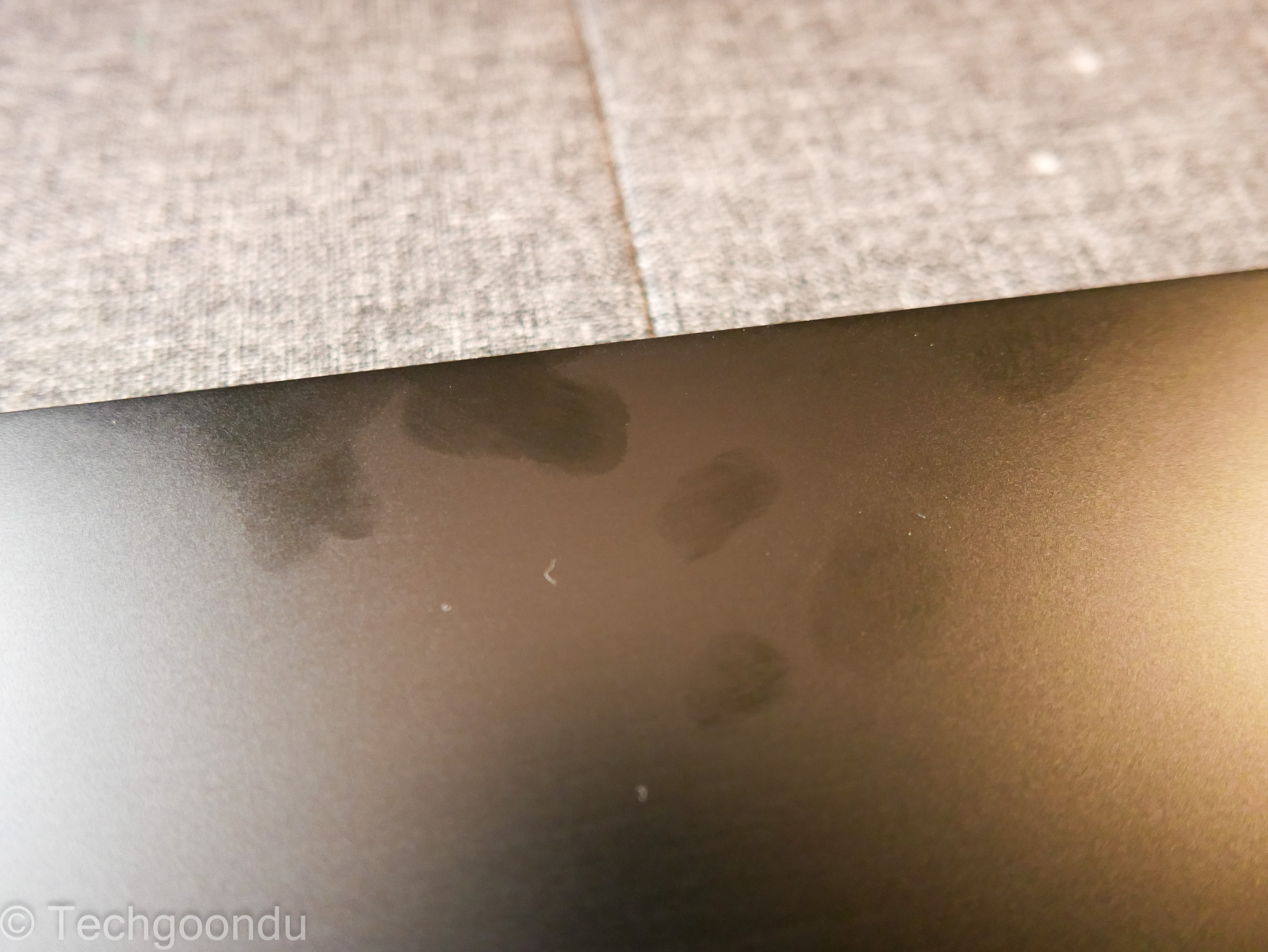
For the gram Pro, the surface is smooth to touch and feels premium enough. Certainly minimalist, like an Apple Macbook. However, it does attract fingerprints, particularly from sweaty palms.
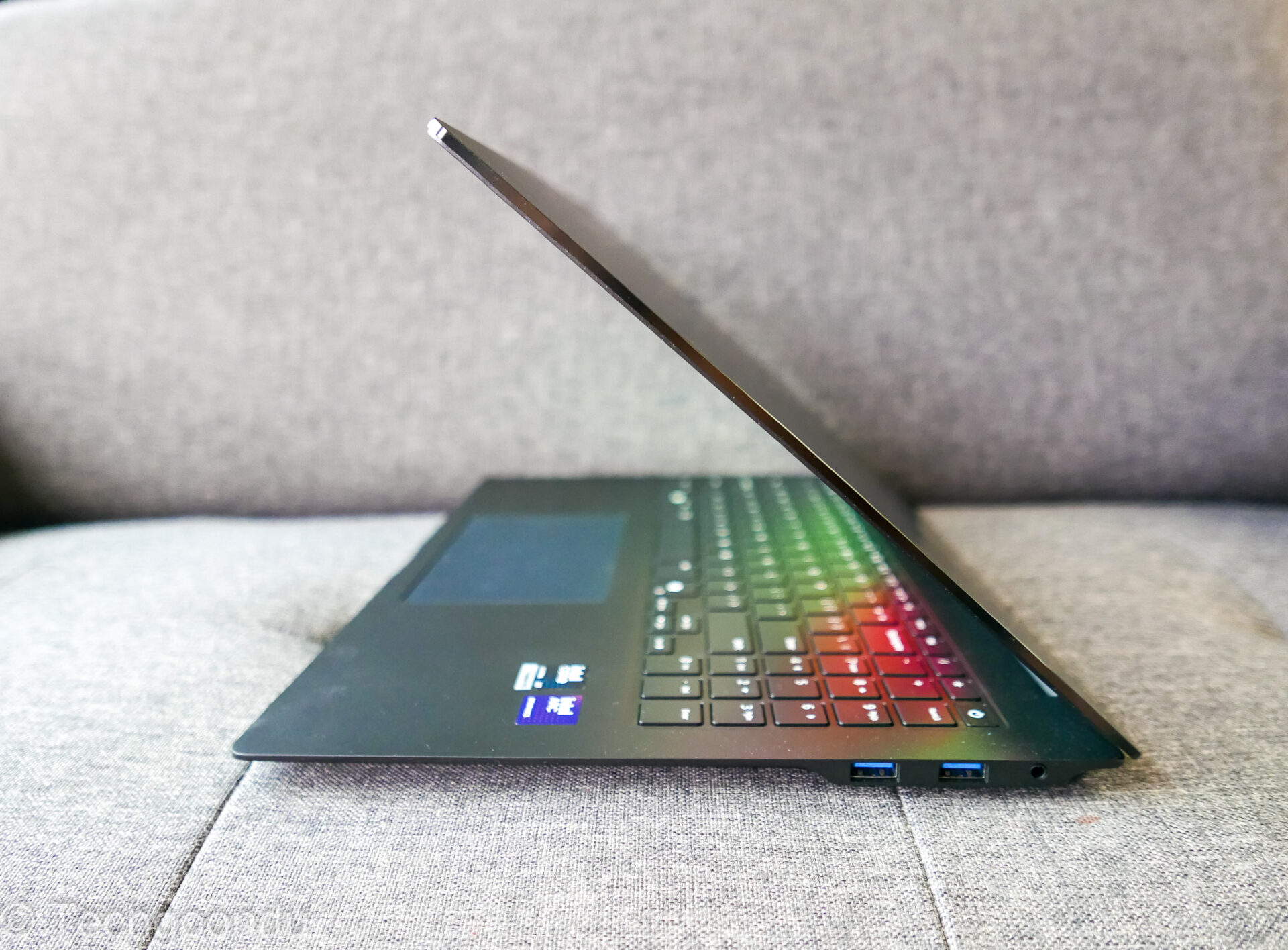
Perhaps more importantly, the material appears pretty sturdy. Even though the laptop is only 12.4mm thin, it doesn’t feel fragile in your hands.
LG also has subjected the gram Pro to a number of military-standard tests, like vibration and drop tests, to prove the laptop’s durability. If you’re been an LG gram user, you’d know it’s quite a survivor.
The performance is impressive as well. The larger build of this laptop also means LG can pack in more powerful Intel processors than its more portable machines.
In my review unit, there’s a fast Core Ultra X7 358H, which includes the fast Arc B390 graphics chip. It has a useful 32GB of DDR5 RAM though I get just a 512GB solid state drive (SSD). Blame that on the crazy component prices today.
Still, the performance is there for both everyday work and games, which this laptop’s integrated graphics chip is more than ready to handle.
First, I ran the Geekbench test, which measures performance in productivity tasks. Here, the LG gram Pro came back with 2,521 for its single-core score and 14,828 for its multi-core score.
These are great numbers, close to the Asus ExpertBook Ultra we reviewed recently that also sported the same Intel processor and 32GB of RAM.
With another benchmark that tests for everyday tasks, PCMark 10, the LG gram Pro returned a score of 9,619. This is slightly higher than the Asus laptop, and just as impressive.
What about AI performance, something which LG seems at pains to sell with the idea of local and cloud AI on its laptop? Well, the engine is solid in this one.
On the Geekbench AI test, which measures performance in tasks like image recognition, the LG laptop’s neutral processing unit (NPU) came back with 4,197 for single-precision score, 34,727 for half-precision score and 52,589 for quantised score.
These numbers are very close to the Asus laptop again. It’s clear the best Intel CPUs that power many of this year’s PCs, like this LG machine, are no slouch for your office work. What’s also impressive is their gaming performance.
As I found in other laptops earlier, the Arc B390 graphics chip on these new Intel chips with X in their moniker – like the LG laptop’s Core Ultra X7 – are great for AAA games on the road.
It proved so, when I fired up Cyberpunk 2077 and the shooter ran smooth. With the built-in benchmark, the LG laptop returned 57.17 frames per second with High settings in its native 3K resolution. This is with AI enhancements in resolution scaling turned on, of course.
I did the same with another recent game Forza Horizons 6. With Intel XeSS turned on and running on High graphics presets, the LG gram Pro came back with a score of 58 fps on the built-in benchmark (at the default 1,920 x 1,200 resolution).
Just for kicks, I also fired up the Time Spy subtest on the 3DMark test, which simulates real games. The LG gram Pro scored a good 7,226, which surprisingly is higher than what I got on the Asus machine.
From the results, you can say that games run smooth and look great, especially with the graphics turned up on the vibrant OLED screen. The LG gram Pro may not be sold as a gaming machine but it is great for entertainment.
Another good thing about a relatively large laptop is that heat gets dissipated better than, say, an ultraportable. Even with the graphics chip running at full tilt, the palm rest and keyboard (importantly, the AWSD keys) stays cool.
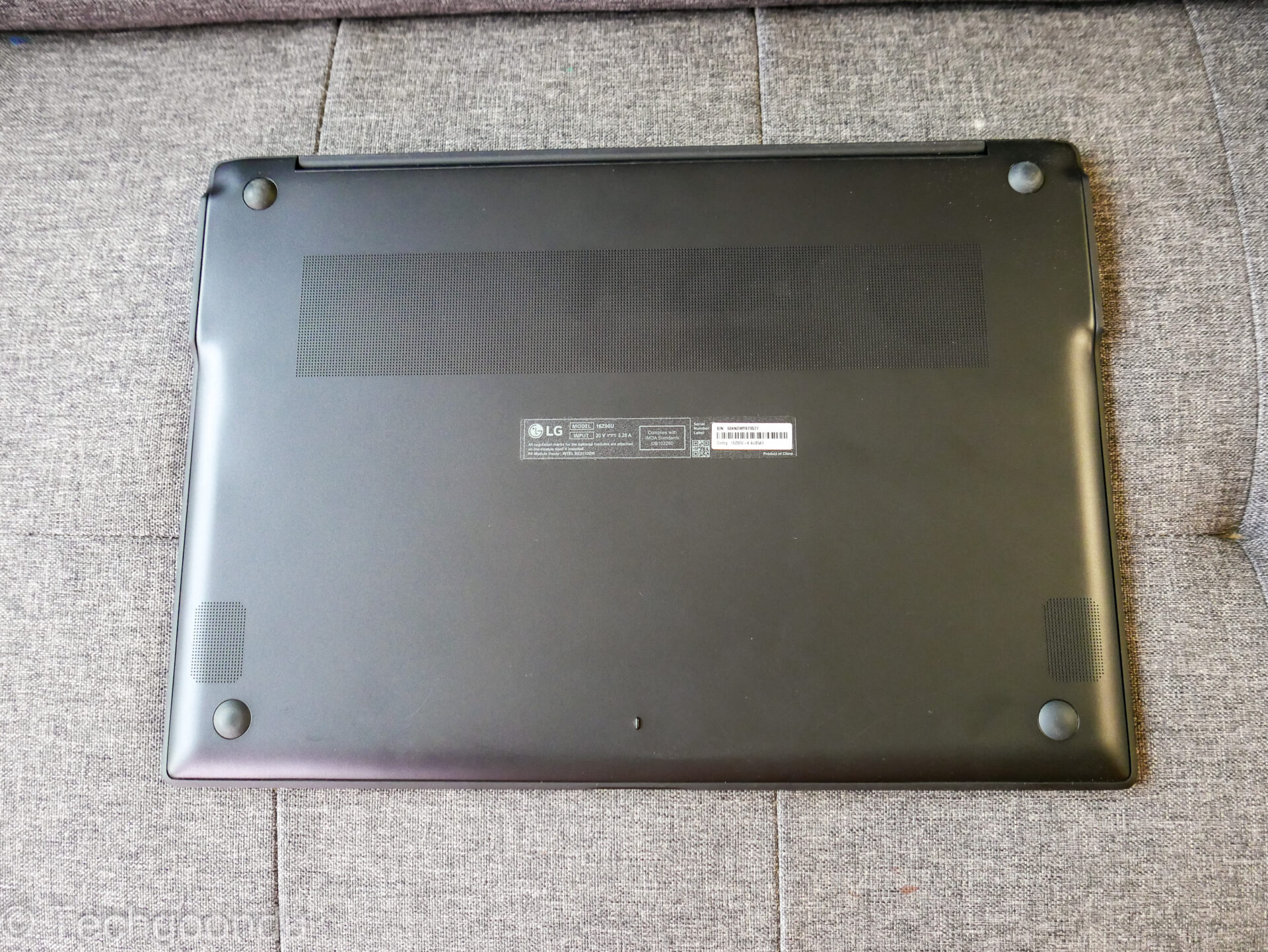
The area around the top of the keyboard gets pretty hot to touch – as laptops running Intel’s Arc B390 can be – but LG’s dual-fan cooling system does enough to prevent an overheat. Just don’t obstruct the vents at the bottom.
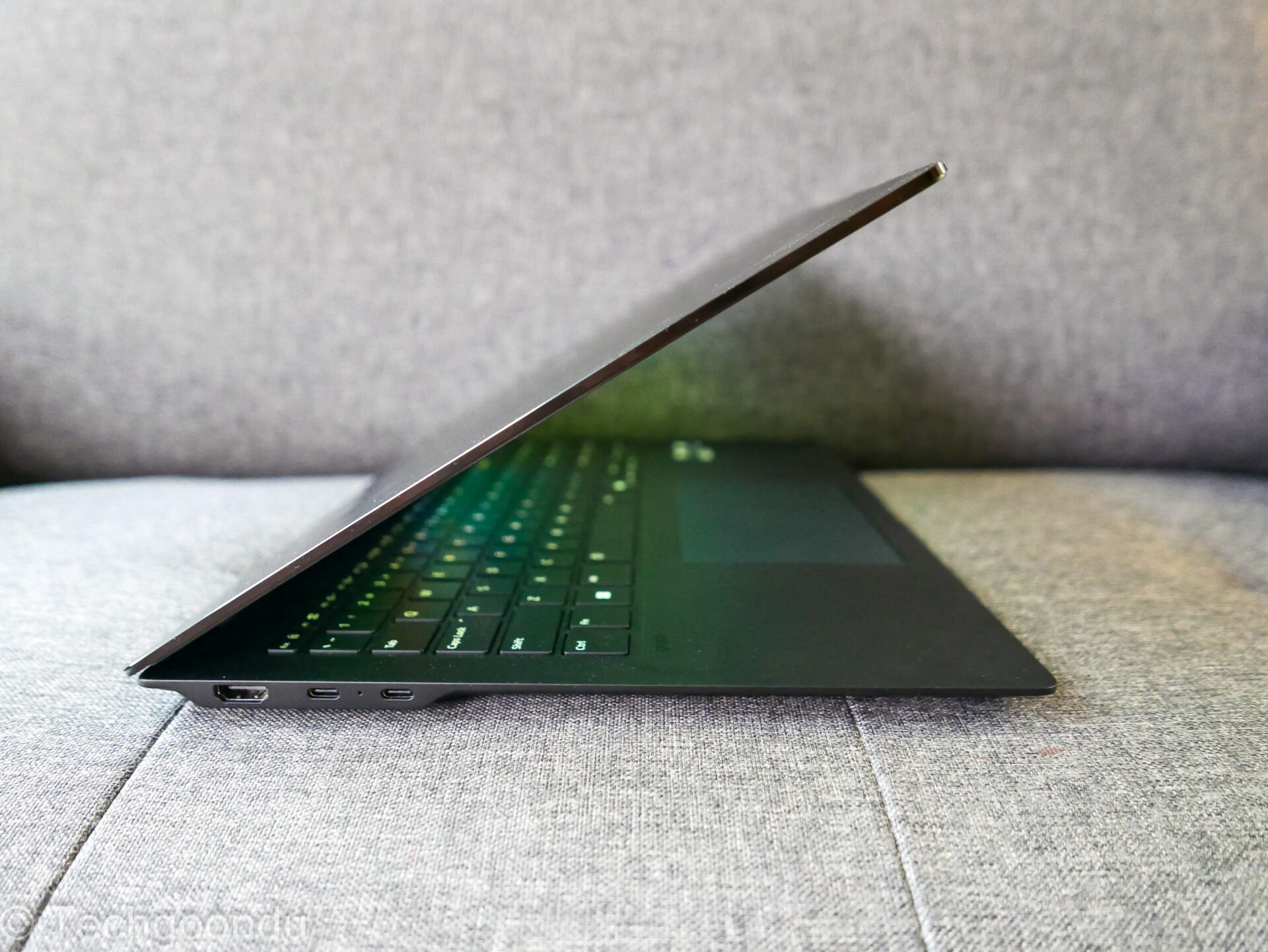
Speaking of size, the laptop’s slim profile enables LG to place useful ports all around. There are two large USB-A ports on one side, along with two USB-C ports and an HDMI port on the other side.
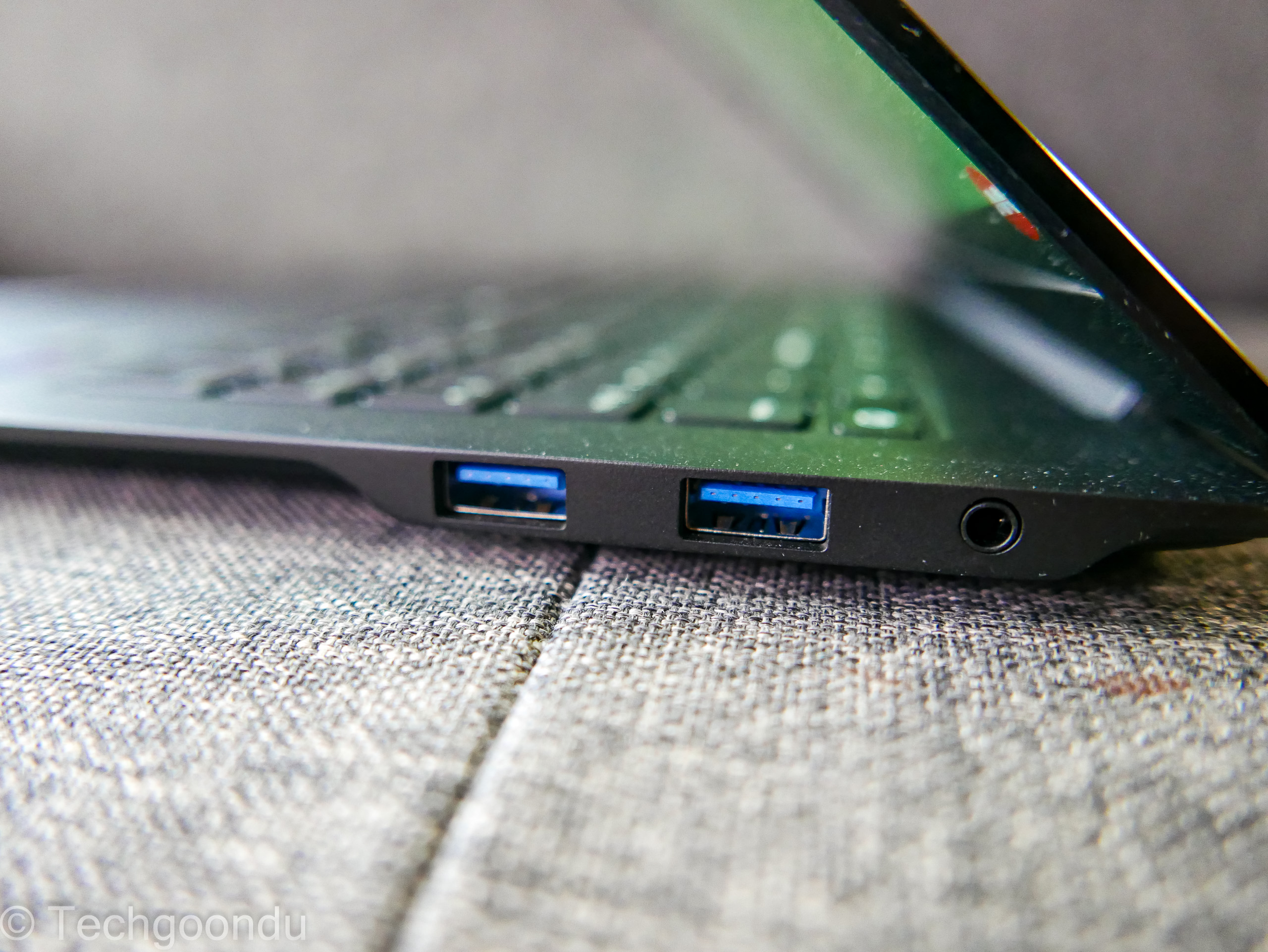
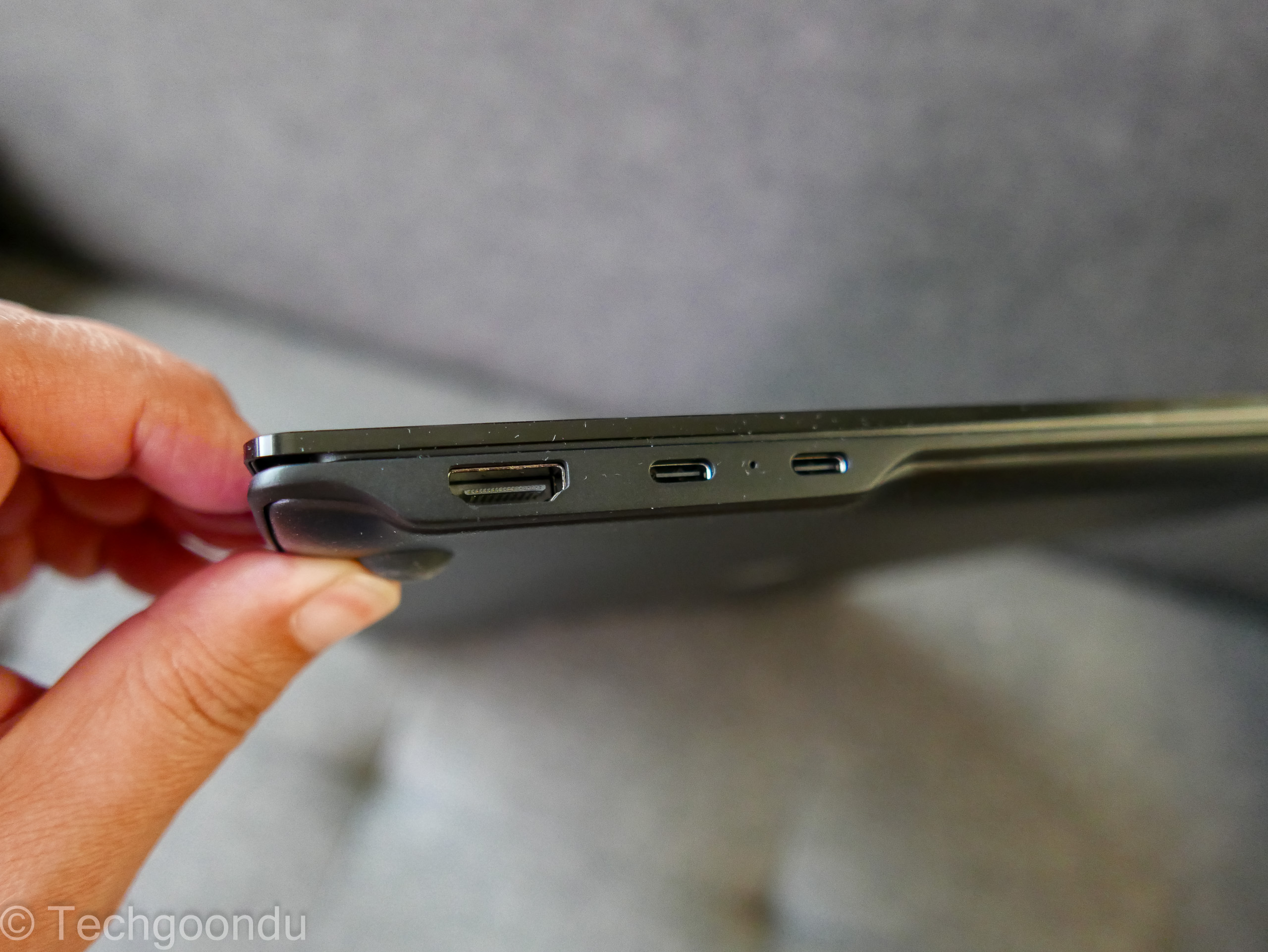
This means you can plug in all your monitors, flash drives and other accessories without worrying about bringing extra dongles. Only thing to note is that your charging cable needs to run to the left side of the laptop since both USB-C ports are there.
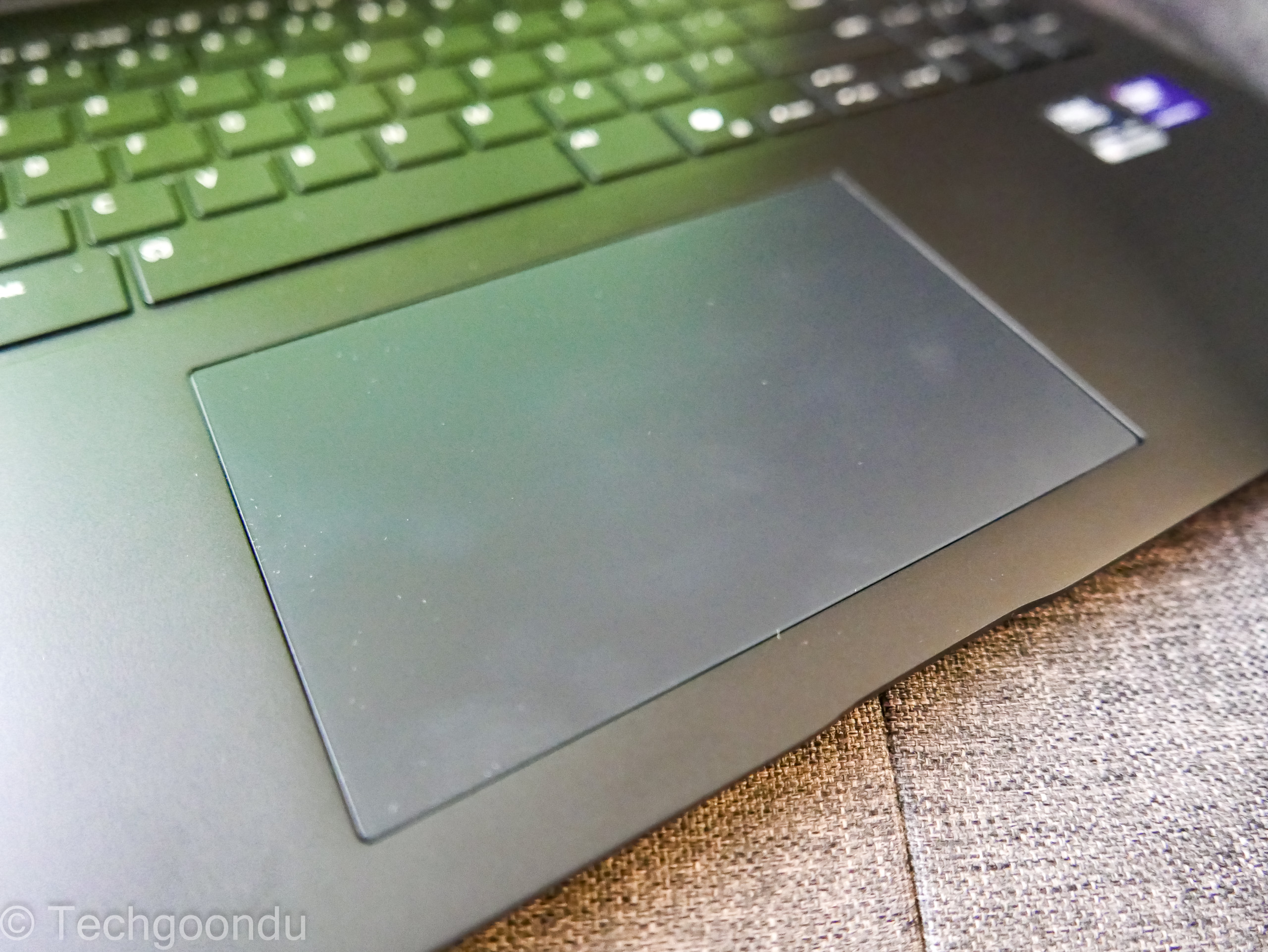
What I am less enthusiastic about is the keyboard. For simple e-mails and maybe AI prompts, it is adequate.
However, it has relatively shallow key travel, compared to other laptops like a Lenovo ThinkPad or an Asus ExpertBook, which makes the LG gram Pro less comfortable to type on for long periods.
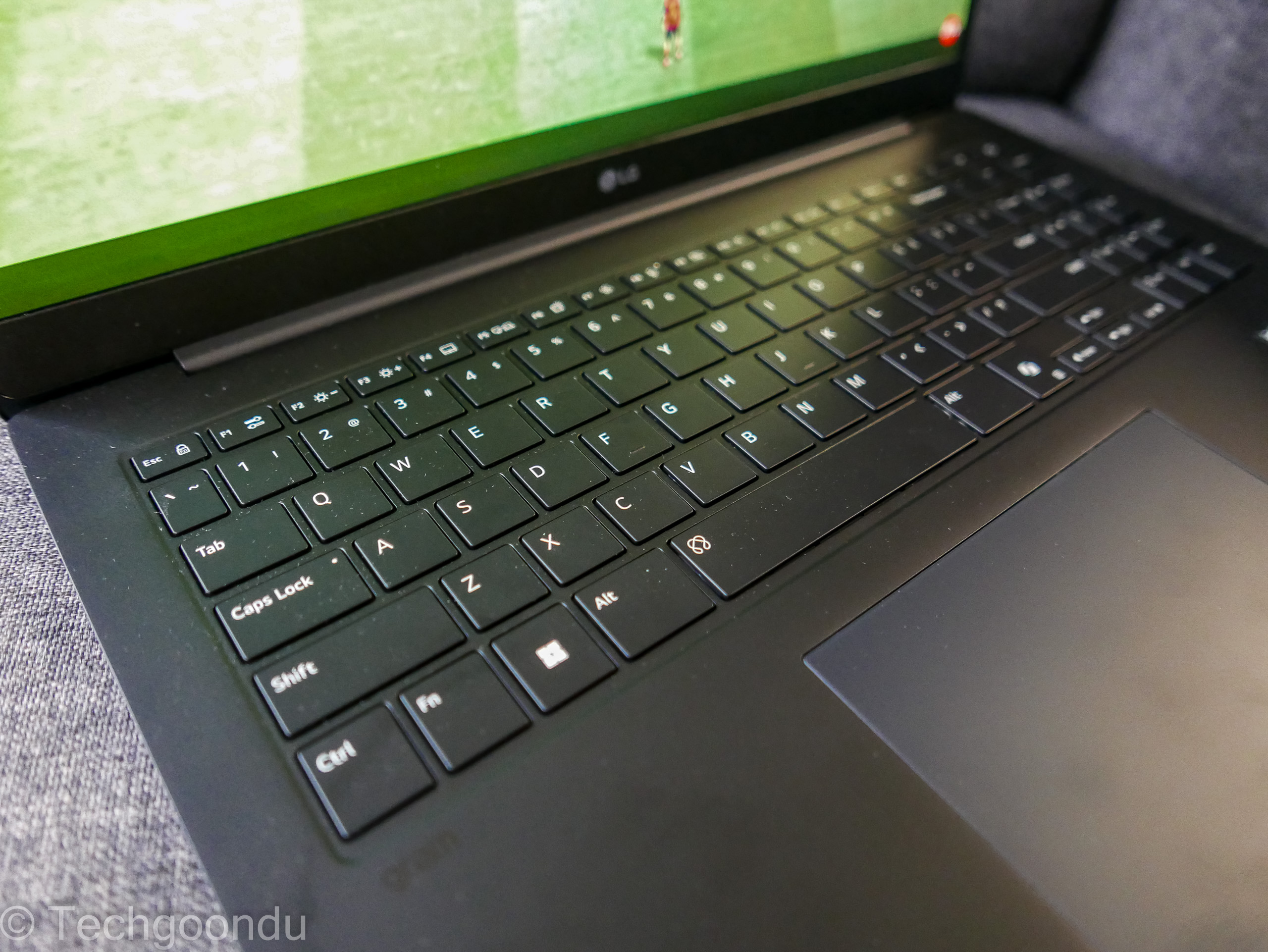
I’m particular because I type for a living but this need not be a deal breaker if you’re only banging out some text from time to time for your work.
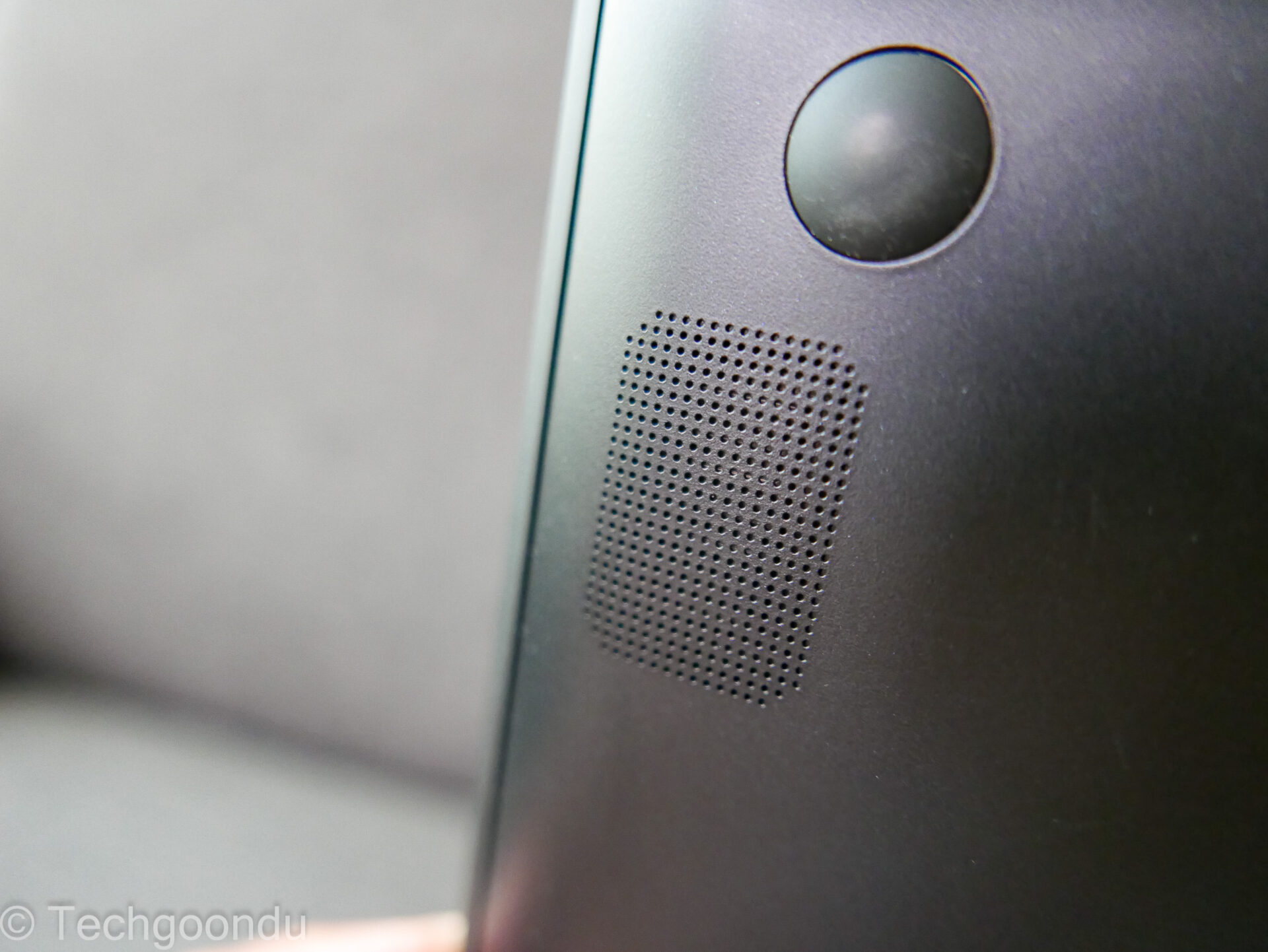
For after-work activities, what is surprisingly good is the audio. I am usually not impressed with tiny speakers squeezed into laptops but the down-firing versions in the LG gram Pro put out decent sound with clarity.
Just make sure your table surface is solid since the sound waves hit that before reaching your ears. My table is ceramic and the laptop sounds great with Dolby Atmos.
To power all these features, LG has packed in a beefy 77Wh battery in the laptop’s generous frame.
I did not drain the power pack this time with repetitive tasks but knowing the Intel Core Ultra processor used here, you can expect to run the laptop for more than the eight to 10 hours you’d spend at work a day.
I’ve always liked the LG gram series and the large-screen gram Pro this year proves to be another great laptop. For many users, especially creative professionals, the light weight is a huge plus. The addition of a powerful graphics chip this year is another game changer.
Unfortunately, the LG gram Pro I reviewed isn’t cheap. If I fork out S$4,399 for it, I’d have liked to have a bigger SSD for my work files without going to the cloud so often. Good news is there’s a spare slot you can add an SSD in future.
You can also go for the S$3,299 version of the LG gram Pro with 16GB of memory. It’s a lot cheaper and should work for folks on a tight budget but not ideal for folks using Adobe tools that need lots of memory.
So, in the end, the price makes this great laptop just short of an unreserved recommendation of an Editor’s Choice award. I’d still consider it if I have the budget for a great large-screen companion on my travels.