

More than 350 in Singapore sign up for “massive” online course on data analytics
It underlines the popularity of one of the infocomm industry's hottest -…

Commentary: IDA’s smart nation vision needs buy-in
Singapore is starting early, which is a good thing. It just has…
Commentary: SingPass security issues highlight need for two-factor authentication
Why SingPass hasn't been beefed up remains a mystery. As a result,…
Can a new cellphone operator boost competition in Singapore?
Ask any Singapore cellphone user if he is happy these days and…
Singapore telcos told: no 4G add-on fee for users on contract
As StarHub has learnt, it may not be so smart to take…
IDA looks to mobile virtual network operators to spur competition in Singapore
But this won't be the first time that Singapore has welcomed such…

Commentary: StarHub starts charging for 4G
It's not that consumers are daft, for not reading the fine print.…
SingTel: no plans to charge consumers separately for WhatsApp
SingTel has clarified that it has no plans for now to charge…
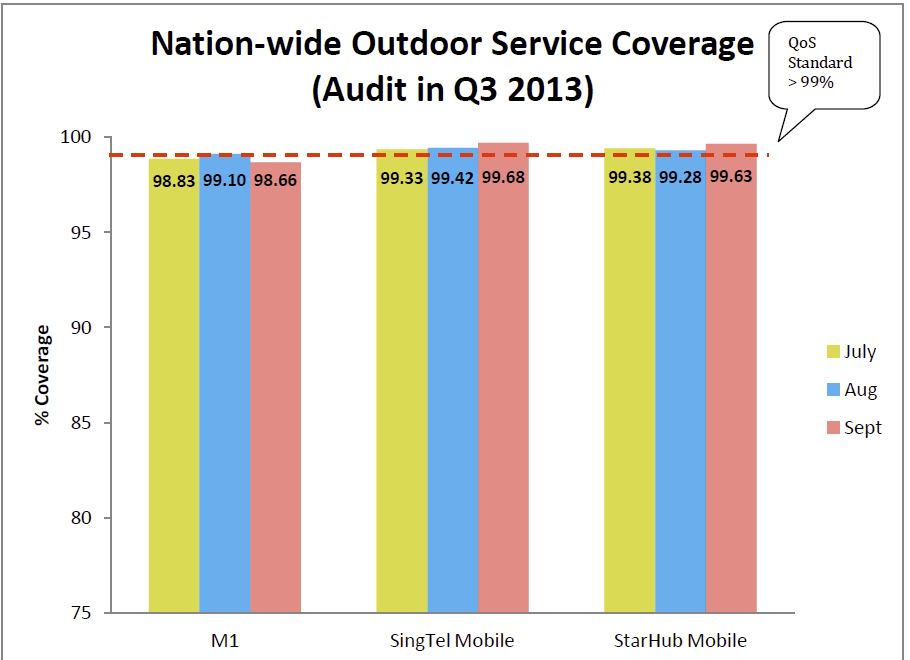
M1 fined for poor mobile coverage, SingTel and StarHub pass tests
While SingTel and StarHub users will be happy that the two operators…

Five ways technology and media can improve in 2014
There are so many ways to look back at some of the…
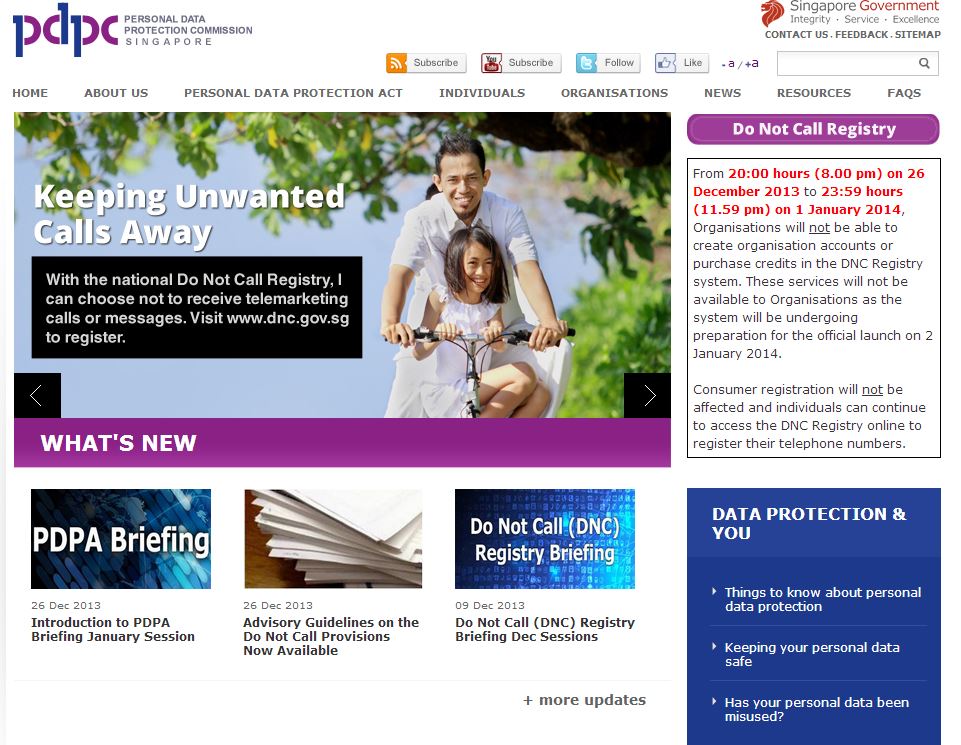
Commentary: Singapore’s do-not-call list disappoints with last-minute changes
Make no mistake, come January 2, 2014, spam will still be a…
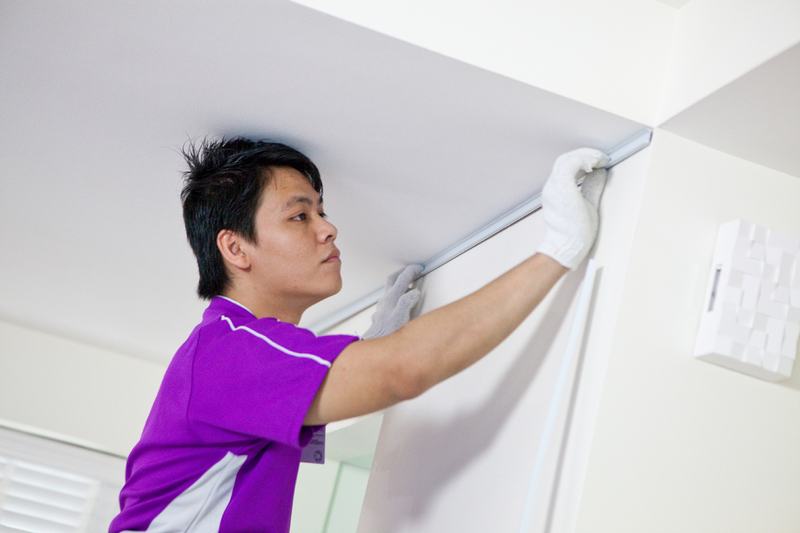
OpenNet fined S$750,000 for not connecting users, provisioning services too slowly
OpenNet has been fined a hefty S$750,000 after failing to connect up…

Commentary: Singapore hacking cases show importance of deep infocomm expertise
What's lacking are the battle-hardened code warriors, the experienced network engineers who…
IDA: “routing issue, hardware fault”, not hackers, downed government sites
So, in the end, it was an internal problem that caused the…

Commentary: should maintenance bring down government websites for hours?
While there is speculation on why and how the sites could have…
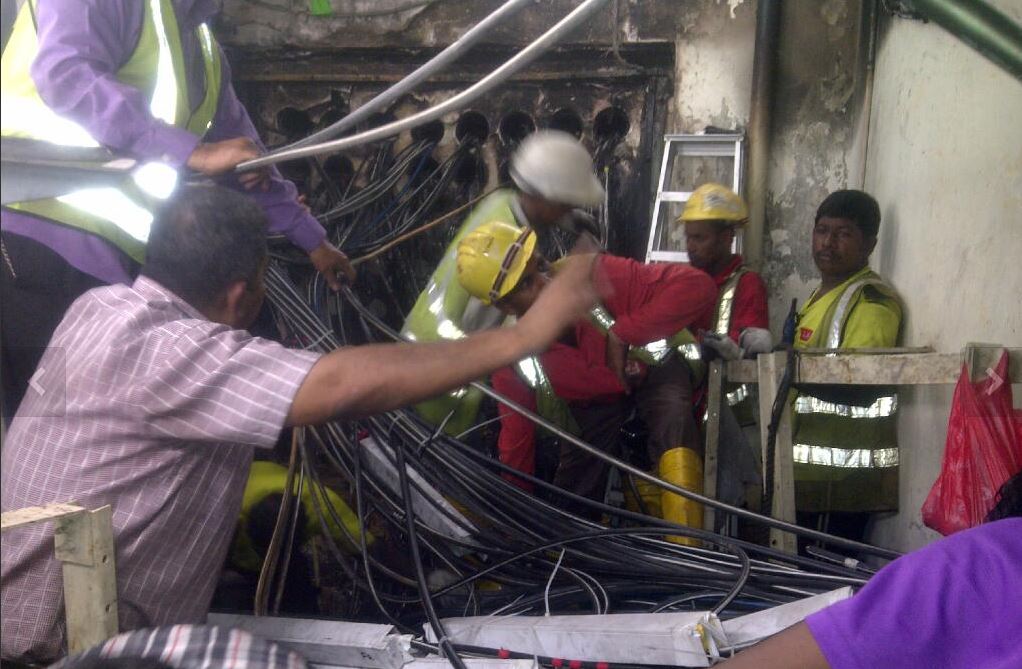
So, are Singapore’s telecom networks resilient?
The answer should be pretty straightforward for users, but Singapore's industry players…
Fewer Wireless@SG hotspots, so what?
By allowing telcos to decide what to do with their hotspots, the…
Record S$1.5m fine for M1 for Singapore’s worst mobile service disruption
In causing an outage that lasted several days, the telco had not…
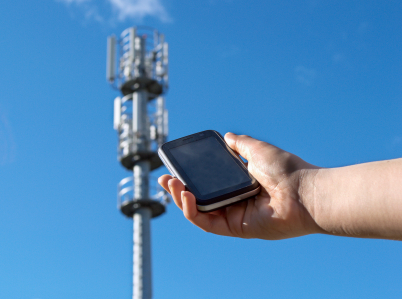
Big Three telcos get more bandwidth to deploy 4G in Singapore
Whether this will translate to better services, of course, still depends on…

Fibre optic ports to be standard in new Singapore homes
This means home owners won't have to arrange for their property to…