If you’ve always wanted a smartphone that shoots great photos for your holidays, then the Oppo Find X9 Ultra is surely one of the most capable in the market now.
It builds on last year’s Find X9 Pro, which already had an exceptional camera. What you get with the “ultra” version is a more ambitious camera system aimed at users who want more flexibility when taking their photos and videos.
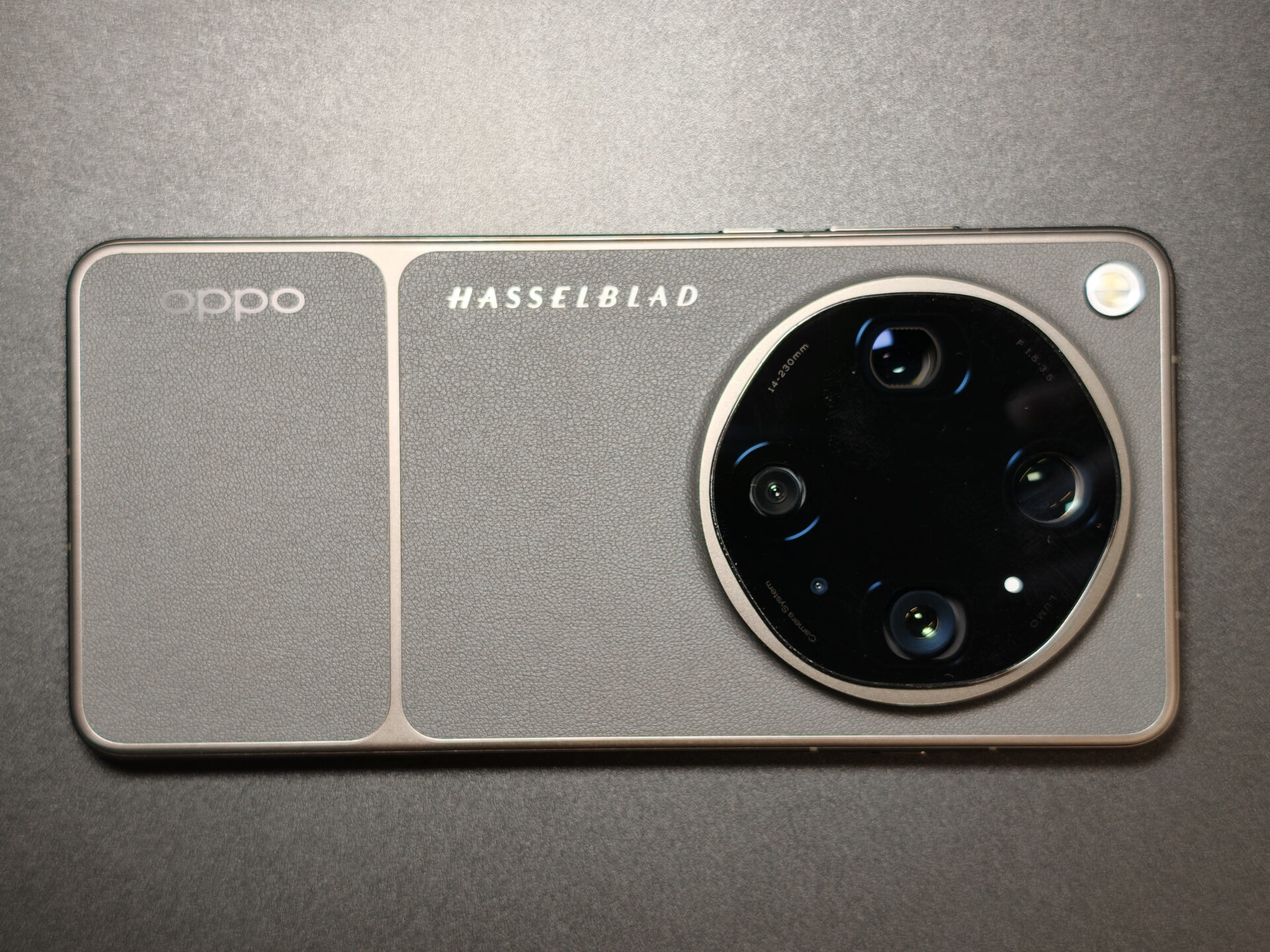
In hand, the new phone feels more refined than before. The bronze and leather finish on the black set stands out in a restrained way, while the serrated ring around the camera module adds a familiar touch, like a camera lens or a watch bezel.
At 236g, the Oppo Find X9 Ultra’s weight is noticeable but feels balanced, giving the phone a solid feel you would expect from a premium device. The flat aluminium frame helps with grip, though the 9.11mm thickness may be a stretch for smaller hands.
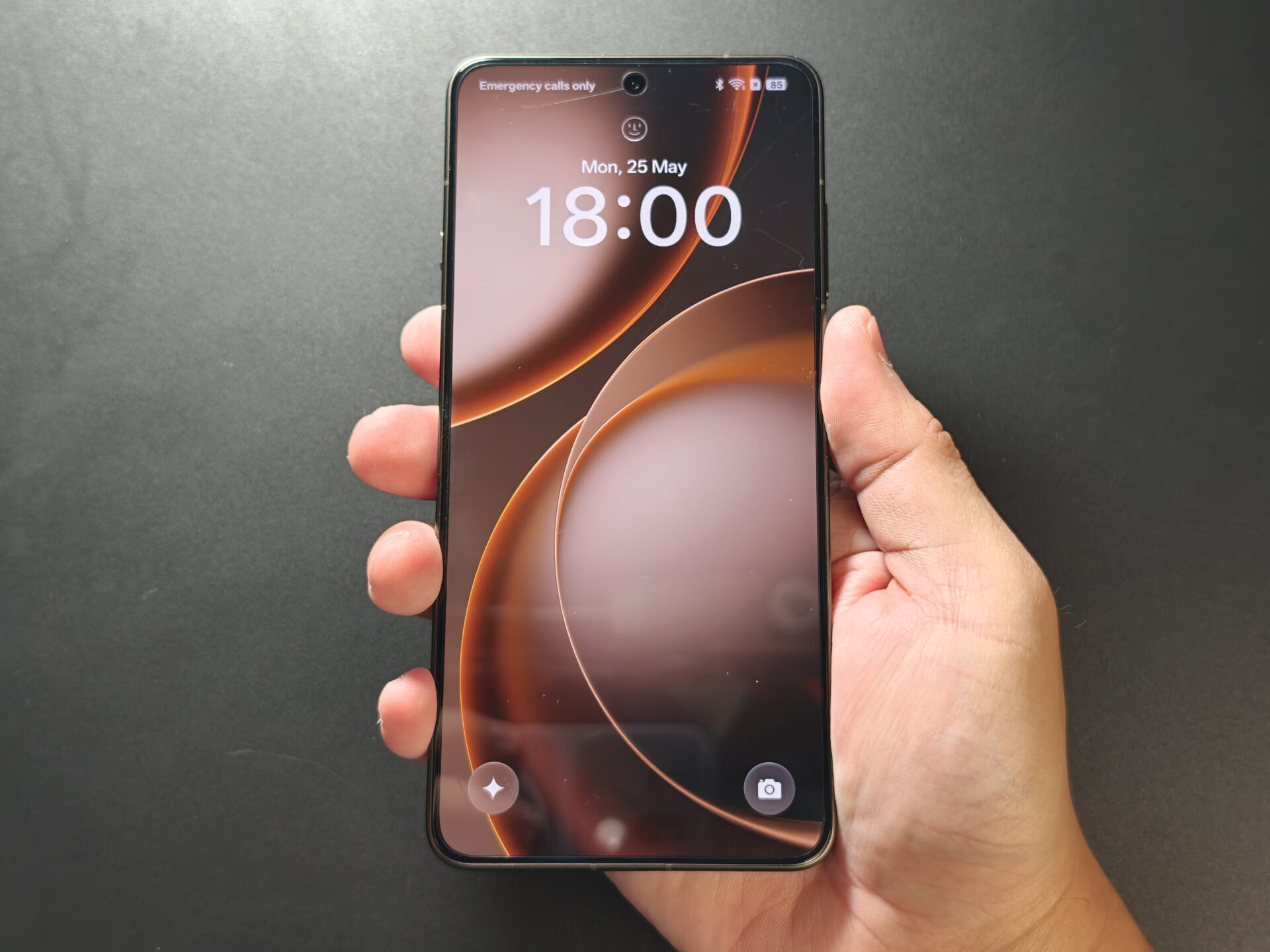
The 6.82-inch QHD+ AMOLED display is sharp and comfortable to use for long periods. It is best used in Natural mode, where colours look more accurate. This makes a difference when reviewing or editing photos on the phone.
Performance comes from the Qualcomm Snapdragon 8 Elite Gen 5 chip, paired with up to 16GB of RAM and 1TB of storage. In everyday use, the phone feels fast and responsive, whether switching between apps or working on photos and videos.
Battery life holds up well too. The 7,050mAh battery lasts through a full day without much concern, and the 80W charger brings it back up in about an hour. The Oppo Find X9 Ultra can be charged with a wireless charger too if you have lots of them lying around the house.
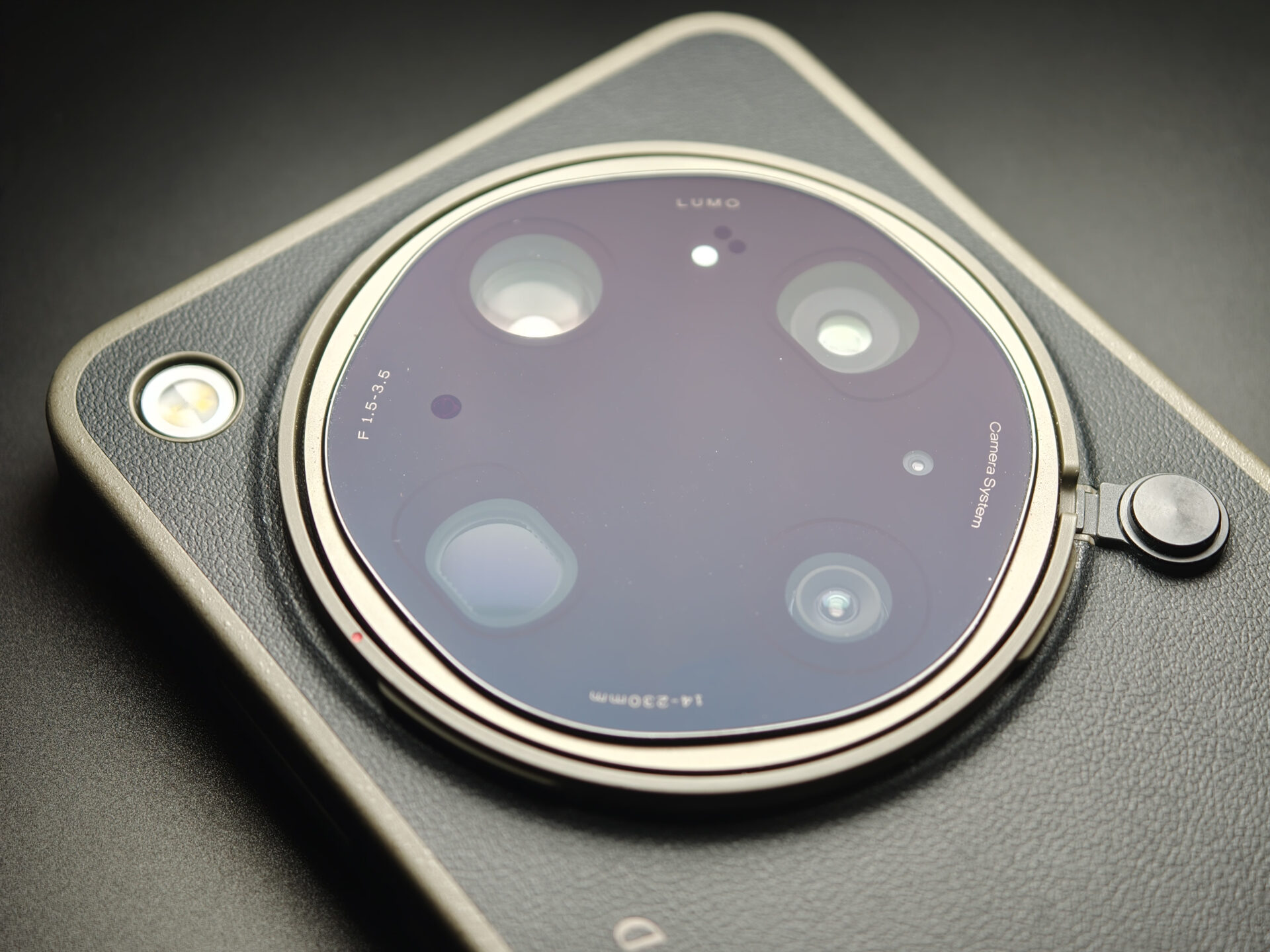

Photography is where the new Oppo phone sets itself apart. It combines several cameras – a 50-megapixel ultrawide camera, a 200-megapixel main camera, a 200-megapixel telephoto camera, a 50MP super telephoto camera with about 10 times optical zoom, plus a monochrome sensor working behind the scenes.
That monochrome sensor is not there for show. It captures only light and shadow, without colour, and this data is combined with the other cameras when a photo is taken.
The result is cleaner images with better contrast and less noise, especially in low light or scenes with strong highlights and shadows. It also helps with edge detection, so portraits look more natural, with background blur that does not feel artificial.
Oppo has also added a second telephoto lens with the Find X9 Ultra, which extends reach without relying too much on digital cropping from the phone’s 200-megapixel sensor. The result is a zoomed image that does not look over-sharpen.
Images tend to lean warm, with slightly darker and more saturated skin tones. Black and white shots benefit the most from the monochrome sensor, showing stronger contrast and a more defined look without heavy processing.


Besides the hardware, the imaging software matters too. On the Oppo Find X9 Ultra, there are built-in filters for quick edits, though shooting in RAW is still the better option if you want more control later.
Video features are solid, with 8K recording at 30fps and 4K at 120fps for slow motion. For stabilisation, you will need to step down to 4K at 30fps or 1080p at 60fps. A Pro Video mode with waveform monitoring is included, which makes the phone useful as a secondary camera for more serious work.
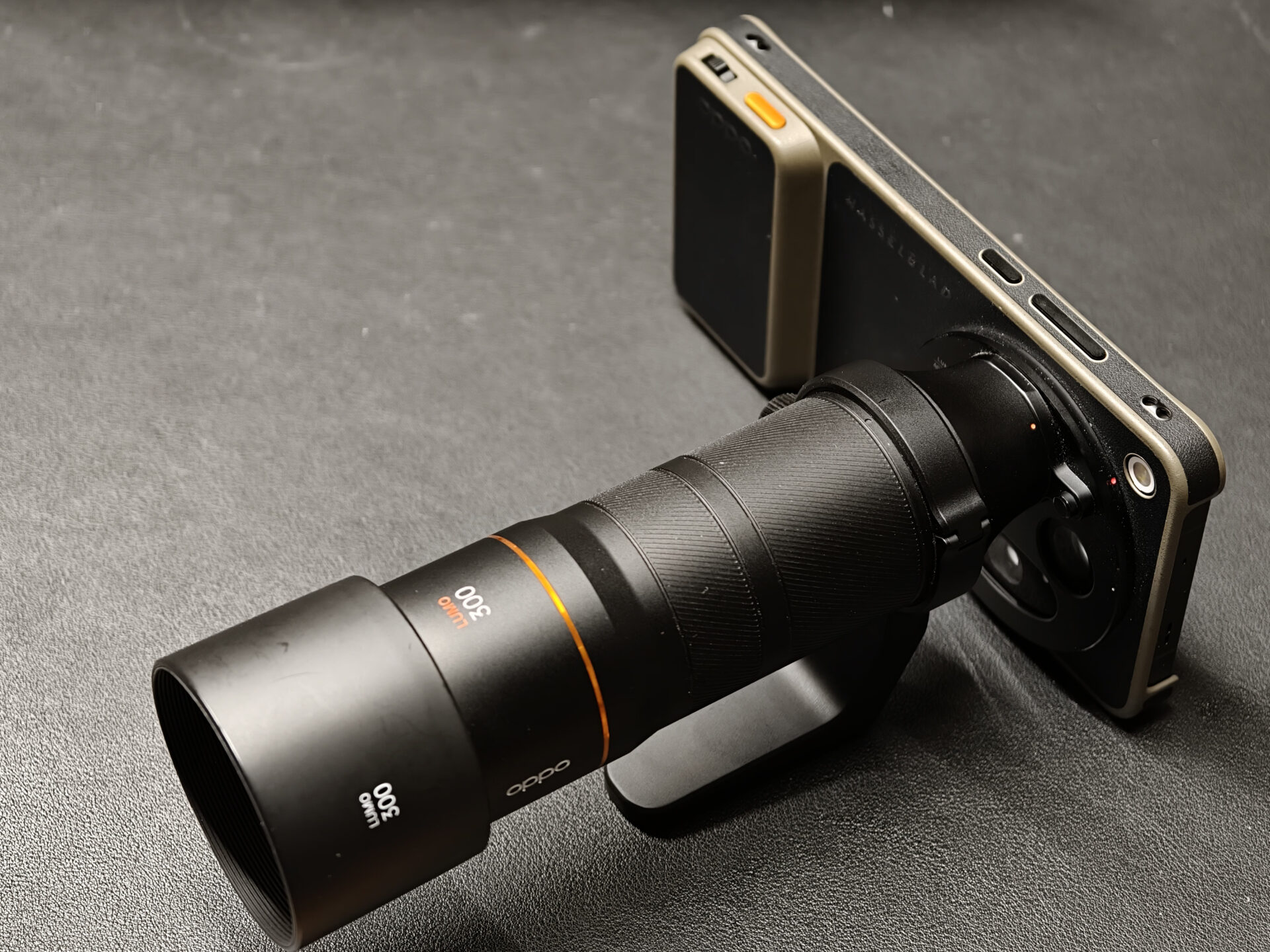
The optional Earth Explorer Kit adds more flexibility. It comes with a phone case that supports 67mm filters for long exposure or glare reduction, as well as a 300mm teleconverter for that extra reach without sacrificing image quality through cropping.
The idea is good, though the execution is less so. The grip feels too thin, and the zoom lever and shutter button are not easy to reach, so using the on screen controls is often simpler and faster.


You can say the Oppo Find X9 Ultra is built for users who want to shoot great photos and videos in a phone that covers a lot of the zoom range. It handles a wide range of shooting scenarios well, from wide landscapes to distant subjects.
My review unit with maxed-out 16GB of RAM and 1TB of storage is priced at S$2,599, which isn’t cheap. For most users, the 12GB RAM and 512GB version at S$2,199 probably makes more sense, with the savings better put towards the S$499 Earth Explorer teleconverter kit.
All said, this is one solid camera phone that can replace your compact camera – especially in situations when you need the zoom – during your holiday trips. It’s simply great for mobile photography.