By using this site, you agree to the Privacy Policy and Terms of Use.
Accept
TechgoonduTechgoonduTechgoondu
  • Audio-visual
  • Enterprise
    • Software
    • Cybersecurity
  • Gaming
  • Imaging
  • Internet
  • Media
  • Mobile
    • Cellphones
    • Tablets
  • PC
  • Telecom
Search
© 2023 Goondu Media Pte Ltd. All Rights Reserved.
Reading: Asia-Pacific data centre capacity to almost double by 2030: JLL
Share
Font ResizerAa
TechgoonduTechgoondu
Font ResizerAa
  • Audio-visual
  • Enterprise
  • Gaming
  • Imaging
  • Internet
  • Media
  • Mobile
  • PC
  • Telecom
Search
  • Audio-visual
  • Enterprise
    • Software
    • Cybersecurity
  • Gaming
  • Imaging
  • Internet
  • Media
  • Mobile
    • Cellphones
    • Tablets
  • PC
  • Telecom
Follow US
© 2023 Goondu Media Pte Ltd. All Rights Reserved.
Techgoondu > Blog > Enterprise > Asia-Pacific data centre capacity to almost double by 2030: JLL
Enterprise

Asia-Pacific data centre capacity to almost double by 2030: JLL

Ai Lei Tao
Last updated: September 9, 2026 at 2:38 PM
Ai Lei Tao
Published: September 9, 2026
4 Min Read

Driven by rapidly growing AI and cloud usage, the data centre capacity in Asia-Pacific is expected to nearly double from 32GW today to 57GW by 2030, according to real estate and investment management firm JLL.

The enormous amounts of power used by data centres in the region and around the world are reversing the trend of stable or declining electricity demand for the past decade, it revealed yesterday.

Transmission infrastructure is struggling to keep pace with the decentralised growth of new renewable energy sources, it cautioned.
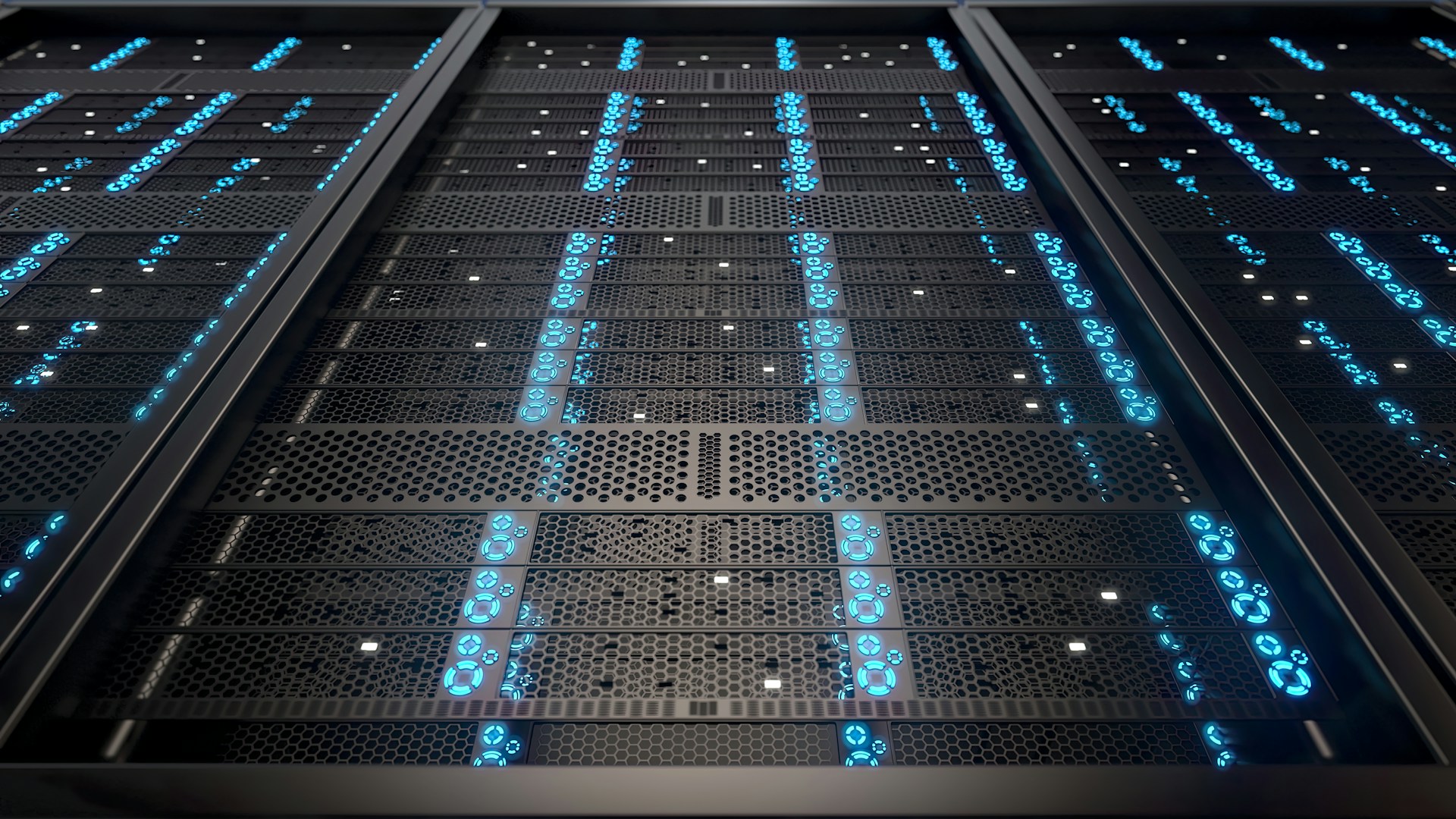
PHOTO: Getty Images via Unsplash

This has resulted in grid congestion in major markets across the United States, Europe and the Asia-Pacific. Many power grids were originally designed around large, centralised power stations.

According to JLL, hyperscalers have announced US$200 billion in capital expenditure for 2026, a growth of 51 per cent from 2025. However, interconnection queues for new renewable projects can stretch to four years or more, with some areas having to pause new connections entirely.

In the US, interconnection reform and merchant power exposure are influencing deal structures. In Europe, regulatory frameworks are developing quickly but unevenly across member states. In Asia-Pacific, data centre construction is exceeding grid planning in several markets.

“We’ve seen a generational shift in power demand as a result of data centres and AI,” said Steven Jack, head of energy and infrastructure advisory for Europe, the Middle East and Africa at JLL. “This was not on the radar until very recently.”

He noted that utilities organisations are expecting power demand to nearly double their previous estimates.

“For any energy developer, without a grid connection, you don’t have a project,” he added. “For investors, this grid congestion translates directly into risk, but it also creates a scarcity premium for assets that provide or secure grid access.”

Amid geopolitical uncertainty, companies are increasingly looking at energy self-generation as a way to improve energy security and reduce power costs, he noted.

In addition, battery energy storage systems are becoming a key solution to ease grid congestion and manage renewable energy intermittency.

Batteries can “act as shock absorbers for constrained grids, charging when power is cheap and abundant, then discharging when demand and price are high,” said Matt Eastwick, group head and senior managing director for energy and infrastructure advisory for the US at JLL.

Grid access challenges are driving closer collaboration between energy developers and data centre operators across major global markets, according to JLL.

To secure power supply, large technology companies are increasingly entering the energy market, such as by acquiring operating renewable assets, it pointed out.

It cited a recent example where a Bitcoin miner in Texas bought an operating wind farm to guarantee reliable power supply.

James Cameron, head of energy and infrastructure for Asia-Pacific at JLL, said that the status and location of grid connection has become a key factor in investment decisions in liberalised markets in Asia-Pacific, such as Australia, India, Japan and the Philippines.

In Australia, he said that expected legislation may require data centre developers to match new capacity with additional renewable power generation.

This is also encouraging new models from joint ventures to the integration of batteries in data centre design to support grid connection, he added.

“While the solution will differ depending on circumstances, it is clear we will see many more partnership opportunities and innovative solutions between data centre and energy clients across the region,” he noted.

IBM, AMD partner to advance quantum-centric supercomputing
Nutanix aims to be US$3 billion company by 2021
NetSuite expects to set up data centres in Asia by 2017
Made-in-Singapore tech – the next leap
Diversity strategies for the technology sector
TAGGED:AIAsia-Pacificdata centregrid planningJLLpower gridrenewable energytop

Sign up for the TG newsletter

Never miss anything again. Get the latest news and analysis in your inbox.

By signing up, you agree to our Terms of Use and acknowledge the data practices in our Privacy Policy. You may unsubscribe at any time.
Share This Article
Facebook Whatsapp Whatsapp LinkedIn Copy Link Print
Avatar photo
ByAi Lei Tao
Ai Lei is a writer who has covered the technology scene for more than 20 years. She was previously the editor of Asia Computer Weekly (ACW), the only regional IT weekly in Asia. She has also written for TechTarget's ComputerWeekly, and was editor of CMPnetAsia and Associate Editor at Computerworld Singapore.
Previous Article Belkin ConnectAir review: Wireless HDMI display adapter hooks up screens effortlessly
Leave a Comment

Leave a ReplyCancel reply

This site uses Akismet to reduce spam. Learn how your comment data is processed.

Stay Connected

FacebookLike
XFollow

Latest News

Belkin ConnectAir review: Wireless HDMI display adapter hooks up screens effortlessly
Audio-visual Mobile
September 8, 2026
HP OmniBook 5 review: AMD Ryzen proves an able engine for everyday laptop
PC
September 7, 2026
LG OLED evo AI C6 TV review: OLED still king of image quality
Audio-visual
September 3, 2026
As tokenmaxxing hits a wall, Asean businesses rethink AI spend
Enterprise
September 2, 2026

Techgoondu.com is published by Goondu Media Pte Ltd, a company registered and based in Singapore.

.

Started in June 2008 by technology journalists and ex-journalists in Singapore who share a common love for all things geeky and digital, the site now includes segments on personal computing, enterprise IT and Internet culture.


banner							
banner
Everyday DIY
PC needs fixing? Get your hands on with the latest tech tips
READ ON

banner							
banner
Leaders Q&A
What tomorrow looks like to those at the leading edge today
FIND OUT

banner							
banner
Advertise with us
Discover unique access and impact with TG custom content
SHOW ME


POWERED BY READYSPACE
The Techgoondu website is powered by and managed by Readyspace Web Hosting.

TechgoonduTechgoondu
© 2026 Goondu Media Pte Ltd. All Rights Reserved | Privacy | Terms of Use | Advertise | About Us | Contact
Follow Us!
Hear the signal from the noise. Essential tech analysis from our Reality Check newsletter.

Zero spam. Unsubscribe at any time.
Loading Comments...
Welcome Back!

Sign in to your account

Username or Email Address
Password

Lost your password?