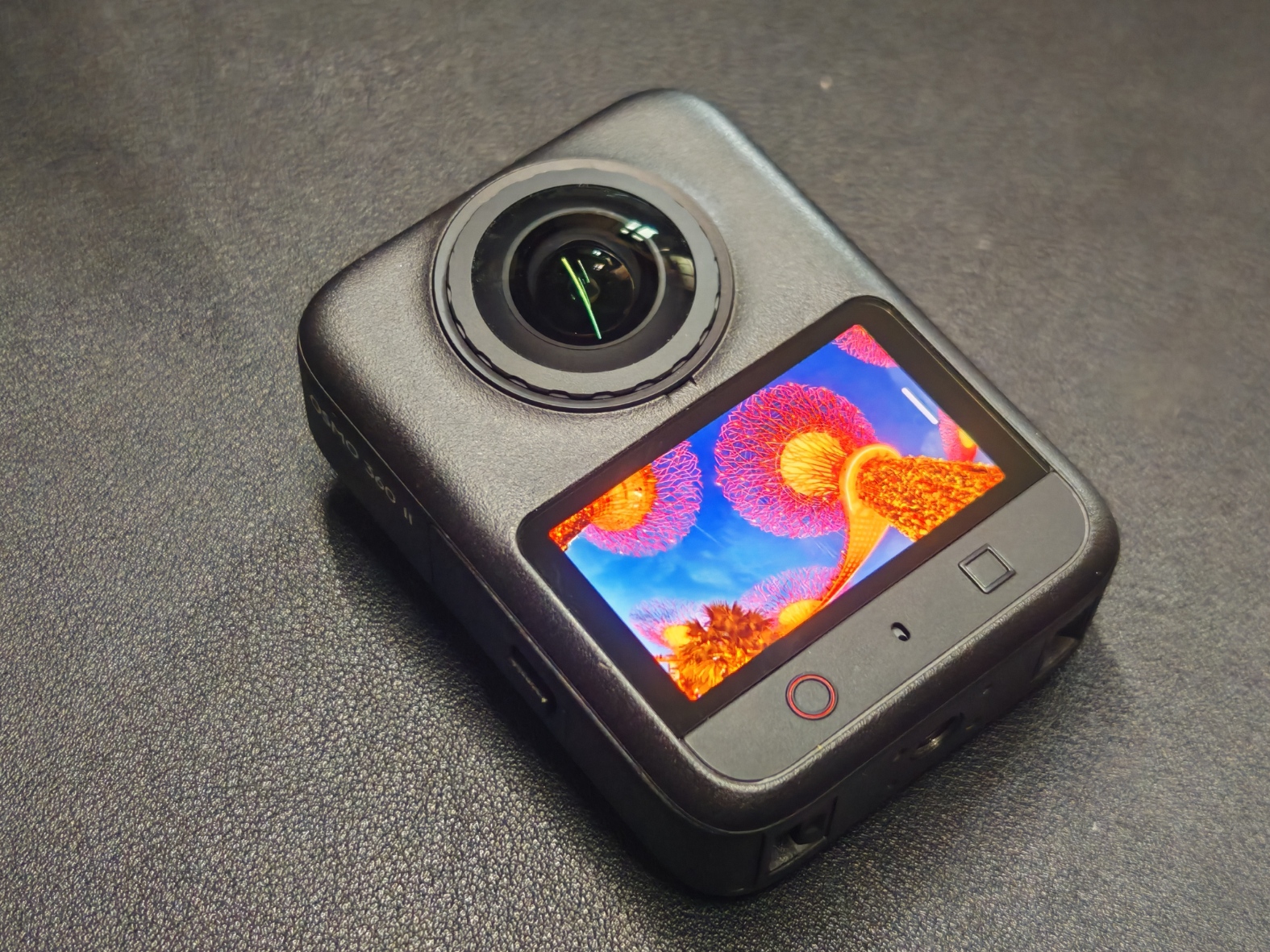
As its name implies, the DJI Osmo 360 II is a follow-up to the Chinese drone maker’s 360-degree compact camera of a similar name from last year. Easy to carry around and shoot videos with, it’s aimed once again at content creators on the move.
The new camera is great for those who want to record an entire scene first so they can later decide on the final composition. That’s a trick that’s handy when you are pressed for time.
With 8K video at up to 60 frames per second, a new 1-inch square HDR sensor and improved low-light processing, the DJI Osmo 360 II promises to produce sharper and cleaner footage.
At 183g, it’s also light enough to bring around everywhere with you. Its small body should make it easy to mount on a selfie stick, helmet, motorcycle, bicycle or tripod without adding too much weight.
The camera is somewhat bulkier than the stick-like design of the Insta360 X6. When mounted on a selfie stick or vehicle, the slimmer X6 profile protrudes less, which can reduce the chance of the camera catching on branches, ropes or other obstacles in tight environments.
This is worth considering if you plan to use a 360-degree camera for cycling or other outdoor activities where the camera may come close to surrounding objects.
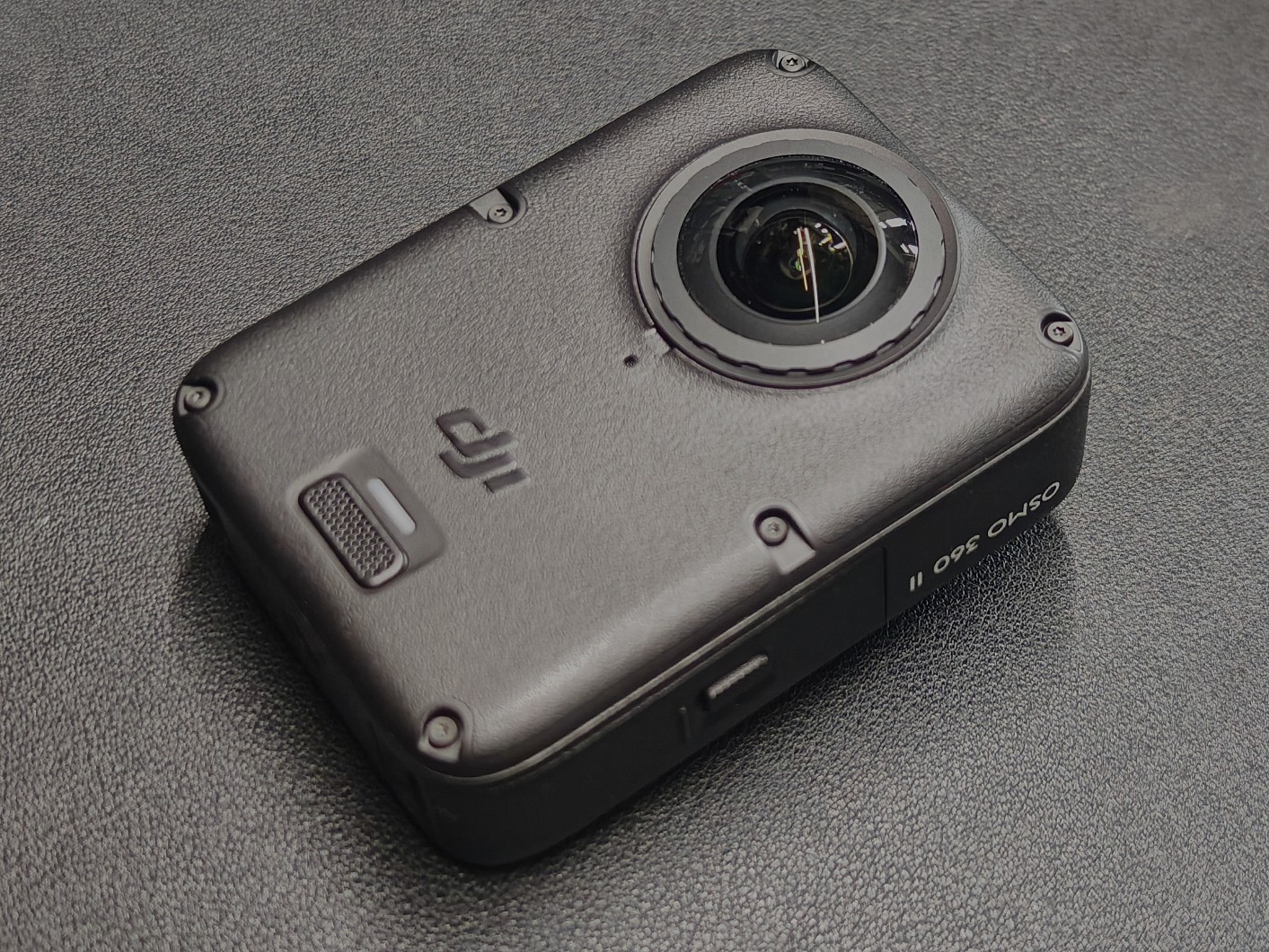
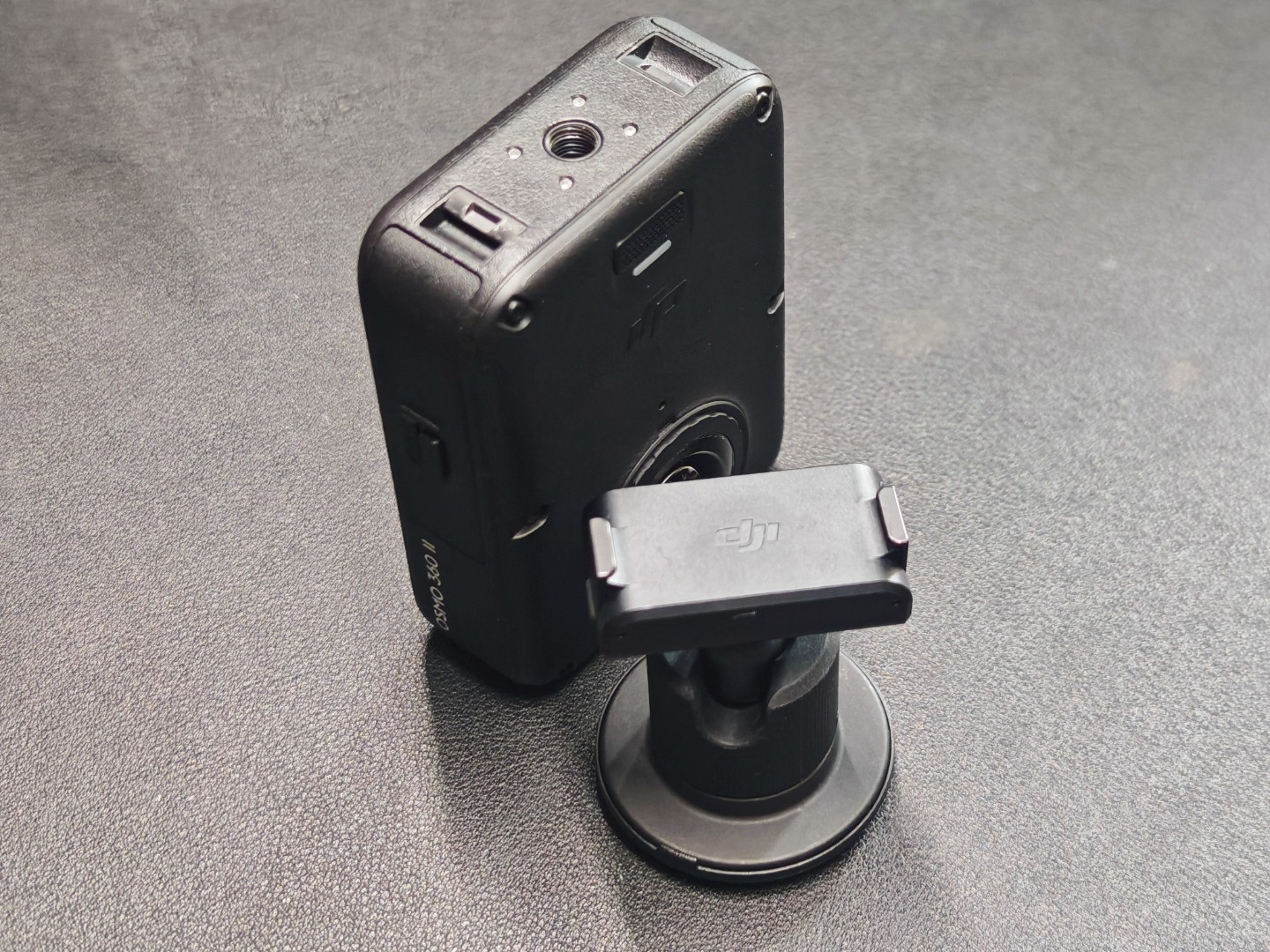
The Osmo 360 II has both a magnetic quick-release system and a standard 1/4-inch tripod thread. This should make it compatible with common camera accessories such as clamps and tripods, while DJI’s own magnetic clamping system makes it convenient to mount the camera onto different surfaces quickly without screwing in the camera.
The replaceable lenses are one of the more useful changes. The lenses remain exposed when the camera is mounted, so scratches and damage are realistic concerns for action users. It is cheaper to replace a damaged lens speedily to continue shooting rather than replacing the whole camera.
DJI says the lenses use an ultra-hard optical film for improved resistance against scratches and wear. This is useful protection, but it does not make the lenses damage-proof. You should still use a proper case when carrying the camera in a bag or mounting it close to rocks, sand or other hard surfaces.
The camera is waterproof to 10m without an additional case and should be enough for snorkelling or use in the swimming pool. With the Invisible Waterproof Case, the depth rating increases to 50m – perfect for recreational divers. Remember to switch on the diving mode in the menu to correct the distortion caused by the water surrounding the camera.
DJI has also added gesture and voice control. These features are particularly useful when the camera is mounted on a motorcycle, bicycle or selfie stick, since reaching for the camera may be unsafe or inconvenient. You can also start recording by twisting the selfie stick twice.
The built-in four-microphone array includes wind noise reduction. It should be adequate for casual clips, but users recording serious interviews or narration will probably still want a separate wireless microphone such as the DJI Mic 3, DJI Mic 2 and DJI Mic Mini.
The main feature is the new 1-inch square HDR image sensor. A square sensor makes better use of the available space in a 360-degree camera because it can support the wide field of view from both lenses without wasting as much sensor area as a conventional 4:3 sensor.
The Osmo 360 II can record 8K 360-degree video at up to 60 frames per second, useful for those dramatic slow-motion captures. The higher resolution gives users more room to crop, rotate and stabilise the final video without losing as much detail.
Notably, the camera can record 8K video at 30 frames per second for up to 100 minutes. For long shooting days, bring along a charging hub with a USB-C port that can charge two more batteries as backup.
On the plus side, the camera includes 105GB of built-in storage. This is a welcome feature because it provides a backup when a memory card is full or unavailable. It should not replace a removable card for longer trips, since 8K footage can fill storage quickly.
Every video format supports 10-bit colour and the D-Log M colour profile, giving you more flexibility when adjusting colour during editing. If you also use DJI drones or action cameras, the Osmo 360 II should make it easier to achieve a more consistent look across footage from different devices.
Other modes include 120-megapixel HDR 360-degree photos, 16K 360-degree time-lapse, 8K 120-frame-per-second Vortex footage and a 64-times panoramic slow-motion mode created through AI frame interpolation in DJI Studio.
The DJI Osmo 360 II is designed around the main advantage of a 360-degree camera so you can record first and choose the final viewpoint later. This is useful for travel videos, cycling footage and solo filming because you don’t need to point the camera perfectly while recording.
The 8K resolution provides more flexibility when reframing footage into a standard widescreen format. It is also useful for distant subjects and fast-moving scenes, where lower-resolution footage can lose detail and appear soft after cropping.
The larger sensor, combined with AI-assisted low-light processing and the 14.5-stop dynamic-range, also improves video quality at night. Footage remains sharp and clear for the most part, provided you do not push the digital zoom too far.

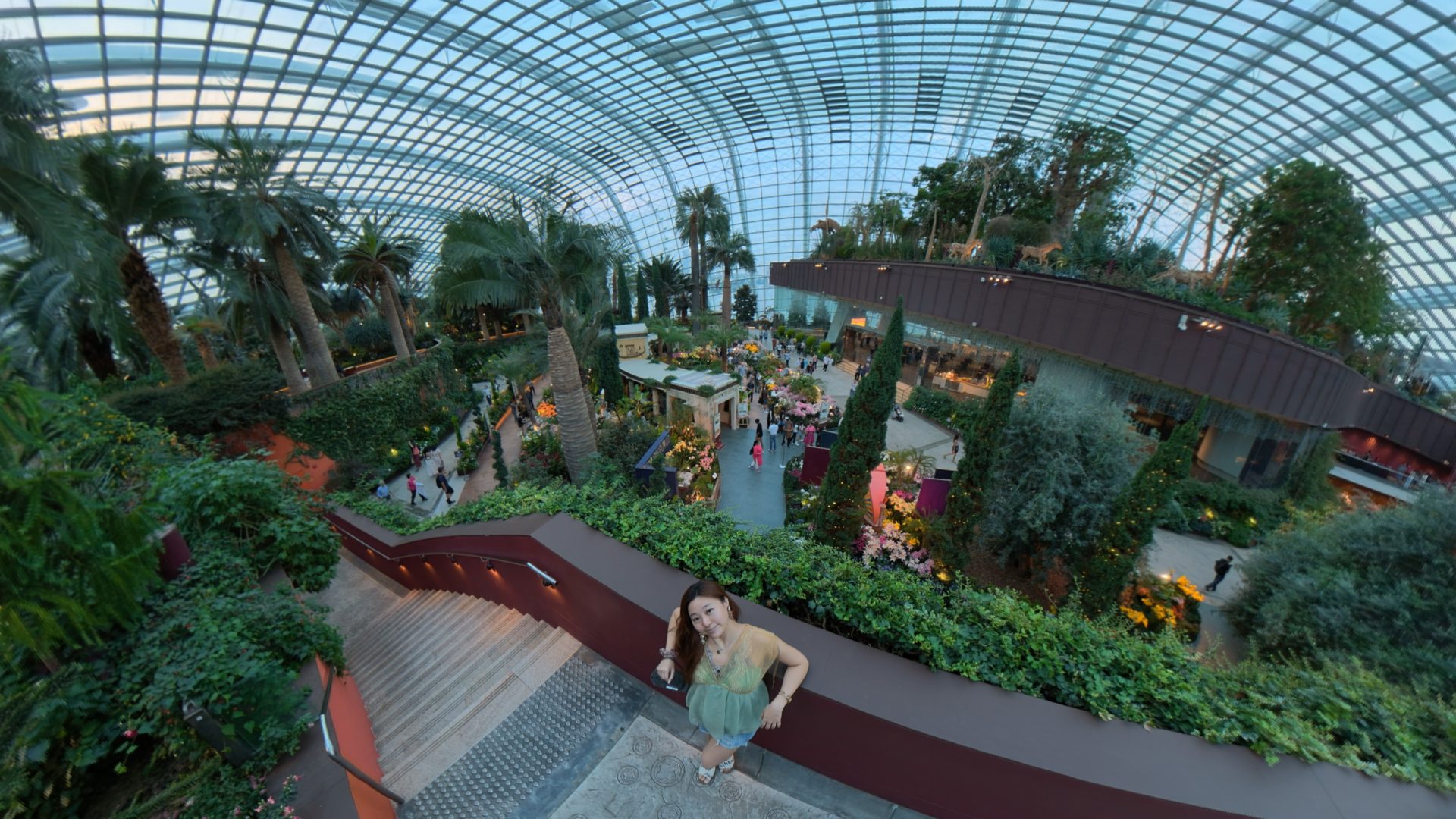
For action use, recording at 8K and 60 frames per second should make fast movement smoother and provide more frames for editing. For more creative flair, introduce a slow-motion action sequence. The larger resolution allows better software stabilisation too.
The 120-megapixel photo mode is useful for quickly creating detailed 360-degree images or panoramas. Unlike a multi-image panorama that combines several exposures, this captures a scene in a single shot. So, you reduce the risk of moving subjects appearing blurred, duplicated or misplaced in the final image.
The camera is likely to appeal most to creators who want flexible viewpoints, invisible selfie-stick effects and quick action footage. It is less compelling for photographers who mainly want the highest-quality conventional still images or cinematic video from a fixed viewpoint.
The DJI Osmo 360 II is priced at S$669 for the Standard Combo, S$699 for the Limitless Riding Combo and S$799 for the Adventure Combo. The Standard Combo is likely to make the most sense for first-time users who already own a tripod, selfie stick or other compatible accessories.
The Limitless Riding Combo should be considered by cyclists and motorcyclists who need the riding-focused accessories. The Adventure Combo costs S$130 more than the Standard Combo, so buyers should check whether the included accessories are useful before paying the difference.