
American robotaxi operator Waymo will be launching a ride-hailing service in Singapore in 2028 that uses driverless electric vehicles to bring passengers around the city-state, in a potentially big disruption for the transport sector.
Users will make bookings via the Waymo app, which will be available after the company has finished testing and training its autonomous cars in local conditions.
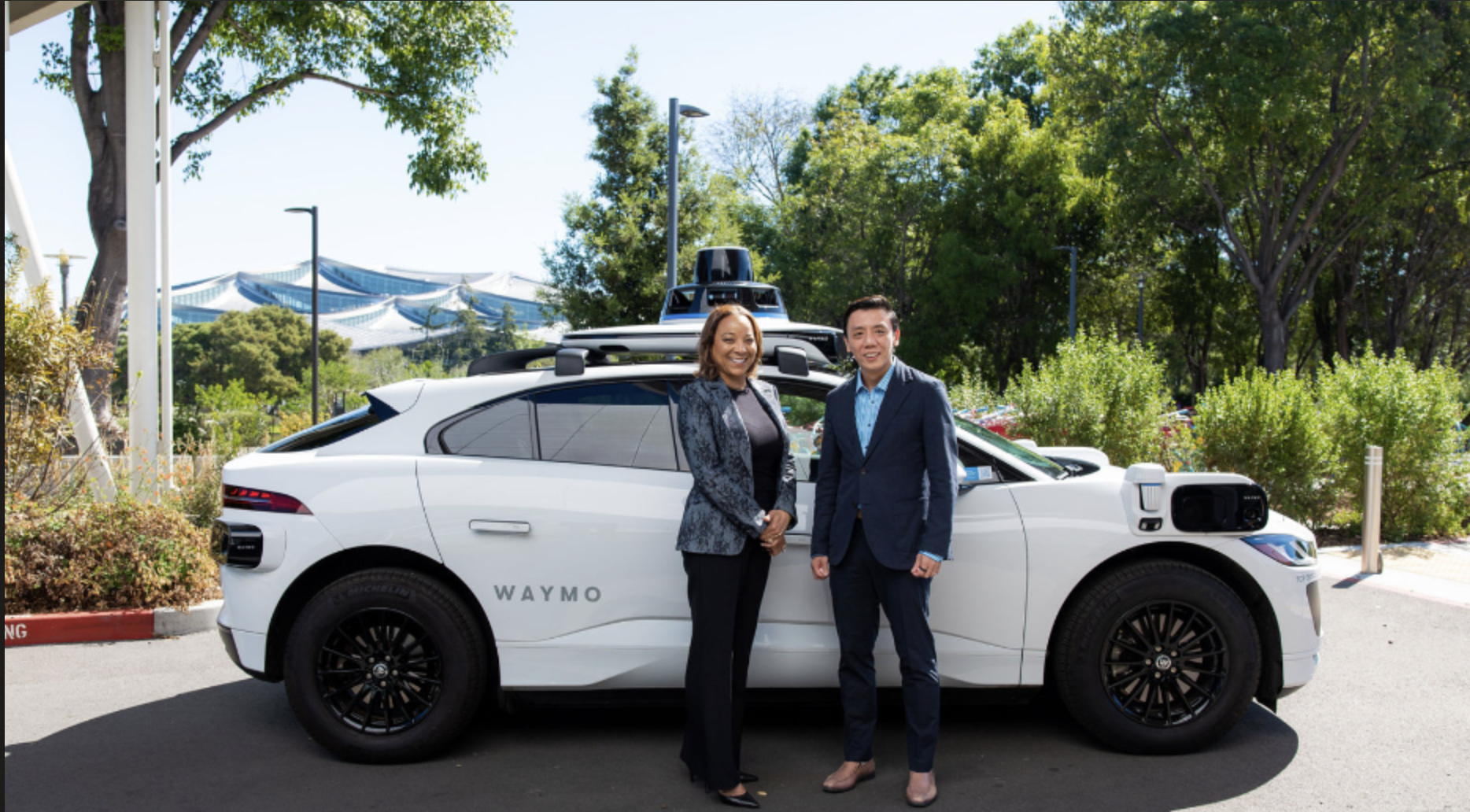
The first of Waymo’s autonomous vehicles – an all-electric Jaguar i-Pace sport utility vehicle – is arriving in Singapore in the coming months. After that, the company’s staff will drive the vehicles around town to adapt to local road geometry, monsoon weather patterns and the environment here.
The promise: Safer roads and more convenient access with carefully driven vehicles, which don’t involved tired or disgruntled human drivers.
Waymo’s launch today marks the first big commercial robotaxi service to be announced here, even though Southeast Asia-based ride hailing operator Grab has been running an autonomous vehicle trial in Punggol with China’s WeRide for several months.
Grab plans to expand its driverless fleet from 10 to 50 over the next six months, as it looks beyond Punggol to grow its service across the island.
The response so far to the driverless vehicles has been positive, with 99 per cent of people who have sat in one willing to recommend it to others, said Transport Minister Jeffrey Siow, at the Waymo launch today.
With Waymo entering the market, Singapore will have “several hundred” driverless passenger vehicles in the next two years, he added.
It is not known how many vehicles Waymo would eventually deploy in Singapore, which is one of several markets, including Tokyo, London and Munich, where it is seeking to roll out robotaxi services across the world.
Waymo now operates in 15 American cities, such as San Francisco and Phoenix, with close to 4,000 vehicles. Owned by Google parent Alphabet, it was started as an experimental self driving car project in 2009.
Since then, Waymo vehicles have clocked over 20 million fully autonomous rides over 300 million kilometres, though these have not always been smooth drives.
Occasional cases of Waymo vehicles congregating on a street have amused people, though more serious issues have included vehicles stuck in an “AI loop” navigating puddles on a street or being jammed-up at traffic junctions when the lights are out.
In Singapore today, Waymo co-chief executive officer, Tekedra Mawakana, emphasised that safety was paramount. “At every step, our progress will be anchored in open communication, active listening, and collaboration.”
She had met Siow in Waymo headquarters in the United States back in March. It was a meeting, according to the Singaopre transport minister, which convinced the company to come to Singapore.
While fully electric robotaxis could bring enormous benefits, for example, by reducing carbon admissions and making roads safer (Waymo says it has reduced injury-causing accidents by 94 per cent), how the market responds to Waymo’s entrance is yet unclear.
Fellow American ride-hailing firm Uber had exited Singapore and Southeast Asia in 2018, after a gruelling fight for the regional market. Will Waymo fare better against the incumbent competition?
Speaking to an industry audience today, Siow said Waymo was one company he particularly wanted to see. Yet, he was also quick to emphasise that such driverless vehicles will still be a small part of the city-state’s fleet of 70,000 taxis and private hire vehicle drivers.
Support, in the form of government grants, will be given to drivers who want to reskill to be part of driverless fleet operations, as companies such as Waymo open offices in Singapore, he said.
And finally, how will private car owners be affected? In Singapore, where a Certificate of Entitlement that is needed to own a car now cost a record-high of over S$130,000, another big ride hailing operator bidding for the same certificate could drive prices even higher.