
There’s no shortage of soundbars in the market today so when the Sonos Beam Ultra appeared in Singapore some weeks ago, it faced a highly competitive market.
What it has in its favour is something that Sono has done so well over the years – big sound in small speakers that would fit well in most Singapore homes.
Despite its Ultra moniker, the new soundbar isn’t much bigger than previous compact Beam soundbars the Sonos family. Place it next to the earlier Sonos Beam (Gen 2) and you’d find they are pretty close in terms of size.
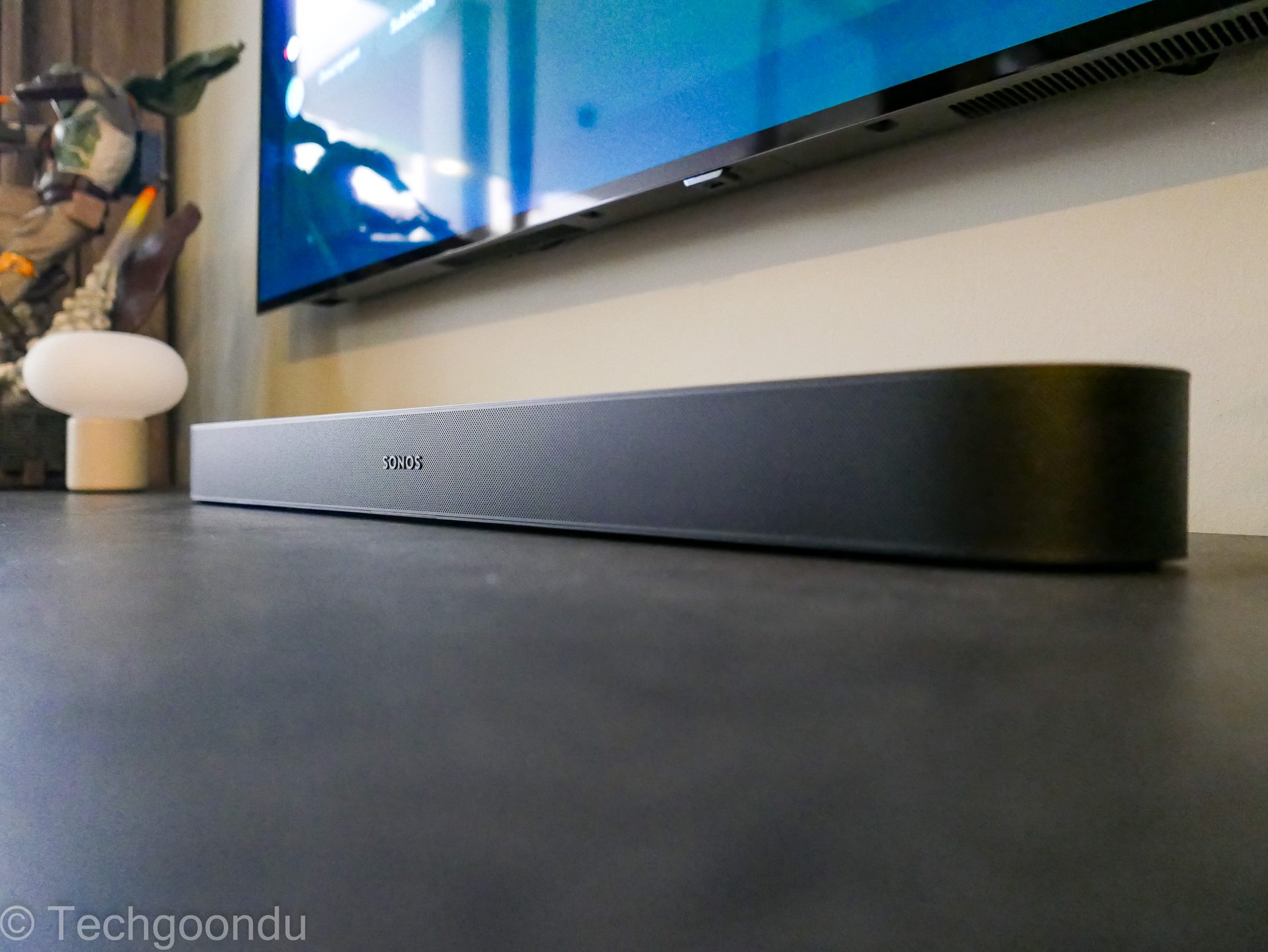
The Sonos Beam Ultra is 75cm long, which will fit under TVs from 50 to 65 inches just fine. Under a 77-inch LG OLED TV, it does look a bit small.
That said, the sound is anything but small. The Dolby Atmos-compatible soundbar pumps up large-scale movie effects and envelops you with surround sound surprisingly well for its size.
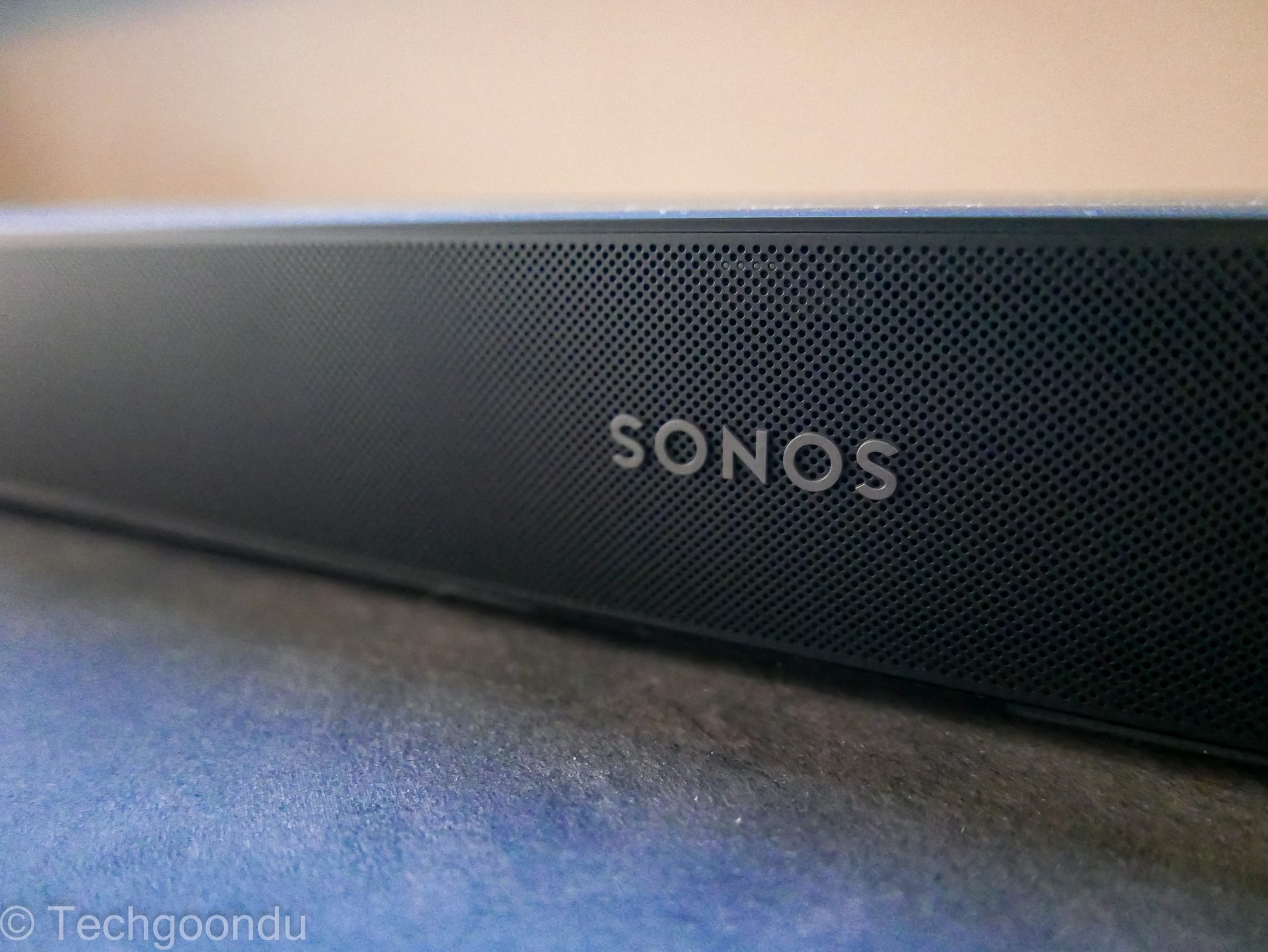
Crucial to this is the 7.1.2 setup inside the compact enclosure. Five tweeters, including one front facing and two firing sideways and two upwards, take on the job of getting the mid-range to your ears. Two subwoofers handle the low rumble and other bass notes.
Powering the nine drivers in the soundbar are nine separate Class D amplifiers. Over the years, Sonos has relied on these efficient and powerful components to drive its soundbars and the ones in the Beam Ultra impress once again.
I fire up some familiar scenes on my TV and the new soundbar is up to the mark for almost everything I throw at it.
One scene, the opening from All Quiet on the Western Front, is particularly awe-inspiring and scary. There is good detail and clarity to each element in the movie – machine gun bullets zip through the air as artillery shells rock the ground around the soldiers who run through the carnage.
In most movie scenes I play on my TV, the Sonos Beam Ultra is able to match with scale. The first encounter with the sandworm in Dune, for example, showcases the soundbar’s ability to project large sound effects with control.
Just as impressive is the seaside rescue scene from Roma. The waves crashing against the characters as they struggle from the water to the safety of shore are thunderous in their presentation. Adding to this is the enveloping audio that makes you feel like you are in there with the characters.
Certainly, Dolby Atmos makes a big difference with surround effects. Another scene I always go to is a brief one in The Old Guard, where a plane flies overhead. Here, you can sense the up-firing speakers in the soundbar doing their job to make you feel that the sound is coming from above (it is reflected from the ceiling).
Yet another scene that is captivating is the musical performance in Sinners, where you clearly feel the vibration of the crowd’s foot tapping and sense the audio moving all around you, following the movement of the camera around a saw mill. It’s a complex scene and the Sonos soundbar doesn’t get overwhelmed by the many elements.
What about non-Atmos content? Well, it is presented decently too. The surround effects may not be as pronounced but the soundbar still works well with tight bass control and by keeping dialogue clear throughout.
One example is the classic shootout scene in The Book of Eli. You hear the each bullet fly around Denzel Washington’s character and hitting an object with a distinct thud. Height speakers would have been great for this movie, which was before Dolby Atmos.
My living room has glass on one side and opens on the other to a dining area but the surround effects still sound pretty good, likely thanks to the room calibration provided by Sonos TruPlay. Make sure you set up your soundbar with this feature.
What I’m also impressed with is the quality of the mid-range that the Sonos Beam Ultra is capable of. I actually played through A Star is Born again while testing the soundbar, because the famous duet between Lady Gaga and Bradley Cooper was so enchanting.
You get a good sense of the “live” concert but not without an overly veiled presentation that dooms most soundbars to poor musical performance. For a music-heavy movie like this, the Sonos soundbar works well.
So, does it work well with pure music playback, like lossless tracks on Spotify? Well, if you don’t have a pair of hi-fi speakers to compare, I’d say the Sonos Beam Ultra is plenty good. Tracks come across clear and with presence, without some of the heaviness that other soundbars are often stuck with.
That said, playing the same track with my Bowers & Wilkins bookshelf speakers, I immediately hear the difference. The hi-fi setup, which includes separate components like pre-amps and amplifiers, is more airy, transparent and detailed. It has more depth and realism. Okay, to be fair, that’s pitting a Ferrari against a Toyota.
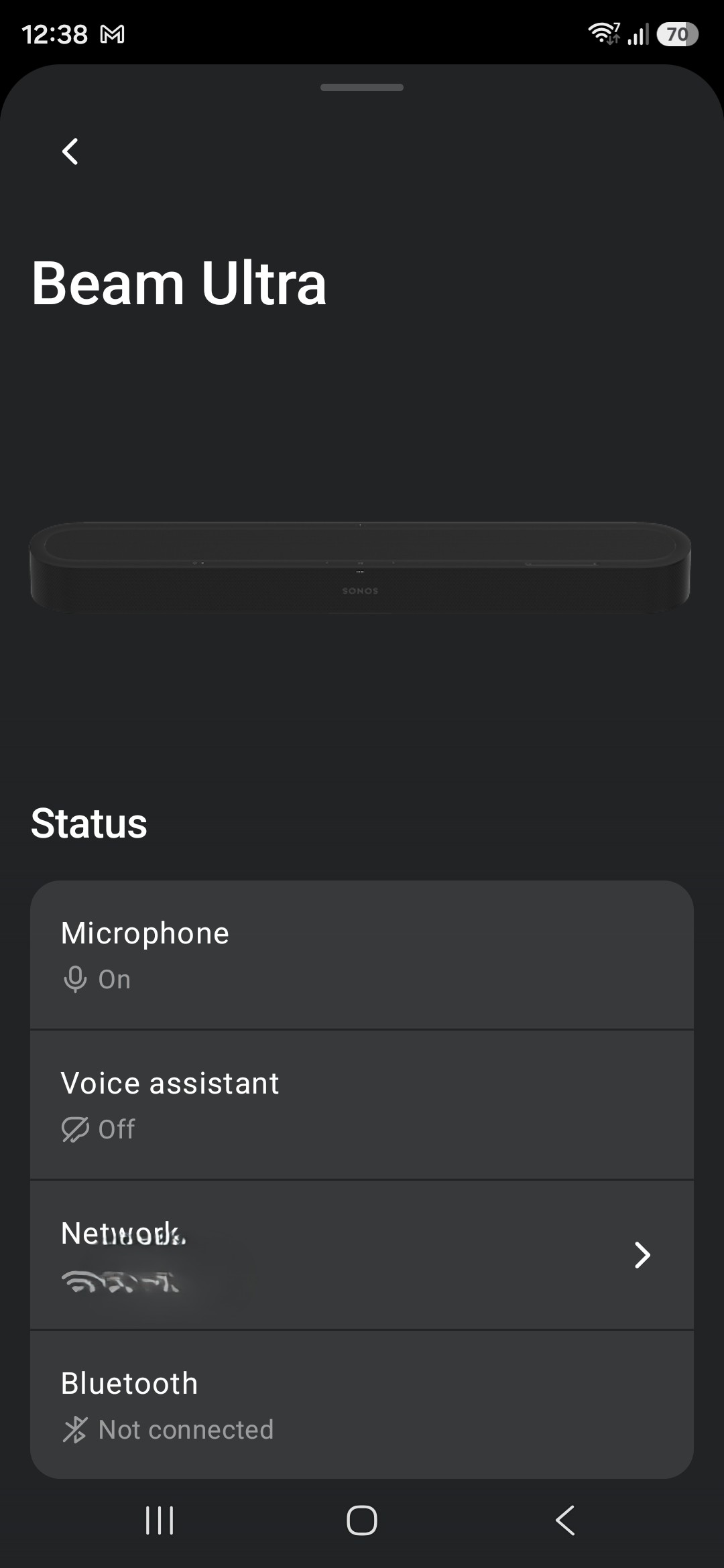
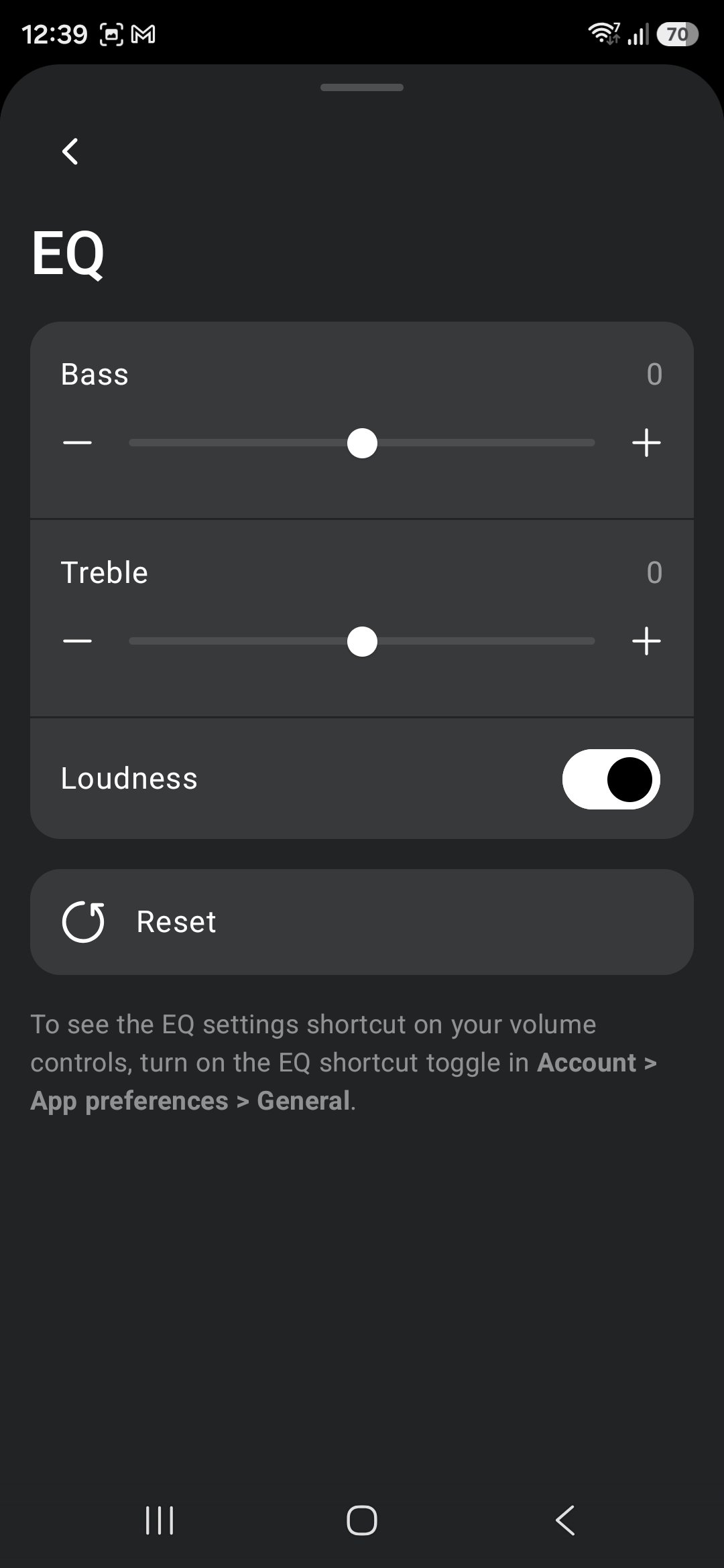
Setup, I should mention, is also relatively easy this time with the Sonos Beam Ultra. The company, which made its name with streaming players and soundbars more recently, has been hit by complaints of clunky setups in recent years and it’s recently come back with improved interfaces.
The app still requires you to sign up with an account but it’s easy to use to detect a soundbar in my network. Getting streaming music apps running isn’t hard, either.
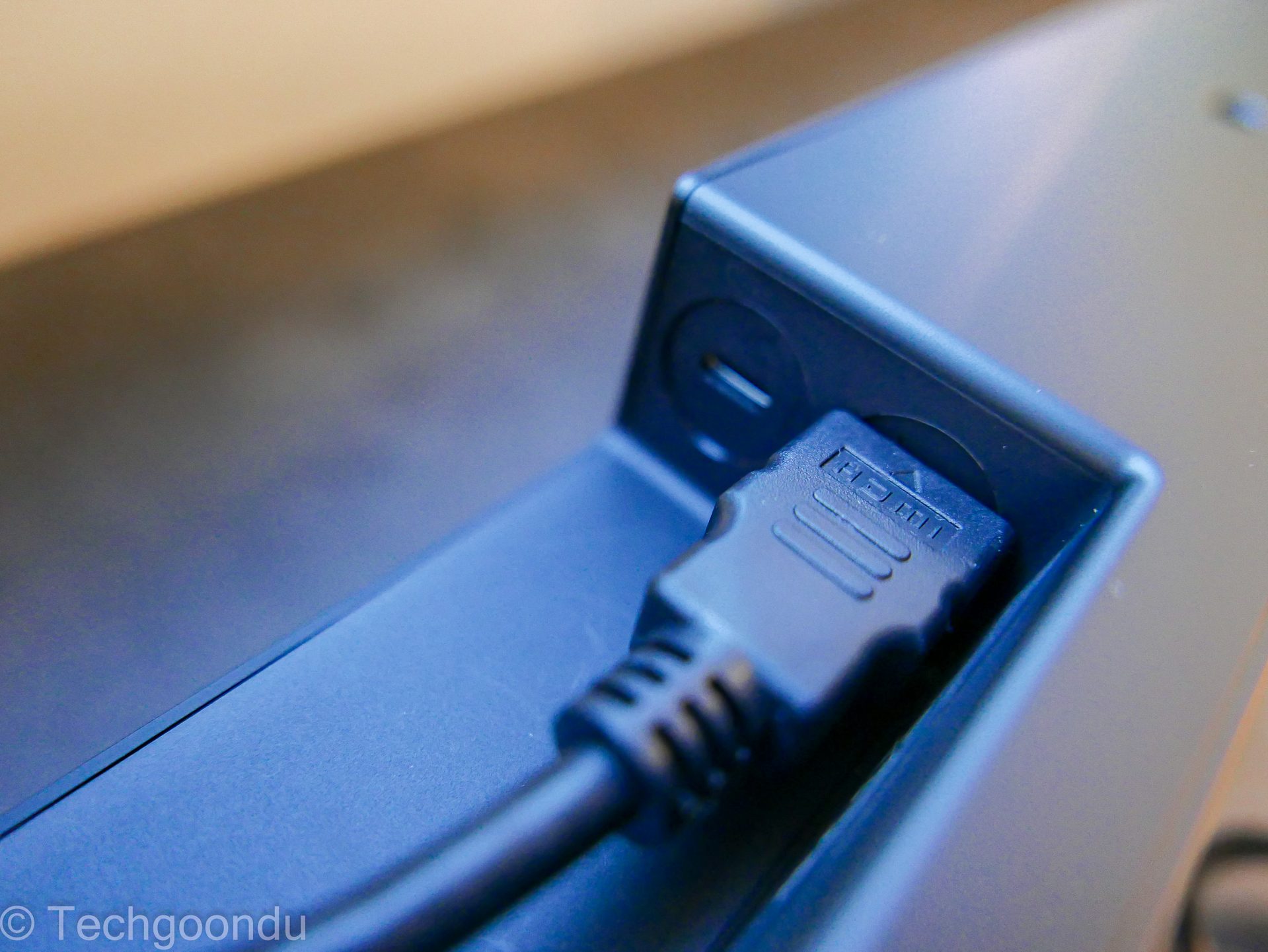
For the TV setup, I plugged the soundbar to my TV’s eARC port with an HDMI cable. This allows the TV to pass on the processing of Dolby Atmos to the soundbar to play movies with more realistic surround sound.
Some of the cool things that Sonos has engineered into its software include being able to use an AI chatbot to control what tunes its soundbar plays. To do this, you download a plugin to your AI model and let it do its magic to take over your Sonos gadget.
It’s cool, though I think I’d still use my mobile app to play Spotify tracks or click on the TV remote that is linked to the soundbar to control the volume.
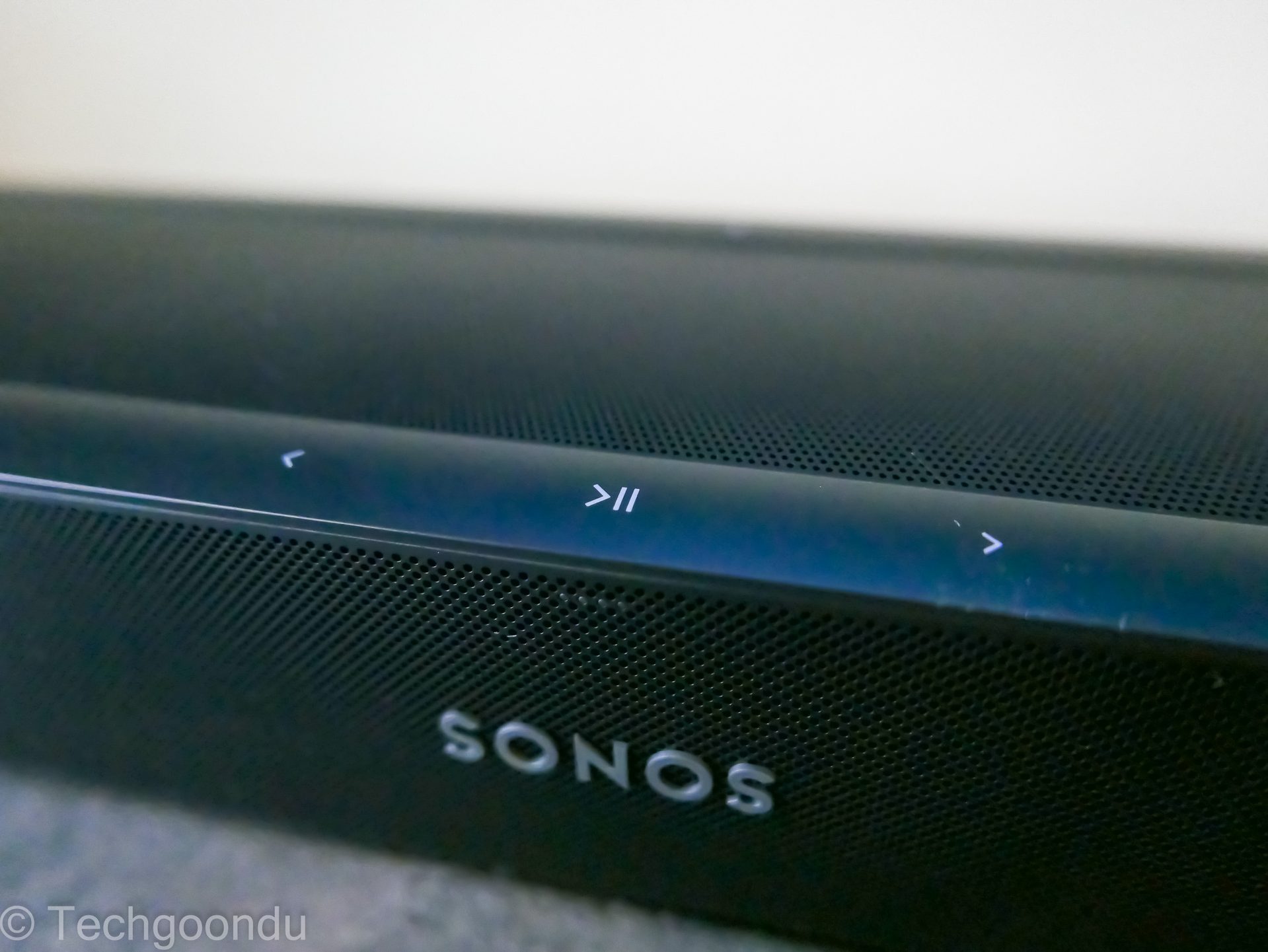
What’s perhaps more useful is the ability to add surround speakers easily. Yes, other soundbars, say from Samsung or LG, also let you add speakers behind you, for example, but Sonos lets you easily add two surround speakers that are battery powered and require no wiring up.
Think of the portable Sonos Play, for example, which you can use regularly for music in another room but bring to the living room as a surround speaker for movie night. Yes, real surround audio with discrete speakers.
This flexibility will bring more value to the Sonos Beam Ultra soundbar, which isn’t cheap. At S$1,299, it sits between the larger Sonos Arc Ultra and earlier Beam (Gen 2). It’s also in the range of popular full-surround kits from Samsung, LG or Sony that are often bundled with TV purchases.
One thing Sonos should consider is an HDMI 2.1 pass-through port. This allows you to connect, say, a Google Chromecast, an Apple TV or even a game console to your soundbar instead of running a cable all the way to the TV, which may not be as accessible.
As I said at the start of the review, Sonos faces a tough market. However, the Beam Ultra is a great soundbar if you want something that’s compact yet brings great audio to movie nights.
A big plus is the flexibility of adding surround speakers that would usually be used to fill other rooms at home with music. I’d say go listen to the new Sonos soundbar – you might be convinced it’s worth the price because it’s a versatile all-rounder that will add so much to your TV.