
At a meeting with reporters and analysts yesterday, Nvidia head honcho Jensen Huang was asked why he was jumping into the cut-throat PC market with his RTX Spark PC chip when he’s making big bucks with his data centre chips and systems.
The PC is still an incredibly important “instrument” that people use every day, he replied, so if Nvidia could contribute something it could do “insanely well” in, it would do so, low-margin or not.
You’d expect Huang, the best technology salesman today, to say that at the Computex 2026 show in Taipei. Yet, for someone whose company made its first dollar selling graphics cards to PC gamers, he also understands the importance of the PC – a machine that has been written off many times over but is now central to the AI equation again.
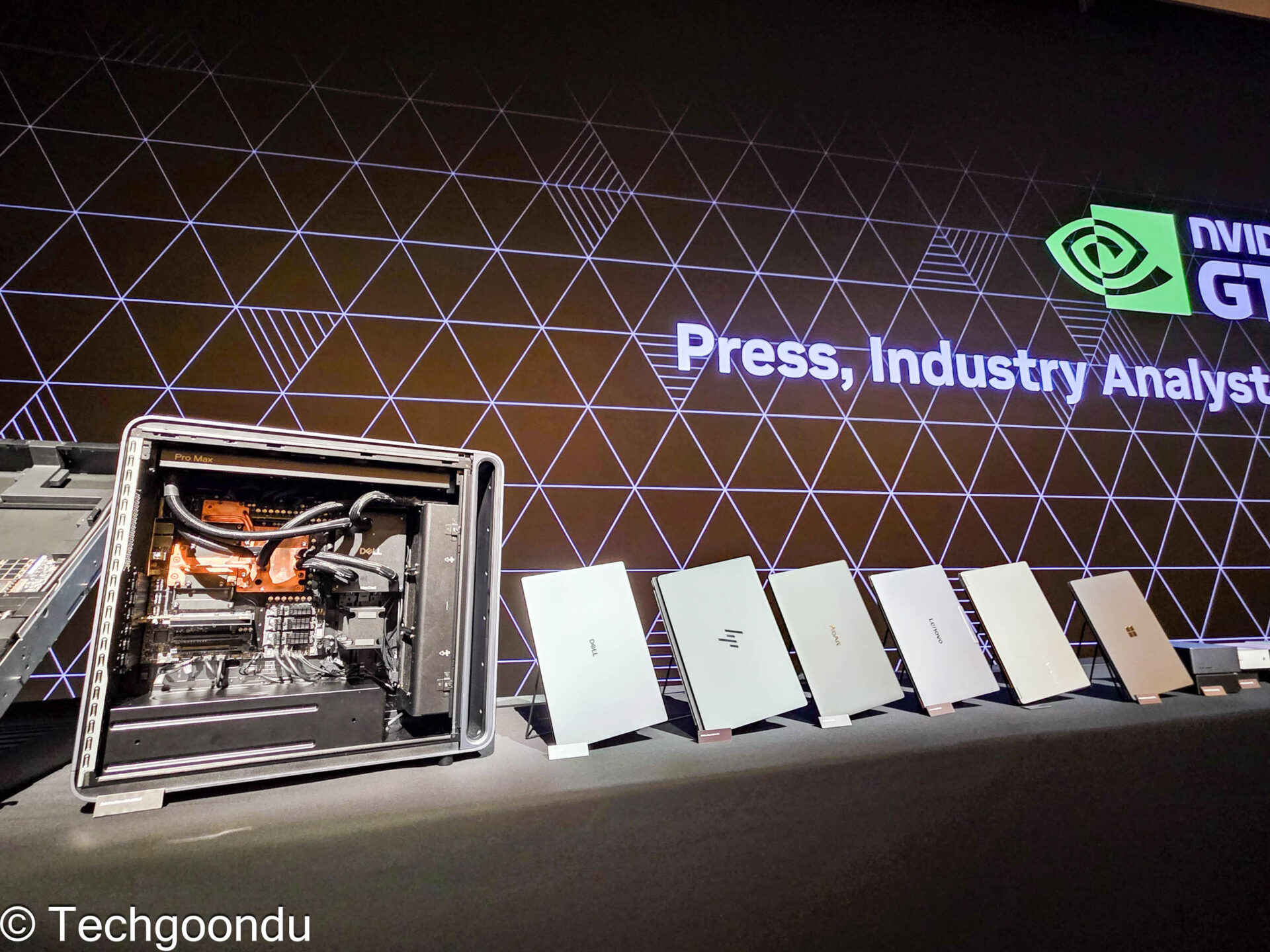
As AI costs shoot up for many businesses, the idea now is to offload some of that work onto your own machine. Hence, the PC, which can run some of the AI agents and even smaller AI models. Another plus – the data can be kept locally.
To be sure, this isn’t the first time technology firms want people to run AI on their own devices. Microsoft hasn’t succeeded with its Copilot+ PCs in the past couple of years, so what makes Nvidia so confident?
It’s banking on the rise of AI agents, which have taken off in a big way in the past few months with OpenClaw. Microsoft just announced Scout, its smart agent, after similar offerings from Anthropic and Google.
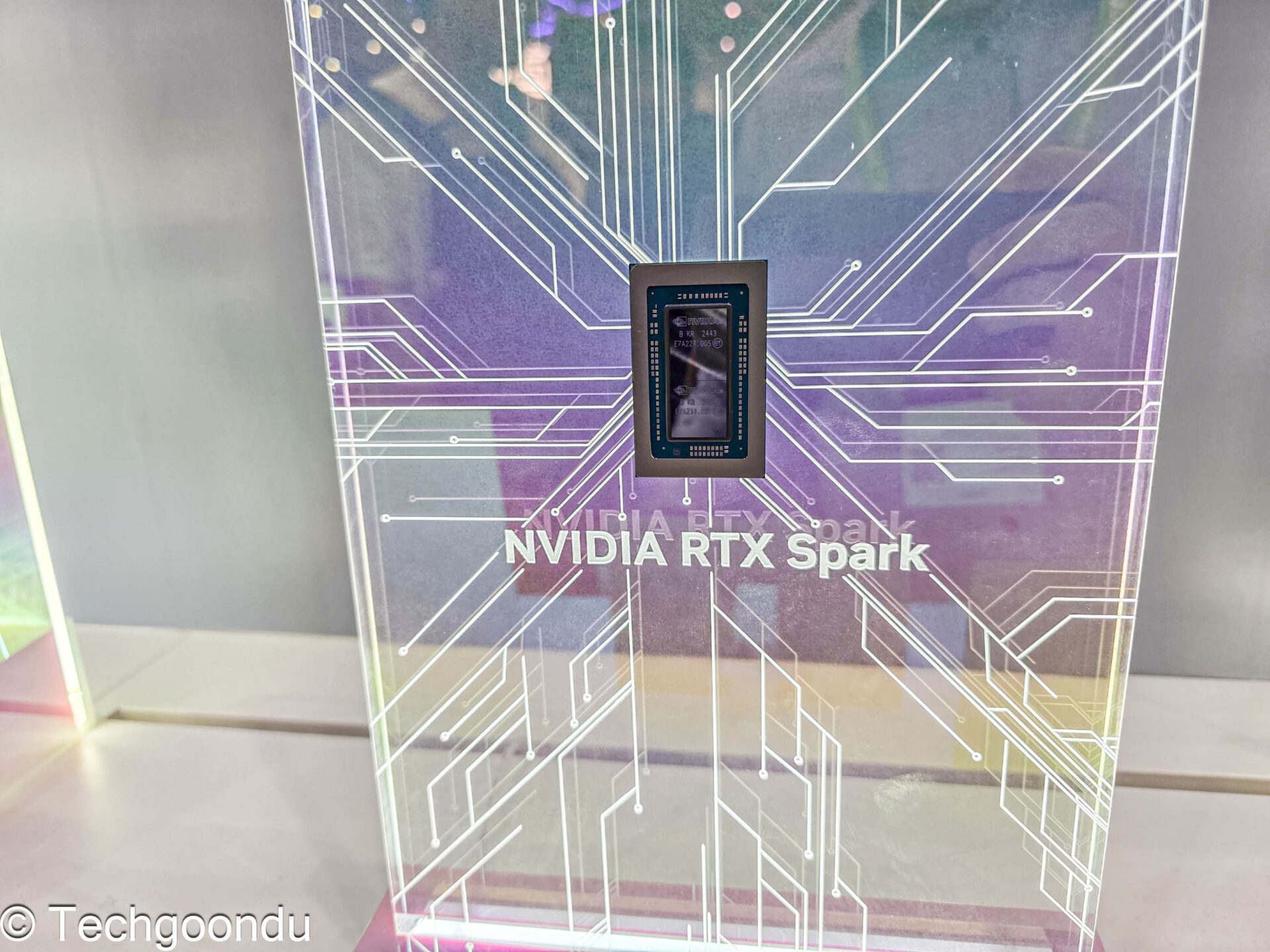
These agents, Huang argued, need faster hardware, like the NVLink connectivity in his RTX Spark-based PCs that let them carry on their tasks with less lag than regular PCs. This way, an AI agent can think and act faster.
Nvidia-based PCs, made by manufacturers such as Asus, Dell, HP, Lenovo and MSI, will run a secure “sandbox” to enable such agents for all sorts of tasks, from managing their smart home lighting to scheduling their day.
Notably, at Computex, you could see these machines mostly aimed at the higher-end of the market. Given the high performance that Nvidia is bringing with its Arm-based chip and Blackwell graphics chip, this isn’t a surprise.
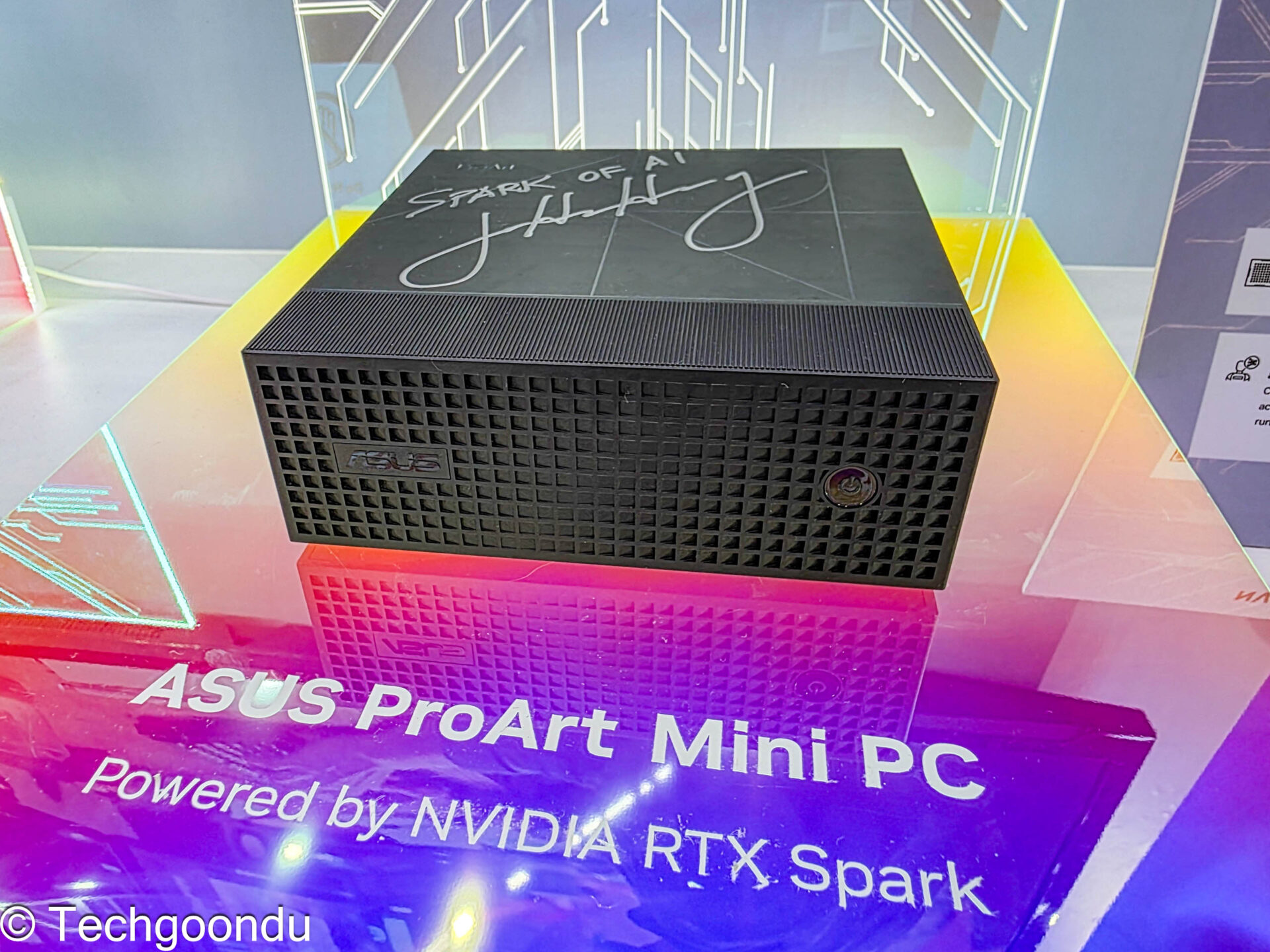
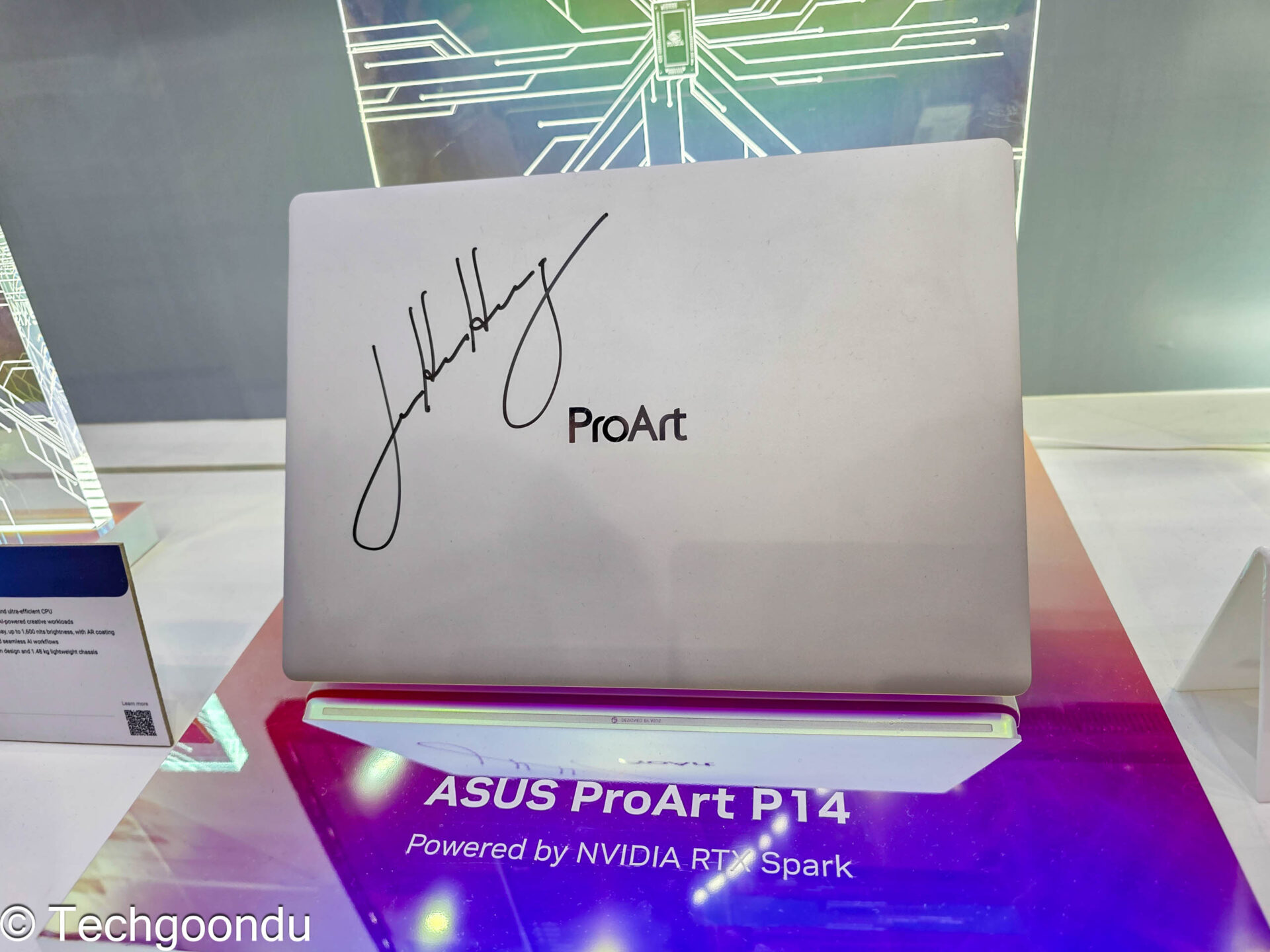
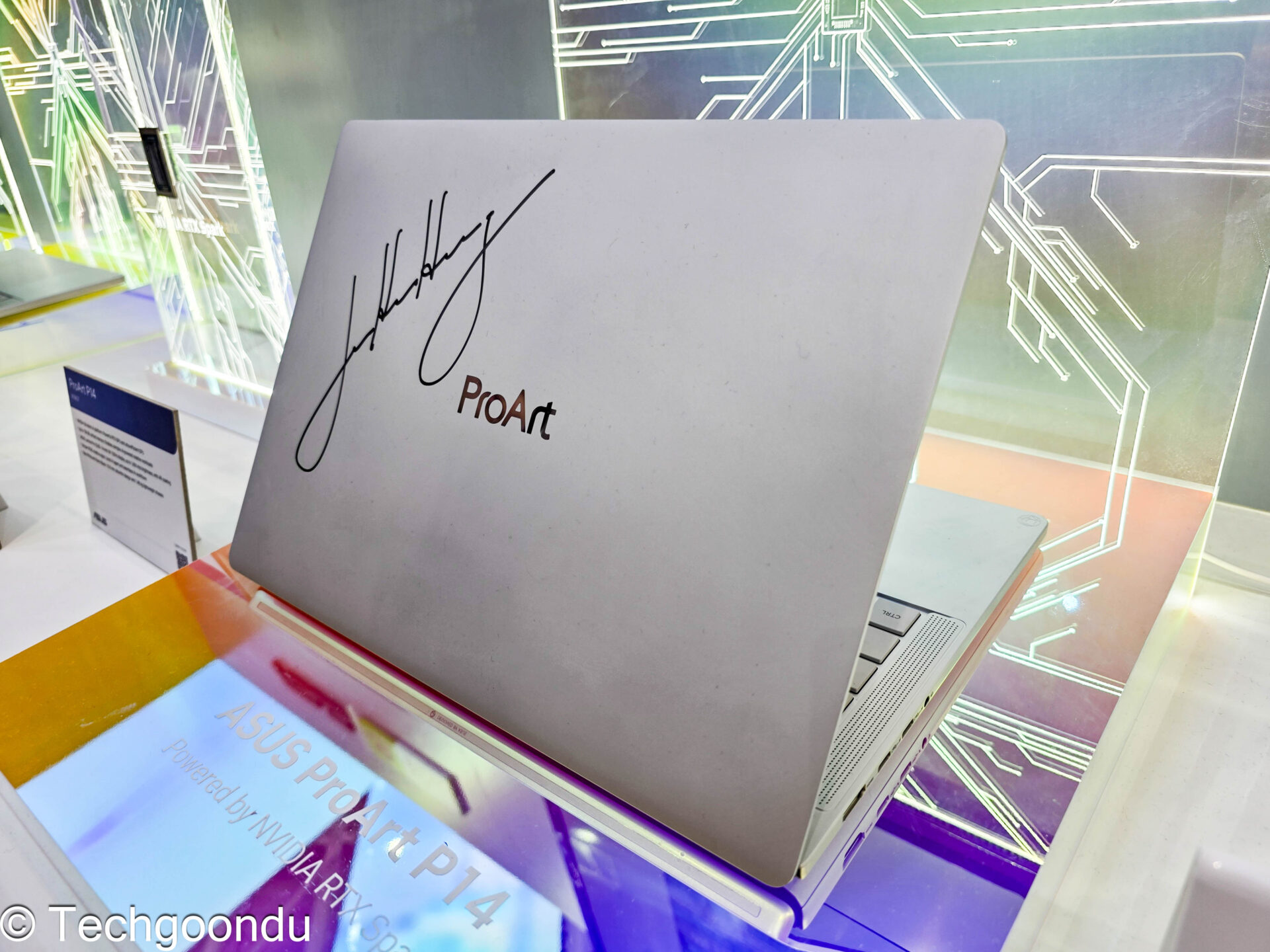
The Asus ProArt P16 and P14, for example, aren’t your regular thin and light machines. Yes, they are slim and appear sleek but these are workhorses for creators or designers to churn out videos or digital art with AI’s help. A waste, if you’re using them for your everyday e-mails and report writing.
One question that remains unanswered is pricing. With memory and storage being so expensive today, it won’t be a surprise if these RTX Spark PCs end up in the high-end bracket.
The earlier DGX Spark, a fully-spec’d Nvidia-based lunchbox-sized PC with as much as 128GB of memory and 4TB of solid state drive storage made for AI tweakers and early adopters, costs US$4,699 now after a price increase this year.
This new batch of Windows PCs – using the newer RTX Spark design from Nvidia – should be less extreme and have less memory and storage. Yet, prices have been rising for everyday PCs as well, thanks to memory shortage. Research firm IDC expects PC shipments to fall sharply by 11.3 per cent this year.
Asked about cost yesterday, Huang brought up the importance of memory compression for AI workloads and how the precision required can be lowered, which means there is less memory required to run these workloads.
For games, he brought up the AI-enabled enhancements that Nvidia has pioneered for gamers to enjoy great graphics. The neural networks are trained on Nvidia’s supercomputers but the upscaling is done locally on the PC.


Should you wait for these new AI PCs before buying one? Well, if a souped-up PC isn’t your cup of tea or within your budget, the good news is that PCs are also getting cheaper at the other end of the spectrum.
Even as companies such as Nvidia push the envelop by packing more performance in a PC, there are others providing everyday computing at a less daunting price.
For this, the Dell XPS 13 laptop (above) has been catching the eye this week with a no-frills version costing just US$699. This is the PC maker’s premium thin-and-light model that weighs just 1kg, and yes, it is a response to Apple’s low-cost Macbook Neo launched earlier.
At Computex, the Dell laptop was shown off in a small corner of the Nangang exhibition hall in Taipei. Far from the spotlight on the high-proflie RTX Spark PCs, it looks sleek and should sell well with an attractive price tag.
To be sure, Dell is also making RTX Spark PCs, but its regular XPS 13 running an Intel Core Series 3 processor is likely to bring in buyers, AI agent or not.
It’s a reminder that many people are likely to still run their boring office apps for a while on low-cost machines, even as the industry believes the PC is poised for a big transformation. Habits aren’t as easy to change without a lower price tag.