Based on its well-liked flagship sibling, the new Oppo Find X9s is a curious mid-cycle refresh of a smartphone that trims more than it adds.
At first glance, it looks like the same phone as the Find X9, but the changes underneath make you wonder if it offers the same value for everyday users and photo enthusiasts alike.
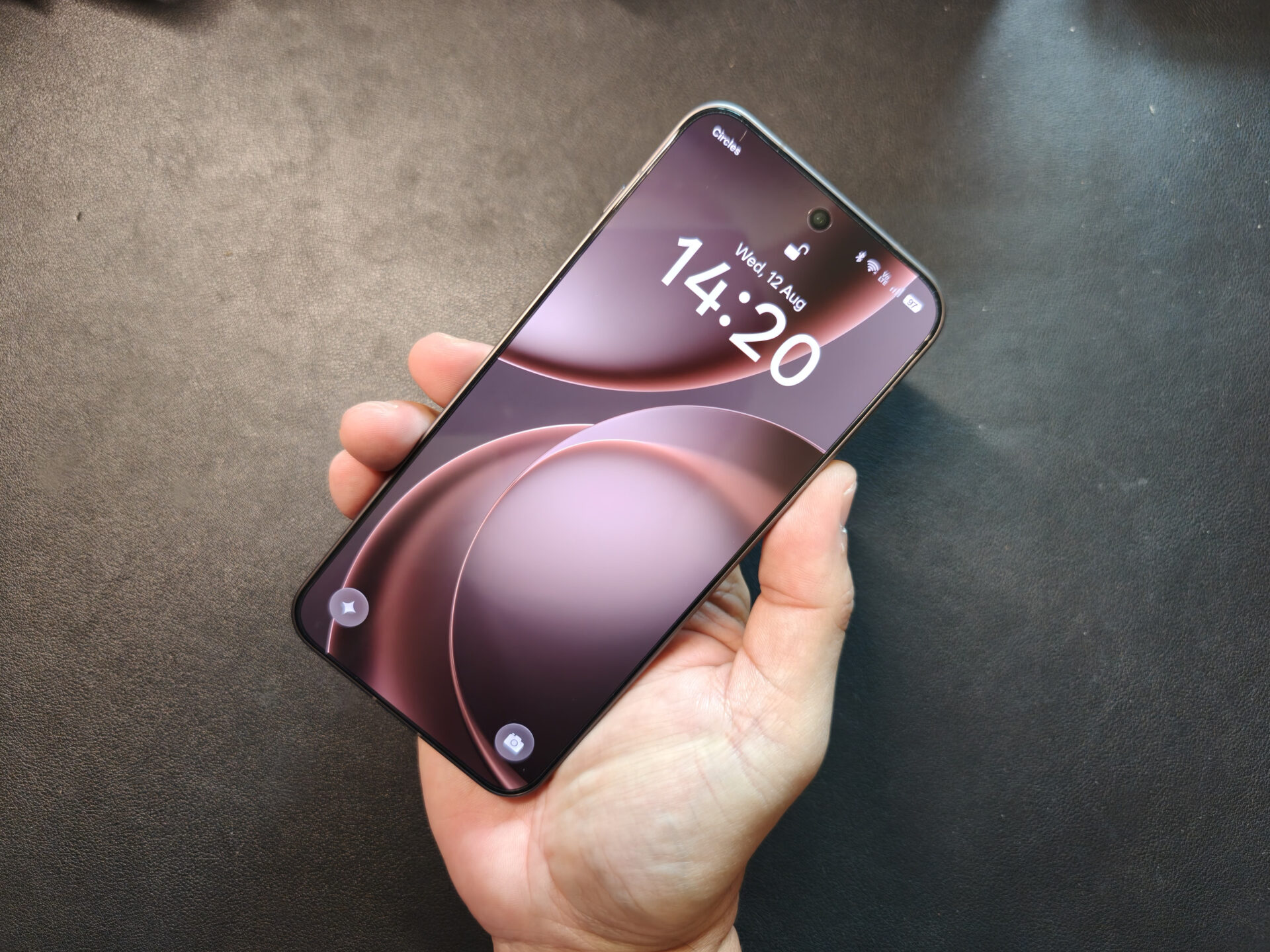
The Find X9s keeps the same outer dimensions as the original Find X9, so it slips into pockets and small bags with equal ease.
The 6.59-inch AMOLED display is flat and comfortable to hold, with a slim profile that does not feel bulky despite the large 7,025mAh battery inside.
In the hand, the phone feels light for its size at around 202g, and the flat screen makes one-handed typing and gaming comfortable.
Build quality is solid, with IP66, IP68 and IP69 ratings for dust and water resistance. This means the phone can handle rain and splashes so you do not need to baby it in daily use. A quick drizzle or an accidental drop into the sink will not be a problem.
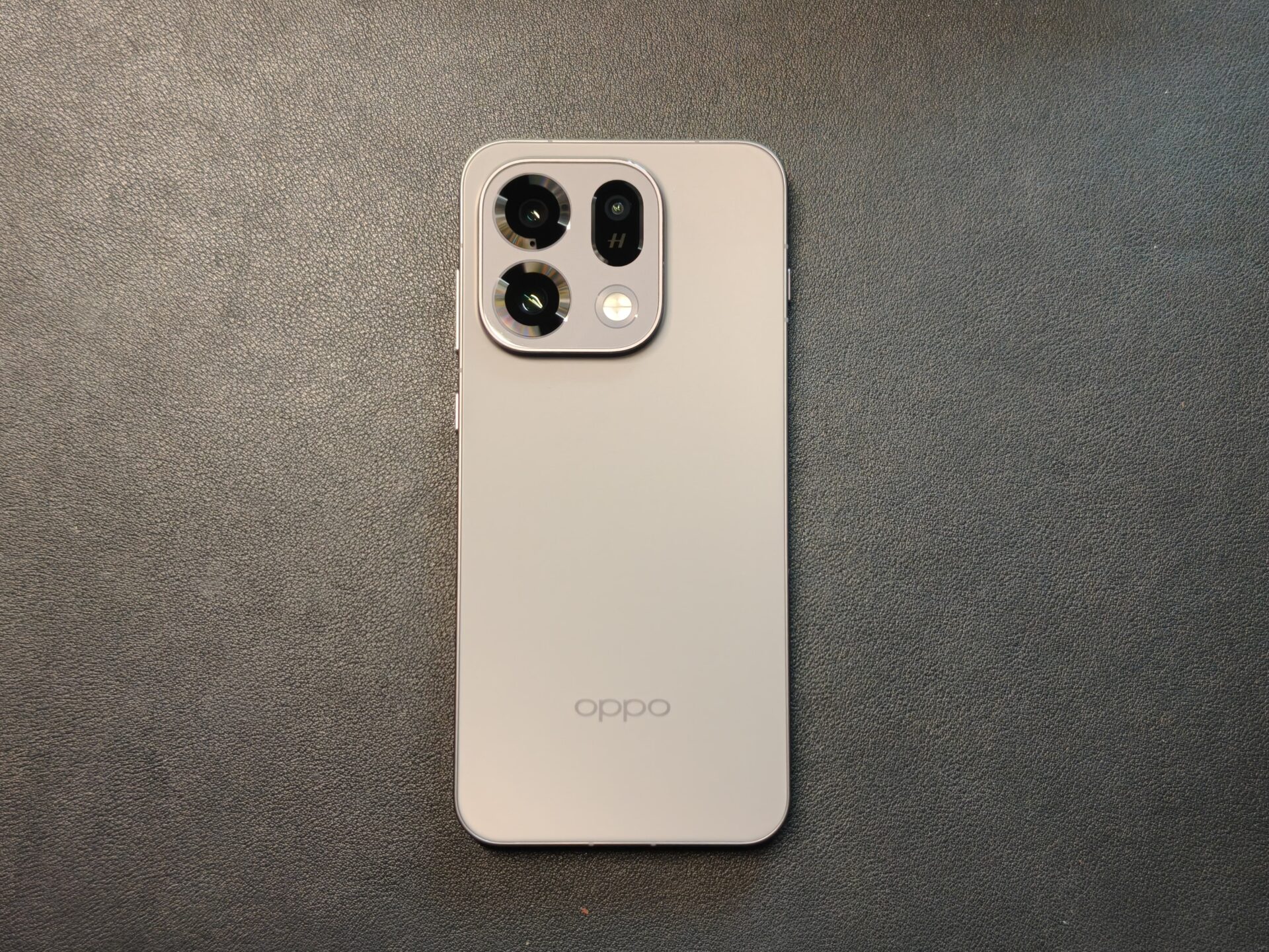
One practical downgrade is the loss of wireless charging. The original Find X9 supports 50W wireless charging, which is handy for charging mats at home or in the office. The Oppo Find X9s drops this entirely, leaving only the 80W wired charger in the box.
That wired charger still fills the battery in under an hour, which is excellent, but the convenience of dropping the phone on a wireless charging mat is gone.
Under the hood, the Find X9s uses the newer MediaTek Dimensity 9500s chipset. In real-world use, the difference between the Find X9 and Find X9s is negligible. Apps open quickly, multitasking is smooth, and gaming performance is strong. For most users, the day-to-day experience feels identical to the X9.
The display is a 6.59-inch AMOLED panel at FHD+ resolution with a fast 120Hz refresh rate and up to 3600nits peak brightness. It’s what you’d expect of a flagship phone and it works well in bright sunlight as well.
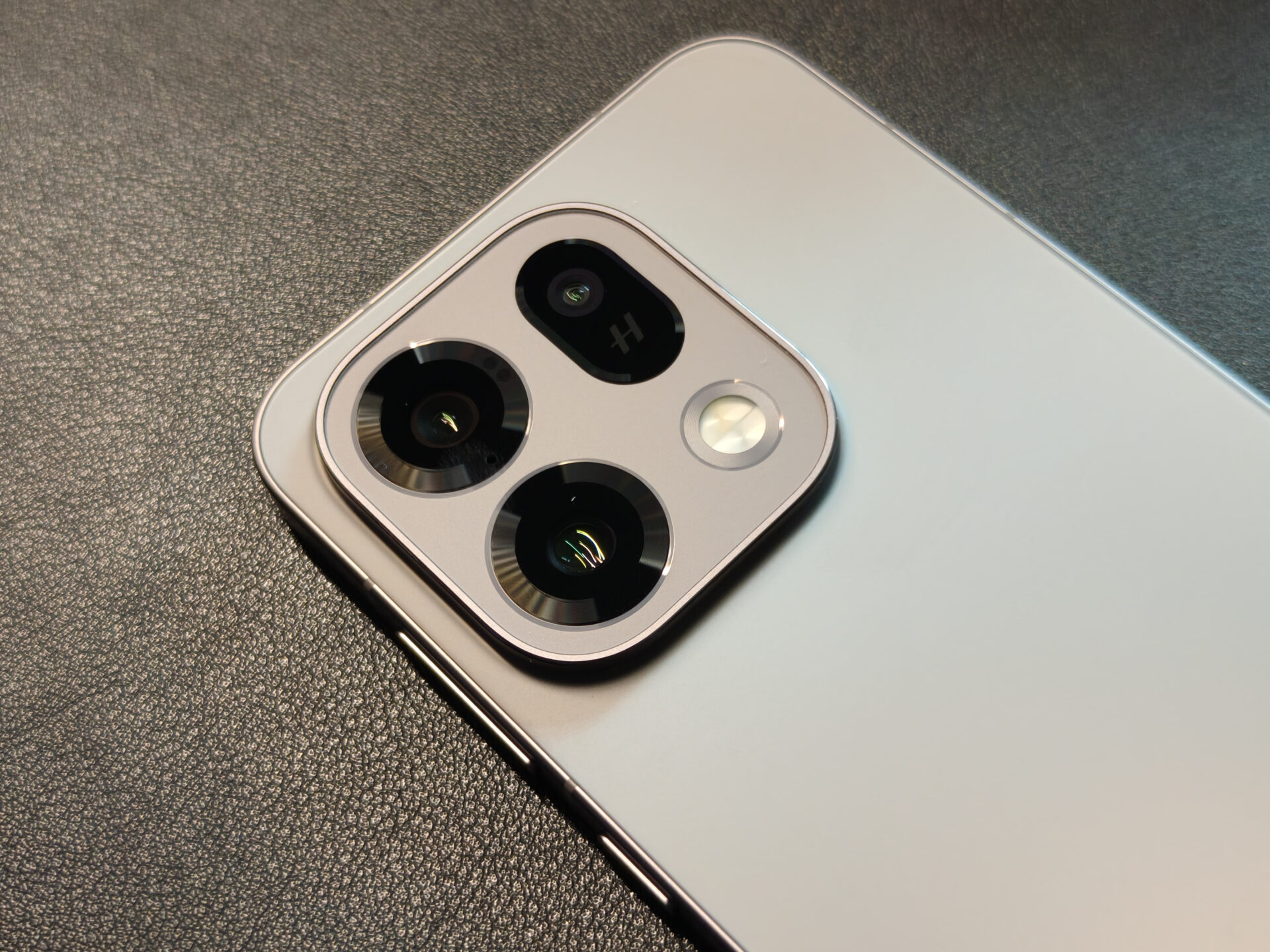
The camera hardware sees several changes. The rear triple-camera setup consists of a 50-megapixel main sensor with f1.8 aperture, a 50-megapixel ultrawide at f2.0, and a 50-megapixel telephoto with 3x optical zoom at f2.6. The main sensor is a step down from the Find X9’s larger sensor with f1.6 aperture, which means less light intake and slightly weaker low-light performance.
At the front, the Find X9s uses a 32-megapixel selfie camera at f2.4, down from the 50-megapixel sensor on the X9. It also loses professional video mode and zoom-in video features for the front camera.
Both phones can record 4K video at 60 frames per second on the main and front cameras. They are good for slow-motion clips, but the Find X9s has fewer creative options for vloggers and content creators.
In good light, the Find X9s produces clean, detailed photos with natural colours. The Hasselblad tuning keeps skin tones accurate and avoids oversaturation, which is a plus for social media posts.
The 3x telephoto is sharp and useful for portraits, and the ultrawide lens captures plenty of detail without excessive distortion.




In low light, the smaller main sensor and f1.8 aperture show their limits because the monochrome sensor and spectral sensor from the Find X9 are removed, which reduces the phone’s ability to fine-tune colour and detail in complex lighting.
Without these auxiliary sensors, the Find X9s struggles more with accurate white balance and contrast in mixed-light scenes, and portrait edge detection is less precise, especially against busy backgrounds.
Some images show patchy colour processing or minor artefacts. For best results, stick to well-lit subjects and avoid extreme shadows.






Video quality is solid at 4K 60fps, with stable footage thanks to optical image stabilisation on the main and telephoto lenses. However, the lack of professional video modes on the front camera is a miss for creators who want more control over exposure and focus while recording selfies.
Overall, the Oppo Find X9s is a capable camera phone for casual shooters, but enthusiasts will notice the missing sensors and reduced front camera flexibility.
In Singapore, both the Find X9 and Find X9s have been launched at S$1,299 for variants with 16GB RAM and 512GB storage. At that price, the original Find X9 is the better buy.
It has a larger main sensor with f1.6 aperture, a higher-resolution 50-megapixel front camera, wireless charging, and extra camera sensors that improve colour accuracy and portrait edge detection. Street prices for the Find X9 are also likely to drop faster as it is the older model, making it the better-value option.
The Find X9s makes sense only if you do not care about wireless charging or the camera downgrades. For most buyers, especially those who take a lot of photos or use wireless chargers at home, the original Find X9 offers more for the same money.
If you are choosing between the two today, the Oppo Find X9 is the smarter pick. The Find X9s is a competent phone, but it is hard to recommend because it appears to offer less than the older phone without having a more attractive price.