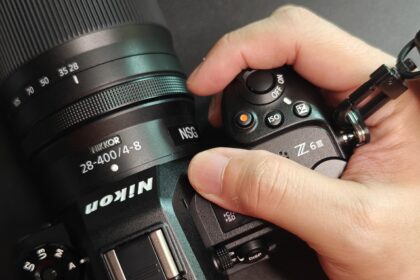
Hands on: Nikon Z6 III sports new sensor, great auto-focus
The Nikon Z6 III gets many things right, starting with good auto-focus…

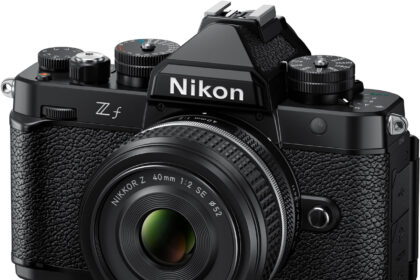
Review: Nikon Zf is a modern camera in old clothes
Not everyone needs it but the Nikon Zf has a monochrome mode…
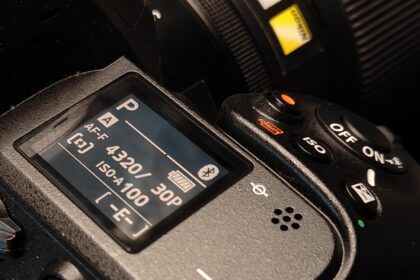
Nikon Z8 review: Worthy successor to the Nikon D850
The Nikon Z8 is not cheap but it is a professional camera…
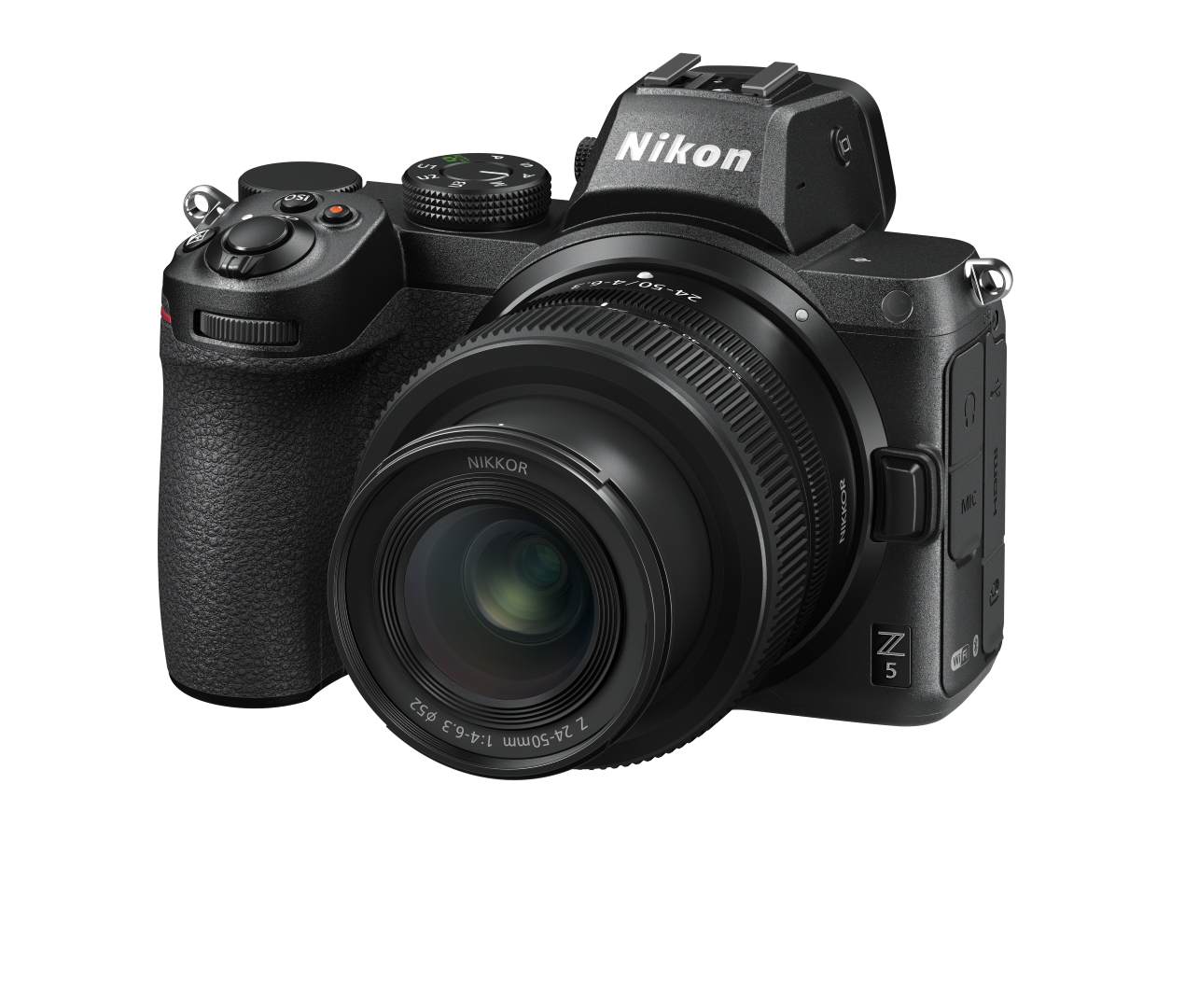
As photographers grapple with costlier lenses, what can camera makers do to attract them?
With lenses costing more, owning a camera may become less attractive to…
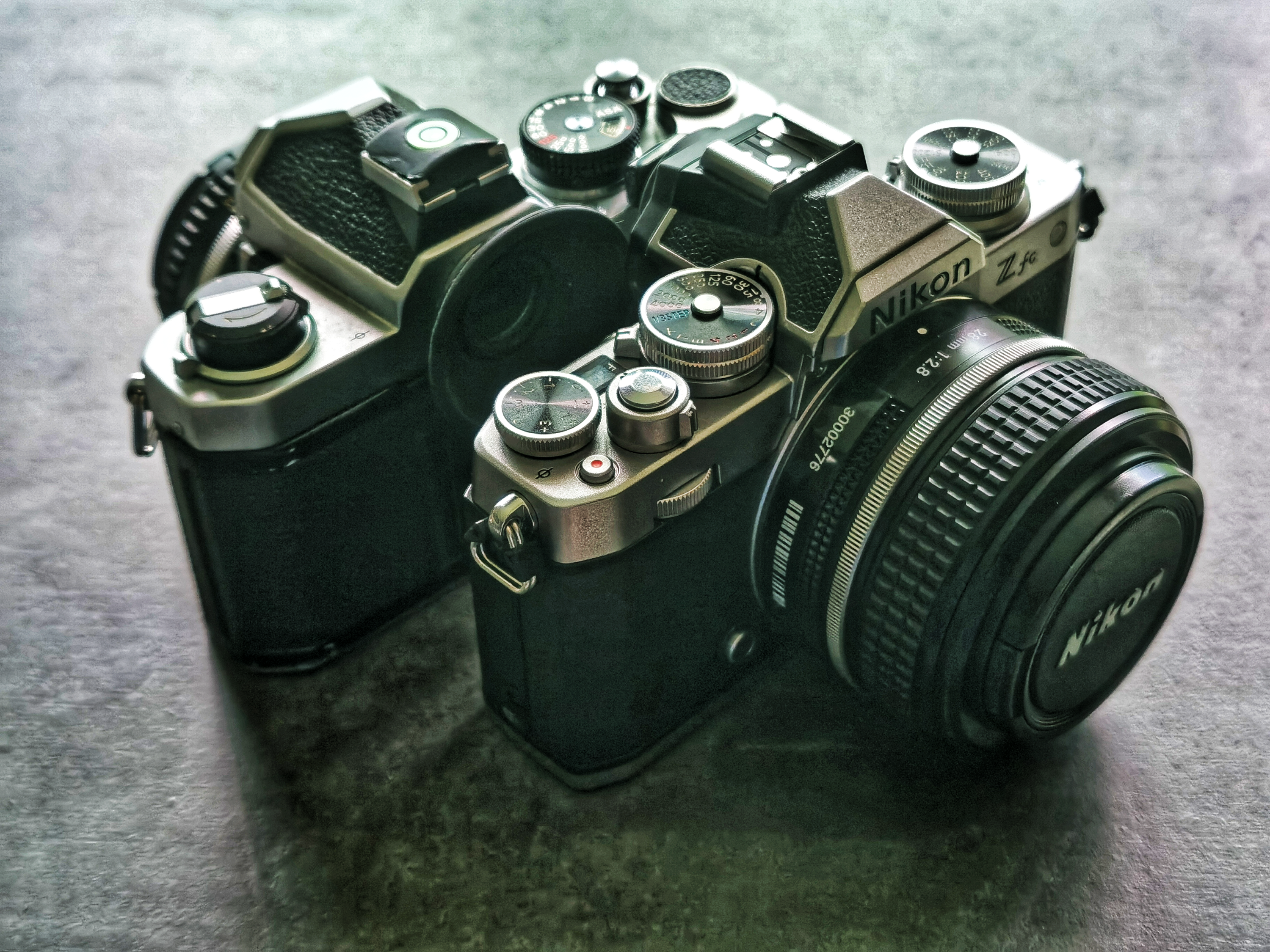
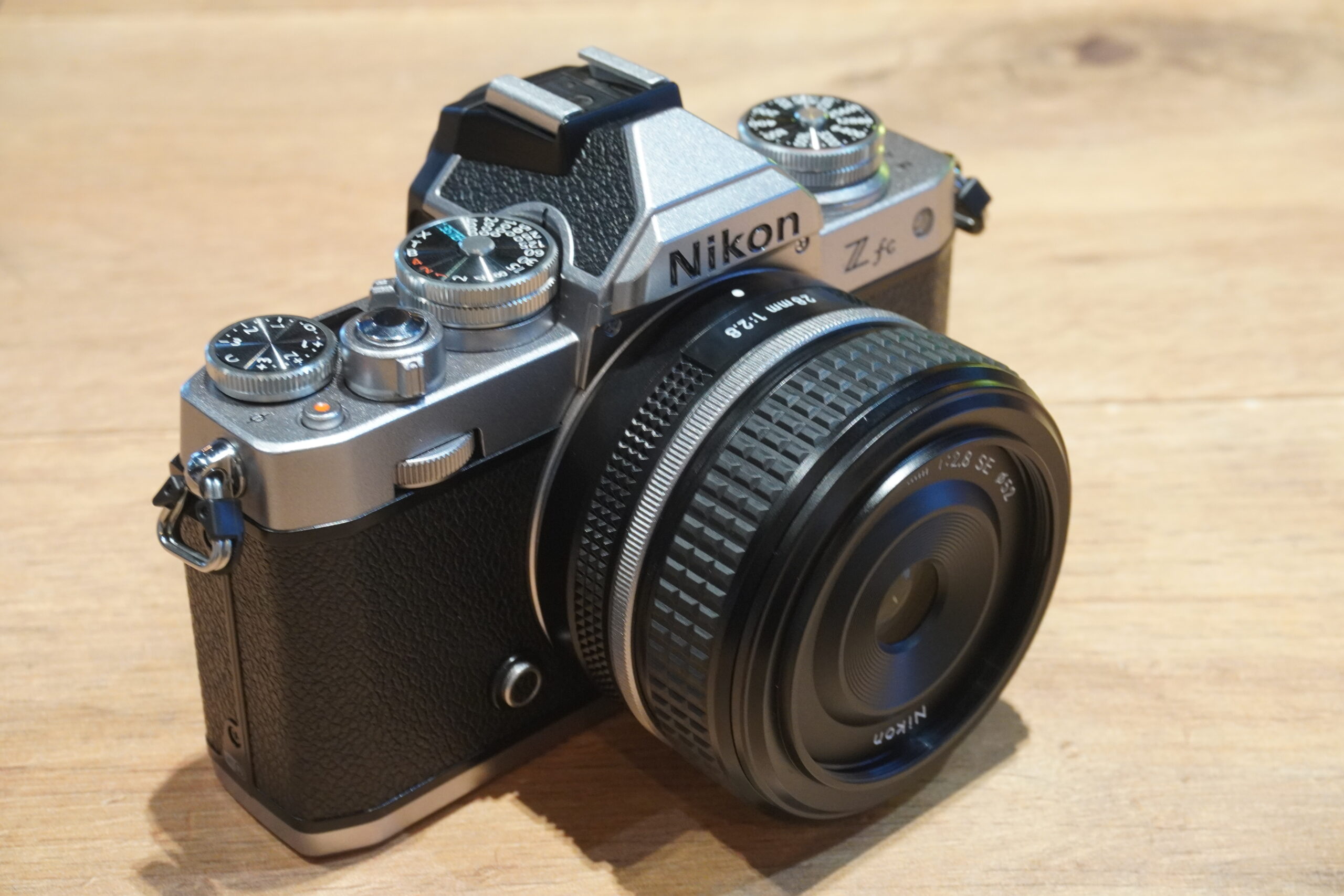
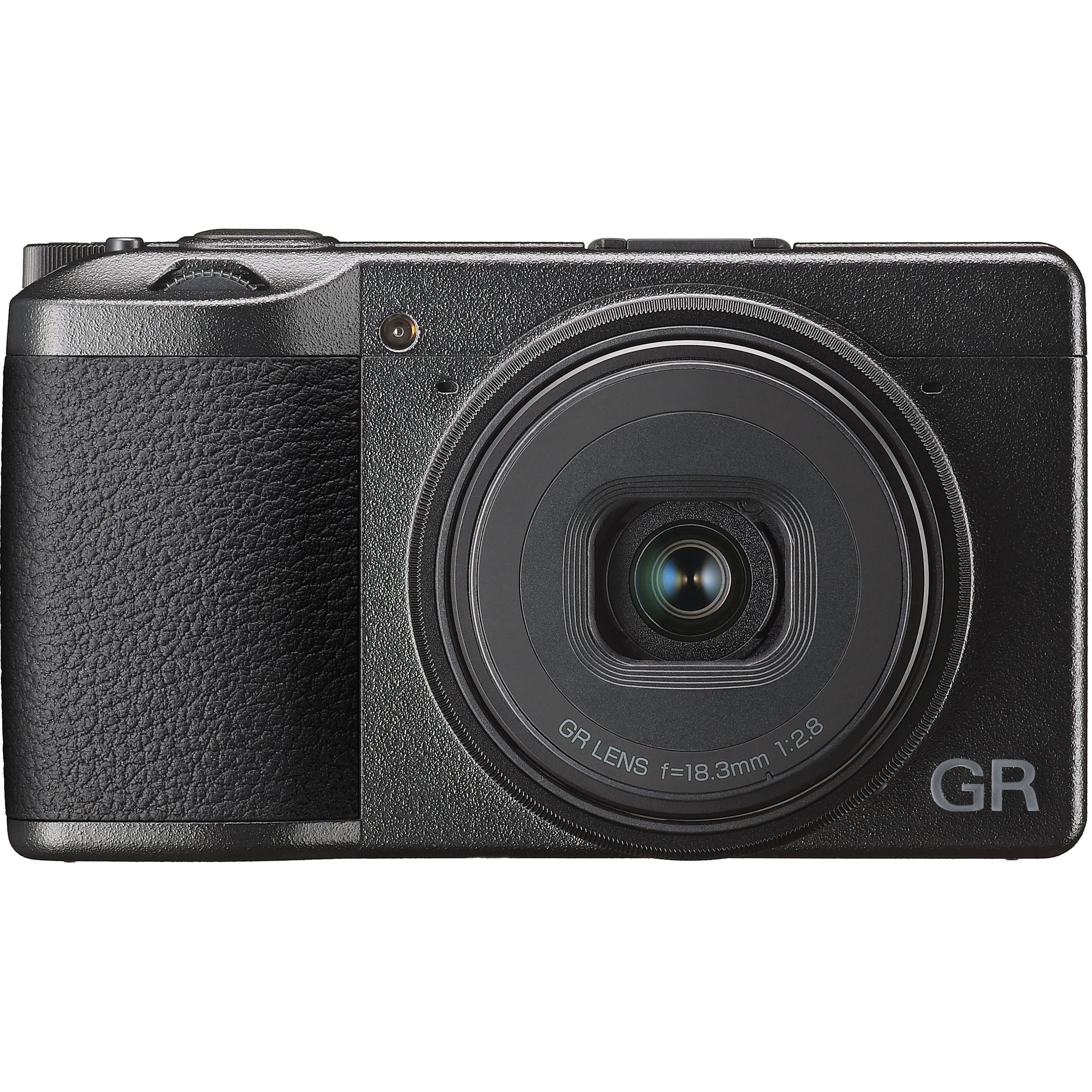
2021 promises to be another year of change for digital imaging
More people are turning to smartphones and mirrorless cameras to shoot their…
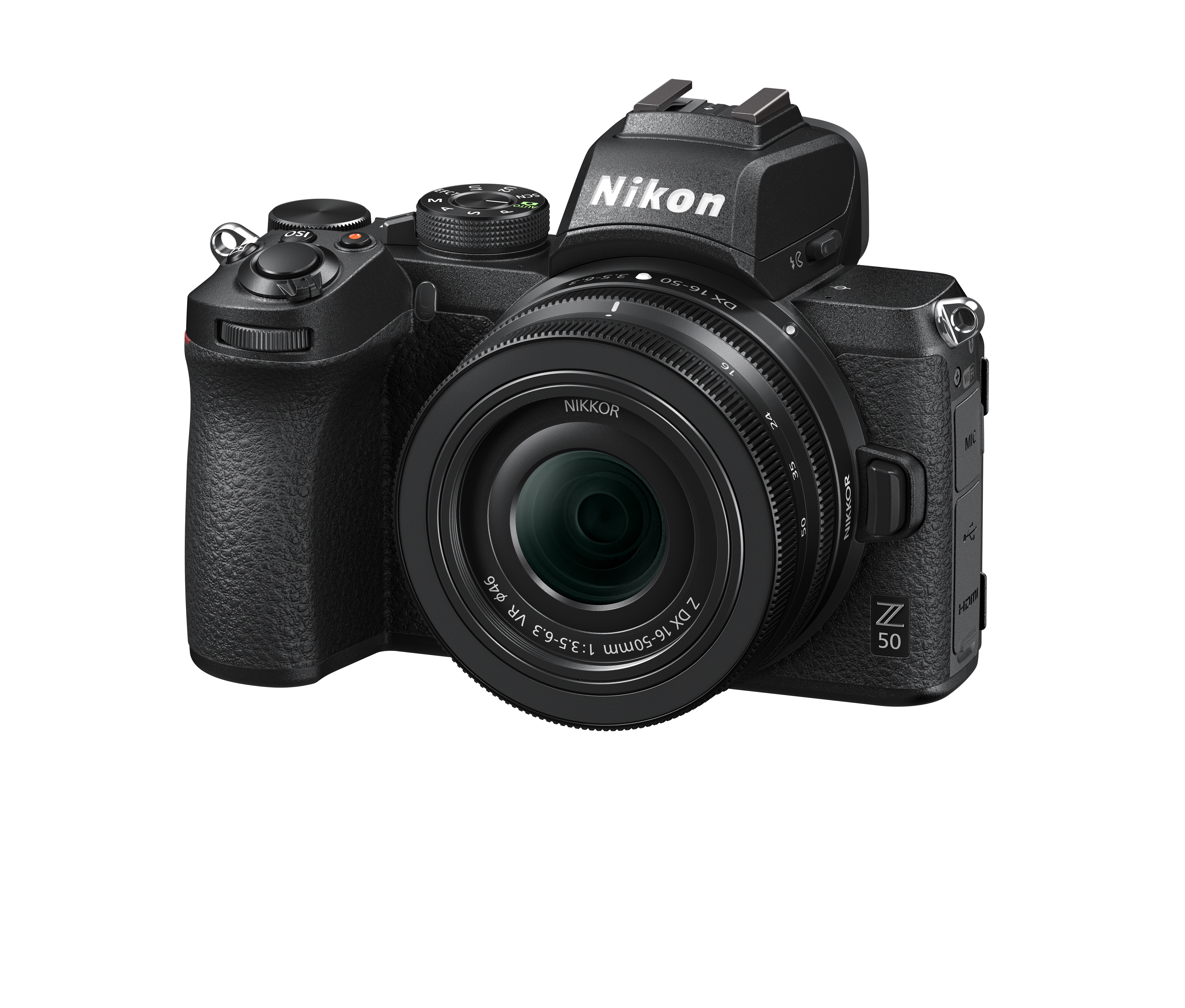
Goondu review: Nikon Z50 mirrorless camera
The Nikon Z50 is aimed at budget-conscious users who value a mirrorless…
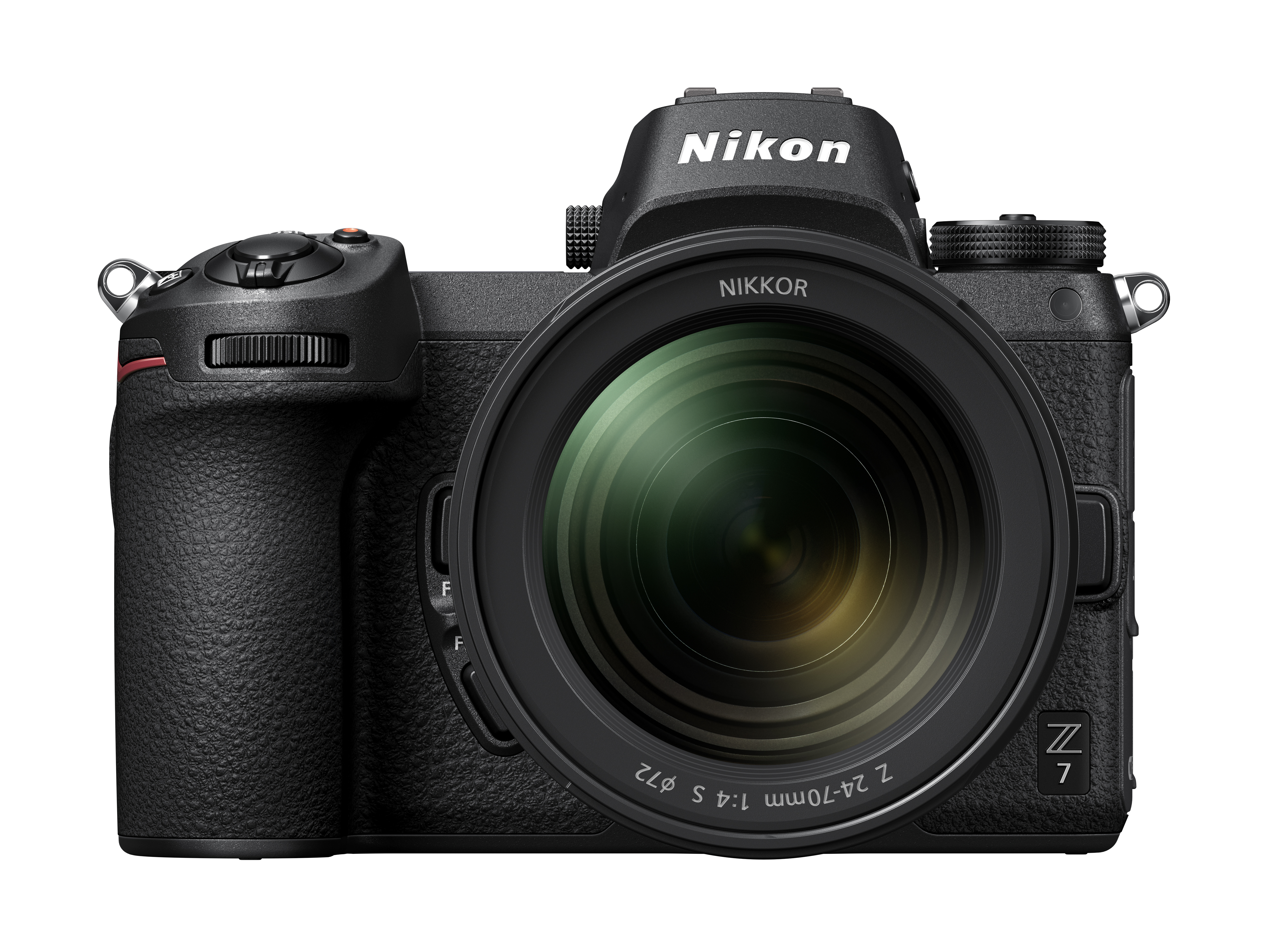

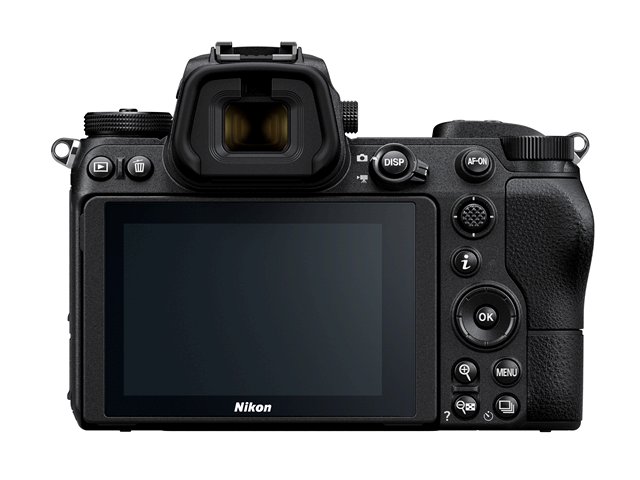
Nikon Z6 and Z7 mirrorless cameras bring the fight to Sony
Nikon has come up with the new Z6 and Z7 mirrorless cameras…
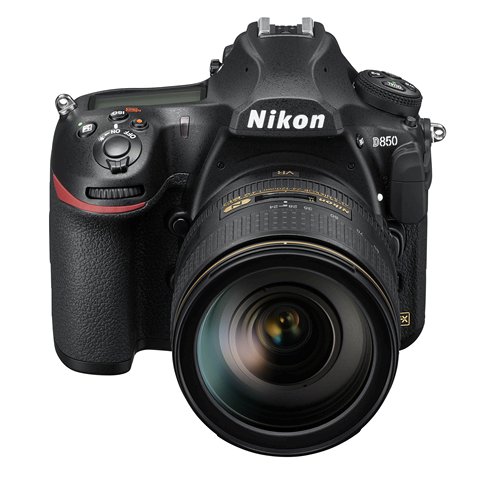
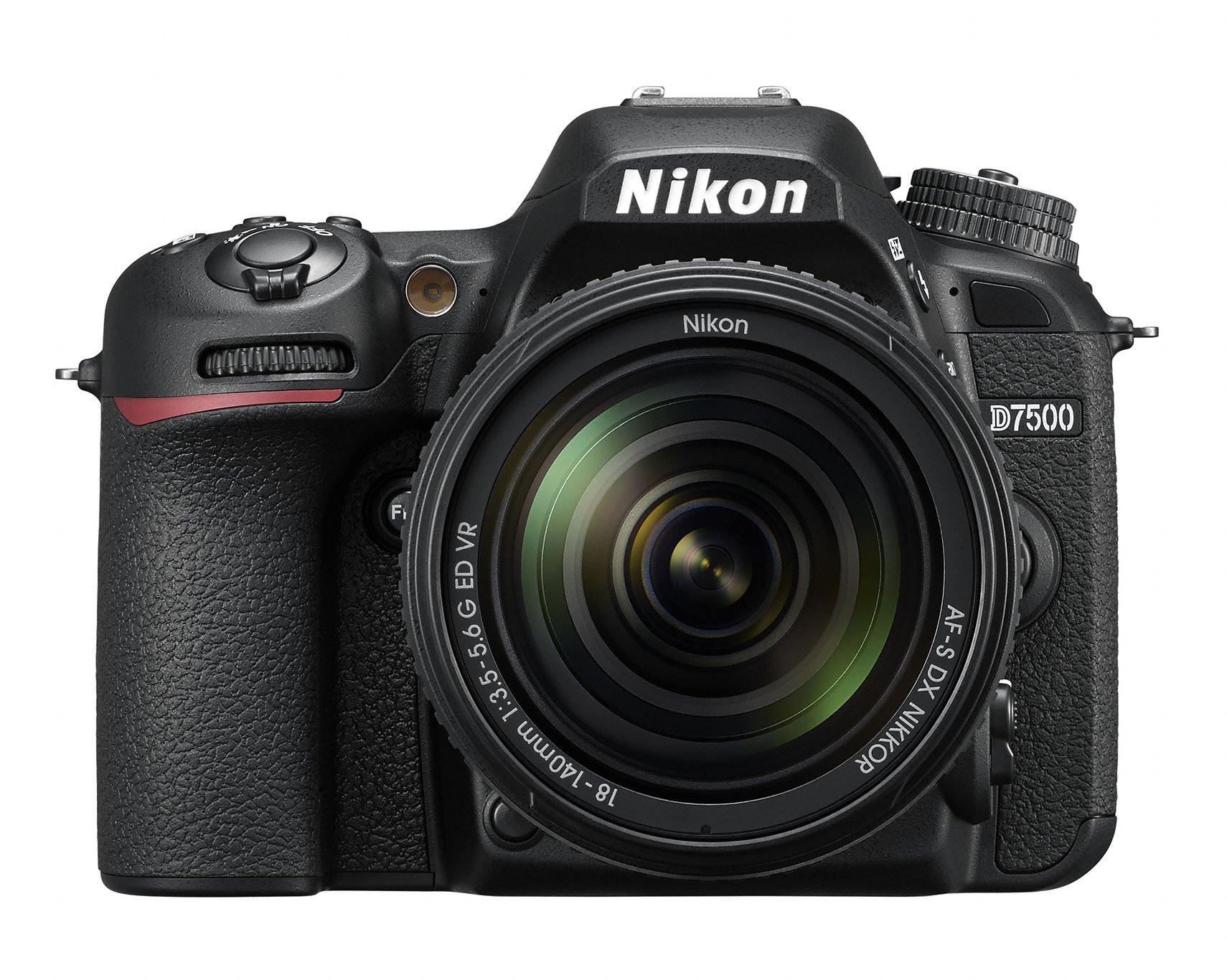
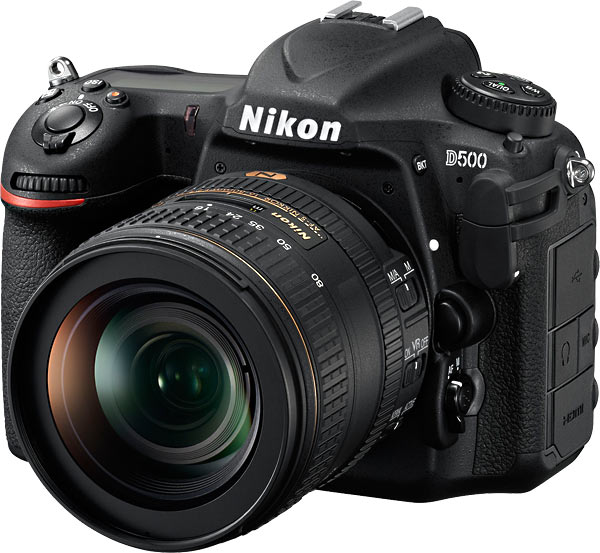
Is Nikon’s D500 too little, too late for a crop-sensor DSLR?
With significant upgrades over its predecessor, the D500 is one camera worth…